Self-guided audio tour in Bangkok
Start Free on iPhone
Start free on iPhone to unlock this self-guided walking tour in Bangkok. Hear all the stories that make it amazing, walk at your own pace, and begin whenever you want.
Your Private Tour Guide
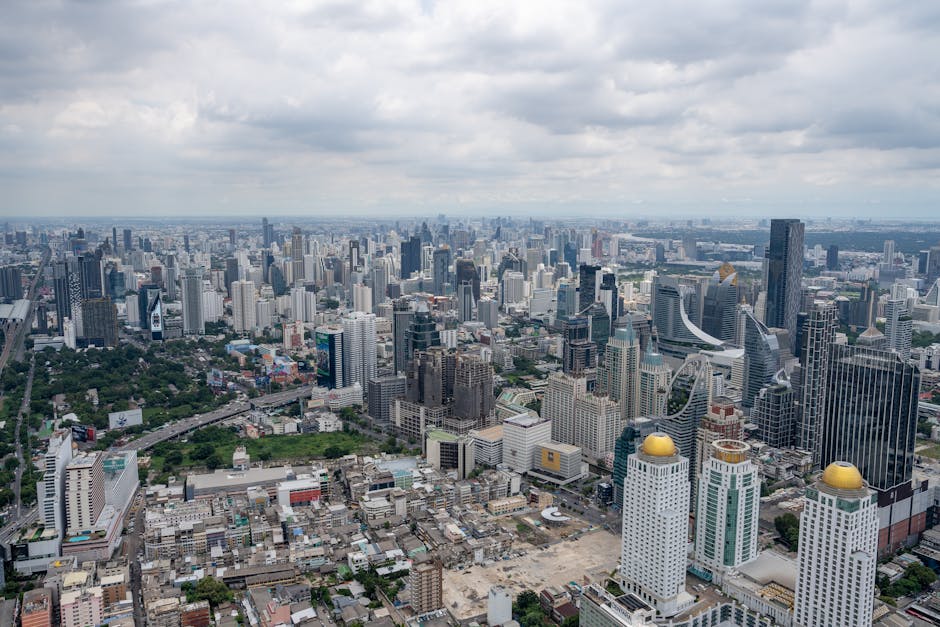
Silom is a district of stark contrasts, where the rapid pulse of Thailand’s financial heart meets the serene stillness of its most iconic green space. This self-guided walk invites you to explore the layered history of a neighborhood that has evolved from a quiet windmill-dotted landscape into a high-octane hub of commerce, nightlife, and culture. On this walking route, you will experience the architectural evolution of Bangkok, from the neoclassical elegance of the early 20th century to the pixelated futurism of the MahaNakhon building. This neighborhood stroll isn't just about the skyscrapers; it is about the stories tucked between them. You will uncover the surprising history of Patpong, a district that transitioned from a corporate center to a world-famous nightlife hub with unexpected ties to international espionage. From there, the path leads to the 'Green Lung' of the city, Lumphini Park, where the sounds of the city are replaced by the rustle of tropical leaves and the splash of monitor lizards in the lake. As you continue, the route shifts from nature to spirituality and literature. You will encounter the vibrant, kaleidoscopic colors of the Sri Maha Mariamman Temple, a testament to Bangkok’s diverse religious tapestry, before finishing at a quiet sanctuary of books that feels like a portal to a bygone era. This walking tour Bangkok experience allows you to witness the city's ability to harmonize its chaotic energy with moments of profound peace. Whether you are an architecture enthusiast looking to photograph the city's tallest icons or a nature lover seeking a break from the heat, this Silom route offers a comprehensive look at the district's multifaceted identity. Explore independently and discover why Silom remains the beating heart of the capital.
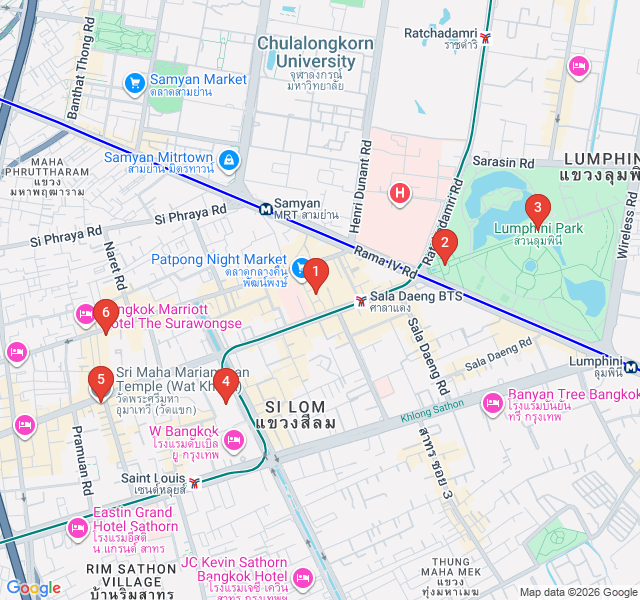
Numbers indicate the order of stops on the tour.
Begin your self-guided adventure in the heart of Patpong. While today it is known for its neon lights and night market, Patpong has a history that stretches back to the 1940s when the Patpongpanich family purchased the land for just a few thousand dollars. This museum chronicles the area's surprising transformation. In the 1950s and 60s, this was actually Bangkok's premier business district, housing major American corporations and even the CIA's regional headquarters. The museum details the 'Secret War' and how the nightlife scene evolved to serve military personnel on leave. It’s a fascinating look at how global politics and local commerce created one of the most famous streets in Southeast Asia.
Standing at the gateway to Lumphini Park, this bronze statue commemorates King Vajiravudh, or Rama VI, who reigned from 1910 to 1925. He is a pivotal figure in Thai history, known for his efforts to modernize the country and promote Thai nationalism. The monument itself was designed by Corrado Feroci, an Italian sculptor who is considered the father of modern art in Thailand. The King is depicted in his military uniform, overlooking the land he donated to the public in 1925. This act created the first public park in the kingdom, intended as a space for recreation and to serve as a 'green lung' for the rapidly growing city.
Step into the 'Green Oasis' of Bangkok. Spanning over 140 acres, Lumphini Park offers a rare respite from the surrounding skyscrapers. As you walk the paved paths, keep an eye on the water's edge; the park is famous for its large population of Asian Water Monitor lizards, which can often be seen sunning themselves on the banks. The park's name is derived from Lumbini, the birthplace of the Buddha in Nepal. Historically, this area was a royal estate before being opened to the public. Today, it serves as a community hub where you can see locals practicing Tai Chi in the morning or taking swan-shaped paddle boats out onto the artificial lake.
Look up to see one of the most distinctive silhouettes in the Bangkok skyline. The King Power MahaNakhon, designed by German architect Ole Scheeren, is famous for its 'pixelated' appearance, as if a spiral of blocks has been carved out of the glass curtain wall. Standing at 314 meters, it was the tallest building in Thailand upon its completion in 2016. The design is meant to represent the vibrancy and energy of the city, breaking the traditional smooth surface of a skyscraper to reveal the inner life of the building. It serves as a mixed-use complex, housing luxury residences, a hotel, and a retail cube, symbolizing Bangkok's status as a global financial powerhouse.
The air here changes from the scent of car exhaust to the sweet fragrance of jasmine and incense. Known locally as Wat Khaek, this is the main Hindu temple in Bangkok, built in 1879 by Tamil immigrants. Its Gopuram, or entrance tower, is a masterpiece of South Indian architecture, covered in intricately carved deities in a riot of colors. The temple is dedicated to Mariamman, the goddess of rain and healing. It stands as a vibrant symbol of the religious diversity within Silom. While the interior is often bustling with devotees offering flower garlands, take a moment to admire the exterior craftsmanship that brings a piece of Tamil Nadu to the heart of Thailand.
End your walking route at this elegant neoclassical sanctuary. Opened in 1922, the library was built as a memorial to Jennie Neilson Hays, a prominent member of the Bangkok Ladies' Library Association. The building was designed by Mario Tamagno, the same Italian architect responsible for the Ananta Samakhom Throne Hall. Notice the 'teak-and-plaster' aesthetics and the ingenious use of double walls to provide natural ventilation and protect the precious book collection from the tropical humidity. It remains an active English-language library and a quiet cultural hub, offering a peaceful conclusion to your journey through the high-energy streets of Silom.
Start Free on iPhone
Explore “Silom: Financial District to Green Oasis” with your very own Private Tour Guide with Zigway. Start free on iPhone, skip the large group and the fixed routes, and hear the city come alive as you go.
Your Private Tour Guide
Don't miss the good stuff
Explore Freely
 Easy
EasyBangkok, Thailand
Discover a labyrinth of industrial scrap yards, vibrant street art, and centuries-old mansions in Bangkok's most atmospheric neighborhood.
 Easy
EasyBangkok, Thailand
Discover Ari's blend of retro architecture, Michelin-rated street food, and vibrant cafe culture on this self-guided neighborhood stroll.
 Moderate
Bangkok, Thailand
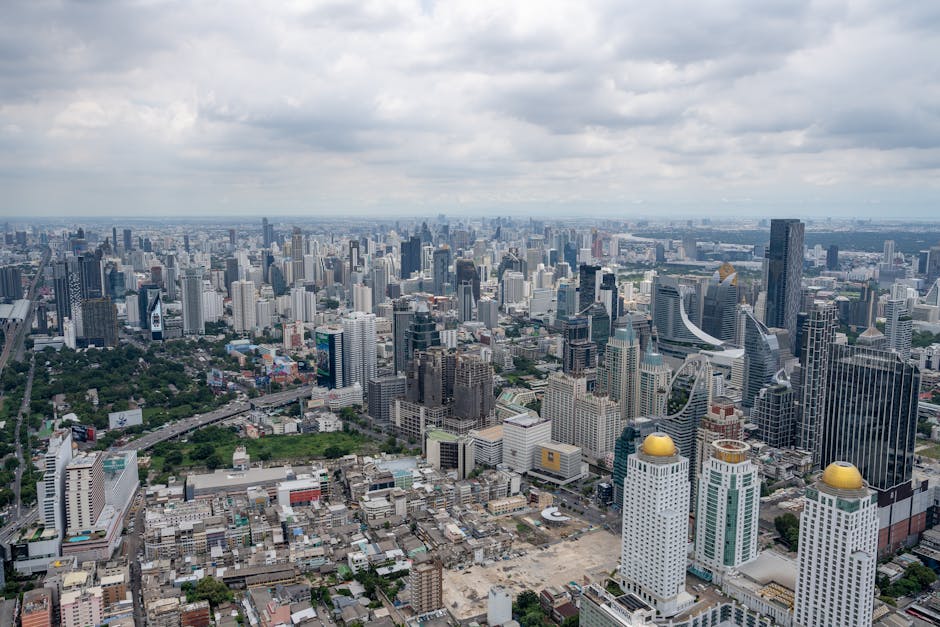
Discover the golden spires and royal history of Bangkok's Old City on this self-guided audio walk through the majestic Rattanakosin Island.
 Easy
EasyBangkok, Thailand
Discover the European-inspired grandeur of Bangkok's Dusit district on this self-guided royal architectural walk.
 Easy
EasyGdansk, Poland
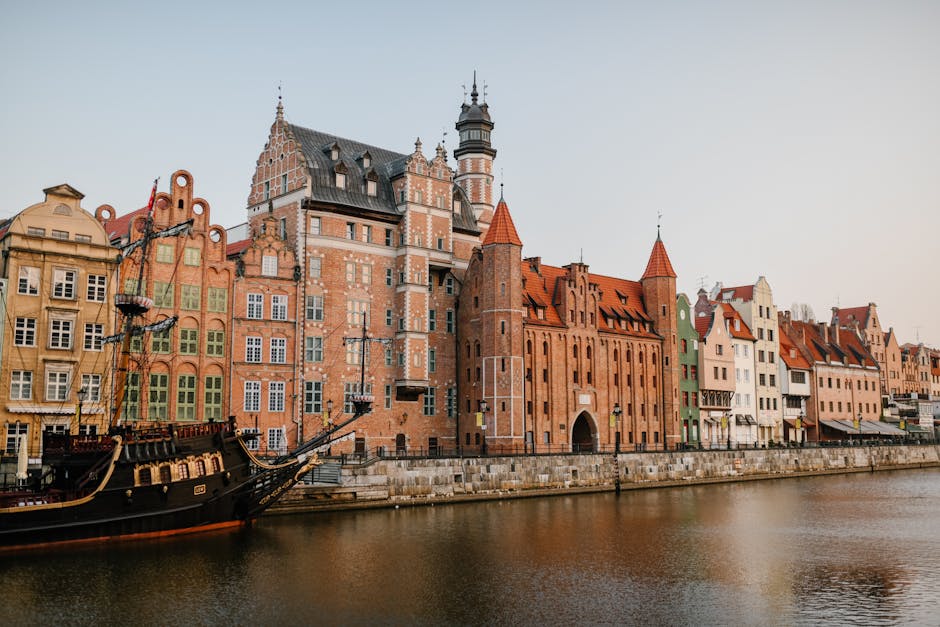
Discover the 'Baltic Gold' on this self-guided walk through Gdansk's historic mills, massive cathedrals, and the magical Mariacka Street.
 Easy
EasyGothenburg, Sweden
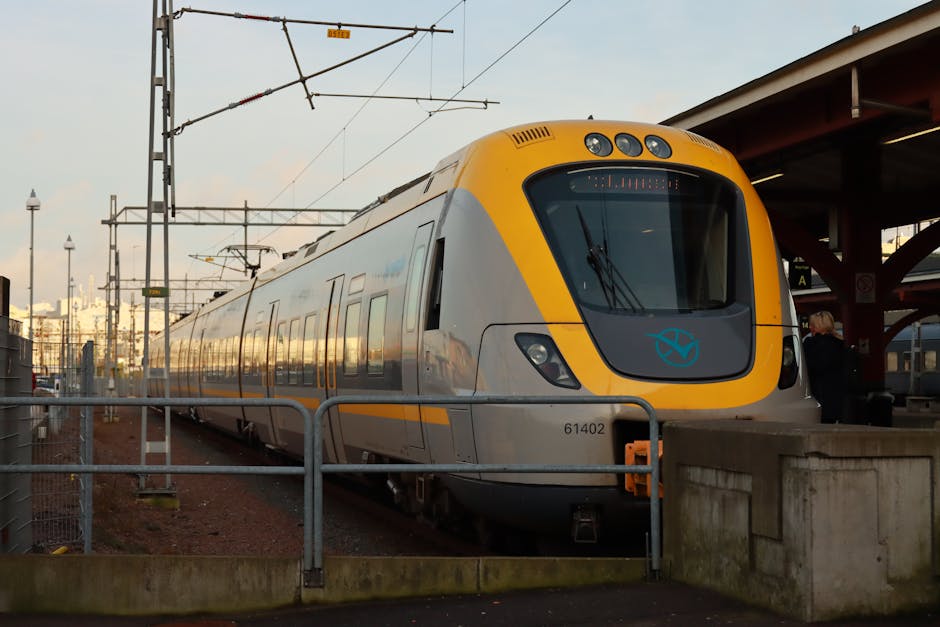
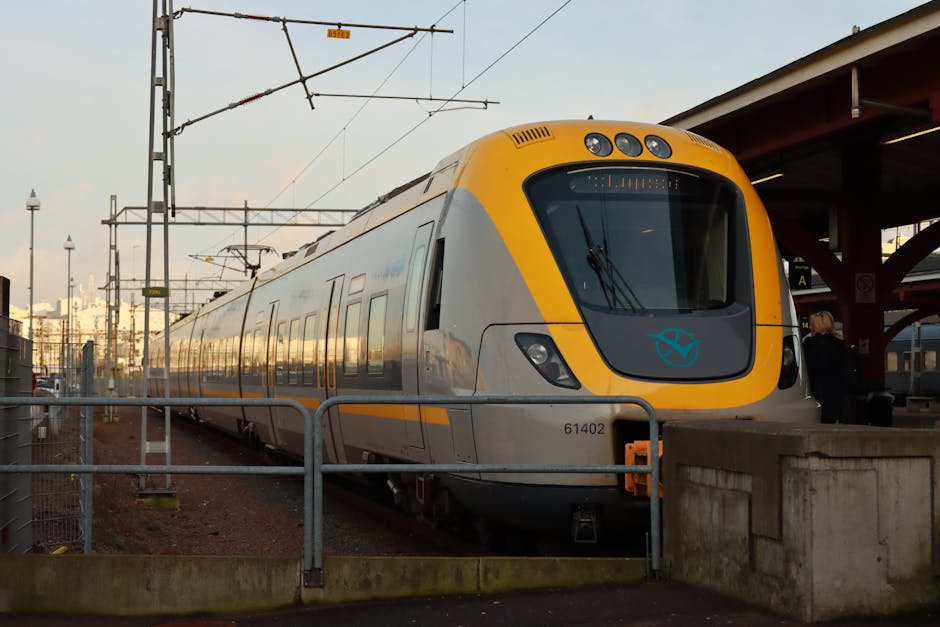
Explore Gothenburg’s historic wooden houses, legendary giant cinnamon buns, and panoramic fortress views on this self-guided neighborhood stroll.
 Easy
EasyGothenburg, Sweden
Explore Gothenburg's maritime soul on this self-guided walk from historic shipyards to sleek modern piers and iconic industrial landmarks.
 Easy
EasyNairobi, Kenya
Discover Nairobi's iconic skyline on this self-guided architecture walk through the CBD’s most famous modernist and Brutalist landmarks.
 Easy
EasyChiang Mai, Thailand
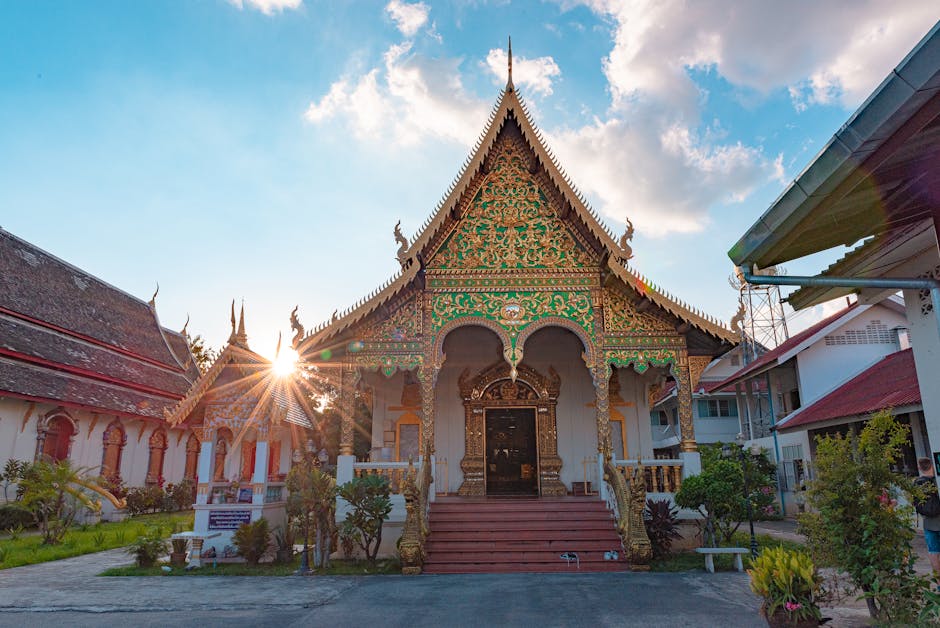
Explore Chiang Mai's trendiest district at your own pace. Discover contemporary art galleries, local design shops, and iconic modern architecture.
 Moderate
Chiang Mai, Thailand
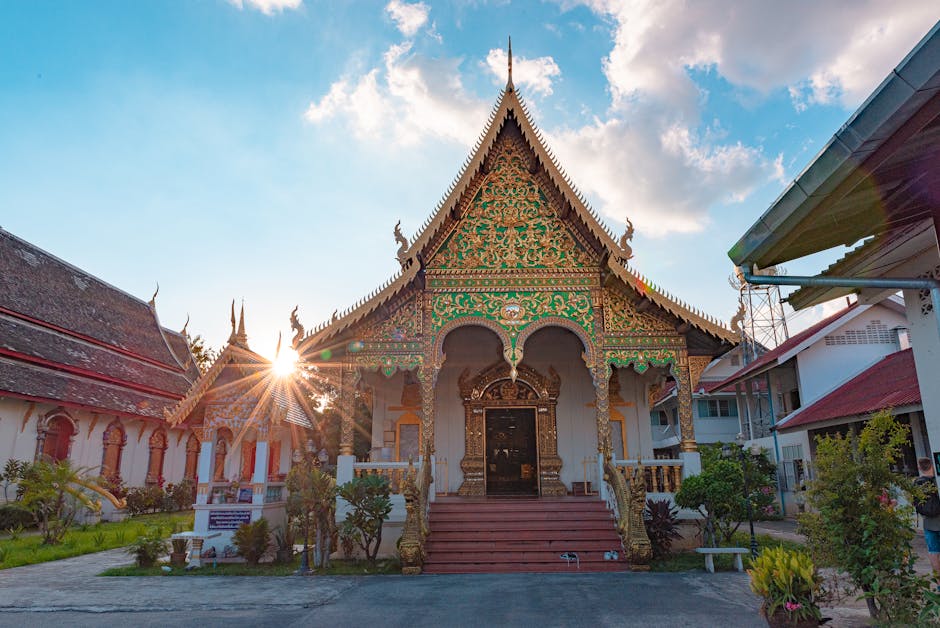
Explore Chiang Mai's creative soul, from Nimman’s boutique bookshops to the mystical tunnels of Wat Umong and the scenic Angkaew Reservoir.
 Moderate
Chiang Mai, Thailand
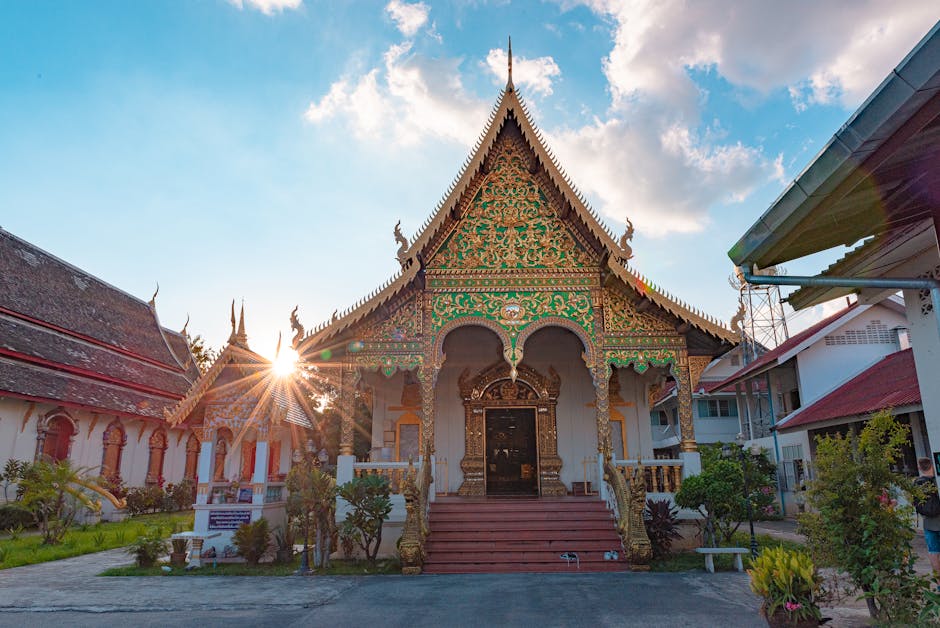
Discover Chiang Mai’s soul through its markets and flavors. A self-guided route from the historic Kad Luang to the city’s best street food gems.
 Easy
EasyChiang Mai, Thailand
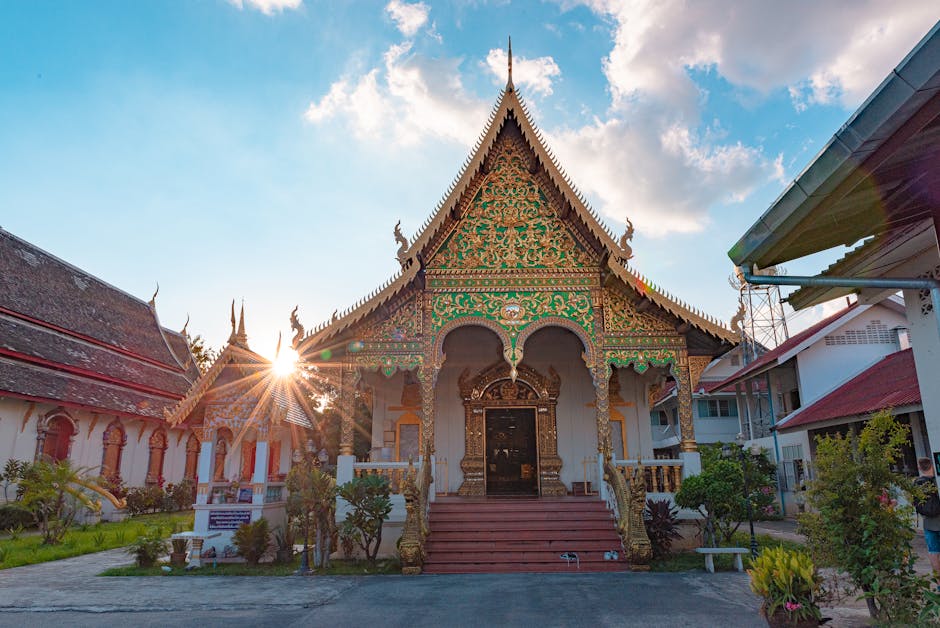
Discover hidden temples, traditional brass-smith workshops, and local markets on this serene self-guided walk through Chiang Mai's southern district.