Self-guided audio tour in New Orleans
Start Free on iPhone
Start free on iPhone to unlock this self-guided walking tour in New Orleans. Hear all the stories that make it amazing, walk at your own pace, and begin whenever you want.
Your Private Tour Guide
Step into a neighborhood where 19th-century industry meets 21st-century creativity. This self-guided walking route through the New Orleans Warehouse District, often called the Arts District, reveals a sophisticated side of the Crescent City far removed from the neon lights of Bourbon Street. Originally the 'American Sector,' this area once hummed with the sounds of machinery, cotton presses, and coffee storage. Today, those same brick facades house world-class museums, high-end lofts, and 'Gallery Row' on Julia Street. This neighborhood stroll captures the essence of industrial-chic, offering a visual feast of cast-iron architecture and contemporary Southern expression. On this walking tour New Orleans reveals its layered history, beginning at the historic Lafayette Square, the city's second-oldest public park. You will traverse the heart of the arts scene, exploring Julia Street where former warehouses have been reborn as elegant art galleries. The route highlights the architectural evolution of the city, from the Richardsonian Romanesque style of the Ogden Museum of Southern Art to the soaring, modern pavilions of The National WWII Museum. Each corner turned offers a new perspective on how New Orleans preserves its past while embracing the future. One of the most unique stops on this neighborhood stroll is the Piazza d'Italia, a postmodern masterpiece that serves as a colorful monument to the city's Italian heritage. The journey concludes at the intersection of Canal Street and Magazine Street at The Sazerac House, a beautifully restored building dedicated to the official cocktail of New Orleans. This experience is designed for those who appreciate the intersection of history, design, and local culture. Whether you are a fan of industrial heritage or modern art, this self-guided walk provides the flexibility to linger at a gallery or grab a coffee in a converted warehouse at your own pace. Discover the 'SoHo of the South' through its vibrant streetscapes and iconic landmarks on this comprehensive walking tour New Orleans history buffs and art lovers alike will appreciate.
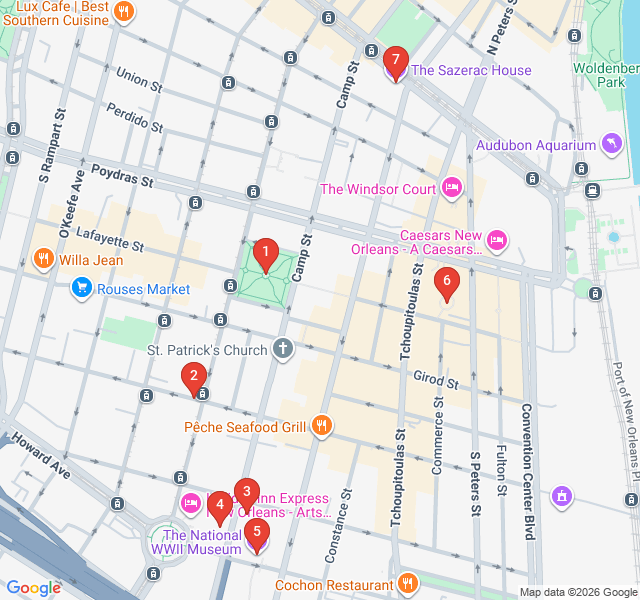
Numbers indicate the order of stops on the tour.
Welcome to Lafayette Square, the historic heart of the American Sector. Established in 1788, this is the city's second-oldest public park, designed to be the 'Place d'Armes' for the Americans moving into New Orleans after the Louisiana Purchase. Stand for a moment and look at the statues of Henry Clay, John McDonogh, and Benjamin Franklin. This square was once the center of civic life, surrounded by the city's most important government buildings. The architecture here tells a story of transition, where the colonial French and Spanish influences of the French Quarter gave way to the Greek Revival and neoclassical styles favored by 19th-century American settlers. It remains a vibrant community hub today, hosting concerts and festivals throughout the year.
As you walk down Julia Street, you are entering 'Gallery Row.' In the mid-1800s, this street was lined with 'Thirteen Sisters,' a row of identical Greek Revival townhomes. By the 20th century, the area had become a gritty industrial zone filled with warehouses for cotton and grain. In the 1970s and 80s, artists began moving into these abandoned spaces, drawn by the high ceilings and natural light. Today, Julia Street is the epicenter of the New Orleans art world. Notice the preserved brickwork and heavy timber framing of the buildings, now housing premier contemporary art. Every first Saturday of the month, this street comes alive for 'Gallery Crossings,' a tradition of art openings and evening strolls.
The Contemporary Arts Center, or CAC, is a perfect example of adaptive reuse. Housed in a former warehouse built in 1905, the CAC was founded in 1976 by a group of passionate artists. Look up at the facade and imagine the building's previous life as a storage facility for the city's booming trade. Inside, the industrial bones of the structure—exposed brick, steel beams, and vast open floors—provide a dramatic backdrop for multidisciplinary art, including painting, sculpture, and performance. The CAC was a pioneer in the revitalization of this district, proving that the city's industrial past could be the foundation for its creative future.
The Ogden Museum of Southern Art offers a fascinating architectural contrast. The museum is composed of two very different buildings: the Patrick F. Taylor Library, designed by the famous architect H.H. Richardson in his signature Romanesque style, and the modern Goldring-Woldenberg Institute for Southern Art and Design. This museum holds the largest and most comprehensive collection of Southern art in the world. Its mission is to tell the story of the American South through its visual culture. From self-taught folk artists to contemporary masters, the Ogden celebrates the diverse and complex identity of the region, all while showcasing how historic and modern architecture can coexist harmoniously.
The National WWII Museum is a monumental presence in the Warehouse District. Originally founded as the D-Day Museum, its location in New Orleans is no accident; this is where the Higgins boats—the amphibious landing craft that General Eisenhower credited with winning the war—were designed and built. The museum's campus has expanded into a series of striking pavilions that use light, shadow, and large-scale steel structures to evoke the era's industrial might and the gravity of the conflict. Even from the sidewalk, the scale of the Boeing Center, with its vintage aircraft suspended in mid-air, is a testament to the neighborhood's transformation into a world-class cultural destination.
Tucked away behind modern office buildings is the Piazza d'Italia, one of the world's most famous examples of postmodern architecture. Designed by Charles Moore and completed in 1978, it was intended as a tribute to the city's significant Italian immigrant community. The piazza uses classical Roman elements like columns and arches but renders them in vibrant colors, neon lights, and stainless steel. The central fountain is actually shaped like the map of Italy. It is a whimsical, slightly surreal space that captures the 'anything goes' spirit of postmodern design. After years of neglect, it was restored to its former glory, serving as a hidden gem for photographers and architecture enthusiasts.
Your walk concludes at the corner of Canal and Magazine Street at The Sazerac House. This beautifully restored 1860s building once stood at the edge of the bustling port district. Today, it serves as an immersive exploration of New Orleans' cocktail history. The Sazerac, made with rye whiskey, bitters, and absinthe, is widely considered the first branded American cocktail and was named the official cocktail of New Orleans in 2008. The building's restoration preserved historic details while introducing sleek, modern displays. It’s a fitting end to a route through the Warehouse District, where the city’s industrial roots and its celebrated traditions of hospitality and craftsmanship meet.
Start Free on iPhone
Explore “Warehouse District Art and Industrial Chic” with your very own Private Tour Guide with Zigway. Start free on iPhone, skip the large group and the fixed routes, and hear the city come alive as you go.
Your Private Tour Guide
Don't miss the good stuff
Explore Freely
 Easy
EasyNew Orleans, United States
Explore the legendary restaurants and historic flavors of the New Orleans French Quarter on this delicious self-guided audio walk.
 Moderate
New Orleans, United States
Discover vibrant murals, iconic folk art, and industrial charm on this self-guided walking route through New Orleans' artistic Bywater district.
 Easy
EasyNew Orleans, United States
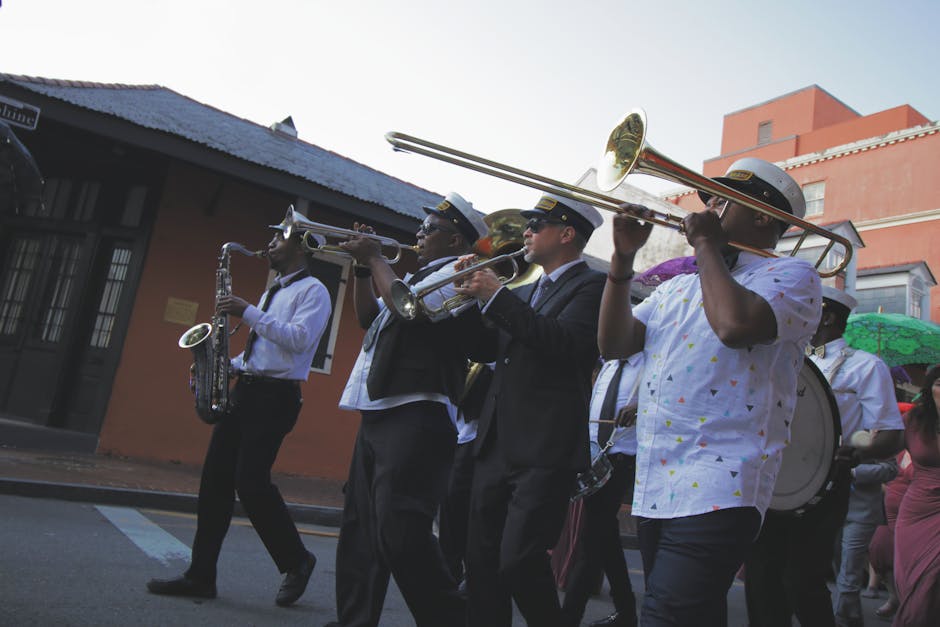
Discover the soul of New Orleans on this self-guided walk through the iconic jazz clubs and vibrant art markets of Frenchmen Street.
 Easy
EasyNew Orleans, United States
Explore the eerie history and supernatural legends of the French Quarter on this independent audio walk through New Orleans' most haunted corners.
 Easy
EasyKrakow, Poland
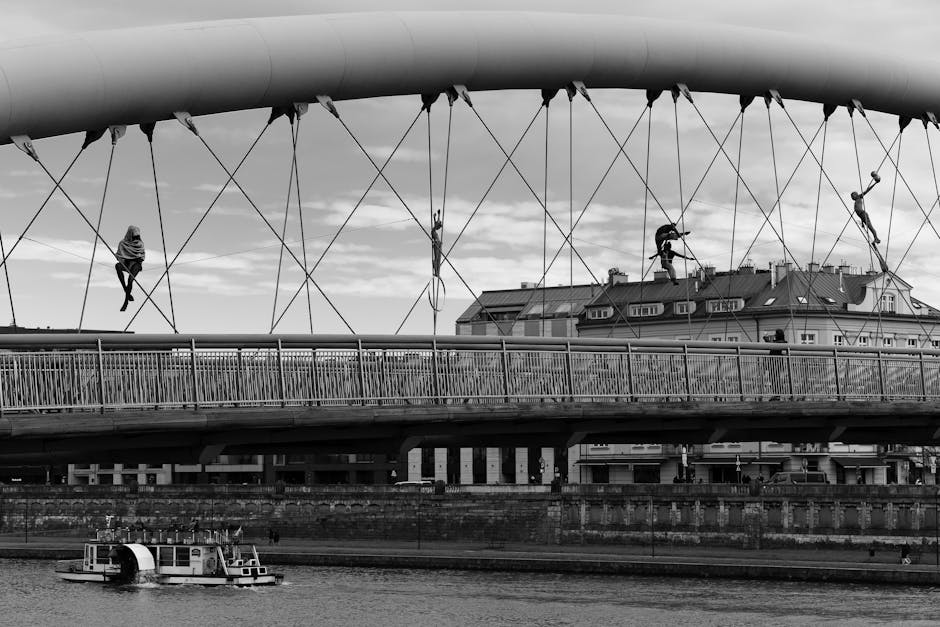
Discover Krakow’s creative soul in Zabłocie, exploring industrial heritage, contemporary art museums, and avant-garde architecture at your own pace.
 Easy
EasyGdansk, Poland
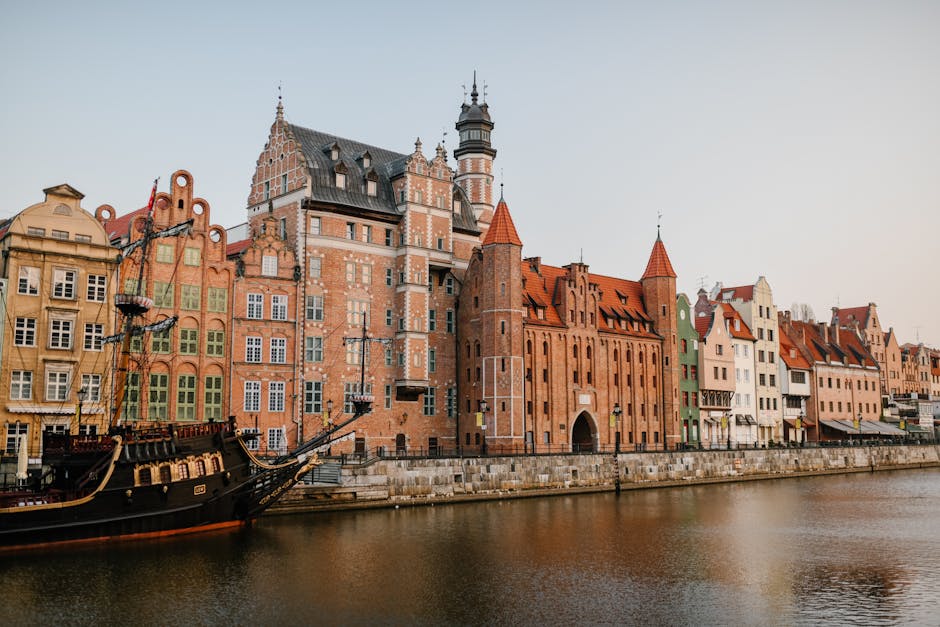
Discover the 'Baltic Gold' on this self-guided walk through Gdansk's historic mills, massive cathedrals, and the magical Mariacka Street.
 Easy
EasyGothenburg, Sweden
Explore Gothenburg's elegant academic district, featuring grand 19th-century stone architecture and the iconic cultural hub of Götaplatsen.
 Easy
EasyGothenburg, Sweden
Explore Gothenburg's maritime soul on this self-guided walk from historic shipyards to sleek modern piers and iconic industrial landmarks.
 Easy
EasyNashville, United States
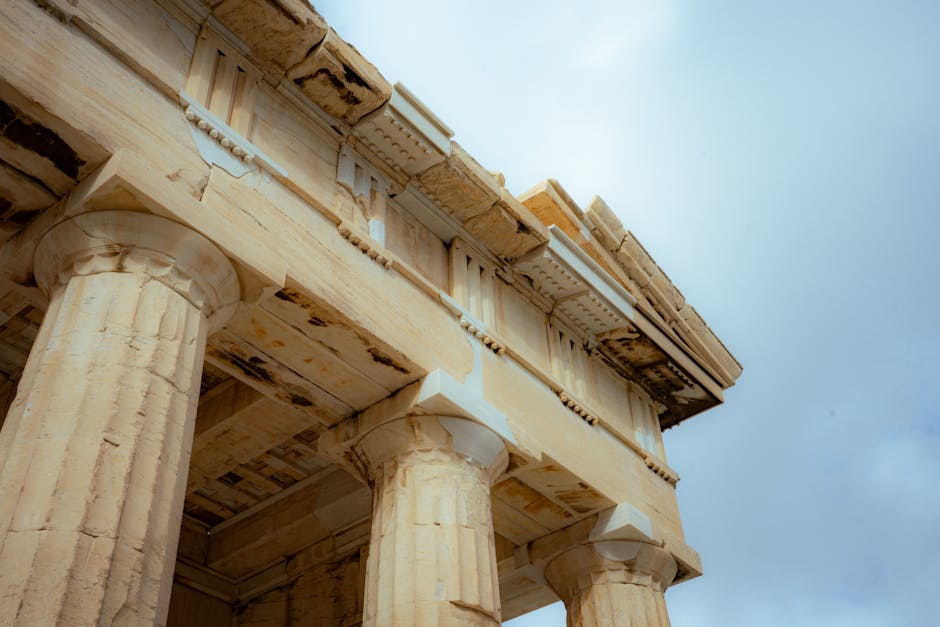
Explore the 'Athens of the South' on this self-guided walk through Centennial Park, featuring the world's only full-scale Parthenon replica.
 Easy
EasyNashville, United States
Explore Nashville's academic heart and Art Deco gems on this self-guided walk through historic Hillsboro Village.
 Easy
EasyNashville, United States
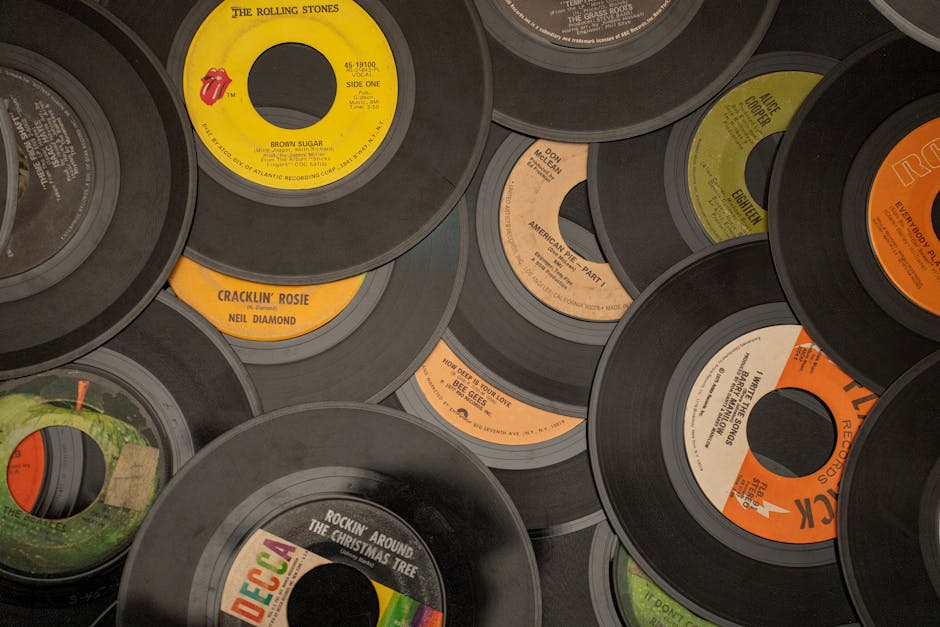
Explore the heart of Nashville's music industry. Discover iconic studios and the history of the legendary Nashville Sound at your own pace.
 Easy
EasyNashville, United States
Explore Nashville's oldest neighborhood! Discover Victorian architecture, Civil War history, and world-class craft beer on this self-guided walk.