Self-guided audio tour in Boston
Start Free on iPhone
Start free on iPhone to unlock this self-guided walking tour in Boston. Hear all the stories that make it amazing, walk at your own pace, and begin whenever you want.
Your Private Tour Guide
Step into the heart of the American Revolution on this self-guided walking route through Boston's most historic corridor. This journey isn't just a stroll through a modern city; it is a walk through the very birthplace of American independence. As you navigate the winding cobblestone streets of Downtown and the North End, you will encounter the sites where Samuel Adams debated, Paul Revere rode, and the first sparks of liberty were struck. This walking tour Boston enthusiasts often cite as essential covers the most iconic segments of the famous Freedom Trail, allowing you to explore at your own pace without the constraints of a group. Your adventure begins at the bustling Faneuil Hall, known as the 'Cradle of Liberty,' before leading you to the solemn site of the Boston Massacre and the architectural gem that is the Old State House. You will feel the weight of history as you pass the Old South Meeting House, where the Boston Tea Party was first conceived. The route then crosses into the charming North End, Boston's oldest residential neighborhood. Here, the atmosphere shifts to narrow alleys and the scent of Italian bakeries, leading you to the home of Paul Revere and the steeple of the Old North Church. Unlike a traditional guided tour Boston visitors might find crowded, this audio walk offers the freedom to linger at a burial ground or pause for a cannoli in the North End whenever you choose. You will witness the evolution of the city from a colonial outpost to a revolutionary hub, all while surrounded by the stunning juxtaposition of 18th-century brickwork and 21st-century skyscrapers. Whether you are a history buff or a first-time visitor, this route provides a deep dive into the events of the 1770s that shaped the modern world. Every stop along this path serves as a monument to the courage of those who sought a new way of life, making this self-guided adventure a truly immersive historical experience.
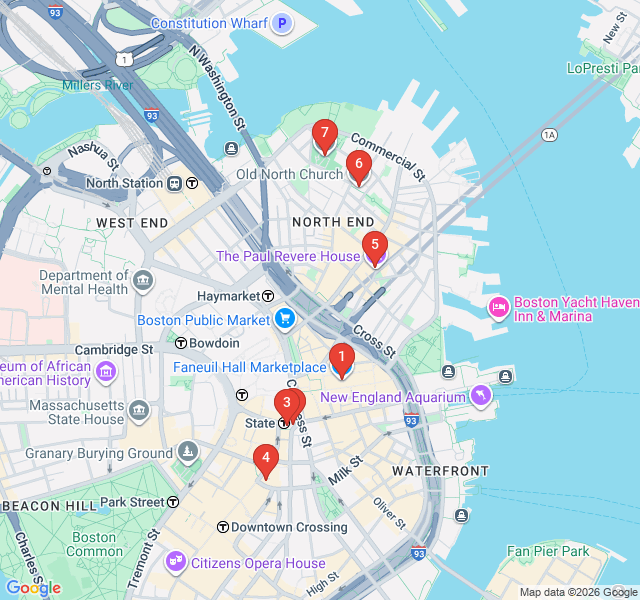
Numbers indicate the order of stops on the tour.
Welcome to Faneuil Hall, often called the 'Cradle of Liberty.' Built in 1742 by merchant Peter Faneuil, this building served as a marketplace and a meeting hall for colonial citizens. It was here that figures like Samuel Adams gave fiery speeches against British taxation, fueling the fire of the American Revolution. Look up at the top of the building to see the famous grasshopper weather vane, a symbol of the city since the 18th century. Today, the hall is part of a larger marketplace, but its upper floor still serves as a forum for debate and civic gatherings, maintaining its 250-year-old tradition of free speech.
Marked by a circular medallion of stones in the pavement, this somber spot is where the Boston Massacre occurred on March 5, 1770. Tension between the local colonists and the occupying British soldiers reached a breaking point, resulting in a chaotic skirmish that left five civilians dead. This event was quickly used as powerful propaganda by revolutionary leaders to turn public opinion against British rule. As you stand here, imagine the snowy night, the ringing bells, and the confusion that led to one of the most pivotal moments in the lead-up to the Revolutionary War.
The Old State House is the oldest surviving public building in Boston, dating back to 1713. Once the seat of the British colonial government, it is now a museum of Boston's history. Notice the lion and unicorn statues on the roof—symbols of British royal authority. From the balcony facing State Street, the Declaration of Independence was first read to the citizens of Boston in 1776. It is a stunning example of Georgian architecture, standing in stark contrast to the modern office towers that now surround it, representing the enduring legacy of the city’s colonial past.
In 1773, this building was the largest indoor gathering place in Boston. On December 16th of that year, over 5,000 colonists crowded inside to debate the controversial tea tax. When the negotiations failed, Samuel Adams reportedly gave a signal that led to the Boston Tea Party. The protesters marched from this very spot toward the harbor to dump 342 chests of tea into the water. The meeting house was almost destroyed during the British occupation of Boston when it was used as a riding school for cavalry, but it was saved by citizens in the 1870s and remains a monument to protest and free assembly.
Located in the heart of the North End, this is the oldest house in downtown Boston, built around 1680. Paul Revere, the famous patriot and silversmith, lived here with his large family during the era of the Revolution. It was from this house that he set out on his 'Midnight Ride' in April 1775 to warn John Hancock and Samuel Adams that British troops were marching toward Lexington and Concord. The building is a rare example of 17th-century urban architecture, featuring heavy timber framing and small diamond-paned windows that provide a glimpse into colonial domestic life.
You are standing before the oldest standing church in Boston, famous for its role in Paul Revere's ride. On the night of April 18, 1775, the church sexton hung two lanterns in the steeple to signal that the British were moving 'by sea' across the Charles River. This 'one if by land, two if by sea' signal was the spark for the American Revolution. Inside, the church retains its original box pews, which were common in the 18th century. The steeple you see today is actually the third one; the original was toppled by a hurricane in 1804, but it remains a towering symbol of American vigilance.
This historic cemetery sits on the highest point in the North End. Established in 1659, it is the final resting place for thousands of early Bostonians, including the Mather family of Puritan ministers and Robert Newman, the man who hung the lanterns in the Old North Church. During the Battle of Bunker Hill, British soldiers used this elevated ground as a vantage point for their cannons. If you look closely at some of the older headstones, you can still see pockmarks from British target practice. It offers a quiet place for reflection with a view across the water to Charlestown and the Bunker Hill Monument.
Start Free on iPhone
Explore “Revolutionary Footsteps: The Freedom Trail Highlights” with your very own Private Tour Guide with Zigway. Start free on iPhone, skip the large group and the fixed routes, and hear the city come alive as you go.
Your Private Tour Guide
Don't miss the good stuff
Explore Freely
 Easy
EasyBoston, United States
Discover colonial history and stunning harbor views on this scenic self-guided stroll through Boston's historic wharves and waterfront parks.
 Easy
EasyBoston, United States
Discover Victorian architecture, jazz history, and the vibrant SoWa arts district on this self-guided walk through Boston's historic South End.
 Easy
EasyBoston, United States
Explore Boston’s most modern neighborhood on this self-guided walk through the Seaport’s innovative architecture and vibrant art scene.
 Moderate
Boston, United States
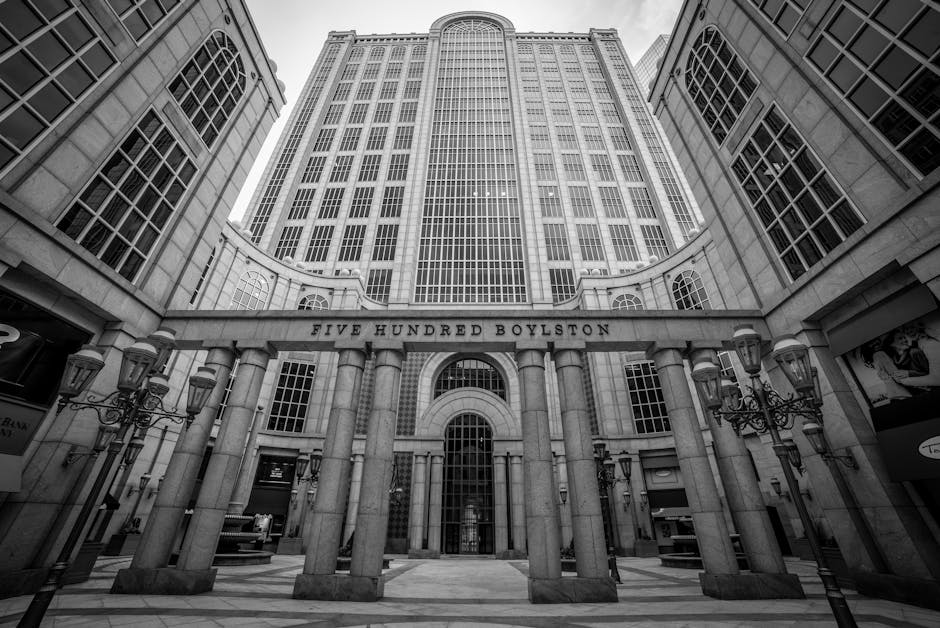
Explore Boston's lush Emerald Necklace on this self-guided stroll from the Gardner Museum to the iconic Public Garden.
 Moderate
Vienna, Austria
Follow the footsteps of Mozart and Strauss through Vienna’s historic center on this self-guided walk through the city's rich musical history.
 Moderate
Warsaw, Poland
Explore the resilient spirit of Warsaw's Muranów district on this self-guided walk through the history and landmarks of the former Jewish Ghetto.
 Moderate
Warsaw, Poland
A powerful self-guided walk through Warsaw's WWII history, tracking the 1944 Uprising from ruined skyscrapers to solemn memorials.
 Moderate
Gothenburg, Sweden
Discover Gothenburg’s maritime soul on this self-guided walk from the historic Central Station to the scenic riverfront at Stenpiren.
 Easy
EasyNashville, United States
Explore the 'Athens of the South' on this self-guided walk through Centennial Park, featuring the world's only full-scale Parthenon replica.
 Easy
EasyNashville, United States
Explore Nashville's academic heart and Art Deco gems on this self-guided walk through historic Hillsboro Village.
 Easy
EasyNashville, United States
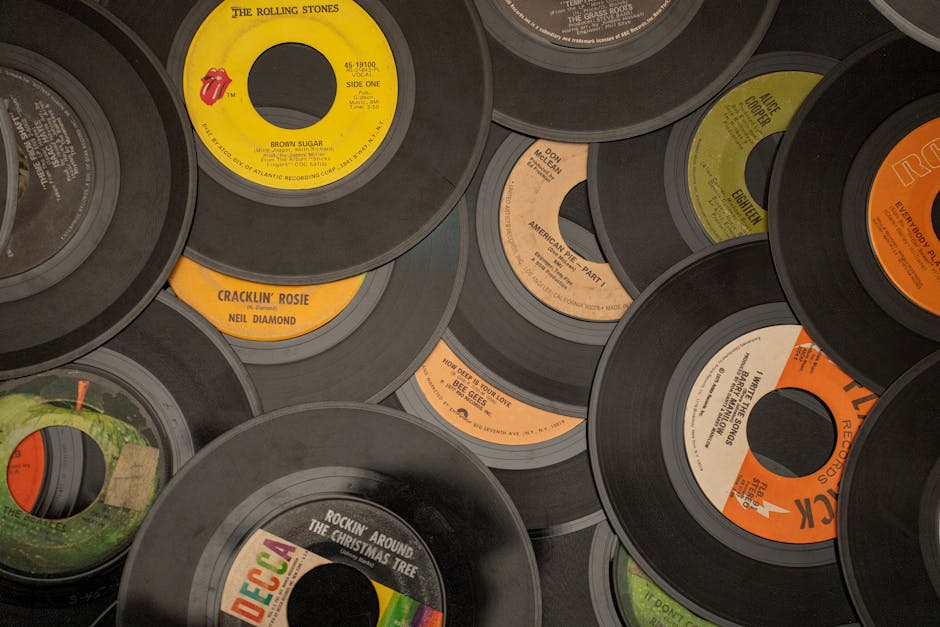
Explore the heart of Nashville's music industry. Discover iconic studios and the history of the legendary Nashville Sound at your own pace.
 Easy
EasyNashville, United States
Explore Nashville's oldest neighborhood! Discover Victorian architecture, Civil War history, and world-class craft beer on this self-guided walk.