Self-guided audio tour in Savannah
Start Free on iPhone
Start free on iPhone to unlock this self-guided walking tour in Savannah. Hear all the stories that make it amazing, walk at your own pace, and begin whenever you want.
Your Private Tour Guide
Savannah is world-renowned for its manicured squares and moss-draped oaks, but beneath the picturesque canopy lies a profound narrative of struggle, resilience, and triumph. This self-guided walk invites you to explore the 'Freedom’s Path,' a route that traces the African American experience from the era of enslavement through the pivotal moments of the Civil Rights movement. Unlike a standard neighborhood stroll, this journey connects the dots between historic sites that served as clandestine hubs for the Underground Railroad and the hallowed grounds where the first schools for formerly enslaved people were established. As you navigate the downtown streets, you will encounter landmarks that highlight the immense contributions of the Black community to Savannah’s cultural and political landscape. The route begins in the vibrant City Market, a place that once served as a center for both commerce and the slave trade, providing a sobering look at the city's origins. From there, you will visit Franklin Square to see the Haitian Monument, which honors the free Black soldiers who fought during the American Revolution. A major highlight is the First African Baptist Church, a site of immense spiritual and historical weight, where the very floorboards tell stories of escape and survival. This walking route Savannah provides is more than just a history lesson; it is an independent exploration of the figures—like Ralph Mark Gilbert—who organized boycotts and paved the way for modern equality. Whether you are a history enthusiast or a first-time visitor, this audio walk offers the flexibility to reflect on these powerful stories at your own pace, culminating in the serene and historic Laurel Grove South Cemetery.
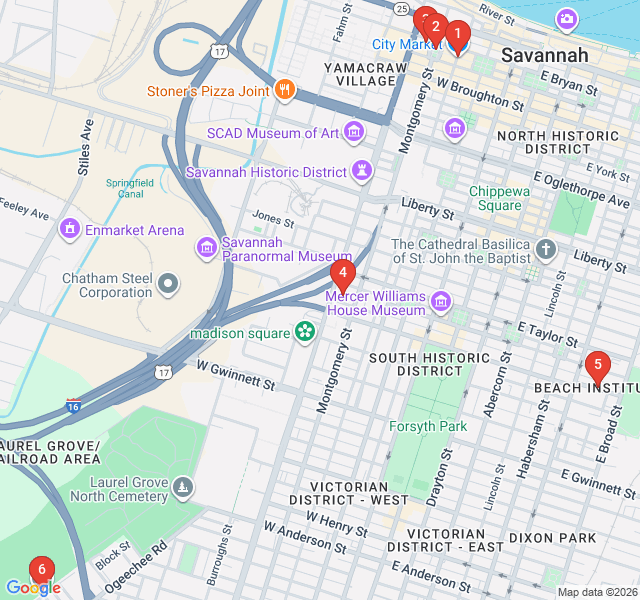
Numbers indicate the order of stops on the tour.
Begin your self-guided adventure at City Market, the 'Art and Soul of Savannah.' Since the 1700s, this four-block area has been the center of commerce. However, it holds a dual legacy. While it was a place for farmers and fishermen to sell their wares, it was also a site for the public sale of enslaved people. As you walk through the open-air squares, consider the resilience of the people who labored here. Today, it is a hub of galleries and cafes, but the bricks beneath your feet carry the weight of a complex history that shaped the very economy of the American South.
Located in Franklin Square, this striking bronze monument commemorates the Chasseurs-Volontaires de Saint-Domingue—a regiment of free Black soldiers from Haiti who fought for American independence during the Siege of Savannah in 1779. It is one of the few monuments in the United States dedicated to Black soldiers of the Revolutionary War. Notice the young drummer boy in the sculpture, representing a young Henri Christophe, who would later become a leader in the Haitian Revolution and the King of Haiti. This site serves as a powerful reminder of the international struggle for liberty.
This is one of the most significant stops on your walking route. Organized in 1773, this is home to one of the oldest Black congregations in North America. The current building, completed in 1859, was constructed by both enslaved and free Black people. Look closely at the floorboards; you may notice holes arranged in a diamond pattern known as 'Congolese Cosmograms.' These were not just for ventilation; they provided air for people hiding beneath the floors as part of the Underground Railroad. The church served as a sanctuary in every sense of the word, standing as a beacon of hope for centuries.
Named after the man considered the father of Savannah’s Civil Rights movement, this museum is housed in the historic Union Administration Building. Dr. Ralph Mark Gilbert was a pastor at First African Baptist and a leader of the NAACP who reorganized the local branch in the 1940s. Under his guidance, Savannah saw some of the most successful non-violent protests and boycotts in the South, leading to the early desegregation of the city. The museum chronicles these struggles, showcasing the bravery of local students and activists who challenged Jim Crow laws through sit-ins and marches.
The Beach Institute was established in 1867 by the American Missionary Association as the first school in Savannah for formerly enslaved African Americans. Named after Alfred Ely Beach, the editor of Scientific American who donated the funds, the institute provided a foundation for education during the Reconstruction era. Today, it serves as an African American Cultural Center, housing the incredible wood carvings of local artist Ulysses Davis. It stands as a testament to the community's enduring commitment to education and the arts as tools for liberation and self-expression.
To conclude your journey, head to Laurel Grove South Cemetery. In the 19th century, Savannah’s cemeteries were segregated; while white citizens were buried in Laurel Grove North, the South section was designated for 'free persons of color' and enslaved people. This sacred ground is the final resting place for many of the figures mentioned on this walk, including Dr. Ralph Mark Gilbert and early leaders of the First African Baptist Church. The Victorian-style monuments and mossy oaks provide a peaceful space to reflect on the lives of those who fought for the freedoms we recognize today.
Start Free on iPhone
Explore “Civil Rights & Freedom’s Path” with your very own Private Tour Guide with Zigway. Start free on iPhone, skip the large group and the fixed routes, and hear the city come alive as you go.
Your Private Tour Guide
Don't miss the good stuff
Explore Freely
 Moderate
Savannah, United States
Explore the historic heart of Savannah on this self-guided walk through iconic squares and lush parks.
 Easy
EasySavannah, United States
Explore the life of Juliette Gordon Low and the founding of the Girl Scouts on this independent walking route through Savannah’s Historic District.
 Easy
EasySavannah, United States
Discover Savannah’s culinary soul on this self-guided walking route through historic squares and legendary Lowcountry eateries.
 Easy
EasySavannah, United States
Explore Savannah's creative soul on this self-guided walk through the Starland District’s best murals, maker spaces, and local hangouts.
 Moderate
Warsaw, Poland
Explore the resilient spirit of Warsaw's Muranów district on this self-guided walk through the history and landmarks of the former Jewish Ghetto.
 Moderate
Warsaw, Poland
A powerful self-guided walk through Warsaw's WWII history, tracking the 1944 Uprising from ruined skyscrapers to solemn memorials.
 Moderate
Gdansk, Poland
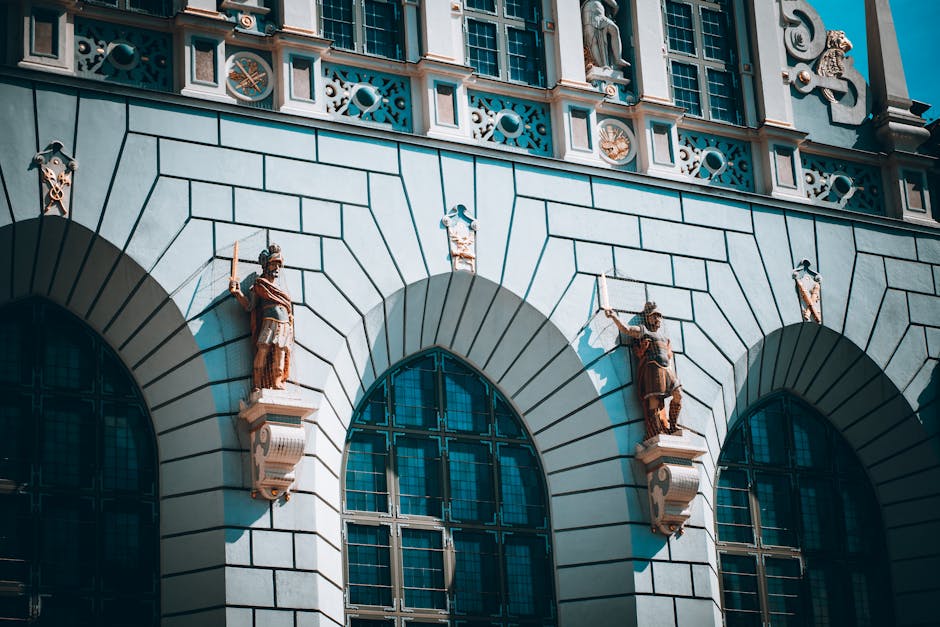
Discover the origins of WWII in Gdansk on this self-guided walk through heroic last stands, massive museums, and strategic hilltop fortifications.
 Easy
EasyNairobi, Kenya
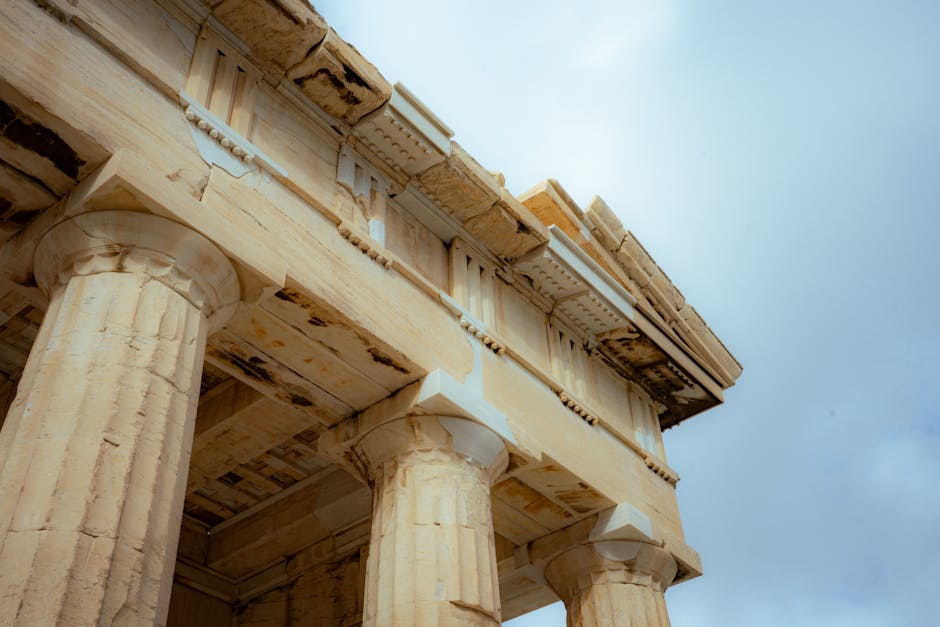
Discover Nairobi’s literary soul on this self-guided walk through historic libraries, iconic bookshops, and cultural centers in the heart of the CBD.
 Easy
EasyNashville, United States
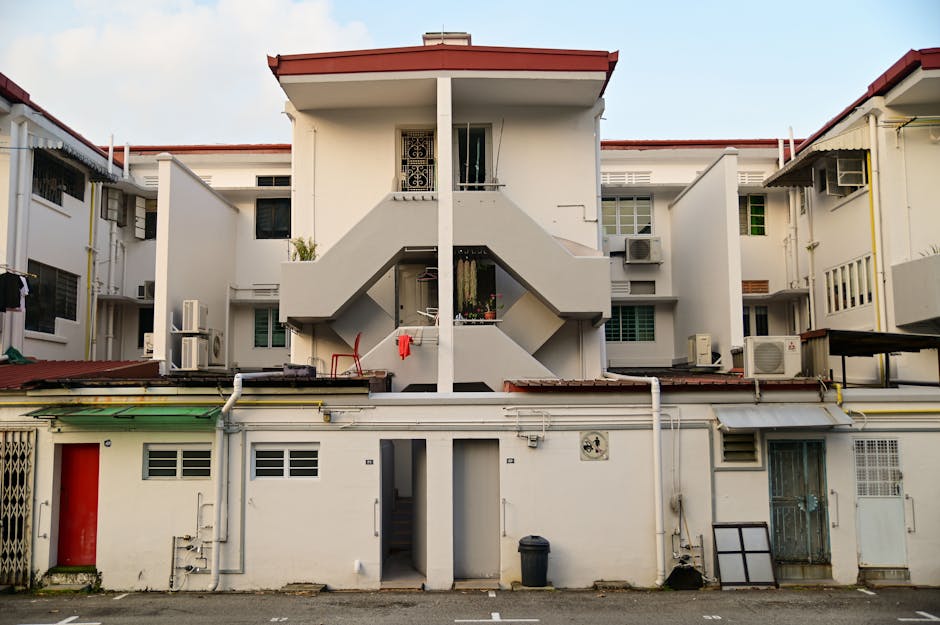
Explore the 'Athens of the South' on this self-guided walk through Centennial Park, featuring the world's only full-scale Parthenon replica.
 Easy
EasyNashville, United States
Explore Nashville's academic heart and Art Deco gems on this self-guided walk through historic Hillsboro Village.
 Easy
EasyNashville, United States
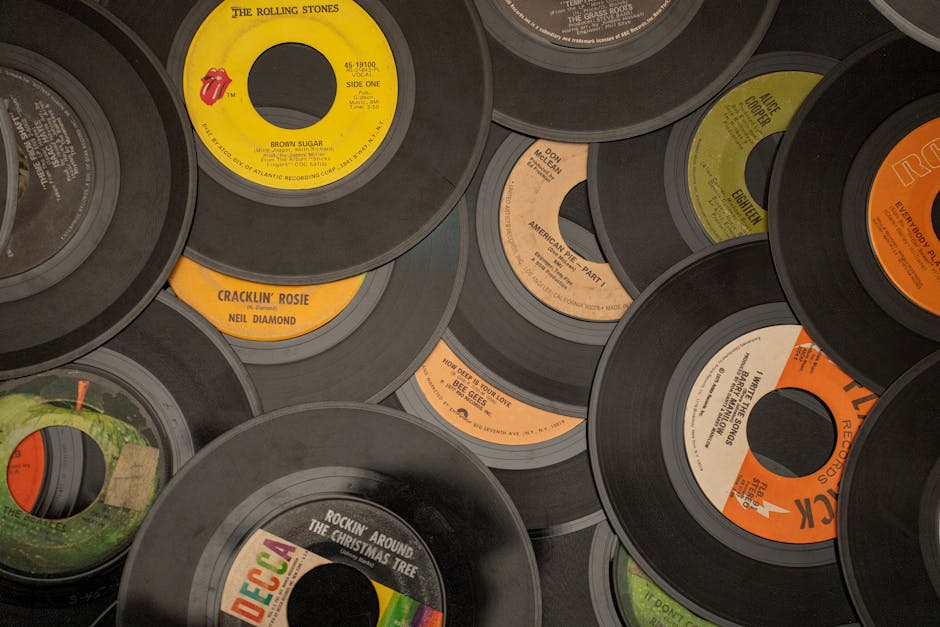
Explore the heart of Nashville's music industry. Discover iconic studios and the history of the legendary Nashville Sound at your own pace.
 Easy
EasyNashville, United States
Explore Nashville's oldest neighborhood! Discover Victorian architecture, Civil War history, and world-class craft beer on this self-guided walk.