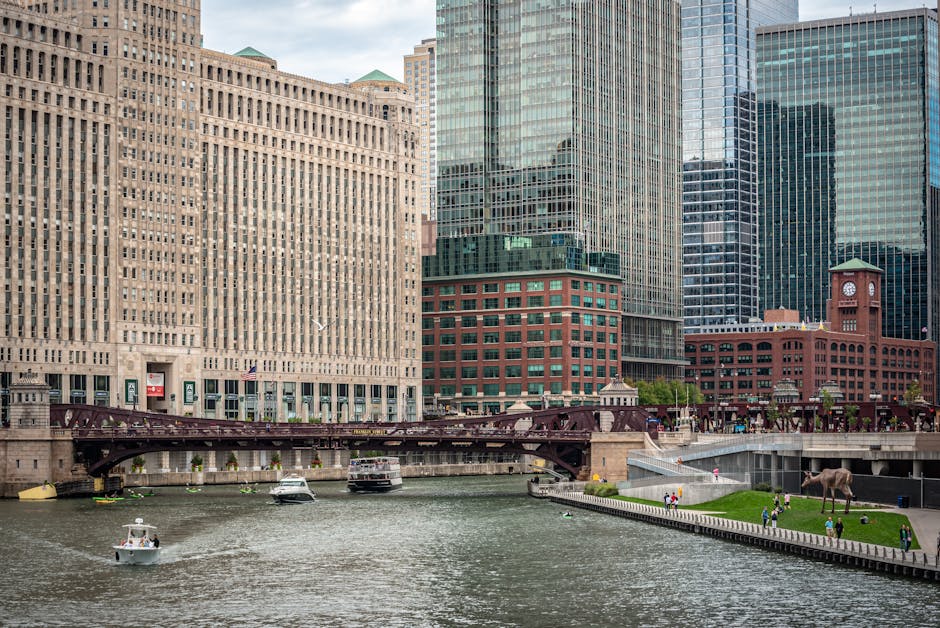
Self-guided audio tour in Chicago
Now a Guided Walk in the Zigway app
Walk from a sixteen-storey cliff of solid brick to towers of steel and glass, and find out what really holds a skyscraper up.
2.9 km · 40 min walking · 36 min of stories
The introduction and the first minute at the first stop.
Chicago Board of Trade Building
Up close, she's thirty-one feet tall, made of aluminum. She also has no face.
Daley Plaza and the Chicago Picasso
Over the years, both have weathered to the same colour. When the Daley Center went up, it took the Board of Trade's title as Chicago's tallest building.
Field Building
Notice its four-storey base, and the strong vertical lines rising above it. This is the Field Building, one of the city's most distinctive Art Deco towers.
Monadnock Building
Step back towards the kerb and look up at the dark brown wall beside you. No columns, no carved garlands, almost no decoration at all.
Old Colony Building
The tall building on your right is the Old Colony.
Guided Walk · in the Zigway app
Buy it once in the app and walk it whenever you're in Chicago. GPS plays each story as you arrive, it works offline, and the introduction and first stop are free to try.
Start Free on iPhone
Hear the stories behind the streets and sights around you as you walk Chicago. Try it free on iPhone.
Your Private Tour Guide
Chicago’s Loop is more than just a central business district; it is the birthplace of the modern skyscraper and an open-air museum of architectural innovation. Following the Great Fire of 1871, the city became a blank canvas for a group of visionary architects who sought to rebuild Chicago not just bigger, but taller. This self-guided walk invites you to explore the 'Chicago School' of architecture, where the transition from heavy stone masonry to light, soaring steel frames changed the skyline of the world forever. On this walking route, you will experience the dramatic 'canyons' of LaSalle Street and the intricate details of buildings that have stood for over a century. Your independent journey begins at the Monadnock Building, a massive structure that marks the final peak of load-bearing masonry construction. From there, you will stroll through the heart of the city to discover hidden gems like the Marquette Building, famous for its stunning mosaics, and The Rookery, which features a breathtaking light court redesigned by the legendary Frank Lloyd Wright. As you navigate the grid, the evolution of design becomes clear—moving from the heavy, grounded aesthetics of the late 19th century to the ornate Art Deco flourishes of the Chicago Board of Trade and the revolutionary glass 'curtain walls' of the Reliance Building. This architecture-focused stroll is perfect for those who want to explore at their own pace without the constraints of a group. You can pause to admire the delicate ironwork of Louis Sullivan or stand in the shadow of the Ceres statue atop the Board of Trade. Whether you are a first-time visitor or a local looking to see the city with fresh eyes, this walking route Chicago offers a deep dive into the engineering marvels and artistic triumphs that define the Windy City. Discover the stories of the 'Big Four' architectural firms and see how a single city block can hold a century of history. Start exploring with Zigway and witness the birth of the modern skyline.
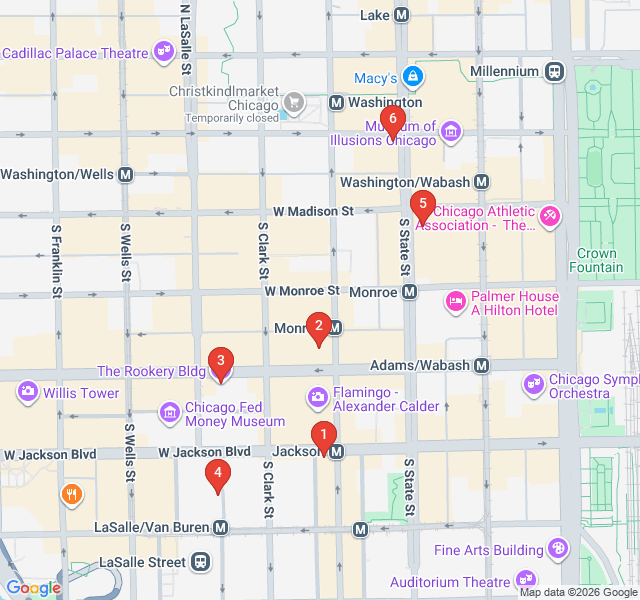
Numbers indicate the order of stops on the tour.
Welcome to the Monadnock Building, a titan of architectural history. Standing at the north end, you are looking at the tallest commercial iron-frame building ever built with load-bearing masonry walls. Notice how thick the walls are at the base—six feet of solid brick—to support the weight of its 16 stories. Built in two phases, the north half represents the peak of traditional masonry, while the south half, completed just two years later, utilizes a steel frame. This building is the literal turning point where stone gave way to steel. Its lack of ornamentation was revolutionary for 1891, emphasizing verticality and form over fussy Victorian decoration.
The Marquette Building is a masterpiece of the Chicago School. Named after Father Jacques Marquette, one of the first European explorers of the region, it features a stunning terra cotta exterior. But the real treasure lies just inside the revolving doors. If you step into the lobby, you'll see a circular mezzanine adorned with shimmering Tiffany glass mosaics and bronze reliefs that tell the story of Marquette’s 1673 expedition. This building was one of the first to utilize the 'Chicago Window'—a large fixed central pane flanked by two smaller operable windows—which allowed for maximum light and ventilation in an era before air conditioning.
The Rookery is arguably the most beautiful building in the Loop. Completed in 1888 by Burnham and Root, it gets its name from the crows and pigeons that used to frequent the site. While the exterior is a rugged mix of granite and brick, the interior is a revelation. In 1905, Frank Lloyd Wright was commissioned to update the light court. He covered the dark ironwork with white Carrara marble and gold leaf, creating the 'luminous' space you see today. It is a rare example where two of the greatest eras of Chicago architecture—the heavy Victorian and the sleek Prairie Style—meet in perfect harmony.
Look up LaSalle Street and you'll see the throne of Chicago commerce: the Board of Trade Building. This Art Deco giant stands at the end of the street, creating one of the most famous urban vistas in America. At the very top stands a 31-foot tall aluminum statue of Ceres, the Roman goddess of agriculture—a nod to the grain trading that built the city's wealth. Interestingly, the statue has no face, as the sculptor believed the building was so tall that no one would ever see it. The building’s stepped-back silhouette and stylized motifs represent the optimism and power of the 1920s.
The Sullivan Center, originally the Carson, Pirie, Scott and Company Building, is the work of Louis Sullivan, the 'father of skyscrapers.' Sullivan’s motto was 'form follows function,' but he didn't shy away from beauty. Look closely at the ground-level entrance at the corner of State and Madison. The cast-iron ornamentation is so delicate it looks like lace. Sullivan believed that the lower levels of a building should be attractive to pedestrians to entice them into the shop, while the upper floors remained strictly functional. The rounded corner tower is a signature element that draws the eye and guides shoppers inside.
Our final stop is the Reliance Building, a true precursor to the modern glass skyscraper. Built in 1895, it was one of the first buildings to feature a 'curtain wall'—meaning the exterior skin of glass and terra cotta is hung from the steel frame rather than supporting any weight. This allowed for massive windows, earning it the nickname 'The Glass House.' The white glazed terra cotta was chosen because it was self-cleaning; the Chicago soot would simply wash away in the rain. Today it houses a hotel, but it remains a monument to the engineering that made the glass towers of the 20th century possible.
Start Free on iPhone
Open Zigway as you walk and your private tour guide tells the stories behind what you pass.
Your Private Tour Guide
Don't miss the good stuff
Explore Freely
 Moderate
Chicago, United States
Explore the dark history of Al Capone and the North Side Gang on this self-guided walk through Chicago’s most infamous Prohibition-era crime scenes.
 Moderate
Chicago, United States
Explore the vivid murals and rich Mexican heritage of Pilsen on this self-guided neighborhood stroll through Chicago's premier arts district.
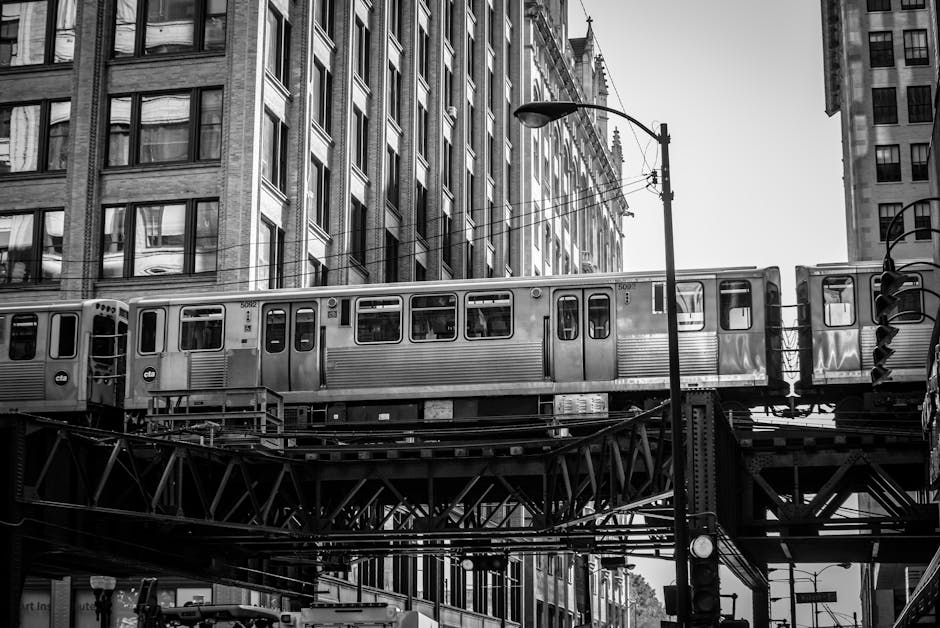 Easy
Chicago, United States
Explore the evolution of Chicago’s meatpacking district into a world-class culinary and tech hub on this independent self-guided walk.
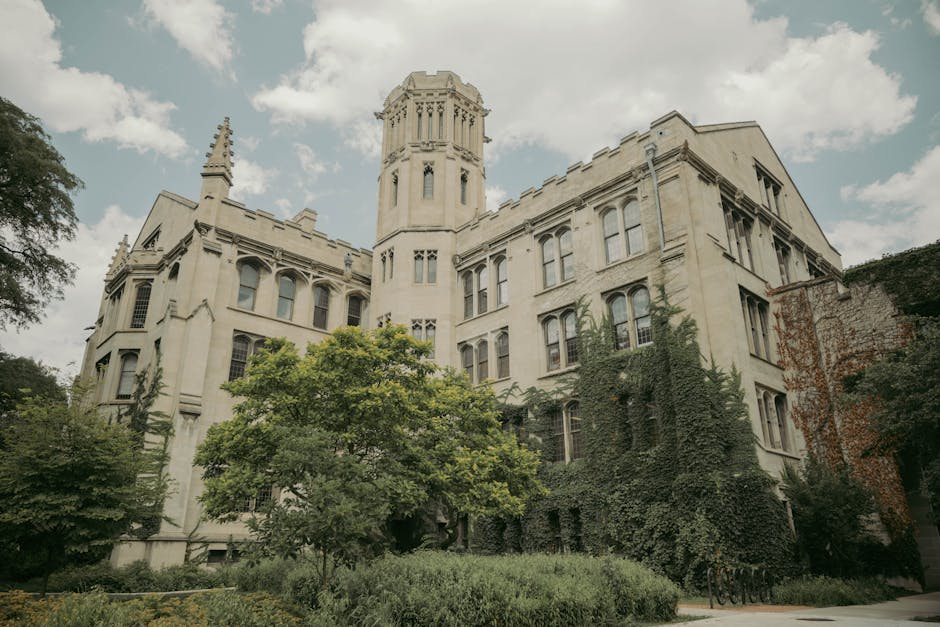 Easy
Chicago, United States
Explore the hidden tunnels of the Chicago Pedway on this self-guided walking route through the Loop’s secret architectural wonders.
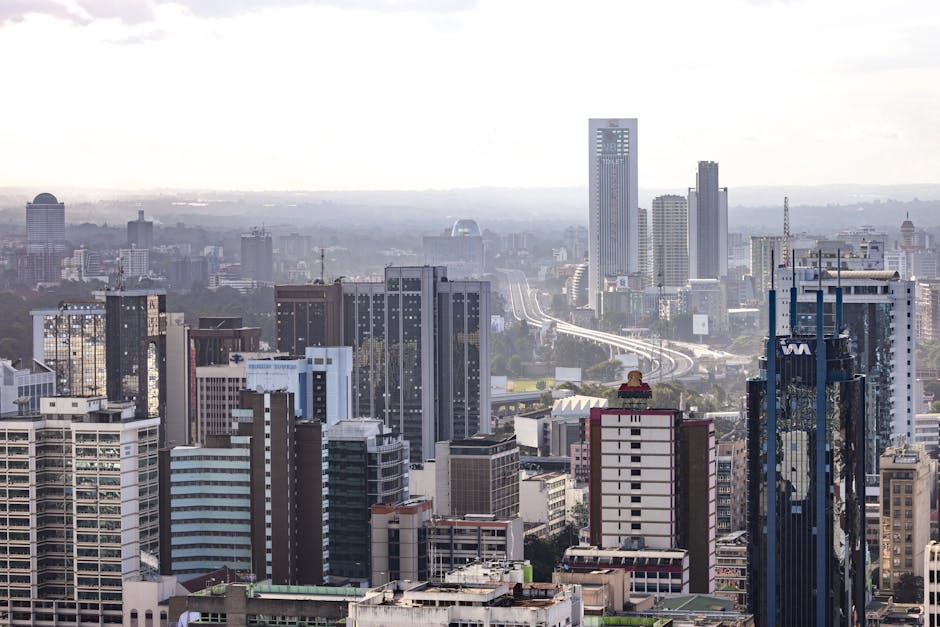 Easy
Nairobi, Kenya
Discover Nairobi's iconic skyline on this self-guided architecture walk through the CBD’s most famous modernist and Brutalist landmarks.
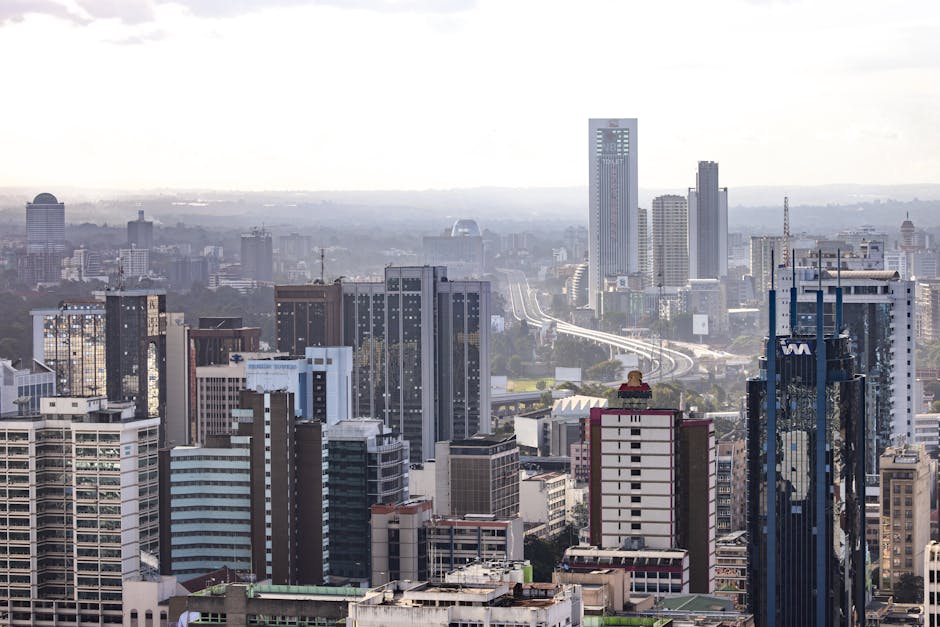 Easy
Nairobi, Kenya
Explore Nairobi's architectural evolution from colonial-era landmarks to iconic Brutalist skyscrapers on this historic self-guided walking route.
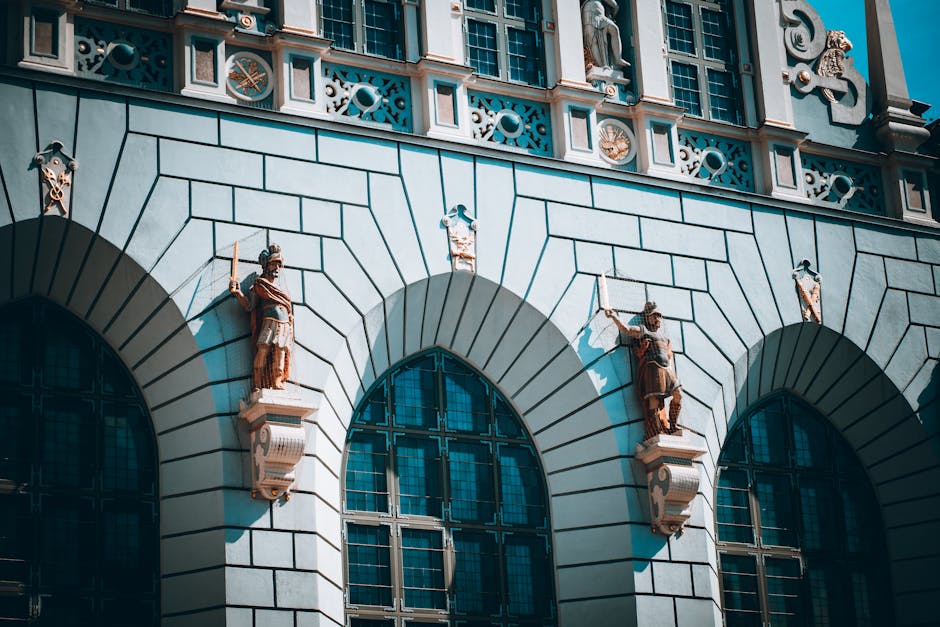 Easy
Gdansk, Poland
Discover the opulent Royal Way of Gdansk at your own pace. Explore Hanseatic history, gilded architecture, and the iconic Neptune's Fountain.
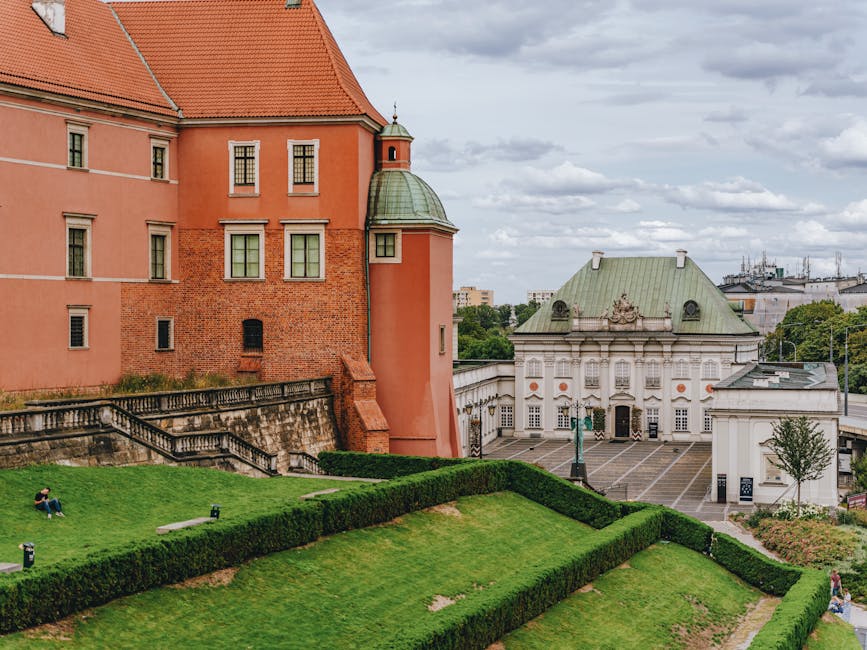 Easy
Warsaw, Poland
Explore the miracle of Warsaw's reconstructed Old Town on this self-guided walk through royal squares, medieval walls, and heroic monuments.
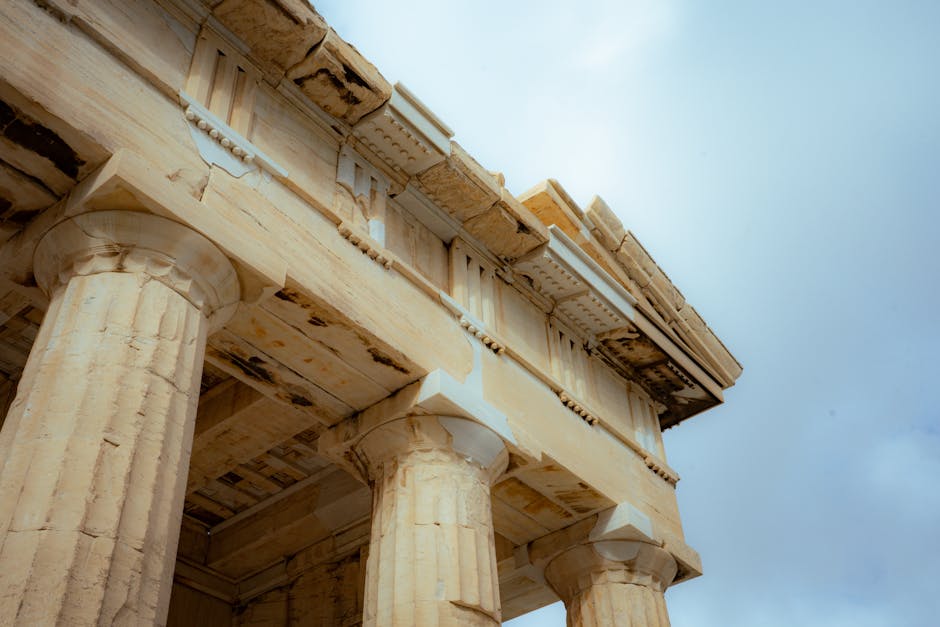 Easy
Nashville, United States
Explore the 'Athens of the South' on this self-guided walk through Centennial Park, featuring the world's only full-scale Parthenon replica.
 Easy
Nashville, United States
Explore Nashville's academic heart and Art Deco gems on this self-guided walk through historic Hillsboro Village.
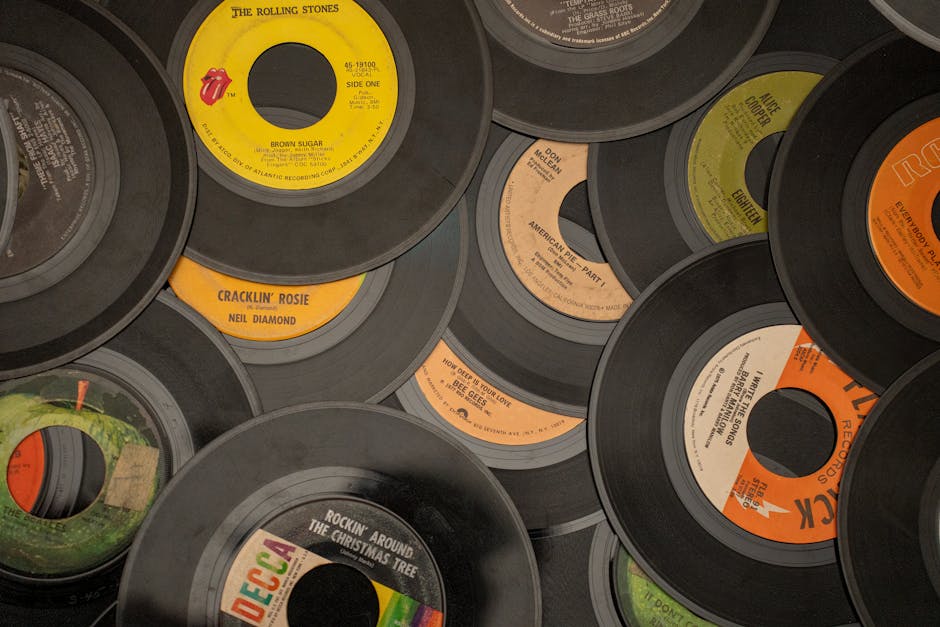 Easy
Nashville, United States
Explore the heart of Nashville's music industry. Discover iconic studios and the history of the legendary Nashville Sound at your own pace.
 Easy
Nashville, United States
Explore Nashville's oldest neighborhood! Discover Victorian architecture, Civil War history, and world-class craft beer on this self-guided walk.