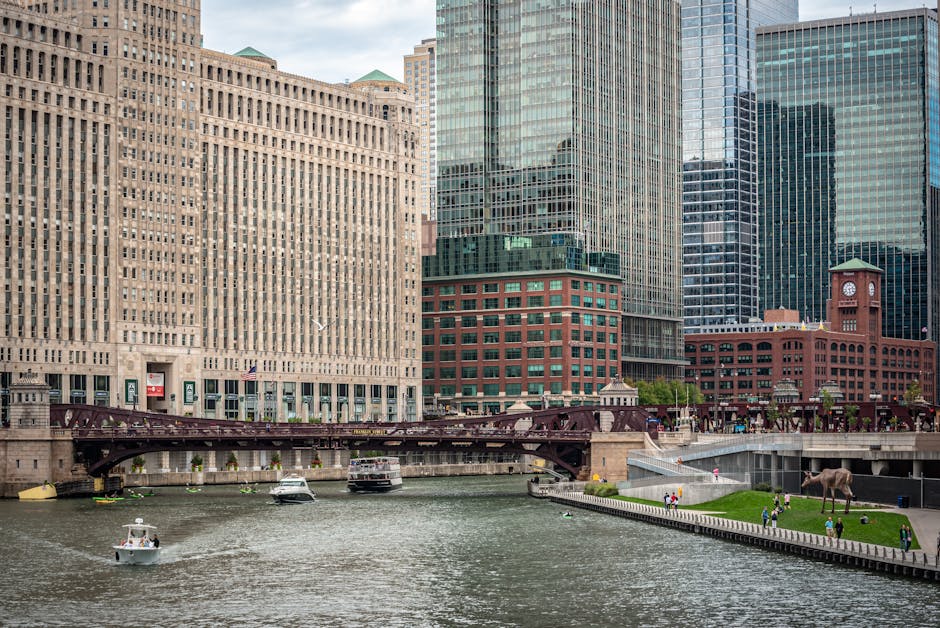
Self-guided audio tour in Chicago
Start Free on iPhone
Start free on iPhone to unlock this self-guided walking tour in Chicago. Hear all the stories that make it amazing, walk at your own pace, and begin whenever you want.
Your Private Tour Guide
Step into the shadows of the Roaring Twenties on a journey through Chicago’s most notorious era. This self-guided walk explores the bloody rivalries and secret hideouts of the Prohibition era, tracing the footsteps of icons like Al Capone, John Dillinger, and the North Side Gang. As you navigate the streets from River North to Uptown, you will uncover the stories of the bootleggers and enforcers who turned the Windy City into a battlefield for control of the underground liquor trade. This walking route Chicago enthusiasts love offers a deep dive into the architecture and alleyways where history was written in lead and jazz. Your journey begins at the former home of one of Capone’s top enforcers, where secret vaults lay hidden for decades. From there, you will visit a cathedral that still bears the physical scars of a gangland assassination, a testament to the era's lawlessness. As you move north into Lincoln Park, the route brings you to the site of the most infamous crime in American history: the St. Valentine's Day Massacre. You will also stand on the very pavement where 'Public Enemy Number One' met his end outside a local cinema. Finally, the trail concludes at a legendary jazz club that has remained virtually unchanged since the days when 'Scarface' himself sat in the corner booth. This audio walk provides the historical context and chilling details that bring the era of tommy guns and speakeasies back to life, all at your own pace.
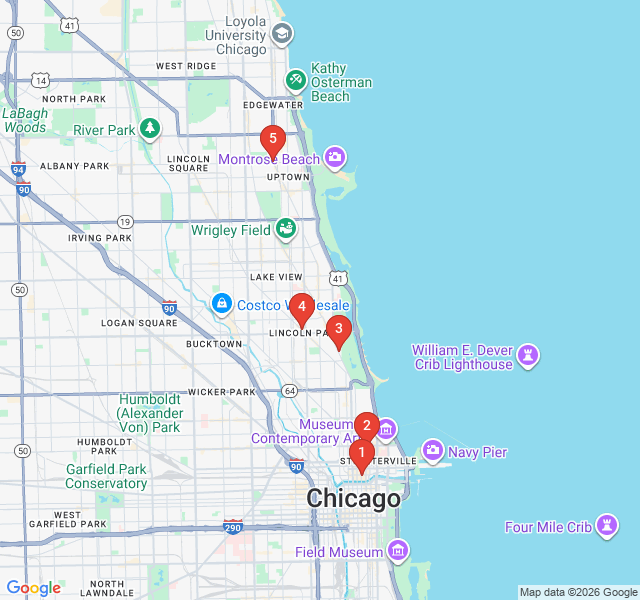
Numbers indicate the order of stops on the tour.
Start your journey at a building that was once the residence of Frank 'The Enforcer' Nitti, Al Capone’s top lieutenant. While it is now a famous steakhouse, the structure’s dark past was revealed during renovations in the 1990s. Workers discovered a hidden vault and a series of secret rooms used by Nitti to coordinate the Outfit's operations. The building even featured a sophisticated 'pigeon hole' telephone system to evade police wiretaps. As you stand here, imagine the smoke-filled rooms where Nitti managed the enforcement of Capone’s empire before his own tragic end near the railroad tracks.
This stunning Gothic Revival cathedral was the site of one of the most brazen hits in Chicago history. In 1926, Hymie Weiss, leader of the North Side Gang and a bitter rival of Al Capone, was ambushed by gunmen hidden in a nearby rooming house. As Weiss and his associates walked past the cathedral, they were met with a hail of bullets. If you look closely at the cornerstone near the entrance, you can still see the damage left by a stray bullet. This site symbolizes the era when even the steps of a sanctuary weren't safe from the city's violent gang wars.
You are now standing in the heart of Lincoln Park, directly across from the site of the St. Valentine's Day Massacre. On February 14, 1929, seven members of the North Side Gang were lined up against a wall in a garage and executed by gunmen dressed as police officers. While the garage was demolished in 1967, the building you see now—the Chicago Pizza and Oven Grinder Company—served as a lookout for the killers. The eerie atmosphere of this quiet street belies the fact that it was once the scene of the most famous mob hit in history, an event that eventually led to Capone's downfall.
Formerly known as the Biograph Theatre, this is where the era of the 'celebrity outlaw' came to a violent end. In July 1934, John Dillinger, known as 'Public Enemy Number One,' was betrayed by the 'Lady in Red' and ambushed by FBI agents as he exited the theater. Dillinger attempted to flee into the adjacent alley but was shot and killed. The theater’s facade remains largely unchanged, allowing you to visualize the chaos of that summer night. Dillinger's death marked the beginning of the end for the lawless Depression-era bandits who had captured the public's imagination.
This legendary jazz club is one of the oldest in the country and was a primary hang-out for Al Capone. 'Scarface' had a preferred booth here, positioned specifically to provide a clear view of both the front and back entrances. Beneath the floorboards, a network of tunnels—some of which still exist—allowed for the discrete delivery of illicit booze and quick escapes during raids. Today, the Green Mill maintains its authentic 1920s atmosphere, with the same neon sign and Art Deco interior that Capone and his associates enjoyed while listening to the greats of Chicago jazz.
Start Free on iPhone
Explore “Prohibition and Past Crimes: The Mobster’s Trail” with your very own Private Tour Guide with Zigway. Start free on iPhone, skip the large group and the fixed routes, and hear the city come alive as you go.
Your Private Tour Guide
Don't miss the good stuff
Explore Freely
 Moderate
Chicago, United States
Explore the vivid murals and rich Mexican heritage of Pilsen on this self-guided neighborhood stroll through Chicago's premier arts district.
 Easy
EasyChicago, United States
Explore the evolution of Chicago’s meatpacking district into a world-class culinary and tech hub on this independent self-guided walk.
 Easy
EasyChicago, United States
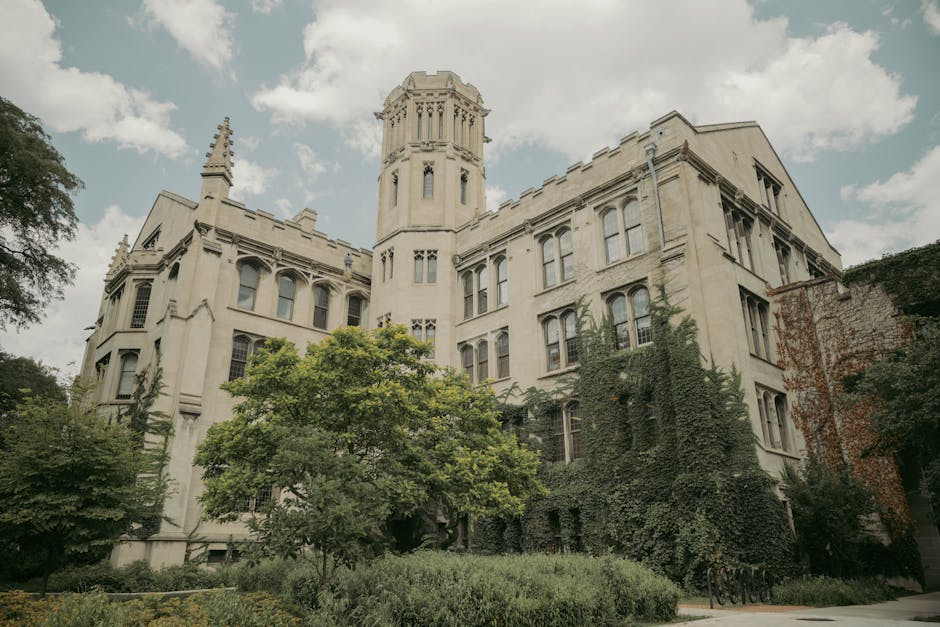
Explore the hidden tunnels of the Chicago Pedway on this self-guided walking route through the Loop’s secret architectural wonders.
 Moderate
Chicago, United States
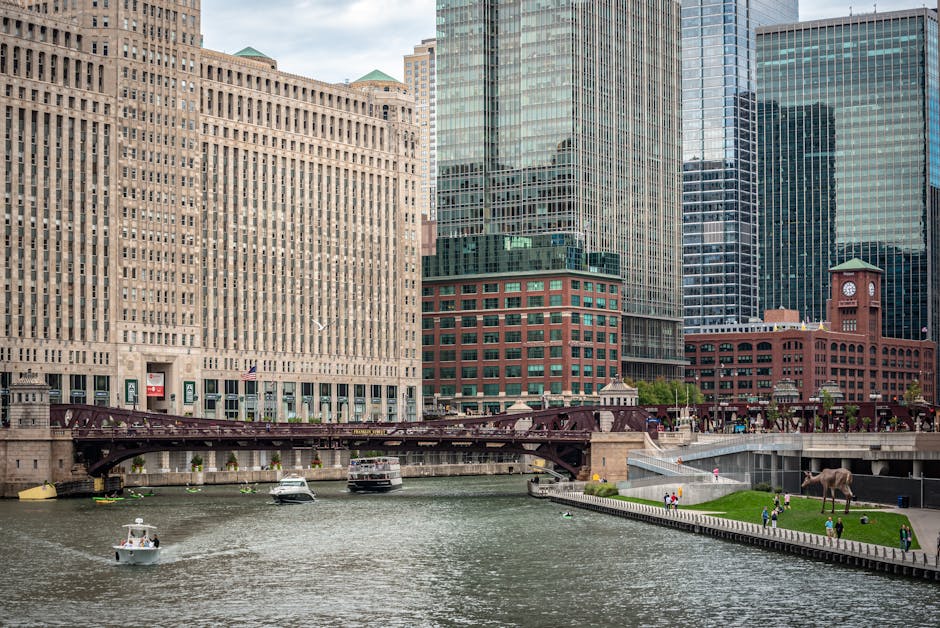
Explore the 'Black Metropolis' and discover the cradle of African American history and civil rights on this self-guided walk through Bronzeville.
 Moderate
Vienna, Austria
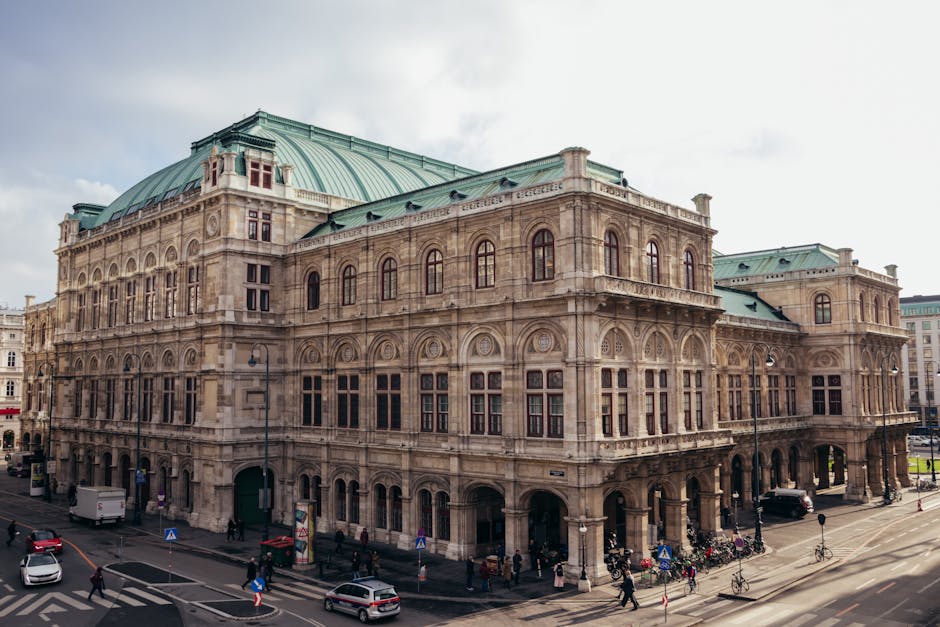
Discover the noir world of The Third Man and Cold War Vienna on this atmospheric self-guided audio walk through the historic Innere Stadt.
 Moderate
Helsinki, Finland
Explore Helsinki's bohemian heart. Discover historic saunas, granite churches, and the vibrant local life of the Kallio neighborhood at your own pace.
 Easy
EasyKrakow, Poland
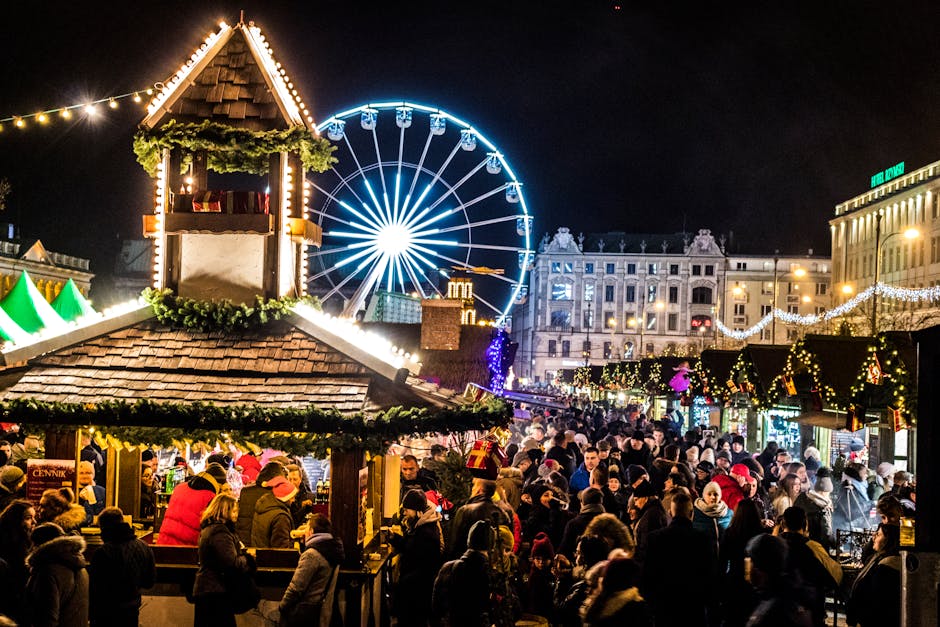
Explore Krakow's hidden nightlife with this self-guided walk through medieval cellars, jazz clubs, and bohemian bars in the Old Town and Kazimierz.
 Easy
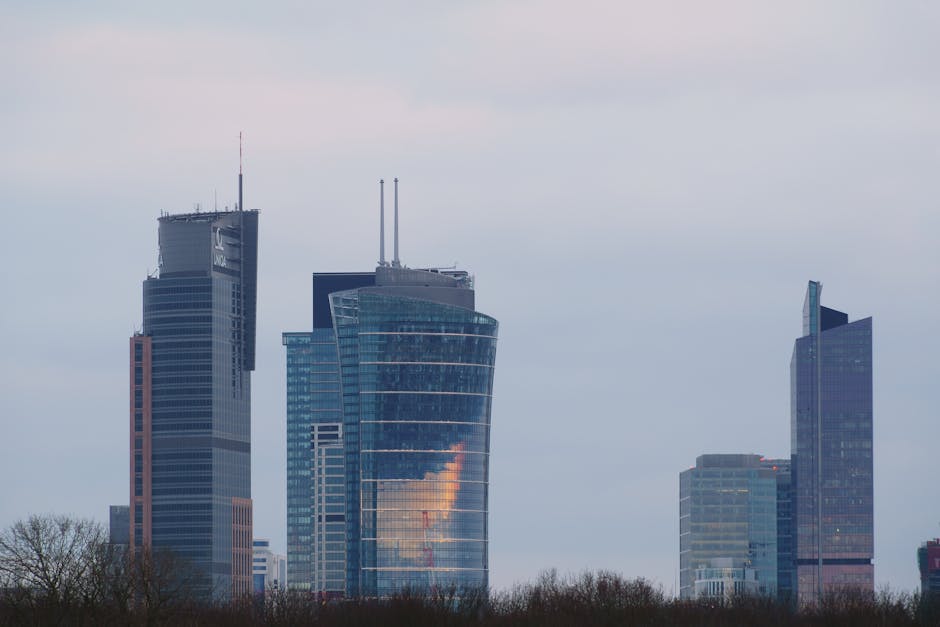
EasyWarsaw, Poland
Discover the hidden courtyards and grand pre-war architecture of Warsaw's most atmospheric neighborhood on this self-guided stroll.
 Easy
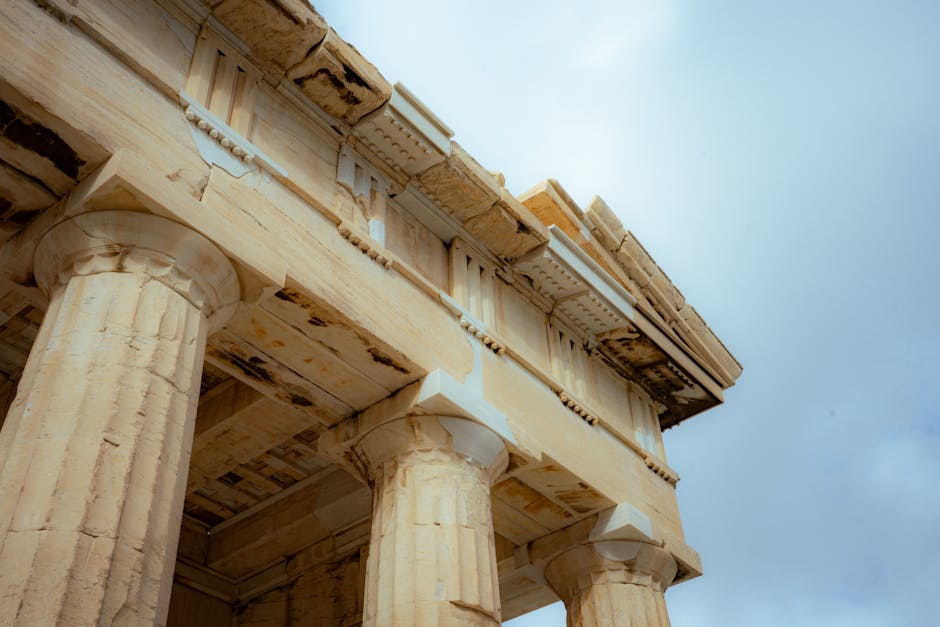
EasyNashville, United States
Explore the 'Athens of the South' on this self-guided walk through Centennial Park, featuring the world's only full-scale Parthenon replica.
 Easy
EasyNashville, United States
Explore Nashville's academic heart and Art Deco gems on this self-guided walk through historic Hillsboro Village.
 Easy
EasyNashville, United States
Explore the heart of Nashville's music industry. Discover iconic studios and the history of the legendary Nashville Sound at your own pace.
 Easy
EasyNashville, United States
Explore Nashville's oldest neighborhood! Discover Victorian architecture, Civil War history, and world-class craft beer on this self-guided walk.