Self-guided audio tour in Chicago
Start Free on iPhone
Start free on iPhone to unlock this self-guided walking tour in Chicago. Hear all the stories that make it amazing, walk at your own pace, and begin whenever you want.
Your Private Tour Guide
Step into the 'Black Metropolis,' a historic enclave that served as the heartbeat of African American culture, commerce, and political power during the early 20th century. This self-guided walk through Chicago's Bronzeville neighborhood explores the legacy of the Great Migration, where millions of Black Americans traveled north in search of opportunity, transforming a narrow strip of the South Side into a thriving city-within-a-city. As you follow this walking route, you will uncover the stories of pioneers like Ida B. Wells and Carter G. Woodson, whose work here changed the course of American history. The neighborhood’s architecture reflects its former glory as a rival to Harlem, featuring grand armories, historic YMCAs, and monuments that honor the bravery of Black soldiers. This exploration isn't just about the past; it's about witnessing the ongoing renaissance of a community that continues to celebrate its deep roots and vibrant future. Whether you are an architecture enthusiast or a history buff, this self-guided adventure offers a profound look at the resilience and creativity that defined the Black Metropolis. Along the way, you'll encounter the sites where Black History Month was born and where the first African American-owned insurance companies and newspapers established their empires. Discover at your own pace how this neighborhood became a beacon of hope and a laboratory for social change. This walking tour Chicago experience is designed to be flexible, allowing you to linger at the monuments or delve deeper into the local archives. By choosing this neighborhood stroll, you are engaging with one of the most significant cultural landmarks in the United States, far from the typical tourist paths of the Loop. Prepare to be inspired by the spirit of Bronzeville, a place where every corner tells a story of triumph over adversity.
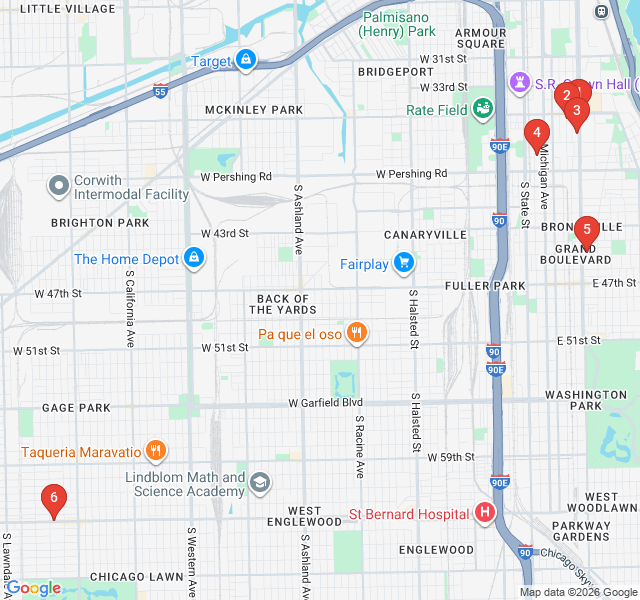
Numbers indicate the order of stops on the tour.
Begin your self-guided adventure at the intersection of 35th Street and King Drive. This towering bronze and granite structure, the Victory Monument, was erected in 1927 to honor the 8th Regiment of the Illinois National Guard. This African American unit served with distinction in France during World War I. Take a moment to look at the three bronze figures representing Victory, Peace, and Motherhood, as well as the names of the soldiers inscribed on the base. This monument stands as a powerful symbol of the patriotism and sacrifice of Black Chicagoans who fought for democracy abroad while still facing segregation at home.
Just a short walk from the monument, you will find the Eighth Regiment Armory. Built in 1914, this was the first armory in the United States constructed specifically for an African American military unit. During the Great Migration, it served not only as a military facility but also as a social hub for the community, hosting dances, basketball games, and political rallies. Today, the building has been repurposed as the Chicago Military Academy at Bronzeville, continuing its legacy of discipline and service while preserving its impressive fortress-like facade. It is a testament to the neighborhood's self-sufficiency and pride.
As you continue your walking route, pause at the former residence of Ida B. Wells-Barnett. A fearless journalist, anti-lynching crusader, and suffragist, Wells lived here from 1919 to 1929. This Romanesque Revival stone house was a base for her tireless activism. Wells was a founding member of the NAACP and a pivotal figure in the fight for civil rights and women's rights. While the house is a private residence today, its presence serves as a reminder of the intellectual and political ferment that characterized Bronzeville during its peak. Imagine the strategy meetings and community organizing that took place within these walls.
The Wabash Avenue YMCA is one of the most significant stops on this neighborhood stroll. Established in 1913, it provided housing and job training for thousands of Black men arriving from the South during the Great Migration. Most famously, it is the birthplace of Black History Month; in 1915, Carter G. Woodson founded the Association for the Study of Negro Life and History here. The building’s beautiful murals and historical markers detail its role as a sanctuary and a center for cultural education. It remains a cornerstone of the community, embodying the spirit of mutual aid and progress.
Further south, the Bronzeville Historical Society serves as the memory keeper for the neighborhood. This organization is dedicated to documenting the African American experience in Chicago through genealogy, archives, and public programs. While the society's physical location has moved over the years, its mission remains focused on preserving the stories of the families who built the Black Metropolis. It’s a great place to reflect on how personal histories weave together to create the tapestry of a city. The society often highlights the lesser-known figures of the migration, ensuring their contributions are never forgotten.
The final stop on this independent exploration is the site of the Supreme Insurance Agency. During the mid-20th century, Black-owned insurance companies were essential to the economic stability of the community, as white-owned firms often refused to serve African Americans. Companies like Supreme Life helped build Black wealth and provided capital for local businesses and homes. This building represents the 'Metropolis' aspect of Bronzeville—the commercial engine that supported a thriving middle class. As you finish your walk, consider how these institutions laid the groundwork for the modern civil rights movement by fostering economic independence.
Start Free on iPhone
Explore “Black Metropolis: The Renaissance of Bronzeville” with your very own Private Tour Guide with Zigway. Start free on iPhone, skip the large group and the fixed routes, and hear the city come alive as you go.
Your Private Tour Guide
Don't miss the good stuff
Explore Freely
 Moderate
Chicago, United States
Explore the dark history of Al Capone and the North Side Gang on this self-guided walk through Chicago’s most infamous Prohibition-era crime scenes.
 Moderate
Chicago, United States
Explore the vivid murals and rich Mexican heritage of Pilsen on this self-guided neighborhood stroll through Chicago's premier arts district.
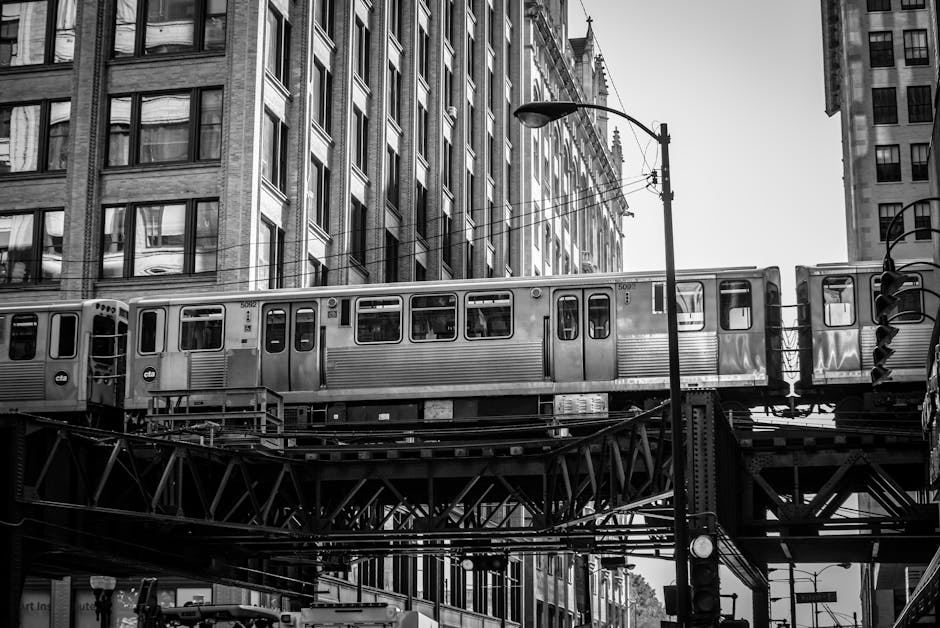 Easy
EasyChicago, United States
Explore the evolution of Chicago’s meatpacking district into a world-class culinary and tech hub on this independent self-guided walk.
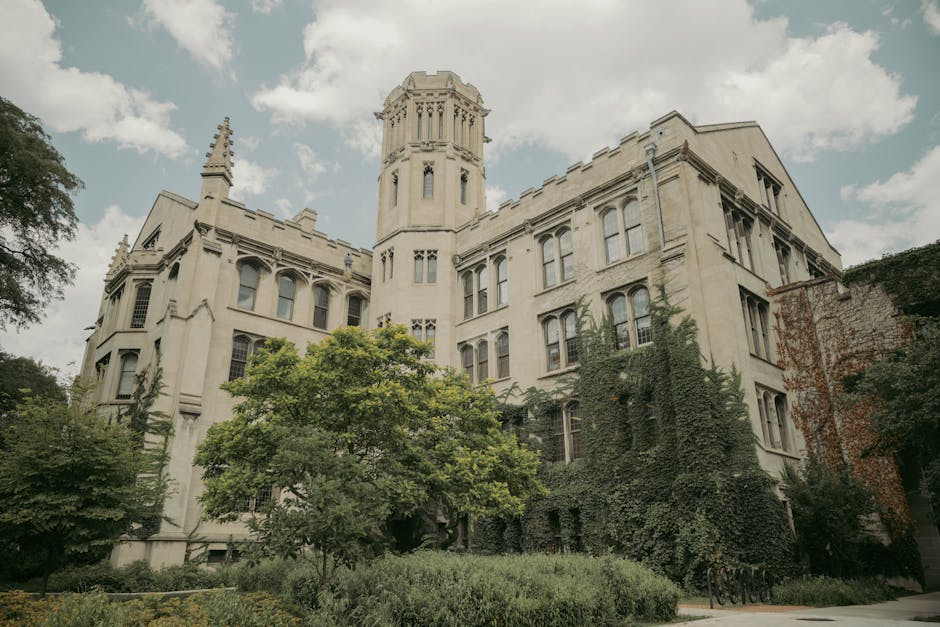 Easy
EasyChicago, United States
Explore the hidden tunnels of the Chicago Pedway on this self-guided walking route through the Loop’s secret architectural wonders.
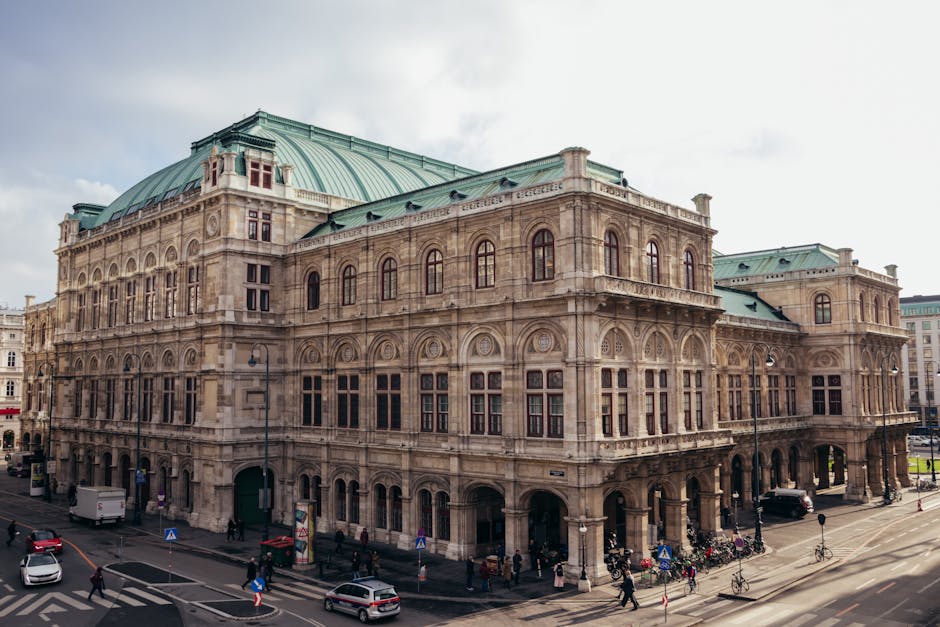 Moderate
Vienna, Austria
Discover the noir world of The Third Man and Cold War Vienna on this atmospheric self-guided audio walk through the historic Innere Stadt.
 Easy
EasyGothenburg, Sweden
Explore Gothenburg’s historic wooden houses, legendary giant cinnamon buns, and panoramic fortress views on this self-guided neighborhood stroll.
 Easy
EasyGothenburg, Sweden
Discover Gothenburg’s 17th-century Dutch foundations, historic canals, and military fortifications on this self-guided architectural walk.
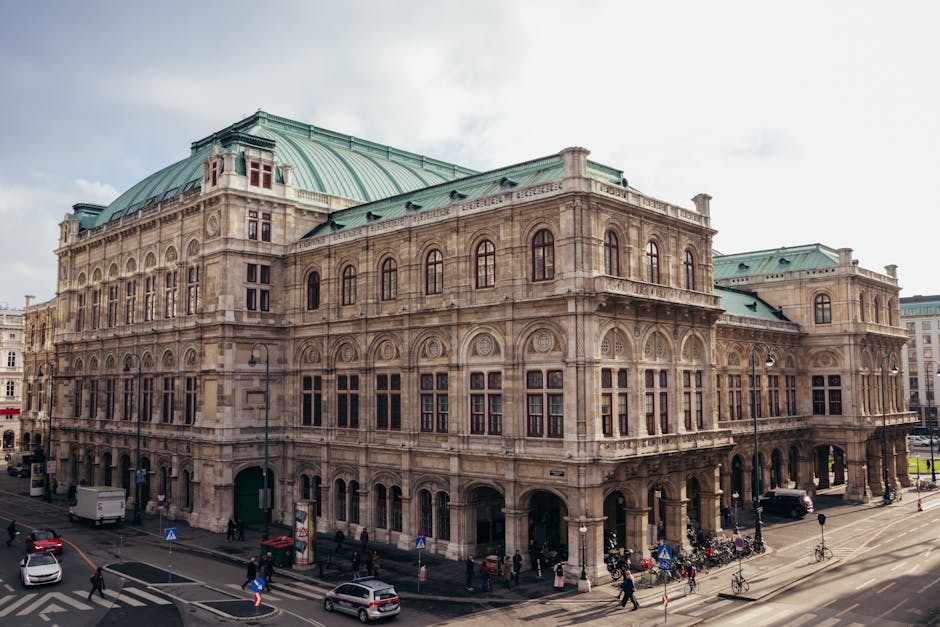 Moderate
Vienna, Austria
Follow the footsteps of Mozart and Strauss through Vienna’s historic center on this self-guided walk through the city's rich musical history.
 Easy
EasyNashville, United States
Explore the 'Athens of the South' on this self-guided walk through Centennial Park, featuring the world's only full-scale Parthenon replica.
 Easy
EasyNashville, United States
Explore Nashville's academic heart and Art Deco gems on this self-guided walk through historic Hillsboro Village.
 Easy
EasyNashville, United States
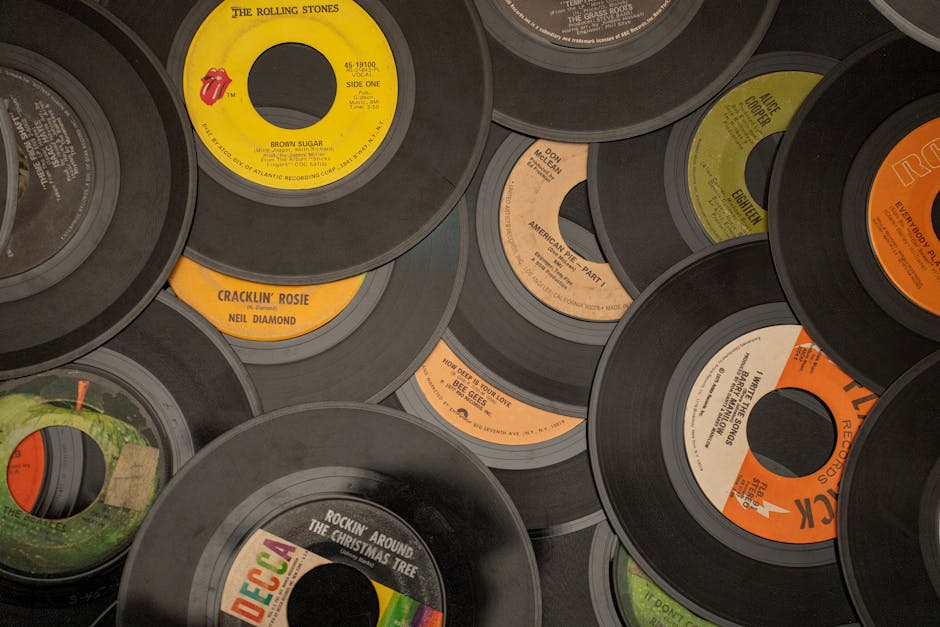
Explore the heart of Nashville's music industry. Discover iconic studios and the history of the legendary Nashville Sound at your own pace.
 Easy
EasyNashville, United States
Explore Nashville's oldest neighborhood! Discover Victorian architecture, Civil War history, and world-class craft beer on this self-guided walk.