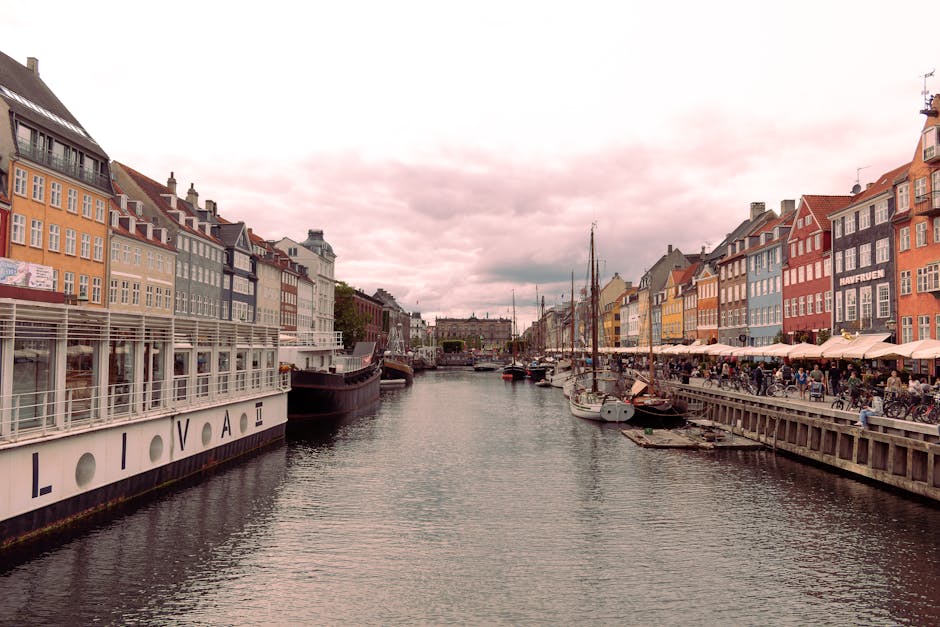
Self-guided audio tour in Copenhagen
Start Free on iPhone
Start free on iPhone to unlock this self-guided walking tour in Copenhagen. Hear all the stories that make it amazing, walk at your own pace, and begin whenever you want.
Your Private Tour Guide
Step into the heart of Copenhagen's Indre By for a self-guided walk that blends the city's world-famous 'hygge' with its deep-rooted history. This neighborhood stroll takes you through the winding, cobblestone streets of the Old Town, where medieval layouts meet colorful 18th-century architecture. Unlike a typical guided tour Copenhagen might offer, this independent route allows you to linger in the quiet squares and narrow alleys that define the Danish capital’s unique charm at your own pace. You will begin in the oldest part of the city, where the fire-ravaged history of Copenhagen is still visible in the timber-framed houses. From there, the route winds past bustling squares and royal statues toward the intellectual and spiritual heart of the city. Along the way, you will discover why Copenhagen is consistently ranked as one of the most livable cities in the world. Key landmarks like the Round Tower and the Church of Our Lady provide a grand backdrop to the more intimate, hidden gems like Gråbrødretorv. Whether you are interested in the academic history of Northern Europe's oldest universities or simply want to find the most 'Instagram-worthy' streets in Denmark, this walking route offers a comprehensive look at the city's evolution. It is a perfect introduction for those seeking a walking tour Copenhagen experience without the constraints of a group schedule. By the end of this self-guided adventure, you will have a deeper understanding of how Copenhagen transitioned from a small fishing village to a sophisticated European capital while maintaining its cozy, small-town soul.
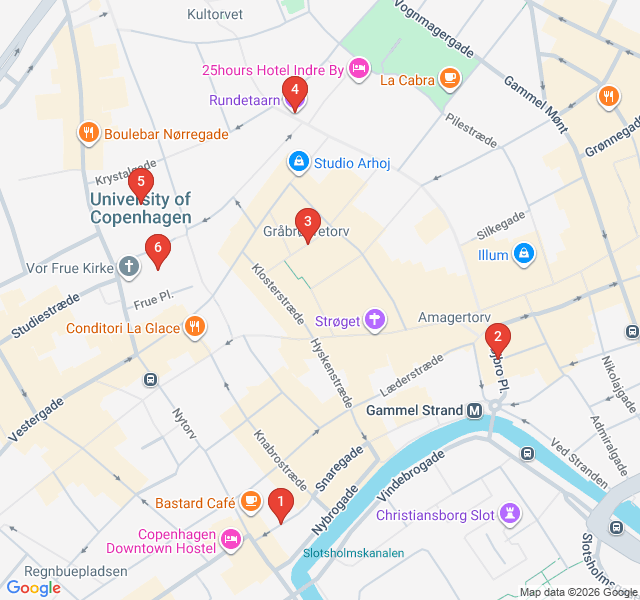
Numbers indicate the order of stops on the tour.
Welcome to Magstræde, one of the few streets in Copenhagen that still retains its original 18th-century charm. While much of the city was destroyed in the Great Fires of 1728 and 1795, these colorful houses survived. Look at the irregular facades and the ancient cobblestones under your feet. This street represents the 'old' Copenhagen, a time when the city was a maze of timber-framed buildings and narrow passages. Today, it is arguably the most photographed street in the city, perfectly encapsulating the Danish concept of hygge—a sense of coziness and contentment. Take a moment to appreciate the vibrant hues of ochre and crimson that have made this spot a favorite for locals and travelers alike.
Arriving at Højbro Plads, you are standing in a square that serves as a bridge between the shopping district and the seat of government. The dominant feature here is the equestrian statue of Bishop Absalon, the legendary founder of Copenhagen. Depicted as a warrior-cleric, he looks out toward Slotsholmen, where the first fortifications were built. The square was created after the fire of 1795 to serve as a firebreak, which explains its spacious, airy feel compared to the cramped medieval streets you just left. From here, you can see the canals and the spire of Christiansborg Palace, the center of Danish power for over 800 years.
Tucked away from the main shopping thoroughfares is Gråbrødretorv, or Grey Friars Square. This peaceful plaza is named after a Franciscan friary that stood here until the Reformation. Today, it is famous for its towering plane tree and the brightly painted houses that line its perimeter. During the summer, the square is filled with outdoor seating, making it one of the city's most beloved spots for a coffee or a meal. The architecture here is a classic example of the 'fire houses' built after 1728—sturdy, colorful, and designed to maximize space in a growing city. It is a perfect example of a hidden gem hidden in plain sight.
Standing before you is Rundetaarn, or the Round Tower, built by King Christian IV in the 17th century. This is the oldest functioning observatory in Europe. What makes it truly unique is its internal structure: instead of stairs, a wide spiral ramp leads to the top. Legend says the Russian Tsar Peter the Great once rode his horse up this ramp. The tower was built to serve the university's astronomers, and it remains a symbol of the Danish Golden Age of science. While the view from the top is spectacular, the building itself is a masterpiece of Dutch Renaissance style, featuring the king's own gilded rebus on the facade.
Just a short walk from the tower is the main building of Copenhagen University. Founded in 1479, it is the oldest university in Denmark and the second-oldest in Scandinavia. The current main building was constructed in the 19th century in a style that reflects the importance of academic pursuit. If you look up at the entrance, you'll see a lead eagle, symbolizing the search for knowledge. This area, known as the Latin Quarter, was historically where students and professors spoke Latin to one another. Even today, the surrounding streets are filled with bookstores and quiet cafes, maintaining an intellectual atmosphere that has persisted for centuries.
Our final stop is the Church of Our Lady, the Cathedral of Copenhagen. This neoclassical building may look simple from the outside, but the interior is a sanctuary of art. After the British bombardment in 1807 destroyed the previous church, architect C.F. Hansen designed this serene space. Inside, you will find the world-famous statues of Christ and the twelve apostles, sculpted by the renowned Danish artist Bertel Thorvaldsen. The figures are known for their calm, human expressions, departing from the dramatic style of earlier eras. It is a place of profound quiet and beauty, marking a fitting end to our journey through the history and culture of the Old Town.
Start Free on iPhone
Explore “Hygge and Hidden Gems of the Old Town” with your very own Private Tour Guide with Zigway. Start free on iPhone, skip the large group and the fixed routes, and hear the city come alive as you go.
Your Private Tour Guide
Don't miss the good stuff
Explore Freely
 Easy
EasyCopenhagen, Denmark
Explore Copenhagen's stunning waterfront architecture, from the 'Black Diamond' to the Opera House, on this self-guided design-focused walk.
 Moderate
Copenhagen, Denmark
Explore Copenhagen’s 'Little Amsterdam' and the radical Freetown Christiania on this self-guided audio walk through history and counter-culture.
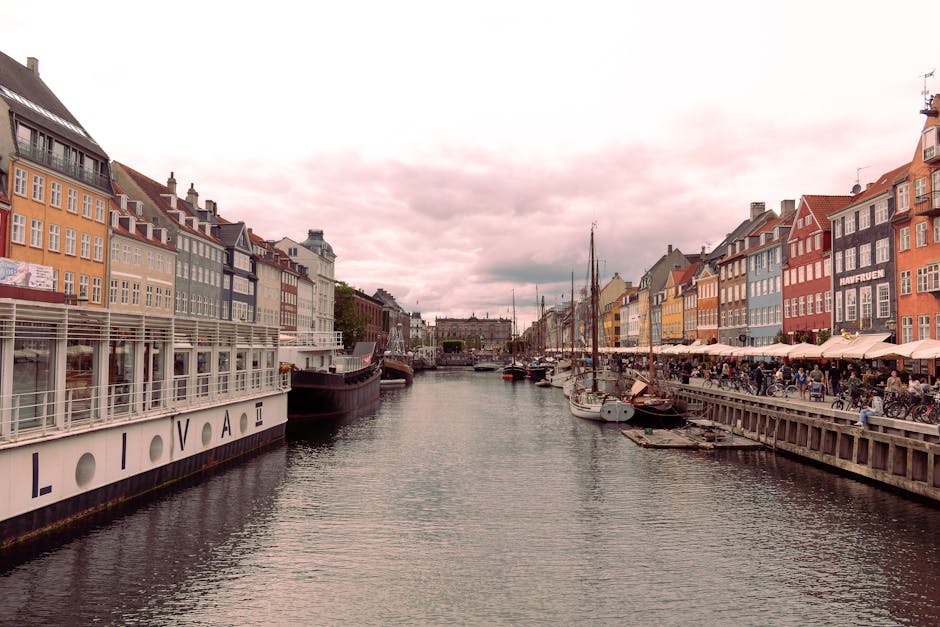 Easy
EasyCopenhagen, Denmark
Discover the seat of Danish power and the home of the royals on this self-guided walk through Copenhagen's most historic palaces and landmarks.
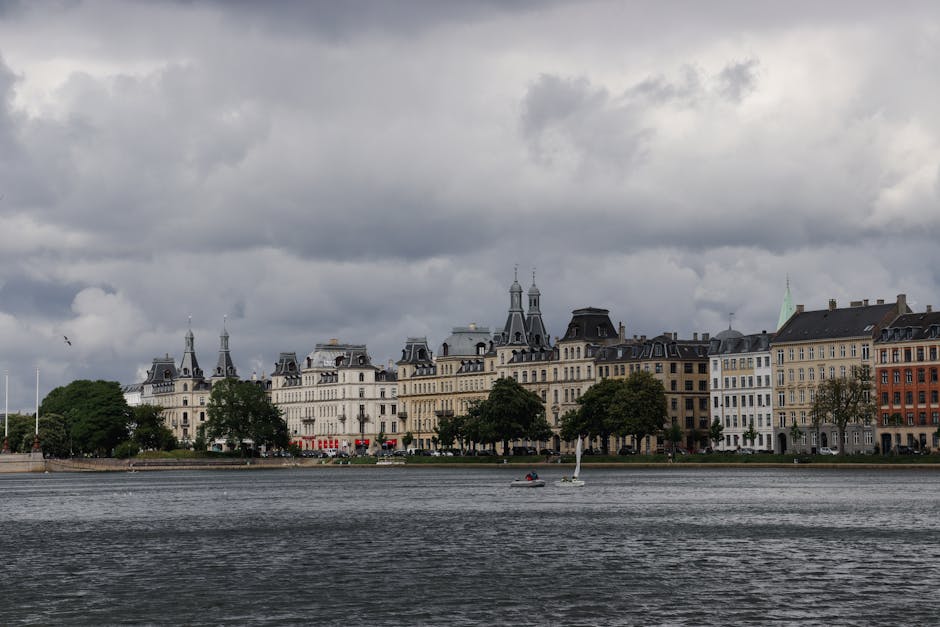 Easy
EasyCopenhagen, Denmark
Discover Vesterbro's evolution from industrial grit to foodie heaven on this self-guided neighborhood stroll through Copenhagen's coolest district.
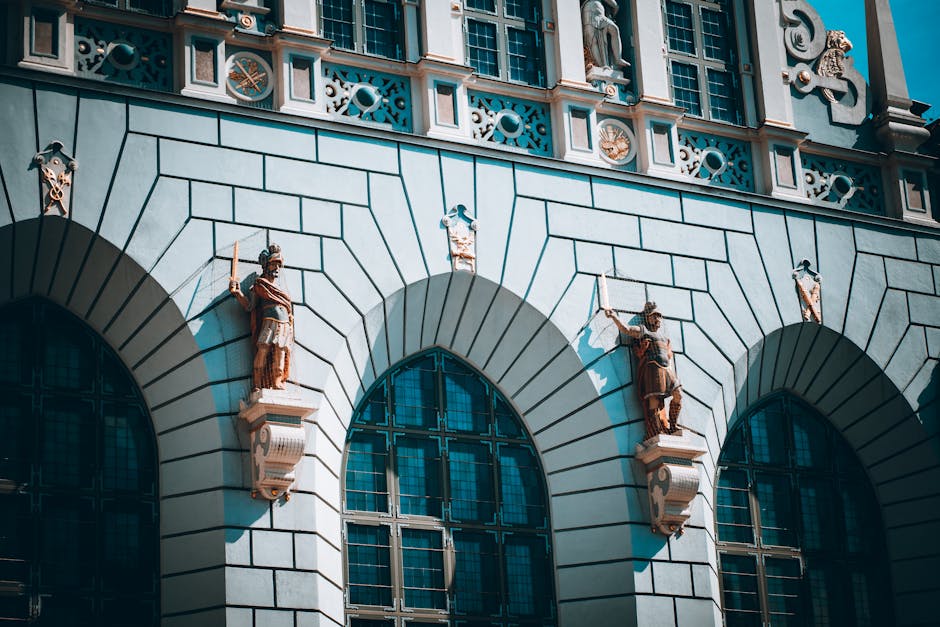 Easy
EasyGdansk, Poland
Discover the opulent Royal Way of Gdansk at your own pace. Explore Hanseatic history, gilded architecture, and the iconic Neptune's Fountain.
 Easy
EasyGothenburg, Sweden
Explore Gothenburg's elegant academic district, featuring grand 19th-century stone architecture and the iconic cultural hub of Götaplatsen.
 Easy
EasyNairobi, Kenya
Discover Nairobi's iconic skyline on this self-guided architecture walk through the CBD’s most famous modernist and Brutalist landmarks.
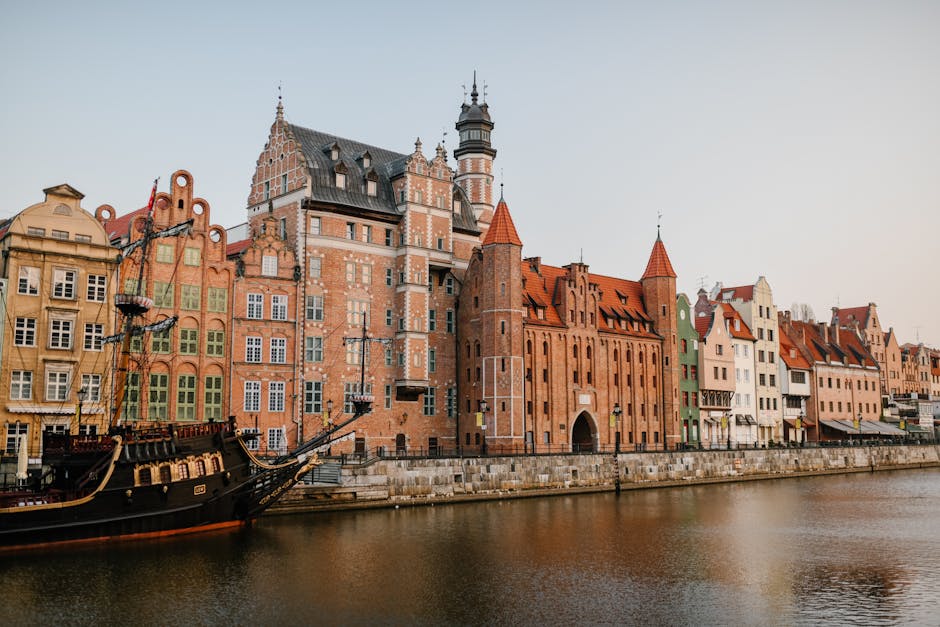 Easy
EasyGdansk, Poland
Discover the 'Baltic Gold' on this self-guided walk through Gdansk's historic mills, massive cathedrals, and the magical Mariacka Street.