Self-guided audio tour in Varanasi
Start Free on iPhone
Start free on iPhone to unlock this self-guided walking tour in Varanasi. Hear all the stories that make it amazing, walk at your own pace, and begin whenever you want.
Your Private Tour Guide
Varanasi is often described as a city where time stands still, yet its architecture tells a story of constant evolution and resilience against the elements. This self-guided walk takes you through the heart of the ghats, focusing on the architectural marvels that define the city's skyline. From fortified palaces to temples that seemingly defy the laws of physics, the Manikarnika and Dashashwamedh areas offer a masterclass in ancient engineering and aesthetic grandeur. As you navigate this neighborhood stroll, you will encounter the legacy of queens, kings, and astronomers who left their mark on the stone steps of the Ganges. The highlight of this walking route is undoubtedly the Ratneshwar Mahadev Temple, famously known as the 'Leaning Temple of Varanasi.' Tilting at an angle greater than the Leaning Tower of Pisa, it stands as a testament to both artistic ambition and the unpredictable nature of the riverbank. Nearby, the Man Singh Observatory showcases a different kind of precision, where 18th-century stone instruments were used to map the heavens. This explore-at-your-own-pace journey allows you to witness the intricate carvings of Ahilyabai Ghat and the imposing sandstone facade of BrijRama Palace, one of the oldest structures on the waterfront. Whether you are interested in the structural history of the Maratha-style buildings or the spiritual significance of the ghats, this walking tour Varanasi route provides a deep dive into the city's physical and cultural foundation.
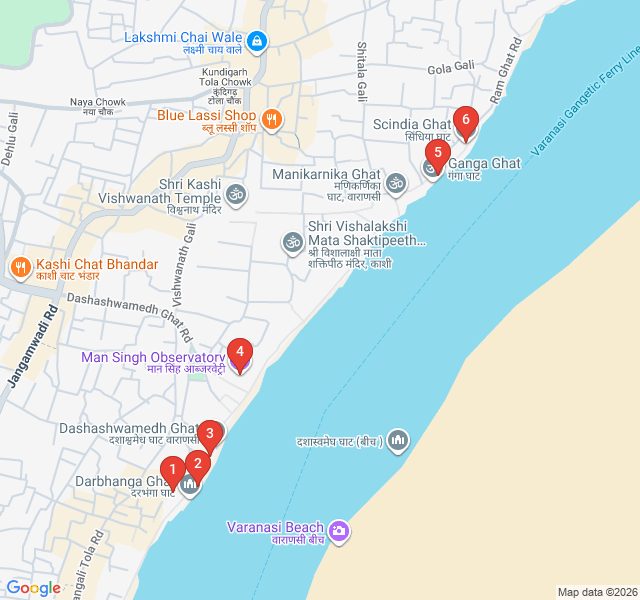
Numbers indicate the order of stops on the tour.
Begin your self-guided adventure at BrijRama Palace, one of the oldest and most imposing structures on the Varanasi ghats. Originally built in 1812 by the Royal House of Nagpur, this palace is a striking example of Maratha architecture mixed with Greek influences. Notice the massive sandstone pillars and the fortified walls that were designed to withstand the rising waters of the Ganges. For centuries, this building served as a royal residence before being meticulously restored. It stands on the Darbhanga Ghat, a location chosen for its height and stability. The palace's presence here marked a shift in the 19th century toward more permanent, stone-built structures along the river, replacing the more fragile wooden platforms of earlier eras.
A short walk along the riverfront brings you to Munshi Ghat. This section of the waterfront is named after Sridhara Narayana Munshi, who was the finance minister for the Estate of Darbhanga. The ghat is essentially an extension of the grand palace you just saw, and it features a beautiful array of steps that lead directly into the river. Architecturally, Munshi Ghat is significant for its clean lines and the way it integrates with the massive Darbhanga Palace above. It is a popular spot for photographers because of the way the morning light hits the golden-hued sandstone. Take a moment to observe the 'pajis' or wooden platforms where local priests and pilgrims gather, a tradition that has remained unchanged for centuries.
As you continue your neighborhood stroll, you arrive at Ahilyabai Ghat. Built in the late 18th century, this ghat holds the distinction of being the first to be named after a person—the celebrated Queen Ahilyabai Holkar of Indore. She was a visionary ruler who funded the reconstruction of many of Varanasi’s most important temples. The architecture here is characterized by its sobriety and strength, reflecting the queen's own reputation for piety and justice. Look for the small shrines tucked into the walls and the precision of the stone blocks. This ghat was designed to be functional and durable, providing a safe space for thousands of pilgrims to perform their daily rituals in the sacred river.
Rising above the Man Mandir Ghat is the Man Mahal, which houses the Man Singh Observatory. Built in 1600 by Raja Man Singh of Amber, the palace itself is a beautiful fusion of Rajput and Mughal architectural styles, featuring ornate balconies and stone carvings. However, the real treasure is on the roof. In the 1730s, Sawai Jai Singh II of Jaipur added a series of stone astronomical instruments similar to those found in the Jantar Mantar of Delhi and Jaipur. These instruments were used to calculate time, track the movement of stars, and predict eclipses with remarkable accuracy. It represents a moment in history where science and royal patronage met on the banks of the Ganges.
Now, witness one of the most curious sights in India: the Ratneshwar Mahadev Temple. Unlike the upright temples surrounding it, this structure leans at a significant 9-degree angle toward the north-west. For comparison, the Leaning Tower of Pisa leans at about 4 degrees. While local legends speak of a curse involving a mother’s debt, the architectural reality is a result of the temple being built too low on the riverbank. The weight of the stone structure, combined with the soft silt of the Ganges, caused the foundation to settle unevenly. For much of the year, the lower half of the temple is actually submerged in river water, yet it has remained standing for centuries, defying the immense pressure of the current.
Your walking route concludes at Scindia Ghat, an area known for its narrow, winding alleys and incredibly steep stone steps. Built in 1830 by the Scindia family of Gwalior, the ghat is so heavy that part of it actually collapsed during construction, leaving several small temples partially submerged in the river. This area is a labyrinth of history, where the weight of the stone seems to press against the river itself. The craftsmanship of the remaining pavilions and the intricate carvings on the upper tiers showcase the wealth and devotion of the Maratha rulers. From here, you can look back at the stretch of river you’ve covered and see the skyline of a city that has been rebuilt and reinforced over millennia.
Start Free on iPhone
Explore “Gravity-Defying Temples and Ancient Steps” with your very own Private Tour Guide with Zigway. Start free on iPhone, skip the large group and the fixed routes, and hear the city come alive as you go.
Your Private Tour Guide
Don't miss the good stuff
Explore Freely
 Moderate
Varanasi, India
Discover the spiritual heart of Varanasi on this self-guided walk through ancient lanes, grand corridors, and sacred riverfront ghats.
 Moderate
Varanasi, India
Explore the ancient spiritual reservoirs of Varanasi on this self-guided walk through sacred kunds and the iconic Durga Temple.
 Easy
EasyVaranasi, India
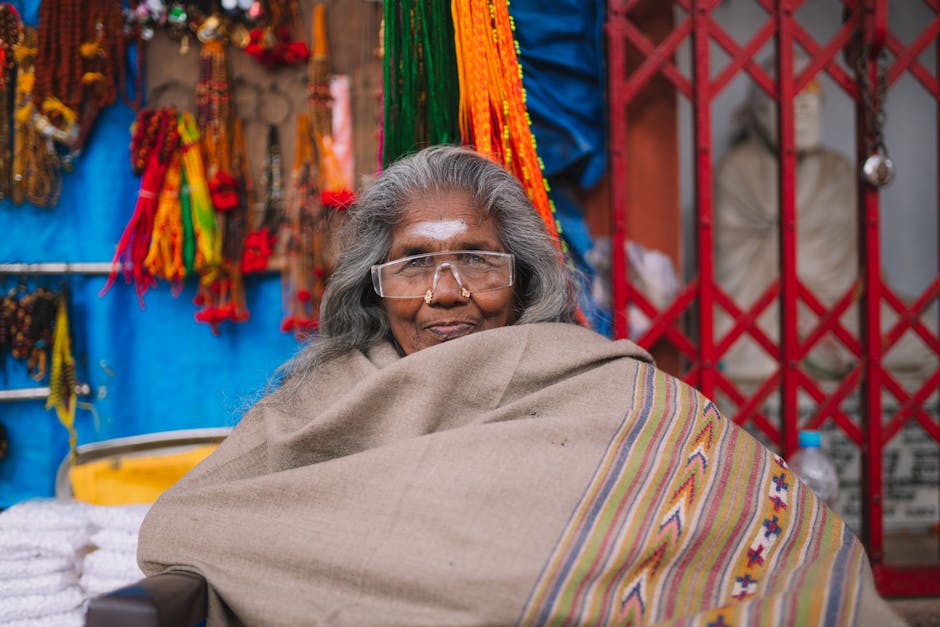
Discover the literary soul of Varanasi on this self-guided walk through Assi, the home of legendary poets, scholars, and historic tea-stall debates.
 Easy
EasyVaranasi, India
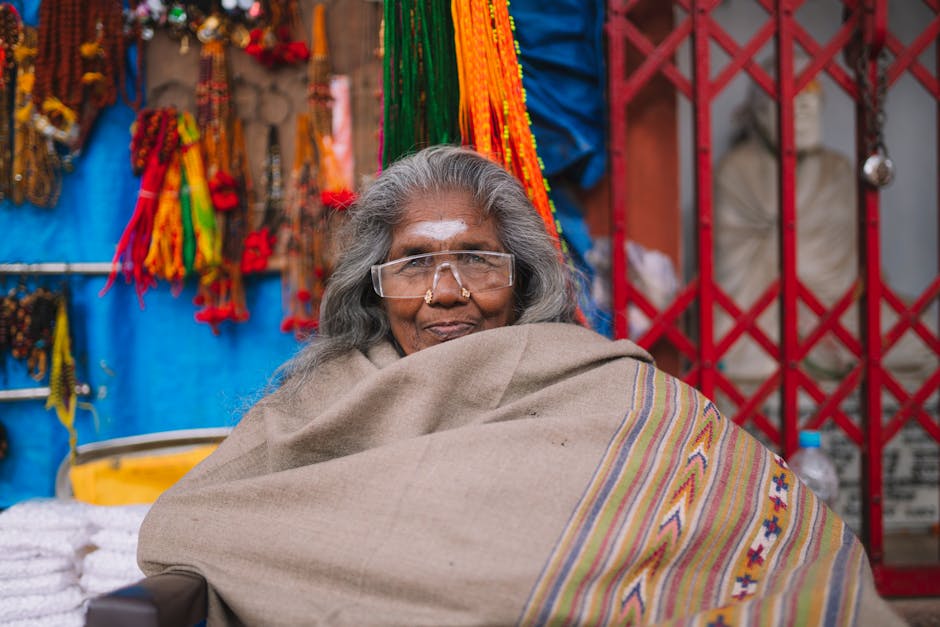
Explore the lush greenery and Indo-Saracenic architecture of Banaras Hindu University on this peaceful self-guided campus stroll.
 Easy
EasyNairobi, Kenya
Discover Nairobi's iconic skyline on this self-guided architecture walk through the CBD’s most famous modernist and Brutalist landmarks.
 Moderate
Vienna, Austria
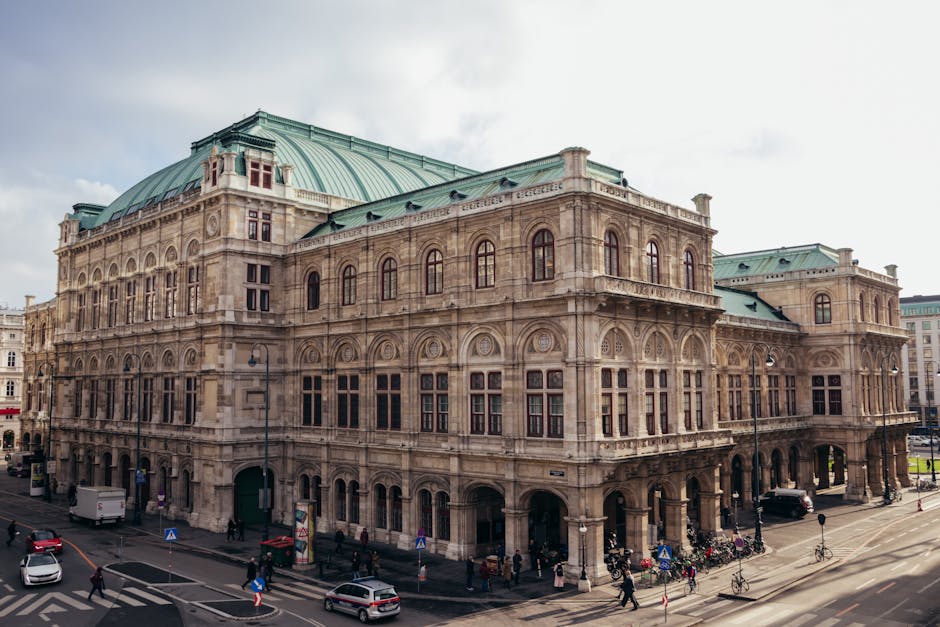
Discover the noir world of The Third Man and Cold War Vienna on this atmospheric self-guided audio walk through the historic Innere Stadt.
 Easy
EasyKrakow, Poland
Explore the historic heart of Kazimierz on this self-guided walk through synagogues, ancient cemeteries, and vibrant squares.
 Easy
EasyGothenburg, Sweden
Explore Gothenburg’s historic wooden houses, legendary giant cinnamon buns, and panoramic fortress views on this self-guided neighborhood stroll.
 Easy
EasyMumbai, India
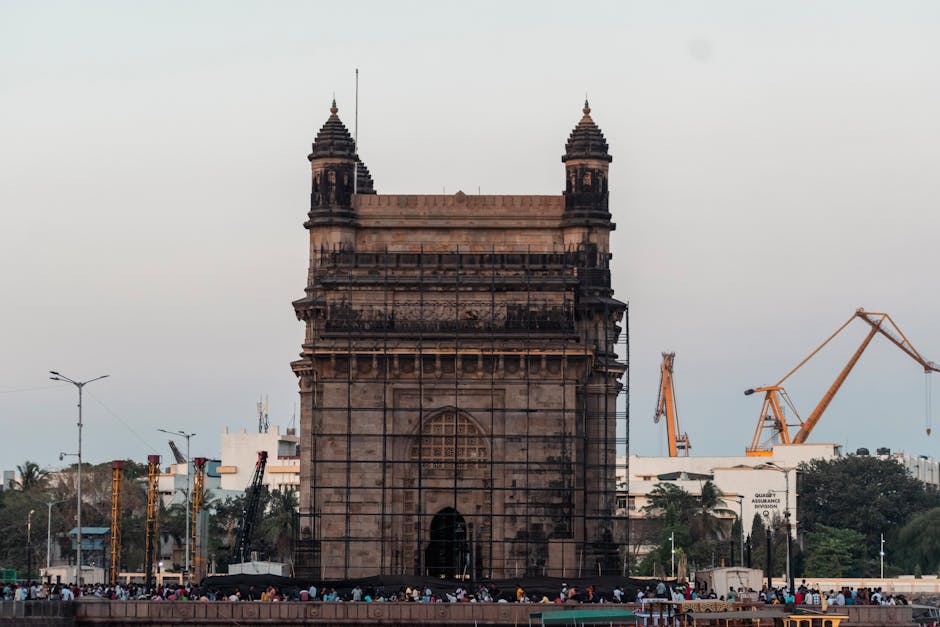
Explore Mumbai's stunning UNESCO Art Deco heritage on this self-guided walking route along the iconic Marine Drive promenade.
 Challenging
Mumbai, India
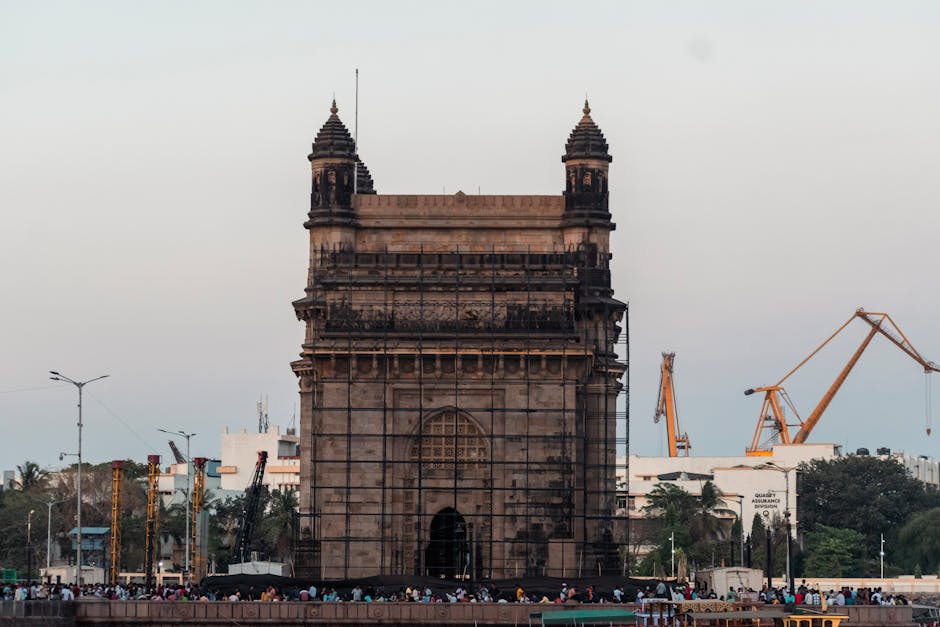
Experience the sensory explosion of Mumbai's historic markets on this challenging self-guided walk through Kalbadevi and Crawford Market.
 Easy
EasyMumbai, India
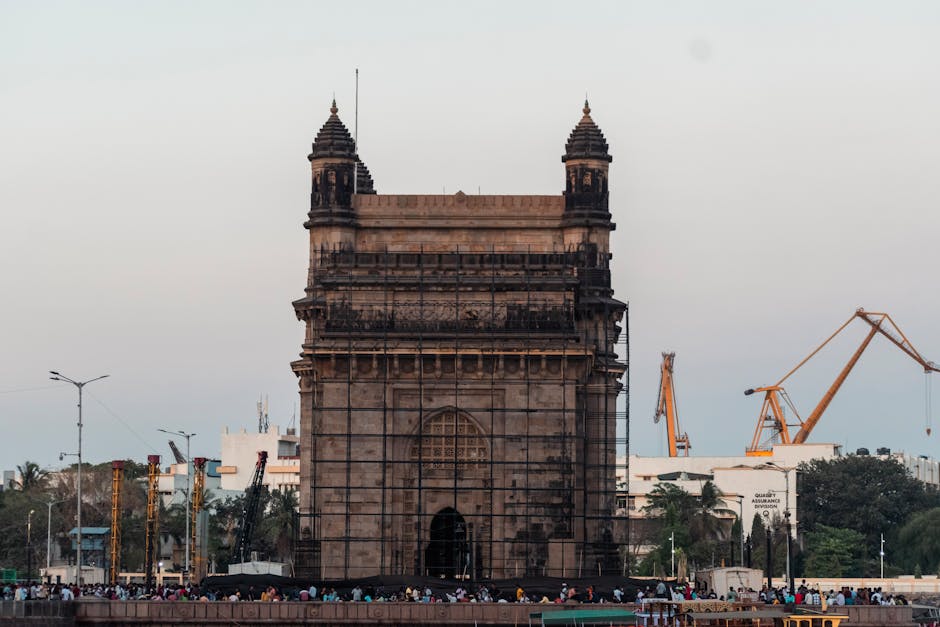
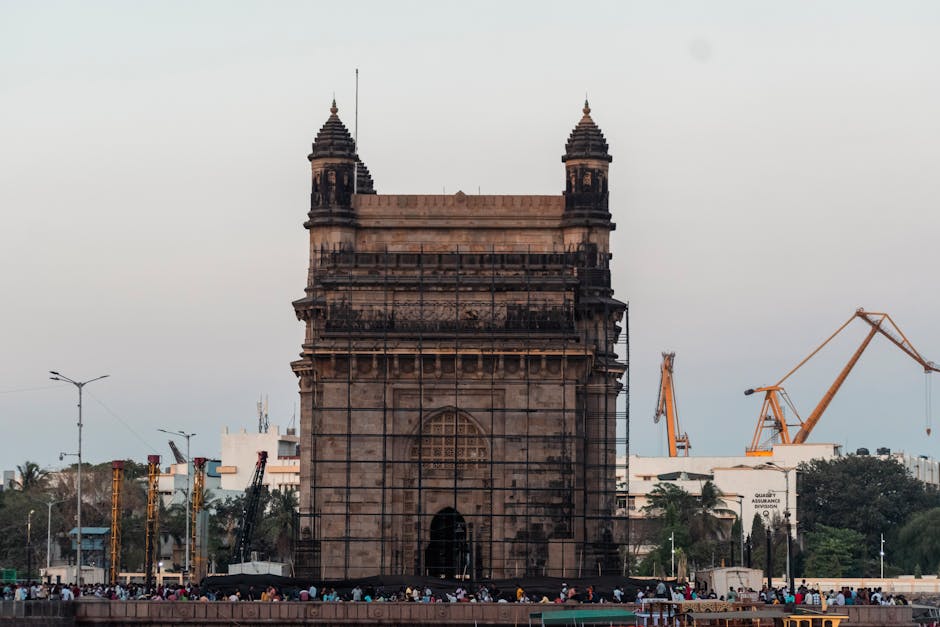
Explore Mumbai's colonial legacy on this self-guided walk through Colaba's iconic landmarks, from the Gateway of India to grand Art Deco palaces.
 Moderate
Mumbai, India
Explore the ancient fishing village of Worli Koliwada, historic forts, and stunning sea views on this self-guided cultural walking route.