Self-guided audio tour in Mumbai
Walked and written by a Zigway contributor · Last reviewed November 2026
Start Free on iPhone
Hear the stories behind the streets and sights around you as you walk Mumbai. Try it free on iPhone.
Your Private Tour Guide
Step away from the typical tourist trails of South Mumbai and discover the layered history of Byculla, a neighborhood that once served as the city's most fashionable residential suburb. This self-guided walk explores a fascinating transition from 19th-century elegance to the bustling urban landscape of today. Long before the skyscrapers of Worli rose, Byculla was home to the wealthy elite, leaving behind a legacy of grand Victorian architecture, sprawling gardens, and diverse religious monuments that remain hidden in plain sight. On this neighborhood stroll, you will encounter the city's oldest museum, a world-class botanical garden, and one of the oldest railway stations in the world. The route highlights the multicultural fabric of Mumbai, showcasing how British, Parsi, Jewish, and Christian communities shaped the city's identity. From the ornate ironwork of the Khada Parsi statue to the striking blue facade of the Magen David Synagogue, this walking route provides a deep dive into the Victorian legacy that defines this corner of the city. This experience is perfect for those looking for a walking tour Mumbai style—vibrant, slightly chaotic, but deeply rewarding. By exploring independently, you can take your time admiring the intricate restorations of the Dr. Bhau Daji Lad Museum or finding a moment of peace inside the towering Gloria Church. This is a journey through time where every corner reveals a story of Mumbai's evolution from a cluster of islands to a global metropolis. Whether you are a history enthusiast or a photography lover, this self-guided adventure offers a unique perspective on Mumbai's hidden-gems and architectural treasures.
Take a Central line local train to Byculla and leave by the east side. The museum is at the entrance to Jijamata Udyan (Rani Baug) on Dr Babasaheb Ambedkar Road, a short walk away. A taxi from south Mumbai is easy too: ask for Rani Baug.
October to February, starting around 9 or 10am before the heat builds. Skip Wednesdays: the museum and the zoo gardens close that day. In the monsoon (roughly June to September) the junctions around Khada Parsi can flood.
Approximate walking distances between stops, from the route's coordinates.
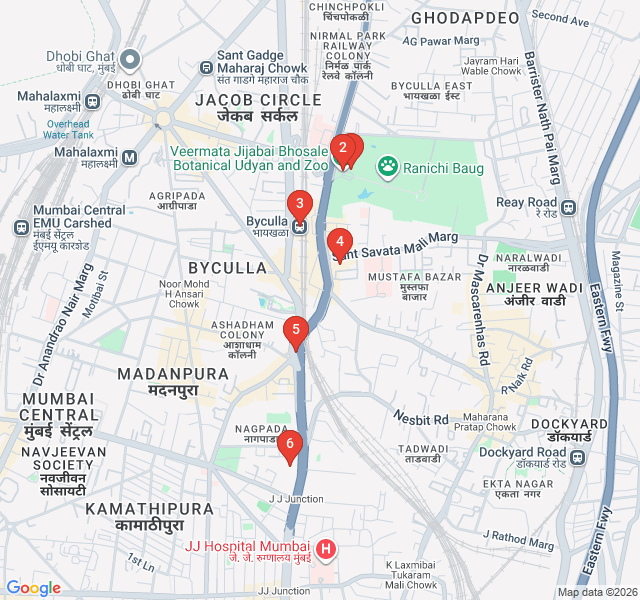
Numbers indicate the order of stops on the tour.
Begin your self-guided walk at the oldest museum in Mumbai. Originally established in 1855 as the Victoria and Albert Museum, this Palladian-style building is a masterpiece of Victorian restoration. After a massive renovation in the early 2000s, it won UNESCO’s highest award for cultural conservation. Inside, you'll find an incredible collection of 19th-century decorative arts and clay models that depict the life and trades of old Bombay. The ceiling is gilded with 23-carat gold leaf, reflecting the immense wealth and artistic ambition of the city during the British Raj. Take a moment to admire the industrial arts and the history of the city's development meticulously preserved within these walls.
Just outside the museum lies Mumbai's botanical heart, formerly known as the Victoria Gardens. Established in 1861, it is one of the oldest zoos and botanical gardens in India. As you wander the paths, look for the David Sassoon Clock Tower, an elegant Italianate structure that has stood here since 1864. The gardens are home to hundreds of species of trees, many of which are over a century old. While the zoo is a major draw for families, the architectural heritage is found in the ornate gateways and the massive stone elephant statue—the same one that gave Elephanta Island its name—which was moved here by the British after it was found in pieces.
Head toward Byculla Railway Station, a site of immense historical importance. This was one of the original stations on the Great Indian Peninsula Railway, which saw India's first train run in 1853. The station building you see today is a fine example of Victorian architecture, featuring high ceilings, teakwood doors, and stained-glass windows. Recently, the station underwent a significant restoration project that won it a UNESCO Asia-Pacific Award for Cultural Heritage Conservation. It serves as a living monument to Mumbai's railway history, blending 19th-century design with the frantic energy of a modern commuter hub. Notice the intricate ironwork and the restored ticket counters that hark back to a bygone era.
Standing tall against the Byculla skyline is the Gloria Church, or Nossa Senhora da Gloria. This magnificent English Gothic structure was built in 1911-13, replacing an older 16th-century Portuguese church that once stood in Mazagaon. Its four high spires are iconic landmarks of the neighborhood. Inside, the church features beautiful stained-glass windows and a serene atmosphere that contrasts sharply with the traffic outside. The church served as a focal point for the East Indian Christian community and remains one of the most photographed religious buildings in Mumbai. Its pointed arches and detailed masonry are classic examples of the Gothic Revival style that the British favored in the city.
At a busy junction nearby stands the Khada Parsi statue, which translates to 'The Standing Parsi.' This 40-foot-tall cast-iron monument depicts Cursetjee Manockjee, a prominent Parsi businessman and educator. It is a rare piece of Victorian ironwork, manufactured in London and sent to Bombay in the 1860s. Interestingly, it is one of only two such statues in the world; the other is a fountain in Valparaíso, Chile. The statue features four lamps at its base and intricate carvings of mermaids. Despite being surrounded by flyovers and heavy traffic today, it remains a proud symbol of the Parsi community's immense contribution to the city's growth and philanthropy.
Your neighborhood stroll concludes at the Magen David Synagogue, a striking sky-blue building that serves as a reminder of Mumbai's once-thriving Baghdadi Jewish community. Built in 1861 by David Sassoon, the synagogue is an architectural gem with its tall clock tower and Victorian style. The interior is equally impressive, with high ceilings and a large gallery for women. David Sassoon was a legendary financier and philanthropist whose name is synonymous with Mumbai’s 19th-century development. The synagogue remains an active place of worship and a testament to the religious tolerance and diversity that has defined Mumbai for centuries. It’s a peaceful end to a walk through the city’s layered past.
Explore Mode
Open Zigway, start Explore Mode and just walk. Your guide notices where you are and tells you the story of what's around you, on this route or any street you turn into.
Head back to Byculla station and ride the Central line a few stops south to Chhatrapati Shivaji Maharaj Terminus, the UNESCO-listed Victorian Gothic station that caps off the same railway story.
Start Free on iPhone
Open Zigway as you walk and your private tour guide tells the stories behind what you pass.
Your Private Tour Guide
Don't miss the good stuff
Explore Freely
 Easy
Mumbai, India
Explore Mumbai's stunning UNESCO Art Deco heritage on this self-guided walking route along the iconic Marine Drive promenade.
 Challenging
Mumbai, India
Experience the sensory explosion of Mumbai's historic markets on this challenging self-guided walk through Kalbadevi and Crawford Market.
 Easy
Mumbai, India
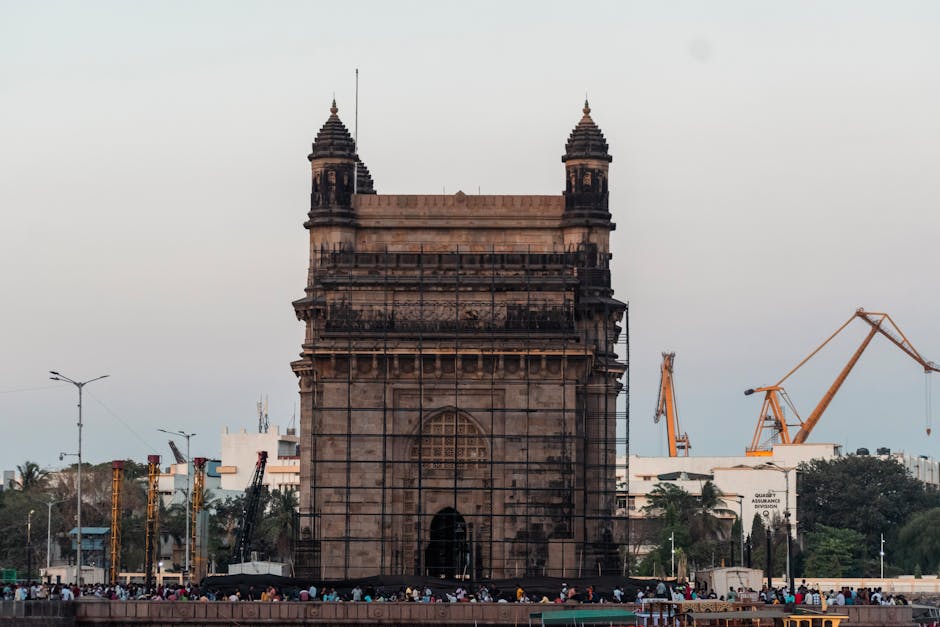
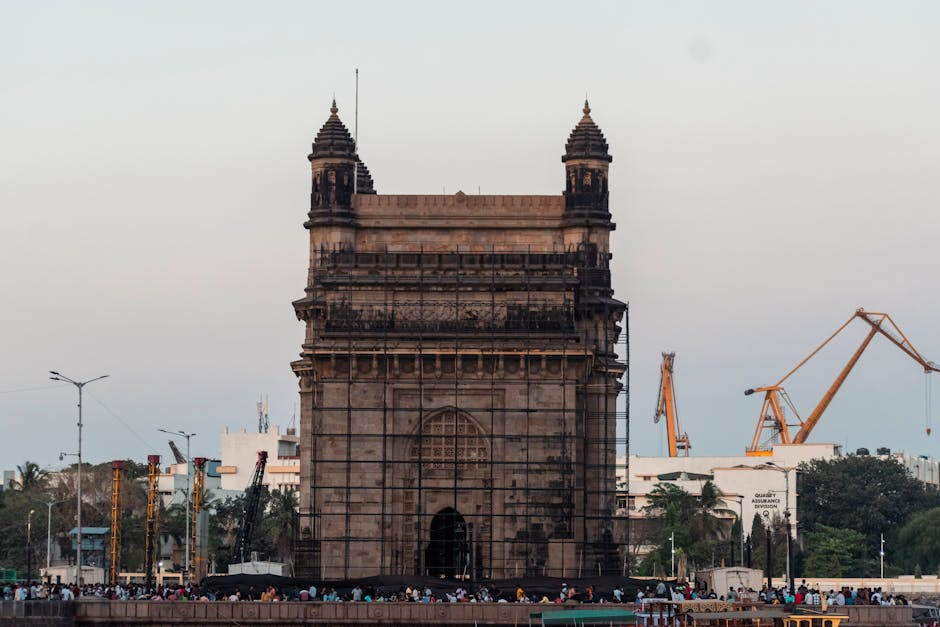
Explore Mumbai's colonial legacy on this self-guided walk through Colaba's iconic landmarks, from the Gateway of India to grand Art Deco palaces.
 Moderate
Mumbai, India
Explore the ancient fishing village of Worli Koliwada, historic forts, and stunning sea views on this self-guided cultural walking route.
 Easy
Krakow, Poland
Explore the historic heart of Kazimierz on this self-guided walk through synagogues, ancient cemeteries, and vibrant squares.
 Moderate
Gdansk, Poland
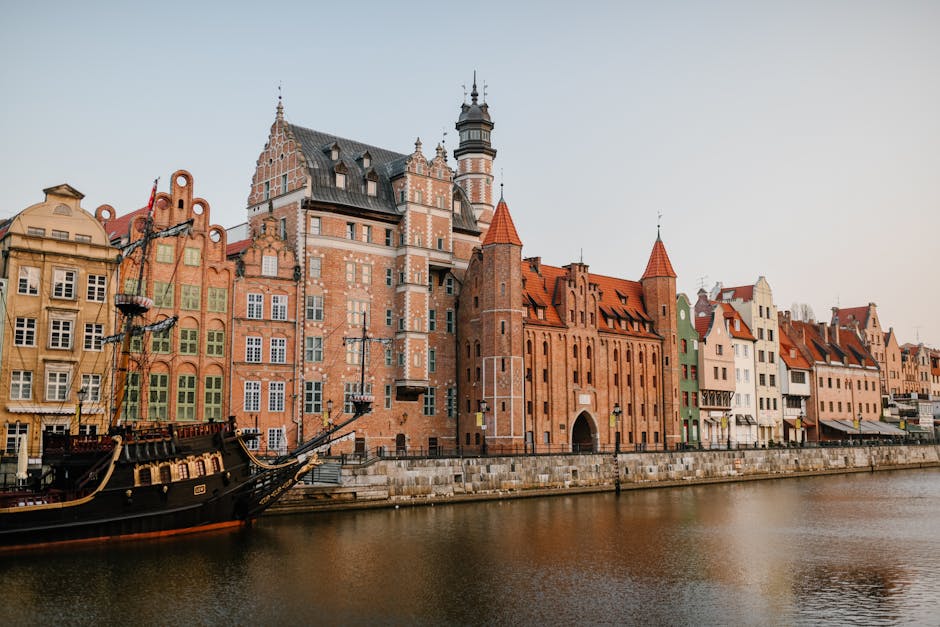
Discover the bohemian soul of Gdańsk. Explore the literary landmarks of Günter Grass, Prussian villas, and the trendy cafes of historic Wrzeszcz.
 Easy
Salzburg, Austria
Discover the 'Rome of the North' on this self-guided walk through the Baroque squares and monumental legacy of Salzburg’s Prince-Archbishops.
 Moderate
Gdansk, Poland
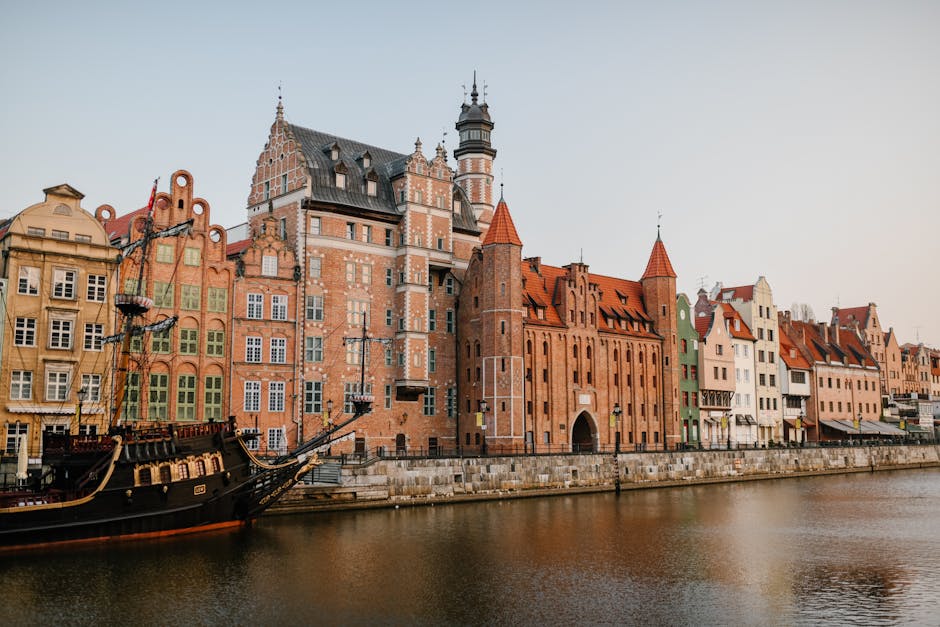
Discover the raw beauty of Gdansk’s Lower Town. Explore industrial ruins, hidden sluices, and riverside bastions on this self-guided walk.
 Challenging
Delhi, India
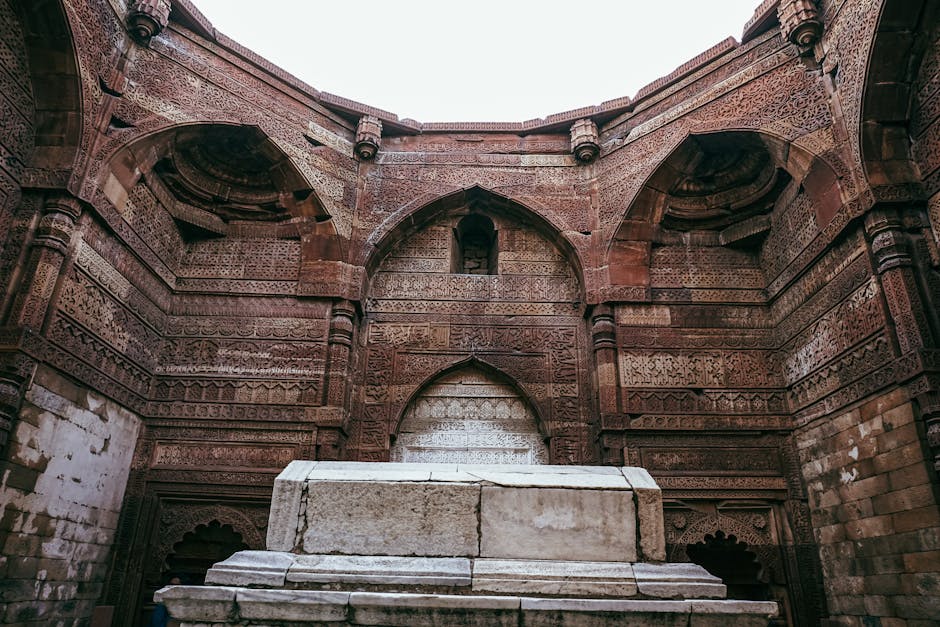
Explore the legendary flavors of Old Delhi on this self-guided audio walk through the historic markets and hidden food stalls of the Walled City.
 Easy
Delhi, India
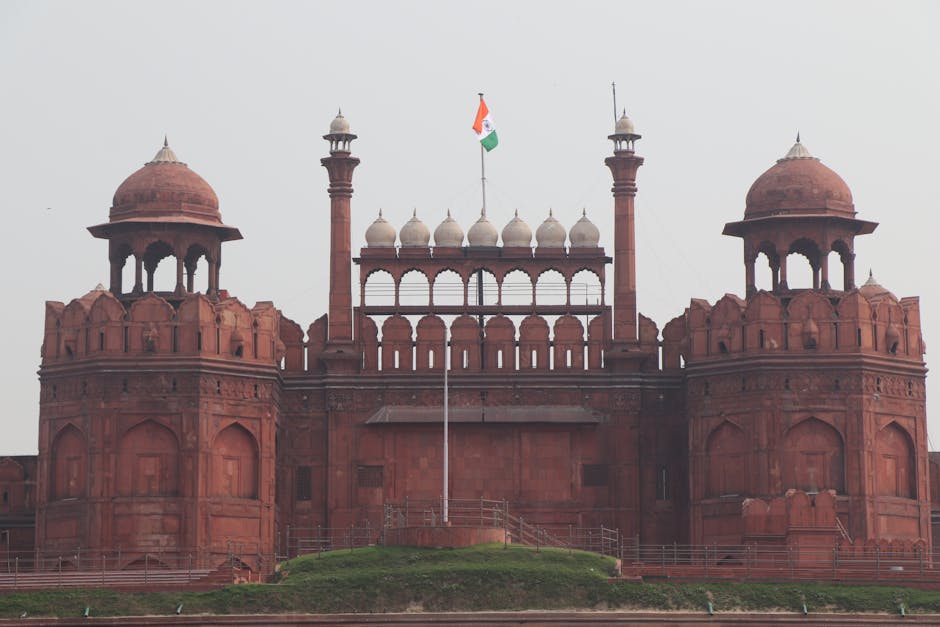
Explore where 14th-century ruins meet high-end fashion in Delhi's most creative urban village on this self-guided neighborhood stroll.
 Moderate
Delhi, India
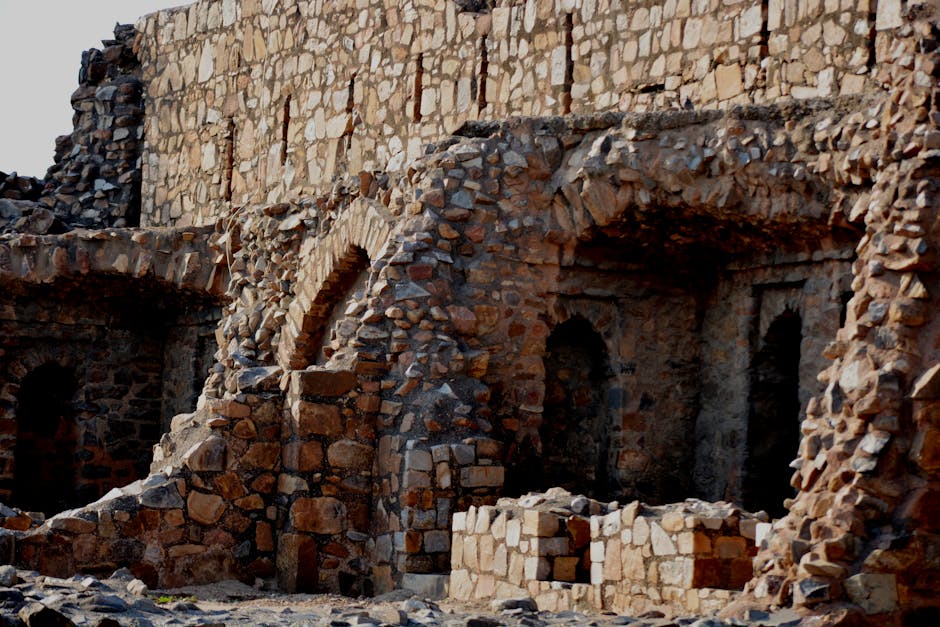
Explore Delhi's soul from the markets of Janpath to the hidden alleys of Little Tibet on this culture-rich, self-guided food and neighborhood stroll.
 Challenging
Delhi, India
Experience the sensory magic of Old Delhi on this self-guided walk through historic spice markets, silver lanes, and grand Mughal monuments.