Self-guided audio tour in Oaxaca
Start Free on iPhone
Start free on iPhone to unlock this self-guided walking tour in Oaxaca. Hear all the stories that make it amazing, walk at your own pace, and begin whenever you want.
Your Private Tour Guide
Step away from the vibrant chaos of the Zócalo and enter a world of silent cloisters and ink-stained history. This self-guided walk through Oaxaca’s Centro Histórico reveals a side of the city often missed by the casual observer: its deep literary soul and architectural secrets. As you wander through the northern reaches of the historic core, you will discover how ancient stone walls have been repurposed into sanctuaries for indigenous languages, rare manuscripts, and modern intellectual life. This walking route is designed for those who find beauty in the shadow of a colonial archway and the turn of a page. You will explore the transformation of 16th-century convents into world-class research centers and quiet gardens that feel miles away from the city’s busy markets. Highlights include the stunning restoration of San Pablo, where contemporary design meets Dominican history, and the personal library of one of Mexico’s greatest Zapotec intellectuals. This neighborhood stroll isn't just about the landmarks; it’s about the atmosphere of quiet contemplation that defines Oaxaca's academic heart. Whether you are a solo traveler seeking a peaceful morning or a history buff eager to uncover the city's hidden courtyards, this audio walk provides the context you need to appreciate the layers of Zapotec, Spanish, and modern Mexican culture. Experience a walking tour Oaxaca style—independent, curious, and deeply connected to the local heritage. By following this route, you can explore at your own pace, stopping to admire a carved facade or linger over a rare newspaper archive without the rush of a group. This is your invitation to uncover the literary echoes that still resonate in the stone corridors of this UNESCO World Heritage city.
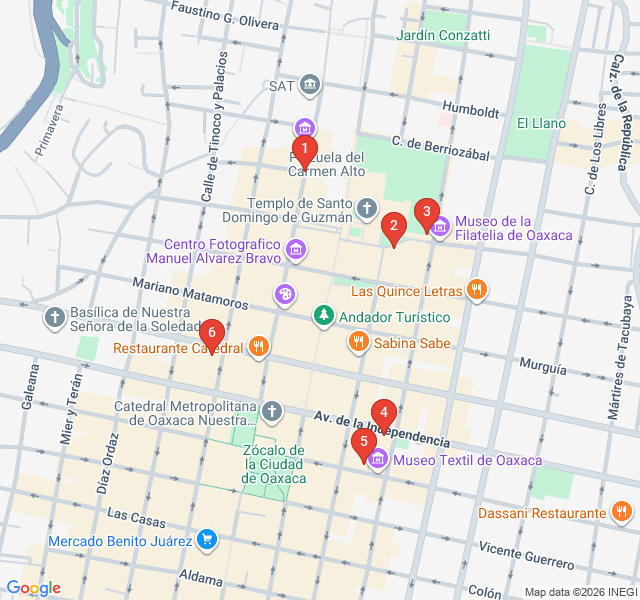
Numbers indicate the order of stops on the tour.
Your self-guided adventure begins here, in the shadow of the Templo del Carmen Alto. This site was once a sacred space for the Zapotec people, dedicated to the goddess Centeótl, before the Carmelites established their monastery in the late 16th century. The plaza today serves as a serene gateway to the literary district. Notice the green quarry stone—cantera verde—which gives Oaxaca its nickname, the 'Green City.' This material was used to build the resilient walls that have withstood centuries of earthquakes. As you stand here, imagine the transition of this space from a pre-Hispanic temple to a colonial religious center, and now to a public square where local artisans often gather. This stop sets the stage for a route that celebrates how Oaxaca preserves its past while embracing a vibrant, intellectual present.
Tucked beside the massive walls of the Santo Domingo church, the 'Little Handkerchief Garden' is one of the city's most romantic and peaceful corners. Its name comes from the traditional 'Baile del Pañuelo,' or Handkerchief Dance, often performed during local festivals. The garden is framed by the back of the former convent of Santo Domingo de Guzmán, showcasing the sheer scale of Dominican architecture. Listen for the sound of the fountain and notice the intricate stone carvings on the surrounding walls. This garden represents the 'hidden-gem' aspect of Oaxaca; while thousands visit the main church entrance just around the corner, few linger here to appreciate the quiet harmony of the stone and greenery. It is a perfect spot to pause and reflect on the city's artistic traditions before diving into its literary archives.
This stop takes you inside the Hemeroteca Pública, the state’s public newspaper archive. Located in a beautifully restored building, this institution is a guardian of the city's collective memory. Inside, you will find bound volumes of newspapers dating back decades, offering a window into the daily life, politics, and culture of Oaxaca’s past. The smell of old paper and the sight of researchers at wooden tables create a scholarly atmosphere that feels frozen in time. Journalism has always played a vital role in Oaxacan society, often serving as a tool for social change and artistic expression. As you peer into the quiet reading rooms, consider the millions of words preserved here that tell the story of the city’s evolution from a colonial outpost to a modern cultural capital.
Located within the San Pablo complex, the Biblioteca de Investigación Juan de Córdova is a world-class center dedicated to the history and languages of Oaxaca. Named after a 16th-century friar who wrote the first Zapotec dictionary, the library focuses on the preservation of indigenous heritage. The interior is a masterpiece of modern library design, featuring glass walls that look out onto historic courtyards. It houses rare books, maps, and documents that are essential for understanding the Mesoamerican world. This is more than just a place for books; it is a bridge between the ancient civilizations of the valley and contemporary scholarship. The quiet hum of study here reflects Oaxaca’s ongoing commitment to intellectual rigor and the protection of its diverse linguistic roots.
The Centro Cultural San Pablo is perhaps the finest example of architectural restoration in the city. Originally the first Dominican monastery in Oaxaca, dating back to 1529, the site fell into disrepair and was even used as a parking lot before a massive restoration project brought it back to life. Architects successfully integrated a contemporary glass and steel structure within the ancient ruins, creating a space that feels both historic and cutting-edge. As you walk through the light-filled courtyards, look for the remnants of original frescoes on the walls. The center now hosts exhibitions, concerts, and workshops, serving as a vibrant hub for the community. It perfectly encapsulates the theme of our walk: the reuse of sacred historical spaces to foster modern creativity and learning.
The final stop on our walking route is the Casa de la Ciudad, which houses the library of Andrés Henestrosa. Henestrosa was a legendary Zapotec writer, politician, and historian who lived to be 101 years old and dedicated his life to the promotion of Oaxacan culture. He donated his personal collection of over 40,000 books to the city, which are now housed in this stunning 18th-century mansion. The library specializes in humanities and Oaxacan history, and its airy courtyards are a favorite spot for local students. The building also serves as a center for urban planning and architecture, reflecting Henestrosa’s belief that understanding our history is key to building a better future for our cities. It is a fitting end to a journey through the literary and architectural heart of Oaxaca.
Start Free on iPhone
Explore “Literary Echoes and Hidden Courtyards” with your very own Private Tour Guide with Zigway. Start free on iPhone, skip the large group and the fixed routes, and hear the city come alive as you go.
Your Private Tour Guide
Don't miss the good stuff
Explore Freely
 Easy
EasyOaxaca, Mexico
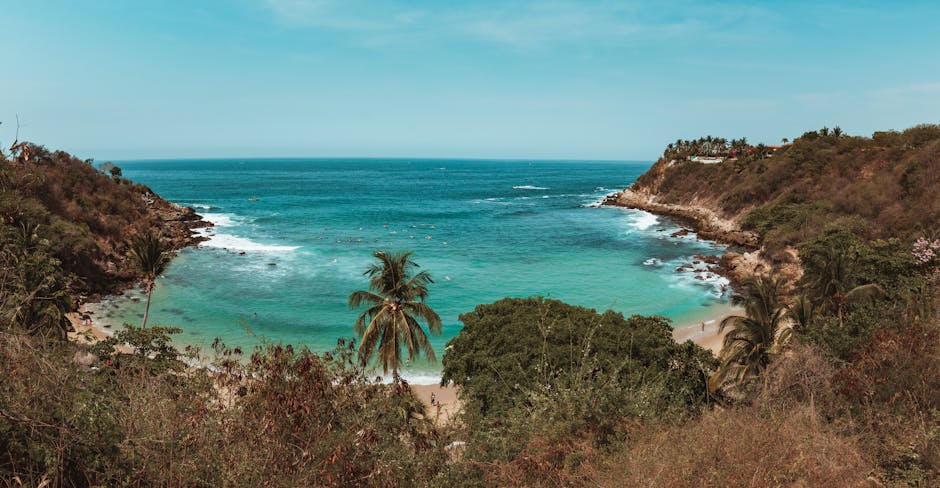
Explore Oaxaca’s oldest barrio on this self-guided walk through colonial aqueducts, colorful streets, and traditional artisan workshops.
 Easy
EasyOaxaca, Mexico
Explore Oaxaca's vibrant modern art scene, from revolutionary printmaking collectives to world-class contemporary museums, at your own pace.
 Moderate
Oaxaca, Mexico
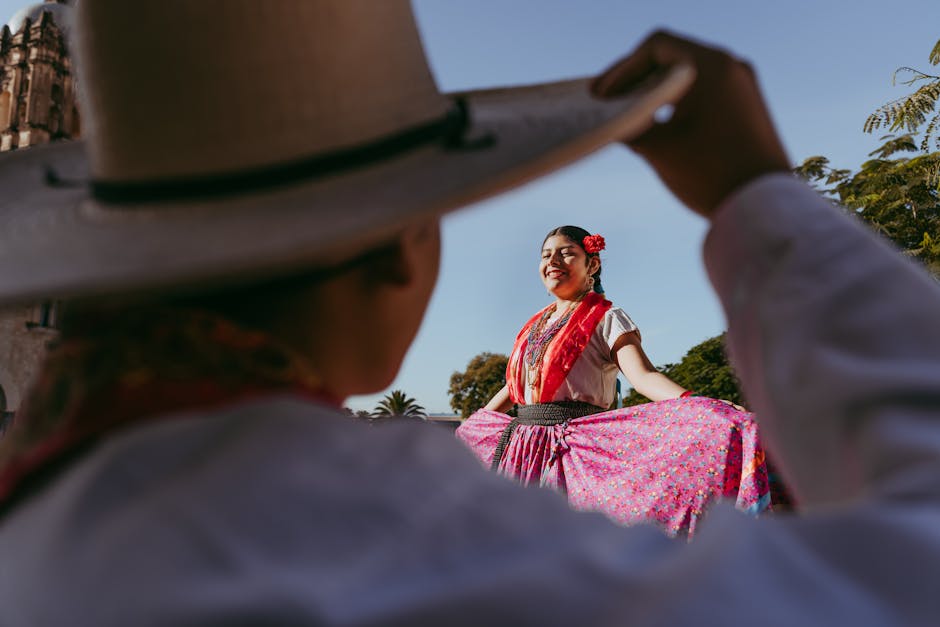
Explore the heights of Oaxaca on this self-guided walk, featuring panoramic city views, cultural landmarks, and the iconic Cerro del Fortín.
 Easy
EasyOaxaca, Mexico
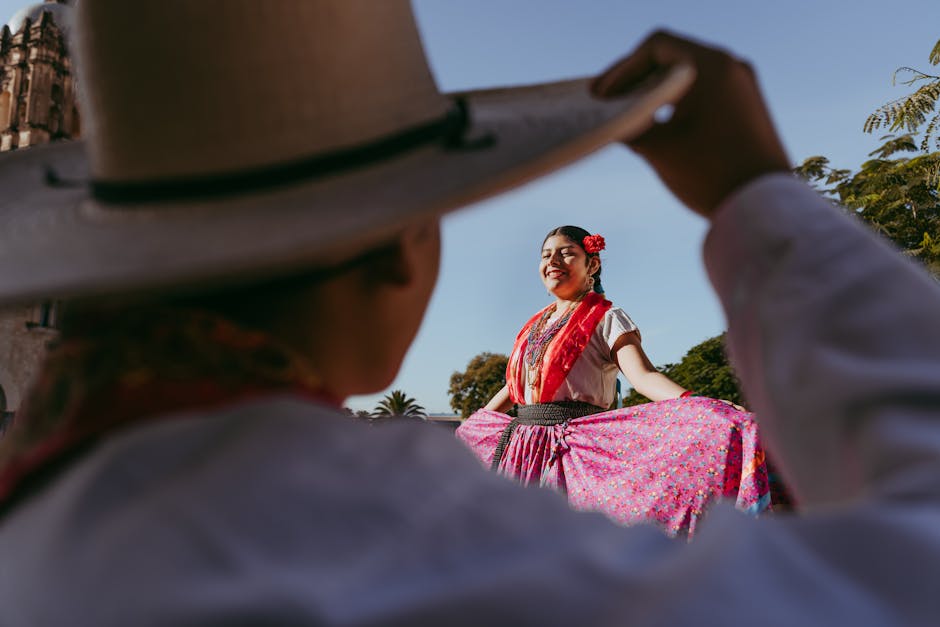
Explore Oaxaca's 'Green City' at your own pace. Discover Baroque masterpieces and the vibrant Zócalo on this self-guided neighborhood stroll.
 Easy
EasyKrakow, Poland
Explore the prestigious Jagiellonian University district, featuring Neo-Gothic architecture, Baroque churches, and Krakow's hidden scholarly gems.
 Easy
EasyWarsaw, Poland
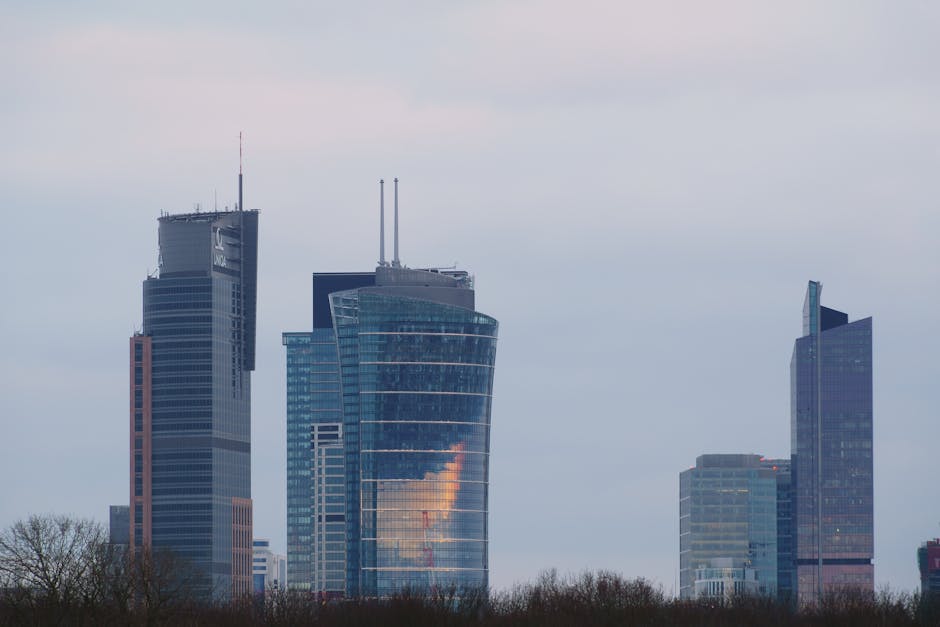
Discover the hidden courtyards and grand pre-war architecture of Warsaw's most atmospheric neighborhood on this self-guided stroll.
 Easy
EasyNairobi, Kenya
Discover Nairobi’s literary soul on this self-guided walk through historic libraries, iconic bookshops, and cultural centers in the heart of the CBD.
 Easy
EasyKrakow, Poland
Explore the historic heart of Kazimierz on this self-guided walk through synagogues, ancient cemeteries, and vibrant squares.
 Easy
EasyMexico City, Mexico
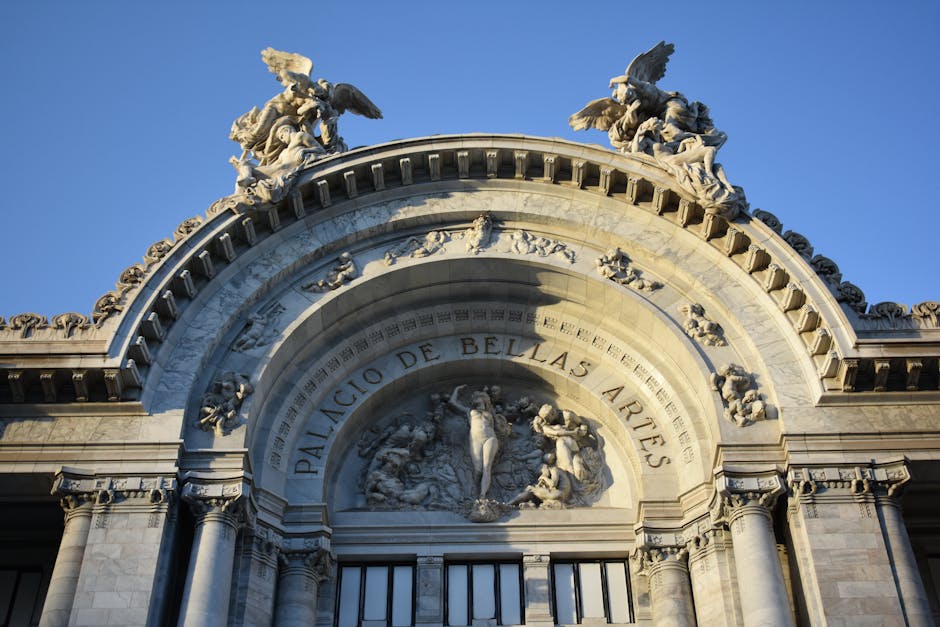
Explore Mexico City's most glamorous district on this self-guided walk through Polanco's luxury boutiques, lush parks, and iconic art museums.
 Easy
EasyMexico City, Mexico
Explore the Art Deco architecture and gourmet food scene of Roma Norte on this self-guided neighborhood stroll through Mexico City’s creative heart.
 Easy
EasyMexico City, Mexico
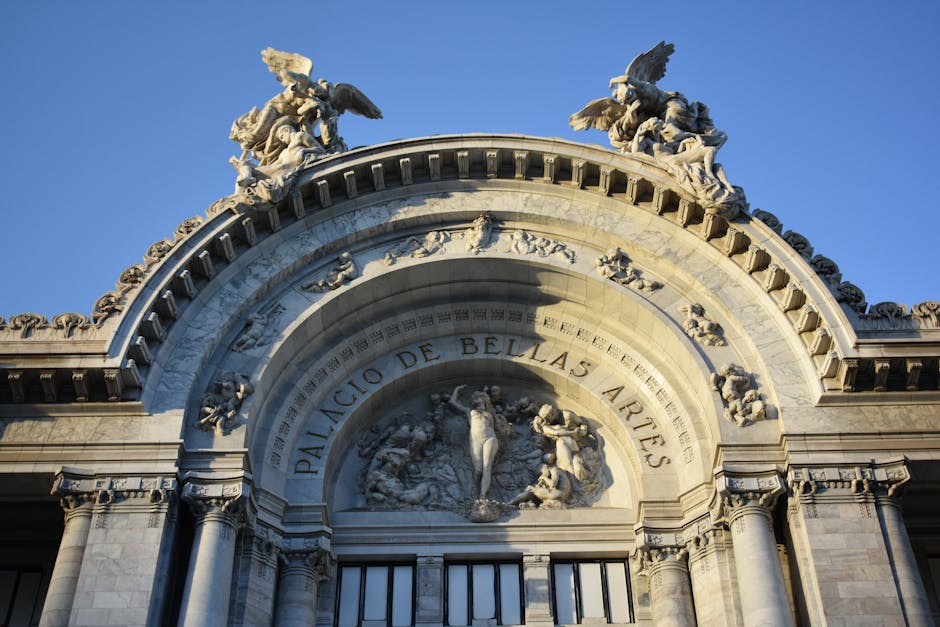
Explore the epic murals of Rivera, Orozco, and Siqueiros on this self-guided walking route through the heart of Mexico City’s historic center.
 Moderate
Mexico City, Mexico
Taste the legendary tacos and cantina culture of Narvarte on this self-guided walk through Mexico City's most authentic foodie neighborhood.