Self-guided audio tour in Budapest
Start Free on iPhone
Start free on iPhone to unlock this self-guided walking tour in Budapest. Hear all the stories that make it amazing, walk at your own pace, and begin whenever you want.
Your Private Tour Guide
Budapest is a city that speaks through its flavors, and nowhere is that voice louder than in District IX. This self-guided walking tour Budapest offers a sensory-rich look at the heart of Hungarian culinary tradition, starting at the magnificent Central Market Hall. Often referred to as a cathedral of iron and glass, this landmark is more than just a place to buy groceries; it is a living museum of local life. As you wander through its aisles, you will encounter the vibrant colors of world-famous paprika, the savory scent of traditional snacks, and the rhythmic calls of vendors. This neighborhood stroll captures the essence of a city that prizes its heritage while embracing a modern, student-driven energy. Beyond the market’s bustling stalls, the walking route leads you into the refined streets of the University Quarter. Here, the pace slows down. You will discover Egyetem tér, a square where Baroque architecture meets the daily hum of student life. For those seeking a literal taste of the past, the journey includes stops at legendary eateries where recipes have been passed down for generations. You might find yourself standing at a traditional butcher’s counter, sampling hearty sausages, or sitting in a velvet-lined confectionery that has survived the city’s most turbulent centuries. This self-guided experience is designed for those who want to explore at their own pace. It balances the grand scale of the Great Market Hall with the intimate quiet of hidden gardens and side-street bakeries. Whether you are a first-time visitor or a seasoned traveler, this path offers a deep dive into the traditions that define the Hungarian capital. By exploring independently, you can choose to linger over a coffee or investigate the history of the Zsolnay tiles that crown the market roof. This is an invitation to taste, smell, and see the layers of history that make District IX a culinary and cultural powerhouse. **Note:** This area is known for its ever-changing character. Street art, pop-up venues, and temporary exhibitions may differ from what's described. That's part of the adventure - you might discover something entirely new!
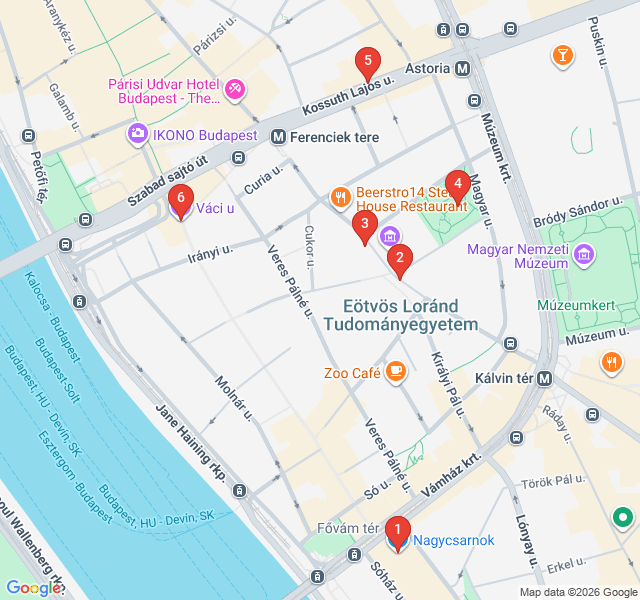
Numbers indicate the order of stops on the tour.
The Central Market Hall, or Nagyvásárcsarnok, is a masterpiece of 19th-century engineering and the cornerstone of the city’s culinary landscape. Designed by Samu Pecz and opened in 1897, its most striking feature is the roof adorned with colorful Zsolnay ceramic tiles. Inside, the vast space is divided into three levels. The ground floor is a sensory explosion of paprika garlands, strings of garlic, and fresh produce. Venture to the basement for traditional pickles and fresh fish, or head to the upper gallery where food stalls serve local specialties. This hall was once accessible by canal boats that sailed directly inside to unload their goods, highlighting its historic role as the city’s primary trading hub.
Egyetem tér, or University Square, is the elegant heart of Budapest’s District V and IX border. Dominated by the beautiful Baroque University Church and the classicist buildings of the Eötvös Loránd University, the square serves as a meeting point for students and locals alike. The pedestrian-friendly layout and numerous surrounding cafes create a vibrant, intellectual atmosphere that contrasts with the commercial bustle of the nearby market. As you walk through, notice the intricate stonework of the church facade, which is considered one of the finest examples of Baroque architecture in Hungary. The square reflects the city's ability to blend historic preservation with active, modern daily use.
Belvárosi Disznótoros translates roughly to a 'city center pig slaughter feast,' referencing the traditional rural Hungarian practice of preparing fresh meat. This eatery brings that rustic tradition into a modern urban setting. It is a favorite for locals seeking a quick, high-quality meal. Here, the focus is on traditional Hungarian meats like spicy sausages, blood pudding, and roasted pork knuckles, often served with a variety of pickled vegetables. The atmosphere is casual and bustling, reflecting a 'butcher-shop' style of dining that has been part of Hungarian culture for centuries. Please note that menus and specific offerings at local eateries like this may change based on seasonal availability and market prices.
Hidden behind iron gates and surrounded by historic palaces, Károlyi Garden is the oldest public garden in Budapest. Originally the private grounds of the Károlyi family’s palace, this French-style garden offers a peaceful retreat from the city noise. It features winding paths, well-manicured flower beds, and a charming fountain. The garden has a storied history, having been rebuilt several times following floods and wars. Today, it is a beloved spot for neighborhood residents to read or enjoy a quiet moment. Its calm atmosphere provides a perfect palate cleanser between the lively market and the indulgent pastry shops that lie just ahead on your route.
Auguszt Cukrászda is a name synonymous with Hungarian confectionery excellence. The Auguszt family started their baking dynasty in 1870, and this Belváros location carries on that 150-year-old legacy. Stepping inside feels like traveling back to the Golden Age of Budapest, with its elegant decor and glass cases filled with meticulously crafted cakes. This is the place to try a classic Dobos torte, with its thin layers of sponge and chocolate buttercream topped with a caramel crust, or a creamy Krémes. The family has maintained their high standards through world wars and nationalization, making every bite a taste of Hungarian resilience and culinary pride.
You have arrived at the southern end of Váci utca, Budapest’s most famous pedestrian street. While the northern end is known for international brands and heavy crowds, this southern section retains a slightly more local and historic character. Historically, this street followed the line of the medieval city walls, and you can still find remnants of that history in the architecture of the surrounding buildings. As you stroll, look up to see the diverse architectural styles, ranging from Neoclassical to Art Nouveau. This area has evolved from a residential street for the elite into a bustling commercial artery, marking the final chapter of your culinary and cultural journey through the heart of the city.
Start Free on iPhone
Explore “Culinary Secrets of the Great Market Hall” with your very own Private Tour Guide with Zigway. Start free on iPhone, skip the large group and the fixed routes, and hear the city come alive as you go.
Your Private Tour Guide
Don't miss the good stuff
Explore Freely
 Easy
EasyBudapest, Hungary
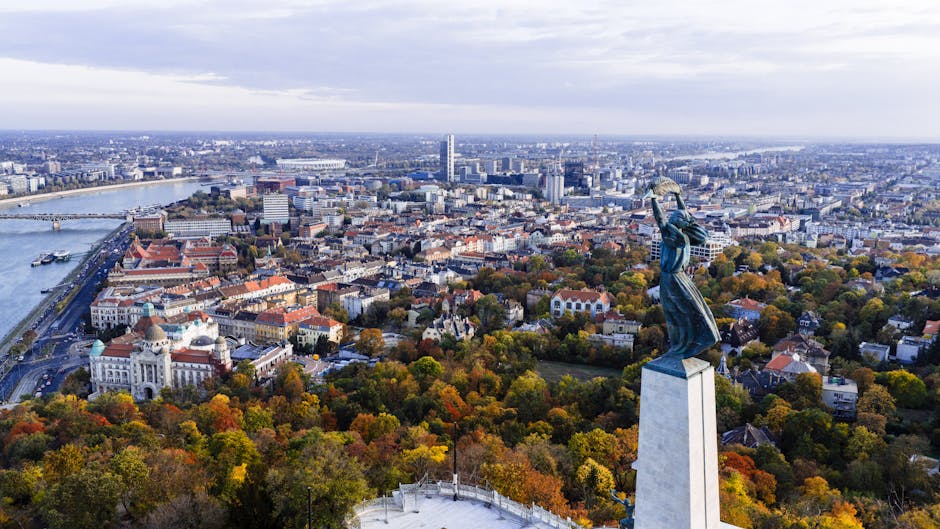
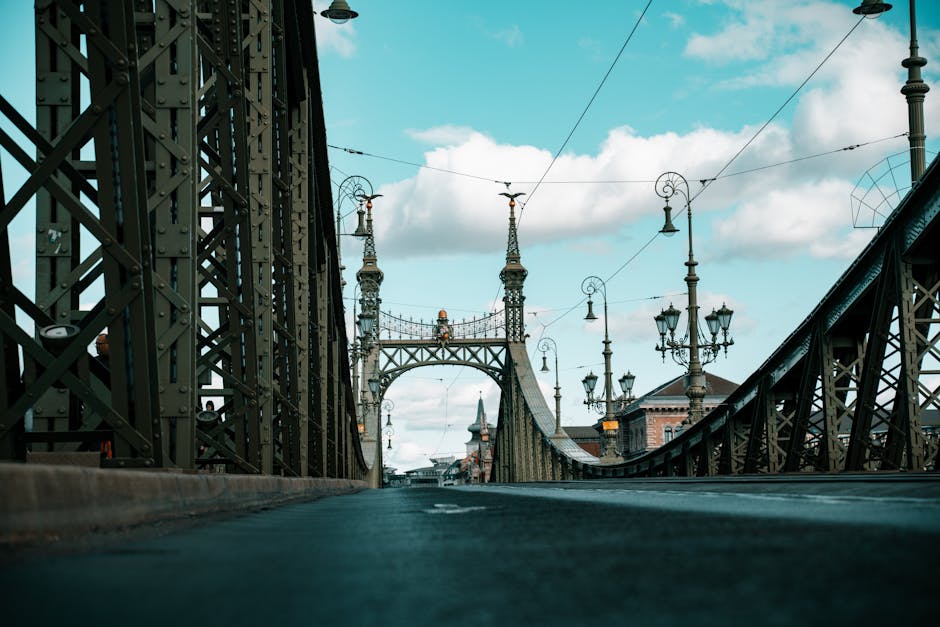
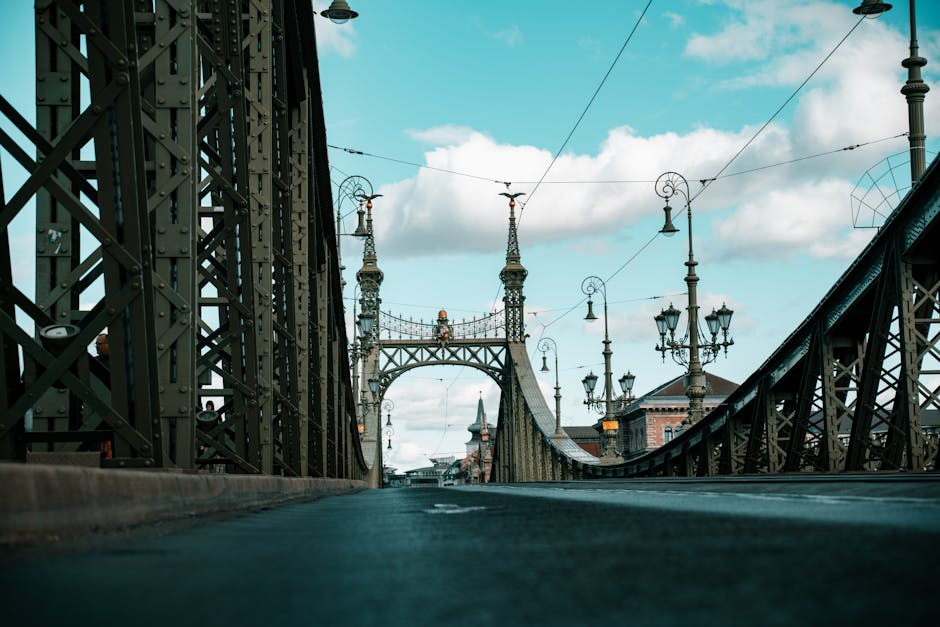
Experience the magic of Budapest at sunset on this self-guided walk along the Danube, featuring iconic bridges, historic halls, and hidden gems.
 Easy
EasyBudapest, Hungary
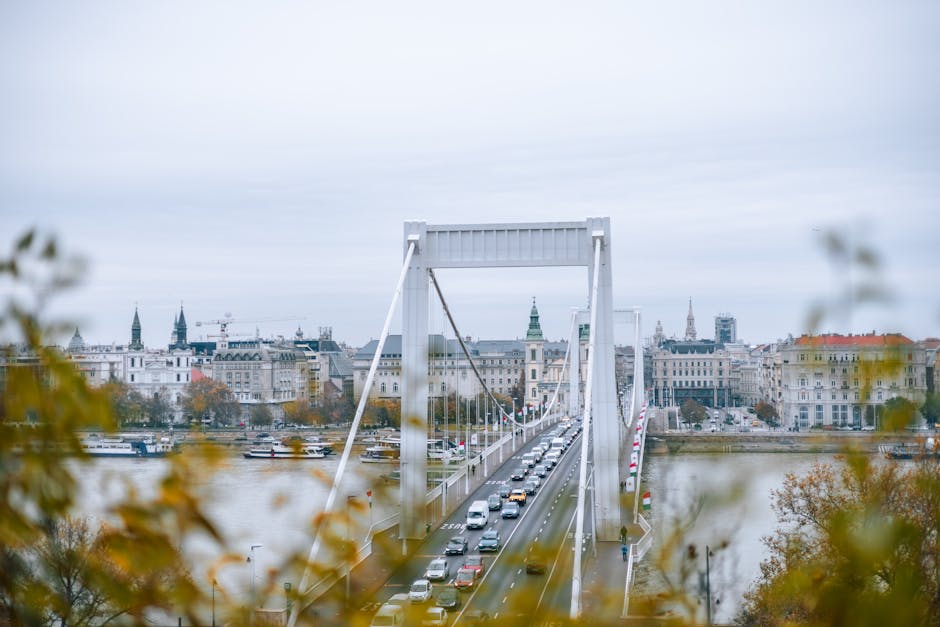
Discover the hidden 'Magnates' Quarter' of Budapest. A self-guided walk through aristocratic history and stunning 19th-century architecture.
 Easy
EasyBudapest, Hungary
Discover the vibrant street art and legendary ruin bars of District VII on this self-guided walk through Budapest’s most eclectic neighborhood.
 Moderate
Budapest, Hungary
Explore the historic heart of Budapest with this self-guided walk through the Royal Buda Castle district, featuring panoramic views and medieval lore.
 Easy
EasyInnsbruck, Austria
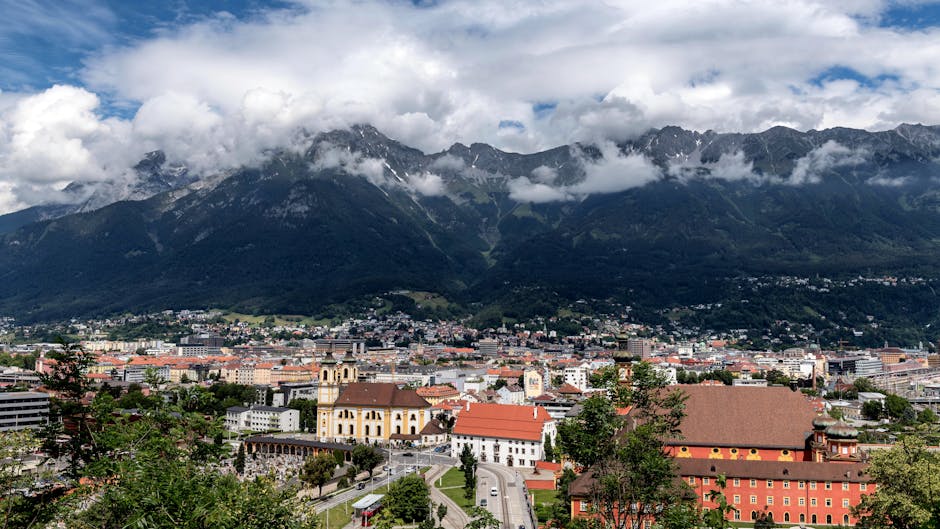
Discover the flavors of Tyrol on this self-guided stroll through Innsbruck’s historic Old Town and vibrant market hall.
 Easy
EasyGothenburg, Sweden
Discover Gothenburg’s maritime flavors on this self-guided walk through historic market halls and iconic seafood landmarks.
 Easy
EasyGdansk, Poland
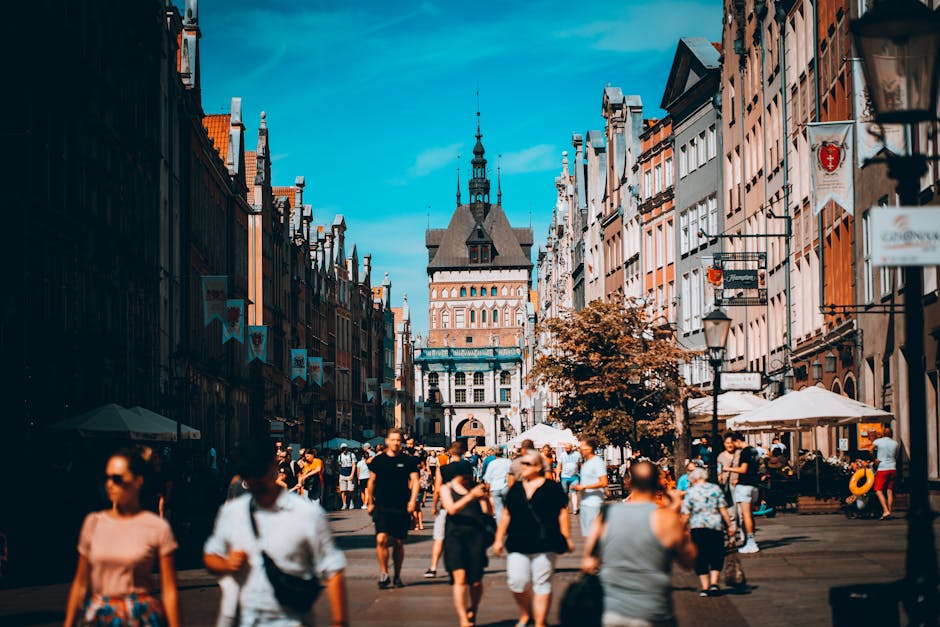
Taste the history of the Baltic. Explore Gdansk's culinary heritage from medieval markets to gold-flecked liqueurs on this self-guided walk.
 Moderate
Nairobi, Kenya
Taste your way through Nairobi's Westlands on this self-guided walk featuring street snacks, cultural landmarks, and hidden foodie gems.