Self-guided audio tour in Shanghai
Start Free on iPhone
Start free on iPhone to unlock this self-guided walking tour in Shanghai. Hear all the stories that make it amazing, walk at your own pace, and begin whenever you want.
Your Private Tour Guide
Step away from the futuristic skyline of the Bund and immerse yourself in the soul of old Shanghai. This self-guided walk invites you to explore the Huangpu District's ancient core, a place where the rhythmic pulse of modern life meets centuries of tradition. Our walking route begins at the last remaining vestige of the city's 16th-century defensive walls, offering a rare glimpse into the fortification that once protected Shanghai from coastal pirates. From there, you will navigate the atmospheric 'Old Street,' where traditional architecture and bustling markets recreate the atmosphere of the Qing Dynasty. This neighborhood stroll is designed for those who want to discover hidden gems often missed by the crowds. You will encounter serene Buddhist nunneries tucked away in narrow lanes and the spiritual center of the city at the City God Temple. The centerpiece of this route is the magnificent Yu Garden, a masterpiece of Ming Dynasty landscaping that provides a peaceful escape from the urban rush. Along the way, this audio walk shares stories of the families who built these estates, the gods who protect the city, and the evolution of Shanghai from a small fishing village to a global metropolis. Whether you are a first-time visitor or a long-time resident, this walking tour Shanghai experience allows you to uncover layers of history at your own pace. You will see how the city's identity is anchored in these ancient alleys, even as skyscrapers loom in the distance. The route concludes at one of China’s most famous teahouses, perched elegantly over a lotus pond. This is more than just a walk; it is a journey through the historical heart of Shanghai, providing context to the culture and architecture that define the city today.
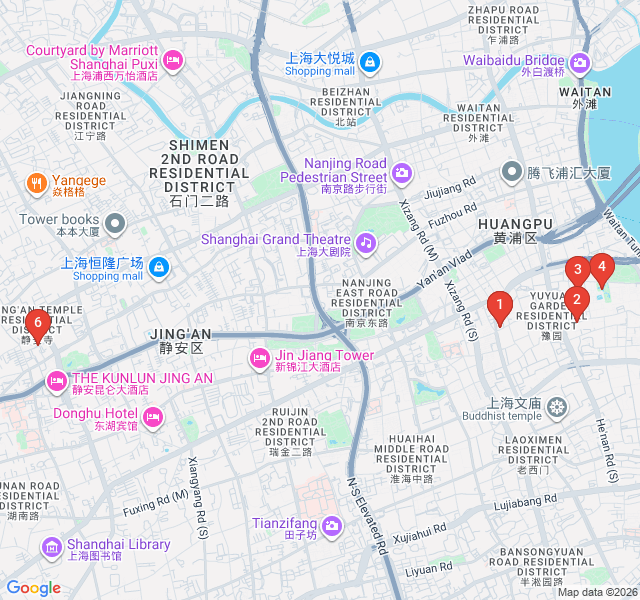
Numbers indicate the order of stops on the tour.
Begin your self-guided adventure at Dajing Ge, a site that holds the last remaining 50-meter stretch of the old Shanghai city wall. Built in 1553 during the Ming Dynasty, these walls were a desperate defense against the 'Wokou' or Japanese pirates who frequently raided the coast. While most of the wall was demolished in 1912 to modernize the city's transport, this section survived because it served as the foundation for a temple dedicated to the God of War. Look closely at the brickwork; it represents a time when Shanghai was a compact, fortified town long before the arrival of international concessions. This pavilion stands as a silent witness to the city's transition from a medieval stronghold to a global hub.
As you walk along Fangbang Middle Road, also known as 'Shanghai Old Street,' you are stepping into a recreated version of the city's commercial past. This street is divided into two sections: the eastern side retains a late Qing Dynasty aesthetic with its white walls and black tiles, while the western side reflects the Ming style. This was historically the heart of the city's trade. While it is now a popular spot for souvenirs and snacks, look up at the ornate rooflines and wooden balconies to see the traditional craftsmanship. It is the perfect place to observe the vibrant street life that has characterized the Huangpu district for centuries.
Tucked away from the main tourist thoroughfare is Chenxiang Ge, one of Shanghai’s most significant Buddhist nunneries. Originally built in the early 1600s, it was established to house a rare 'Chenxiang' (sandalwood) statue of Guanyin, the Goddess of Mercy, which was said to have floated ashore. The temple was meticulously restored in the 1990s and offers a profound sense of tranquility compared to the bustling markets nearby. As you explore independently, notice the fine wood carvings and the scent of incense. This stop highlights the enduring spiritual life of the Old City, serving as a quiet sanctuary for local worshippers and visitors alike.
Welcome to Yu Garden, or Yuyuan, a classical Chinese garden that dates back to 1559. It was commissioned by Pan Yunduan, a high-ranking official, as a place of peace for his father in his old age. The name 'Yu' translates to 'pleasing' or 'satisfying.' As you navigate the winding paths, you will see the 'Great Rockery,' which stands nearly 14 meters high and is made of thousands of tons of yellow stones. Every turn in the path is designed to reveal a new, framed view, a hallmark of Chinese garden design meant to make a small space feel vast. It is an exquisite example of Ming Dynasty aesthetics, featuring dragon-topped walls and elegant pavilions.
The City God Temple, or Chenghuang Miao, is the spiritual anchor of the Old City. In traditional Chinese belief, every city has a guardian spirit. Interestingly, this temple honors three different historical figures as city gods: Huo Guang, Qin Yubo, and Chen Huacheng. The temple complex is a maze of halls and courtyards where locals come to pray for prosperity and protection. The architecture is striking, with sweeping eaves and vibrant decorations. This site has been destroyed and rebuilt several times throughout history, mirroring the resilience of Shanghai itself. It remains a vital part of the local community's cultural and religious identity.
Conclude your neighborhood stroll at the Huxingting Teahouse, an iconic mid-lake pavilion reachable via the famous 'Nine-Turn Bridge.' The zigzag design of the bridge isn't just for show; according to folklore, it prevents evil spirits—who can only travel in straight lines—from entering the teahouse. Originally built in 1784 as part of the Yu Garden complex, it became a public teahouse in 1855. It has hosted famous figures from around the world, including Queen Elizabeth II. Sitting here, overlooking the pond with a cup of Longjing tea, offers a final moment of reflection on the ancient secrets you've uncovered in the heart of modern Shanghai.
Start Free on iPhone
Explore “Ancient Alleys and Yu Garden: Old Shanghai Secrets” with your very own Private Tour Guide with Zigway. Start free on iPhone, skip the large group and the fixed routes, and hear the city come alive as you go.
Your Private Tour Guide
Don't miss the good stuff
Explore Freely
 Moderate
Shanghai, China
Discover the 'Golden Mile' on this self-guided walking route through Shanghai's historic department stores and Art Deco landmarks.
 Easy
EasyShanghai, China
Explore Art Deco architecture, leafy boulevards, and hidden villas on this self-guided walk through the French Concession.
 Easy
EasyShanghai, China
Explore the intellectual heart of 1930s Shanghai on this self-guided stroll through Hongkou's historic literary landmarks and hidden alleys.
 Easy
EasyShanghai, China
Discover the 'Wall Street of the Orient' on this self-guided walk through Shanghai's legendary waterfront and its Art Deco architectural treasures.
 Easy
EasyGothenburg, Sweden
Discover Gothenburg’s 17th-century Dutch foundations, historic canals, and military fortifications on this self-guided architectural walk.
 Moderate
Vienna, Austria
Follow the footsteps of Mozart and Strauss through Vienna’s historic center on this self-guided walk through the city's rich musical history.
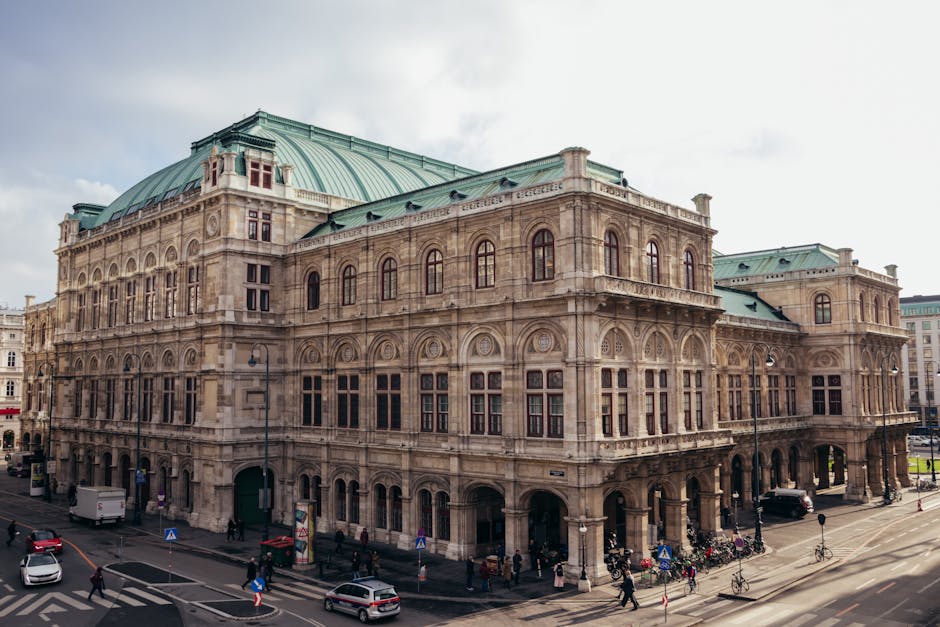 Moderate
Vienna, Austria
Discover the noir world of The Third Man and Cold War Vienna on this atmospheric self-guided audio walk through the historic Innere Stadt.
 Easy
EasyGdansk, Poland
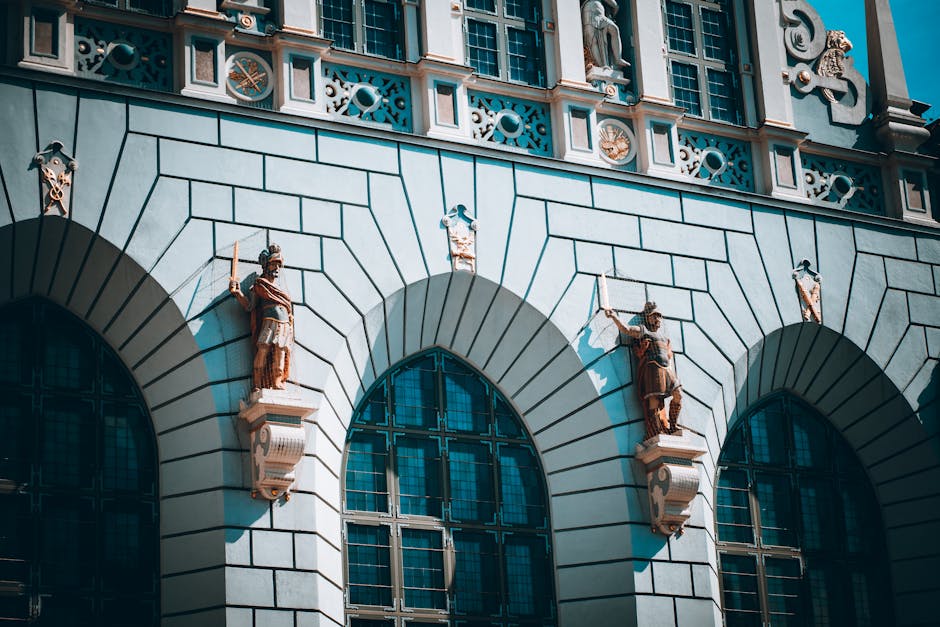
Discover the opulent Royal Way of Gdansk at your own pace. Explore Hanseatic history, gilded architecture, and the iconic Neptune's Fountain.
 Easy
EasyBeijing, China
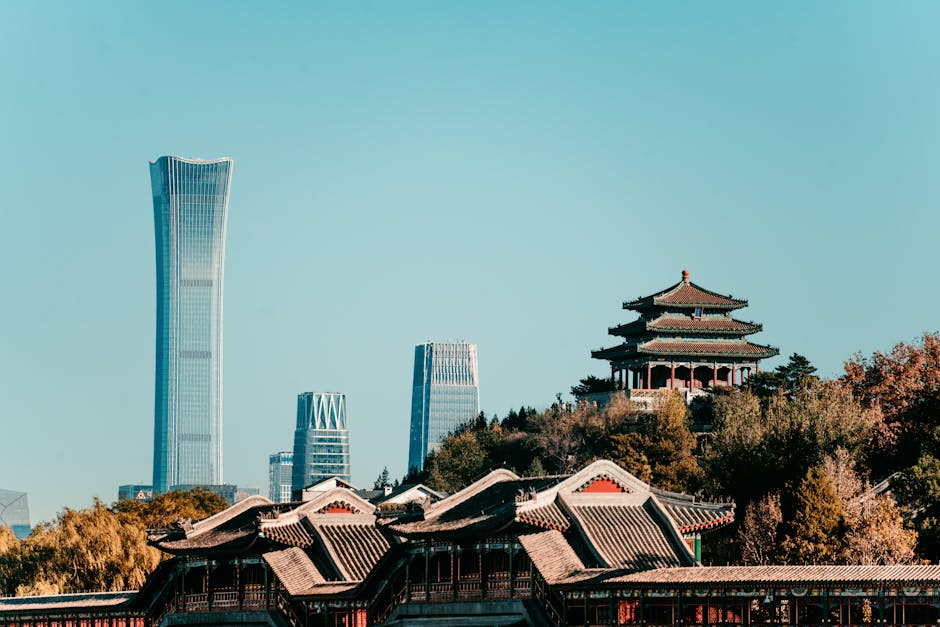
Explore Beijing's premier art district on this self-guided walk through the industrial-chic 798 Art Zone and the massive tanks of 751 D・PARK.
 Moderate
Beijing, China
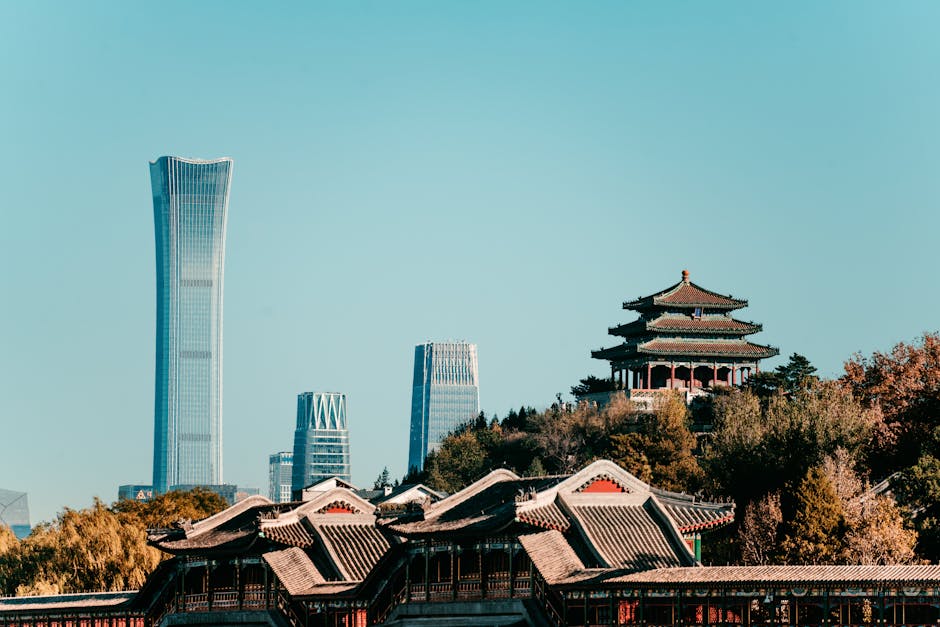
Explore the majestic red walls, imperial moats, and hilltop vistas of Beijing's Forbidden City on this self-guided architectural walking route.
 Moderate
Beijing, China
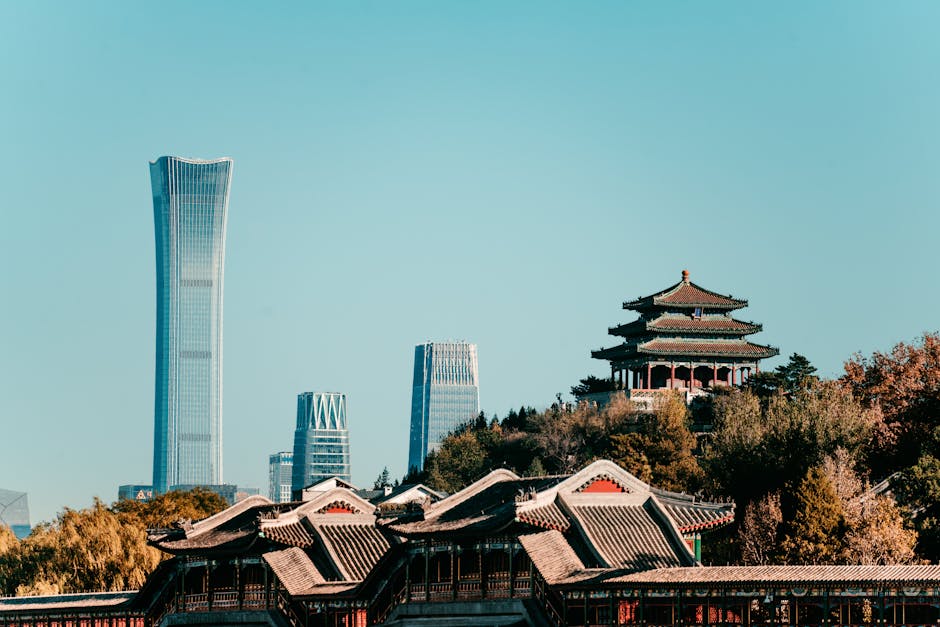
Explore the spiritual heart of Beijing on this self-guided walk through the Temple of Heaven's iconic altars, ancient pines, and vibrant park life.
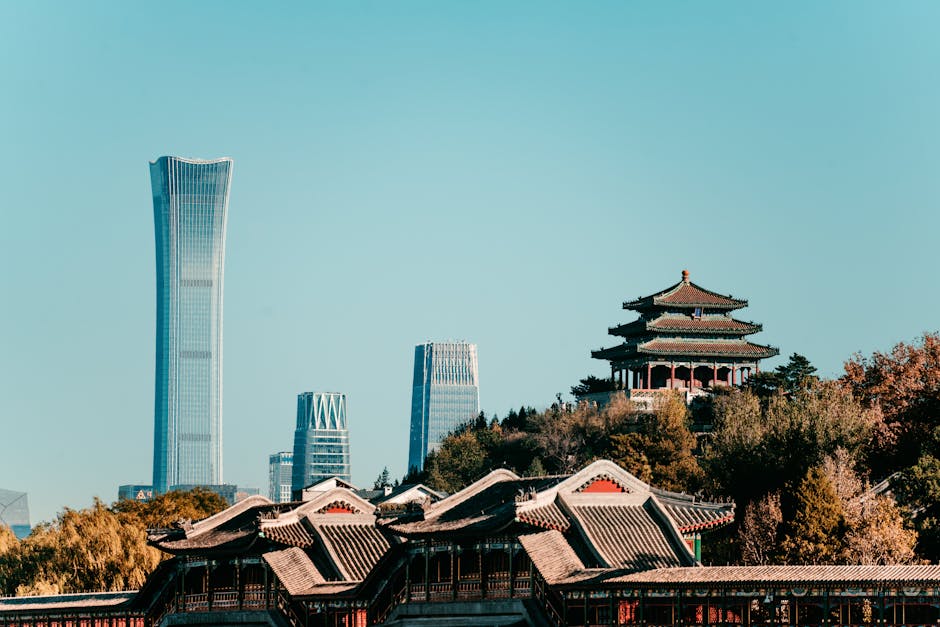 Easy
EasyBeijing, China
A culinary and cultural self-guided walk through Beijing's historic Dongsi neighborhood, featuring ancient mosques, hutongs, and iconic local eats.