Self-guided audio tour in Shanghai
Start Free on iPhone
Start free on iPhone to unlock this self-guided walking tour in Shanghai. Hear all the stories that make it amazing, walk at your own pace, and begin whenever you want.
Your Private Tour Guide
Step back in time to the 'Wall Street of the Orient' with this self-guided walk through the heart of Shanghai. The Bund, or Waitan, is not just a waterfront promenade; it is a living museum of early 20th-century global architecture. As you follow this walking route, you will encounter a stunning array of styles, including Gothic, Baroque, Romanesque, and Art Deco, all standing as a testament to Shanghai's history as a global financial powerhouse. This neighborhood stroll offers a unique perspective on how Western influence and Chinese ambition merged to create one of the most iconic skylines in the world. This experience is particularly special because it highlights the contrast between the historic Puxi side and the futuristic skyscrapers of Pudong across the Huangpu River. You will begin at the northern end of the Bund, where the Suzhou Creek meets the river, and move southward past legendary landmarks. Highlights include the industrial beauty of the Waibaidu Bridge, the opulent interiors of world-class hotels, and the imposing facades of former colonial banks. Unlike a standard walking tour Shanghai might offer in a group setting, this self-guided adventure allows you to linger at the viewpoints that interest you most, whether you are capturing the perfect long-exposure photograph of the skyline or studying the intricate stone carvings on the historic Custom House. The route is flat and accessible, making it an easy-going exploration for history buffs and photography enthusiasts alike. By the time you reach the final stop, you will understand why the Bund remains the crown jewel of Shanghai’s urban identity, representing a bridge between a colonial past and a soaring future.
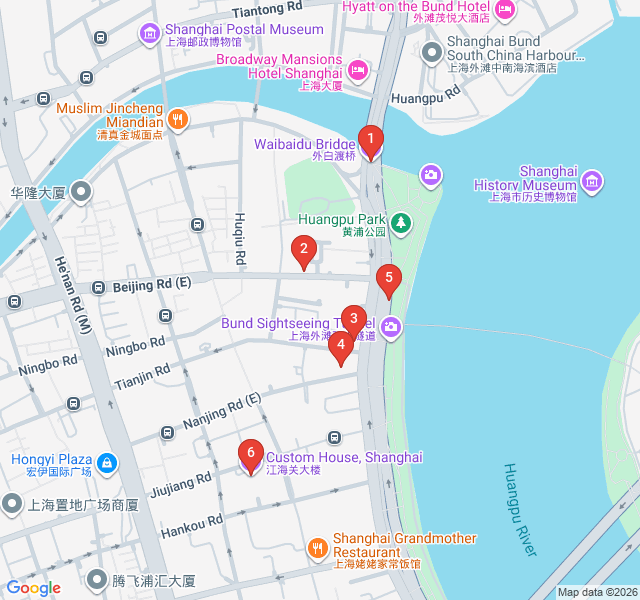
Numbers indicate the order of stops on the tour.
Start your journey at the Waibaidu Bridge, also known as the Garden Bridge. Opened in 1908, this is the first all-steel bridge built in China and remains a beloved symbol of old Shanghai. Its name, 'Waibaidu,' literally means 'outer free-to-cross bridge,' referring to the fact that it replaced an earlier wooden toll bridge. As you stand on its steel structure, notice how it frames the modern Oriental Pearl Tower in the distance—a favorite shot for local photographers. The bridge has survived wars and massive urban redevelopment, serving as a gateway between the historic International Settlement and the northern districts. It has appeared in countless Chinese films, often representing the romanticized, bittersweet atmosphere of 1930s Shanghai.
A short stroll south brings you to The Peninsula Shanghai. While the building itself opened in 2009, it was designed to harmonize perfectly with its historic neighbors. It sits on the grounds of the former British Consulate, which was the very first building on the Bund. Look at the granite facade and the Art Deco-inspired interiors that pay homage to the city's 'Golden Age.' This location marks the northern anchor of the Bund’s 'Architecture Museum.' The hotel’s presence here represents the revival of the Bund as a luxury destination, blending modern high-end hospitality with the deep historical roots of the original 19th-century foreign concession.
Continue to the Bank of China Building, a fascinating example of how architecture can express national identity. Built in the 1930s, it was originally intended to be the tallest building in the city. However, legend says that Victor Sassoon, the owner of the neighboring Cathay Hotel, used his influence to ensure the Bank of China wouldn't rise higher than his own property. As a result, the building is slightly shorter but arguably more unique. Notice the traditional Chinese elements integrated into the Art Deco design, such as the stone brackets under the eaves and the square windows that mimic traditional patterns. It stands as one of the few buildings on the Bund designed with significant Chinese architectural input during the colonial era.
Next door is the legendary Fairmont Peace Hotel, formerly known as the Cathay Hotel. This Art Deco masterpiece was the vision of Sir Victor Sassoon, a wealthy businessman who wanted to create the most luxurious hotel in the East. Its signature green copper pyramid roof is one of the Bund's most recognizable features. In the 1930s, this was the epicenter of Shanghai high society, hosting celebrities like Charlie Chaplin and Noel Coward. Step into the lobby to see the stunning rotunda and stained glass. The hotel is also famous for its Old Jazz Band, whose members have been playing classic tunes here for decades, keeping the spirit of the 1930s alive.
Now, step onto the elevated promenade of the Bund itself. This walkway was raised in the 1990s as a flood control levee, but it also created the city's most famous viewing platform. To your right, you have the 'Museum of Buildings,' and to your left, across the Huangpu River, you see the Lujiazui financial district with its record-breaking skyscrapers like the Shanghai Tower. The name 'Bund' comes from a Persian word meaning an embankment or dam. Originally a muddy path for boatmen, it evolved into the most prestigious street in Asia. Watch the heavy river traffic, from massive barges to colorful cruise boats, which continues to be the lifeblood of Shanghai's economy.
Finally, arrive at the Custom House, easily identified by its massive clock tower. Completed in 1927, the clock was modeled after Big Ben in London and is affectionately known as 'Big Ching.' The building's design is a mix of Greek Revival and Neo-Classicism. For nearly a century, its chimes have marked the time for the city. During the Cultural Revolution, the chimes were changed to play 'The East is Red,' but they have since returned to their original Westminster quarters. As the center of maritime trade regulation, this building was once the most important administrative site on the waterfront, symbolizing the massive flow of wealth that built the city you see today.
Start Free on iPhone
Explore “Grandeur of the Bund: Colonial Architectural Icons” with your very own Private Tour Guide with Zigway. Start free on iPhone, skip the large group and the fixed routes, and hear the city come alive as you go.
Your Private Tour Guide
Don't miss the good stuff
Explore Freely
 Moderate
Shanghai, China
Discover the 'Golden Mile' on this self-guided walking route through Shanghai's historic department stores and Art Deco landmarks.
 Easy
EasyShanghai, China
Explore Art Deco architecture, leafy boulevards, and hidden villas on this self-guided walk through the French Concession.
 Easy
EasyShanghai, China
Explore the intellectual heart of 1930s Shanghai on this self-guided stroll through Hongkou's historic literary landmarks and hidden alleys.
 Moderate
Shanghai, China
Discover 'Little Vienna' on a self-guided walk through Hongkou, the WWII sanctuary for thousands of Jewish refugees in Shanghai.
 Easy
EasyGdansk, Poland
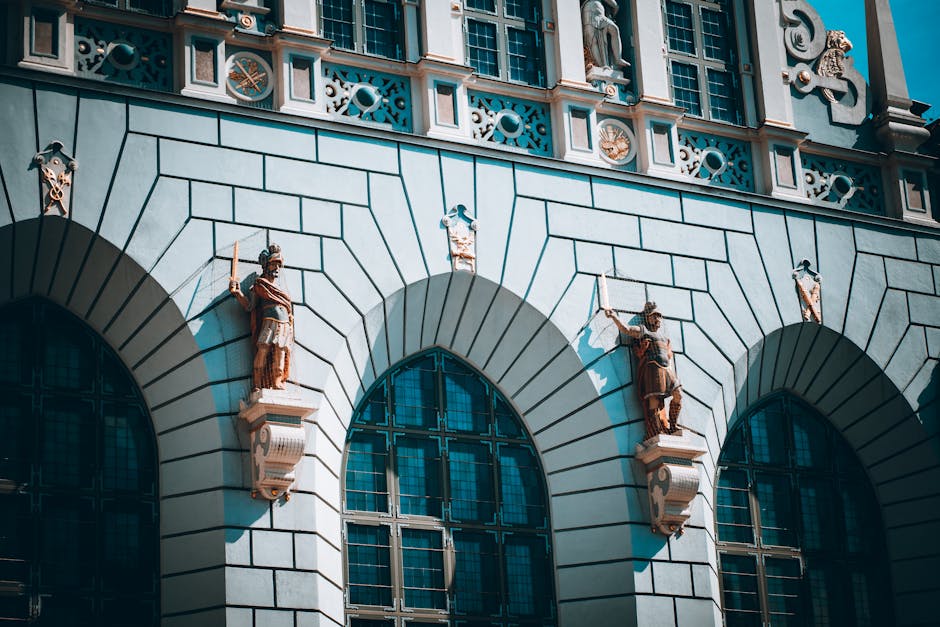
Discover the opulent Royal Way of Gdansk at your own pace. Explore Hanseatic history, gilded architecture, and the iconic Neptune's Fountain.
 Easy
EasyNairobi, Kenya
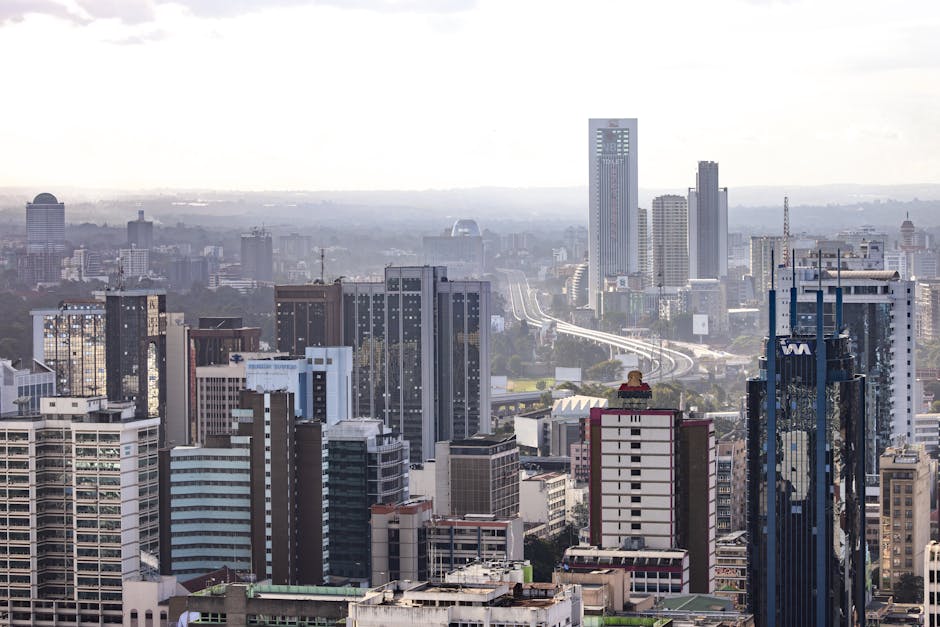
Discover Nairobi's iconic skyline on this self-guided architecture walk through the CBD’s most famous modernist and Brutalist landmarks.
 Easy
EasyGdansk, Poland
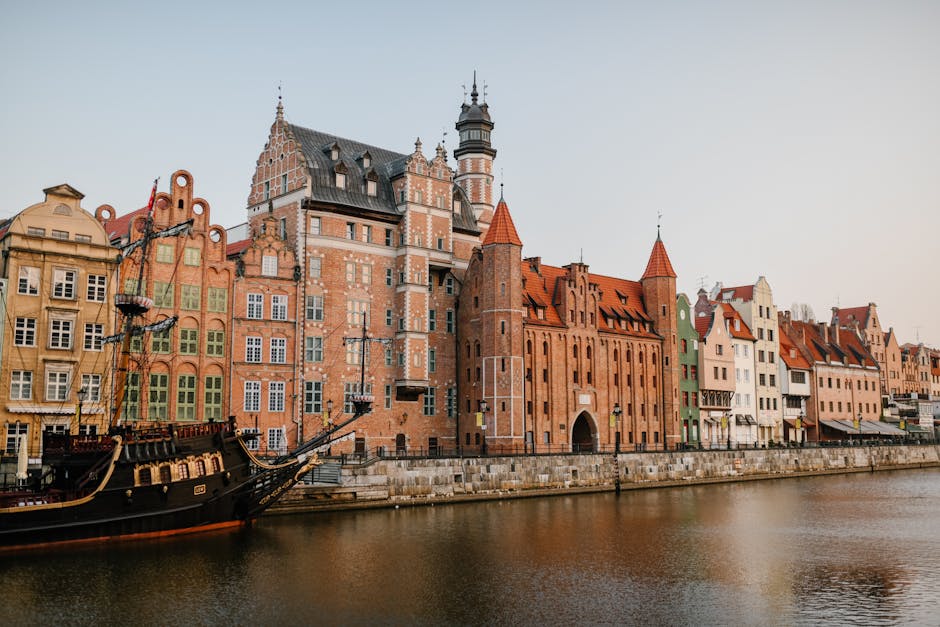
Discover the 'Baltic Gold' on this self-guided walk through Gdansk's historic mills, massive cathedrals, and the magical Mariacka Street.
 Easy
EasyWarsaw, Poland
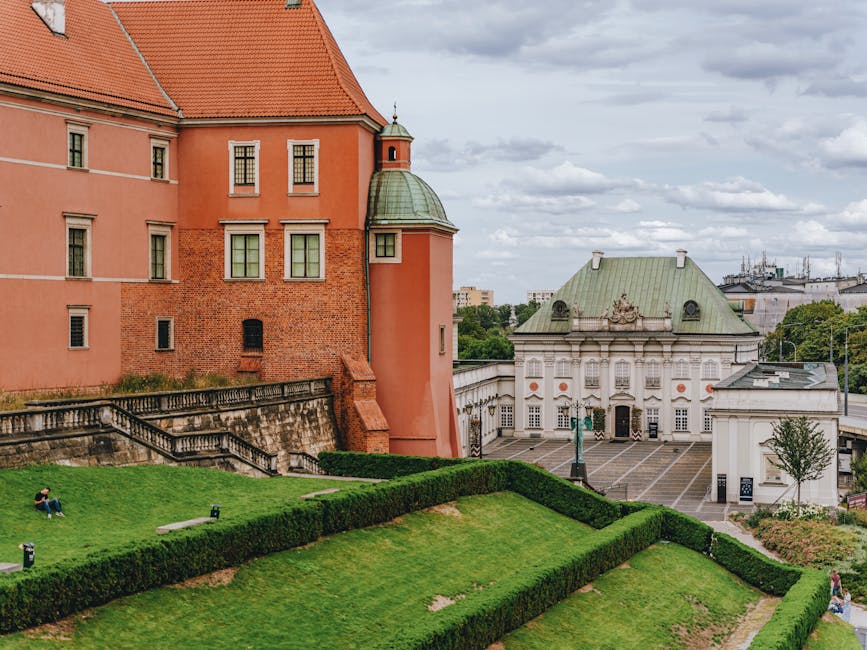
Explore the miracle of Warsaw's reconstructed Old Town on this self-guided walk through royal squares, medieval walls, and heroic monuments.
 Easy
EasyBeijing, China
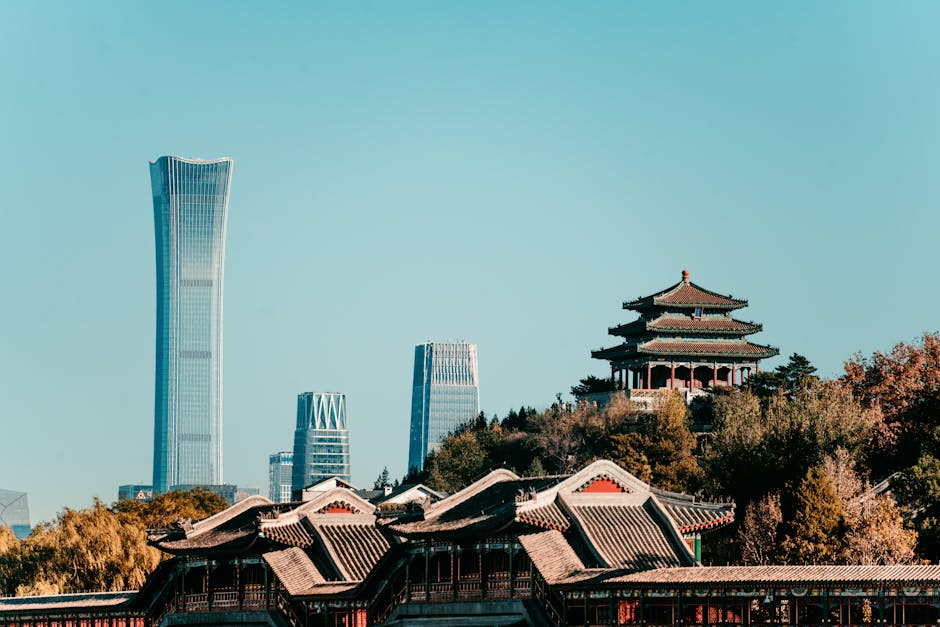
Explore Beijing's premier art district on this self-guided walk through the industrial-chic 798 Art Zone and the massive tanks of 751 D・PARK.
 Moderate
Beijing, China
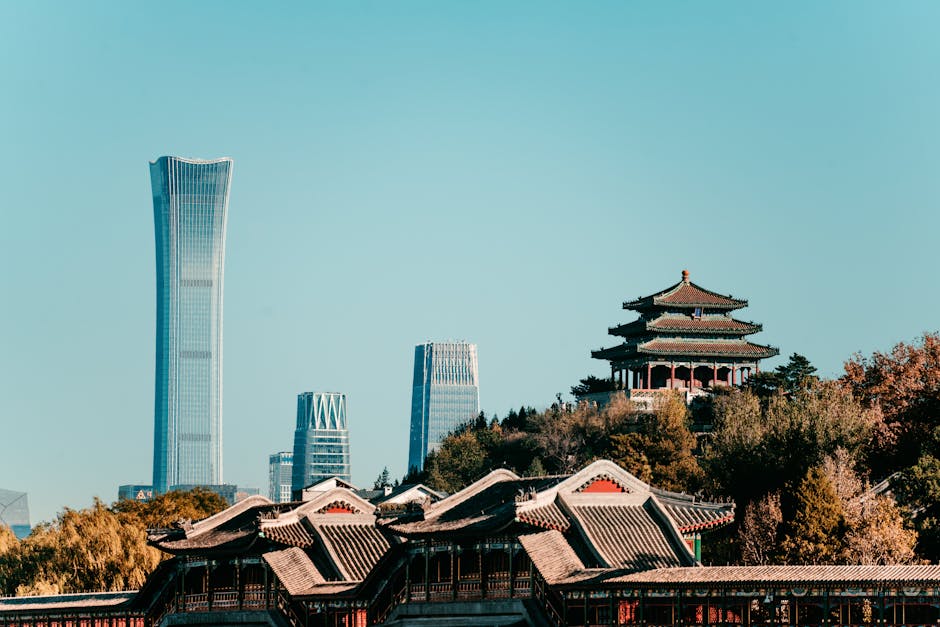
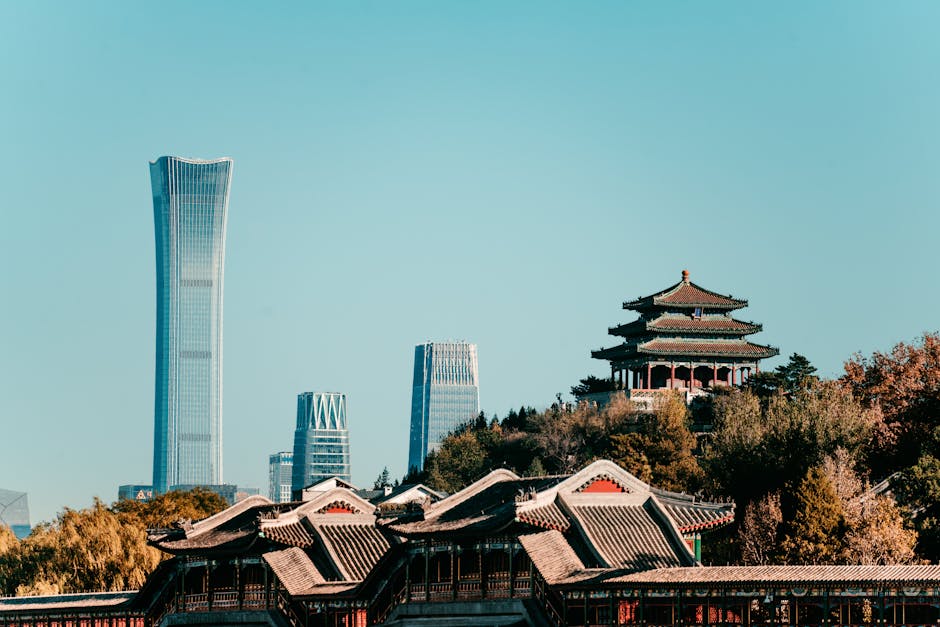
Explore the majestic red walls, imperial moats, and hilltop vistas of Beijing's Forbidden City on this self-guided architectural walking route.
 Moderate
Beijing, China
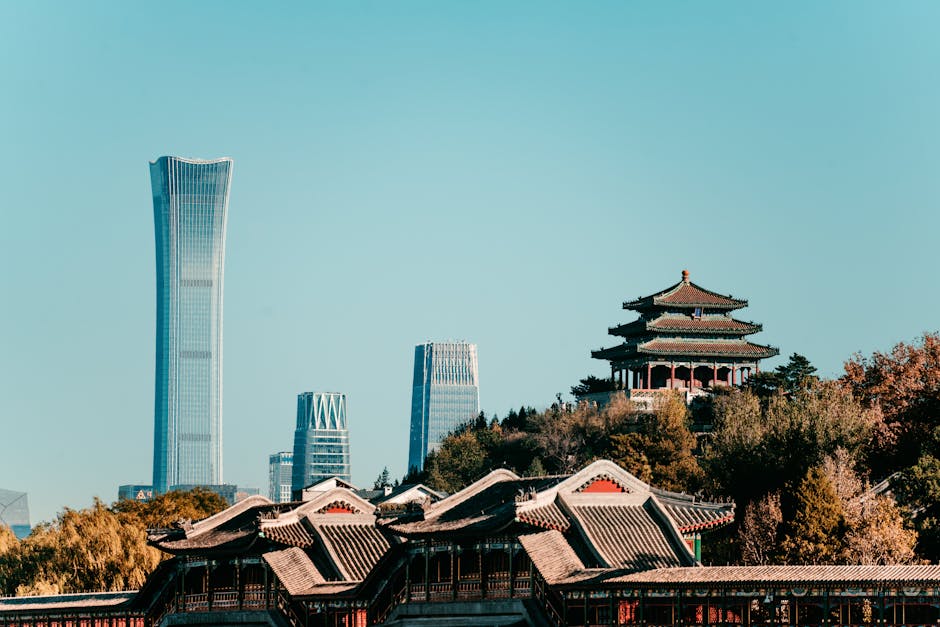
Explore the spiritual heart of Beijing on this self-guided walk through the Temple of Heaven's iconic altars, ancient pines, and vibrant park life.
 Easy
EasyBeijing, China
A culinary and cultural self-guided walk through Beijing's historic Dongsi neighborhood, featuring ancient mosques, hutongs, and iconic local eats.