Self-guided audio tour in Shanghai
Start Free on iPhone
Start free on iPhone to unlock this self-guided walking tour in Shanghai. Hear all the stories that make it amazing, walk at your own pace, and begin whenever you want.
Your Private Tour Guide
Step into a poignant chapter of 20th-century history with this self-guided walk through the Hongkou District, once known as 'Little Vienna.' While much of the world closed its doors to those fleeing Nazi-occupied Europe, Shanghai remained an open port, eventually providing sanctuary to over 20,000 Jewish refugees. This walking route explores the narrow lanes and brick tenements where European culture and Shanghainese life fused into a unique, resilient community. You will discover how refugees recreated the atmosphere of Vienna and Berlin in the heart of China, establishing cafes, newspapers, and theaters amidst the challenges of the 'Designated Area for Stateless Refugees.' Starting at the historic Ohel Moshe Synagogue, now the center of the Shanghai Jewish Refugees Museum, this neighborhood stroll leads you through the architectural remnants of the ghetto. You will walk down Zhoushan Road, where the English-style terrace houses once buzzed with the sounds of classical music and German conversation. The route also takes you to Huoshan Park, a rare green space where refugees gathered to find a sense of normalcy, and through the Tilanqiao residential district, where the proximity of the infamous 'Alcatraz of the Orient' prison served as a constant reminder of the era's tensions. This walking tour Shanghai experience offers a deep dive into stories of survival, cooperation between local Chinese residents and the refugee population, and the eventual liberation of the district. Exploring independently allows you to absorb the quiet dignity of these streets at your own pace, uncovering hidden plaques and historical markers that many visitors overlook. Whether you are interested in wartime history, unique architecture, or the cultural heritage of Shanghai, this self-guided adventure provides a moving look at a neighborhood that served as a beacon of hope during one of humanity's darkest hours.
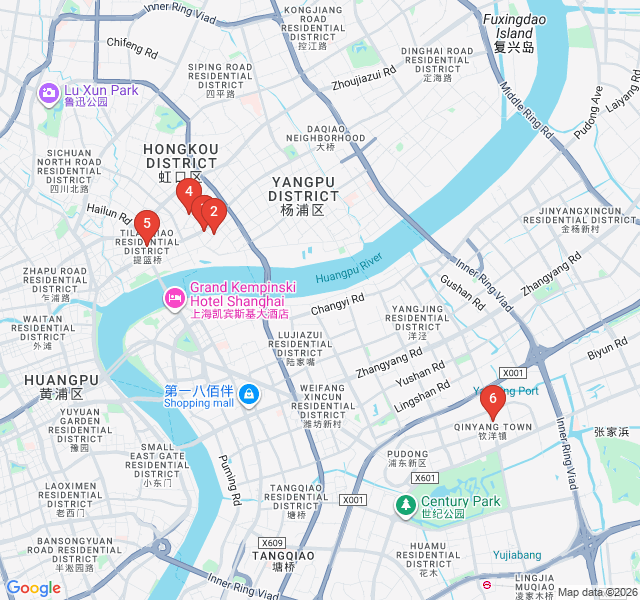
Numbers indicate the order of stops on the tour.
Begin your self-guided adventure at the Shanghai Jewish Refugees Museum. This site is centered around the former Ohel Moshe Synagogue, which was the spiritual and social heart of the Jewish community in Hongkou. Originally built in 1927, the synagogue served the Russian Jewish community before becoming a vital sanctuary for those fleeing the Holocaust in the late 1930s. As you explore the museum grounds, look for the 'Wall of Names,' which lists thousands of refugees who found safety here. The museum provides the essential context for the rest of your walk, illustrating the daily lives, hardships, and the incredible resilience of the 'Stateless Refugees' who called this neighborhood home.
Walking down Huoshan Road, stop near number 119. This area was the gateway to what was officially called the 'Designated Area for Stateless Refugees,' established by the Japanese occupying forces in 1943. While the refugees had lived in Hongkou since their arrival, they were eventually forced into this restricted sector. Life here became significantly more difficult, with overcrowding and limited freedom of movement. Observe the blend of architectural styles here; these buildings witnessed the transformation of a standard Shanghai residential block into a crowded ghetto where families often shared single rooms partitioned only by curtains, yet still managed to maintain a vibrant communal spirit.
Enter Huoshan Park, formerly known as Wayside Park. During the ghetto years, this small green space was one of the few places where refugees could escape their cramped living quarters. It was here that people met to exchange news, play chess, and even hold small musical performances. In the center of the park, you will find a memorial plaque dedicated to the Jewish refugee community, written in Chinese, English, and Hebrew. It stands as a permanent reminder of the 20,000 people who sought refuge in this district. The park remains a popular spot for local residents today, offering a peaceful moment to reflect on the layers of history beneath your feet.
Turn onto Zhoushan Road, the street that most earned the nickname 'Little Vienna.' The architecture here is strikingly different from the surrounding Chinese alleyways. These red-brick terrace houses were built in a style reminiscent of European townhomes. During the 1940s, this street was lined with cafes, bakeries, and small shops run by refugees. You might have heard the sound of Mozart or Strauss drifting from open windows as residents tried to recreate the cultural life of their homelands. It was a place where, despite the poverty and the war, the refugees kept their traditions alive, publishing German-language newspapers and organizing operettas.
As you wander through the Tilanqiao residential district, you are seeing the true 'living history' of Shanghai. This area is a maze of 'lilong' (lane houses) where Jewish refugees and local Shanghainese lived side-by-side. The proximity was a necessity of the time, leading to a unique cultural exchange. Despite the language barrier, many refugees spoke of the kindness of their Chinese neighbors, who were also suffering under the Japanese occupation. Look up at the laundry hanging from bamboo poles and the intricate stonework over the doorways. This district also borders the Tilanqiao Prison, once the largest in the world, whose massive grey walls have loomed over the neighborhood since 1903.
End your walking route at The White Horse (Zum weißen Rößl). This is a reconstructed version of the famous cafe and social hub that once stood nearby. The original White Horse Inn was opened by a refugee from Vienna and became the most popular meeting spot in the ghetto. It was a place for coffee, conversation, and a brief respite from the realities of the war. Today, the building serves as a cafe and a cultural space, often housing exhibitions related to the neighborhood's history. It is the perfect spot to sit down, enjoy a drink, and contemplate the incredible stories of survival and hospitality that define the Jewish history of Hongkou.
Start Free on iPhone
Explore “Little Vienna: The Jewish Ghetto of Hongkou” with your very own Private Tour Guide with Zigway. Start free on iPhone, skip the large group and the fixed routes, and hear the city come alive as you go.
Your Private Tour Guide
Don't miss the good stuff
Explore Freely
 Moderate
Shanghai, China
Discover the 'Golden Mile' on this self-guided walking route through Shanghai's historic department stores and Art Deco landmarks.
 Easy
EasyShanghai, China
Explore Art Deco architecture, leafy boulevards, and hidden villas on this self-guided walk through the French Concession.
 Easy
EasyShanghai, China
Explore the intellectual heart of 1930s Shanghai on this self-guided stroll through Hongkou's historic literary landmarks and hidden alleys.
 Easy
EasyShanghai, China
Discover the 'Wall Street of the Orient' on this self-guided walk through Shanghai's legendary waterfront and its Art Deco architectural treasures.
 Moderate
Vienna, Austria
Discover the noir world of The Third Man and Cold War Vienna on this atmospheric self-guided audio walk through the historic Innere Stadt.
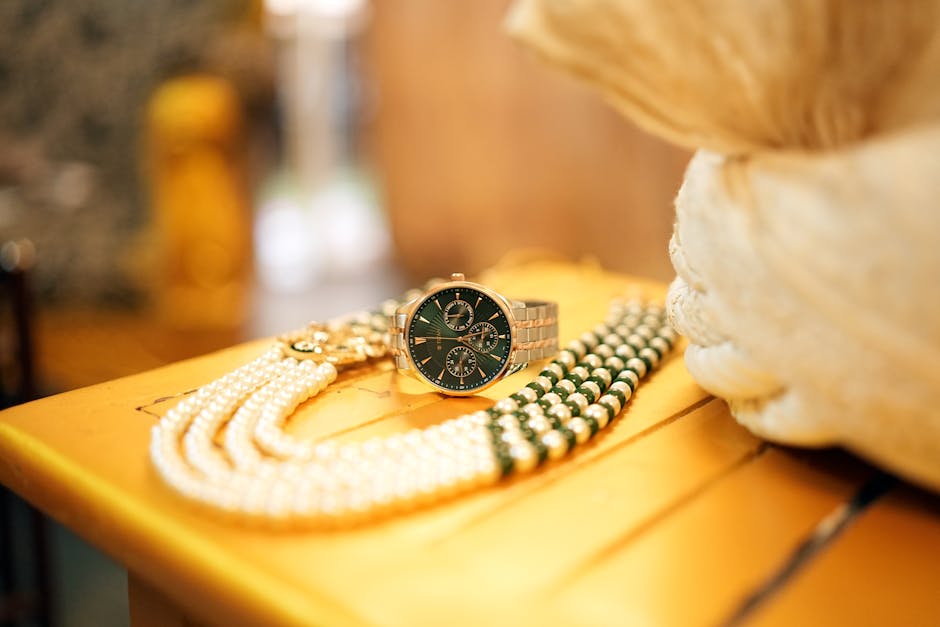 Easy
EasyKrakow, Poland
Explore the prestigious Jagiellonian University district, featuring Neo-Gothic architecture, Baroque churches, and Krakow's hidden scholarly gems.
 Easy
EasyWarsaw, Poland
Discover the hidden courtyards and grand pre-war architecture of Warsaw's most atmospheric neighborhood on this self-guided stroll.
 Easy
EasyGothenburg, Sweden
Explore Gothenburg's elegant academic district, featuring grand 19th-century stone architecture and the iconic cultural hub of Götaplatsen.
 Easy
EasyBeijing, China
Explore Beijing's premier art district on this self-guided walk through the industrial-chic 798 Art Zone and the massive tanks of 751 D・PARK.
 Moderate
Beijing, China
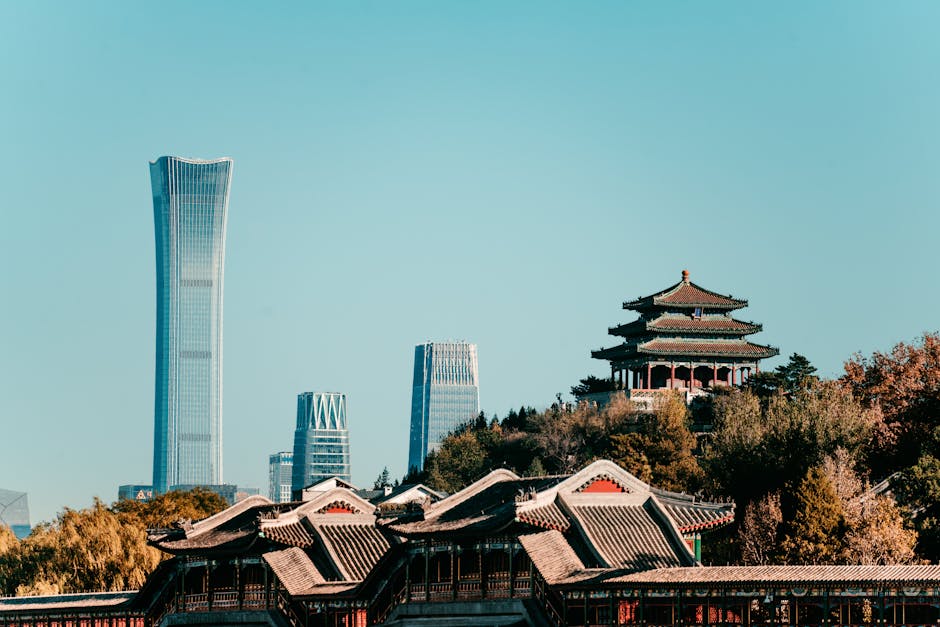
Explore the majestic red walls, imperial moats, and hilltop vistas of Beijing's Forbidden City on this self-guided architectural walking route.
 Moderate
Beijing, China
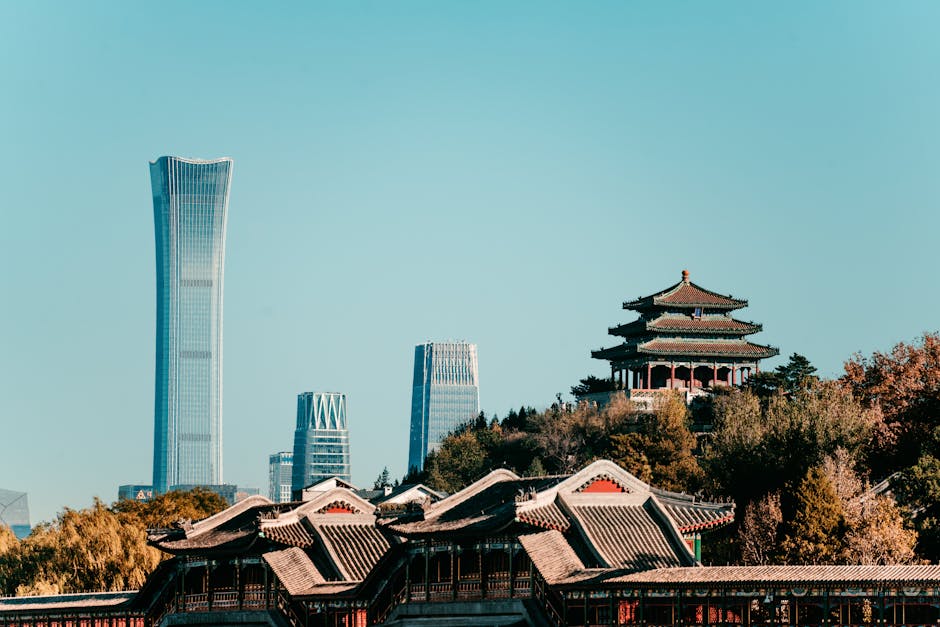
Explore the spiritual heart of Beijing on this self-guided walk through the Temple of Heaven's iconic altars, ancient pines, and vibrant park life.
 Easy
EasyBeijing, China
A culinary and cultural self-guided walk through Beijing's historic Dongsi neighborhood, featuring ancient mosques, hutongs, and iconic local eats.