Self-guided audio tour in Prague
Start Free on iPhone
Start free on iPhone to unlock this self-guided walking tour in Prague. Hear all the stories that make it amazing, walk at your own pace, and begin whenever you want.
Your Private Tour Guide
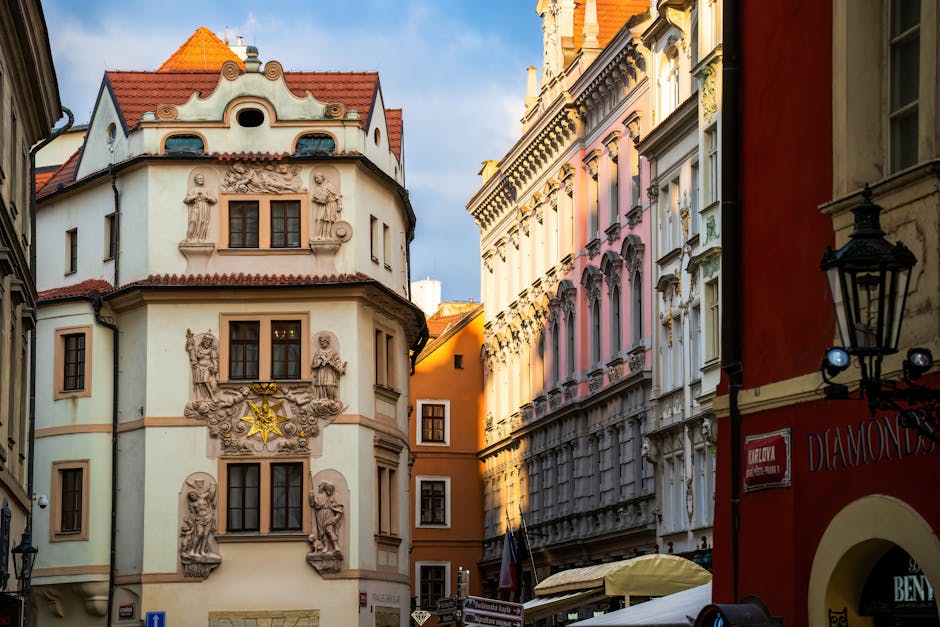
Prague is the only city in the world where Cubism, originally a movement in painting and sculpture, was translated into architecture. This self-guided walk invites you to explore the jagged edges, crystalline forms, and rhythmic facades that define this unique Czech phenomenon. As you navigate the streets of the New Town and Old Town, you will discover why local architects like Josef Gočár and Pavel Janák believed that the dynamic energy of a canvas could be captured in concrete and stone. This architectural journey highlights the transition from the sharp, avant-garde experiments of early Cubism to the more decorative 'Rondocubism' that emerged after the birth of Czechoslovakia. While most visitors flock to the Charles Bridge, this walking route takes you to the 'Diamond House' and the world's only Cubist lamp post, offering a deeper look at the city's intellectual and artistic history. This walking route is perfect for those who appreciate design and want to see a side of Prague that is often overlooked. You will see how these buildings stand in stark contrast to the surrounding Baroque and Gothic styles, creating a visual dialogue that spans centuries. Whether you are an architecture student or a curious traveler, this self-guided walk provides a comprehensive introduction to a style that exists nowhere else on Earth. The route is compact and easy to follow, making it an ideal way to spend a morning or afternoon exploring the city's vibrant urban fabric independently.
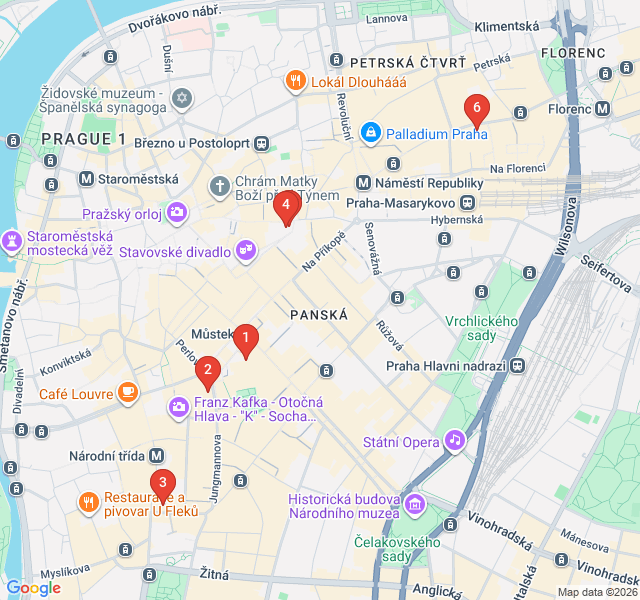
Numbers indicate the order of stops on the tour.
Tucked away in a corner of Jungmannovo Square, you will find a street light that looks like no other. Designed by Emil Králíček in 1913, this is the world's only Cubist lamp post. Notice how the stone base and the metal lantern are composed of stacked, crystalline shapes. At the time, Czech architects were obsessed with the idea that matter contains an inner energy that can be revealed through diagonal lines and sharp angles. This lamp post was part of a larger project for the Adam Pharmacy nearby. It serves as a perfect introduction to how the Cubist movement in Prague sought to reshape even the most mundane objects of urban life.
Palác Adria is a masterpiece of 'Rondocubism,' also known as the National Style. Built between 1922 and 1925 for an Italian insurance company, it represents a shift from sharp angles to rounded, cylindrical forms. The architects, Pavel Janák and Josef Zasche, used a palette of red and white to evoke the colors of the Czech flag. Look up at the facade to see the heavy, rhythmic ornamentation and the massive sculptures on the roof. This building was meant to symbolize the strength and optimism of the newly formed Czechoslovak Republic, blending modernism with traditional Slavic motifs.
The Diamant House, or Dům Diamant, is a striking example of how Cubism can make a building appear to be carved from a single giant gemstone. Completed in 1913 by Matěj Blecha and Emil Králíček, the facade is covered in geometric patterns that play with light and shadow. Even the entrance and the window frames follow this strict angular logic. Interestingly, the house was built next to a Baroque church, and the architect even designed a Cubist archway to frame the entrance to the church's courtyard, showing a rare attempt to harmonize the avant-garde with the ancient.
This is perhaps the most famous Cubist building in the world. Designed by Josef Gočár and completed in 1912, it was remarkably modern for its time. While the reinforced concrete structure was revolutionary, Gočár carefully incorporated elements that respected the surrounding historic buildings, such as the hipped roof. The name comes from the 17th-century Baroque statue of the Black Madonna nestled on the corner of the building. Today, it houses the Museum of Czech Cubism, where you can see furniture and ceramics that match the building's distinctive style.
Located on the first floor of the House at the Black Madonna, Grand Café Orient is the world's only Cubist cafe interior. After being closed for decades, it was meticulously restored based on original photographs. Look at the brass chandeliers, the zig-zagging coat racks, and the custom-designed furniture. Even the pastries sometimes come in Cubist shapes! It offers a rare opportunity to literally step inside a work of art and experience the total immersion that Czech Cubist designers intended for everyday life. It is the perfect spot to pause and appreciate the consistency of this design movement.
Our final stop is the former Legiobanka, another triumph by Josef Gočár. Built between 1921 and 1923, this building is the pinnacle of Rondocubism. The facade features a monumental frieze by sculptor Otto Gutfreund, depicting the return of the Czechoslovak Legions from Russia. The building uses circles and semi-circles—the 'Rondo' in Rondocubism—to create a sense of movement and national pride. If the lobby is accessible, take a peek inside to see the incredible glass-domed ceiling and the geometric floor patterns. It marks the evolution of the style from pure art to a symbol of state identity.
Start Free on iPhone
Explore “Cubist Architecture Discovery Route” with your very own Private Tour Guide with Zigway. Start free on iPhone, skip the large group and the fixed routes, and hear the city come alive as you go.
Your Private Tour Guide
Don't miss the good stuff
Explore Freely
 Easy
EasyPrague, Czech Republic
Discover Prague's Golden Age on this self-guided walk through stunning Art Nouveau landmarks, from the Municipal House to Mucha's masterpieces.
 Challenging
Prague, Czech Republic
Discover Prague’s royal district and capture stunning panoramic vistas on this self-guided walking route through Hradčany and the Castle complex.
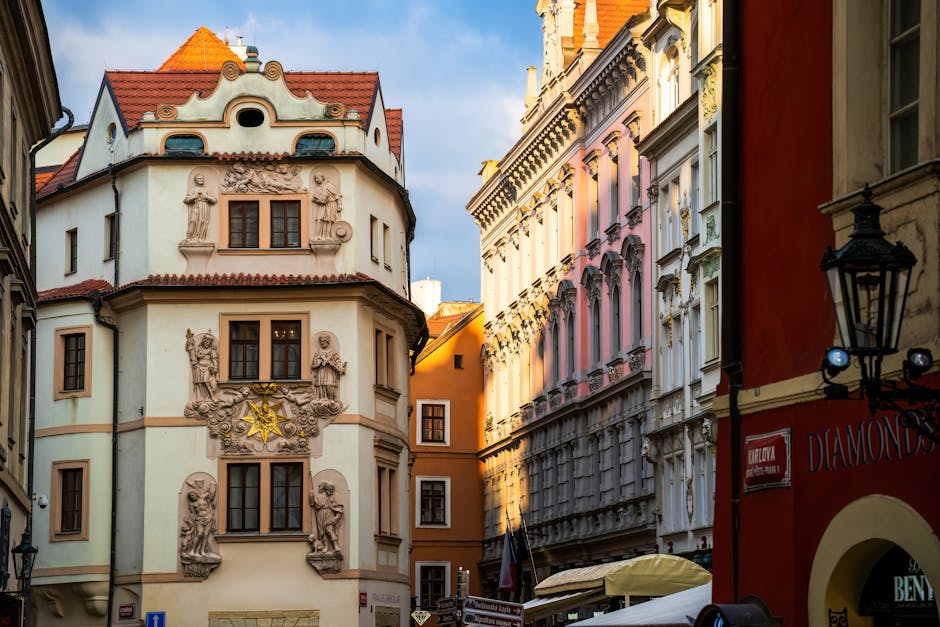 Easy
EasyPrague, Czech Republic
Discover the history of Pilsner and Prague's legendary pub culture on this self-guided audio walk through historic breweries and hidden local haunts.
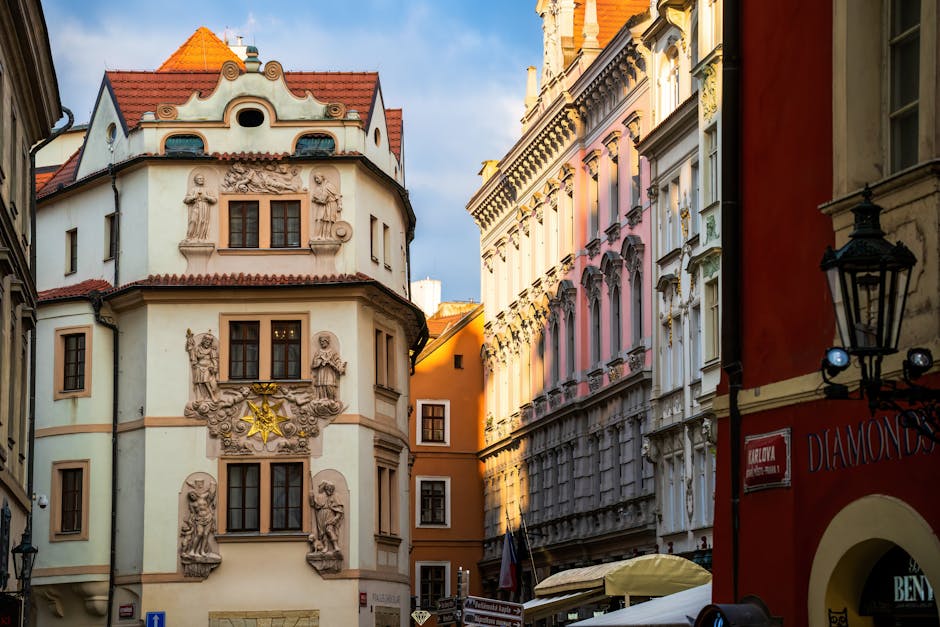 Easy
EasyPrague, Czech Republic
Explore the resilient history of Prague's Jewish Quarter on this self-guided audio walk through Josefov's synagogues, cemeteries, and legends.
 Easy
EasyNairobi, Kenya
Discover Nairobi's iconic skyline on this self-guided architecture walk through the CBD’s most famous modernist and Brutalist landmarks.
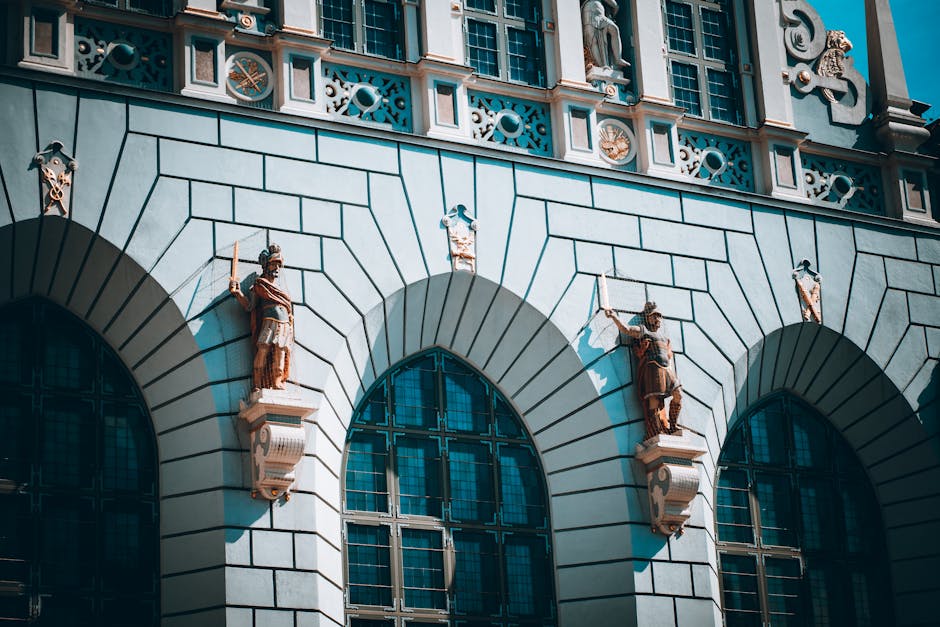 Easy
EasyGdansk, Poland
Discover the opulent Royal Way of Gdansk at your own pace. Explore Hanseatic history, gilded architecture, and the iconic Neptune's Fountain.
 Easy
EasyNairobi, Kenya
Explore Nairobi's architectural evolution from colonial-era landmarks to iconic Brutalist skyscrapers on this historic self-guided walking route.
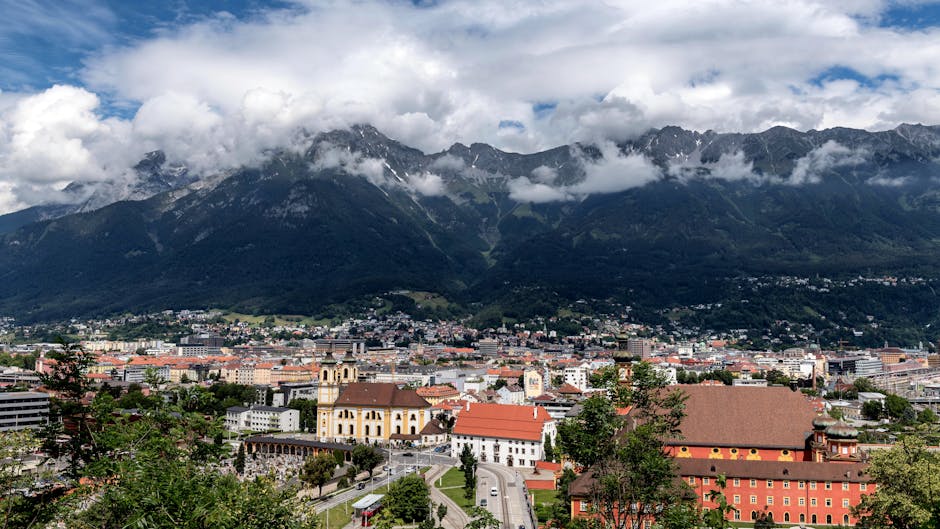 Easy
EasyInnsbruck, Austria
Uncover the myths and legends of Innsbruck on this self-guided walk through the historic Altstadt and beyond.
 Easy
EasyCesky Krumlov, Czech Republic
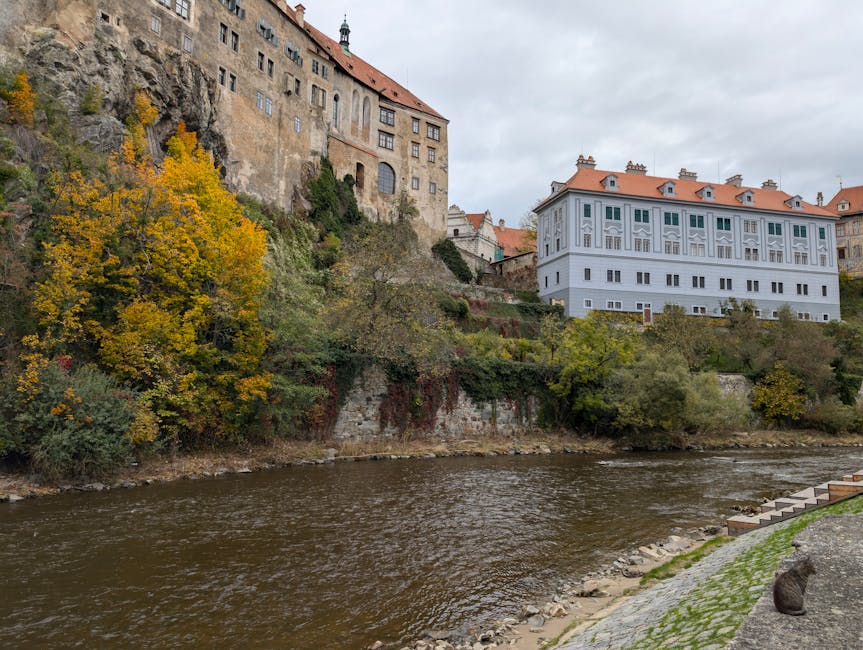
Discover the flavors of South Bohemia on this self-guided walk through the historic taverns, breweries, and riverside cafes of Cesky Krumlov.
 Moderate
Cesky Krumlov, Czech Republic
Escape the crowds and discover the artistic soul, historic villas, and hidden stories of Cesky Krumlov's most authentic neighborhood, Plešivec.
 Easy
EasyCesky Krumlov, Czech Republic
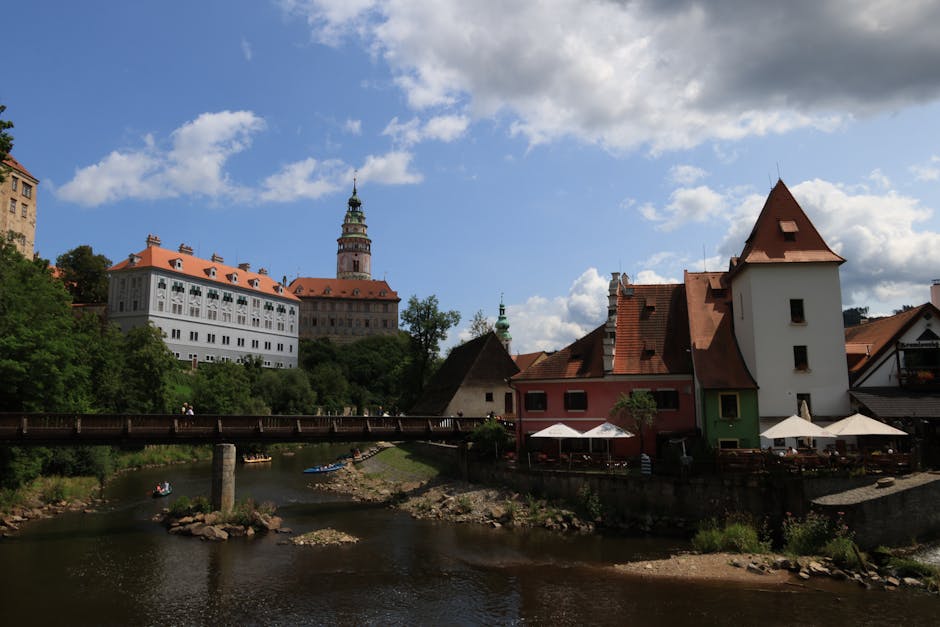
Discover the haunting legends and eerie history of Cesky Krumlov on this atmospheric self-guided audio walk through the moonlit Inner City.
 Easy
EasyCesky Krumlov, Czech Republic
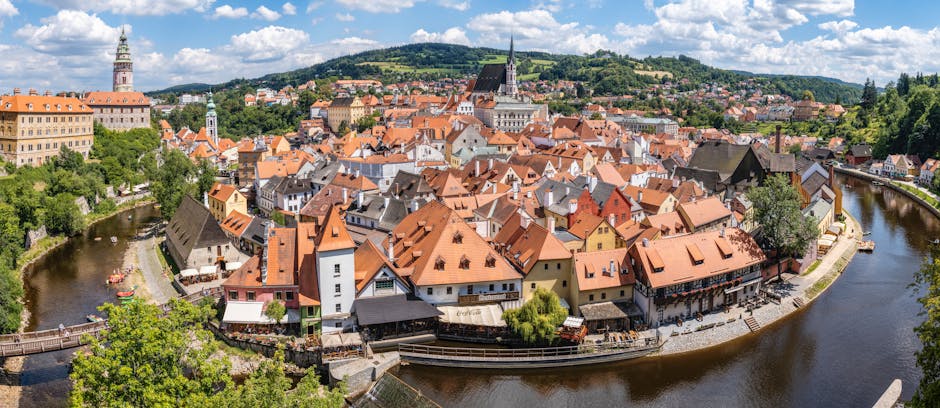
Explore the romantic Vltava riverbanks, hidden medieval alleys, and iconic bridges of Cesky Krumlov on this scenic self-guided photography walk.