Self-guided audio tour in Cesky Krumlov
Start Free on iPhone
Start free on iPhone to unlock this self-guided walking tour in Cesky Krumlov. Hear all the stories that make it amazing, walk at your own pace, and begin whenever you want.
Your Private Tour Guide
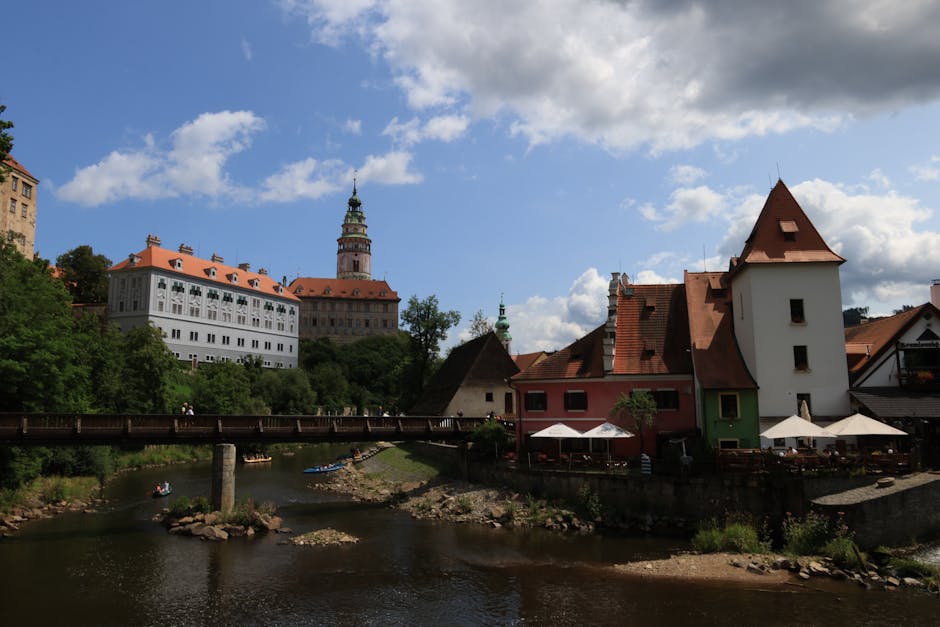
Step into a living fairy tale where the legacy of the five-petalled rose is etched into every stone. Cesky Krumlov, a UNESCO World Heritage site, is a town defined by its Renaissance beauty and the powerful dynasty that ruled it for three centuries: the Rosenbergs (Rožmberkové). This self-guided walk invites you to explore the winding lanes and grand monuments of the Inner City and Latrán districts, tracing the family's rise from medieval lords to the architects of one of Europe’s most beautiful urban landscapes. As you follow this walking route, you will discover how the Rosenbergs transformed a rocky outcrop above the Vltava River into a sophisticated center of art, alchemy, and power. Unlike a rigid guided tour Cesky Krumlov visitors often find themselves in, this audio walk allows you to linger by the river or admire the intricate sgraffito facades at your own leisure. The journey begins in the historic Latrán neighborhood, once the domain of the castle's craftsmen and servants, before crossing the barber's bridge into the heart of the town. You will encounter grand former colleges, the towering spires of St. Vitus, and the imposing Town Hall, all while learning about the family crest—the red rose—that still adorns the town today. The experience culminates at the massive State Castle and Chateau, the second-largest castle complex in the Czech Republic. Here, the architecture shifts from Gothic strength to Renaissance elegance, reflecting the changing tastes of the Rosenberg lords. This walking route Cesky Krumlov offers is more than just a history lesson; it is an immersion into the atmosphere of the 16th century. Whether you are interested in the brewing traditions of the Bohemian lords or the spiritual legacy of the Jesuit college, this self-guided adventure provides the context needed to truly understand the 'Pearl of the Renaissance.' By choosing a self-guided walk, you avoid the crowds and find the hidden corners that make this town so magical.
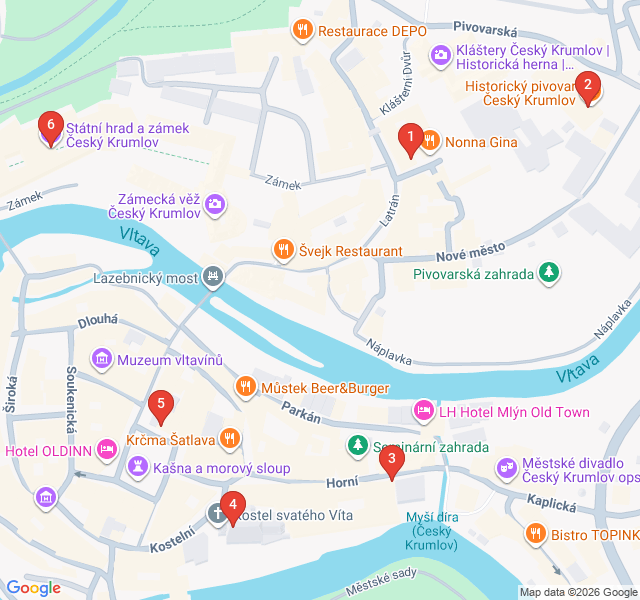
Numbers indicate the order of stops on the tour.
Welcome to the Latrán district, the historic neighborhood that grew beneath the shadow of the castle. This specific address, Latrán 103, sits near the entrance of this atmospheric quarter. In the days of the Rosenberg dynasty, Latrán was a separate town from the Inner City, populated by the castle's administrative staff, craftsmen, and merchants. As you look around, notice the narrow, medieval layout of the streets. The name 'Latrán' likely derives from the Latin 'latus,' meaning side, referring to its position beside the castle. This area served as the gateway between the commoners and the lords, a place where the economic life of the town pulsed through the workshops and taverns that supported the court's needs.
Beer and power have long been intertwined in Bohemian history. You are standing near the Historic Brewery of Český Krumlov. Brewing in this town dates back to the 14th century, but it was the Rosenberg family who truly industrialized the process here in the 1500s. They recognized that beer was not just a staple of the diet but a massive source of revenue. The brewery buildings you see reflect the industrial heritage of the Renaissance, where the lords of the rose controlled the production and sale of 'liquid bread.' Today, the tradition continues, and the scent of hops often drifts through these historic halls, connecting the modern town to its 16th-century roots.
The grand building before you, now the Hotel Růže, was originally a Jesuit College established in 1586 by Wilhelm von Rosenberg. Wilhelm was a man of the Renaissance—educated, powerful, and deeply invested in the intellectual life of his domains. He invited the Jesuits to Krumlov to bolster the Catholic faith and provide top-tier education. Look up at the facade to see the stunning sgraffito decorations, a hallmark of the Bohemian Renaissance. This building was a center of learning for centuries and remains one of the most significant examples of 16th-century architecture in the city. Its name, 'The Rose,' is a direct tribute to the Rosenberg family crest.
The Church of St. Vitus is the spiritual heart of Český Krumlov. This Gothic masterpiece, with its slender spire dominating the skyline, was completed in the early 15th century. For the Rosenbergs, this was more than just a place of worship; it was their family mausoleum. Inside, you will find the final resting places of several members of the dynasty, including Wilhelm von Rosenberg. The interior is a forest of stone pillars and delicate vaulting, designed to draw the eye upward. The church stands on a rocky promontory, a silent witness to the town's transformation from a medieval stronghold to a Renaissance jewel.
Located in the main square, Náměstí Svornosti, the Town Hall is a fascinating puzzle of architectural history. It was created by merging several Gothic houses together in the late 16th century, resulting in the wide, Renaissance facade we see today. If you look at the attic wall, you will see the coats of arms of the town's most prominent noble families, with the five-petalled rose of the Rosenbergs taking a place of honor. This building represented the growing power of the town's burghers, yet it remained under the watchful eye of the lords in the castle above. The square itself has been the center of civic life for over 700 years.
You have reached the pinnacle of the town: the State Castle and Chateau. This massive complex is the ultimate monument to the Rosenberg dynasty, who lived here for three centuries. As you pass through the gates, notice the bear moat—a tradition kept since the 16th century because the Rosenbergs claimed kinship with the noble Orsini family of Italy (whose name means 'bear-like'). The castle tower, with its vibrant painted decorations, is the symbol of the city. From the Upper Castle to the Cloak Bridge, the scale of this residence reflects the immense wealth and European influence of the 'Lords of the Rose' before they sold the estate to the Emperor in 1601.
Start Free on iPhone
Explore “Footsteps of the Rose: The Rosenberg Dynasty” with your very own Private Tour Guide with Zigway. Start free on iPhone, skip the large group and the fixed routes, and hear the city come alive as you go.
Your Private Tour Guide
Don't miss the good stuff
Explore Freely
 Easy
EasyCesky Krumlov, Czech Republic
Discover the flavors of South Bohemia on this self-guided walk through the historic taverns, breweries, and riverside cafes of Cesky Krumlov.
 Moderate
Cesky Krumlov, Czech Republic
Escape the crowds and discover the artistic soul, historic villas, and hidden stories of Cesky Krumlov's most authentic neighborhood, Plešivec.
 Easy
EasyCesky Krumlov, Czech Republic
Discover the haunting legends and eerie history of Cesky Krumlov on this atmospheric self-guided audio walk through the moonlit Inner City.
 Easy
EasyCesky Krumlov, Czech Republic
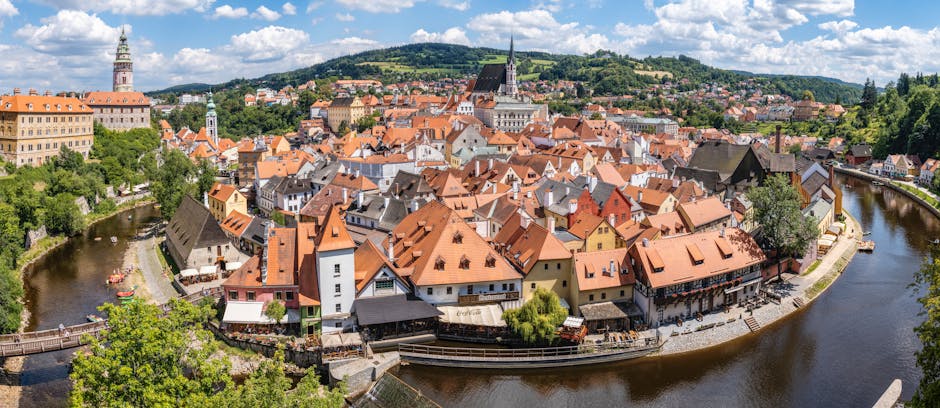
Explore the romantic Vltava riverbanks, hidden medieval alleys, and iconic bridges of Cesky Krumlov on this scenic self-guided photography walk.
 Moderate
Vienna, Austria
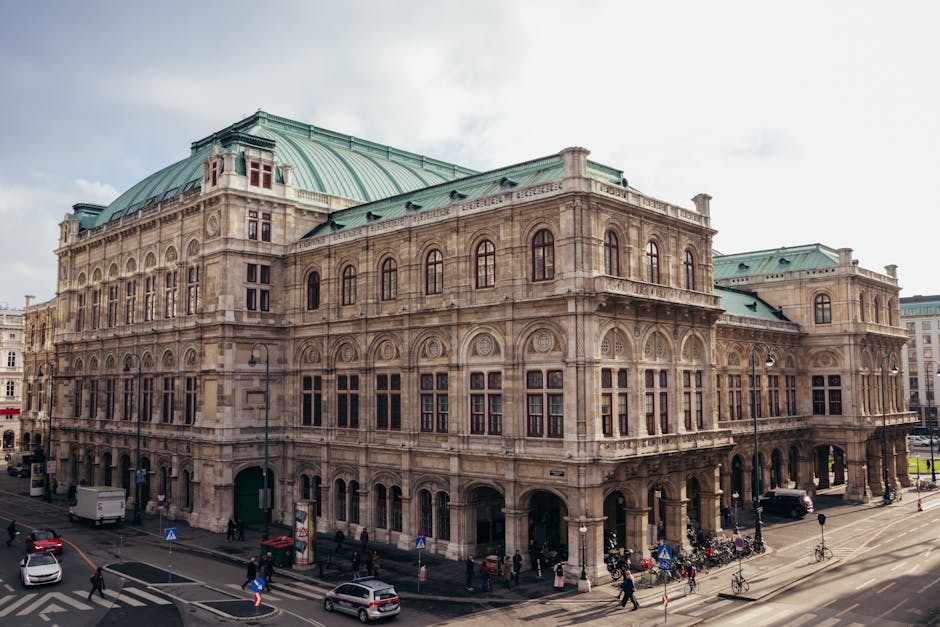
Follow the footsteps of Mozart and Strauss through Vienna’s historic center on this self-guided walk through the city's rich musical history.
 Moderate
Gothenburg, Sweden
Discover Gothenburg’s maritime soul on this self-guided walk from the historic Central Station to the scenic riverfront at Stenpiren.
 Easy
EasyGdansk, Poland
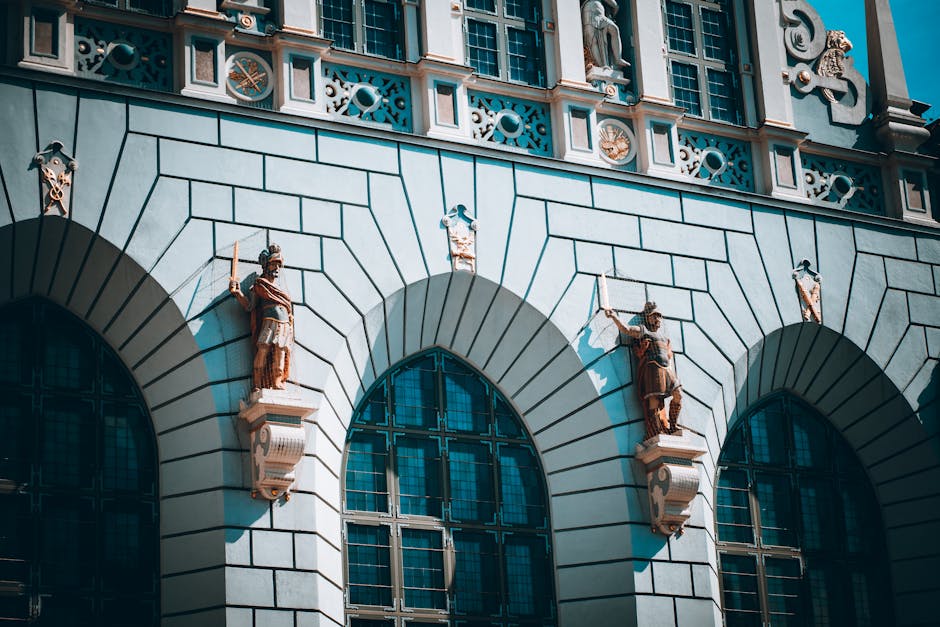
Discover the opulent Royal Way of Gdansk at your own pace. Explore Hanseatic history, gilded architecture, and the iconic Neptune's Fountain.
 Moderate
Warsaw, Poland
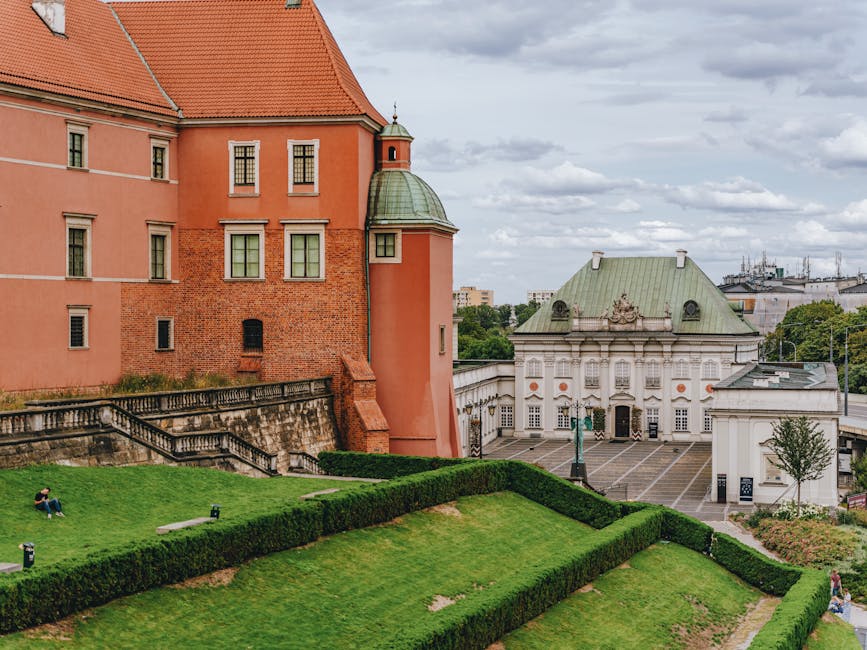
Explore the resilient spirit of Warsaw's Muranów district on this self-guided walk through the history and landmarks of the former Jewish Ghetto.
 Easy
EasyPrague, Czech Republic
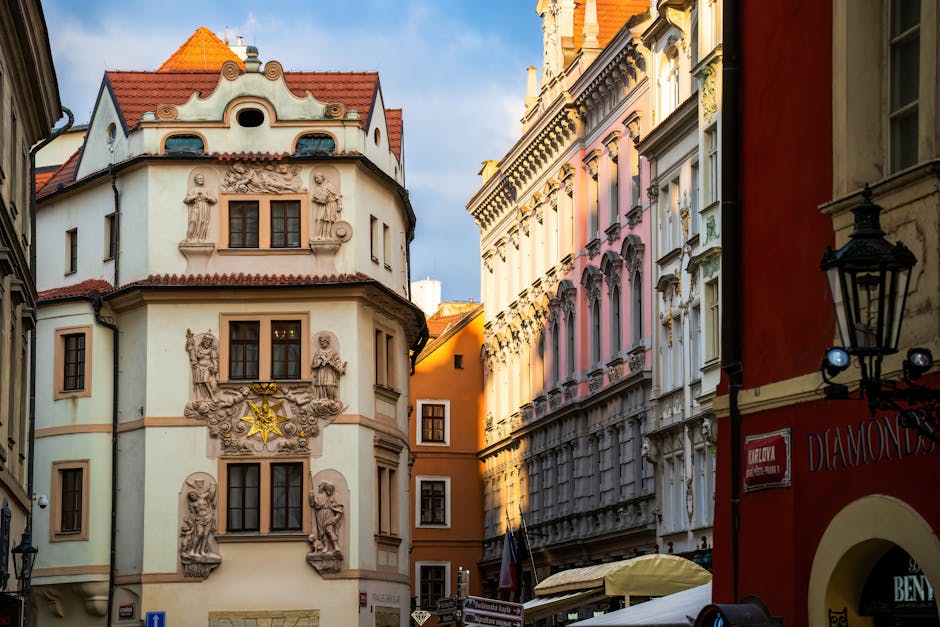
Explore the world's only Cubist architecture on this self-guided walking route through Prague's New Town and Old Town.
 Easy
EasyPrague, Czech Republic
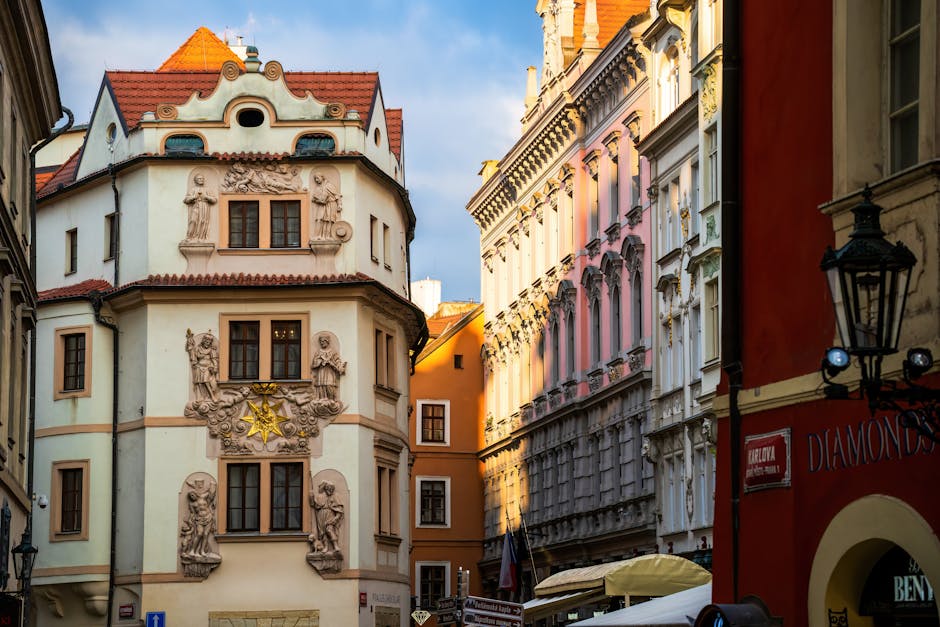
Discover Prague's Golden Age on this self-guided walk through stunning Art Nouveau landmarks, from the Municipal House to Mucha's masterpieces.
 Challenging
Prague, Czech Republic
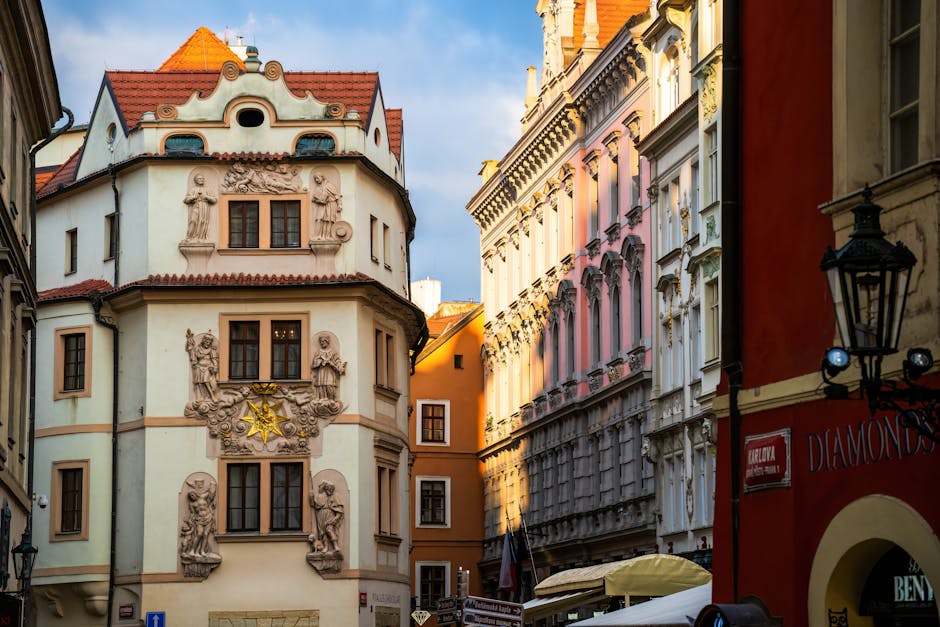
Discover Prague’s royal district and capture stunning panoramic vistas on this self-guided walking route through Hradčany and the Castle complex.
 Easy
EasyPrague, Czech Republic
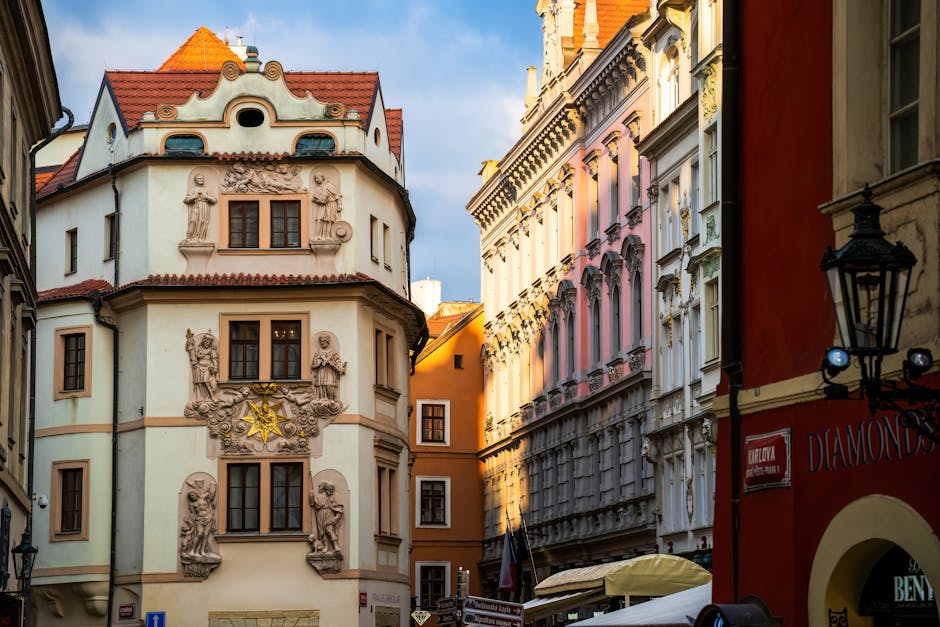
Discover the history of Pilsner and Prague's legendary pub culture on this self-guided audio walk through historic breweries and hidden local haunts.