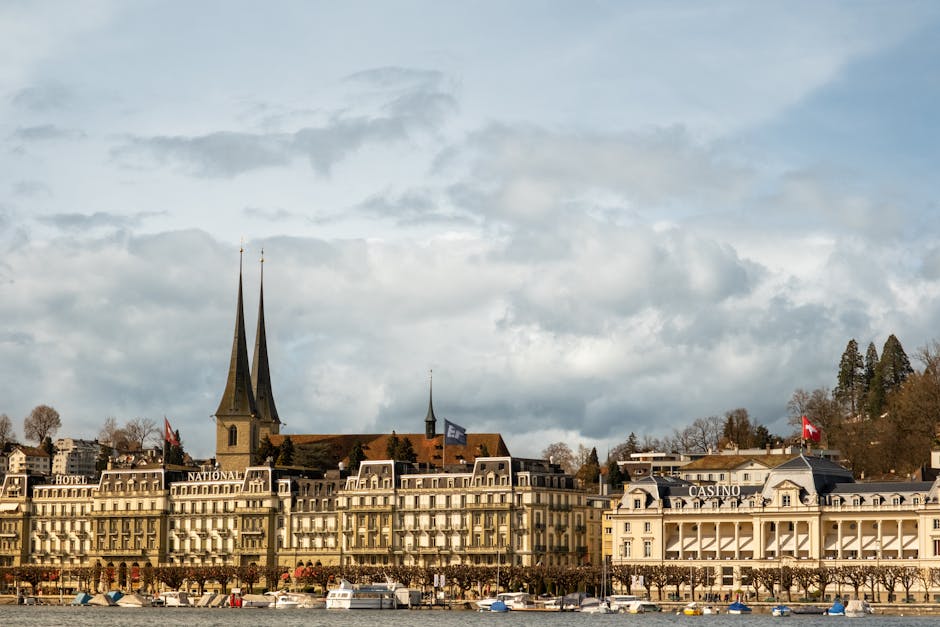
Self-guided audio tour in Lucerne
Start Free on iPhone
Start free on iPhone to unlock this self-guided walking tour in Lucerne. Hear all the stories that make it amazing, walk at your own pace, and begin whenever you want.
Your Private Tour Guide
Lucerne is often celebrated for its medieval Chapel Bridge and fairytale old town, but a parallel narrative of bold modernism exists just across the water. This self-guided walk explores the Lucerne of the future, anchored by the architectural genius of Jean Nouvel. By following this walking route, you will see how contemporary design seamlessly integrates with the alpine landscape and the shores of Lake Lucerne. The journey begins at the remnants of the old railway station, serving as a gateway between the 19th-century heritage and the sleek lines of the 21st century. The centerpieces of this neighborhood stroll are the Lucerne Culture and Congress Centre (KKL), a masterpiece of light and water, and the nearby intellectual hub of the University. This walking tour Lucerne provides a lens into the city's artistic soul, from the modernism of the University building to the world-class art collection at the Sammlung Rosengart, featuring works by Picasso and Klee. The route concludes at the Bourbaki Panorama, a fascinating circular building that represents an early precursor to modern cinematic experiences. For those seeking to explore the city's evolution through architecture and art, this independent walking route offers a sophisticated alternative to the traditional tourist path. Discover how the city balances its historic identity with a commitment to modern urbanism and world-class acoustics, all while enjoying the refreshing breeze of the lakeside parks. This walking tour Lucerne is perfect for those who appreciate the intersection of engineering, aesthetics, and history.
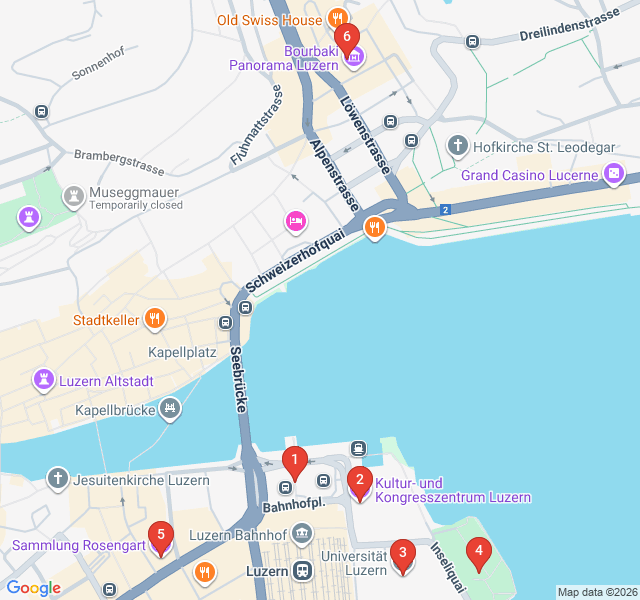
Numbers indicate the order of stops on the tour.
Standing as a grand gateway to the city, the Torbogen is the sole surviving remnant of Lucerne’s second railway station, which was almost entirely destroyed by a devastating fire in 1971. Designed by the architect Hans Auer in the late 19th century, this triumphal arch now serves as a bridge between the past and the present. As you stand here, notice the contrast between the ornate, historic stone and the ultra-modern glass-and-steel station designed by Santiago Calatrava that sits behind it. It is a symbolic starting point for our exploration of Lucerne's modern evolution, representing the city's resilience and its transition from a traditional transport hub into a center for contemporary culture.
The KKL is the crowning achievement of French architect Jean Nouvel in Lucerne. Completed in 2000, this building is famous for its massive cantilevered roof that extends 45 meters over the lake without any visible support. Nouvel’s philosophy here was 'inclusion'—bringing the water of Lake Lucerne into the building itself through small channels that flow into the foyer. The structure houses one of the world's best concert halls, renowned for its perfect acoustics. Take a moment to look up at the underside of the roof; its copper-colored plates reflect the movement of the water, blurring the lines between the built environment and the natural landscape. It is a masterpiece of high-tech architecture that redefined the city's skyline.
Just a short walk from the KKL, the University of Lucerne building represents a different side of modern urbanism. Originally built as a main post office, the structure was brilliantly repurposed into a modern campus. The design emphasizes transparency and openness, featuring a massive central atrium that allows natural light to flood the interior. It stands as a testament to Lucerne's commitment to education and intellectual growth in the 21st century. The clean lines and functionalist aesthetic provide a stark, fascinating contrast to the decorative facades of the nearby old town, showcasing how the city adapts its infrastructure to meet the needs of a modern, vibrant population.
Inseli-Park is a beloved green oasis that offers some of the most striking views of the KKL and the lake. This former industrial area has been transformed into a public space where locals come to relax. From this vantage point, you can truly appreciate how Jean Nouvel’s architecture interacts with the horizon. The park serves as a 'breathing space' in the modern cityscape, emphasizing the importance of public parks in urban design. Look across the water to see the silhouette of Mount Pilatus framing the sleek lines of the KKL. It is a perfect spot for photography, capturing the intersection of Lucerne’s natural beauty and its bold, contemporary architectural ambitions.
Housed in a neoclassical building that once served as the Swiss National Bank, the Sammlung Rosengart is a sanctuary for modern art. This collection was established by Angela Rosengart, a close friend of Pablo Picasso. Inside, you will find an extraordinary concentration of works by Picasso and Paul Klee. The building itself, with its high ceilings and solid stone walls, provides a sober, elegant backdrop for the vibrant and often radical art it contains. This stop highlights Lucerne’s role as a major art destination, where private passion has been transformed into a public treasure. It marks the shift from the architectural scale of the city to the intimate scale of the canvas.
The Bourbaki Panorama is a unique circular building that houses one of the world's few surviving giant panoramic paintings. Created by Edouard Castres in 1881, the 112-meter-long painting depicts the retreat of the French Bourbaki army into Switzerland during the Franco-Prussian War. While the art is historic, the building is a modern cultural hub, featuring a cinema and a library. It represents an early form of 'virtual reality'—an immersive 360-degree experience that predates modern film. The preservation of this massive work within a modern urban context shows Lucerne's dedication to honoring its humanitarian history while providing a space for contemporary social interaction and media.
Start Free on iPhone
Explore “Jean Nouvel and the Modern Cityscape” with your very own Private Tour Guide with Zigway. Start free on iPhone, skip the large group and the fixed routes, and hear the city come alive as you go.
Your Private Tour Guide
Don't miss the good stuff
Explore Freely
 Easy
EasyLucerne, Switzerland
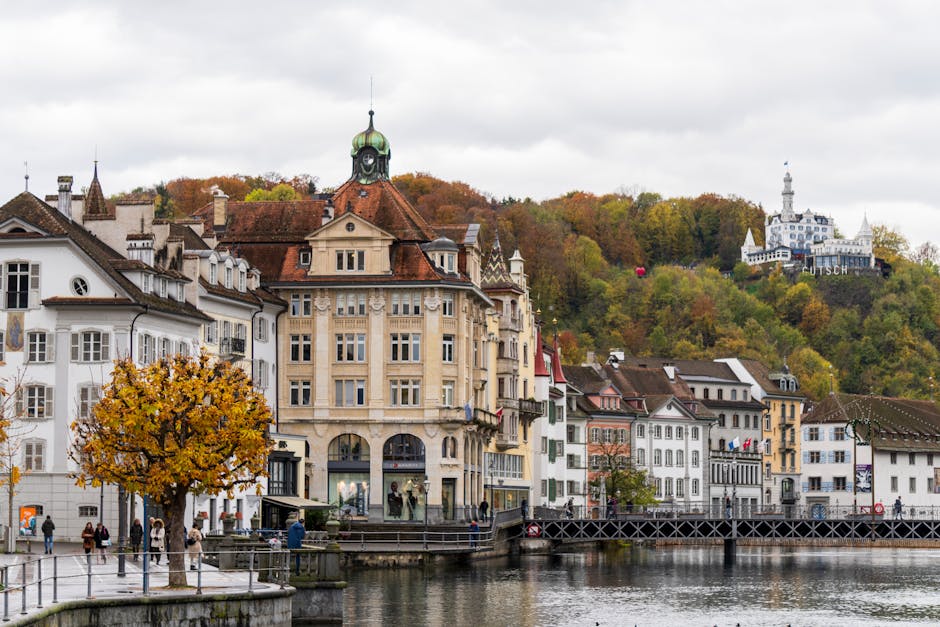
Discover Lucerne's creative soul. Explore the trendy Neustadt district featuring repurposed cultural hubs, indie boutiques, and local nightlife.
 Easy
EasyLucerne, Switzerland
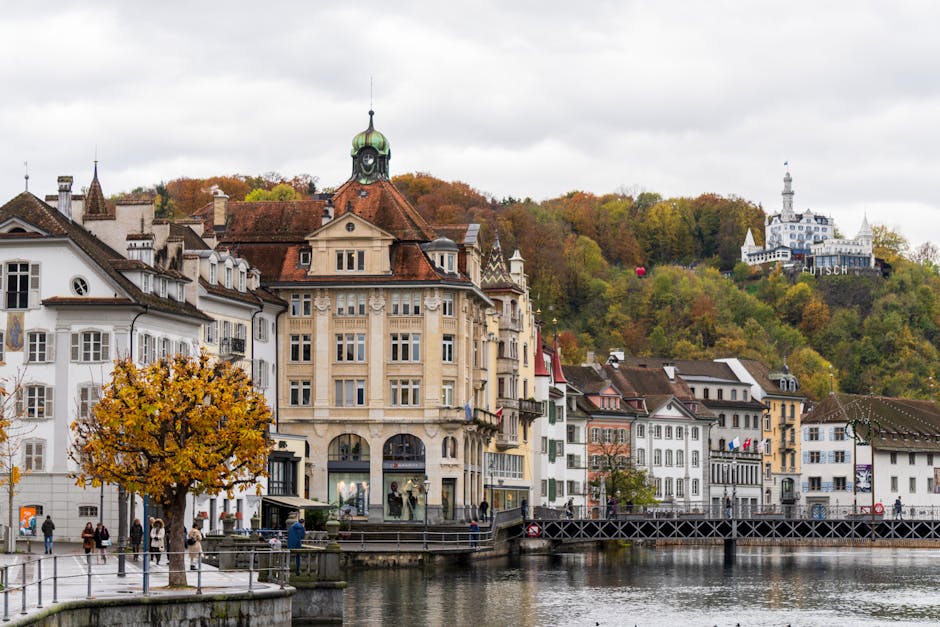
Uncover the emotional history and ancient wonders of Lucerne on this self-guided walk through the Lion Monument and the prehistoric Glacier Garden.
 Easy
EasyLucerne, Switzerland
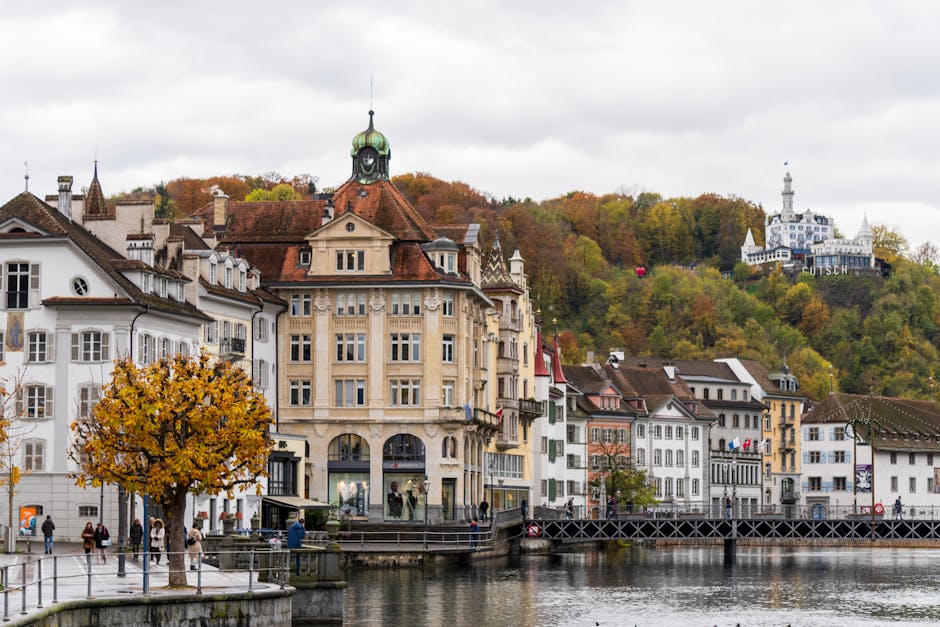
Explore Lucerne's sacred history on this self-guided audio walk through stunning cathedrals and historic chapels.
 Easy
EasyLucerne, Switzerland
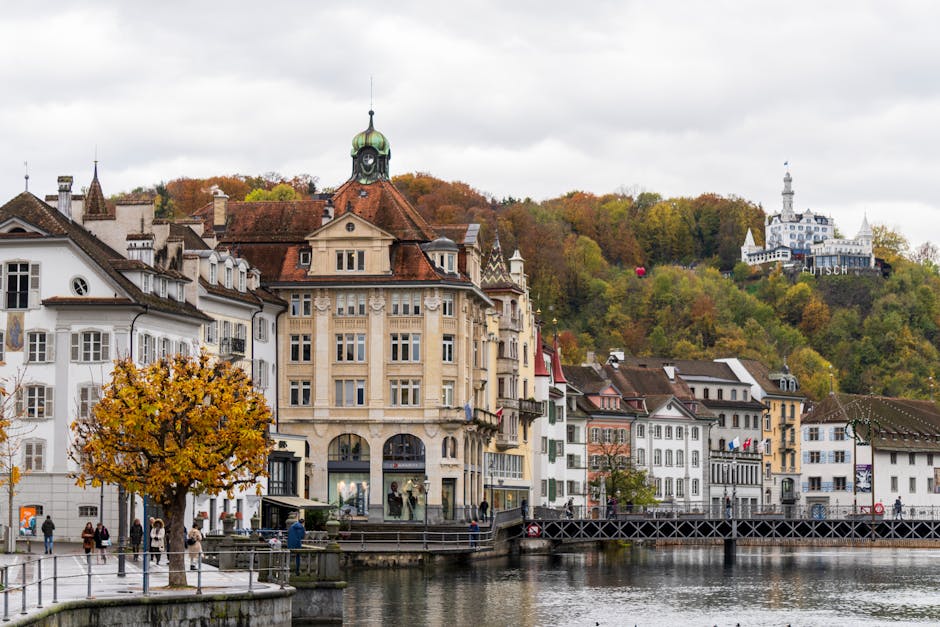
Discover Lucerne's nocturnal side on this self-guided walk from historic riverside breweries to panoramic rooftop bars and hidden underground clubs.
 Easy
EasyGdansk, Poland
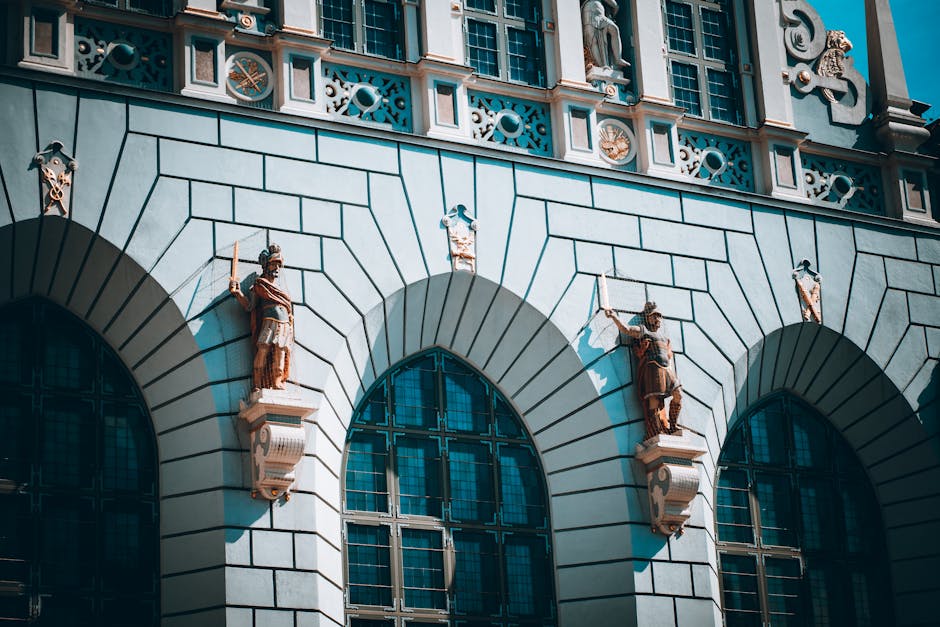
Discover the opulent Royal Way of Gdansk at your own pace. Explore Hanseatic history, gilded architecture, and the iconic Neptune's Fountain.
 Easy
EasyGdansk, Poland
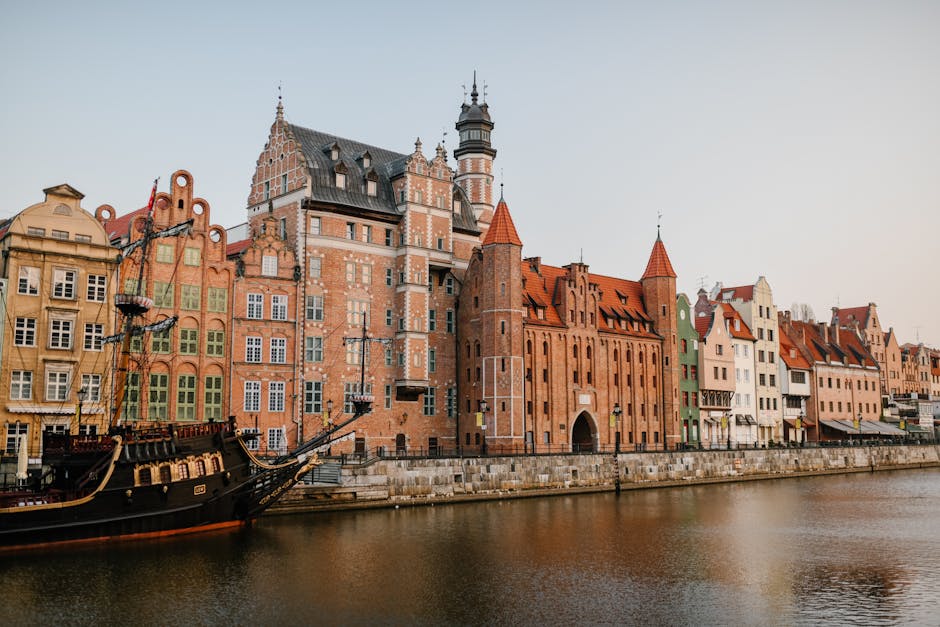
Discover the 'Baltic Gold' on this self-guided walk through Gdansk's historic mills, massive cathedrals, and the magical Mariacka Street.
 Easy
EasyNairobi, Kenya
Discover Nairobi's iconic skyline on this self-guided architecture walk through the CBD’s most famous modernist and Brutalist landmarks.
 Easy
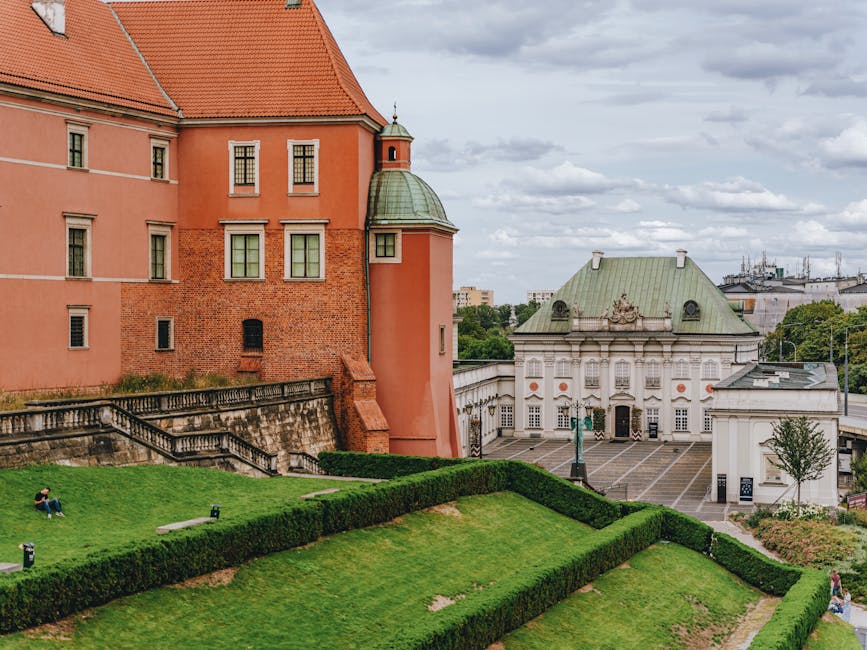
EasyWarsaw, Poland
Explore the miracle of Warsaw's reconstructed Old Town on this self-guided walk through royal squares, medieval walls, and heroic monuments.
 Easy
EasyGeneva, Switzerland
Explore Geneva's bohemian heart on this self-guided walk through flea markets, contemporary art galleries, and literary landmarks.
 Easy
EasyGeneva, Switzerland
Discover the lives of Rousseau and Voltaire on this self-guided literary walking route through the historic heart of Enlightenment-era Geneva.
 Moderate
Geneva, Switzerland
Uncover Geneva’s secrets on this self-guided walk through the Old Town’s historic streets, from the Reformation Wall to medieval cathedrals.
 Easy
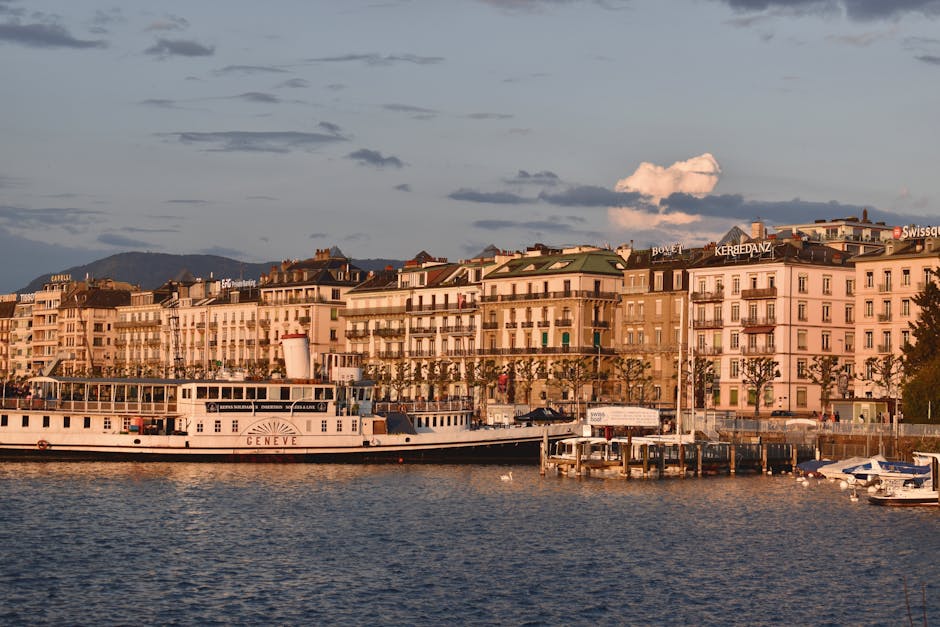
EasyGeneva, Switzerland
Discover the Mediterranean soul of Geneva. Explore Carouge’s Sardinian architecture, artisan workshops, and hidden gardens on this self-guided walk.