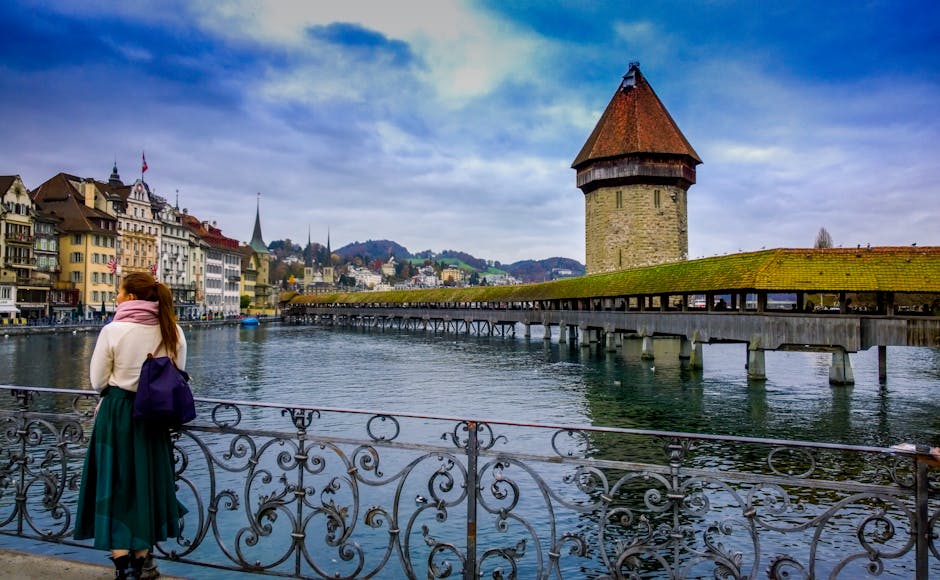
Self-guided audio tour in Lucerne
Start Free on iPhone
Start free on iPhone to unlock this self-guided walking tour in Lucerne. Hear all the stories that make it amazing, walk at your own pace, and begin whenever you want.
Your Private Tour Guide
Step into a living canvas where every facade tells a story of medieval power, festive legends, and artistic mastery. This self-guided walk through Lucerne's Altstadt (Old Town) invites you to explore the 'Painted Squares,' a collection of pedestrian-friendly plazas famous for their intricate frescoes and ornate guild houses. Unlike a traditional walking tour Lucerne might offer in a large group, this neighborhood stroll allows you to linger under the gaze of stone saints and legendary figures at your own pace. You will begin at the Kapellplatz, where the spirit of the Lucerne Carnival is immortalized in stone, before winding through the narrow alleys that reveal the city's Renaissance grandeur. As you navigate this walking route, you will discover the secrets of the powerful guilds that once governed the city's commerce. The murals you see—known as Lüftlmalerei—are not merely decorative; they are historical documents depicting biblical scenes, local folklore, and the wealth of the merchant class. From the arcaded halls of the Old Town Hall to the vibrant, photogenic facades of Hirschenplatz, the route captures the essence of a city that has meticulously preserved its medieval character. You will see how the Am-Rhyn-Haus reflects the transition from Gothic to Renaissance styles and stand in the Weinmarkt, arguably the most beautiful square in Switzerland, where historic oaths were once sworn. This audio walk is perfect for those who want to dive deep into the symbolism of Swiss art without the constraints of a schedule. Whether you are a photography enthusiast looking for the perfect angle of a gilded sign or a history buff curious about the legend of Brother Fritschi, this self-guided adventure provides the context needed to truly 'read' the walls of Lucerne. This experience is one of the most rewarding ways to enjoy a walking tour Lucerne has to offer, focusing on the hidden details that many travelers overlook while rushing toward the lake. Prepare to look up and lose yourself in the painted history of the Lucerne Altstadt.
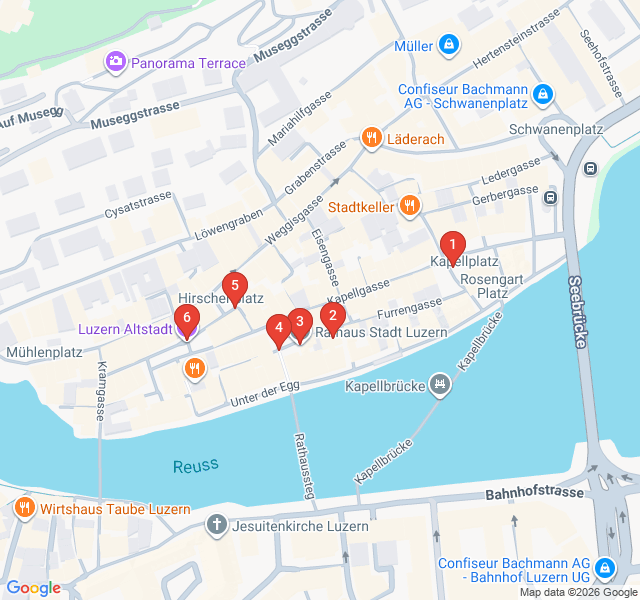
Numbers indicate the order of stops on the tour.
Welcome to Kapellplatz, the heart of Lucerne’s festive tradition. Before you stands the Fritschibrunnen, or the Fritschi Fountain. This colorful monument is dedicated to Brother Fritschi, a legendary figure central to Lucerne’s Carnival, or 'Fasnacht.' Look closely at the faces on the column; they represent different characters from the carnival’s history. The fountain was originally built in the 16th century, though the version you see today dates to 1918. It serves as the starting point for the annual carnival parade. Legend says Fritschi was a farmer who left money to the city to provide wine to the poor during the festivities. It is a symbol of the city's jovial spirit and its deep-rooted medieval customs.
Just a short walk away, the Am-Rhyn-Haus represents the peak of Lucerne’s Renaissance architecture. Built between 1616 and 1618 for the mayor, Walther Am Rhyn, this building moved away from the traditional wooden structures of the time toward stone elegance. Notice the balanced proportions and the rhythmic placement of the windows. While it now houses a renowned art collection, the building itself is the primary exhibit here. It served as a private residence for one of Lucerne’s most influential families for centuries. The interior still boasts magnificent coffered ceilings and tiled stoves, reflecting the immense wealth generated by the city's trade elite during the 17th century.
Standing before the Rathaus, or Old Town Hall, you are looking at one of the most beautiful public buildings in Switzerland. Constructed between 1602 and 1606, it was designed by the Italian architect Anton Isenmann. He brought the flair of the Italian Renaissance to the heart of Lucerne. Look at the ground floor—the open arcades once served as a bustling marketplace where local farmers and traders sold their goods. Above, the tall clock tower served both as a timekeeper and a symbol of civic authority. The roof is a classic Swiss design, built to shed heavy winter snow, creating a unique fusion of Mediterranean style and Alpine practicality.
You are now in the Kornmarkt, which literally translates to 'Grain Market.' For centuries, this was the commercial hub of Lucerne. The square is surrounded by grand houses that once belonged to the city's wealthiest merchant families. As you look around, you can see how the squares in Lucerne flow into one another, creating a sequence of 'outdoor rooms.' The Kornmarkt was not just for grain; it was the site of public announcements and civic gatherings. Notice the ornate guild signs hanging from the buildings—these served as advertisements in an era when many people could not read, using symbols to indicate what was sold or crafted inside.
Prepare your camera for Hirschenplatz, perhaps the most intricately painted square in the city. The name comes from the 'Hirschen' or Stag Inn that has stood here since the medieval era. The facades here are covered in elaborate frescoes that were largely restored or added in the late 19th and early 20th centuries. One of the most famous murals depicts the Greek hero Hercules, symbolizing strength and virtue. These paintings were a way for the building owners to display their education, worldliness, and status. The square's narrow exits and colorful walls create an almost theatrical atmosphere, making it a favorite spot for artists and travelers alike.
We conclude our walk at the Weinmarkt, the Wine Market. This square is steeped in history; in 1332, it was here that the citizens of Lucerne swore their oath of confederacy with the forest cantons of Uri, Schwyz, and Unterwalden, forming the core of Switzerland. The centerpiece is the Weinmarkt Fountain, considered the most beautiful Gothic fountain in the country. The figures on the fountain represent Saint Maurice and other warriors. While the fountain you see is a high-quality replica (the original is in the History Museum), it still captures the medieval grandeur of the square. The surrounding buildings, like the Müllersche Haus, feature some of the most delicate fresco work in the city, depicting biblical scenes and floral patterns.
Start Free on iPhone
Explore “Painted Squares and Guild Secrets” with your very own Private Tour Guide with Zigway. Start free on iPhone, skip the large group and the fixed routes, and hear the city come alive as you go.
Your Private Tour Guide
Don't miss the good stuff
Explore Freely
 Easy
EasyLucerne, Switzerland
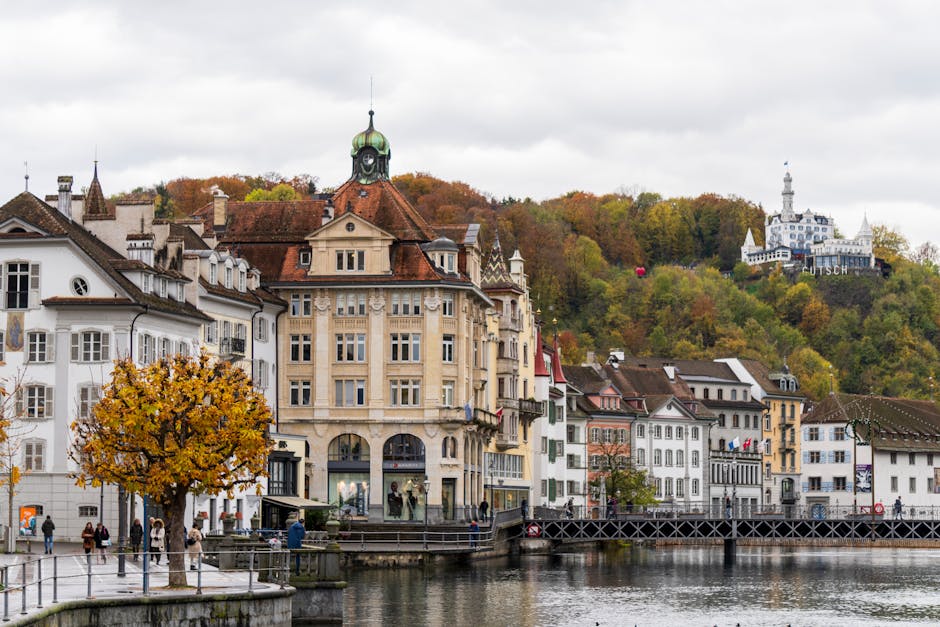
Discover Lucerne's creative soul. Explore the trendy Neustadt district featuring repurposed cultural hubs, indie boutiques, and local nightlife.
 Easy
EasyLucerne, Switzerland
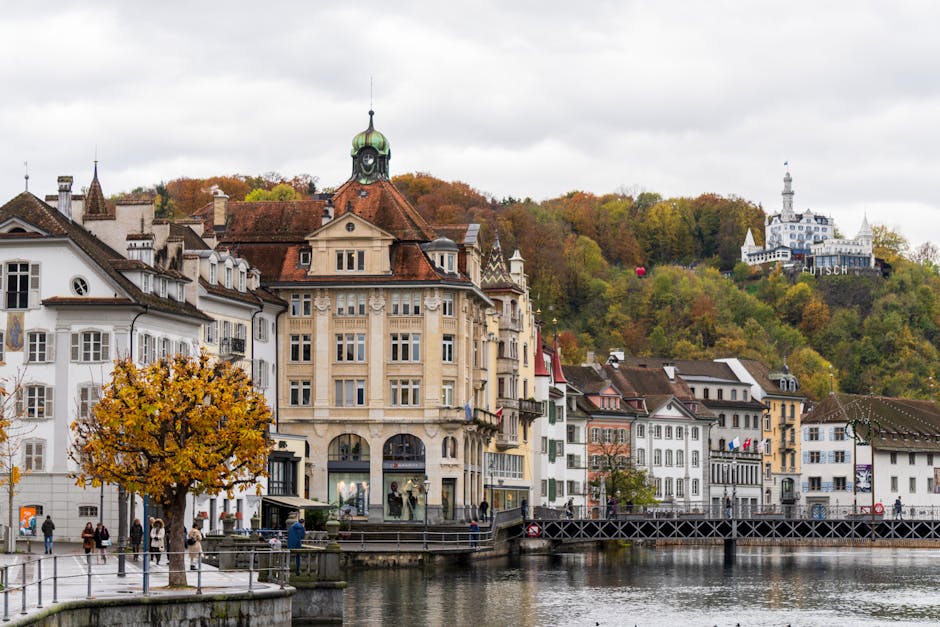
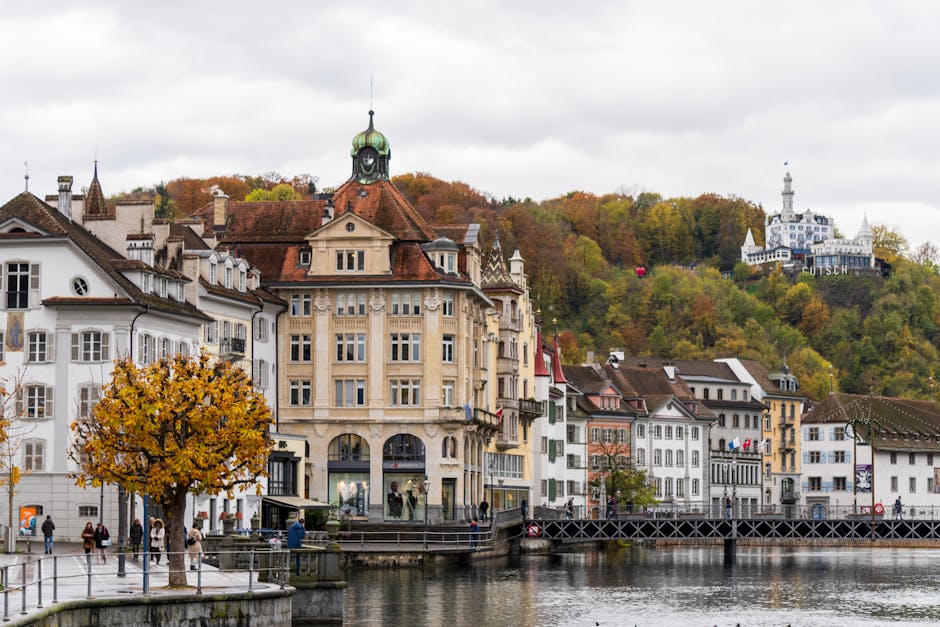
Uncover the emotional history and ancient wonders of Lucerne on this self-guided walk through the Lion Monument and the prehistoric Glacier Garden.
 Easy
EasyLucerne, Switzerland
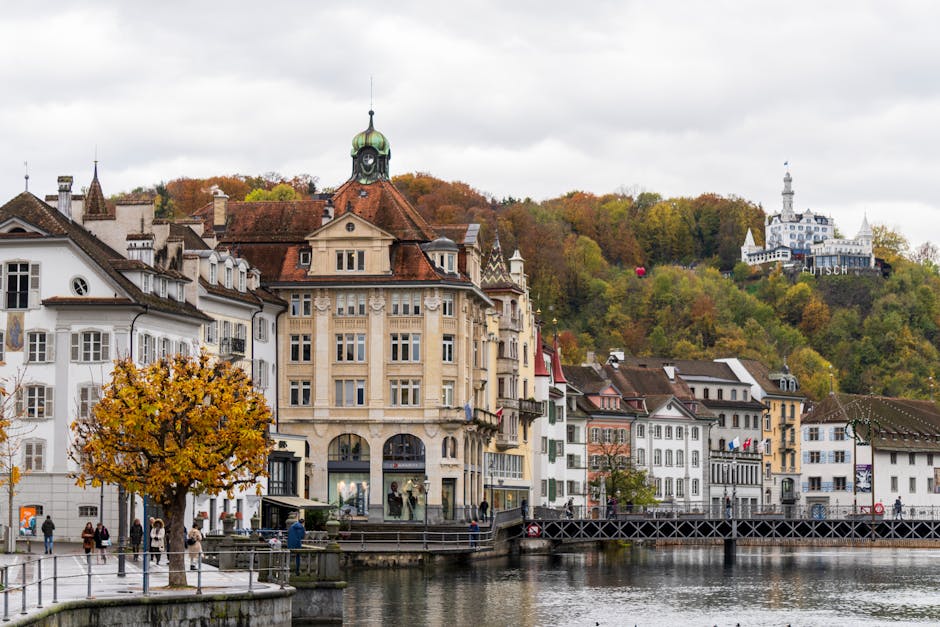
Explore Lucerne's sacred history on this self-guided audio walk through stunning cathedrals and historic chapels.
 Easy
EasyLucerne, Switzerland
Discover Lucerne's nocturnal side on this self-guided walk from historic riverside breweries to panoramic rooftop bars and hidden underground clubs.
 Easy
EasyNairobi, Kenya
Explore Nairobi's architectural evolution from colonial-era landmarks to iconic Brutalist skyscrapers on this historic self-guided walking route.
 Easy
EasyNairobi, Kenya
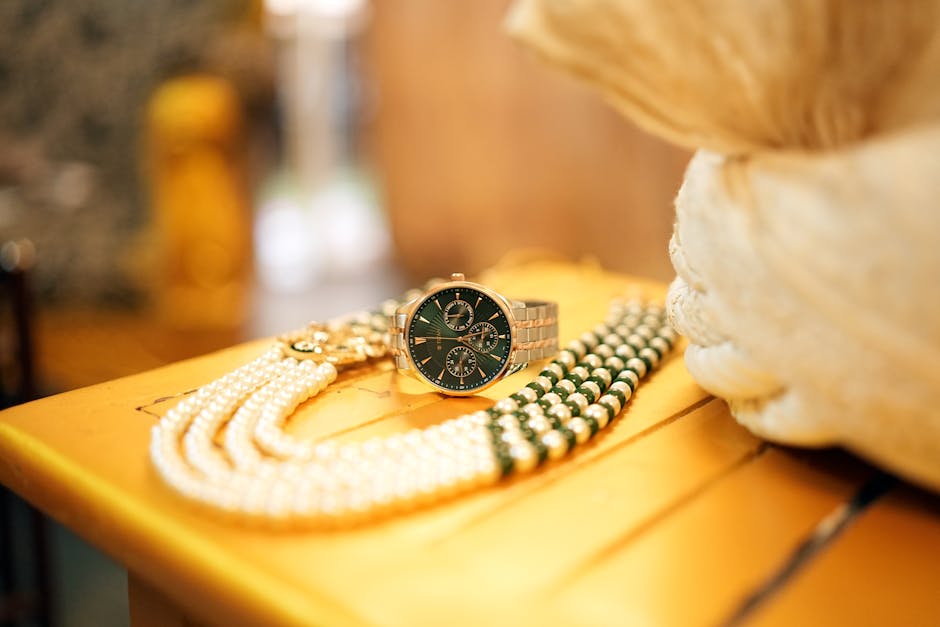
Discover Nairobi's iconic skyline on this self-guided architecture walk through the CBD’s most famous modernist and Brutalist landmarks.
 Easy
EasyKrakow, Poland
Explore the prestigious Jagiellonian University district, featuring Neo-Gothic architecture, Baroque churches, and Krakow's hidden scholarly gems.
 Easy
EasySalzburg, Austria
Discover the 'Rome of the North' on this self-guided walk through the Baroque squares and monumental legacy of Salzburg’s Prince-Archbishops.
 Easy
EasyGeneva, Switzerland
Explore Geneva's bohemian heart on this self-guided walk through flea markets, contemporary art galleries, and literary landmarks.
 Easy
EasyGeneva, Switzerland
Discover the lives of Rousseau and Voltaire on this self-guided literary walking route through the historic heart of Enlightenment-era Geneva.
 Moderate
Geneva, Switzerland
Uncover Geneva’s secrets on this self-guided walk through the Old Town’s historic streets, from the Reformation Wall to medieval cathedrals.
 Easy
EasyGeneva, Switzerland
Discover the Mediterranean soul of Geneva. Explore Carouge’s Sardinian architecture, artisan workshops, and hidden gardens on this self-guided walk.