Self-guided audio tour in Cork
Start Free on iPhone
Start free on iPhone to unlock this self-guided walking tour in Cork. Hear all the stories that make it amazing, walk at your own pace, and begin whenever you want.
Your Private Tour Guide
Cork is a city built on an archipelago, and nowhere is its connection to the water more evident than in the historic Docklands. This self-guided walk invites you to explore the maritime heart of the 'Rebel City,' where the River Lee splits into two channels before heading out to the Atlantic. As you follow this walking route, you will uncover the story of the 'Merchant Princes' who transformed a swampy marshland into one of the most important trading hubs in the British Empire. The architecture here tells a story of global ambition, from the neoclassical grandeur of the Custom House to the industrial warehouses that once stored butter and grain destined for the corners of the globe. Begin your self-guided adventure at the Brian Boru Bridge, a landmark that symbolizes the city's connection to its ancient past and its industrial peak. From there, you will stroll along the quays where massive sailing ships once moored, their masts creating a forest of timber against the Irish sky. You will see the Port of Cork’s historic headquarters, a site that has managed the city’s maritime traffic for centuries. This neighborhood stroll is not just about the past; it also showcases the modern rejuvenation of the Docklands, where sleek glass offices now stand alongside limestone wharves. Discover at your own pace the fascinating details hidden in plain sight, such as the intricate stonework of Lapp’s Quay or the cultural significance of the Echo Boy statue. This walking tour Cork experience highlights the resilience of a city that has survived floods, sieges, and economic shifts. Whether you are a history buff interested in 18th-century trade or an architecture enthusiast admiring the transition from Georgian to modern styles, this maritime route offers a unique perspective on Cork’s identity. Explore independently and soak in the atmosphere of the river, the salt air, and the echoes of the merchants who built this city.
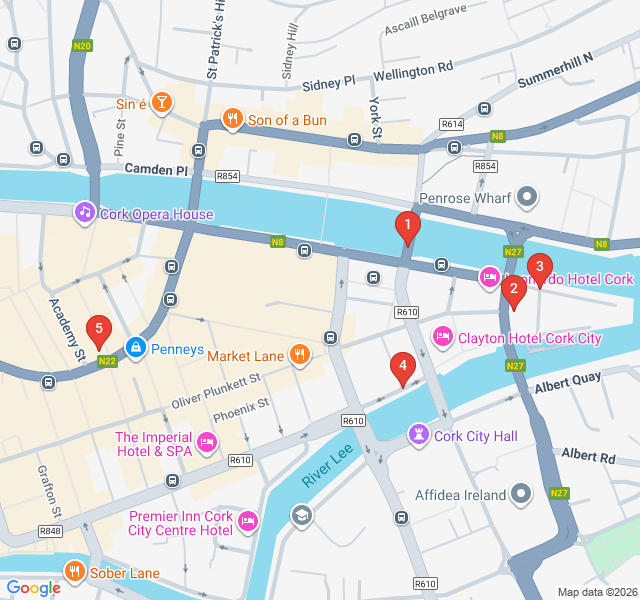
Numbers indicate the order of stops on the tour.
Start exploring with Zigway at the Brian Boru Bridge, a vital link between the city center and the northern docks. Named after the High King of Ireland who famously defeated the Vikings, this bridge was opened in 1912. It replaced an earlier wooden structure to accommodate the increasing weight of industrial traffic. Notice the heavy ironwork and the bascule mechanism; this was once a lifting bridge that allowed tall ships to pass further up the Lee. Standing here, you can see the river split, surrounding the island heart of Cork. It is the perfect vantage point to appreciate how the city was literally carved out of the water, setting the stage for its maritime dominance.
The Port of Cork sign and the historic buildings nearby mark the nerve center of the city’s trade. For centuries, this site managed the arrival of exotic spices, wine, and coal, while exporting Irish butter and beef to the Americas and beyond. The Port of Cork Company is one of the oldest commercial entities in the world, tracing its roots back to the 1700s. As you look around, imagine the chaos of the 19th-century docks: the shouting of stevedores, the smell of salt and timber, and the constant movement of cranes. This area represents the transition from a local market town to a global player in the maritime world.
Custom House Quay is home to one of Cork's most beautiful buildings. Designed by architect William Hargrave and completed in 1818, the Custom House is a masterpiece of neoclassical design. Its semicircular form was built to follow the curve of the river, ensuring that every ship entering the port would be greeted by this symbol of administrative power. Inside, the 'Long Room' was once where merchants paid their duties. The limestone facade, carved from local quarries, has weathered centuries of Atlantic storms. It serves as a reminder of the wealth generated during the 'Golden Age' of Cork's merchant princes, who built the city into a global hub.
Lapp's Quay is named after the Lapp family, who were prominent merchants in the 18th century. This area was originally a marshy island, reclaimed as the city expanded eastward. Today, it is a blend of old and new, where historic stone walls meet contemporary glass architecture. This quay was once lined with warehouses and shipping offices. As you walk, notice how the area has been transformed into a vibrant business district. The rejuvenation of Lapp's Quay is a testament to Cork's ability to reinvent itself while respecting its maritime foundations. It remains one of the most scenic stretches of the river, offering a peaceful contrast to the bustling city streets nearby.
Conclude your walking route at the Echo Boy statue near the Parnell Place bus station. This bronze figure, sculpted by Barry Moloney, commemorates the young boys who sold the 'Evening Echo' newspaper on the streets of Cork. Their distinctive call—'Echo, Evening Echo!'—is a sound that has echoed through the city for generations. For many locals, the Echo Boy is a symbol of the city's working-class spirit and resilience. The newspaper itself, founded in 1892, has documented every major event in Cork's maritime and social history. Standing here, you are at the gateway to the modern city, where the stories of the docks meet the daily rhythm of contemporary life.
Start Free on iPhone
Explore “Maritime Merchants and Docklands” with your very own Private Tour Guide with Zigway. Start free on iPhone, skip the large group and the fixed routes, and hear the city come alive as you go.
Your Private Tour Guide
Don't miss the good stuff
Explore Freely
 Easy
EasyCork, Ireland
Explore the architectural evolution of Cork on this self-guided walk across the iconic bridges of the River Lee's North and South channels.
 Easy
EasyCork, Ireland
Discover Cork’s literary heart on this self-guided walk through historic libraries, iconic bookshops, and academic landmarks.
 Easy
EasyCork, Ireland
Explore the scenic River Lee, the iconic Shakey Bridge, and the historic Gothic architecture of University College Cork on this peaceful stroll.
 Easy
EasyCork, Ireland
Explore Cork's vibrant urban gallery with this self-guided walk through the Ardú Street Art Trail's massive murals.
 Easy
EasyGothenburg, Sweden
Explore Gothenburg's maritime soul on this self-guided walk from historic shipyards to sleek modern piers and iconic industrial landmarks.
 Easy
EasyGothenburg, Sweden
Discover Gothenburg’s 17th-century Dutch foundations, historic canals, and military fortifications on this self-guided architectural walk.
 Easy
EasyGdansk, Poland
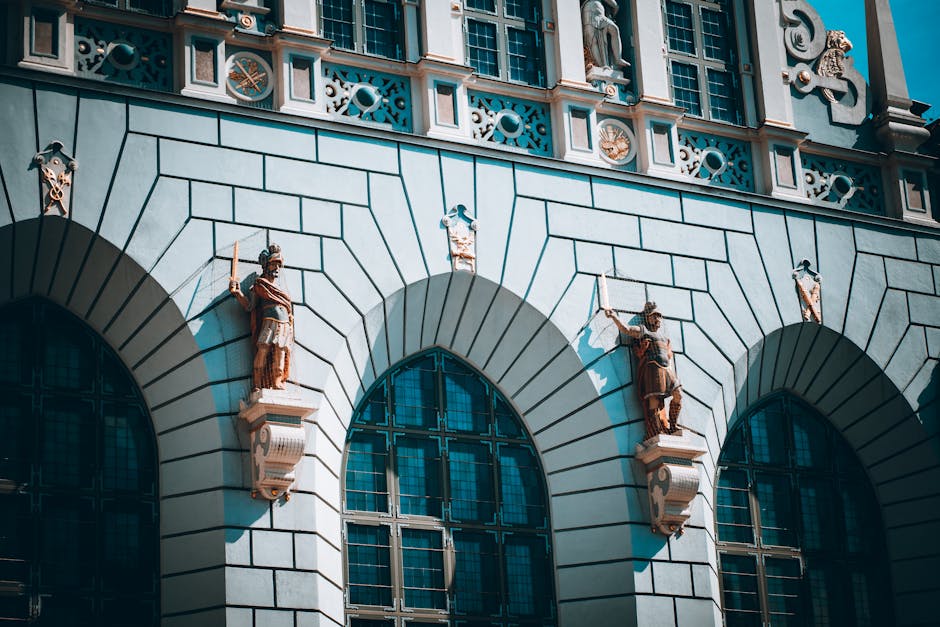
Discover the opulent Royal Way of Gdansk at your own pace. Explore Hanseatic history, gilded architecture, and the iconic Neptune's Fountain.
 Easy
EasyHelsinki, Finland
Discover Helsinki's oldest neighborhood on this self-guided audio walk through Kruununhaka’s historic streets, hidden courtyards, and scenic shores.
 Easy
EasyDublin, Ireland
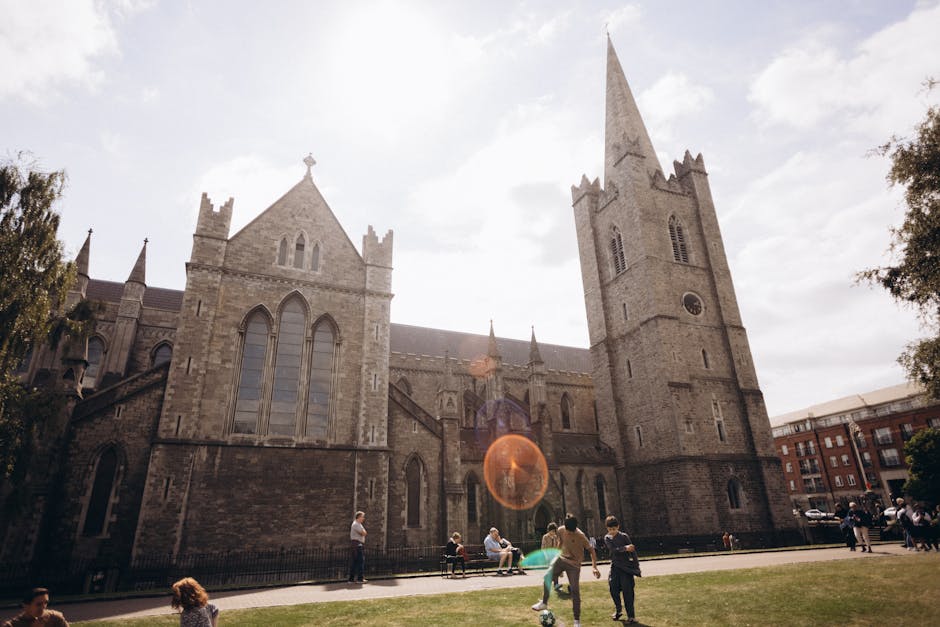
Explore Dublin's 'Silicon Docks' on this self-guided walk featuring futuristic bridges, famine history, and world-class modern architecture.
 Moderate
Dublin, Ireland
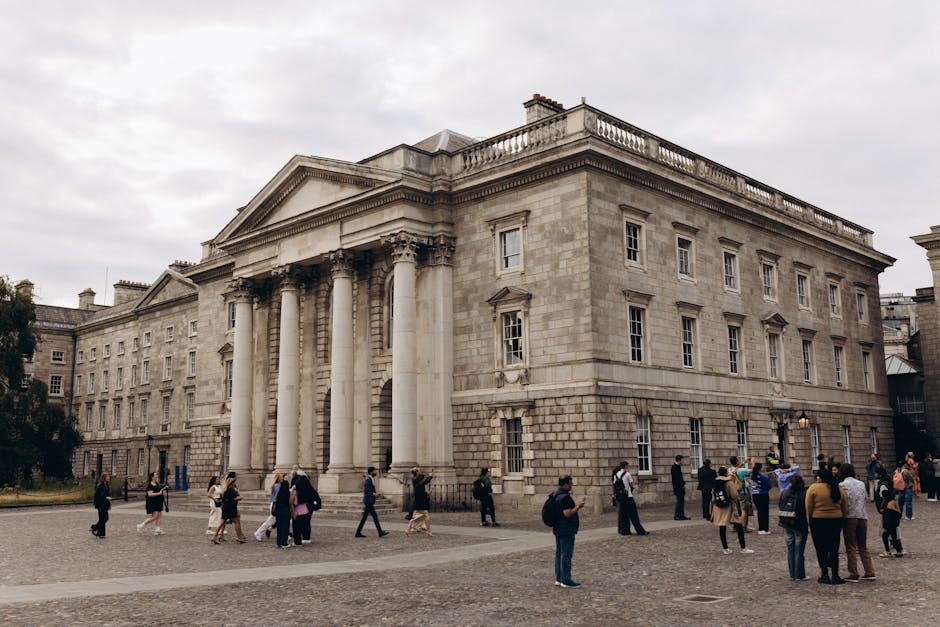
Uncover Dublin’s macabre history on this self-guided walk featuring mummies, medieval rebels, and the city’s most infamous legends.
 Moderate
Dublin, Ireland
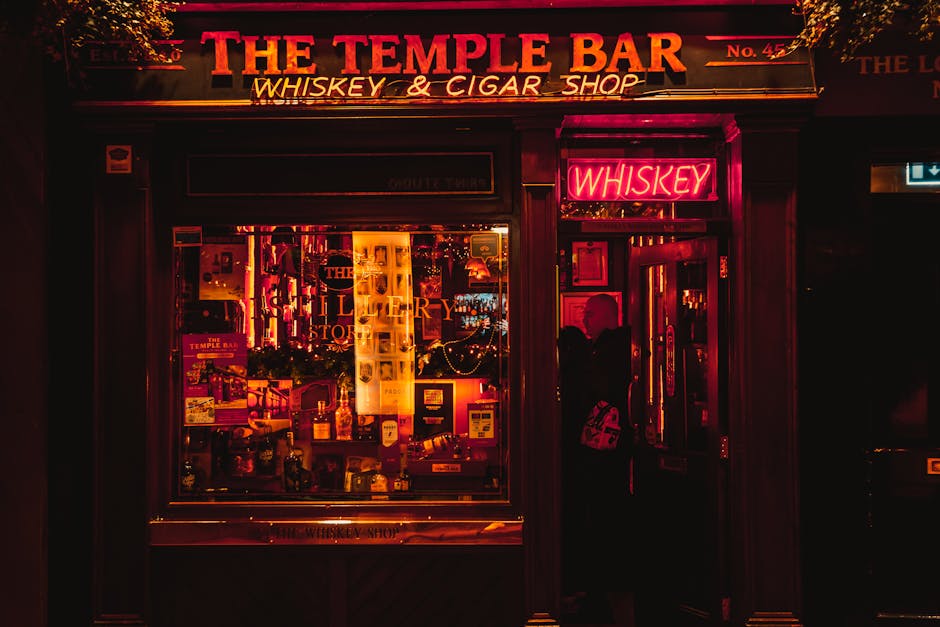
Discover Dublin's poetic waterways and modern docks on this self-guided walk through leafy canals and glass-fronted tech hubs.
 Easy
EasyDublin, Ireland
Explore Dublin's storied streets at your own pace on this self-guided literary walk, from Joyce’s statues to Wilde’s colorful memorial.