Self-guided audio tour in Porto
Start Free on iPhone
Start free on iPhone to unlock this self-guided walking tour in Porto. Hear all the stories that make it amazing, walk at your own pace, and begin whenever you want.
Your Private Tour Guide
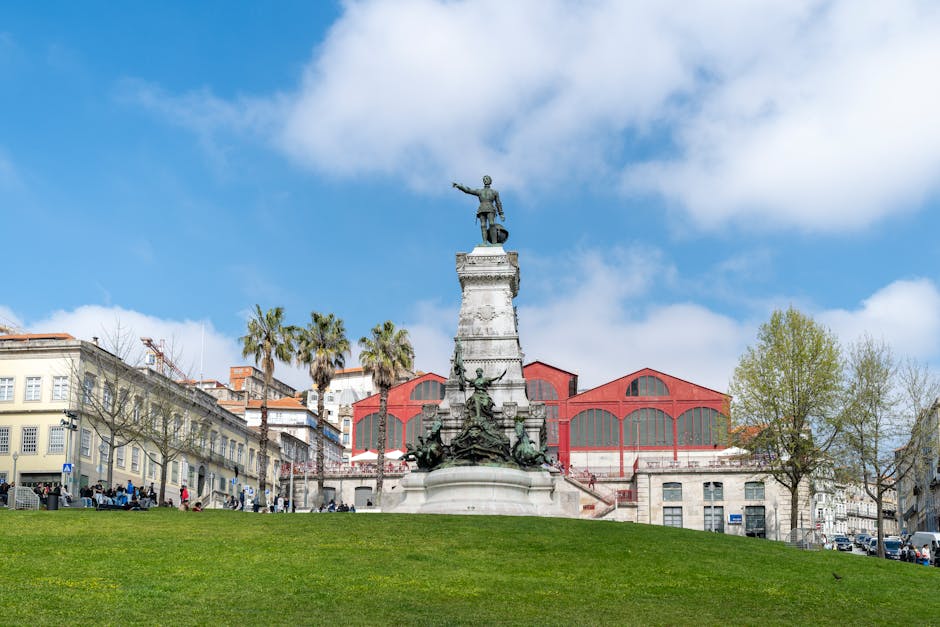
Before the neon lights of modern tourism, Porto was a city of soot, steam, and soaring iron. This self-guided walk takes you along the banks of the Douro to discover the mechanical heart of the city, where the Industrial Revolution transformed a medieval port into a global powerhouse of engineering. On this walking route, you will trace the evolution of transport and trade, starting from the clanging bells of the vintage tram system to the massive iron skeletons of bridges that once held world records for their daring spans. This isn't just a look at old machines; it's a journey through the ambition of 19th-century architects and the laborers who built the modern world. Your independent exploration begins at the Massarelos power station, now home to a stunning collection of vintage rolling stock, before moving toward the monumental Alfandega. This former customs house stands as a testament to Porto's maritime importance, where goods from across the empire were once processed. As you continue, you'll witness the architectural transition from heavy granite to the lightweight ironwork of Gustave Eiffel. The highlight for many is the Maria Pia Bridge, a masterpiece of 19th-century engineering that served as a precursor to the Eiffel Tower. This self-guided adventure concludes at the National Press Museum, where the industrialization of ideas takes center stage. This neighborhood stroll through Miragaia and along the riverfront offers a unique perspective on a walking tour Porto enthusiasts often overlook, focusing on the grit and genius that paved the way for the city's current UNESCO status. Whether you are a fan of civil engineering or simply enjoy the riverside breeze, this route provides a deep dive into the 'Iron Age' of the Douro.
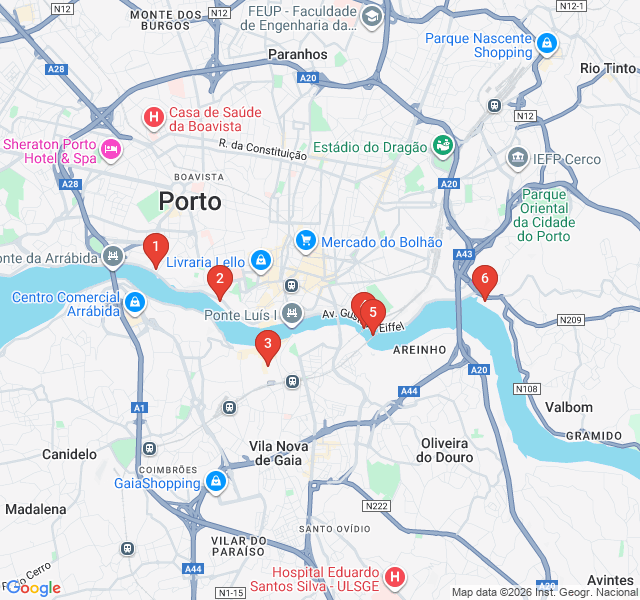
Numbers indicate the order of stops on the tour.
Welcome to the start of your self-guided walk. You are standing before the Museu do Carro Eléctrico, housed in the former Massarelos thermo-electric power station. This building was once the literal heart of Porto’s mobility, providing the electricity that powered the city's extensive tram network starting in the early 20th century. Inside, the collection spans from the original American-style horse-drawn 'mules' to the iconic yellow electric cars that still navigate Porto's hills today. Notice the industrial scale of the engine room and the beautifully restored wood and brass of the vintage carriages. It represents the moment Porto transitioned from animal power to the era of the machine.
As you walk toward the city center, you encounter the massive Alfandega Nova. Completed in the late 19th century, this was Porto’s new customs house. Its sheer scale—built on a massive stone platform to level the riverbank—shows just how much trade was flowing through the Douro. It was a high-tech facility for its time, featuring its own internal rail system to move heavy crates of port wine, textiles, and imported goods. Today, the building has been repurposed as a cultural center, but its austere, functional granite facade remains a symbol of the bureaucratic and commercial power that drove the city’s economy during the Industrial Revolution.
Crossing slightly toward the Gaia side or viewing it from the banks, you see the transformation of the historic wine warehouse district. World of Wine, or WOW, represents the modern evolution of Porto's industrial past. These buildings were once used for the aging and storage of Port wine, an industry that demanded massive logistics and specialized coopery. While it is now a cultural hub with museums dedicated to cork and chocolate, the architecture preserves the soul of the 18th and 19th-century storage houses. It’s a perfect example of how Porto’s industrial 'bones' are being used to support a 21st-century cultural economy.
Look up at the graceful iron arch of the Maria Pia Bridge. Built in 1877 by Gustave Eiffel and his partner Théophile Seyrig, this bridge was a global sensation. It was the longest single-arch span in the world at the time of its completion. If the style looks familiar, it’s because this project served as a technical rehearsal for the Eiffel Tower in Paris. Before this bridge, trains had to stop on either side of the river; this iron link finally connected the railways of northern and southern Portugal. Though it no longer carries trains, it remains one of the most significant examples of 19th-century wrought-iron engineering in Europe.
Standing in the shadow of the Maria Pia is its successor, the Ponte de São João, completed in 1991. The contrast here is striking: the delicate, lattice-like iron of the 19th century versus the massive, minimalist concrete of the 20th. Designed by Edgar Cardoso, this bridge was built to handle the heavier loads and higher speeds of modern rail traffic that the old Eiffel bridge could no longer support. It features one of the largest spans in the world for a concrete railway bridge. Together, these two structures tell the story of a century of engineering progress, spanning the gap between the age of steam and the age of high-speed transit.
Your walking route concludes at the Museu Nacional da Imprensa. While the bridges and trams moved people and goods, the printing press moved ideas. This museum celebrates the industrialization of the written word. Porto has a long history of independent thought and journalism, and this site houses a vast collection of printing machines, from manual wooden presses to high-speed industrial rotary machines. It’s a fitting end to our industrial journey, reminding us that the same spirit of mechanical innovation that built the bridges also revolutionized how we communicate. Take a moment to see the 'Gallery of Caricature' here, which honors the history of satire and free speech.
Start Free on iPhone
Explore “Iron, Steam, and the Industrial Douro” with your very own Private Tour Guide with Zigway. Start free on iPhone, skip the large group and the fixed routes, and hear the city come alive as you go.
Your Private Tour Guide
Don't miss the good stuff
Explore Freely
 Easy
EasyPorto, Portugal
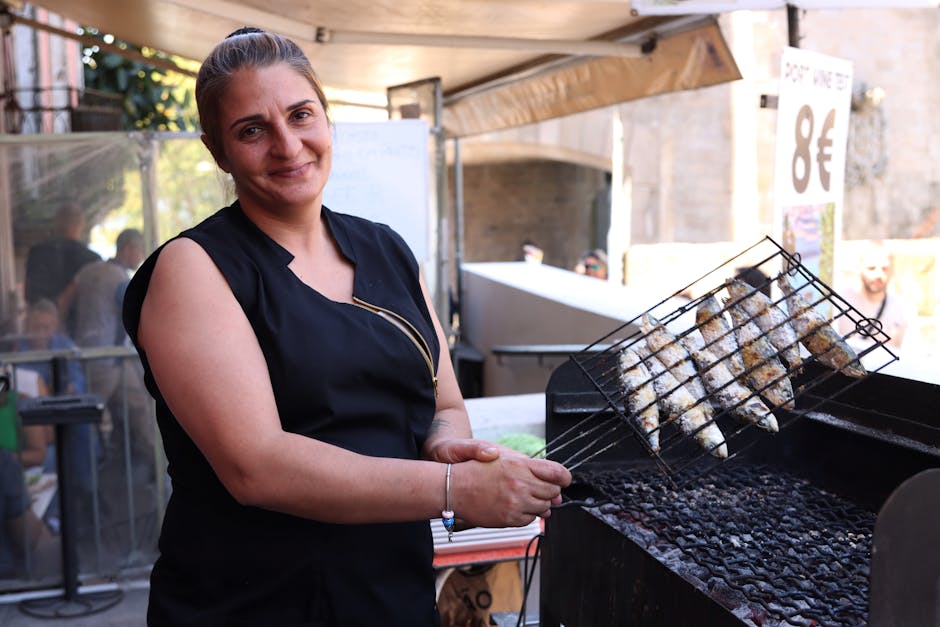
Taste the soul of Porto on this self-guided stroll through the historic Bolhão Market and its legendary surrounding food shops.
 Moderate
Porto, Portugal
Uncover the hidden history of Porto's Jewish community and the secrets of the Inquisition on this self-guided walking route through historic Miragaia.
 Challenging
Porto, Portugal
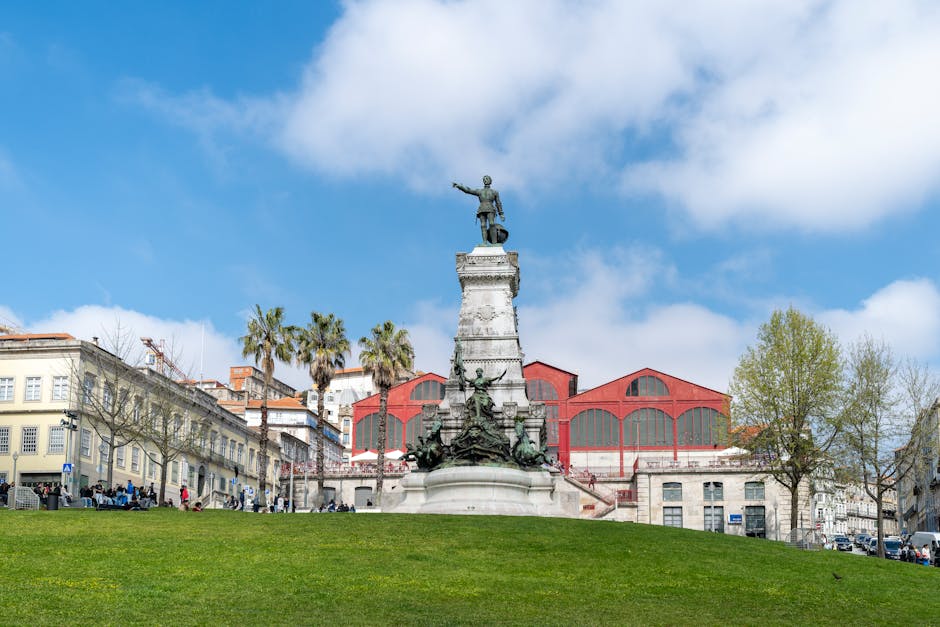
Explore Porto's 'High City' on this self-guided walk through Baroque landmarks, medieval cathedrals, and stunning panoramic viewpoints.
 Moderate
Porto, Portugal
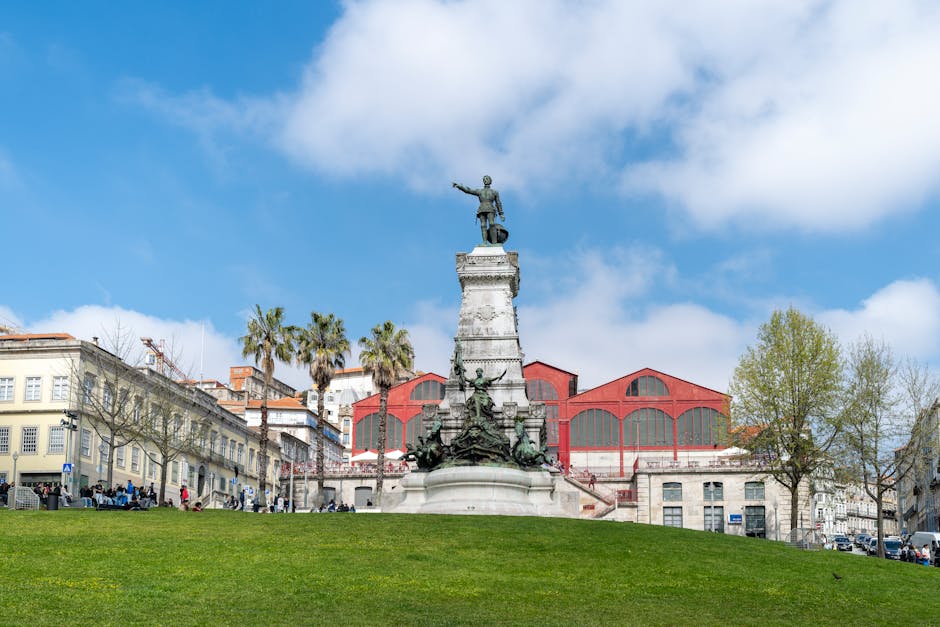
Explore Porto's UNESCO-listed riverside district at your own pace through medieval alleys, golden churches, and historic maritime landmarks.
 Moderate
Nairobi, Kenya
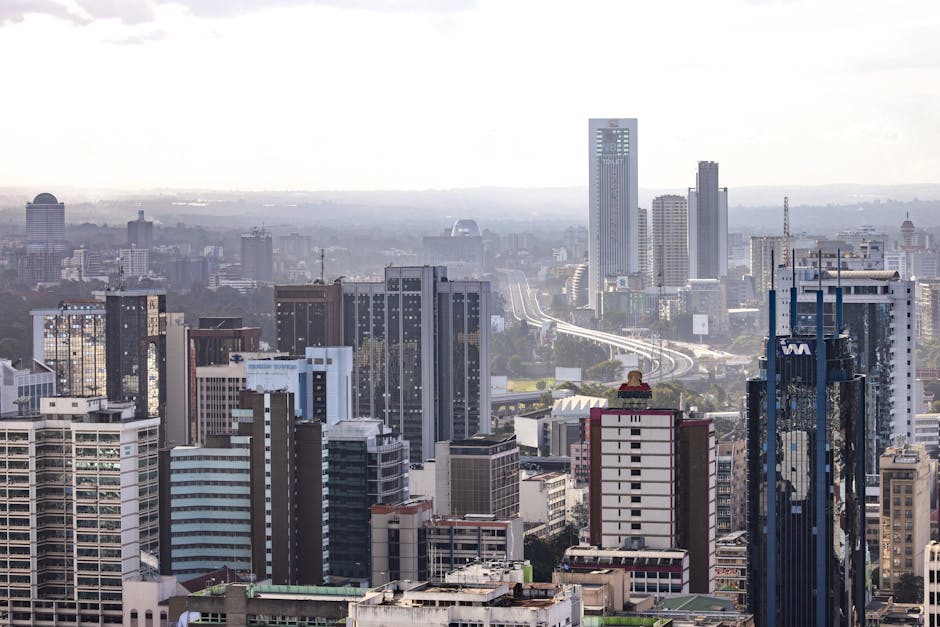
Discover Nairobi's lush side on this self-guided walk through botanical gardens, historic memorials, and vibrant local markets.
 Moderate
Gdansk, Poland
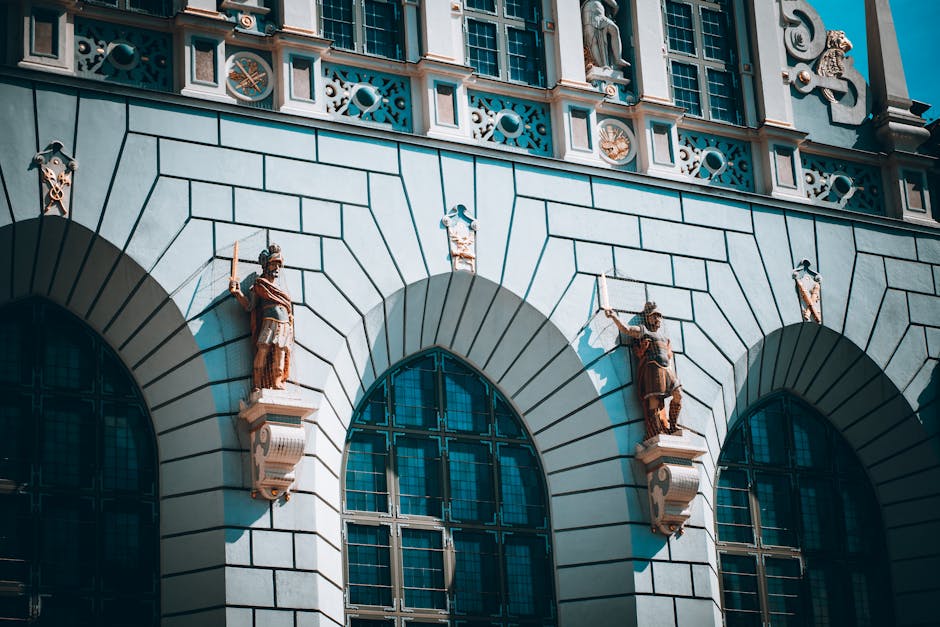
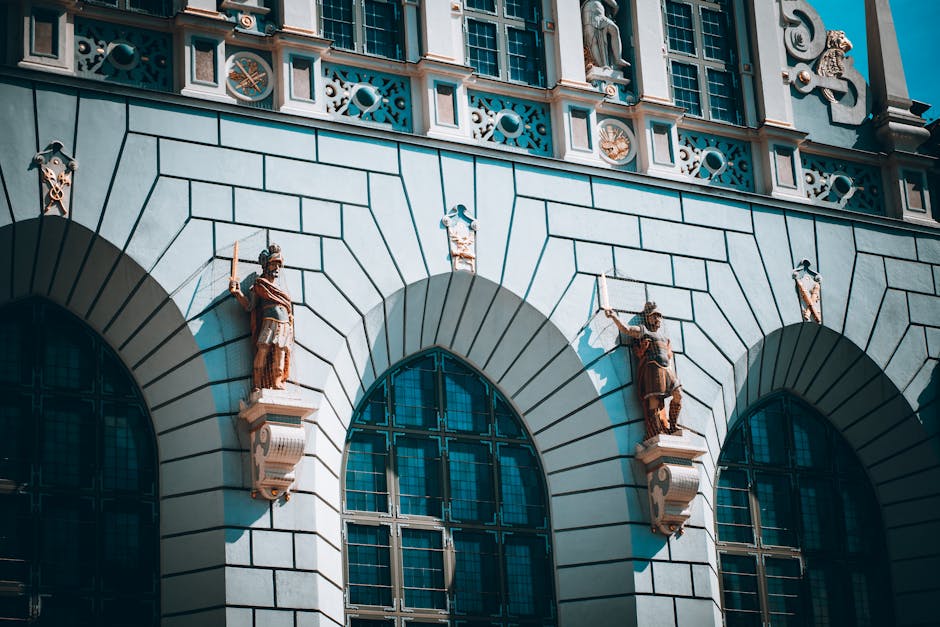
Discover the origins of WWII in Gdansk on this self-guided walk through heroic last stands, massive museums, and strategic hilltop fortifications.
 Moderate
Gdansk, Poland
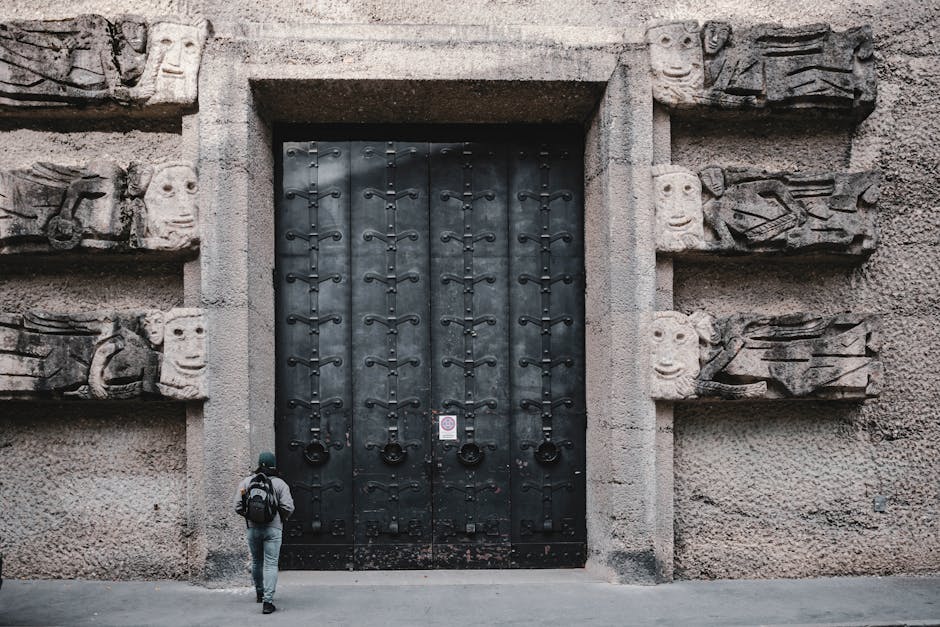
Discover Zaspa, a massive open-air gallery where grey housing blocks are transformed by over 60 monumental murals. Explore at your own pace.
 Easy
EasySalzburg, Austria
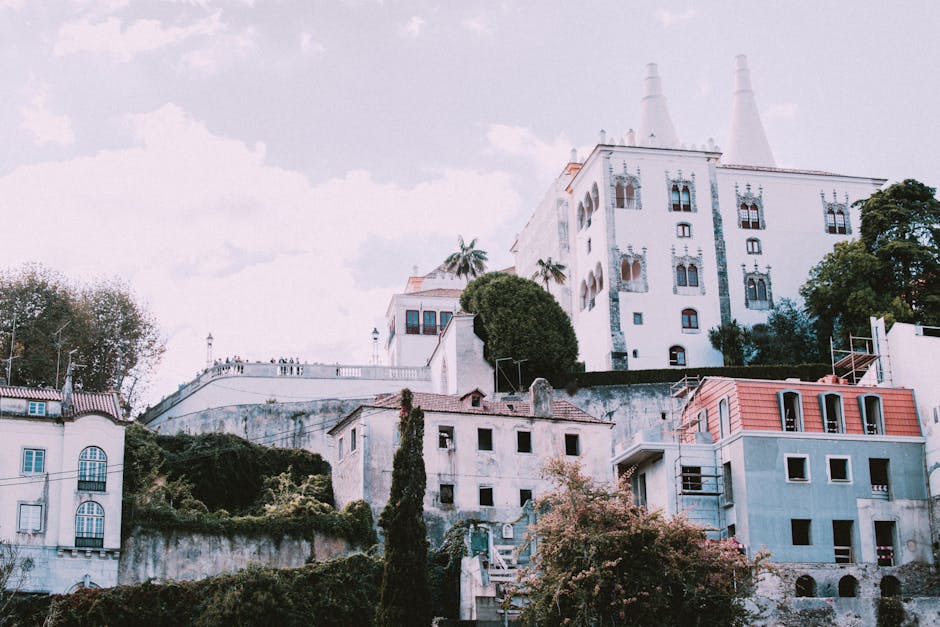
Discover Salzburg's oldest medieval alley, the birthplace of the 'Silent Night' author, and breathtaking views on this quiet self-guided walk.
 Moderate
Sintra, Portugal
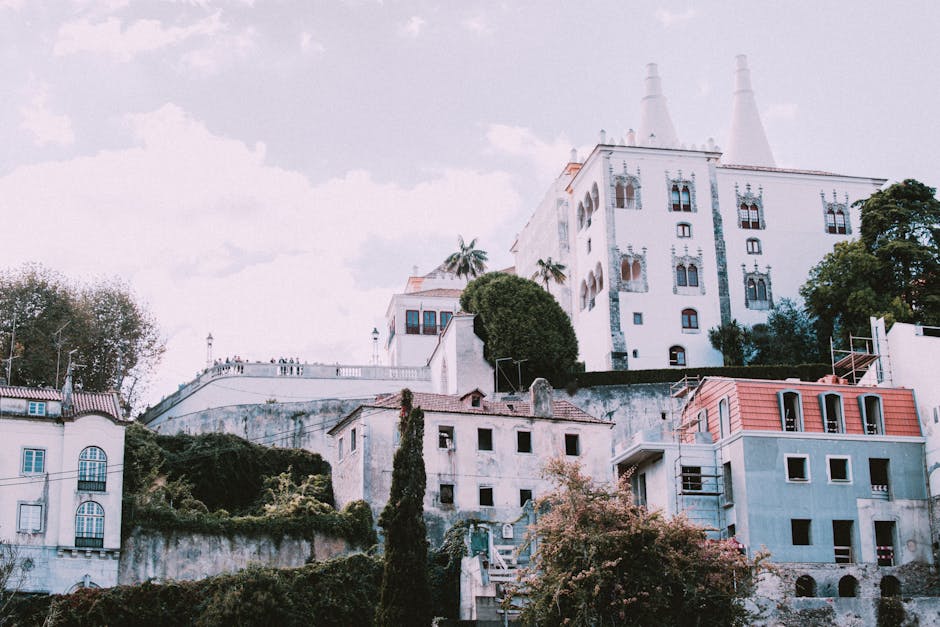
Explore an eclectic palace and its lush botanical gardens. Discover 19th-century Romanticism through exotic architecture and hidden chapel ruins.
 Moderate
Sintra, Portugal
Explore Sintra's most opulent 19th-century manors and mystical gardens on this self-guided audio walk through the historic Seteais district.
 Easy
EasySintra, Portugal
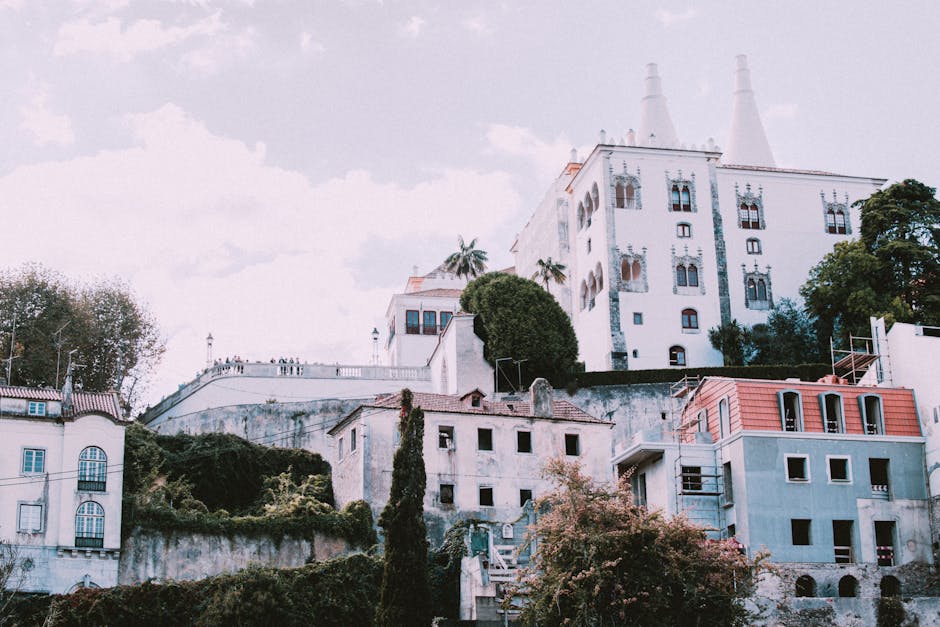
Explore Sintra's historic center on this self-guided walk through legendary bakeries, tasting iconic Travesseiros and Queijadas at your own pace.
 Challenging
Sintra, Portugal
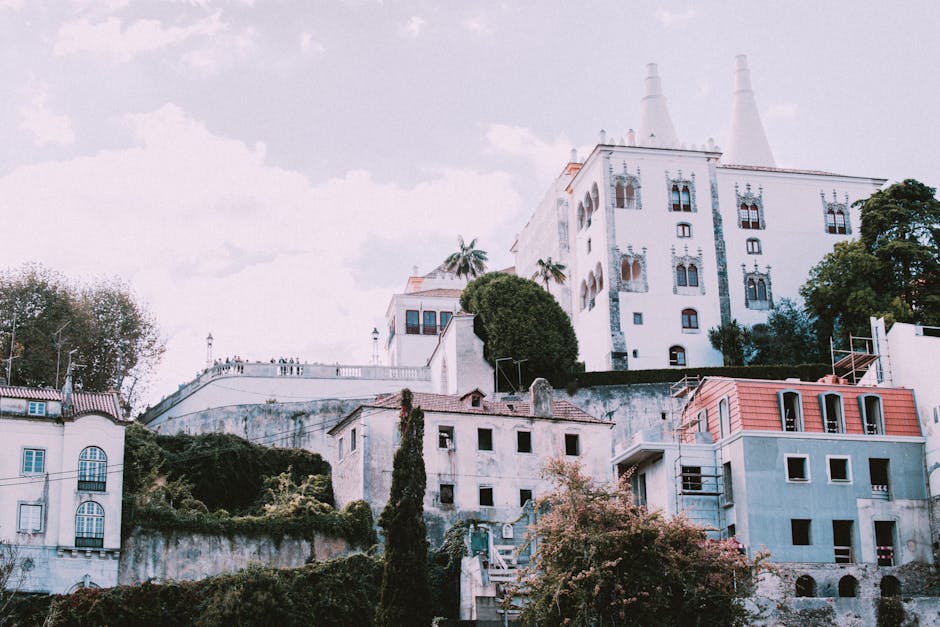
A challenging self-guided adventure through Sintra's highest peaks, designed to capture the perfect sunset shots of the Pena Palace and beyond.