Self-guided audio tour in Munich
Start Free on iPhone
Start free on iPhone to unlock this self-guided walking tour in Munich. Hear all the stories that make it amazing, walk at your own pace, and begin whenever you want.
Your Private Tour Guide
Step into the intellectual heart of Munich with this self-guided walk through Schwabing. Once a small village outside the city gates, Schwabing transformed during the 'Prinzregentenzeit' into a legendary bohemian enclave, rivaling Paris’s Montmartre. This neighborhood stroll invites you to walk the same streets as literary giants like Thomas Mann and revolutionary artists like Wassily Kandinsky. You will begin at the monumental Siegestor, a triumphal arch that serves as the symbolic gateway between the royal elegance of the city center and the free-spirited energy of the north. As you explore independently, you will witness the architectural shift from grand 19th-century facades to the bold, modern presence of the 'Walking Man' sculpture. The route leads you through the buzzing social hub of Münchner Freiheit and along the wide, poplar-lined Leopoldstraße, where the cafe culture of the 1960s sparked a cultural revolution. This walking tour Munich experience is designed for those who want to discover the city's artistic soul at their own pace. You will see how Schwabing balances its prestigious history with a vibrant, contemporary lifestyle, ending your journey at the charming Elisabethmarkt. Whether you are interested in the 'Jugendstil' architecture or the tales of the 'Schwabingers' who shaped German modernism, this neighborhood route provides a deep dive into the district's unique identity. It is an essential travel experience for anyone looking for a walking tour Munich can offer beyond the typical tourist paths, focusing instead on the stories, scandals, and sketches that defined a golden era of European culture.
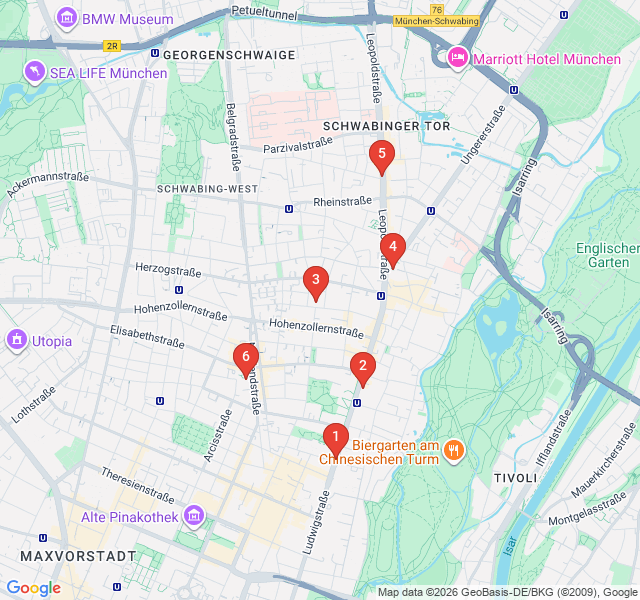
Numbers indicate the order of stops on the tour.
Welcome to the Siegestor, or Victory Gate. Commissioned by King Ludwig I in the mid-19th century, this arch was originally dedicated to the glory of the Bavarian army. However, after the destruction of World War II, it was rebuilt with a new, poignant inscription: 'Dedicated to victory, destroyed by war, urging peace.' It stands as the symbolic threshold between the formal, royal Munich to the south and the bohemian, academic world of Schwabing to the north. Look up to see the Bavaria statue driving a quadriga of lions, gazing down the Ludwigstraße. This spot marks the beginning of your journey into Munich's intellectual heartland.
Standing 17 meters tall and weighing 16 tons, the 'Walking Man' is one of Munich's most photographed modern landmarks. Created by American artist Jonathan Borofsky in 1995, this towering white fiberglass figure represents the forward-moving, dynamic energy of the city. While Schwabing is famous for its history, this sculpture reminds us that the neighborhood remains a center for innovation and modern business. It stands in front of a major insurance building, creating a striking contrast between the rigid corporate world and the fluid, artistic spirit that has defined Schwabing for over a century.
Often called the 'Cathedral of Schwabing,' Sankt Ursula is a masterpiece of Neo-Renaissance architecture. Designed by August Thiersch and completed in 1897, its distinct dome and Italianate campanile dominate the local skyline. The church was built during Schwabing's golden age, when the population was exploding with artists and students. Step inside to admire the light-filled interior, which feels more like a Florentine basilica than a typical Bavarian church. It reflects the cosmopolitan and refined tastes of the residents who lived here during the turn of the century, including many of the era's leading intellectuals.
Münchner Freiheit is the social heart of Schwabing. Originally known as Feilitzschplatz, it was renamed after World War II to honor a resistance group, and later 'Freedom' became synonymous with the 1960s student movements. This square was the epicenter of the 1962 Schwabing riots, where youth culture clashed with traditional authorities, forever changing Germany's social landscape. Today, it is a bustling transit hub and meeting point, famous for its neon-lit bus station roof and its proximity to the English Garden. It remains a place where people from all walks of life gather to see and be seen.
Leopoldstraße is Munich's answer to the Champs-Élysées. This wide boulevard is lined with poplar trees and grand apartment buildings, many of which feature beautiful Art Nouveau or 'Jugendstil' details. In the early 1900s, this was the playground for the 'Schwabing bohemians.' Writers like Thomas Mann and Frank Wedekind frequented the cafes here, debating philosophy over coffee. Even today, the street is defined by its vibrant terrace culture. As you walk, notice how the grand scale of the architecture reflects the ambitious spirit of the Bavarian monarchy, while the street-level energy remains decidedly laid-back and local.
Your walk concludes at Elisabethmarkt, a charming daily market that has been serving Schwabing since 1903. Named after Empress Elisabeth of Austria (the famous Sisi), this market offers a more intimate, neighborhood alternative to the city's larger Viktualienmarkt. Here, you can find local cheeses, fresh flowers, and traditional Bavarian snacks. It is the perfect place to experience the authentic 'Schwabing lifestyle'—a blend of high culture and simple, high-quality living. Take a moment to grab a coffee or a pretzel and enjoy the quiet, village-like atmosphere that still exists just steps away from the busy city streets.
Start Free on iPhone
Explore “Bohemian Rhapsody: Schwabing’s Intellectual Heritage” with your very own Private Tour Guide with Zigway. Start free on iPhone, skip the large group and the fixed routes, and hear the city come alive as you go.
Your Private Tour Guide
Don't miss the good stuff
Explore Freely
 Easy
EasyMunich, Germany
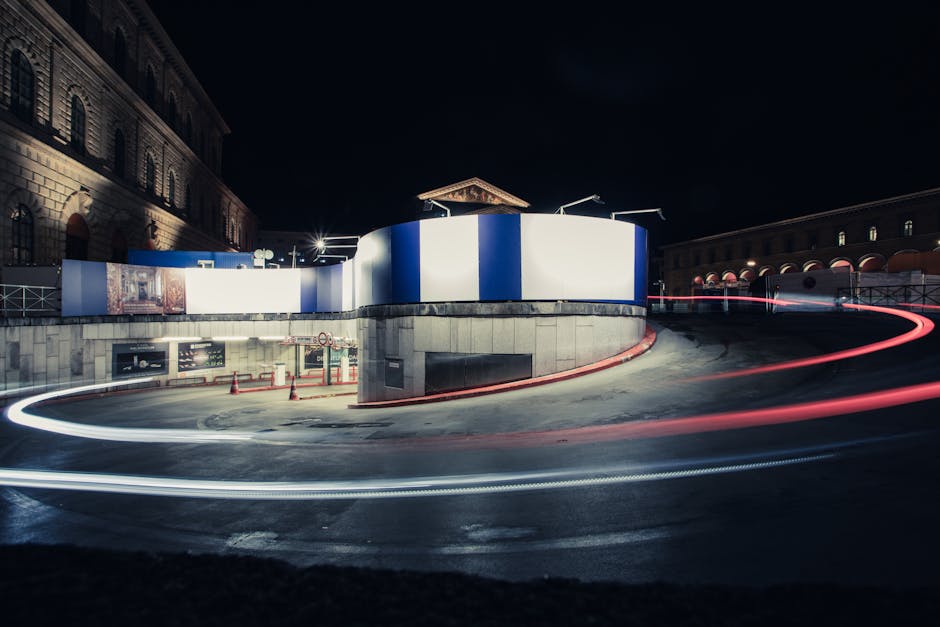
Explore Munich's creative heartbeat in Werksviertel-Mitte. Discover vibrant street art, upcycled containers, and rooftop sheep on this urban stroll.
 Moderate
Munich, Germany
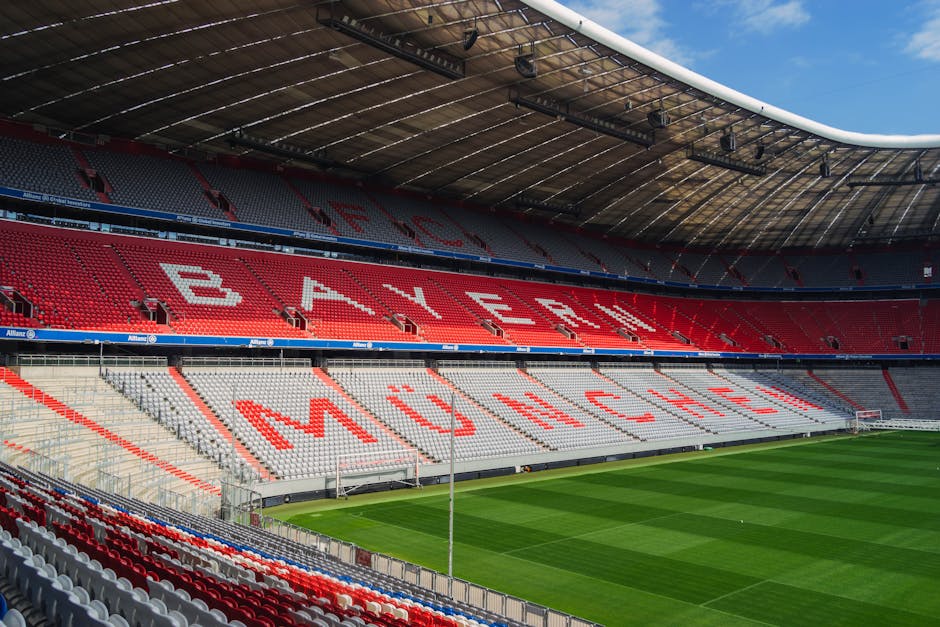
Discover river surfing, iconic Greek temples, and Bavarian beer culture on this scenic self-guided walk through Munich's English Garden.
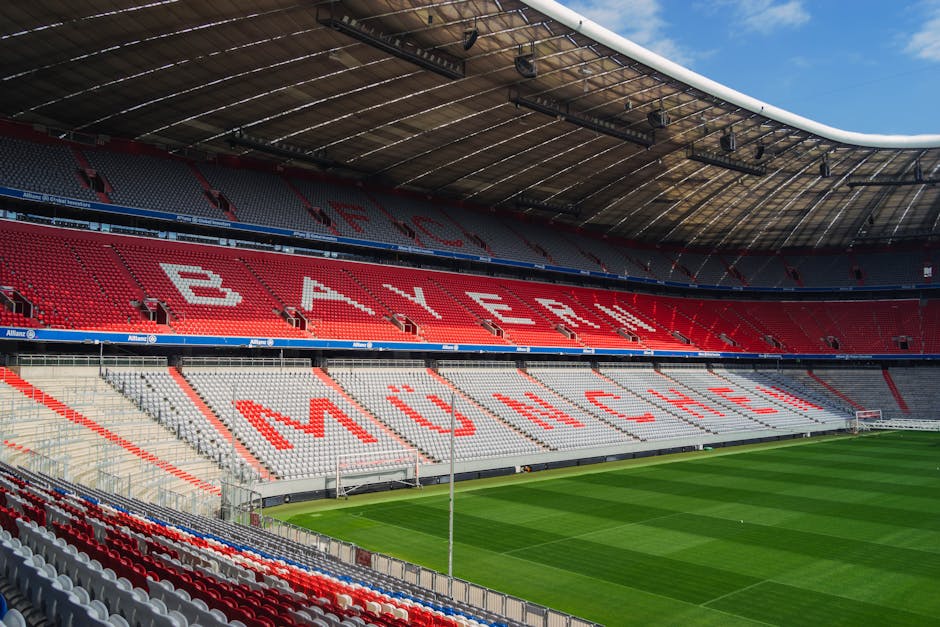 Easy
EasyMunich, Germany
Discover Munich's culinary heart on this self-guided walk through the vibrant Viktualienmarkt and its legendary food stalls.
 Easy
EasyMunich, Germany
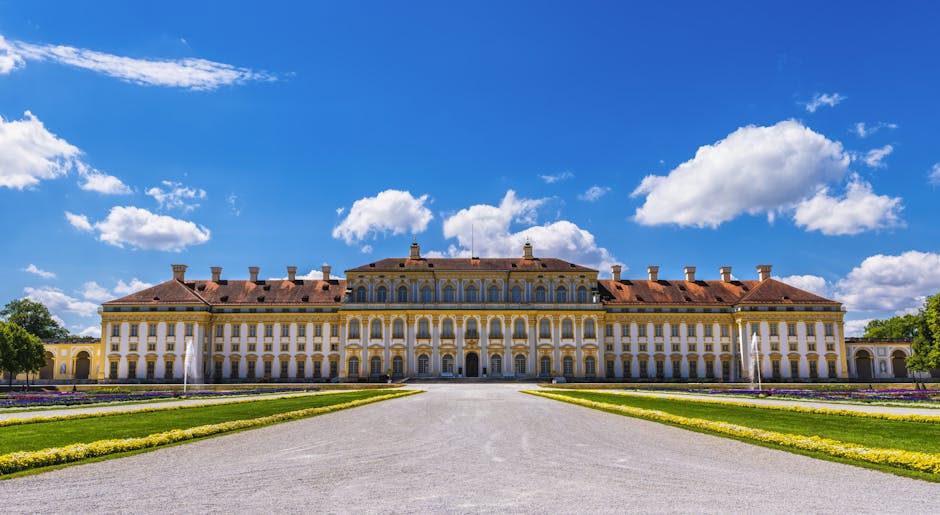
Explore the majestic gardens and hidden pavilions of the Wittelsbach summer residence on this peaceful, self-guided walking route in Munich.
 Easy
EasyKrakow, Poland
Explore the prestigious Jagiellonian University district, featuring Neo-Gothic architecture, Baroque churches, and Krakow's hidden scholarly gems.
 Easy
EasyGdansk, Poland
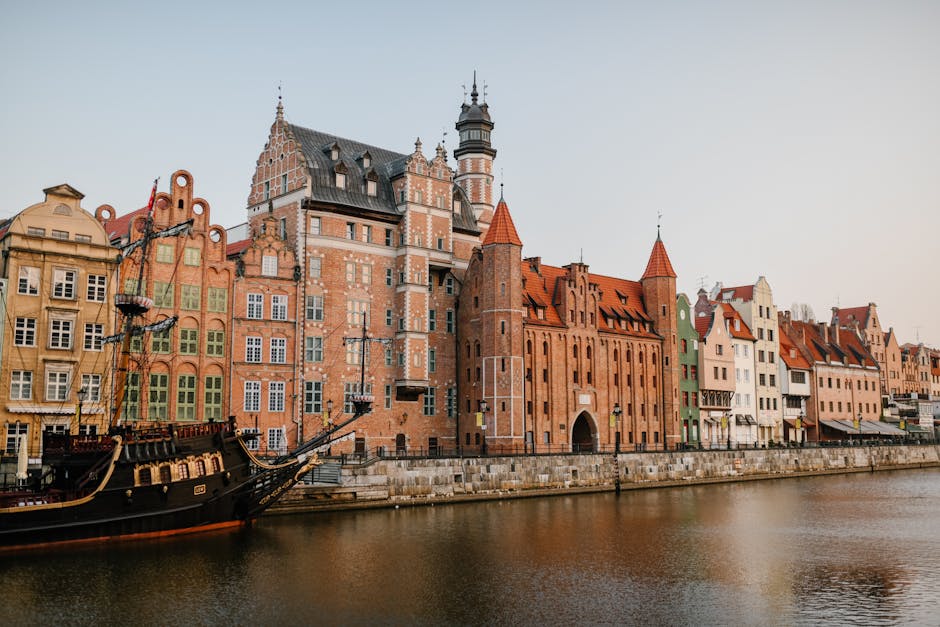
Discover the 'Baltic Gold' on this self-guided walk through Gdansk's historic mills, massive cathedrals, and the magical Mariacka Street.
 Easy
EasyGothenburg, Sweden
Explore Gothenburg’s historic wooden houses, legendary giant cinnamon buns, and panoramic fortress views on this self-guided neighborhood stroll.
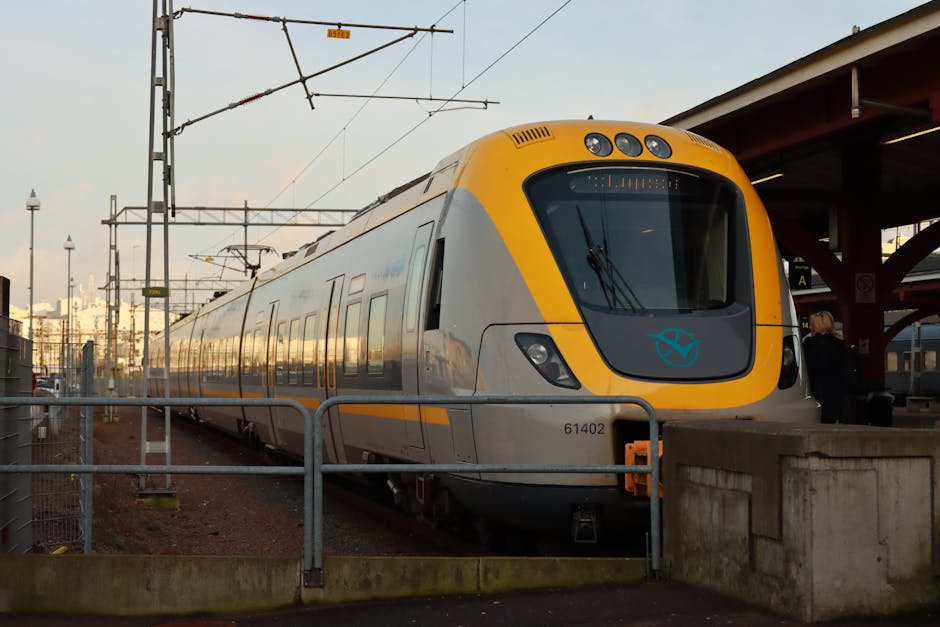 Easy
EasyGothenburg, Sweden
Explore Gothenburg's maritime soul on this self-guided walk from historic shipyards to sleek modern piers and iconic industrial landmarks.
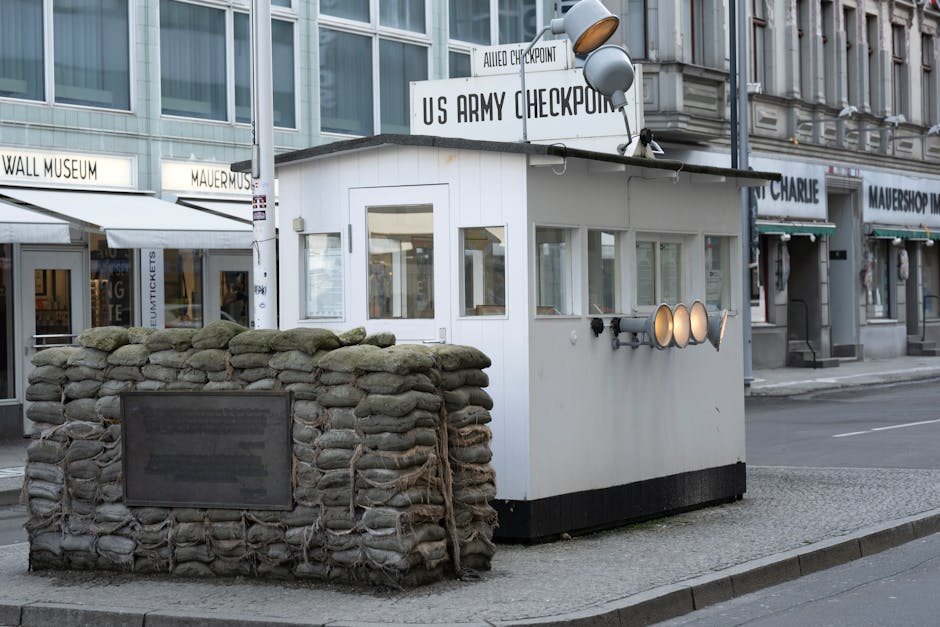 Easy
EasyBerlin, Germany
Explore the sites of Nazi power and the memorials that honor its victims on this self-guided walk through Berlin's historic Wilhelmstraße district.
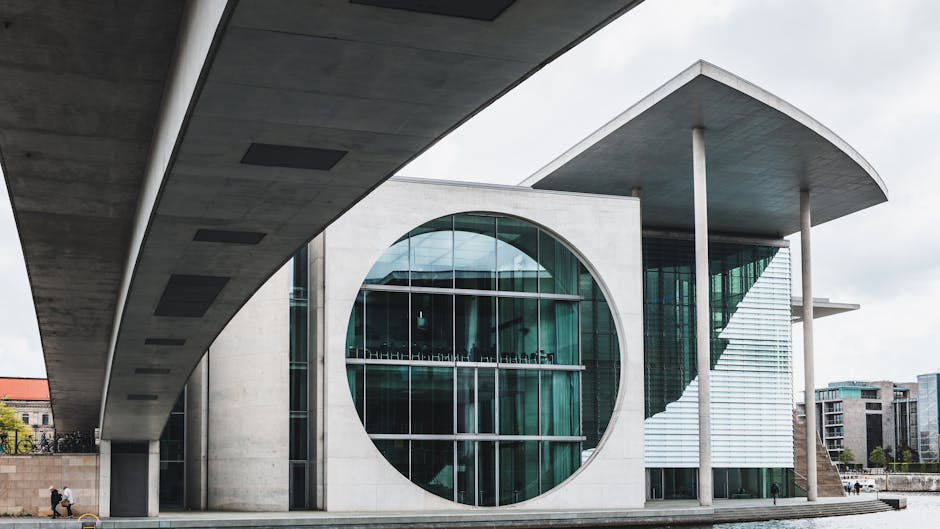 Moderate
Berlin, Germany
Explore Berlin’s 'Green Heart' on a self-guided walk through royal history, Cold War memorials, and serene lakeside gardens.
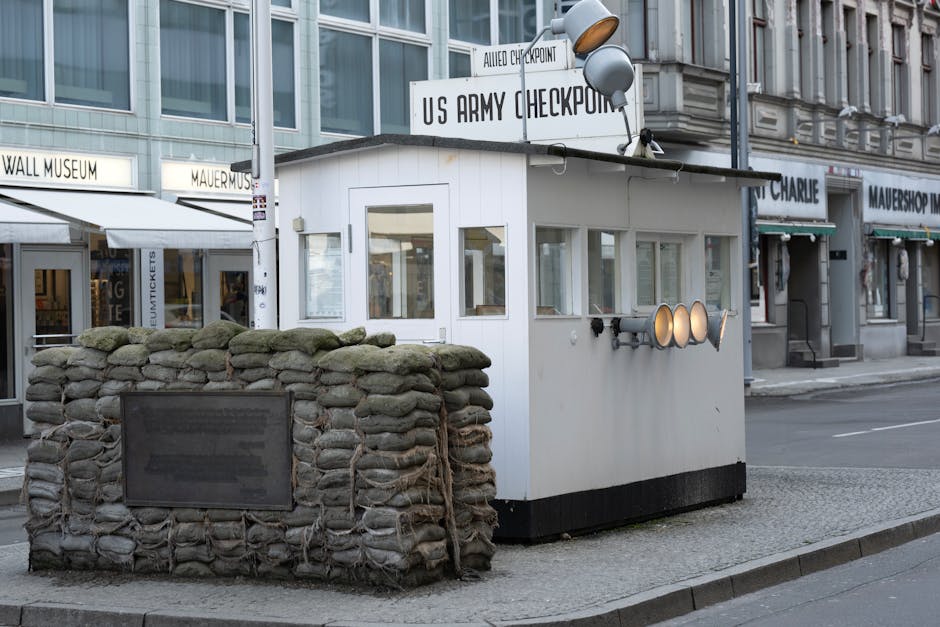 Moderate
Berlin, Germany
Discover the legacy of the Berlin Wall on this self-guided walk from historic ghost stations to the vibrant street art and cafes of Mauerpark.
 Easy
EasyBerlin, Germany
Discover the soul of 1920s Berlin on a self-guided walk through Charlottenburg’s iconic literary cafes, historic theaters, and artistic landmarks.