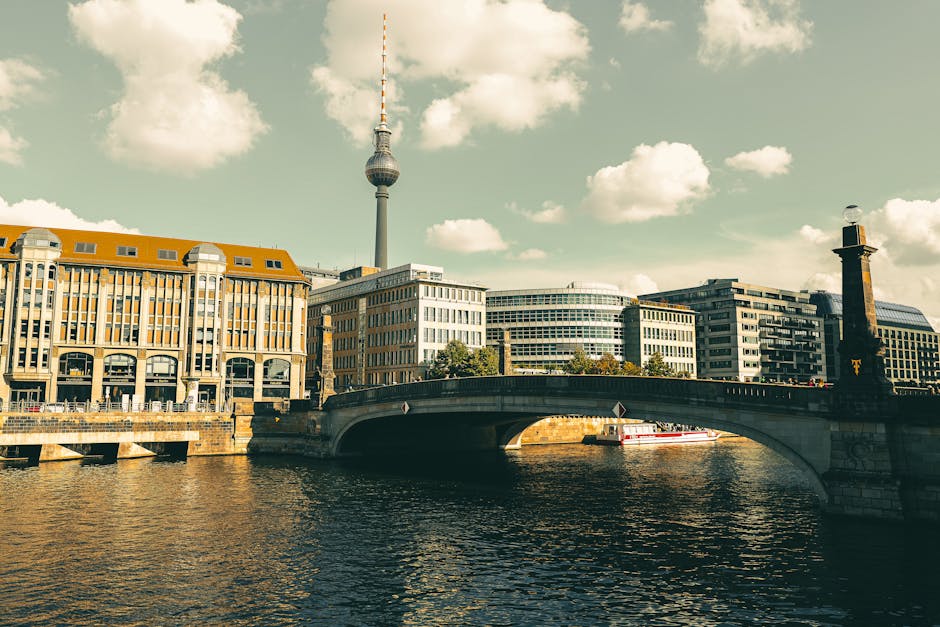
Self-guided audio tour in Berlin
Start Free on iPhone
Start free on iPhone to unlock this self-guided walking tour in Berlin. Hear all the stories that make it amazing, walk at your own pace, and begin whenever you want.
Your Private Tour Guide
Step into the grand architectural legacy of the Prussian kings and German emperors on this immersive self-guided walk through Berlin’s historic Mitte district. The Prussian Power route invites you to explore the monumental heart of the city, where neoclassical masterpieces stand as witnesses to centuries of political transformation, cultural ambition, and profound historical shifts. This neighborhood stroll focuses on the 'Spree Island' and the elegant Unter den Linden boulevard, areas once designed to showcase the might and enlightenment of the Hohenzollern dynasty. Starting at the UNESCO-listed Museum Island, you will encounter the Altes Museum, a temple of art that signaled Berlin’s rise as a global cultural capital. As you follow this walking route, the story of Berlin unfolds through its stones—from the baroque splendor of the reconstructed Berlin Palace to the somber, moving memorials of the 20th century. You can discover the scale of imperial ambition at the Berlin Cathedral and the Humboldt Forum, then transition into the intellectual heart of the city at Bebelplatz. This self-guided adventure is perfect for those who want to understand how Berlin’s identity was forged through architecture. Unlike a typical guided tour Berlin offers, this experience allows you to linger under the colonnades or sit in the Lustgarten for as long as you like. You will see how Schinkel’s neoclassical designs defined the 'Spree Athens' and how modern Berlin reconciles its imperial past with its democratic present. Whether you are a first-time visitor or a history enthusiast, this walking tour Berlin route provides the context needed to decode the facades of Mitte. From the site of the infamous Nazi book burning to the quiet dignity of the Neue Wache, this journey through the imperial heart is an essential chapter in understanding the German capital.
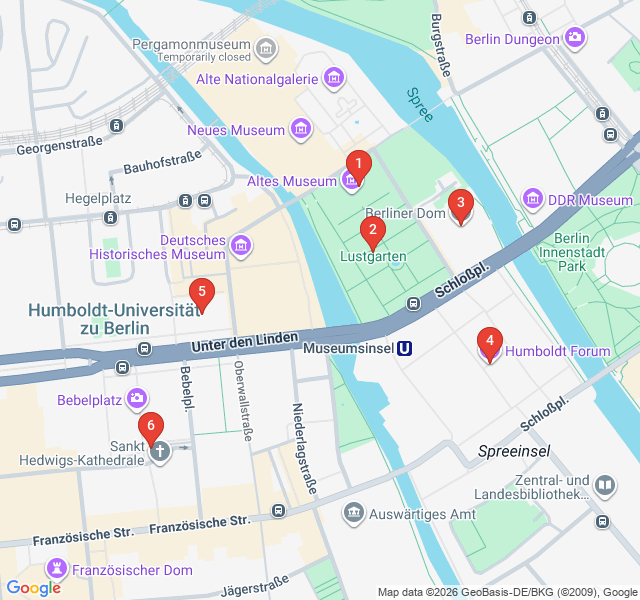
Numbers indicate the order of stops on the tour.
Begin your self-guided adventure at Museum Island, a unique ensemble of five world-renowned museums built between 1824 and 1930. This 'sanctuary of art and science' was the brainchild of Prussian King Frederick William III and architect Karl Friedrich Schinkel. As you stand before the Altes Museum with its 18 Ionic columns, imagine the era when this was the cutting edge of European culture. The island represents the Prussian Enlightenment, aiming to make art accessible to the public rather than just the elite. Today, it holds treasures ranging from the Pergamon Altar to the bust of Nefertiti, earning it a place on the UNESCO World Heritage list in 1999.
Directly in front of the Altes Museum lies the Lustgarten, or 'Pleasure Garden.' This space has seen more transformations than almost any other spot in Berlin. In the 16th century, it was a simple kitchen garden for the nearby palace. Later, the 'Soldier King' Frederick William I turned it into a sandy parade ground for his giant guards. During the 1930s, it was paved over for massive political rallies. Today, it has returned to its roots as a public park. Take a moment to appreciate the granite bowl in the center—it was once considered a world wonder, carved from a single block of stone and weighing 75 tons.
Dominating the skyline with its massive turquoise dome is the Berliner Dom, or Berlin Cathedral. Completed in 1905, this neo-Renaissance giant was the Hohenzollern dynasty’s answer to St. Peter's Basilica in Rome. It served as the court church for the Prussian royals. While the exterior is impressive, the history beneath your feet is equally significant; the Hohenzollern Crypt contains nearly 100 sarcophagi of the royal family. Though heavily damaged during World War II, its restoration has returned it to its former glory as the largest Protestant church in Germany, symbolizing the religious and political authority of the German Empire.
Look across to the Humboldt Forum, a site of immense historical controversy and architectural ambition. This building is a modern reconstruction of the Berlin City Palace, the former winter residence of the Prussian Kings and German Emperors. The original palace was damaged in WWII and later demolished by the East German government to make way for the modernist Palace of the Republic. After German reunification, the decision was made to rebuild three of the original baroque facades. Today, it serves as a museum and cultural center, blending the imperial past with a modern interior, bridging the gap between Berlin’s royal history and its contemporary global outlook.
As you walk onto the Unter den Linden boulevard, you encounter the Neue Wache, or 'New Guardhouse.' Designed by Karl Friedrich Schinkel in 1817, it is a masterpiece of German Neoclassicism. Originally built for the royal guard, it has since been transformed into the Central Memorial of the Federal Republic of Germany for the Victims of War and Dictatorship. Step inside the stark, open-roofed interior to see the moving sculpture 'Mother with her Dead Son' by Käthe Kollwitz. Positioned directly under an oculus, the statue is exposed to the rain and snow, symbolizing the raw suffering and grief of those lost to conflict.
Your walking route concludes at Bebelplatz, a square surrounded by the State Opera, St. Hedwig's Cathedral, and the Humboldt University library. This beautiful square holds a dark history; it was here on May 10, 1933, that Nazi-led students burned over 20,000 books deemed 'un-German.' Look down at the center of the square to find the 'Empty Library' memorial—a subterranean room of white, empty bookshelves visible through a glass plate in the cobblestones. It is a powerful reminder of the fragility of intellectual freedom, located in the very heart of what was once the 'Spree Athens.'
Start Free on iPhone
Explore “Prussian Power: The Imperial Heart of Mitte” with your very own Private Tour Guide with Zigway. Start free on iPhone, skip the large group and the fixed routes, and hear the city come alive as you go.
Your Private Tour Guide
Don't miss the good stuff
Explore Freely
 Easy
EasyBerlin, Germany
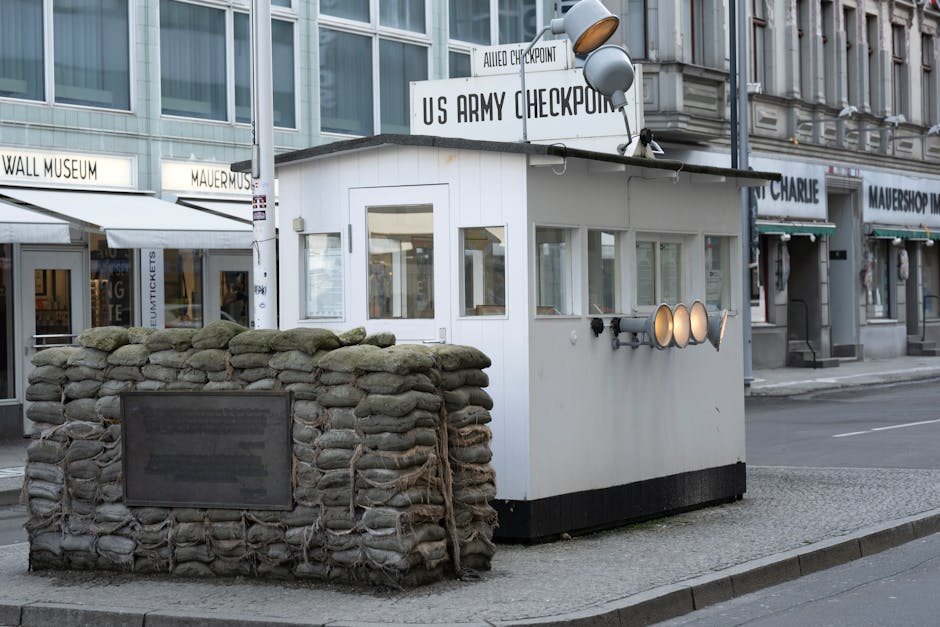
Explore the sites of Nazi power and the memorials that honor its victims on this self-guided walk through Berlin's historic Wilhelmstraße district.
 Moderate
Berlin, Germany
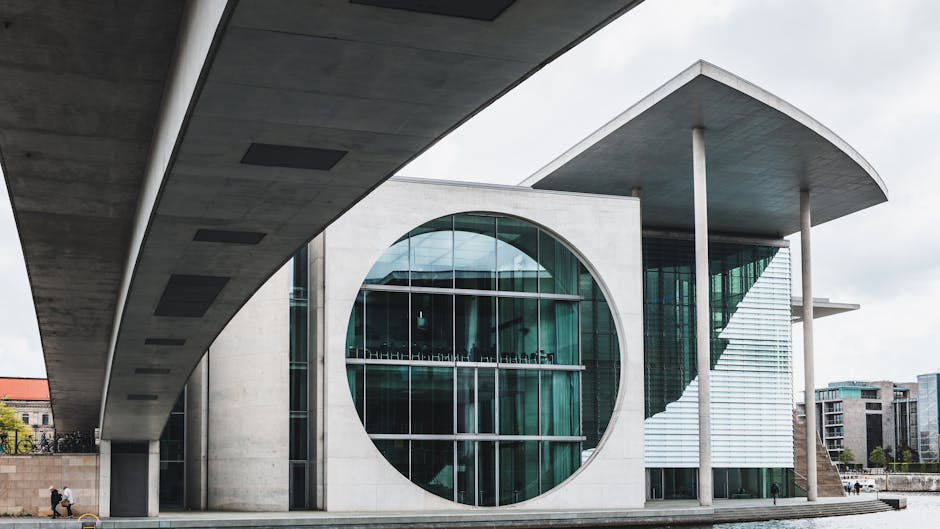
Explore Berlin’s 'Green Heart' on a self-guided walk through royal history, Cold War memorials, and serene lakeside gardens.
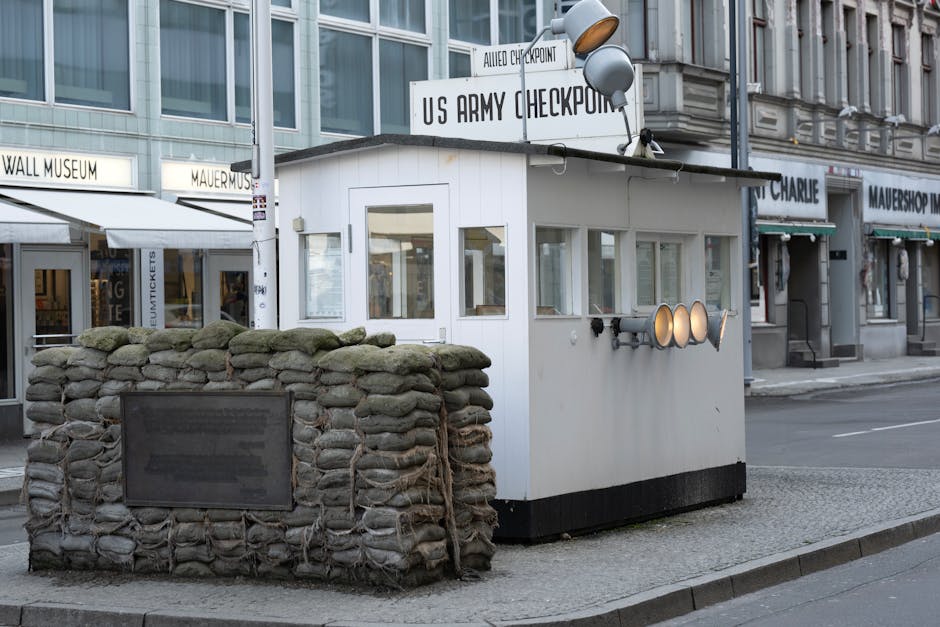 Moderate
Berlin, Germany
Discover the legacy of the Berlin Wall on this self-guided walk from historic ghost stations to the vibrant street art and cafes of Mauerpark.
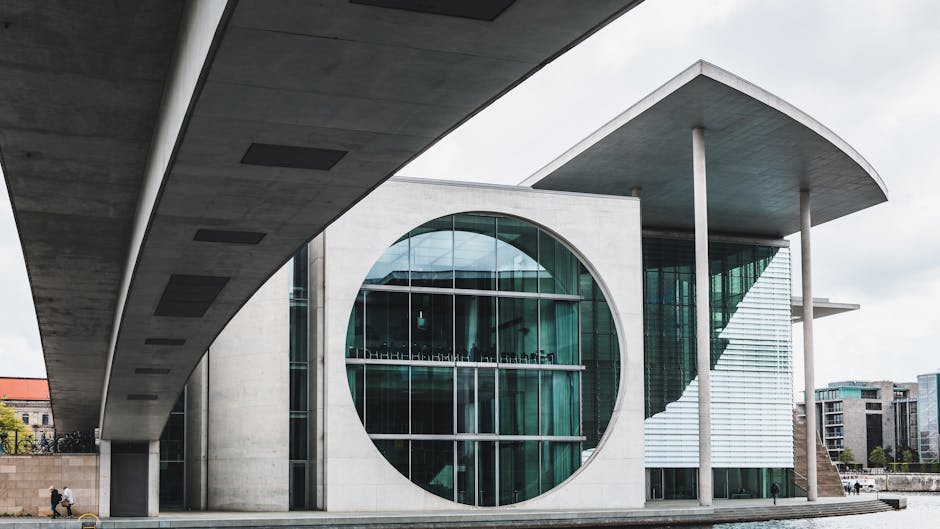 Easy
EasyBerlin, Germany
Discover the soul of 1920s Berlin on a self-guided walk through Charlottenburg’s iconic literary cafes, historic theaters, and artistic landmarks.
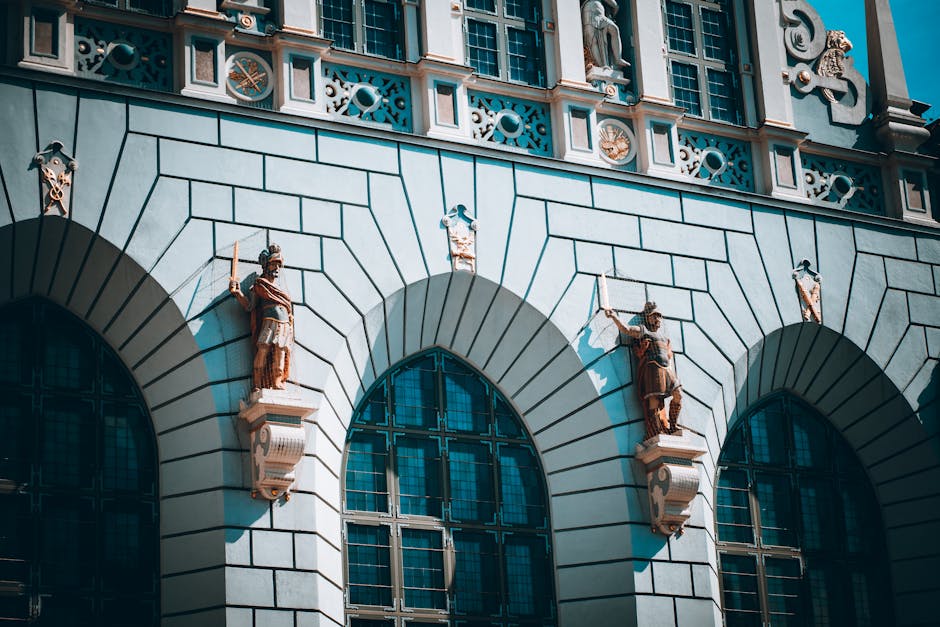 Easy
EasyGdansk, Poland
Discover the opulent Royal Way of Gdansk at your own pace. Explore Hanseatic history, gilded architecture, and the iconic Neptune's Fountain.
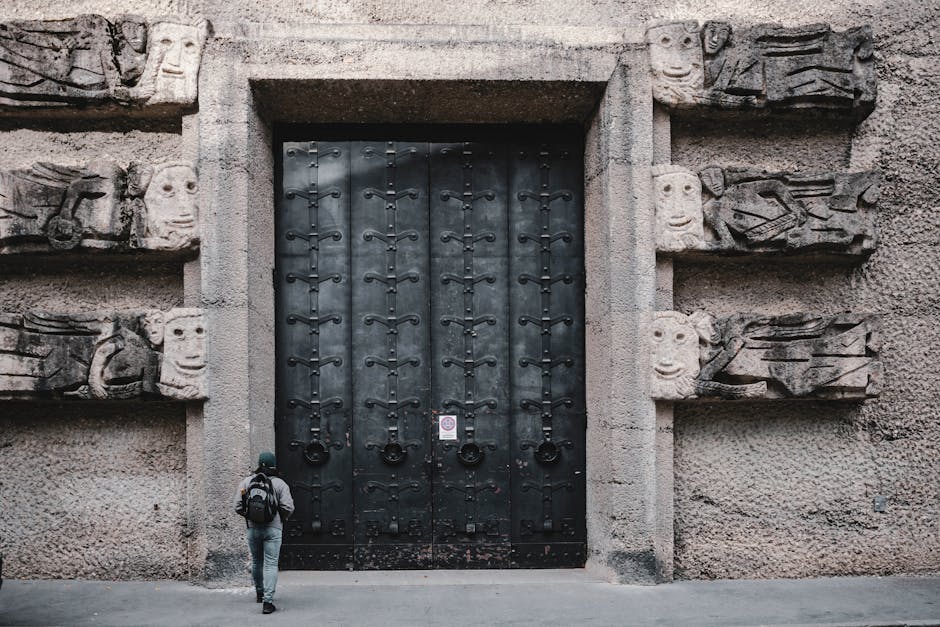 Easy
EasySalzburg, Austria
Discover the 'Rome of the North' on this self-guided walk through the Baroque squares and monumental legacy of Salzburg’s Prince-Archbishops.
 Easy
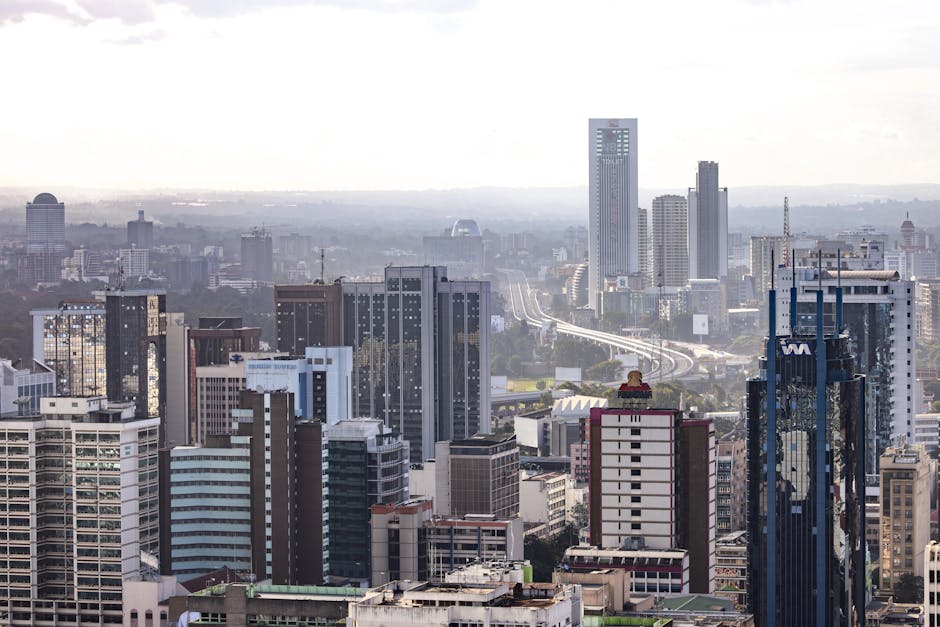
EasyNairobi, Kenya
Explore Nairobi's architectural evolution from colonial-era landmarks to iconic Brutalist skyscrapers on this historic self-guided walking route.
 Easy
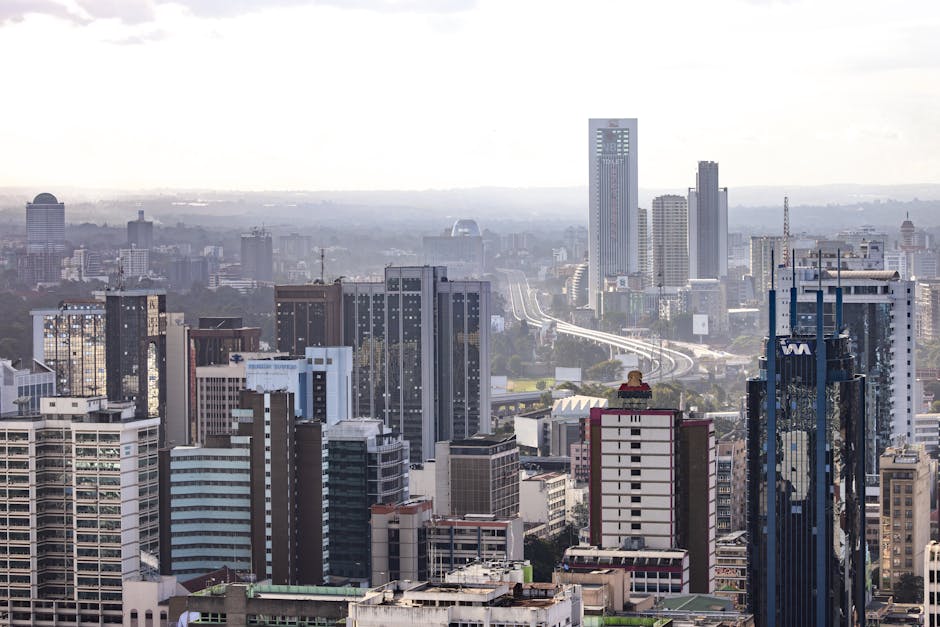
EasyNairobi, Kenya
Discover Nairobi's iconic skyline on this self-guided architecture walk through the CBD’s most famous modernist and Brutalist landmarks.
 Easy
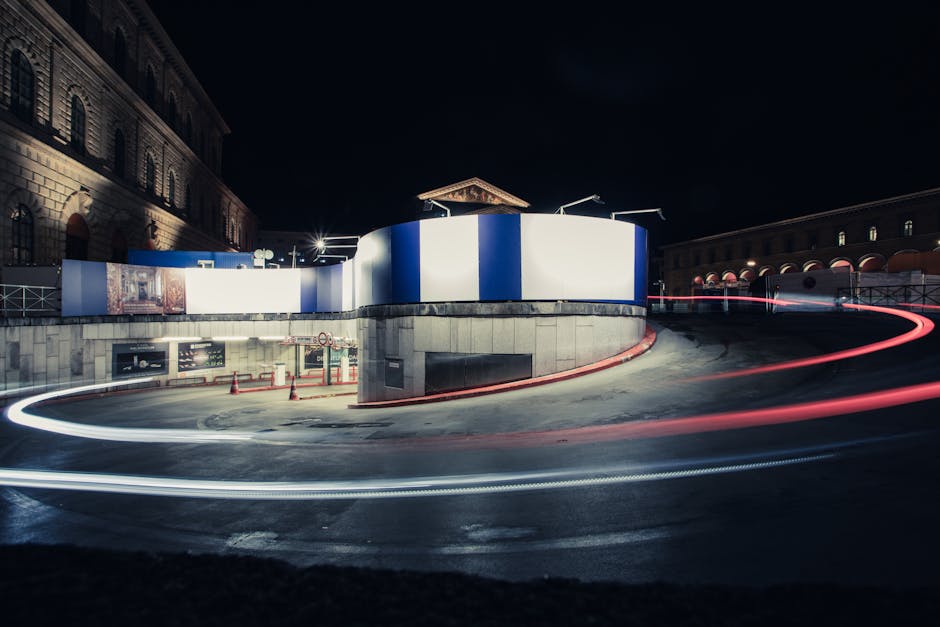
EasyMunich, Germany
Explore Munich's creative heartbeat in Werksviertel-Mitte. Discover vibrant street art, upcycled containers, and rooftop sheep on this urban stroll.
 Moderate
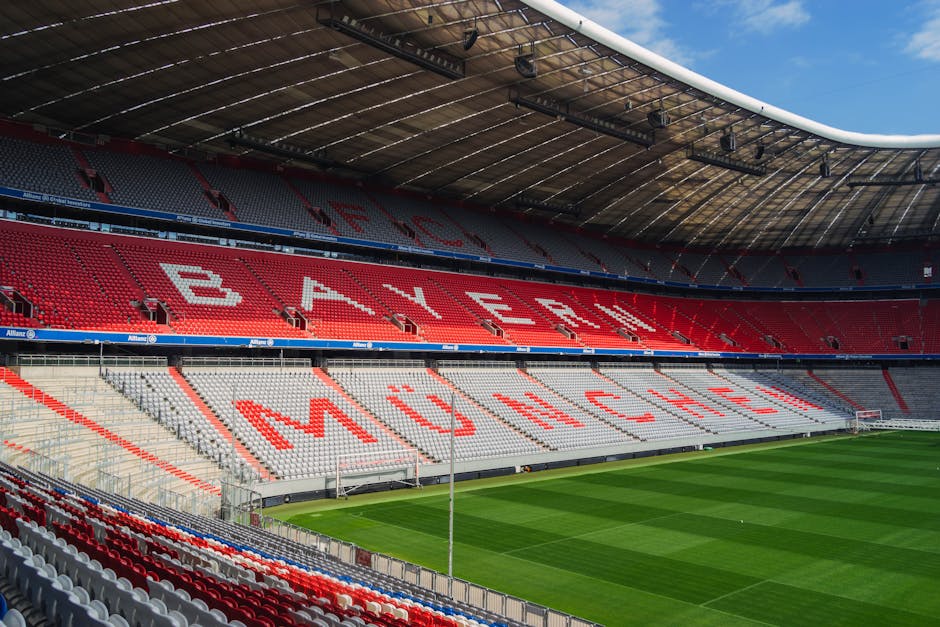
Munich, Germany
Discover river surfing, iconic Greek temples, and Bavarian beer culture on this scenic self-guided walk through Munich's English Garden.
 Easy
EasyMunich, Germany
Discover Munich's culinary heart on this self-guided walk through the vibrant Viktualienmarkt and its legendary food stalls.
 Easy
EasyMunich, Germany
Explore the majestic gardens and hidden pavilions of the Wittelsbach summer residence on this peaceful, self-guided walking route in Munich.