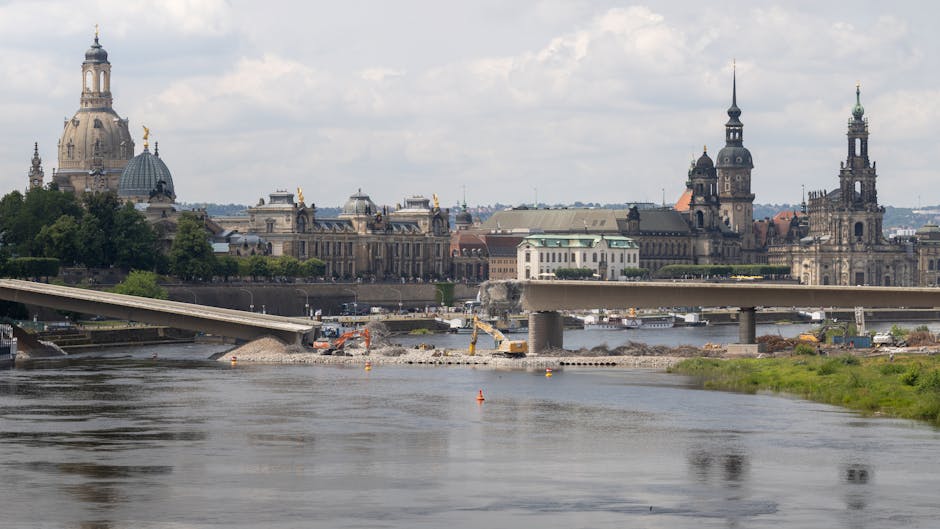
Self-guided audio tour in Dresden
Start Free on iPhone
Start free on iPhone to unlock this self-guided walking tour in Dresden. Hear all the stories that make it amazing, walk at your own pace, and begin whenever you want.
Your Private Tour Guide
Escape the urban bustle of Dresden and step into the 'Green Lung' of the city with this self-guided walk through the Großer Garten. Covering roughly 1.8 square kilometers, this expansive park is a masterpiece of Baroque landscape design, originally commissioned by Elector John George III in 1676. As you explore independently, you will discover how the grounds transitioned from a private royal hunting preserve to one of Germany's most beloved public spaces. This neighborhood stroll offers a perfect blend of high-culture architecture and serene natural beauty, making it a favorite for those seeking both history and relaxation. This walking route highlights the intersection of royal ambition and botanical science. You will encounter the historic Grand Garden Palace, a pioneering example of secular Baroque architecture in Saxony, and the intricate Mosaikbrunnen, which showcases the artistic flair of the early 20th century. The route is designed to be flexible, allowing you to linger by the mirroring waters of the Palaisteich or admire the rare flora in the Botanical Garden without the pressure of a fixed schedule. Whether you are interested in the engineering of the miniature Park Railway or the quiet reflections found at Carolasee, this self-guided adventure provides a comprehensive look at Dresden’s horticultural heritage. Photography enthusiasts will find endless inspiration in the symmetrical vistas and the play of light across the palace facade. This walking tour Dresden experience is ideal for anyone looking to understand the city's identity beyond its reconstructed Altstadt. By following this path, you engage with a living monument that has survived centuries of transformation, from royal festivities to the devastation of 1945 and its subsequent careful restoration. Discover the stories of the electors, architects, and citizens who shaped this emerald jewel at your own pace.
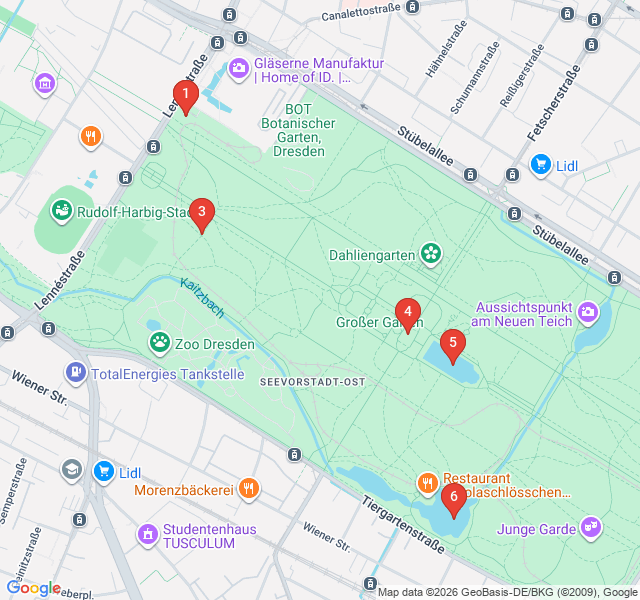
Numbers indicate the order of stops on the tour.
Start exploring with Zigway at the main station of the Dresden Park Railway. This is not just any train set; it is a historic miniature railway with a track gauge of only 381 millimeters. Originally established in 1950 as a 'Pioneer Railway' during the GDR era, it has become a nostalgic icon of the city. The locomotives, some of which are genuine steam engines built in the 1920s, pull passengers along a 5.6-kilometer loop through the park. As you watch the trains depart, consider how this miniature system reflects the broader German passion for engineering and transport history. It remains a beloved fixture for local families and a charming introduction to the park's playful side.
A short walk brings you to the Botanical Garden of the TU Dresden. While the garden has moved locations over the centuries, it has occupied this spot since 1893. This sanctuary houses approximately 10,000 plant species from across the globe, organized into various geographical zones. As you wander through the outdoor sections or the greenhouses, you are tracing the history of Saxon scientific inquiry. The garden survived the heavy bombings of 1945 and was painstakingly replanted. It serves as a vital research center and a tranquil retreat, showcasing everything from alpine flora to tropical orchids in a beautifully curated setting.
Continuing into the heart of the park, you will find the Mosaikbrunnen, or Mosaic Fountain. This striking structure was created by architect Hans Poelzig for the 1926 International Garden Exhibition. Unlike the Baroque elements found elsewhere in the park, this fountain is a masterpiece of Art Deco and Expressionist design. Its intricate colorful tiles and geometric forms create a visual contrast with the surrounding greenery. The fountain was heavily damaged during the war and remained a ruin for decades before a meticulous restoration brought its vibrant colors back to life. It stands as a testament to Dresden’s 20th-century artistic innovation within its historic landscapes.
Standing before you is the centerpiece of the park: the Grand Garden Palace (Sommerpalais). Built between 1679 and 1683 by Johann Georg Starcke, it is one of the earliest examples of Baroque secular architecture in Germany. Originally used for royal festivities and courtly receptions, its facade is adorned with intricate sculptures of Roman emperors and mythological figures. Although the interior was gutted during World War II, the exterior has been restored to its former glory. The palace represents the height of the Wettin dynasty's power and their desire to emulate the grandeur of Versailles. Take a moment to appreciate the perfect symmetry that defines the entire park layout from this central point.
Directly behind the palace lies the Palaisteich, a large rectangular pond designed to provide a perfect reflection of the royal residence. This water feature is a key element of the Baroque garden design, emphasizing the concepts of order and harmony with nature. In the 17th and 18th centuries, the pond was the site of lavish water festivals and gondola rides for the Saxon court. Today, it offers one of the most iconic photography spots in the city. The still water acts as a mirror for the palace’s ornate rear facade and the towering trees that line the central axis. It is a place for quiet contemplation and observing the park's local birdlife.
The final stop on your neighborhood stroll is the Carolasee, the largest lake in the Großer Garten. Named after Queen Carola of Saxony, the lake was created in the late 19th century as the park moved away from its strict Baroque roots toward a more naturalistic, English-style landscape. The lake is famous for its picturesque lakeside restaurant and the small islands that provide a refuge for swans and ducks. During the warmer months, you can see locals rowing across the water, continuing a tradition of leisure that has lasted for over a century. It is the perfect place to conclude your journey, surrounded by the peaceful atmosphere that makes this park Dresden’s favorite outdoor retreat.
Start Free on iPhone
Explore “Royal Greenery of the Großer Garten” with your very own Private Tour Guide with Zigway. Start free on iPhone, skip the large group and the fixed routes, and hear the city come alive as you go.
Your Private Tour Guide
Don't miss the good stuff
Explore Freely
 Easy
EasyDresden, Germany
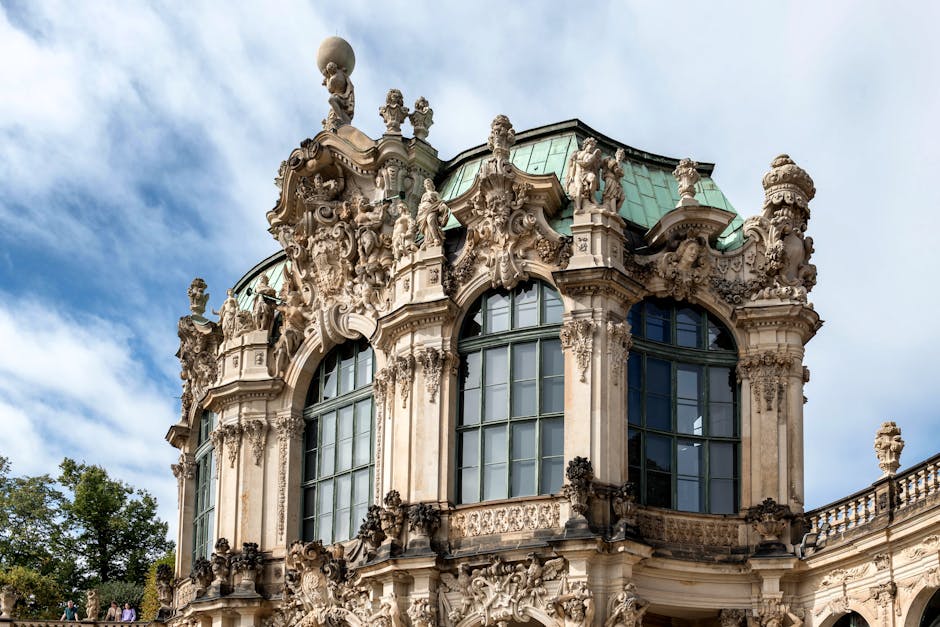
Discover the 'Florence on the Elbe' on this self-guided walk through Dresden’s reconstructed Baroque heart, from royal palaces to iconic domes.
 Moderate
Dresden, Germany
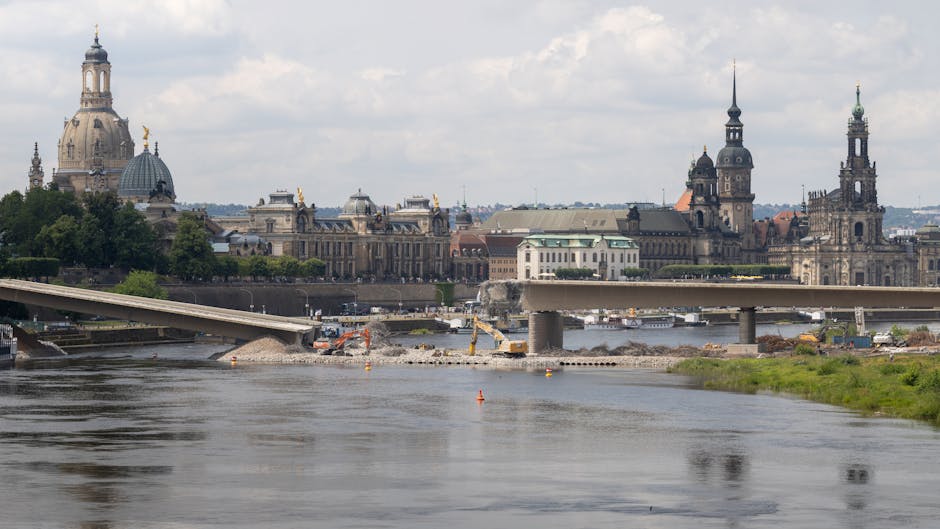
Experience Dresden's most iconic skyline views and Baroque landmarks on this scenic self-guided photography walk along the Elbe River.
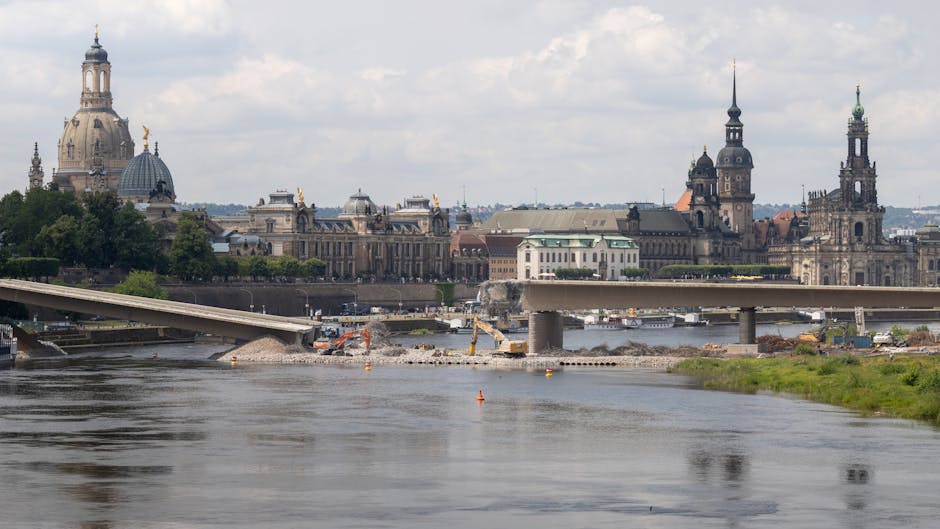 Easy
EasyDresden, Germany
Explore a stunning 19th-century power plant transformed into a vibrant cultural hub of theaters and art in this self-guided walking route.
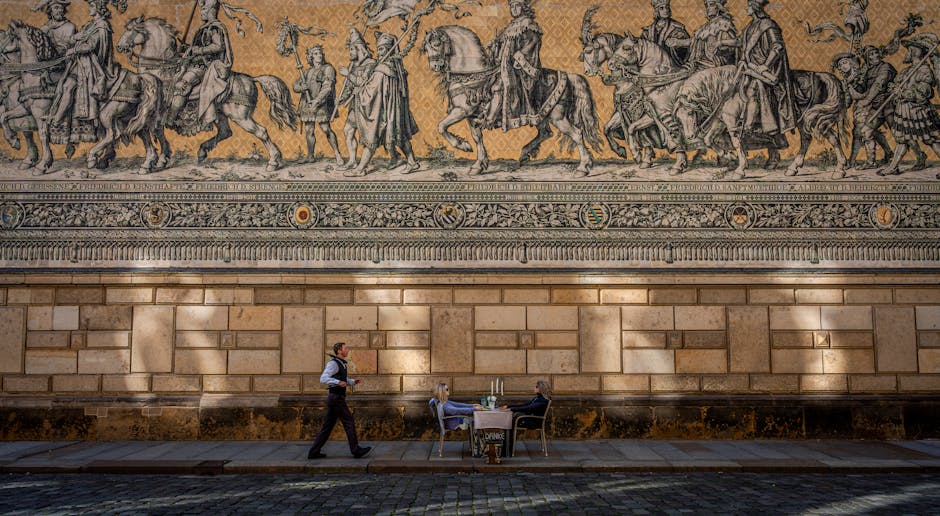 Easy
EasyDresden, Germany
Discover Dresden's vibrant soul on this self-guided walk through the street art, quirky courtyards, and bohemian spirit of the Äußere Neustadt.
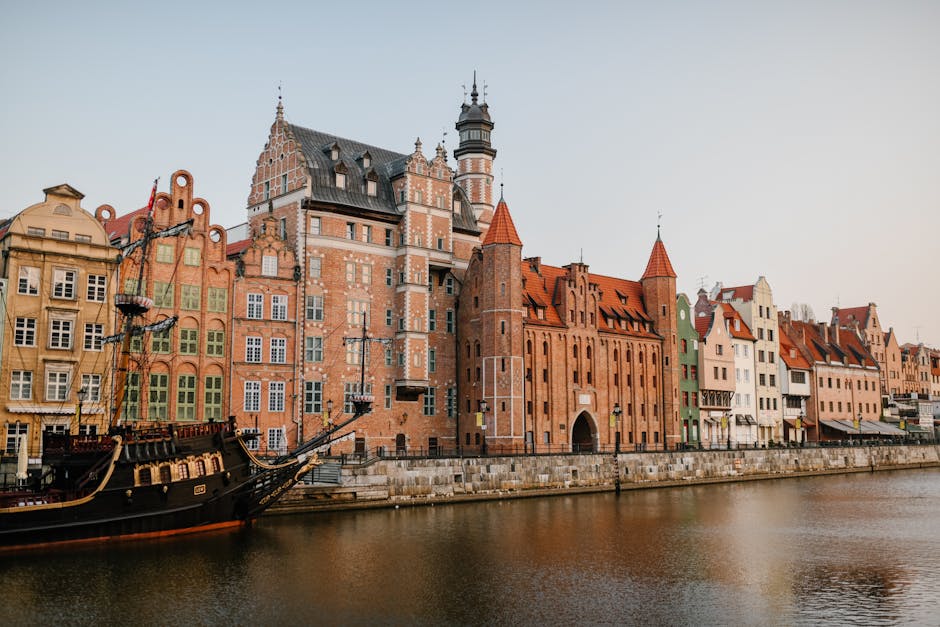 Easy
EasyGdansk, Poland
Discover the monastic heritage, world-famous organs, and lush botanical gardens of Oliwa on this peaceful self-guided neighborhood stroll.
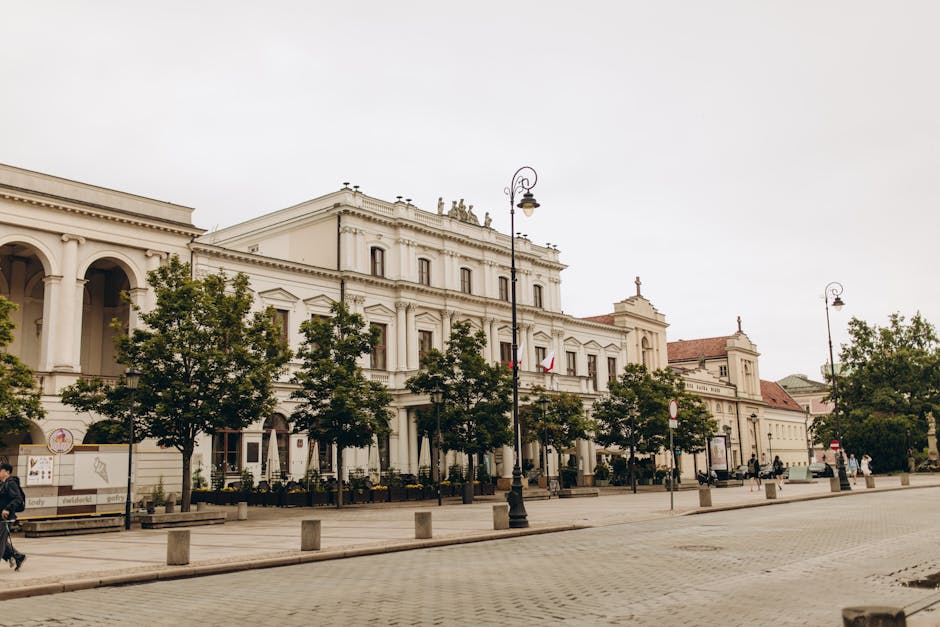 Easy
EasyWarsaw, Poland
Discover Warsaw's intellectual heart through historic campuses, peaceful parks, and the stunning rooftop gardens of the University Library.
 Easy
EasyWarsaw, Poland
Explore the 'Polish Versailles' at your own pace. Discover Baroque architecture, royal history, and stunning gardens on this self-guided walk.
 Easy
EasyWarsaw, Poland
Explore Warsaw's scenic riverfront, rooftop gardens, and industrial-chic architecture on this self-guided stroll through the Powiśle district.
 Easy
EasyBerlin, Germany
Explore the sites of Nazi power and the memorials that honor its victims on this self-guided walk through Berlin's historic Wilhelmstraße district.
 Moderate
Berlin, Germany
Explore Berlin’s 'Green Heart' on a self-guided walk through royal history, Cold War memorials, and serene lakeside gardens.
 Moderate
Berlin, Germany
Discover the legacy of the Berlin Wall on this self-guided walk from historic ghost stations to the vibrant street art and cafes of Mauerpark.
 Easy
EasyBerlin, Germany
Discover the soul of 1920s Berlin on a self-guided walk through Charlottenburg’s iconic literary cafes, historic theaters, and artistic landmarks.