Self-guided audio tour in Valencia
Start Free on iPhone
Start free on iPhone to unlock this self-guided walking tour in Valencia. Hear all the stories that make it amazing, walk at your own pace, and begin whenever you want.
Your Private Tour Guide
Valencia is a city of layers, where medieval walls give way to the bold, colorful flourishes of the late 19th and early 20th centuries. This self-guided walk through the Eixample district reveals a side of the city often overshadowed by its famous City of Arts and Sciences. Here, you will discover the Valencian Modernism movement—a local interpretation of Art Nouveau that celebrated the region’s agricultural wealth and Mediterranean spirit. As you explore independently, the streets become an open-air museum of intricate ironwork, vibrant mosaics, and whimsical gargoyles. This walking route is designed for those who appreciate the finer details of design and the history of a city expanding beyond its ancient borders. You will start in the grand heart of the city, Plaça de l'Ajuntament, where the eclectic architecture sets the stage for the masterpieces to come. One of the highlights is the Estación del Norte, a building that turns a simple train station into a temple of local identity, adorned with oranges and blossoms. Nearby, the Plaza de Toros provides a stark neoclassical contrast before you dive into the more residential streets of the Eixample. Along the way, you will encounter the Edificio de los Dragones, a fantastic display of neo-Gothic and modernist fusion that feels like something out of a storybook. The journey continues to the Mercado de Colón, a former market turned into a social hub, where the use of brick and ceramics showcases the genius of local architects influenced by the likes of Gaudí. Finally, the route leads you to the Palace of the Marqués de Dos Aguas. While its history predates the modernist era, its jaw-dropping facade represents the peak of decorative excess that inspired later designers. This neighborhood stroll is perfect for photographers and history buffs alike, offering a pace that allows you to look up and truly see the artistry embedded in the city’s skyline. Whether it’s the glint of a ceramic tile or the curve of a wrought-iron balcony, this walking route Valencia highlights the creative explosion that defined the city’s golden age.
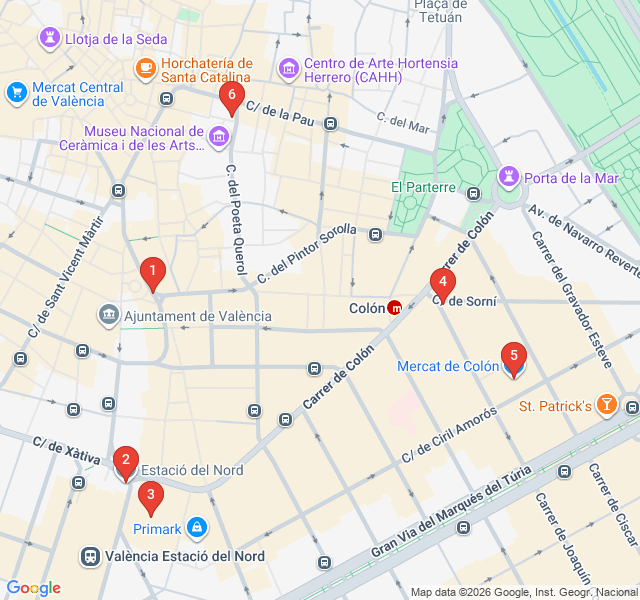
Numbers indicate the order of stops on the tour.
Welcome to the heart of Valencia. This grand plaza is the civic center of the city, surrounded by buildings that showcase a variety of architectural styles from the early 20th century. The City Hall itself is an eclectic mix of neoclassical and baroque revival elements, featuring a prominent clock tower and marble staircases. As you look around, you'll see the Central Post Office, or Correos, which boasts a stunning glass dome and a metallic tower designed for early 20th-century communications. This plaza is the perfect starting point to understand how Valencia transitioned from a medieval walled city into a modern European capital. Take a moment to appreciate the scale of the buildings before we head toward the railway station.
As you approach the Estación del Norte, you are greeted by one of the finest examples of Valencian Modernism. Completed in 1917, this is not just a transit hub but a celebration of regional pride. Look closely at the facade; you will see intricate ceramic decorations depicting oranges, orange blossoms, and women in traditional Valencian dress. This focus on local agriculture was a hallmark of the 'Sezession' style adapted for Spain. Inside, the Sala de los Mosaicos is a must-see, featuring breathtaking tile work that covers the walls and ceiling with messages of 'bon voyage' in multiple languages. The station was designed by Demetrio Ribes, who successfully blended industrial functionality with the organic, floral aesthetics of the Art Nouveau period.
Located right next to the train station, the Plaza de Toros offers a different architectural perspective. Built between 1850 and 1859, its neoclassical design was inspired by the Roman Colosseum and the Arena of Nîmes. The structure consists of 48 sides and is made of brick with four levels of arches. While it predates the peak of Valencian Modernism, it represents the era of monumental growth that paved the way for the Eixample district. The contrast between the sober brickwork of the bullring and the colorful, decorative train station next door highlights the rapid evolution of Valencian design in just a few decades. It remains one of the largest bullrings in Spain and a significant landmark of the city's 19th-century expansion.
Tucked on a street corner, the Edificio de los Dragones, or House of Dragons, is a hidden gem of the Eixample. Designed by José María Manuel Cortina Pérez in 1901, this building is a prime example of 'eclectic modernism.' It combines neo-Gothic elements with the imaginative spirit of Art Nouveau. The most striking features are the large iron and stone dragons that seem to guard the facade, along with intricate floral motifs and locomotive symbols. Cortina Pérez was known for his highly personal style, often blending medieval fantasy with modern industrial themes. This building was originally a residential block, and its unique appearance reflects the desire of Valencia's rising middle class to express their status through creative and unconventional architecture.
The Mercado de Colón is a masterpiece of the early 20th century, designed by Francisco Mora Berenguer. Once a traditional fresh food market serving the wealthy Eixample district, it has been transformed into a vibrant social space filled with cafes and gourmet shops. The architecture is heavily influenced by the Catalan Modernism of Antoni Gaudí, evident in its use of colorful ceramics, undulating brickwork, and organic shapes. Notice the grand entrance arches and the detailed mosaics that depict scenes of rural Valencian life. The open-air feel of the structure was revolutionary at the time, providing light and ventilation while creating a grand civic monument. It remains one of the most beloved meeting spots for locals today, perfectly blending history with modern leisure.
Our final stop is the Palace of the Marqués de Dos Aguas, home to the National Ceramics Museum. While the building's origins are older, its incredible 18th-century Rococo facade served as a massive inspiration for the decorative arts that followed in the Modernist era. The entrance is the highlight: a jaw-dropping portal carved from translucent alabaster by Ignacio Vergara. It features two rivers symbolizing the 'Two Waters' (Dos Aguas) of the family title, surrounded by lush vegetation and figures. The sheer level of detail and the use of ceramics throughout the building's interior and exterior connect the city's long-standing artisanal traditions to the Art Nouveau movement you've seen today. It is widely considered one of the most beautiful facades in all of Spain.
Start Free on iPhone
Explore “Modernist Marvels and Art Nouveau” with your very own Private Tour Guide with Zigway. Start free on iPhone, skip the large group and the fixed routes, and hear the city come alive as you go.
Your Private Tour Guide
Don't miss the good stuff
Explore Freely
 Easy
EasyValencia, Spain
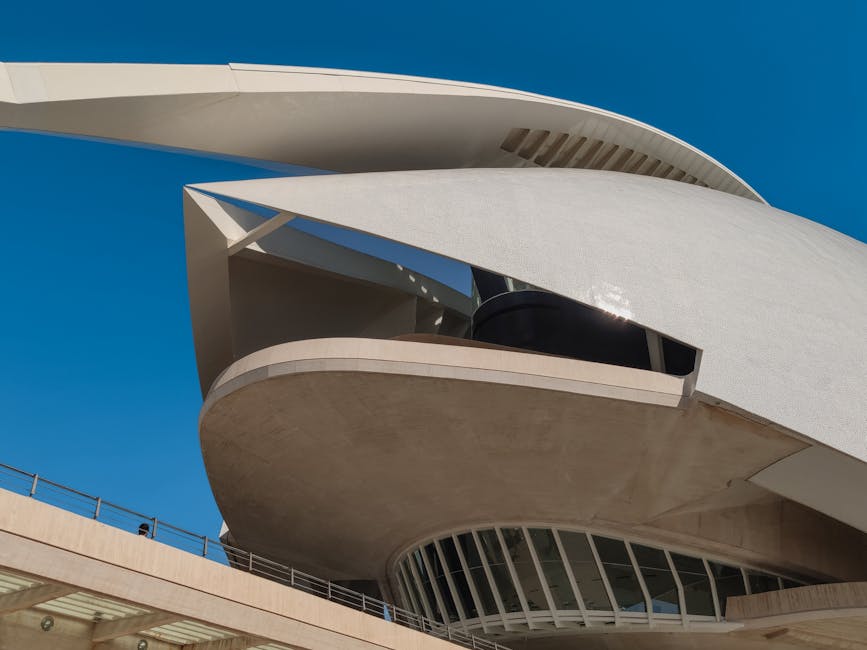
Discover Valencia's 'Sistine Chapel' and ornate Baroque palaces on this self-guided walk through the historic Ciutat Vella.
 Easy
EasyValencia, Spain
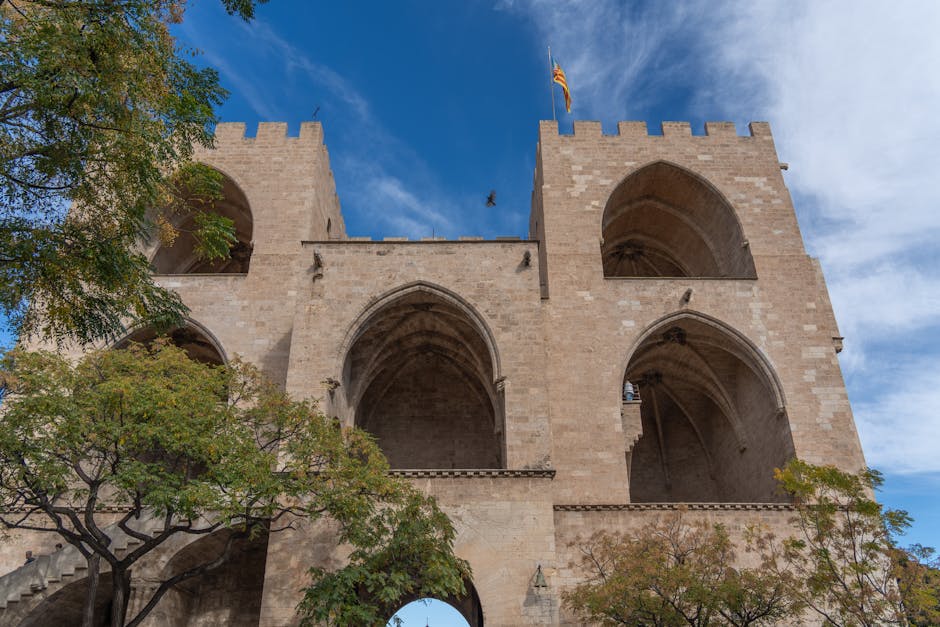
Explore Valencia's Roman roots and Gothic masterpieces on this self-guided audio walk through the historic Ciutat Vella district.
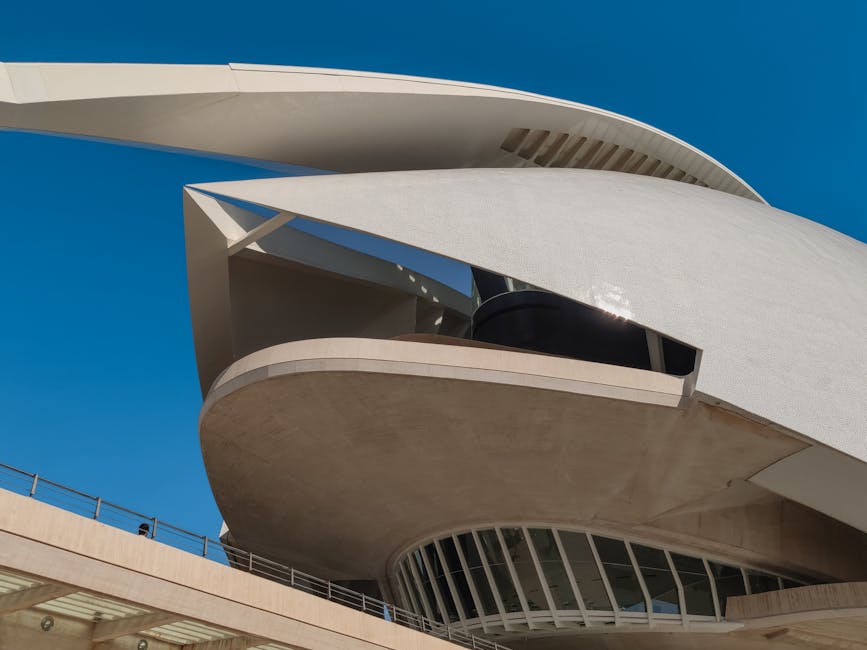 Easy
EasyValencia, Spain
Explore Valencia’s oldest quarter where ancient medieval gates meet world-class street art on this self-guided neighborhood stroll.
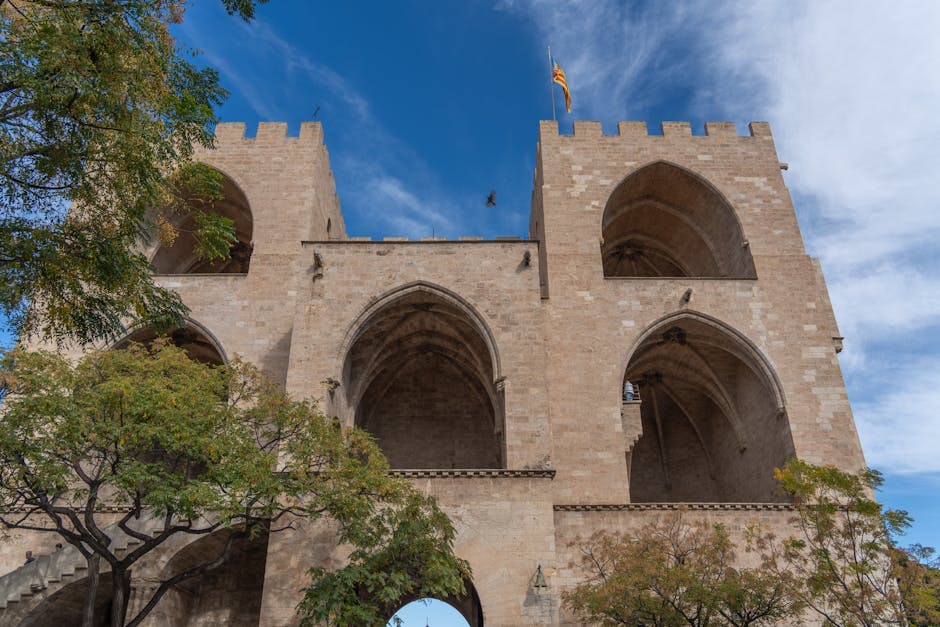 Moderate
Valencia, Spain
Discover Valencia's medieval heritage on a self-guided walk through ancient gates, historic monuments, and the scars of Napoleonic battles.
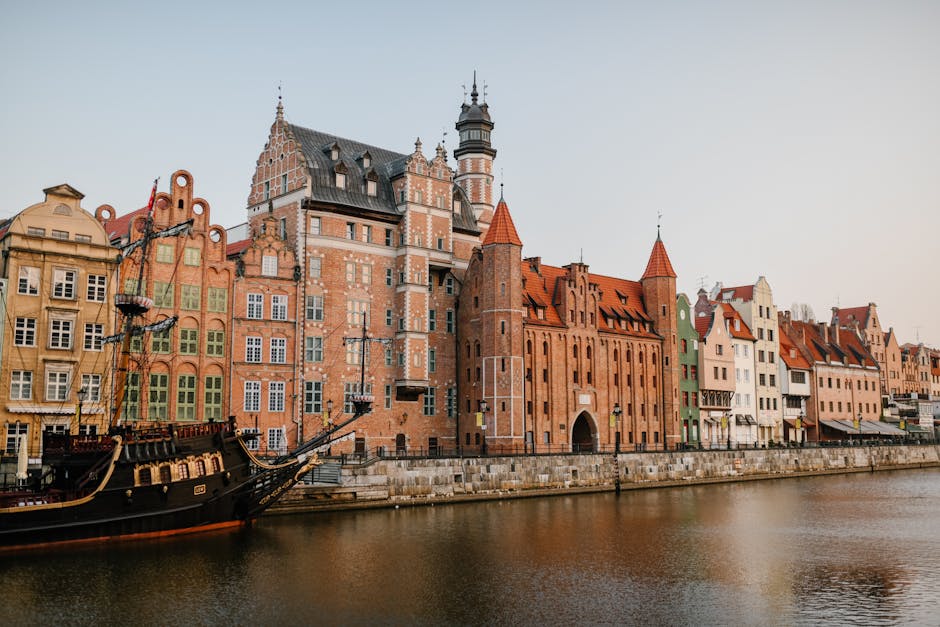 Easy
EasyGdansk, Poland
Discover the 'Baltic Gold' on this self-guided walk through Gdansk's historic mills, massive cathedrals, and the magical Mariacka Street.
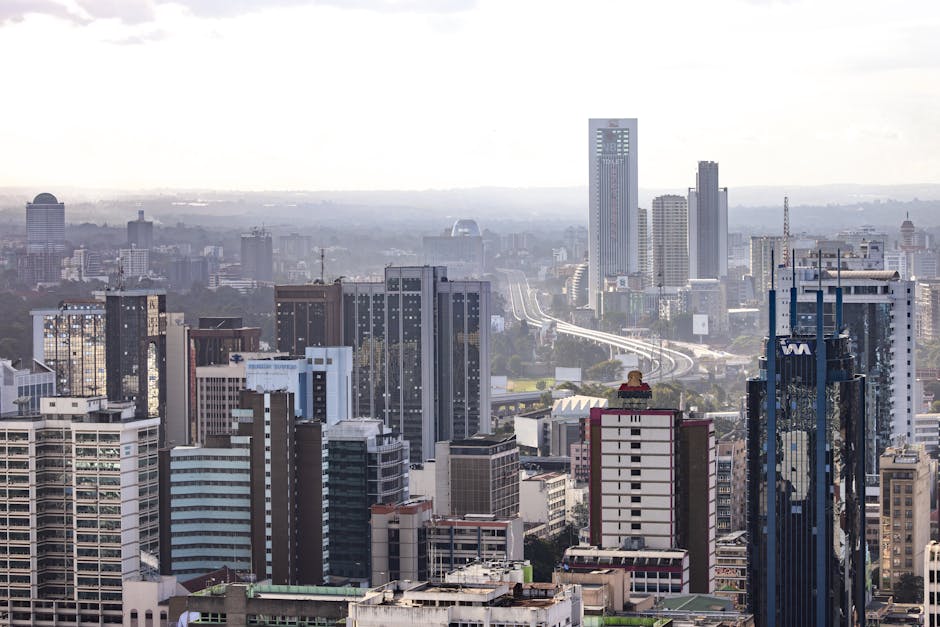 Easy
EasyNairobi, Kenya
Discover Nairobi's iconic skyline on this self-guided architecture walk through the CBD’s most famous modernist and Brutalist landmarks.
 Easy
EasyGdansk, Poland
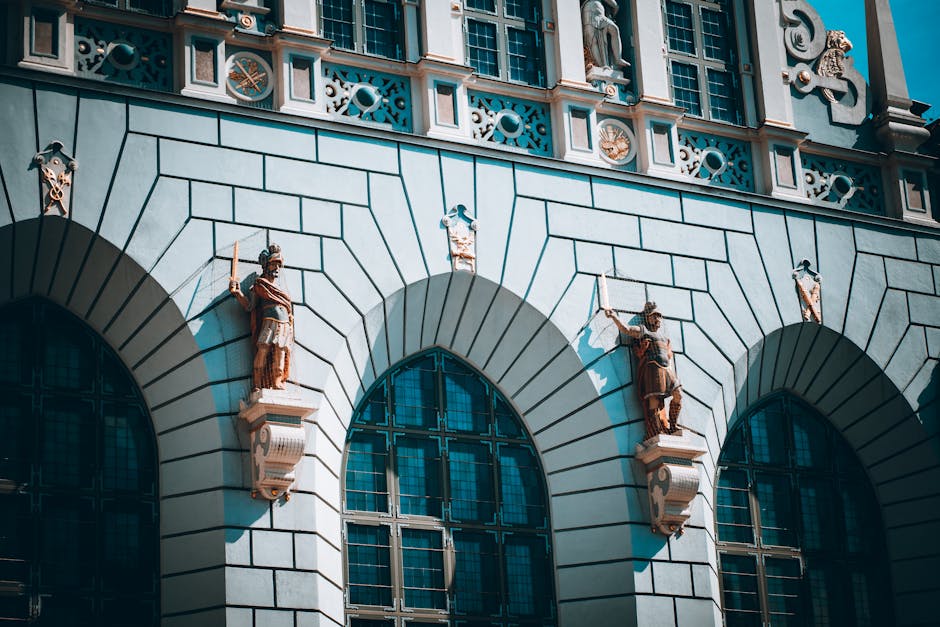
Discover the opulent Royal Way of Gdansk at your own pace. Explore Hanseatic history, gilded architecture, and the iconic Neptune's Fountain.
 Easy
EasySalzburg, Austria
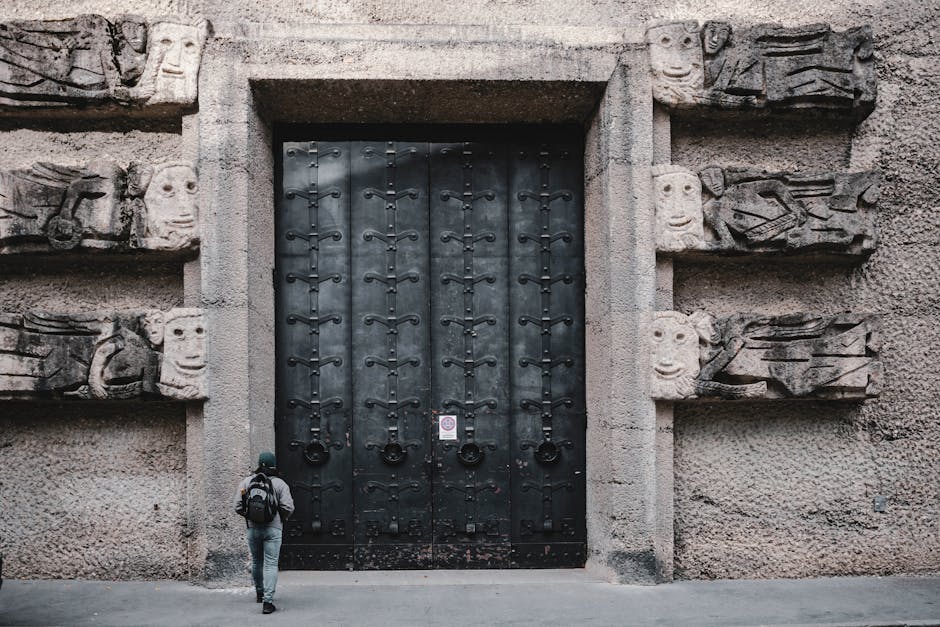
Discover the 'Rome of the North' on this self-guided walk through the Baroque squares and monumental legacy of Salzburg’s Prince-Archbishops.
 Moderate
Barcelona, Spain
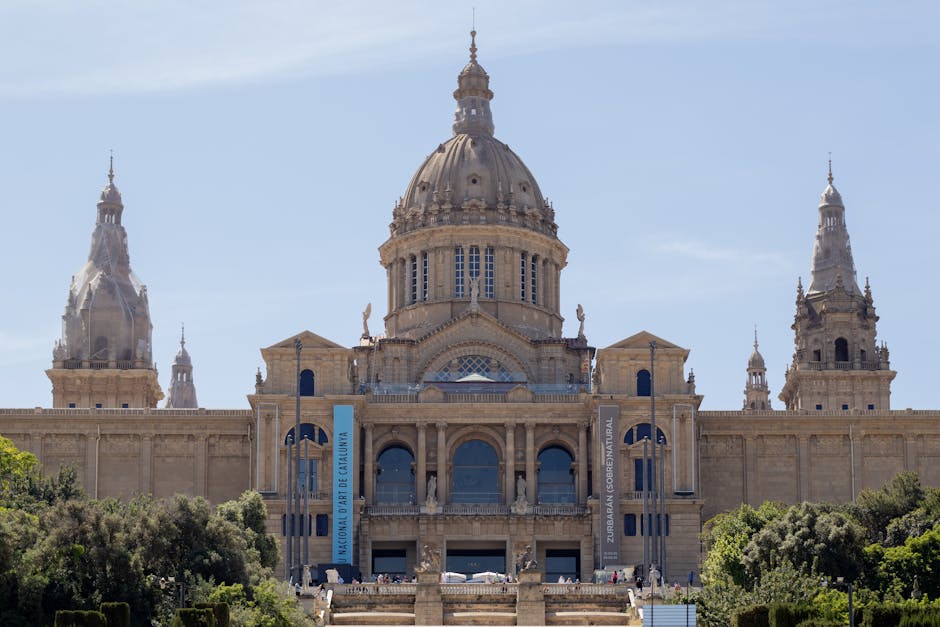
Explore the elegant 'village' of Sarrià, where Gothic monasteries and Gaudí's hidden gems meet charming local markets and narrow streets.
 Moderate
Barcelona, Spain
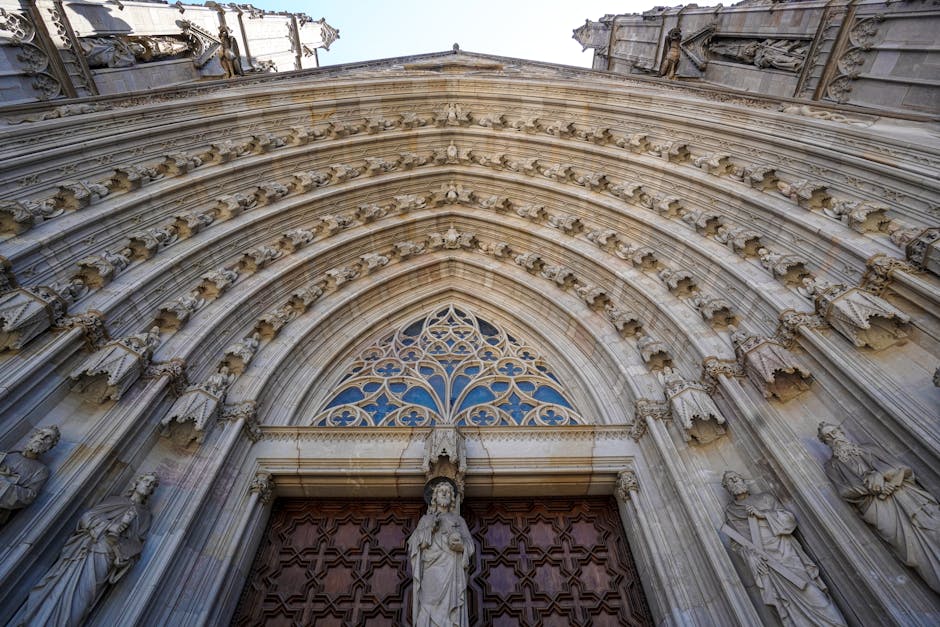
Discover the revolutionary history and haunting scars of the Spanish Civil War on this self-guided walk through Barcelona's historic streets.
 Easy
EasyBarcelona, Spain
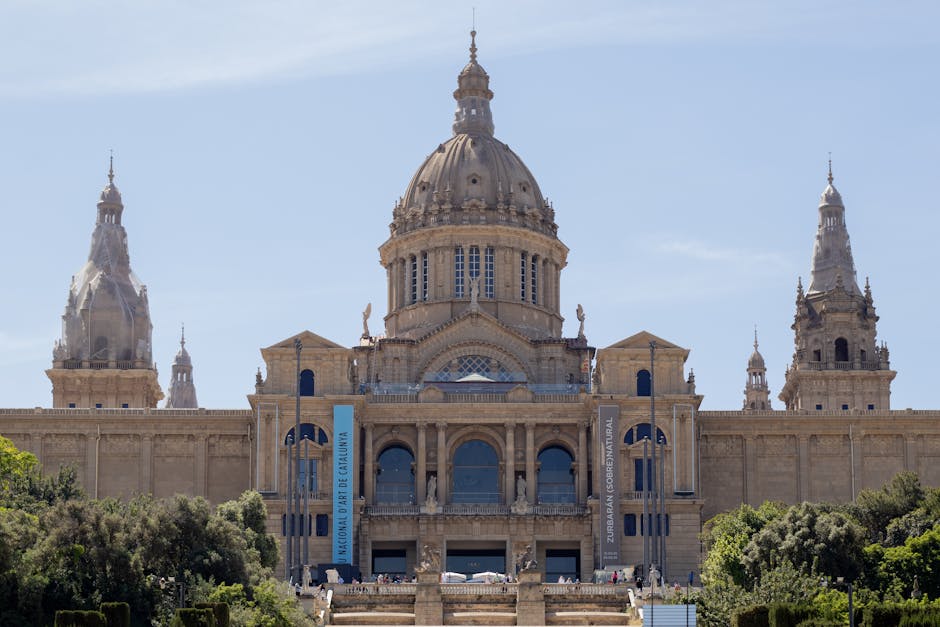
Discover the architectural wonders of Barcelona's Golden Square on this self-guided stroll through Eixample's most luxurious Modernista streets.
 Challenging
Barcelona, Spain
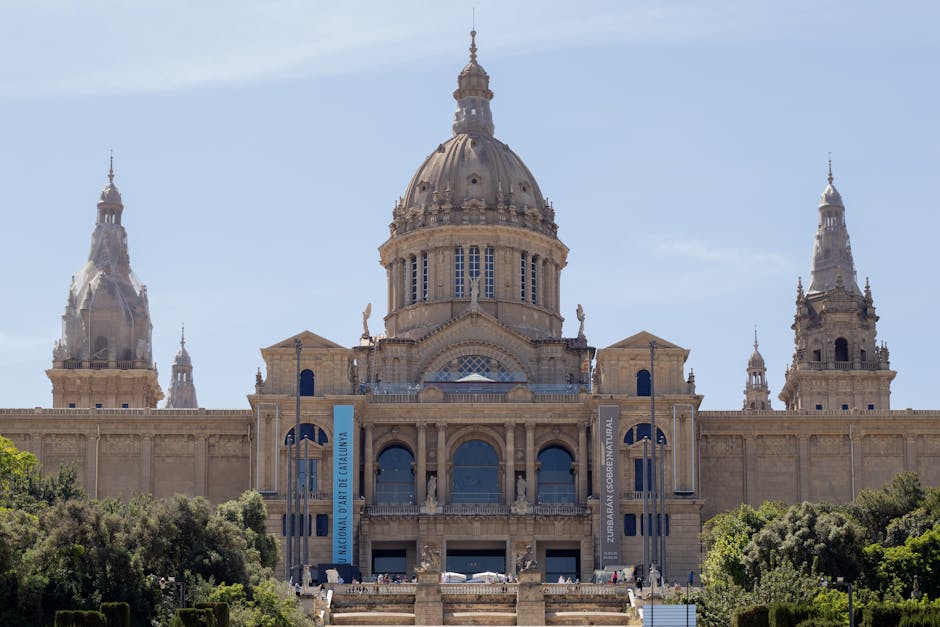
Explore Montjuïc’s lush gardens, historic fortress, and iconic Olympic venues on this scenic self-guided walk with panoramic Mediterranean views.