Self-guided audio tour in Fes
Start Free on iPhone
Start free on iPhone to unlock this self-guided walking tour in Fes. Hear all the stories that make it amazing, walk at your own pace, and begin whenever you want.
Your Private Tour Guide
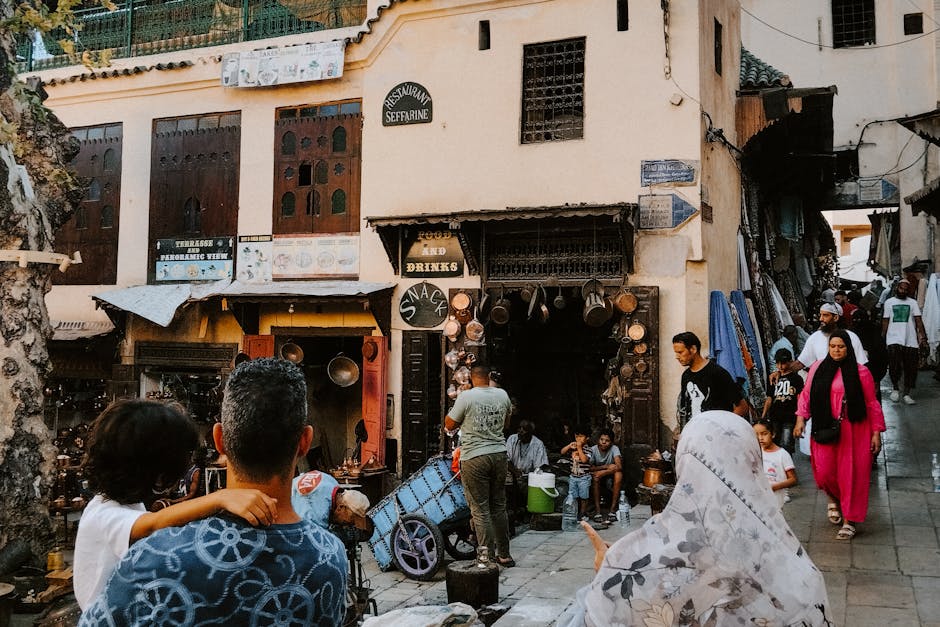
Step into the medieval heart of Morocco with this self-guided walk through Fes el Bali, the world's largest car-free urban zone. This route focuses on the two legendary 'arteries' that pulse with the city's lifeblood: Tala’a Kebira (the Big Slope) and Tala’a Sghira (the Little Slope). These parallel streets are more than just thoroughfares; they are the architectural and social spine of a city that has remained largely unchanged for a millennium. As you navigate the labyrinth, you will experience the transition from the intensely aromatic spice markets of Attarin to the rhythmic hammering of the woodworkers in Place Nejjarine. This neighborhood stroll is designed for those who want to immerse themselves in local history without the pressure of a group. You will discover the intricate relationship between commerce and faith, passing ancient caravanserais that once housed silk merchants and hidden madrasas adorned with breathtaking zellij tilework. This walking route Fes offers a deep dive into the sensory overload of the medina, from the smell of freshly tanned leather to the sight of donkey carts navigating narrow stone alleys. Whether you are one of the many curious shoppers looking for authentic handicrafts or a history enthusiast tracing the footsteps of the Idrisid dynasty, these two streets provide the perfect framework for independent exploration. The journey concludes at the iconic Bab Boujloud, the 'Blue Gate,' which serves as the grand threshold between the ancient city and the modern world. By following this audio walk, you can set your own pace, stopping for a mint tea whenever the spirit moves you while learning about the hidden symbols and stories etched into the cedar doors and limestone walls of this UNESCO World Heritage site. This is the definitive way to experience the culture and grit of Fes el Bali on your own terms.
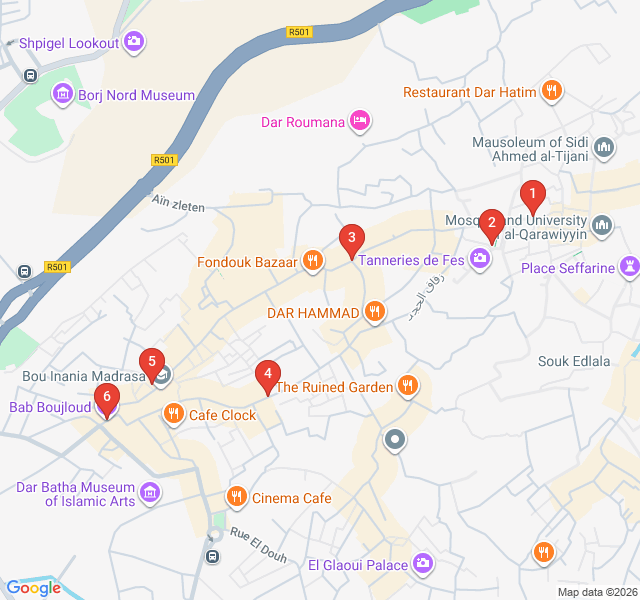
Numbers indicate the order of stops on the tour.
Welcome to the sensory gateway of Fes. The Attarin market, or Souk al-Attarine, has been the city's primary spice and perfume center for centuries. As you stand here, notice the towering sacks of colorful spices—vibrant yellow turmeric, deep red paprika, and earthy cumin. Historically, this area was situated close to the Kairaouine Mosque to ensure that the scents of the market complemented the spiritual atmosphere. The merchants here don't just sell ingredients; they sell remedies and traditions passed down through generations. Look up at the wooden lattices overhead, designed to filter the intense Moroccan sun, creating a dappled light that dances over the copper bowls and glass perfume vials. It is the perfect place to begin your self-guided adventure through the heart of the medina.
You have arrived at Place Nejjarine, the Square of the Carpenters. The rhythmic tapping you hear is the sound of artisans working with cedar wood, a craft that has defined this corner of Fes for hundreds of years. The centerpiece of the square is the Nejjarine Fountain, a masterpiece of 18th-century zellij tilework and carved plaster. Above the fountain, a massive cedar canopy protects the intricate mosaics from the elements. Adjacent to it stands the Fondouk Nejjarine, a former caravanserai where traveling merchants once stayed with their goods. Today, it serves as a museum of wooden arts and crafts. Take a moment to appreciate the symmetry and detail of the architecture here; it represents the pinnacle of Moroccan craftsmanship and the city's historical wealth.
Now you are walking on Rue Tala’a Kebira, the 'Big Slope.' This is one of the two longest and most important streets in Fes el Bali. Unlike the narrow side alleys, this street was built wide enough for two loaded camels to pass each other. As you descend, you will pass everything from butcher shops with hanging camel heads to stalls selling handmade leather slippers called babouches. Keep an eye out for the 'houses of the clock' and the various 'funduqs'—ancient inns—that line the street. Tala’a Kebira is the commercial spine of the city, where the history of trade is written into every stone. It is a place where medieval infrastructure still supports a thriving, modern economy.
Turning onto Rue Tala’a Sghira, or the 'Little Slope,' you’ll notice a shift in atmosphere. While Tala’a Kebira is grand and commercial, Tala’a Sghira is more intimate and residential. This street runs parallel to its larger sibling and was historically the route used by locals to avoid the heavy traffic of the main market. Here, the workshops are smaller, focusing on specialized crafts like tailoring and metalwork. You will see more local bakeries where residents bring their dough to be baked in communal ovens. The architecture here is tighter, with overhead 'sabbats' or arched passages that connect houses across the street, providing shade and structural support. It offers a quieter, more domestic perspective on life within the old city walls.
Tucked away in a beautifully restored riad, Cafe Clock has become a modern institution in Fes. While it is famous for its 'camel burger,' it is even more significant as a cross-cultural hub. This is a place where traditional Moroccan storytelling, calligraphy lessons, and Gnawa music performances keep ancient arts alive for a new generation. The cafe is spread across several floors, including a rooftop terrace that offers a stunning view of the minarets and the surrounding hills. It represents the 'New Fes'—a city that respects its history but isn't afraid to innovate. It is an ideal spot to rest your feet and reflect on the journey between the two slopes before heading to the final stop.
You have reached the end of the route at Bab Boujloud, the iconic 'Blue Gate.' Although it looks ancient, this gate was actually built in 1913 by the French colonial administration to provide a grand entrance to the old city. Notice the color scheme: the side facing outward is blue, the traditional color of Fes, while the side facing the medina is green, the color of Islam. Through the central arch, you can see the minarets of the Bou Inania Madrasa perfectly framed. This gate marks the transition between the bustling, car-free medina of Fes el Bali and the more open spaces of Fes el Jdid. It is the most famous meeting point in the city and a testament to the enduring beauty of Moroccan design.
Start Free on iPhone
Explore “The Two Arteries: Tala'a Kebira and Tala'a Seghira” with your very own Private Tour Guide with Zigway. Start free on iPhone, skip the large group and the fixed routes, and hear the city come alive as you go.
Your Private Tour Guide
Don't miss the good stuff
Explore Freely
 Moderate
Fes, Morocco
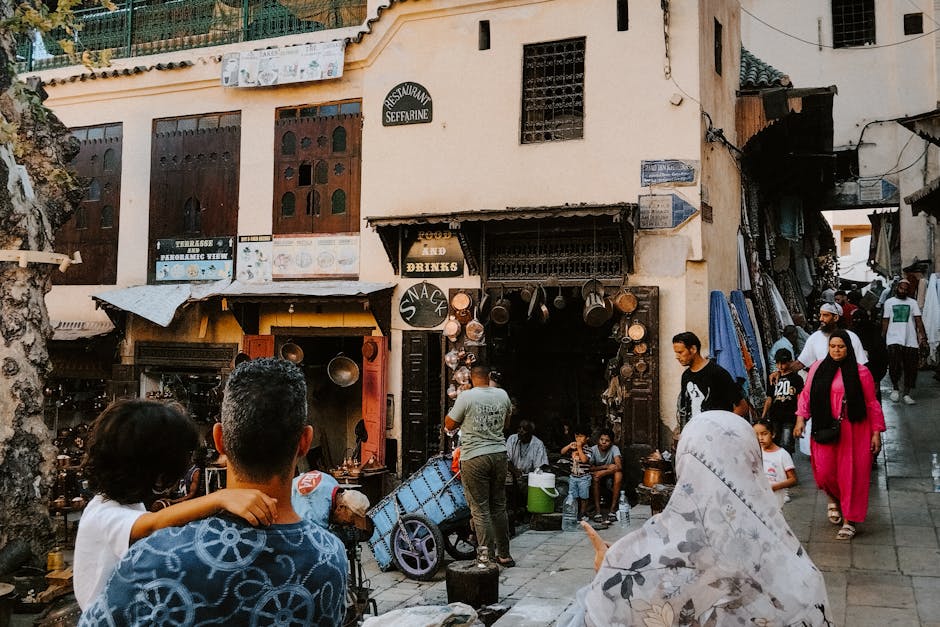
Taste your way through the medieval medina of Fes. Discover ancient spice markets, hidden street eats, and the evolution of Moroccan flavors.
 Easy
EasyFes, Morocco
Explore the French-era boulevards and Art Deco gems of Fes on this self-guided walk through the vibrant Ville Nouvelle neighborhood.
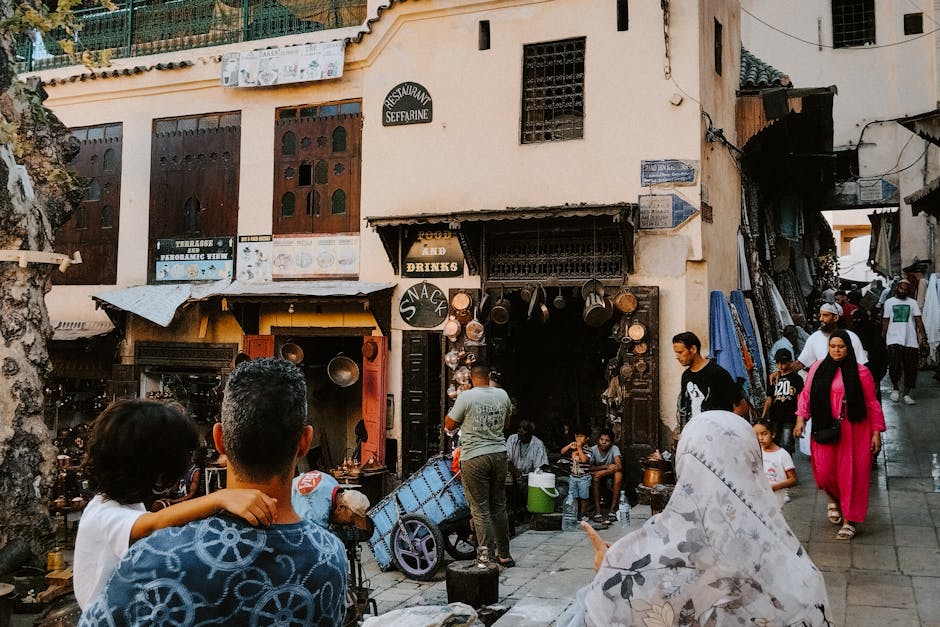 Challenging
Fes, Morocco
Ascend the northern hills of Fes for a breathtaking sunset walk overlooking the world's largest car-free urban space and ancient royal ruins.
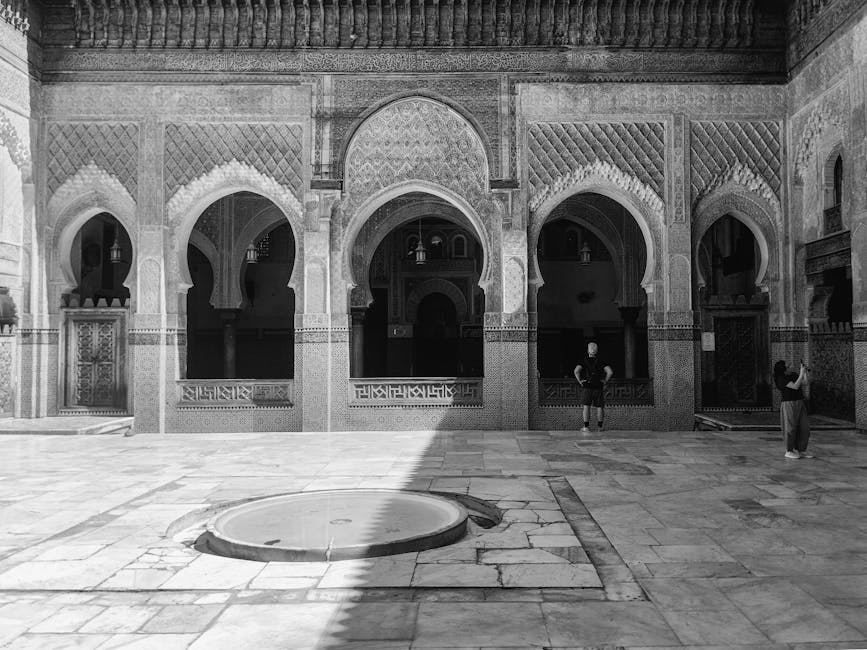 Easy
EasyFes, Morocco
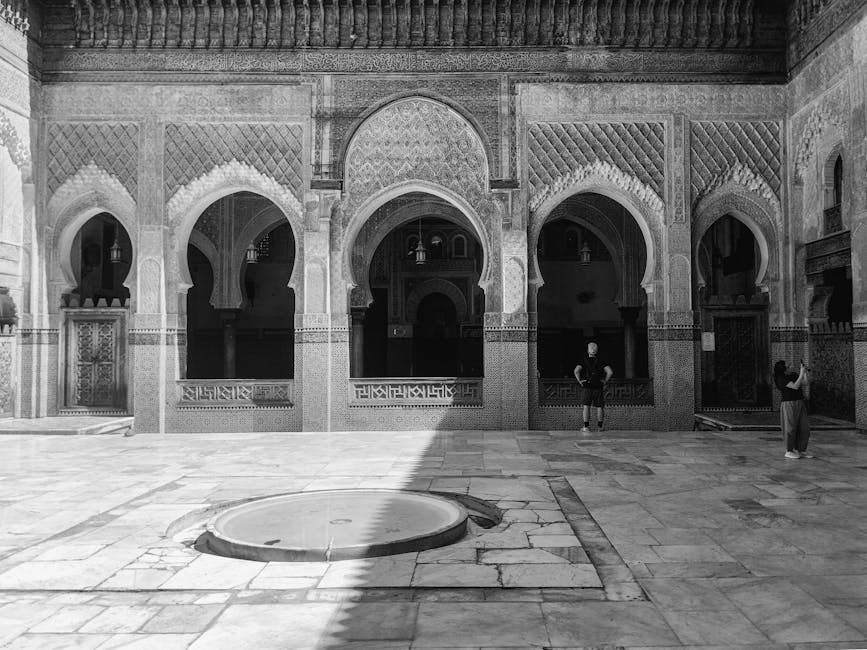
Discover the architectural wonders of Fes. Explore medieval madrasas and sacred sites on this self-guided walk through the ancient medina.
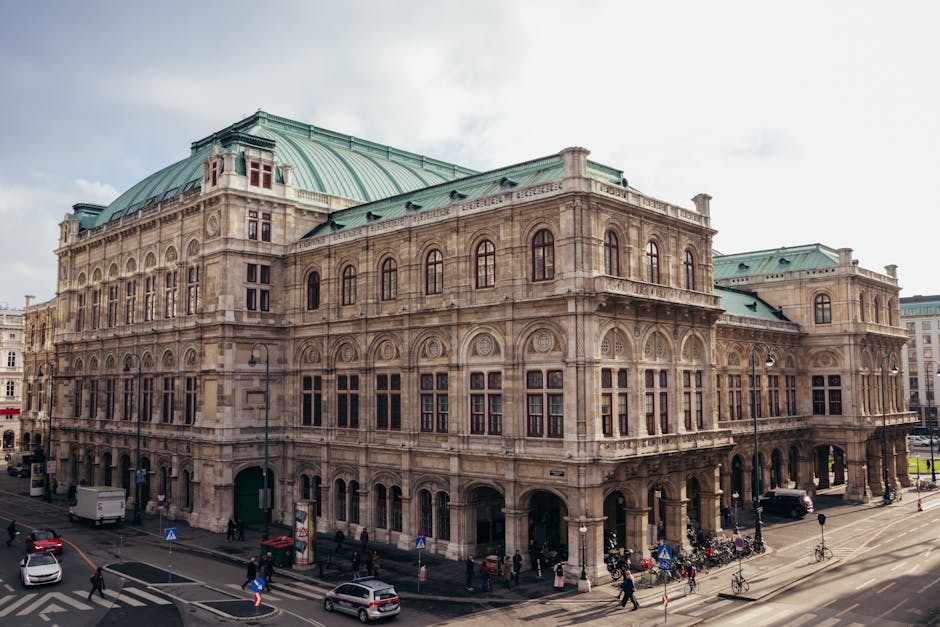 Moderate
Vienna, Austria
Follow the footsteps of Mozart and Strauss through Vienna’s historic center on this self-guided walk through the city's rich musical history.
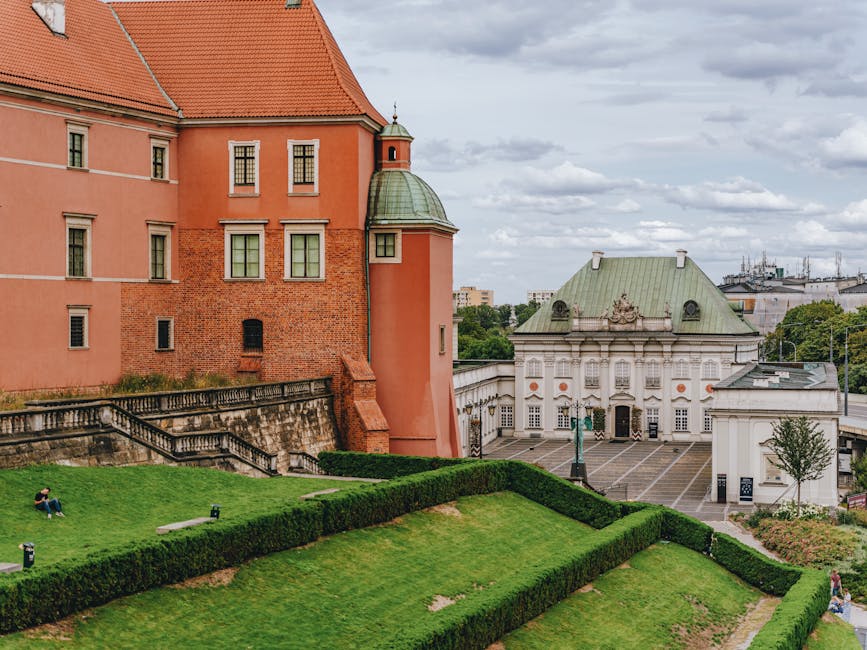 Moderate
Warsaw, Poland
Explore the resilient spirit of Warsaw's Muranów district on this self-guided walk through the history and landmarks of the former Jewish Ghetto.
 Moderate
Gothenburg, Sweden
Discover Gothenburg’s maritime soul on this self-guided walk from the historic Central Station to the scenic riverfront at Stenpiren.
 Easy
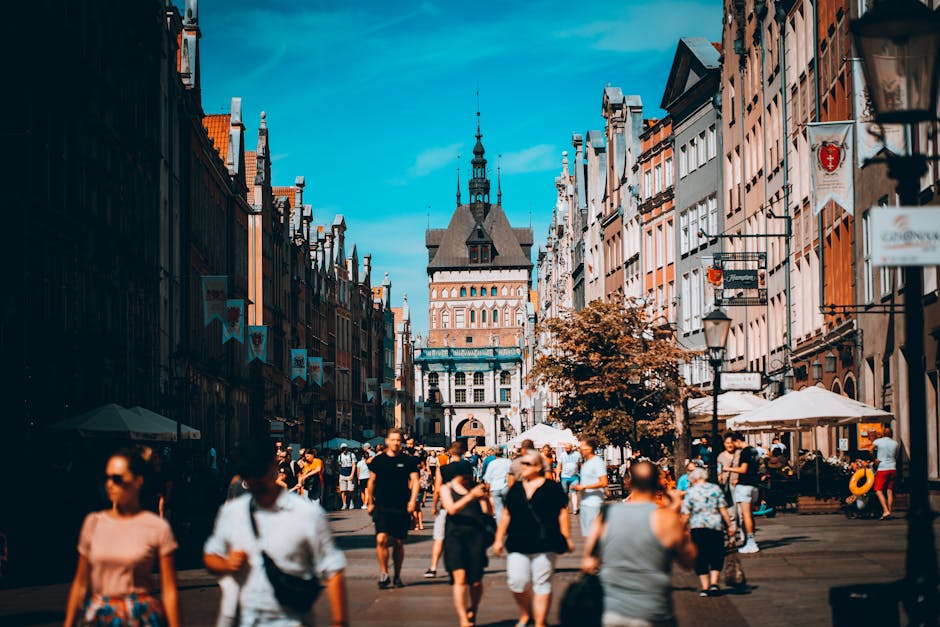
EasyGdansk, Poland
Taste the history of the Baltic. Explore Gdansk's culinary heritage from medieval markets to gold-flecked liqueurs on this self-guided walk.
 Challenging
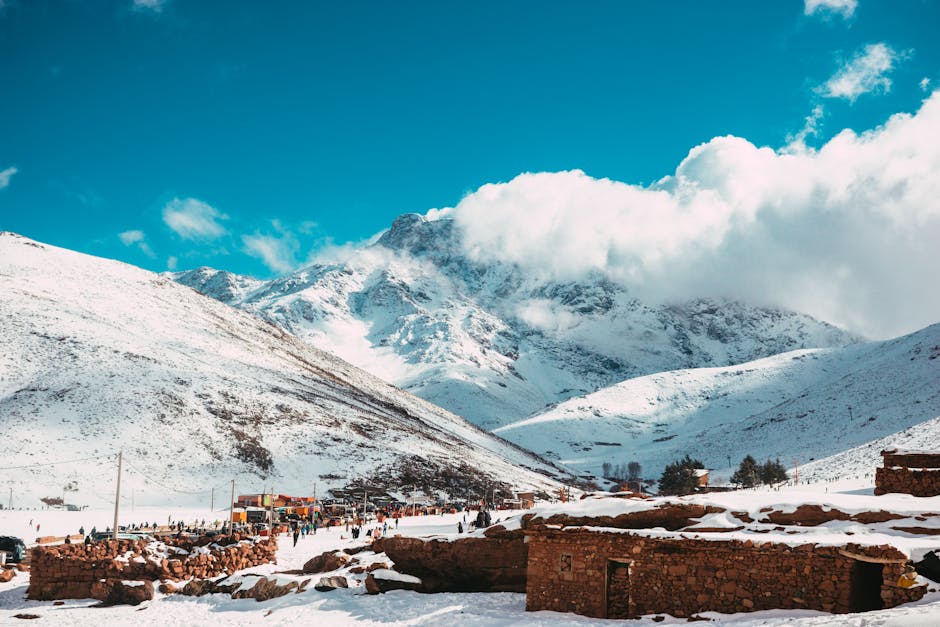
Marrakech, Morocco
Discover the 'Sabatu Rijal' on this self-guided spiritual walk through the Medina's historic shrines and hidden Sufi landmarks.
 Easy
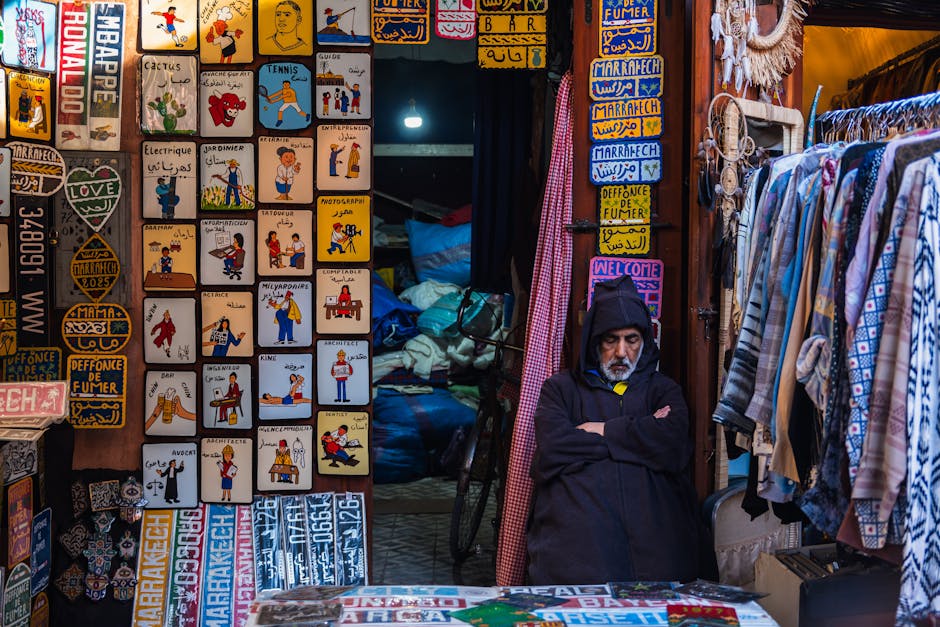
EasyMarrakech, Morocco
Follow the footsteps of Yves Saint Laurent through Marrakech's iconic gardens and colonial landmarks on this elegant self-guided fashion walk.
 Easy
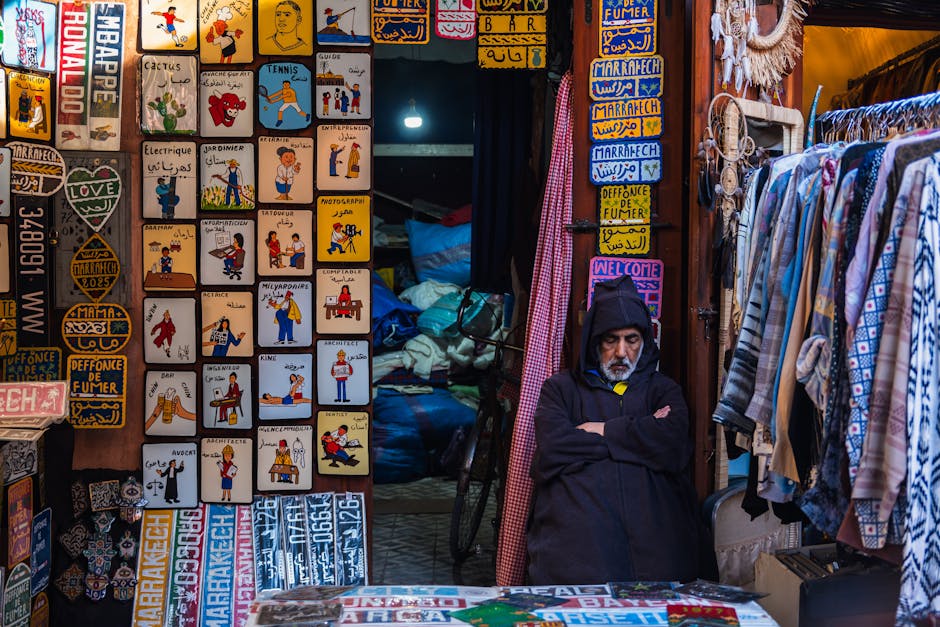
EasyMarrakech, Morocco
Discover the stylish side of the Red City on this self-guided walk through Marrakech's premier design concept stores and contemporary art galleries.
 Easy
EasyMarrakech, Morocco
Discover the intricate art and hidden history of Marrakech's historic doors and riads on this self-guided architectural walk through Mouassine.