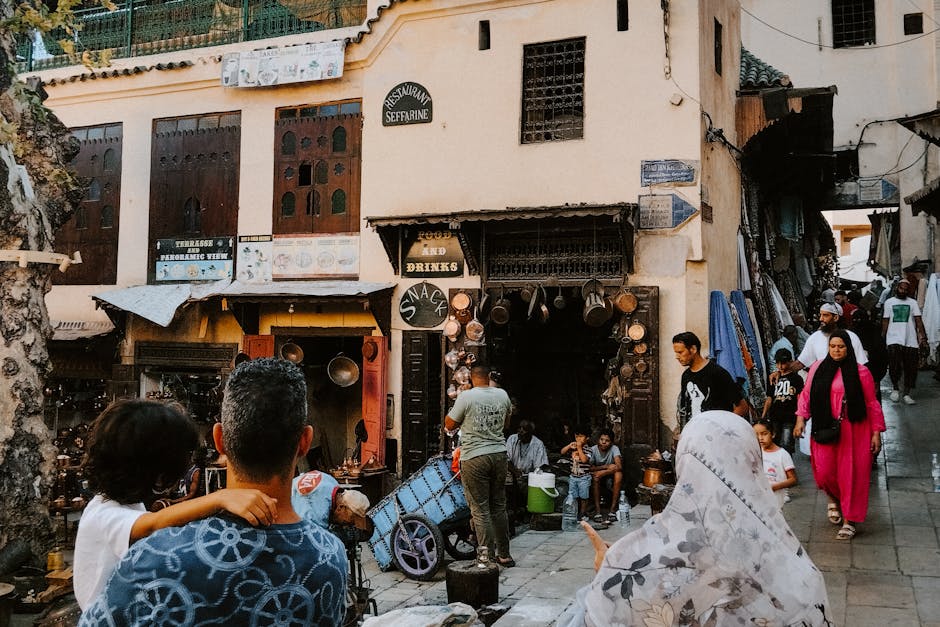
Self-guided audio tour in Fes
Start Free on iPhone
Start free on iPhone to unlock this self-guided walking tour in Fes. Hear all the stories that make it amazing, walk at your own pace, and begin whenever you want.
Your Private Tour Guide
Step back into the 13th century on a self-guided walk through Fes el Jdid, the 'New Fes' built by the Marinid sultans. While many visitors lose themselves in the ancient labyrinth of Fes el Bali, this neighborhood stroll offers a different perspective—one of wide ceremonial plazas, imposing fortifications, and royal grandeur. This walking route traces the footsteps of Moroccan royalty, beginning at the vast ceremonial grounds where the sultan once received his subjects and foreign dignitaries. Unlike the narrow alleys of the older medina, Fes el Jdid was designed as a seat of power, featuring monumental architecture and strategic military defenses. This walking tour Fes experience highlights the shift from the medieval city to an imperial capital. You will encounter the legendary golden doors of the Royal Palace, a masterpiece of modern Moroccan craftsmanship that honors centuries-old traditions. As you explore independently, the route leads through massive gates like Bab Dekkakin, which served as both a courthouse and a gateway between the royal and residential sectors. The journey concludes in the tranquil embrace of Jnan Sbil, the city's oldest public park, offering a peaceful respite from the urban energy. This self-guided adventure is perfect for those interested in the political history and royal architecture of Morocco, providing a clear, manageable path through some of the city's most iconic landmarks without the pressure of a group schedule.
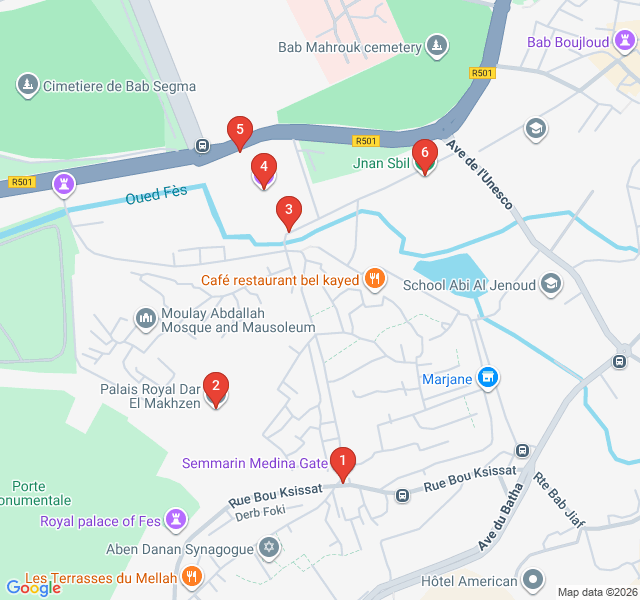
Numbers indicate the order of stops on the tour.
Welcome to the Grand Méchouar, the heart of Fes el Jdid. Built in the 13th century by the Marinid dynasty, this vast open square was designed for imperial ceremonies, military parades, and official receptions. As you stand here, imagine the sultan appearing before his subjects. The architecture surrounding the square served as a buffer between the royal palace and the residential quarters of the city. The high walls and towers emphasize the defensive nature of this 'New Fes,' which was established to provide the ruling family with a secure and grand alternative to the crowded streets of the old medina.
Before you stand the seven legendary gates of the Royal Palace. While the palace itself remains an active residence for the King of Morocco and is closed to the public, these doors are a destination in themselves. Notice the intricate brass work, hand-carved cedar wood, and the vibrant zellige tilework. Each door is framed by marble columns and topped with delicate stucco. The number seven is significant in Islamic culture, and the symmetry here is meant to reflect the power and stability of the monarchy. This is one of the most photographed locations in Morocco, showcasing the peak of modern Moroccan craftsmanship.
This massive, fortress-like gate is Bab Dekkakin, also known as the 'Gate of the Benches.' Its name comes from the stone benches inside the gateway where judges once sat to settle disputes and hear legal cases. Built in 1276, it served as the main ceremonial entrance to the palace grounds. Look up at the crenelated top and the heavy stonework; this gate was designed to be easily defended. It connects the Old Méchouar with the New Méchouar, effectively acting as a checkpoint for anyone entering the inner sanctum of the Marinid capital.
You are now in Bab Makina Plaza. The name 'Makina' refers to the 19th-century Italian-built arms factory that once stood nearby. This area has transformed from a military industrial site into a cultural hub. Today, it is most famous as the main stage for the Fes Festival of World Sacred Music. The high, imposing walls create a natural amphitheater, and the backdrop of the illuminated gates at night is truly spectacular. It represents the layers of Fes's history—from Marinid defense to 19th-century modernization and contemporary global culture.
Bab Sigma is one of the northernmost gates of the Fes el Jdid fortifications. It was named after a 10th-century holy man, Sidi Bou Jida, but over time the name evolved. This gate played a crucial role in the city's water management and defense. From this vantage point, you can see how the walls of the city extend to protect the various quarters. The area around Bab Sigma was historically used for markets and as a gathering place for caravans arriving from the north, linking the imperial city with the wider Moroccan landscape.
Finish your walk in Jnan Sbil, the oldest and most beautiful public park in Fes. Originally created in the 18th century by Sultan Moulay Abdallah, these gardens were restored to their former glory in 2010. As you wander through the palm-lined paths, notice the 'noria' (water wheel) and the complex irrigation system that has fed these gardens for centuries. With over 3,000 plant species, it serves as a green lung for the city. It is the perfect place to sit by the central pond and reflect on the transition from the stone-walled plazas of the palace to this lush botanical paradise.
Start Free on iPhone
Explore “The Sultan's Path: Imperial Fes el Jdid” with your very own Private Tour Guide with Zigway. Start free on iPhone, skip the large group and the fixed routes, and hear the city come alive as you go.
Your Private Tour Guide
Don't miss the good stuff
Explore Freely
 Moderate
Fes, Morocco
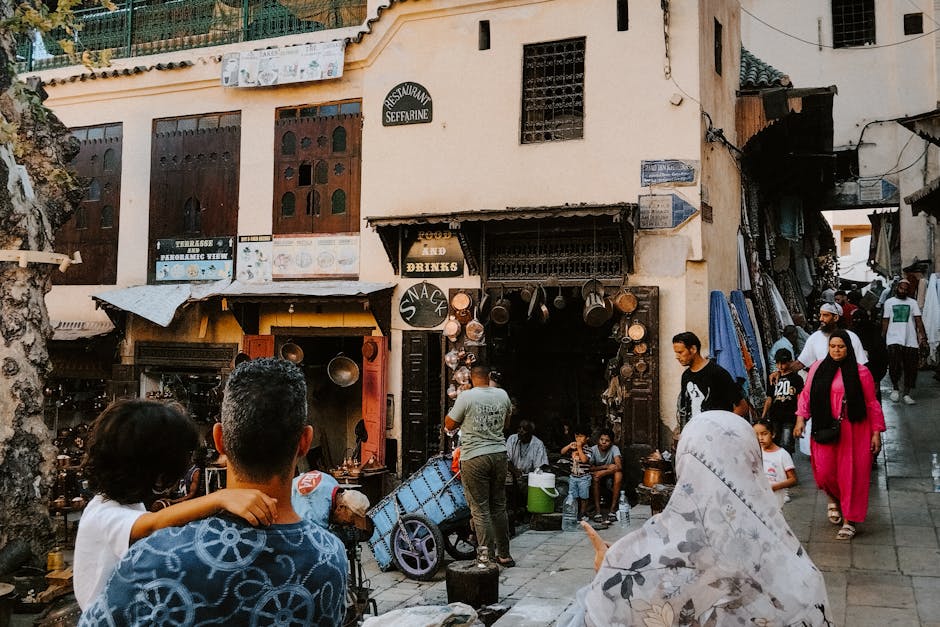
Taste your way through the medieval medina of Fes. Discover ancient spice markets, hidden street eats, and the evolution of Moroccan flavors.
 Easy
EasyFes, Morocco
Explore the French-era boulevards and Art Deco gems of Fes on this self-guided walk through the vibrant Ville Nouvelle neighborhood.
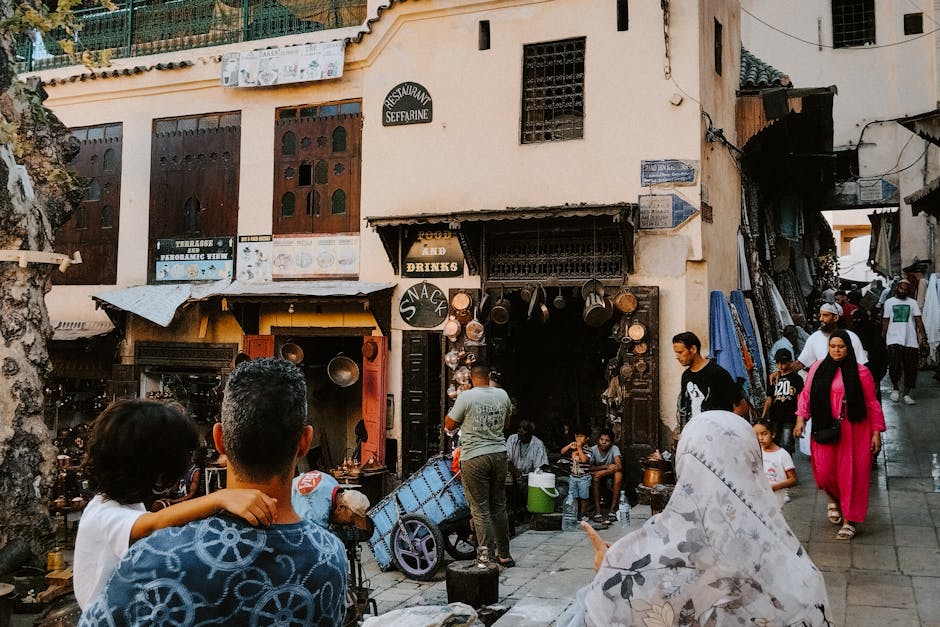 Challenging
Fes, Morocco
Ascend the northern hills of Fes for a breathtaking sunset walk overlooking the world's largest car-free urban space and ancient royal ruins.
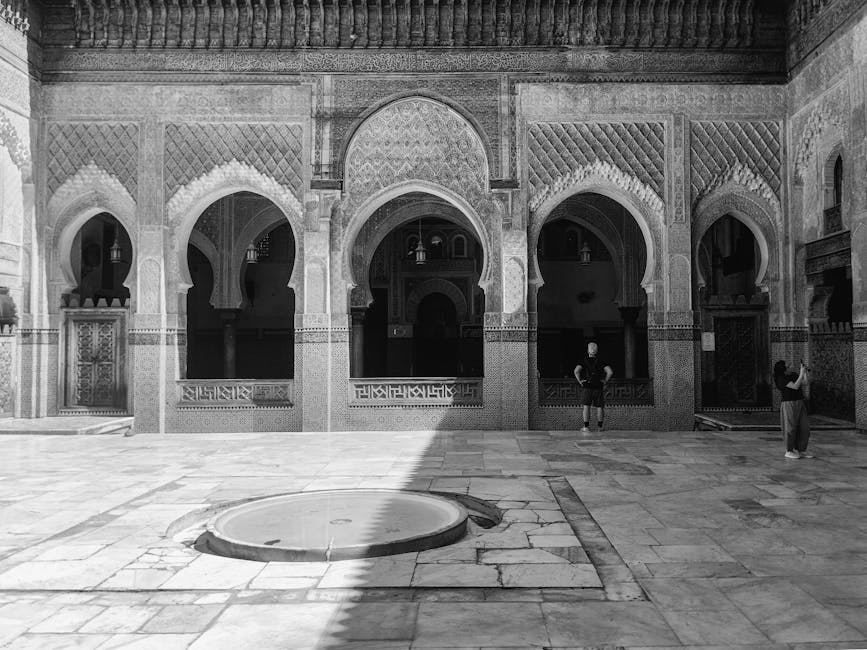 Easy
EasyFes, Morocco
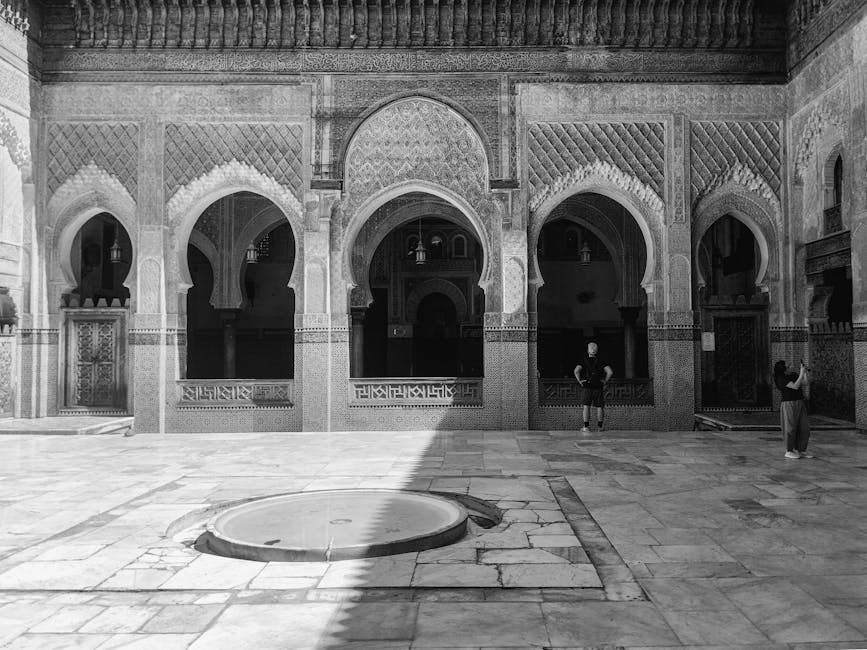
Discover the architectural wonders of Fes. Explore medieval madrasas and sacred sites on this self-guided walk through the ancient medina.
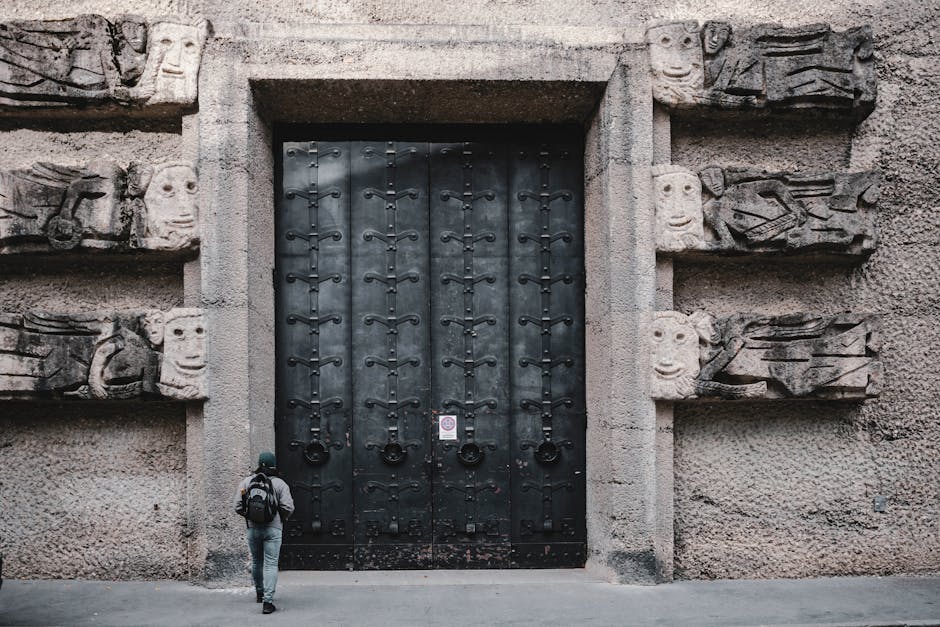 Easy
EasySalzburg, Austria
Discover the 'Rome of the North' on this self-guided walk through the Baroque squares and monumental legacy of Salzburg’s Prince-Archbishops.
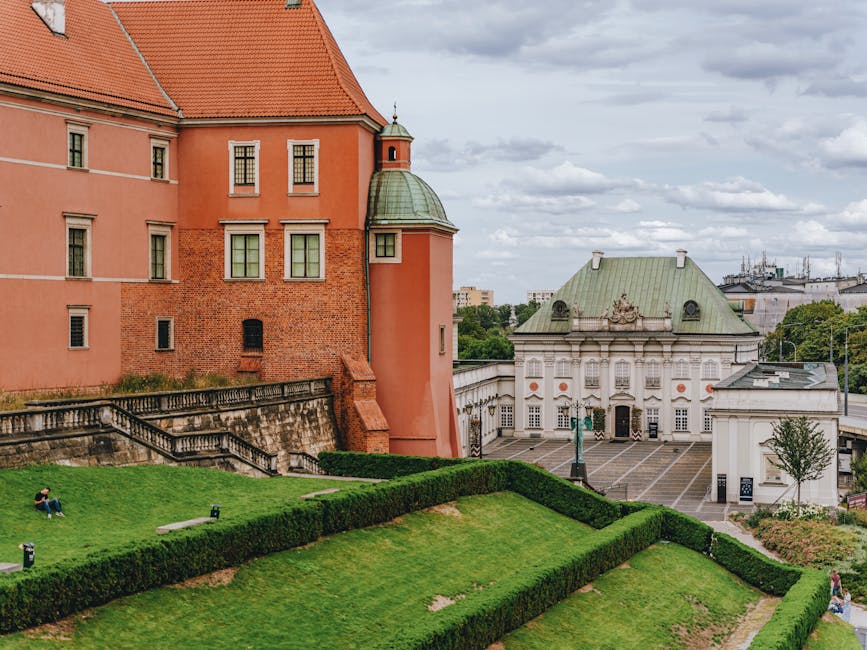 Easy
EasyWarsaw, Poland
Explore the miracle of Warsaw's reconstructed Old Town on this self-guided walk through royal squares, medieval walls, and heroic monuments.
 Easy
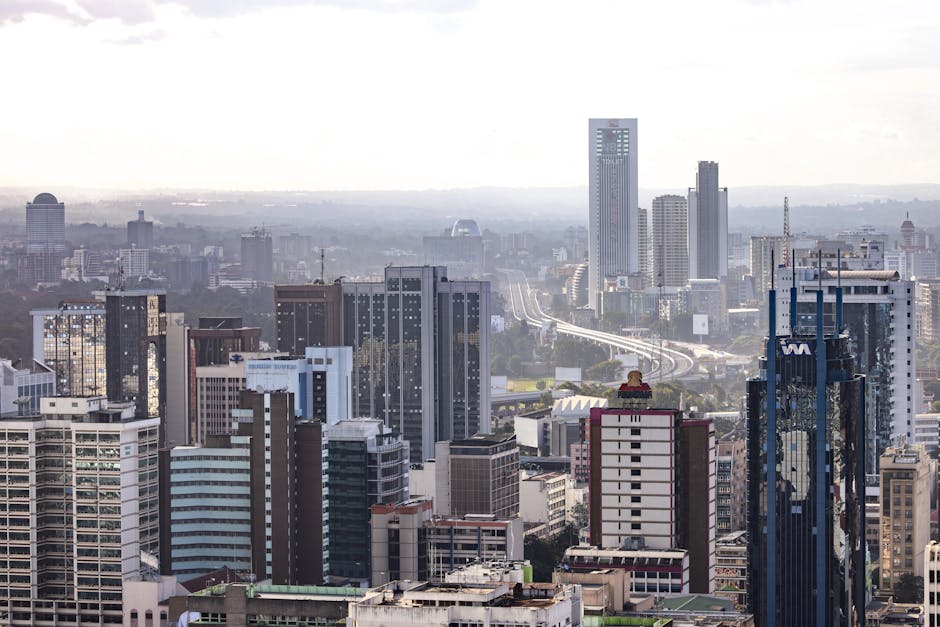
EasyNairobi, Kenya
Explore Nairobi's architectural evolution from colonial-era landmarks to iconic Brutalist skyscrapers on this historic self-guided walking route.
 Easy
EasyNairobi, Kenya
Discover Nairobi's iconic skyline on this self-guided architecture walk through the CBD’s most famous modernist and Brutalist landmarks.
 Challenging
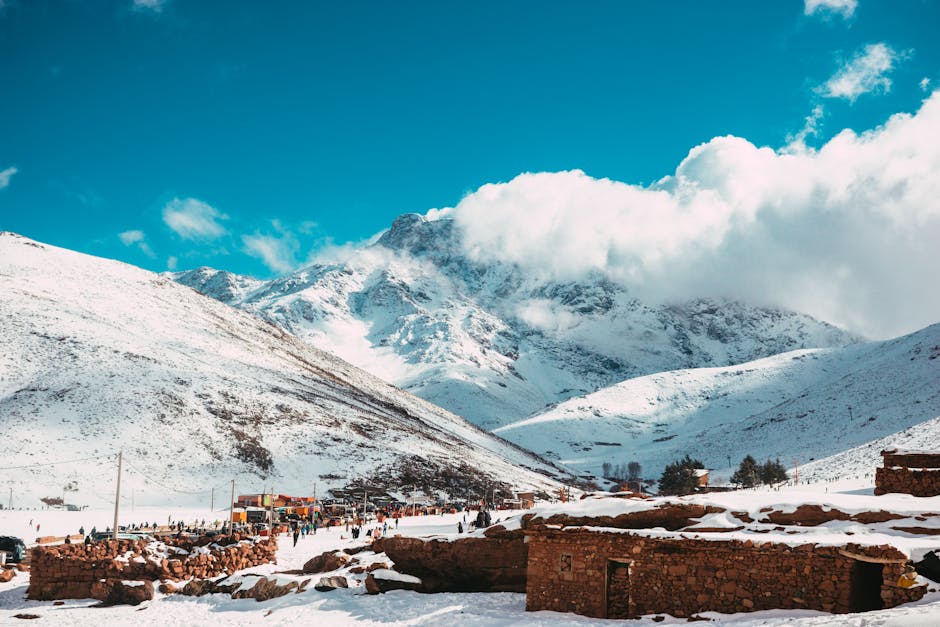
Marrakech, Morocco
Discover the 'Sabatu Rijal' on this self-guided spiritual walk through the Medina's historic shrines and hidden Sufi landmarks.
 Easy
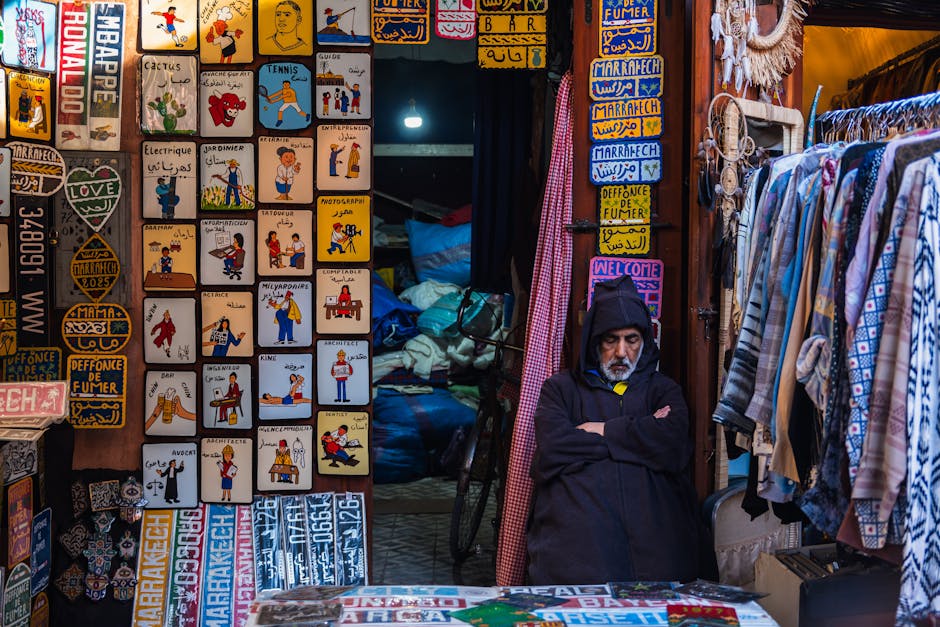
EasyMarrakech, Morocco
Follow the footsteps of Yves Saint Laurent through Marrakech's iconic gardens and colonial landmarks on this elegant self-guided fashion walk.
 Easy
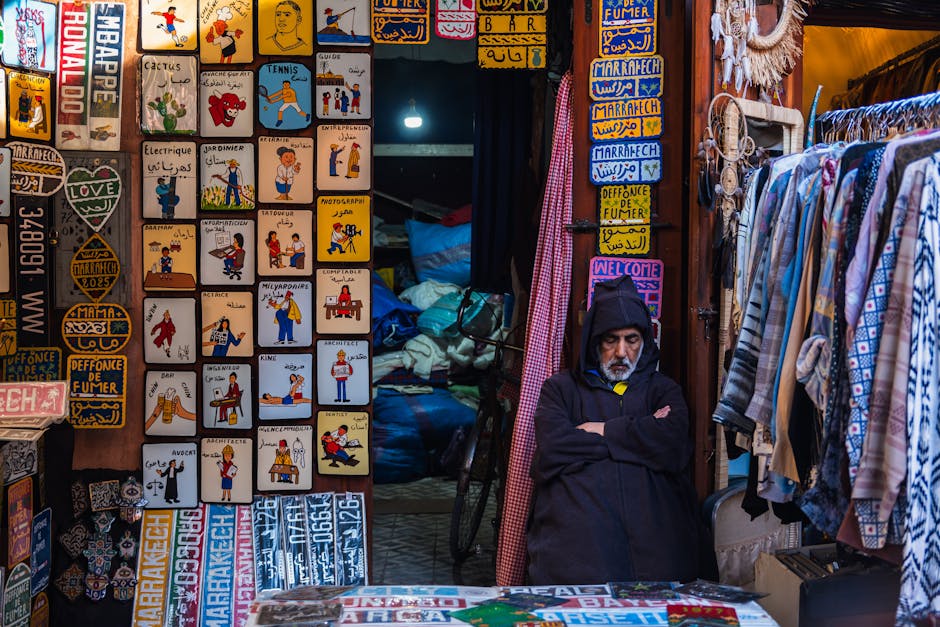
EasyMarrakech, Morocco
Discover the stylish side of the Red City on this self-guided walk through Marrakech's premier design concept stores and contemporary art galleries.
 Easy
EasyMarrakech, Morocco
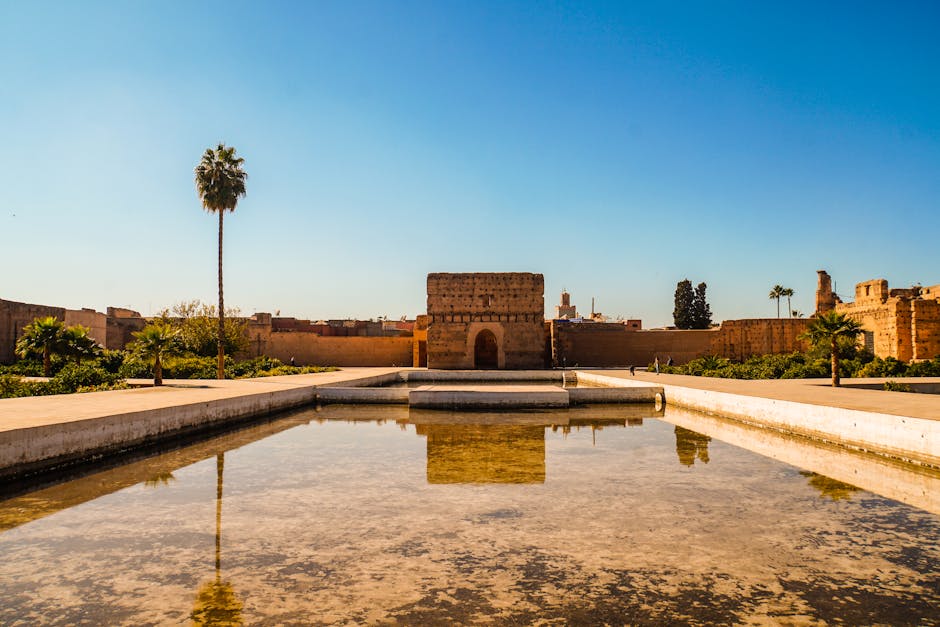
Discover the intricate art and hidden history of Marrakech's historic doors and riads on this self-guided architectural walk through Mouassine.