Self-guided audio tour in Rotterdam
Start Free on iPhone
Start free on iPhone to unlock this self-guided walking tour in Rotterdam. Hear all the stories that make it amazing, walk at your own pace, and begin whenever you want.
Your Private Tour Guide
Rotterdam is a city unlike any other in Europe. While many Dutch cities are defined by 17th-century canals and gabled houses, Rotterdam is a living laboratory of modern architecture. This self-guided walk invites you to explore the 'Phoenix City,' which rose from the ashes of World War II to become a global hub of experimental design and urban innovation. This walking route takes you through the heart of the Centrum district, where medieval history and futuristic ambition exist side-by-side. You will begin your self-guided adventure at the iconic Overblaak area, home to some of the world's most recognizable residential designs. From there, the path leads through the vibrant market culture of the city, passing through structures that have redefined how urban spaces can be used. This isn't just a collection of buildings; it is a story of resilience and the Dutch spirit of 'make it happen.' Along the way, you will encounter the only remaining medieval structure in the city center, providing a stark and beautiful contrast to the surrounding glass and steel. As you navigate the neighborhood stroll, you will see the work of world-renowned architects like Rem Koolhaas and MVRDV. The journey concludes at one of the world's most impressive transit hubs, a building that serves as a grand entrance to the city. Whether you are an architecture enthusiast or a first-time visitor, this walking tour Rotterdam offers a deep dive into the creative soul of the Netherlands. Discover at your own pace why this city is often called the 'Manhattan on the Maas' and see how Rotterdam continues to reinvent itself for the 21st century. This route is designed to be flexible, allowing you to stop for a coffee in a historic church or sample local delicacies in a high-tech market hall. By the end of this audio walk, you will have a comprehensive understanding of how Rotterdam transformed its tragic history into a bold, architectural vision for the future.
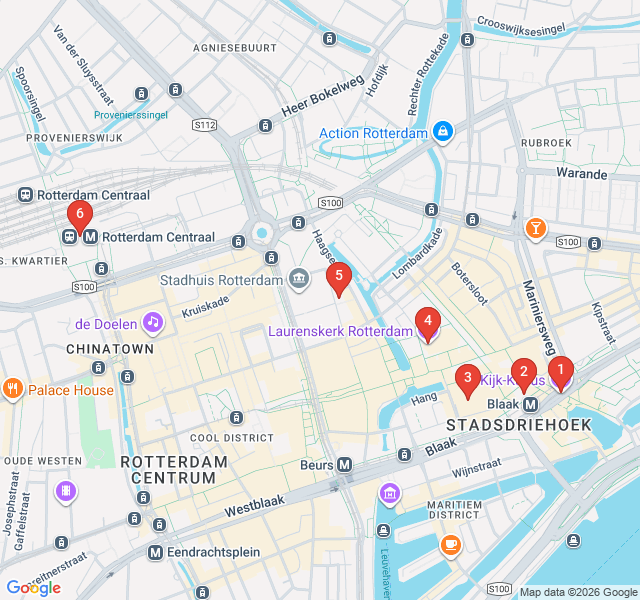
Numbers indicate the order of stops on the tour.
Welcome to the Kijk-Kubus, or the Cube Houses, designed by architect Piet Blom in the late 1970s. Blom’s vision was a 'forest' of houses, where each cube represents a tree and the entire complex forms a wood. These houses are tilted at a 45-degree angle, sitting atop hexagonal pylons. Inside, the walls are slanted, and every piece of furniture must be custom-made. Blom wanted to create a village within a city, focusing on high-density living with plenty of public space at the ground level. As you look up, notice how the yellow cubes create a geometric canopy that feels both playful and surreal. It remains one of the most iconic examples of structuralism in the world.
Just steps away from the Cube Houses is the Rotterdam Blaak station. Take a moment to look at the massive circular roof, often compared to a giant flying saucer or a chef’s hat. This station is a vital transit hub, but its architecture is what makes it a local landmark. Designed by Harry Reijnders and completed in 1993, the station replaced a traditional brick building with this transparent, airy structure. It serves as a gateway between the historic port areas and the modern city center. The surrounding square often hosts one of the largest outdoor markets in the Netherlands on Tuesdays and Saturdays, adding a bustling energy to the architectural precision of the area.
Behold the Markthal, a true masterpiece of modern Dutch architecture by the firm MVRDV. This horseshoe-shaped building is the first of its kind, combining a massive indoor food market with residential apartments in the arch itself. Look up at the ceiling to see 'The Horn of Plenty' by Arno Coenen and Iris Roskam. This 11,000-square-meter artwork features oversized fruits, vegetables, and flowers, earning the building the nickname 'The Sistine Chapel of Rotterdam.' The glass walls at either end are cable-net facades, designed to be flexible during high winds. This building perfectly encapsulates Rotterdam’s philosophy: why build a simple market when you can build a habitable work of art?
Standing in the shadow of modern giants is the Grote of Sint-Laurenskerk, or St. Lawrence Church. This is the only remnant of the medieval city of Rotterdam, originally built between 1449 and 1525. During the Rotterdam Blitz of 1940, the church was severely damaged, leaving only the walls and tower standing. While many called for its demolition, the people of Rotterdam chose to restore it as a symbol of the city's endurance. Contrast its Gothic lines with the futuristic Markthal nearby. Inside, you can find the graves of famous Dutch admirals and a set of bronze doors designed by Giacomo Manzù, depicting the horrors of war and the hope of peace.
As you approach the Timmerhuis, you are looking at the work of OMA, the firm founded by Rotterdam’s own Rem Koolhaas. This building is a modular 'cloud' of glass and steel that appears to hover over the original 1950s municipal office building. It was designed using a pixelated system, allowing for a flexible mix of offices, apartments, and the Museum Rotterdam. The design is intended to be one of the most sustainable buildings in the Netherlands. Notice how the new structure wraps around and integrates with the old brickwork, representing the city's constant dialogue between its past and its future. It is a brilliant example of 'reconstruction' in a contemporary context.
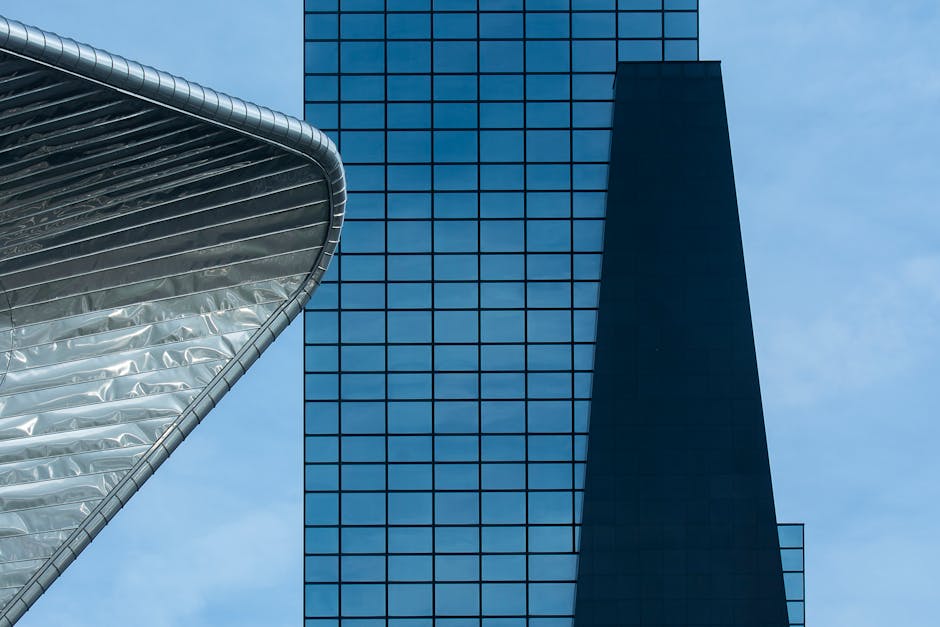
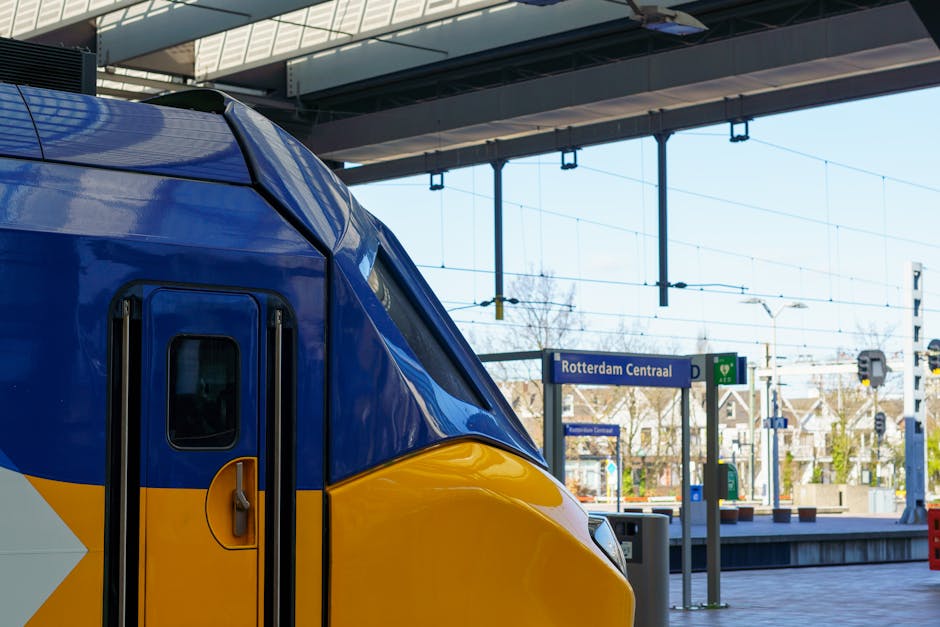
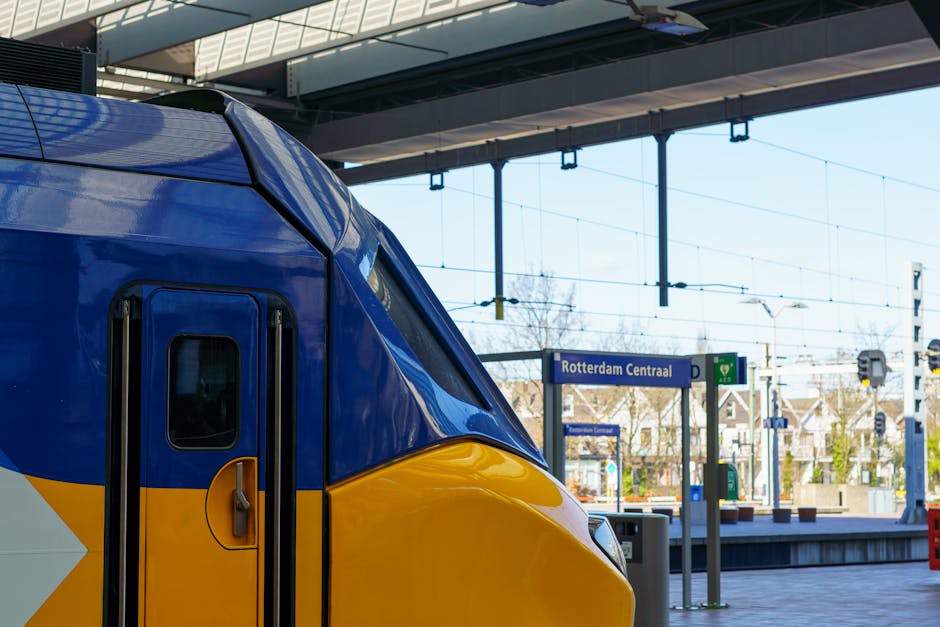
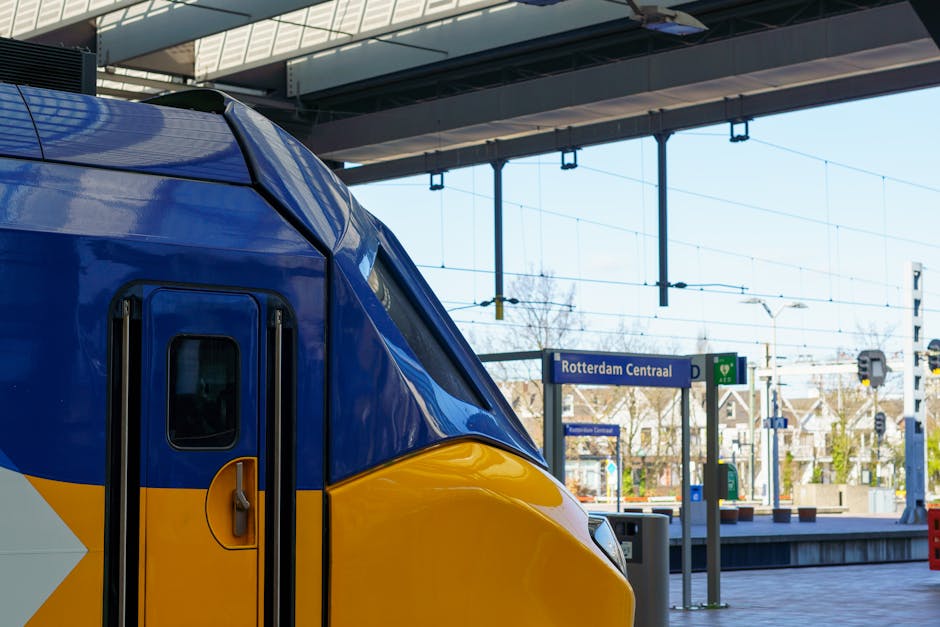
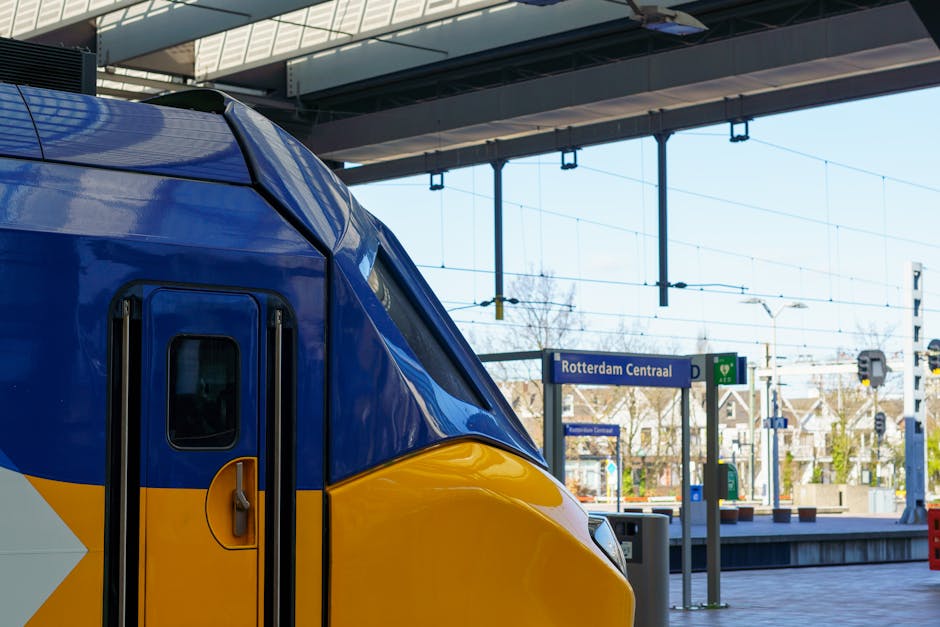
The final stop on your walking route is the spectacular Rotterdam Central Station. Reopened in 2014, the station features a striking pointed roof clad in stainless steel that points directly toward the city center. This 'shark fin' design is not just for show; the roof is covered in thousands of solar panels, making it one of the most sustainable railway stations in Europe. Inside, the use of wood and natural light creates a warm, welcoming atmosphere that contrasts with the sharp exterior. Look for the original clock and the 'Centraal Station' lettering from the 1957 building, preserved to honor the station's history while embracing a bold new era of travel.
Start Free on iPhone
Explore “Modern Architecture & City Icons” with your very own Private Tour Guide with Zigway. Start free on iPhone, skip the large group and the fixed routes, and hear the city come alive as you go.
Your Private Tour Guide
Don't miss the good stuff
Explore Freely
 Easy
EasyRotterdam, Netherlands
Explore Rotterdam’s cultural heart on this self-guided walk through world-class museums, modernist villas, and futuristic architectural landmarks.
 Easy
EasyRotterdam, Netherlands
Capture Rotterdam's iconic skyline and historic bridges on this scenic self-guided photography walk along the Maas River and Noordereiland.
 Moderate
Rotterdam, Netherlands
Explore Rotterdam’s lush side through secret gardens, historic harbors, and the elegant 19th-century Shipping Quarter on this self-guided walk.
 Easy
EasyRotterdam, Netherlands
Explore Rotterdam's neon-lit streets and vibrant nightlife at your own pace with this independent audio walk through the city's coolest districts.
 Easy
EasyNairobi, Kenya
Discover Nairobi's iconic skyline on this self-guided architecture walk through the CBD’s most famous modernist and Brutalist landmarks.
 Easy
EasyGdansk, Poland
Discover the opulent Royal Way of Gdansk at your own pace. Explore Hanseatic history, gilded architecture, and the iconic Neptune's Fountain.
 Easy
EasyWarsaw, Poland
Explore the miracle of Warsaw's reconstructed Old Town on this self-guided walk through royal squares, medieval walls, and heroic monuments.
 Easy
EasyNairobi, Kenya
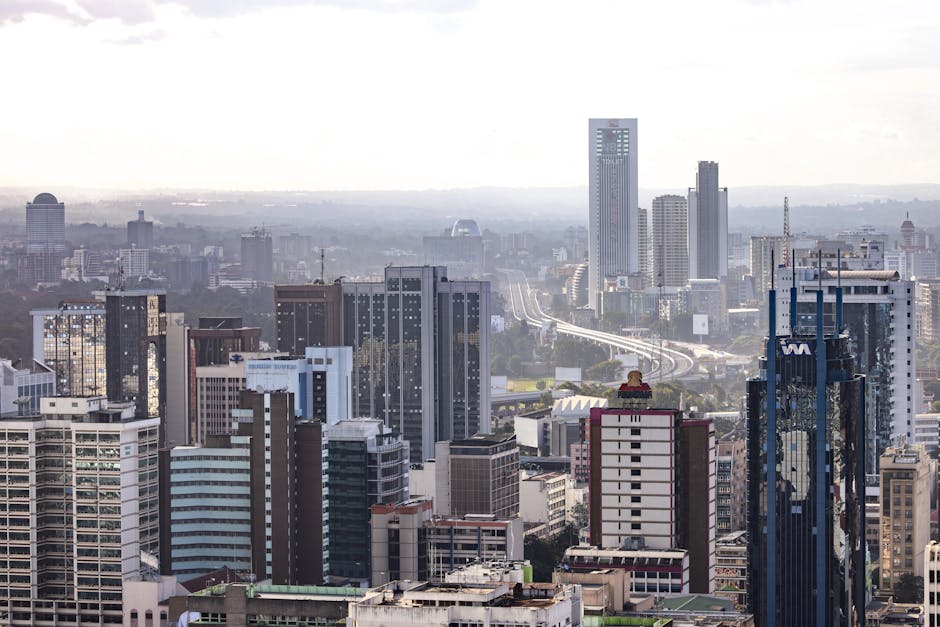
Explore Nairobi's architectural evolution from colonial-era landmarks to iconic Brutalist skyscrapers on this historic self-guided walking route.
 Easy
EasyAmsterdam, Netherlands
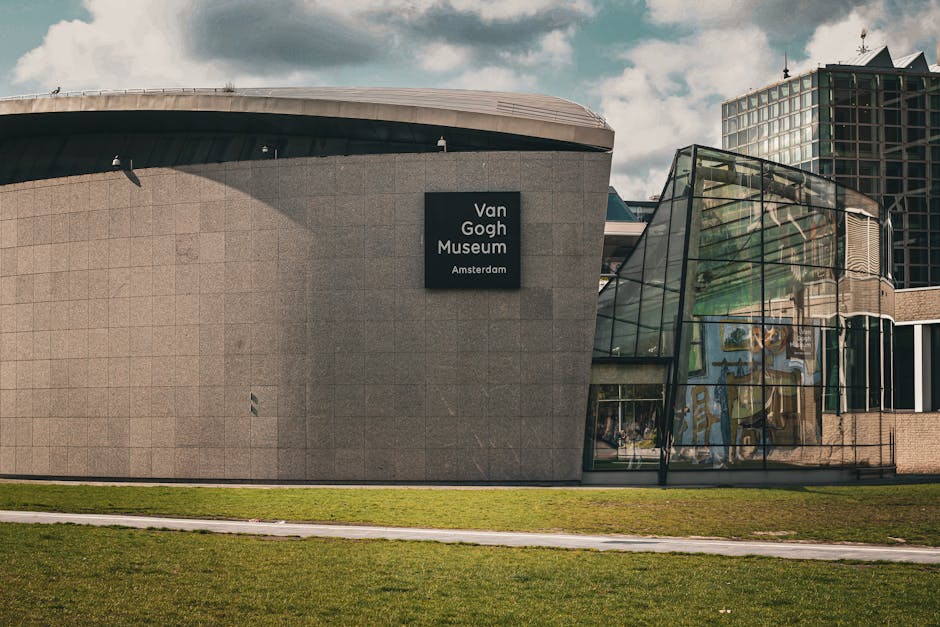
Discover Amsterdam's cultural heart on this self-guided walk from the iconic Museumplein to the serene blooming gardens of Vondelpark.
 Easy
EasyAmsterdam, Netherlands
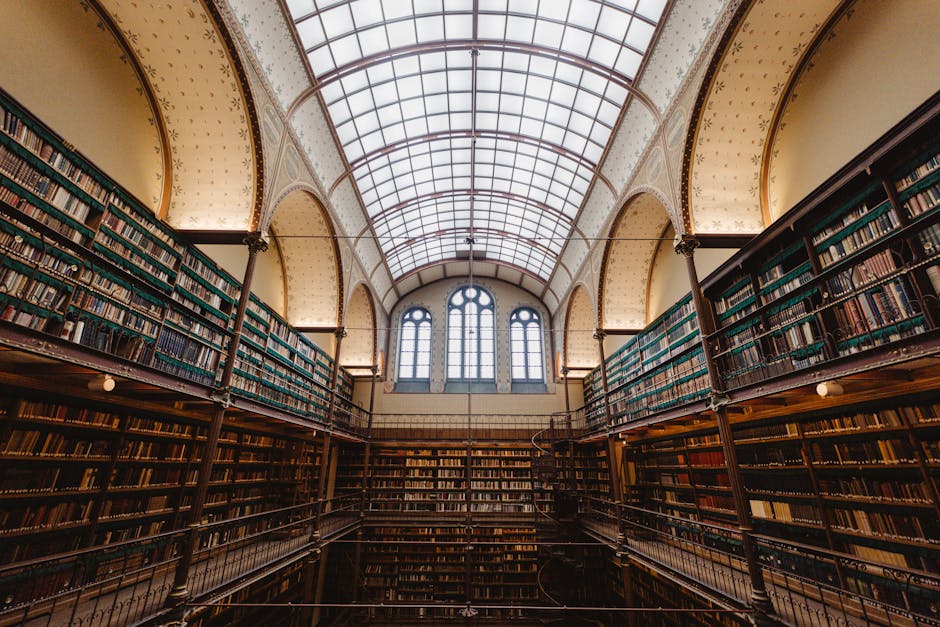
Discover Amsterdam's literary heart on this self-guided walk through historic bookshops, writers' haunts, and the homes of revolutionary thinkers.
 Easy
EasyAmsterdam, Netherlands
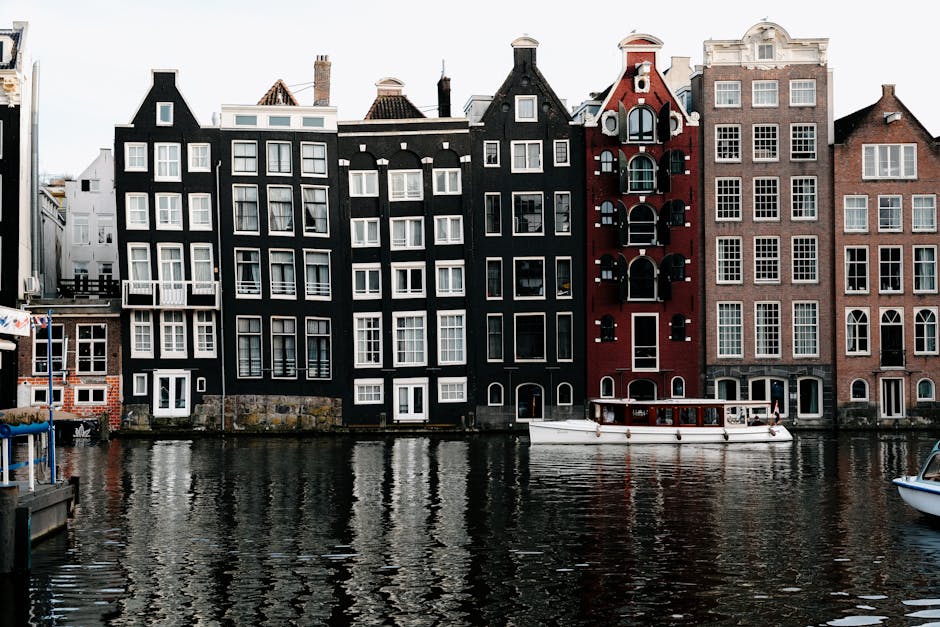
Capture the magic of Amsterdam with this self-guided photography walk across the iconic bridges and scenic banks of the Amstel River.
 Easy
EasyAmsterdam, Netherlands
Discover the opulent 17th-century mansions and rich history of Amsterdam's famous Canal Belt on this self-guided architectural walking route.