Self-guided audio tour in Rotterdam
Start Free on iPhone
Start free on iPhone to unlock this self-guided walking tour in Rotterdam. Hear all the stories that make it amazing, walk at your own pace, and begin whenever you want.
Your Private Tour Guide
Discover the dual soul of Rotterdam on this self-guided walk that bridges the gap between iconic post-war architecture and the gritty-turned-glamorous streets of the north. This neighborhood stroll begins at the world-famous Cube Houses, where you can marvel at Piet Blom’s vision of urban living, before heading through the bustling market district toward the city’s creative frontier. You will see how Rotterdam has reinvented its industrial past into a vibrant cultural present, particularly as you traverse the Luchtsingel, a bright yellow pedestrian bridge that was one of the world's first crowdfunded public infrastructure projects. This walking route highlights the transition from the polished city center to the 'Cool North,' where former railway arches now house independent boutiques and jazz clubs. As you explore the Oude Noorden neighborhood, you'll encounter the Zwaanshals, a street celebrated for its curated vintage shops and local design studios. The journey eventually expands beyond the urban core, leading you through the academic hubs and lush botanical gardens of Kralingen before concluding at the base of the Euromast. This route offers a deep dive into the city's resilience and its knack for experimental urbanism. Whether you are interested in the storied history of the Hofplein line or the modern lifestyle of Rotterdam’s diverse districts, this self-guided adventure provides the flexibility to linger at a sidewalk café in Noordplein or soak in the greenery of Het Park at your own pace. **Note:** This area is known for its ever-changing character. Street art, pop-up venues, and temporary exhibitions may differ from what's described. That's part of the adventure - you might discover something entirely new!
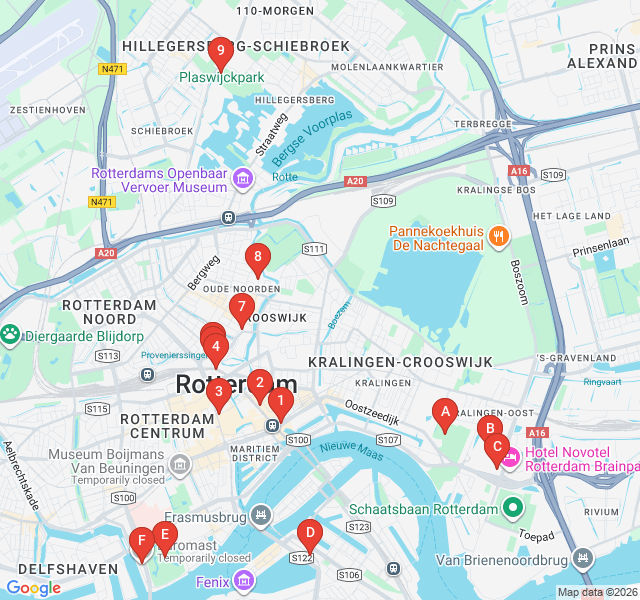
Numbers indicate the order of stops on the tour.
Start your self-guided walk at the Cube Houses, or Kijk-Kubus. Designed by architect Piet Blom in the 1970s, these tilted yellow cubes represent an 'urban forest' where each house is a tree. Blom’s philosophy was to create high-density housing that left space for public life on the ground level. Notice how the houses are tilted at a 45-degree angle, resting on hexagonal pylons. If you choose to step inside the museum house, you'll see how the residents manage to live with slanted walls and custom-built furniture. It remains one of Rotterdam's most photographed landmarks and a symbol of the city's post-war experimental spirit.
Just across the square sits the Rotterdam Central Library, often nicknamed 'The Pencil' due to its pointed roof. Completed in 1983, it was designed by the same firm behind the Cube Houses. The building is famous for its bright yellow external ventilation pipes, a design choice that echoes the Centre Pompidou in Paris. It’s a classic example of late-modernist architecture. The library serves as a community hub, housing millions of books and offering a quiet respite from the busy market square below. Take a moment to appreciate the contrast between the library's industrial feel and the nearby historic Laurenskerk.
Walking toward the Beurs area, you are entering the commercial heart of Rotterdam. This district was heavily rebuilt after the 1940 bombings, and the Beurs-World Trade Center stands as a testament to the city's mercantile history. The green-tinted glass tower and the surrounding shopping streets, like the Koopgoot, represent the city's modern retail energy. While this area is often crowded, looking up at the varied facades reveals the layers of reconstruction that define Rotterdam's skyline. It is the intersection where the city’s business legacy meets its daily shopping pulse.
This 390-meter-long yellow wooden bridge is more than just a crossing; it’s a symbol of grassroots urbanism. The Luchtsingel was funded through a crowdfunding campaign where citizens could 'buy' a plank with their name on it. It was designed to reconnect the North of Rotterdam with the city center, areas that were previously separated by railway tracks and busy roads. As you walk across, look for the names of the contributors on the wood. The bridge leads you toward the former Hofplein Station and offers a unique perspective on the city's evolving landscape. Note that as a temporary structure, its appearance may change with maintenance or local art projects.
Located under the first few arches of the Hofbogen, BIRD is a cornerstone of Rotterdam’s contemporary music and food scene. Named after legendary jazz saxophonist Charlie 'Bird' Parker, this venue hosts everything from jazz and soul to hip-hop and electronic music. It’s a great example of how the city uses its industrial heritage for cultural purposes. The surrounding area often features temporary street art or pop-up events. BIRD’s restaurant and club vibe represent the 'Cool North'—a place where the atmosphere is laid-back, creative, and inclusive.
De Hofbogen is the longest monumental building in the Netherlands, spanning nearly two kilometers. This former railway viaduct once carried trains from Rotterdam to The Hague. Today, the space beneath the arches has been transformed into a stretch of trendy shops, coffee roasters, and restaurants. The roof is being developed into a long elevated park, similar to New York’s High Line. Walking along the Hofbogen allows you to see the blend of industrial architecture and modern entrepreneurship. It is the spine of the Oude Noorden’s revitalization, housing some of the city's most innovative small businesses.
Noordplein is the literal and figurative square of the North. It is a traditional gathering place for the local community. Depending on when you visit, you might find the 'Rotterdamse Oogst' (Rotterdam Harvest) market here, where local farmers and artisans sell their goods. The square is surrounded by classic 19th-century architecture that survived the war, giving you a glimpse into what Rotterdam looked like before 1940. It’s a great spot to pause and observe the local life, far removed from the high-rise glass towers of the city center.
The Zwaanshals is widely considered one of the coolest streets in Rotterdam. This narrow, curving road is lined with independent boutiques, vintage stores, and specialty food shops. It has a distinctively creative and local feel, avoiding the big-box retailers found in the center. Whether you’re looking for high-end design, sustainable fashion, or artisanal chocolate, the Zwaanshals offers a curated experience. The street perfectly captures the spirit of the Oude Noorden: historic, diverse, and fiercely independent. Take your time to window-shop and explore the small side streets branching off this main artery.
A bit further north lies Plaswijckpark, a beloved family destination for nearly a century. This park combines a traditional playground with a small zoo and beautiful gardens. While more of a destination for those with children, it represents the green, residential expansion of the city's northern districts. It offers a slower pace and a chance to see how Rotterdam families spend their leisure time. The park is situated near the Bergse Voorplas, a scenic lake area that is popular for boating and waterfront walks.
Moving toward the east, you’ll find the Arboretum Trompenburg. This beautifully designed botanical garden is a hidden gem in the Kralingen district. Established in the 19th century, it houses a vast collection of trees, shrubs, and succulents from around the world. It is a peaceful sanctuary that feels worlds away from the urban bustle. The garden is divided into several sections, each with its own character, including a desert house and a water garden. It’s an ideal spot for photography or a quiet stroll among rare plant species.
The Woudestein campus of Erasmus University is a hub of international education and modern architecture. Named after the humanist Desiderius Erasmus, who was born in Rotterdam, the university is world-renowned for its programs in economics and management. The campus itself is a 'city within a city,' featuring contemporary buildings, a central plaza, and sustainable design elements. Walking through here, you’ll feel the energy of the thousands of students who call this city home. The university’s presence is a major driver of the city’s international and forward-thinking character.
Nearby is the Kralingse Zoom campus of the Rotterdam University of Applied Sciences. This area is a center for professional education, focusing on business and logistics—industries that are vital to the Port of Rotterdam. The architecture here is functional and modern, reflecting the pragmatic and 'can-do' attitude that Rotterdammers are famous for. This stop highlights the importance of the city's youth and the continuous influx of talent that keeps the local economy and culture vibrant.
As we cross back toward the river and the Kop van Zuid area, we encounter Inholland University. This location is part of the massive redevelopment of the former harbor docks. The building itself is an architectural statement, designed to integrate with the surrounding skyscrapers and the iconic Erasmus Bridge nearby. This area shows the scale of Rotterdam’s ambition, turning old industrial wharves into a high-rise residential and educational district. It is a prime example of the city’s 'Manhattan on the Maas' reputation.
Het Park, simply known as 'The Park' by locals, is a historic green space designed in the English landscape style. It dates back to 1852 and offers winding paths, old trees, and scenic views of the river. It’s a popular spot for picnics, festivals, and weekend walks. Tucked away within the park are several charming villas and the historic Heerenhuys. It provides a classic, serene contrast to the hyper-modern architecture found elsewhere in the city. The park is the perfect place to catch your breath before the final stop of the route.
Your journey concludes at the Euromast, the tallest building in the Netherlands open to the public. Built in 1960 for the Floriade international garden festival, its space-age design by Hugh Maaskant is unmistakable. Originally 101 meters high, the 'Space Tower' was added later to bring it to its current height of 185 meters. You can see almost the entire city and the vast port area from its observation deck. It’s a fitting end to a walk that has taken you through the city’s history, its neighborhoods, and its skyline. From here, you can truly appreciate the layout of the city you've just traversed.
Start Free on iPhone
Explore “Hofbogen & The Cool North” with your very own Private Tour Guide with Zigway. Start free on iPhone, skip the large group and the fixed routes, and hear the city come alive as you go.
Your Private Tour Guide
Don't miss the good stuff
Explore Freely
 Easy
EasyRotterdam, Netherlands
Explore Rotterdam’s cultural heart on this self-guided walk through world-class museums, modernist villas, and futuristic architectural landmarks.
 Easy
EasyRotterdam, Netherlands
Capture Rotterdam's iconic skyline and historic bridges on this scenic self-guided photography walk along the Maas River and Noordereiland.
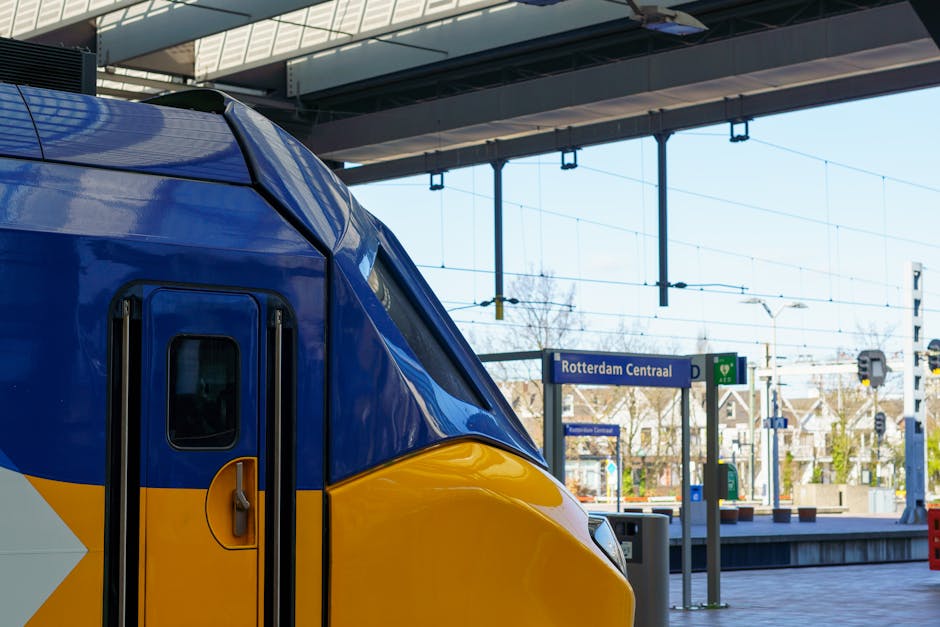 Moderate
Rotterdam, Netherlands
Explore Rotterdam’s lush side through secret gardens, historic harbors, and the elegant 19th-century Shipping Quarter on this self-guided walk.
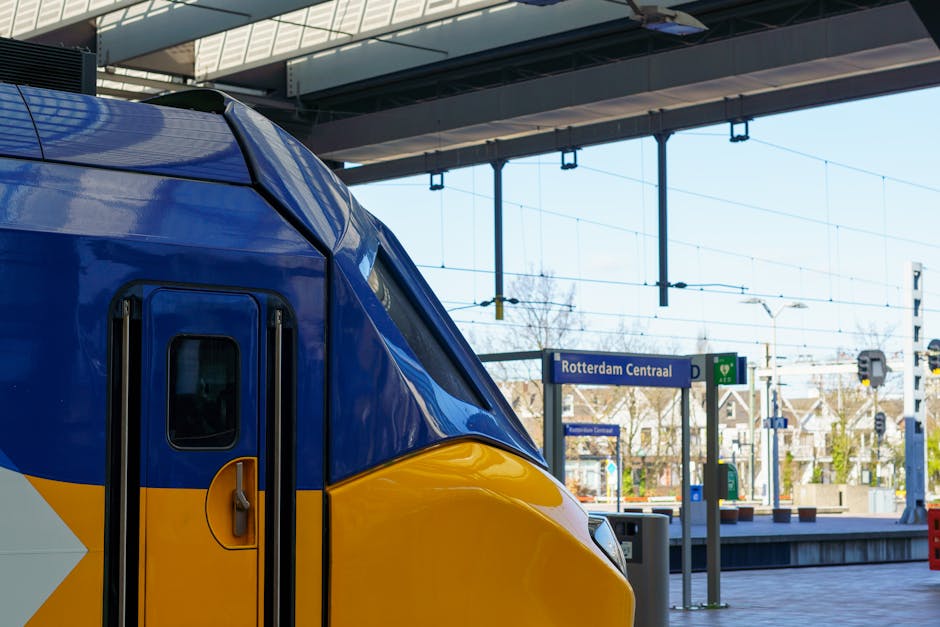 Easy
EasyRotterdam, Netherlands
Explore Rotterdam's neon-lit streets and vibrant nightlife at your own pace with this independent audio walk through the city's coolest districts.
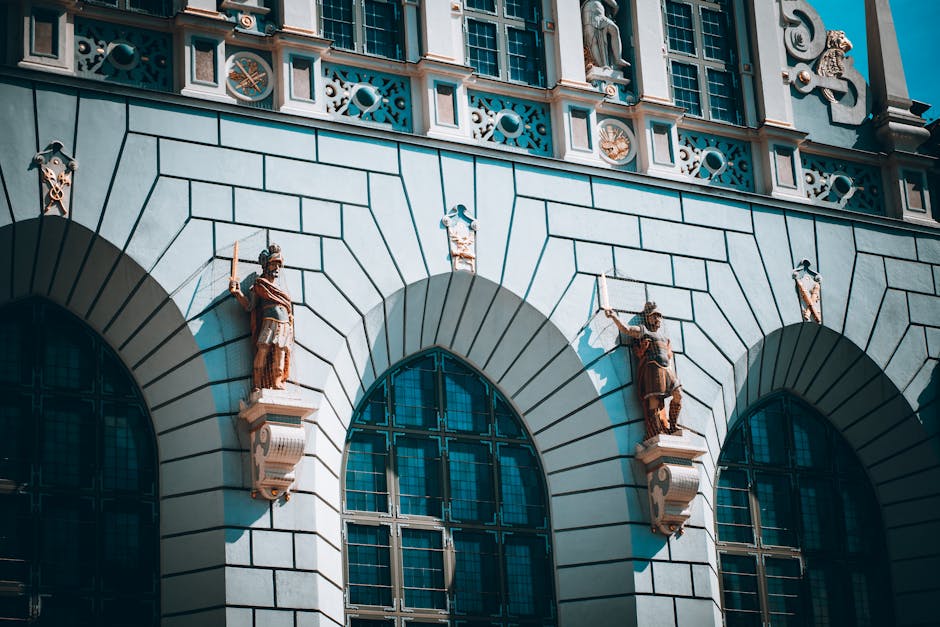 Moderate
Gdansk, Poland
Discover Zaspa, a massive open-air gallery where grey housing blocks are transformed by over 60 monumental murals. Explore at your own pace.
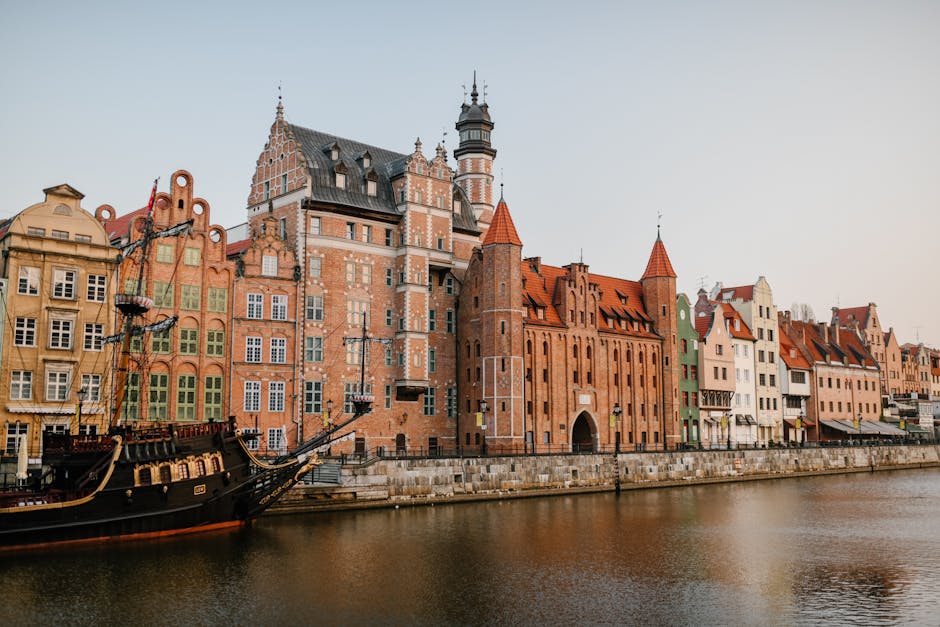 Moderate
Gdansk, Poland
Discover the bohemian soul of Gdańsk. Explore the literary landmarks of Günter Grass, Prussian villas, and the trendy cafes of historic Wrzeszcz.
 Moderate
Nairobi, Kenya
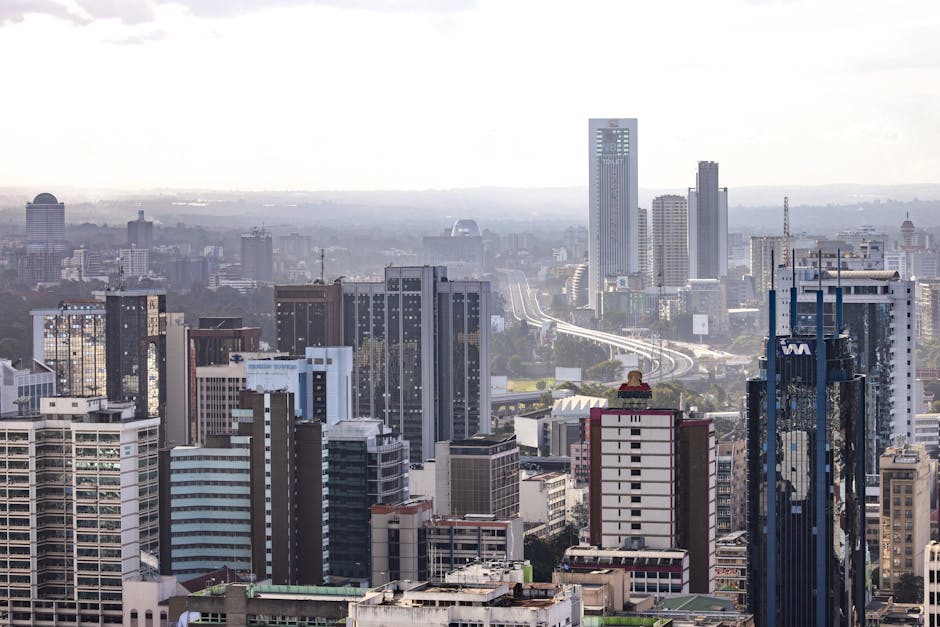
Discover the creative soul of Nairobi on this self-guided walk through the city's premier art galleries, markets, and artisan workshops.
 Moderate
Nairobi, Kenya
Discover Nairobi's lush side on this self-guided walk through botanical gardens, historic memorials, and vibrant local markets.
 Easy
EasyAmsterdam, Netherlands
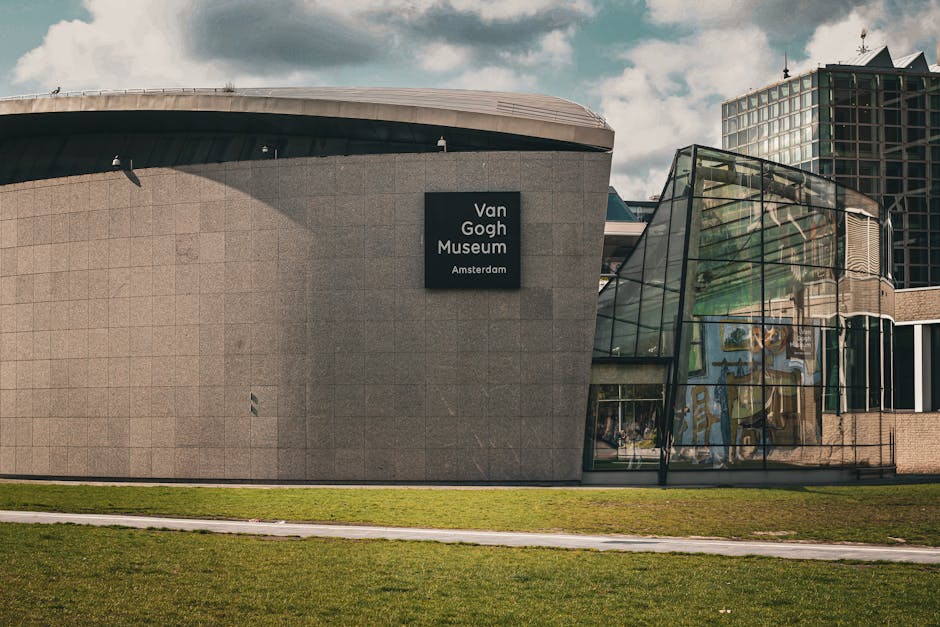
Discover Amsterdam's cultural heart on this self-guided walk from the iconic Museumplein to the serene blooming gardens of Vondelpark.
 Easy
EasyAmsterdam, Netherlands
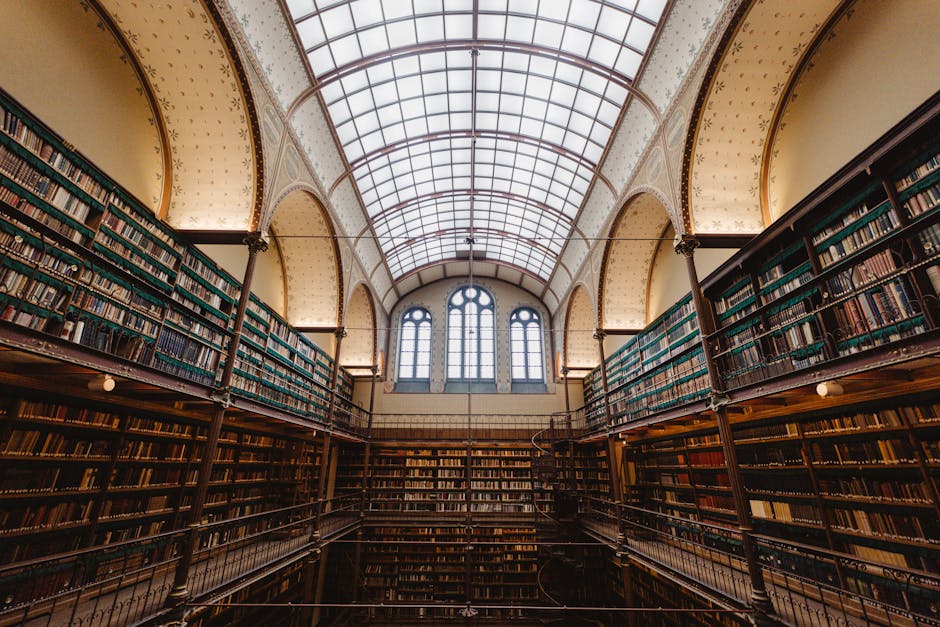
Discover Amsterdam's literary heart on this self-guided walk through historic bookshops, writers' haunts, and the homes of revolutionary thinkers.
 Easy
EasyAmsterdam, Netherlands
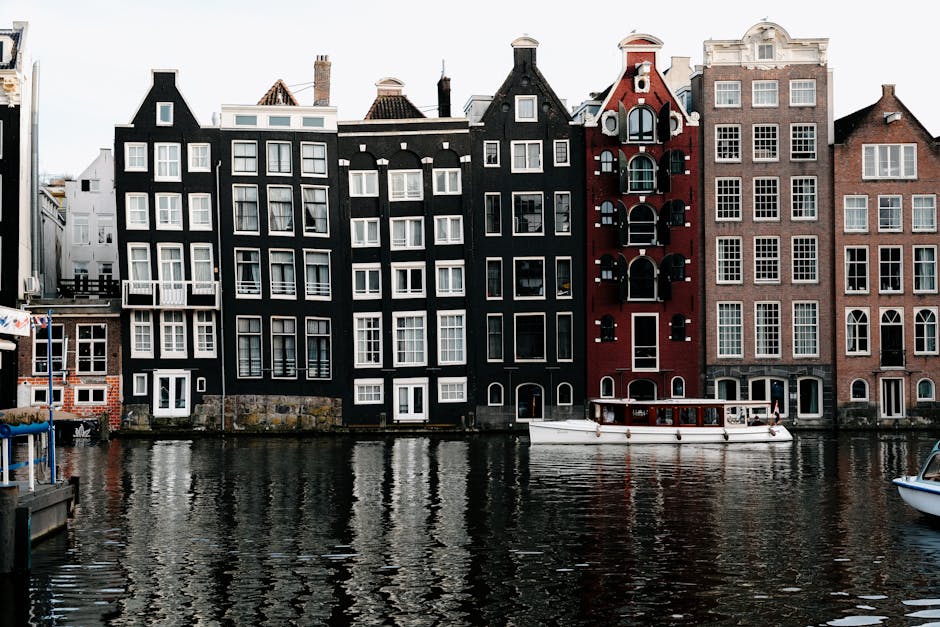
Capture the magic of Amsterdam with this self-guided photography walk across the iconic bridges and scenic banks of the Amstel River.
 Easy
EasyAmsterdam, Netherlands
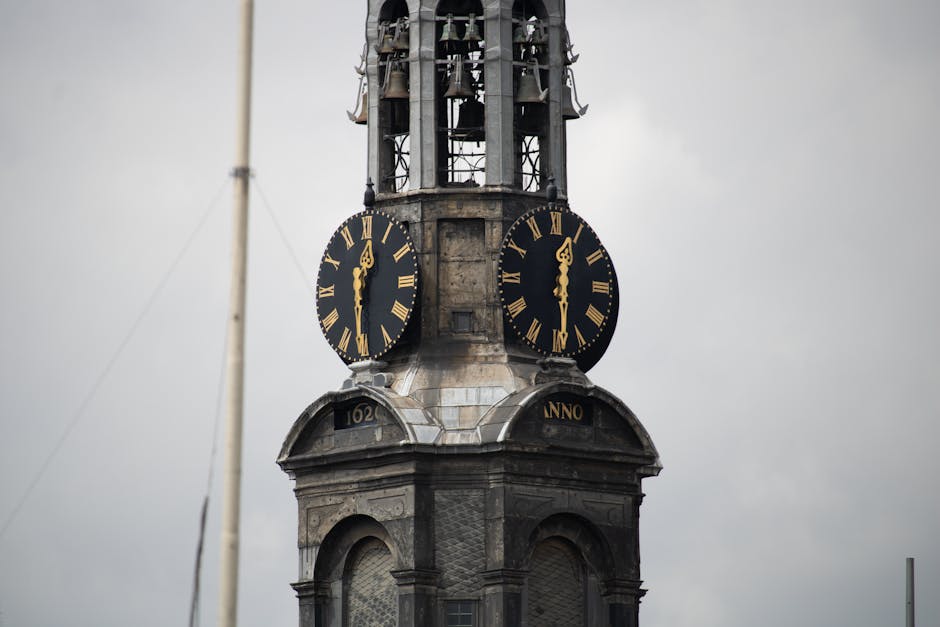
Discover the opulent 17th-century mansions and rich history of Amsterdam's famous Canal Belt on this self-guided architectural walking route.