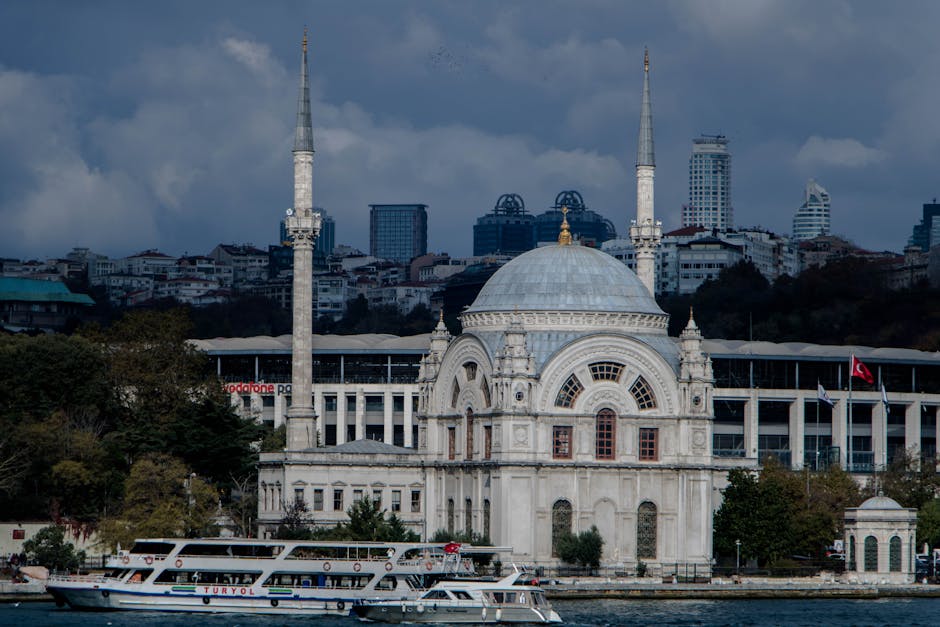
Self-guided audio tour in Istanbul
Start Free on iPhone
Start free on iPhone to unlock this self-guided walking tour in Istanbul. Hear all the stories that make it amazing, walk at your own pace, and begin whenever you want.
Your Private Tour Guide
Step back into the late 19th century, an era when Istanbul was known as the 'Paris of the East.' This neighborhood stroll takes you along the historic Grand Rue de Péra, today’s Istiklal Avenue, where European diplomats, merchants, and artists once gathered. This self-guided walk explores the architecture and stories of Beyoğlu, a district that served as the cosmopolitan heart of the Ottoman Empire’s final decades. You will discover how this area transformed from a quiet hillside into a bustling metropolis of grand embassies, luxury hotels, and elegant shopping arcades. You’ll begin at the legendary Pera Palace Hotel, a monument to the golden age of travel. Built to house passengers of the Orient Express, this hotel has hosted everyone from Ernest Hemingway to Agatha Christie. As you continue your walking route, you’ll encounter the Mısır Apartment, one of the city's finest examples of Art Nouveau architecture, and the hidden courtyard of the Church of Saint Anthony of Padua, the largest Roman Catholic church in the city. The Grand Rue de Péra was more than just a street; it was a stage for social change and intellectual exchange. At the gates of Galatasaray Lisesi, you can feel the weight of centuries of education and diplomacy. Nearby, the elegant passages like Çiçek Pasajı and Avrupa Pasajı offer a glimpse into the high-end shopping and dining culture of a bygone era, where Russian flower sellers and European merchants once traded. Whether you are a history buff or a fan of literary legends, this audio walk provides a unique perspective on Istanbul’s modern identity. Explore at your own pace, stopping for a Turkish coffee or browsing the local boutiques that now inhabit these historic structures. This walking tour Istanbul offers is perfect for those who want to see beyond the typical tourist sites and understand the complex, multi-layered history of the city. Discover why this area remains the cultural pulse of Istanbul today.
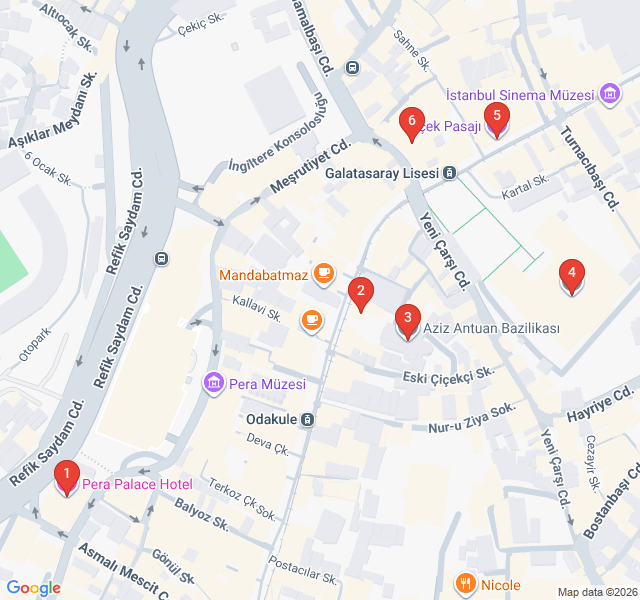
Numbers indicate the order of stops on the tour.
Welcome to the Pera Palace Hotel, a living museum of the Belle Époque. Established in 1892, it was built specifically to accommodate passengers arriving on the Orient Express. As you look at its grand facade, imagine the world’s elite stepping off the train and into this lobby, which featured the first electric elevator in the Ottoman Empire. This hotel is famously associated with Agatha Christie; legend has it she wrote 'Murder on the Orient Express' in Room 411. Beyond the mystery, the hotel hosted figures like Mustafa Kemal Atatürk, Ernest Hemingway, and Mata Hari. It represents the moment Istanbul truly turned its gaze toward Europe, embracing Western luxury and modern technology.
Standing before the Mısır Apartment, or the 'Egypt Apartment,' you are looking at one of Istanbul's first reinforced concrete buildings and a masterpiece of Art Nouveau. Built in 1910 by the architect Hovsep Aznavur for Abbas Halim Pasha of the Egyptian royal family, it served as a winter residence. Notice the intricate floral motifs and the ornate balconies that define the style of the era. Over the years, this building has been a hub for the city's intellectual elite. It was even the residence of Mehmet Akif Ersoy, the author of the Turkish National Anthem. Today, it houses art galleries and offices, continuing its legacy as a center for culture and creativity.
Tucked behind a set of red-brick gates is the Church of Saint Anthony of Padua, the largest Roman Catholic church in Istanbul. Completed in 1912, it was designed by Giulio Mongeri in the Venetian Neo-Gothic style. The peaceful courtyard offers a sudden escape from the noise of Istiklal Avenue. This church serves the city's diverse Catholic community and is a testament to the religious plurality of the Pera district. Look up at the rose windows and the statues in the niches. Interestingly, Pope John XXIII preached here for ten years while he was the Vatican's diplomatic representative to Turkey, earning the nickname 'The Turkish Pope' for his love of the country.
The massive iron gates before you belong to Galatasaray Lisesi, the oldest and most prestigious high school in Turkey. Its roots date back to 1481, but it was reorganized in 1868 as a Western-style lycée to train Ottoman bureaucrats in French. This institution has been the cradle of the Turkish intelligentsia, producing poets, politicians, and the founders of the Galatasaray Sports Club. The school stands at the midpoint of Istiklal Avenue, symbolizing the intersection of traditional Ottoman heritage and Western educational ideals. The square in front of these gates is also a significant site for social gatherings and public discourse in modern Istanbul.
Welcome to the Cité de Péra, better known today as Çiçek Pasajı, or the Flower Passage. After a fire destroyed the Naum Theatre in 1870, this ornate arcade was built in its place. In the early 20th century, Russian noblewomen fleeing the Bolshevik Revolution sold flowers here, giving the passage its name. Today, the flowers have mostly been replaced by lively 'meyhanes' or traditional taverns. Look up at the stunning glass dome and the intricate carvings on the upper floors. It remains one of the most photographed spots in Beyoğlu, capturing the bohemian spirit and the culinary traditions that have defined the district for over a century.
Our final stop is the Avrupa Pasajı, also known as the Passage d'Europe. Built in 1874, this arcade was designed to mimic the grand shopping galleries of Paris and Vienna. As you walk through, notice the female statues lining the upper walls and the large mirrors designed to reflect light into the corridor. In its heyday, this was the place to find luxury European goods, from French perfumes to Italian lace. Today, it is home to antique shops, carpet sellers, and jewelers. It is one of the best-preserved examples of 19th-century commercial architecture in the city, marking the perfect end to our journey through the Belle Époque of Pera.
Start Free on iPhone
Explore “Pera's Belle Époque: The Grand Rue de Péra” with your very own Private Tour Guide with Zigway. Start free on iPhone, skip the large group and the fixed routes, and hear the city come alive as you go.
Your Private Tour Guide
Don't miss the good stuff
Explore Freely
 Easy
EasyIstanbul, Turkey
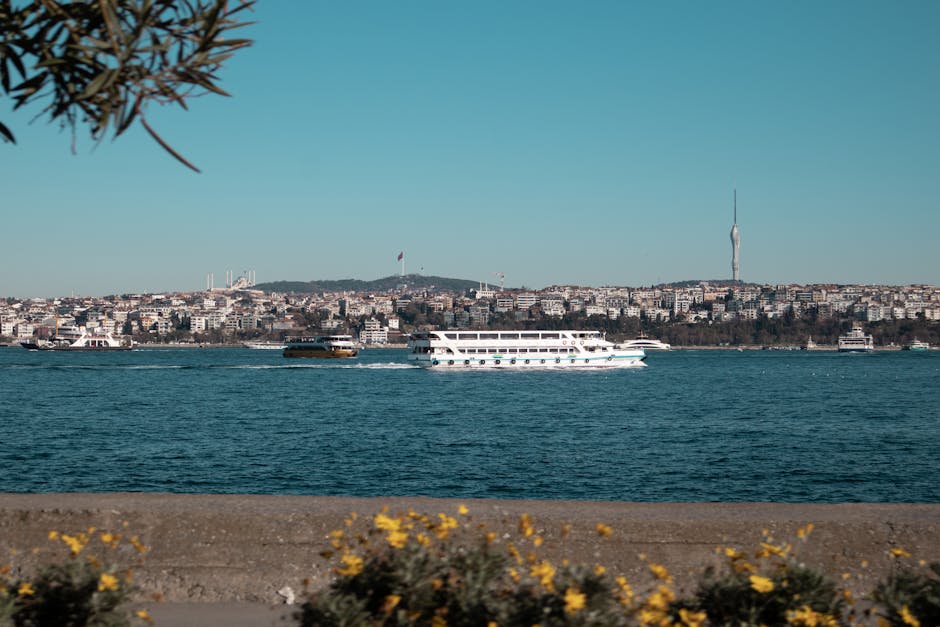
Explore the Bosphorus waterfront from Beşiktaş to Ortaköy. Discover imperial palaces, vibrant markets, and iconic mosques at your own pace.
 Moderate
Istanbul, Turkey
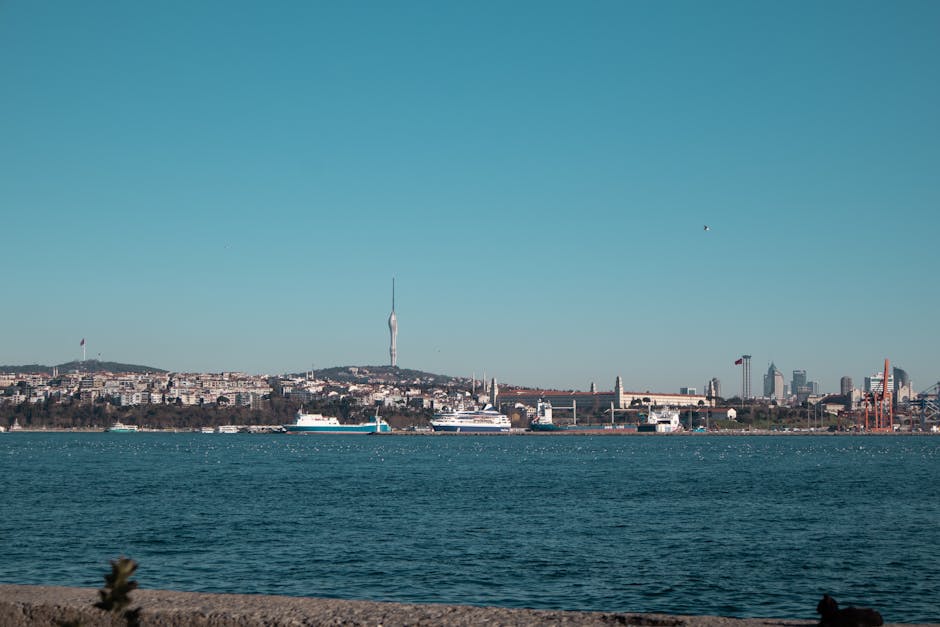
Explore the vibrant colors and deep history of Fener and Balat on this self-guided audio walk through Istanbul's most photogenic neighborhoods.
 Easy
EasyIstanbul, Turkey
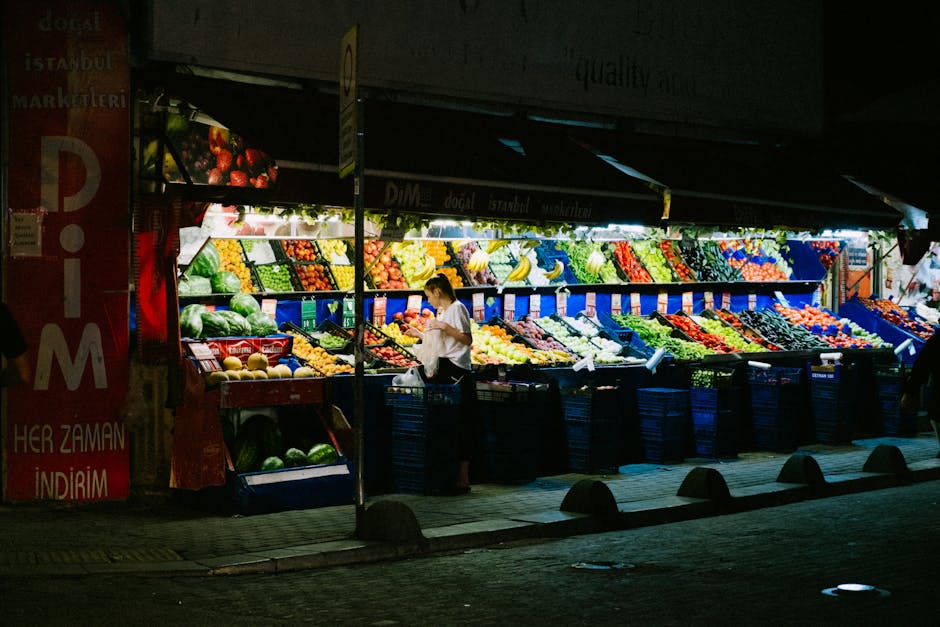
Discover the flavors of Istanbul's Asian side on this self-guided walk through the vibrant markets and historic eateries of Kadıköy.
 Moderate
Istanbul, Turkey
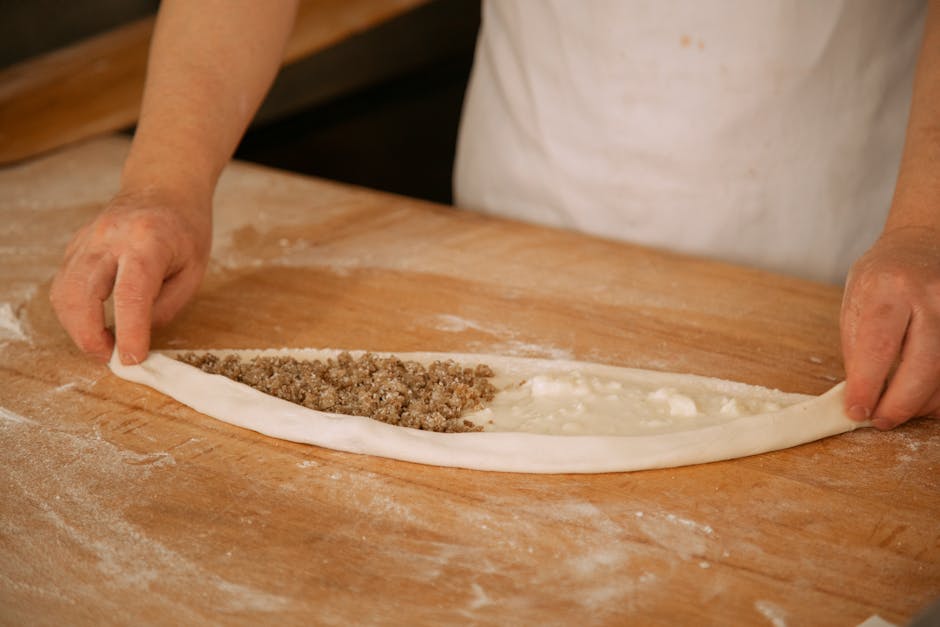
Discover hidden courtyards, artisan workshops, and the sensory magic of Istanbul's historic markets on this immersive self-guided walking route.
 Easy
EasyGothenburg, Sweden
Discover Gothenburg’s 17th-century Dutch foundations, historic canals, and military fortifications on this self-guided architectural walk.
 Easy
EasyKrakow, Poland
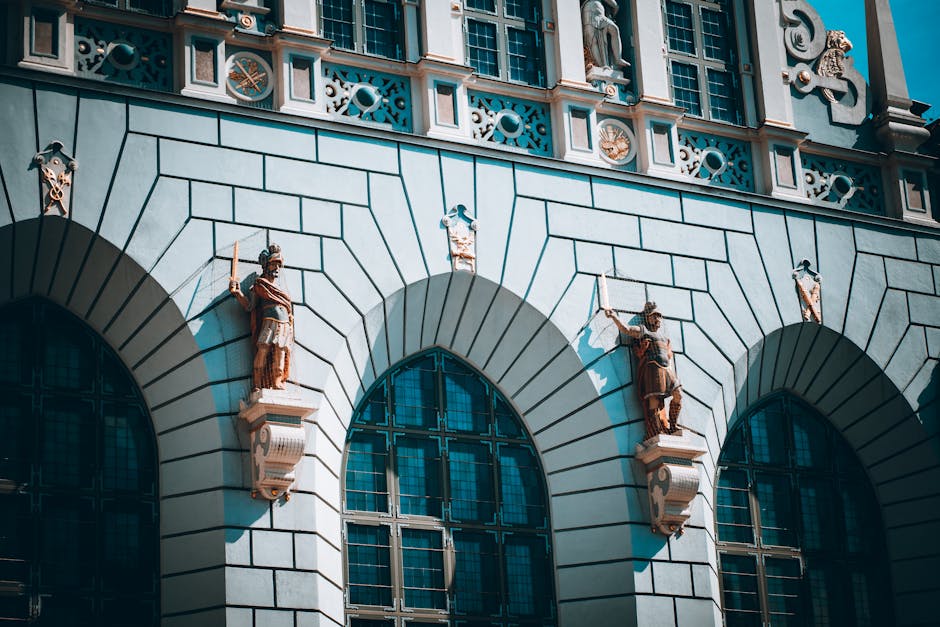
Explore the prestigious Jagiellonian University district, featuring Neo-Gothic architecture, Baroque churches, and Krakow's hidden scholarly gems.
 Easy
EasyGdansk, Poland
Discover the opulent Royal Way of Gdansk at your own pace. Explore Hanseatic history, gilded architecture, and the iconic Neptune's Fountain.
 Easy
EasySalzburg, Austria
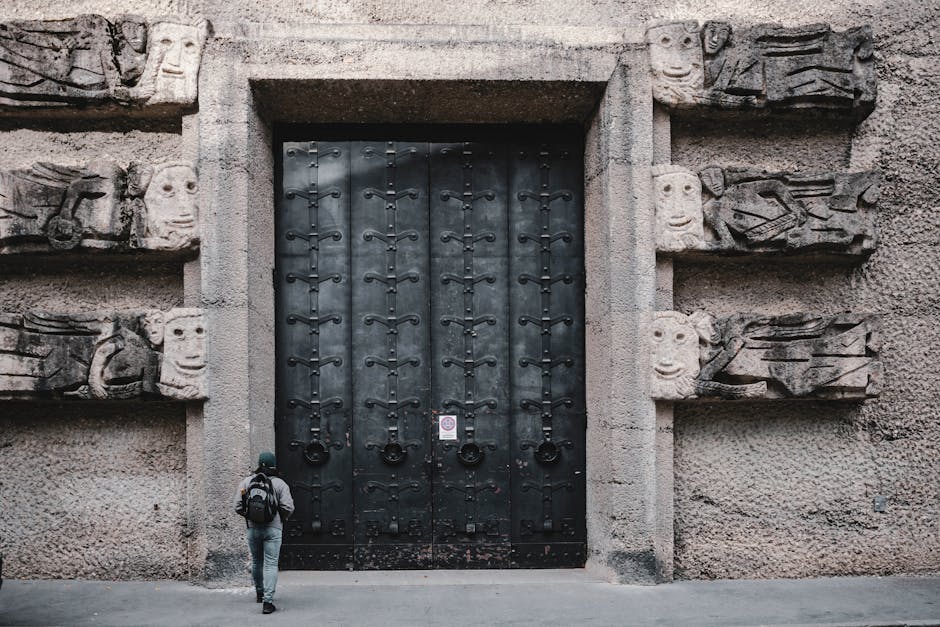
Discover the 'Rome of the North' on this self-guided walk through the Baroque squares and monumental legacy of Salzburg’s Prince-Archbishops.
 Moderate
Cappadocia, Turkey
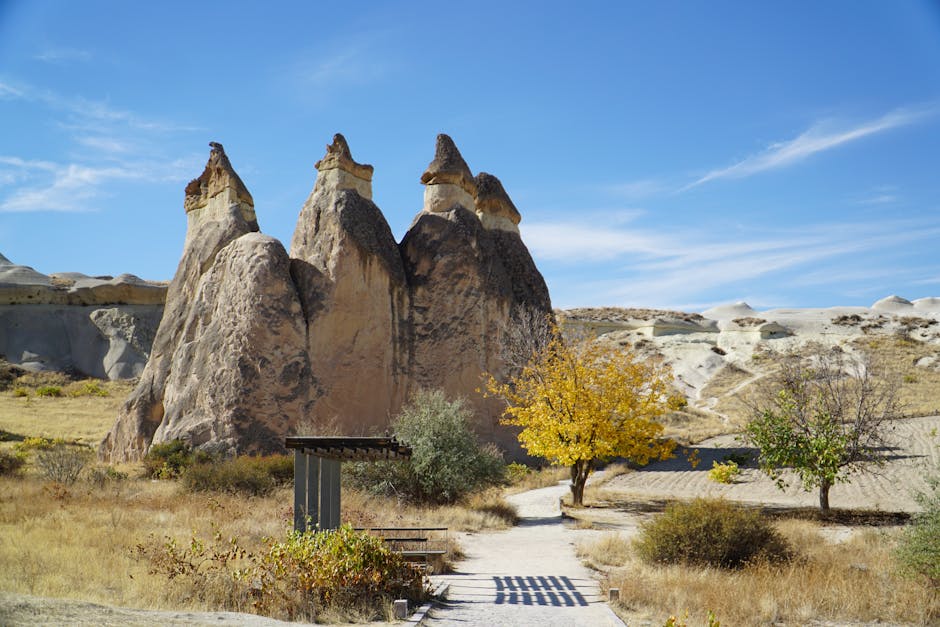
Explore the surreal landscapes and ancient dovecotes of Pigeon Valley on this scenic self-guided walk between Göreme and Uçhisar.
 Moderate
Cappadocia, Turkey
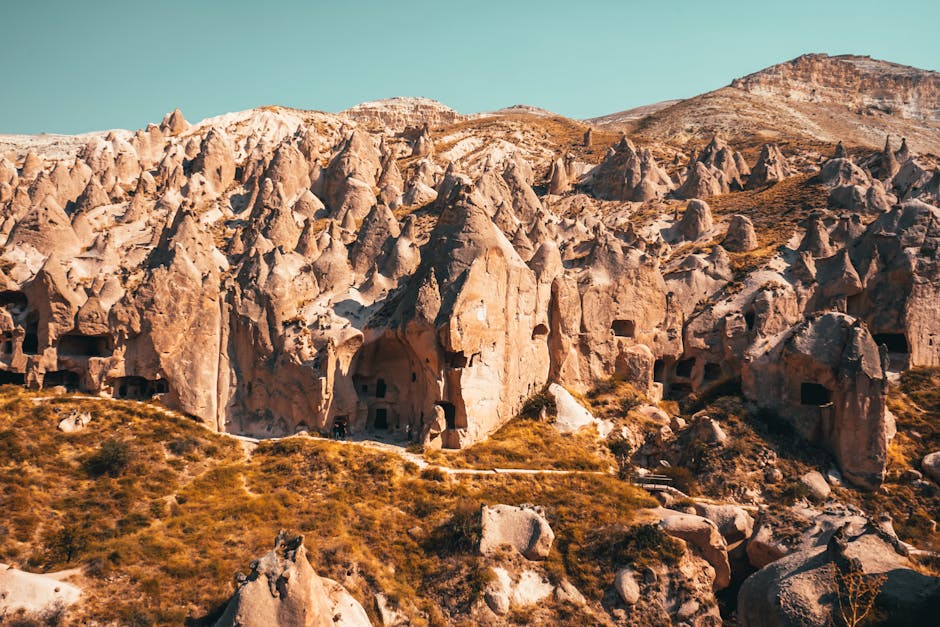
Explore Ortahisar’s towering rock castle, ancient cave monasteries, and authentic village life on this self-guided walk through Cappadocia.
 Easy
EasyCappadocia, Turkey
Explore Ürgüp’s elegant stone mansions, famous fairy chimneys, and rich wine heritage on this self-guided neighborhood stroll through Cappadocia.
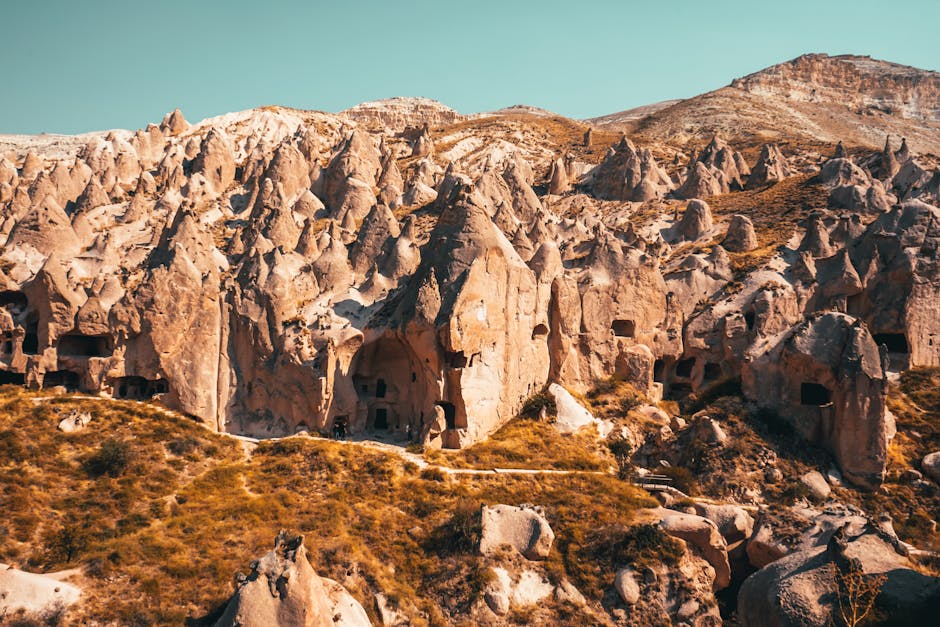 Moderate
Cappadocia, Turkey
Explore abandoned rock-cut homes and ancient Byzantine churches in Cappadocia’s haunting ghost village on this self-guided audio walk.