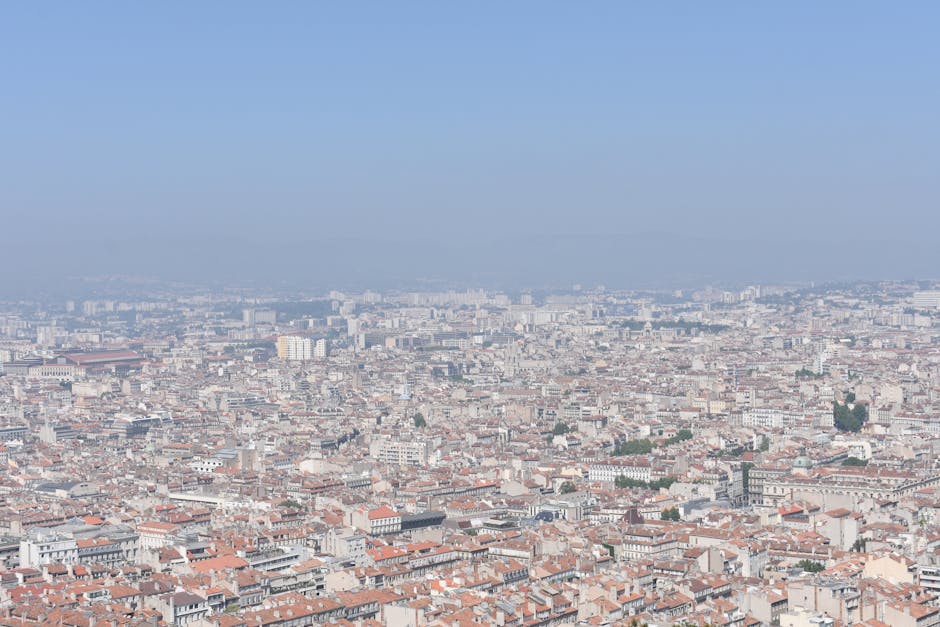
Self-guided audio tour in Marseille
Start Free on iPhone
Start free on iPhone to unlock this self-guided walking tour in Marseille. Hear all the stories that make it amazing, walk at your own pace, and begin whenever you want.
Your Private Tour Guide
Step into the soul of Marseille with this self-guided walk through Le Panier, the city's oldest and most atmospheric district. Perched on a hill overlooking the Mediterranean, this neighborhood is a labyrinth of narrow alleys, sun-drenched squares, and vibrant street art that tells the story of a city founded by Greeks over 2,600 years ago. This walking route invites you to discover the layers of history that define the Ancient Heart of Marseille, from its maritime origins to its resilience during the Second World War. As you explore independently, you will encounter architectural gems like the Hôtel de Ville, a rare example of 17th-century Baroque design that survived the French Revolution, and the Hôtel de Cabre, the oldest house in the city. This neighborhood stroll is more than just a history lesson; it is an immersion into the unique Mediterranean lifestyle. You will traverse the site of the ancient Greek agora at Place de Lenche, stand in awe before the massive neo-Byzantine domes of Cathédrale La Major, and find tranquility within the arcaded courtyards of the Vieille Charité. The route also climbs to the highest point of the district, Place des Moulins, where the pace slows down and the local character shines through. Whether you are interested in historical landmarks or simply want to soak in the colors of Provence, this audio walk provides the context you need to appreciate Marseille's complex heritage. This walking tour Marseille experience is designed for those who prefer to travel at their own pace, allowing for spontaneous coffee breaks or detours into local artisan boutiques. By following this route, you will see how Marseille has transformed from a strategic port into a modern cultural hub while keeping its ancient roots firmly planted in the limestone soil. It is a perfect introduction for first-time visitors and a deep dive for history enthusiasts looking to uncover the secrets hidden behind the pastel-colored shutters of Le Panier.
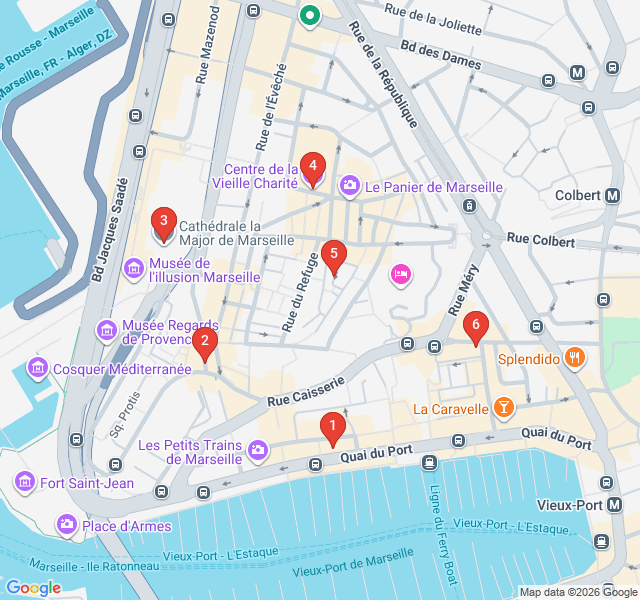
Numbers indicate the order of stops on the tour.
Your self-guided walk begins at the Hôtel de Ville, Marseille's City Hall. This striking 17th-century building is a masterpiece of Provençal Baroque architecture. Built during the reign of Louis XIV, it is famous for a unique architectural quirk: there is no internal staircase connecting the ground floor to the first floor. This was done to physically separate the merchants on the ground level from the city councilors above. To get from one to the other, you originally had to use a bridge from a neighboring building. Miraculously, this structure survived the 1943 demolition of the surrounding district during the Nazi occupation, standing as a symbol of the city's endurance and political history.
Climb slightly into the Panier to reach Place de Lenche. This square sits on the site of the ancient Greek agora, the heart of the city of Massalia founded around 600 BC. Today, it serves as a gateway to the neighborhood's narrow streets and offers one of the most iconic views in Marseille. From the south side of the square, you can look across the water toward the Basilica of Notre-Dame de la Garde perched on its hill. The square is named after the Lenche family, wealthy merchants of Corsican origin who built a grand mansion here in the 16th century. It remains a favorite local gathering spot for a coffee or an aperitif.
As you move toward the sea, the massive Cathédrale de la Major comes into view. Built in the late 19th century, its striped facade of green Florence stone and white Carrara marble is instantly recognizable. This neo-Byzantine giant was intended to demonstrate Marseille’s status as the 'Port of the Orient.' It is actually two churches in one; if you look closely, you can see the remains of the 'Vieille Major,' a 12th-century Romanesque cathedral that was partially demolished to make room for this new, grander structure. The interior is equally vast, filled with intricate mosaics and marble work that reflect the city's historical wealth and maritime connections.
Deep in the heart of Le Panier lies the Vieille Charité, a former almshouse designed by the royal architect Pierre Puget. Built between 1671 and 1749, it was intended to house the city's poor and beggars, though it later served as an asylum and barracks. The centerpiece of the complex is the magnificent chapel with its ovoid dome, an architectural rarity in France. The three tiers of arched galleries surrounding the courtyard create a sense of symmetry and peace. Today, the building has been repurposed as a cultural center, housing museums and research institutes, and stands as a testament to the city's complex social history and 17th-century urban planning.
Ascend to the highest point of Le Panier to find Place des Moulins. In the 17th century, this hilltop was home to as many as 15 windmills that ground grain for the city, giving the square its name. While the mills are gone—replaced by houses or demolished—two of their bases are still hidden within the surrounding buildings. This square offers a much quieter, more residential vibe than the bustling port below. With its tall, colorful houses and leafy trees, it feels like a village within a city. It is the perfect place to appreciate the scale of the ancient hill and the way the neighborhood has evolved over centuries.
Finish your stroll at the Hôtel de Cabre, the oldest house in Marseille. Built in 1535 for a local consul, it blends Gothic and Renaissance styles. Look for the carvings on the facade, including the family coat of arms. Like the City Hall, this house survived the 1943 destruction of the Old Port district, but with a twist—literally. During the post-war reconstruction in 1954, the entire building was placed on jacks and rotated 90 degrees to align with the new street grid being built. This engineering feat preserved a piece of 16th-century Marseille while allowing the modern city to grow around it.
Start Free on iPhone
Explore “Ancient Heart: The Panier District Discovery” with your very own Private Tour Guide with Zigway. Start free on iPhone, skip the large group and the fixed routes, and hear the city come alive as you go.
Your Private Tour Guide
Don't miss the good stuff
Explore Freely
 Easy
EasyMarseille, France
Explore Marseille's green heart at Parc Borély and discover Le Corbusier's iconic Unité d'Habitation on this self-guided architecture walk.
 Moderate
Marseille, France
Discover Marseille's historic spine from the Old Port to the majestic Palais Longchamp on this self-guided architectural walking route.
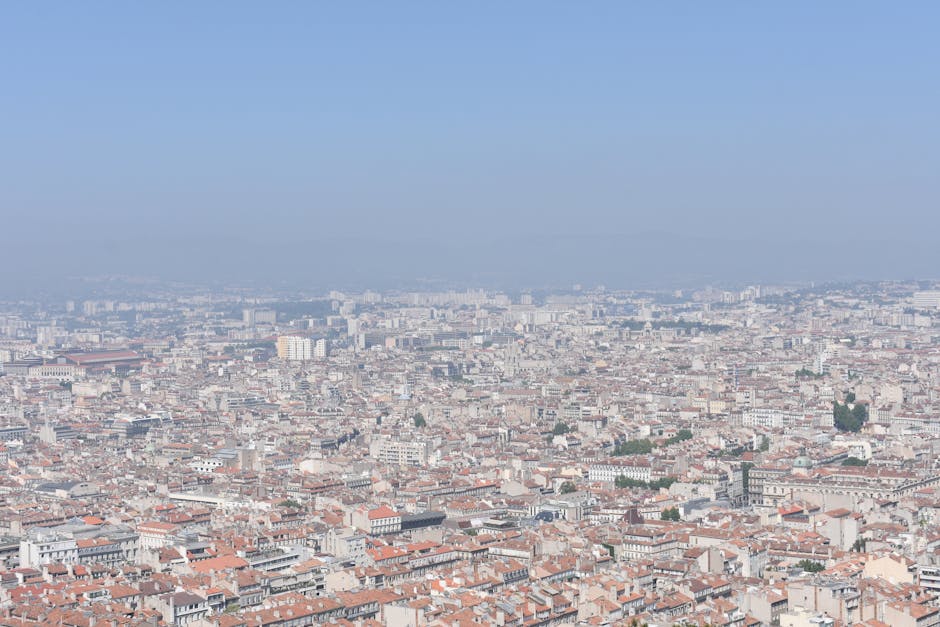 Moderate
Marseille, France
Explore the vertical gardens and hidden villas of Endoume on this self-guided walk through Marseille’s most charming coastal neighborhood.
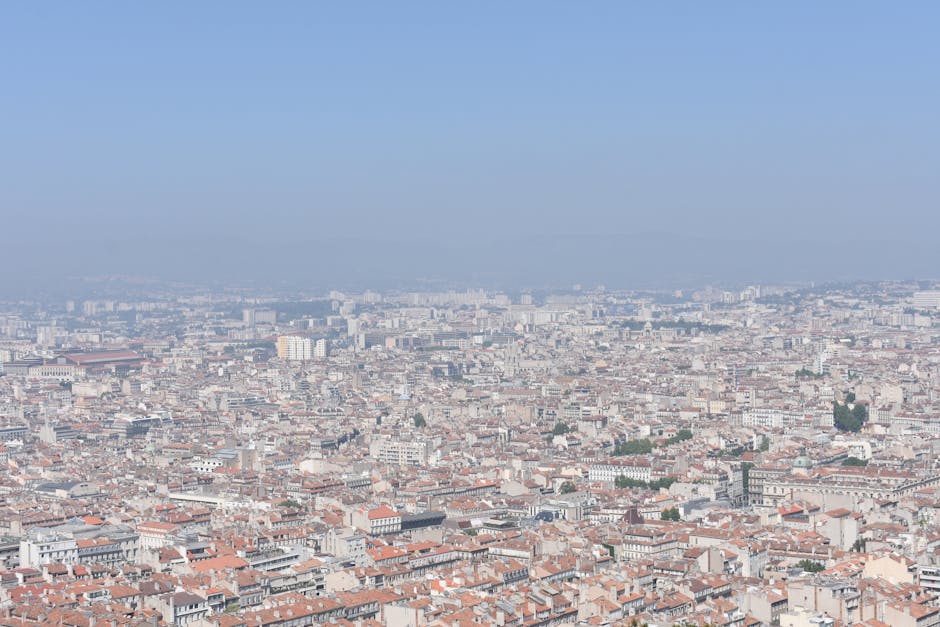 Easy
EasyMarseille, France
Discover the cinematic soul of Marseille on this self-guided walk through the historic Vieux Port, inspired by the works of Marcel Pagnol.
 Easy
EasyNairobi, Kenya
Discover Nairobi's iconic skyline on this self-guided architecture walk through the CBD’s most famous modernist and Brutalist landmarks.
 Moderate
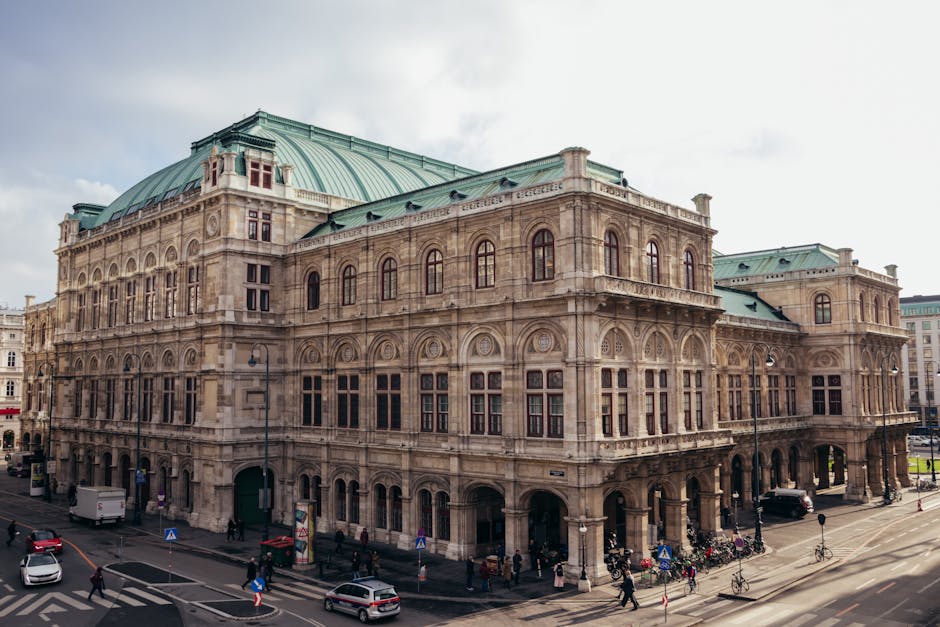
Vienna, Austria
Discover the noir world of The Third Man and Cold War Vienna on this atmospheric self-guided audio walk through the historic Innere Stadt.
 Easy
EasyWarsaw, Poland
Discover the hidden courtyards and grand pre-war architecture of Warsaw's most atmospheric neighborhood on this self-guided stroll.
 Easy
EasySalzburg, Austria
Discover Salzburg's oldest medieval alley, the birthplace of the 'Silent Night' author, and breathtaking views on this quiet self-guided walk.
 Challenging
Paris, France
Explore the secret vineyards, legendary artist studios, and hidden squares of Paris's iconic hilltop on this self-guided bohemian walking route.
 Easy
EasyParis, France
Explore the evolution of Parisian design from Art Nouveau whimsy to Le Corbusier's Modernist masterpieces on this self-guided architectural walk.
 Easy
EasyParis, France
Explore the flavors and history of Bastille on this self-guided walk through the legendary Aligre Market and the scenic Coulée Verte.
 Easy
EasyParis, France
Discover aristocratic mansions, secret medieval courtyards, and royal history on this self-guided walk through the enchanting Marais district.