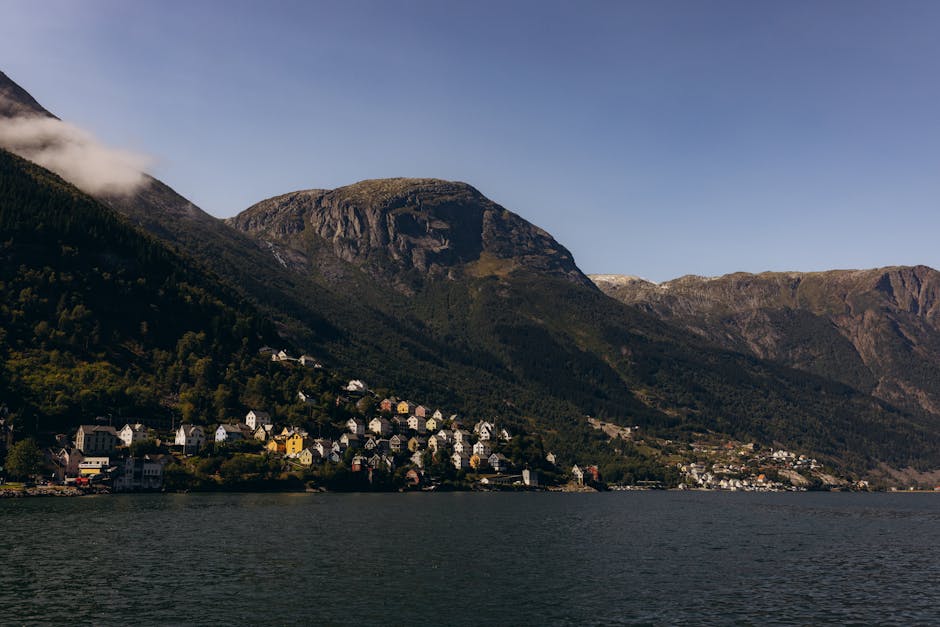
Self-guided audio tour in Bergen
Start Free on iPhone
Start free on iPhone to unlock this self-guided walking tour in Bergen. Hear all the stories that make it amazing, walk at your own pace, and begin whenever you want.
Your Private Tour Guide
Step back in time to an era when dried cod was currency and the Hanseatic League ruled the North Sea. This walking route through Bergen's UNESCO-listed Bryggen district offers an immersive look at the city's medieval heart. As you navigate the narrow, leaning alleyways between colorful wooden warehouses, you will discover the legacy of the German merchants who lived and worked here for centuries. This neighborhood stroll is not just about the iconic facade seen on postcards; it is an exploration of the hidden courtyards and assembly rooms that tell the story of trade, fire, and resilience. This self-guided walk leads you from the secret rooms of the Norwegian resistance during World War II to the oldest standing stone structure in the city. You will learn how the Hanseatic merchants maintained a city within a city, governed by their own laws and traditions, and how their influence shaped the architecture and culture of Bergen. The route is perfect for those who want to explore independently, allowing you to linger in the atmospheric passages where the scent of aged timber still hangs in the air. Whether you are interested in the maritime heritage of the North or the intricate details of wooden architecture, this self-guided adventure provides a deep dive into the history of one of Europe’s most significant trading ports. Beyond the famous waterfront, the path takes you to the Schøtstuene assembly rooms and the Romanesque beauty of St. Mary's Church, offering a complete picture of Bergen's evolution from a medieval powerhouse to a modern cultural hub. This is a walking tour Bergen enthusiasts and history buffs will find essential for understanding the city's unique identity.
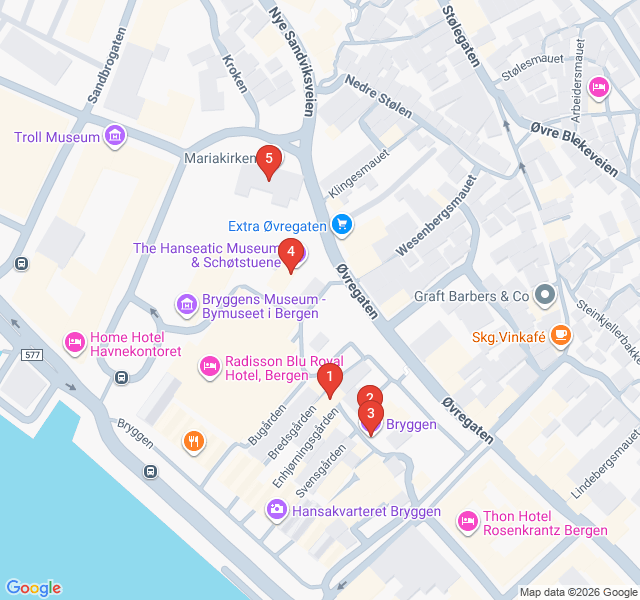
Numbers indicate the order of stops on the tour.
Begin your journey at one of the most secretive spots in Bergen. Tucked away within the labyrinth of Bryggen is the Theta Museum, located in a tiny room that served as a headquarters for the Norwegian resistance during World War II. From 1940 to 1945, young members of the 'Theta Group' operated a clandestine radio transmitter here, sending vital information about German naval movements to the Allies in London. The room was so well-hidden that it was never discovered by the occupying forces during the war. It serves as a powerful reminder that while Bryggen is famous for its medieval roots, its narrow passages have played a crucial role in much more recent history. The preservation of this space allows us to glimpse the bravery of those who operated in the shadows of these very warehouses.
As you wander deeper into the wooden heart of the wharf, you will find Bryggen Tracteursted. This historic building dates back to 1708, though the site has served as a gathering place for centuries. In the days of the Hanseatic League, the German merchants were forbidden from having open fires in their wooden living quarters due to the constant threat of conflagration. Instead, they gathered in stone-built assembly rooms or specific 'tracteursteder' to eat, drink, and socialize. Today, it remains a place where you can experience the culinary traditions of the coast. Notice the architectural details of the surrounding courtyard, which showcase the traditional 'svalgang' or external gallery, a common feature in these merchant tenements designed to maximize space and provide access to the upper floors.
You are now standing before the most famous sight in Bergen: the Bryggen wharf. These colorful, pointed-roof buildings are a UNESCO World Heritage site and represent the city's importance as a hub of the Hanseatic League from the 14th to the mid-16th century. While the buildings you see today were rebuilt after a great fire in 1702, they follow the exact medieval floor plans used for centuries. Look closely at the foundations; you may notice the buildings lean at precarious angles. This is due to the centuries-old timber settling into the soft, reclaimed land. These warehouses were once filled with stockfish—dried cod from Northern Norway—which was the 'gold' of the era, traded across Europe for grain, salt, and luxury goods.
Move toward the back of the Bryggen area to find the Schøtstuene. These are the original assembly rooms where the Hanseatic merchants would meet during the winter months. Because open flames were banned in the sleeping and storage areas, the Schøtstuene were the only heated buildings in the entire wharf. Here, the merchants held court, conducted business, and shared communal meals. The complex includes a cookhouse and several assembly halls, providing a vivid look at the social hierarchy and strict discipline of the Hanseatic community. The dark wood and low ceilings evoke the atmosphere of a bygone era, where young apprentices lived under the watchful eye of their masters in a life dedicated entirely to trade and commerce.
The final stop on this walking route is St. Mary's Church, or Mariakirken. Constructed between 1130 and 1180, it is the oldest remaining building in Bergen. Its twin towers and Romanesque style stand as a testament to the city's medieval wealth. For centuries, this was known as the 'German Church' because the Hanseatic merchants took over its administration and used it as their primary place of worship. Inside, the church houses a spectacular baroque pulpit, which was a gift from the merchants in the 1600s. The church has survived numerous city fires that leveled the surrounding wooden structures, serving as a permanent anchor in the ever-shifting landscape of Bergen's waterfront.
Start Free on iPhone
Explore “Bergen's Hanseatic Legacy: A UNESCO Waterfront Walk” with your very own Private Tour Guide with Zigway. Start free on iPhone, skip the large group and the fixed routes, and hear the city come alive as you go.
Your Private Tour Guide
Don't miss the good stuff
Explore Freely
 Easy
EasyBergen, Norway
Explore Bergen's vibrant craft beer scene and historic pubs on this self-guided audio walk through the atmospheric Sentrum district.
 Easy
EasyBergen, Norway
Discover Bergen's rich literary heritage on this self-guided walk through the city's historic theaters, libraries, and monuments of great writers.
 Easy
EasyBergen, Norway
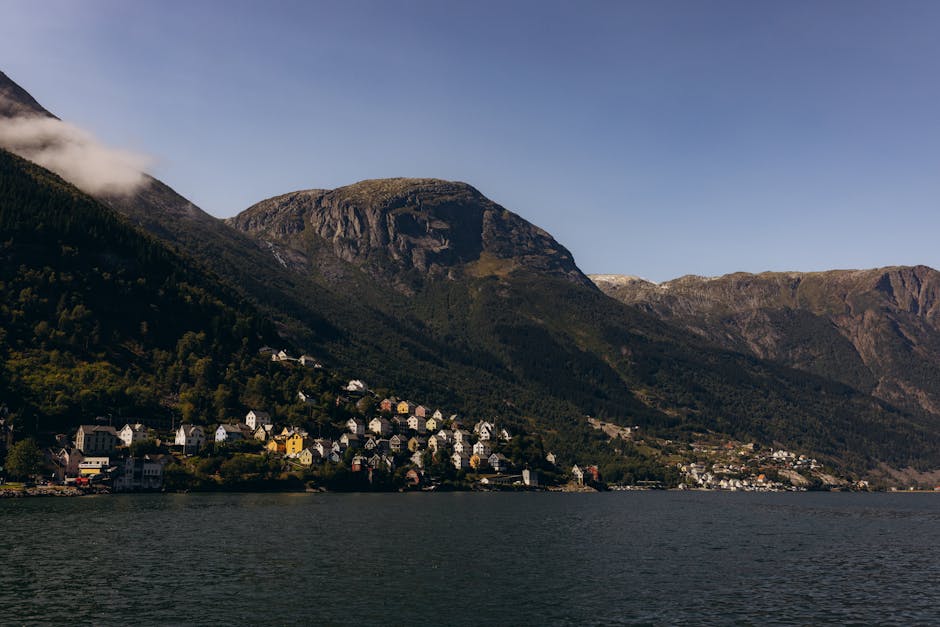
Explore Bergen's charming Nordnes peninsula at your own pace, featuring narrow wooden alleys, historic fortresses, and stunning fjord views.
 Moderate
Bergen, Norway
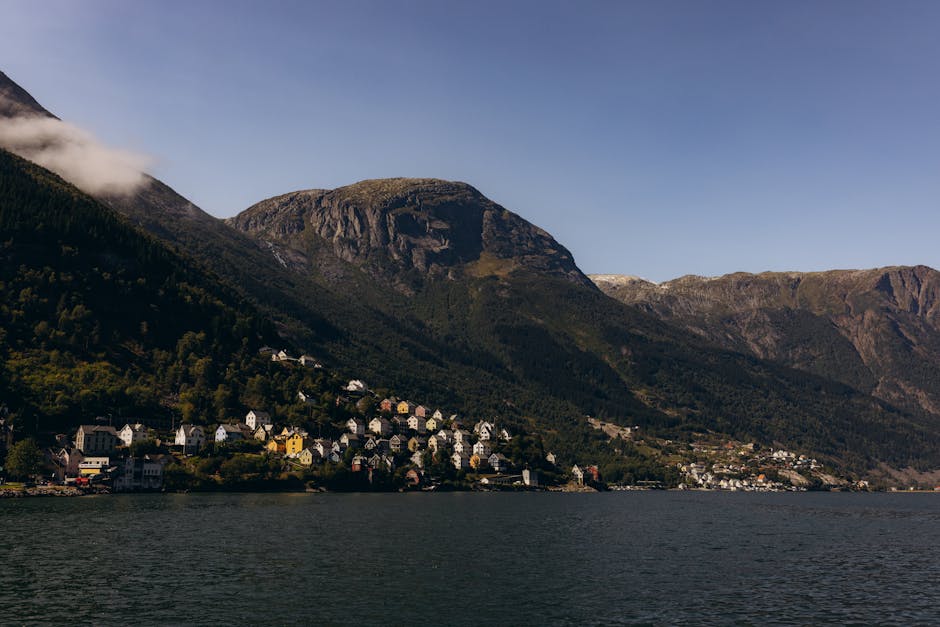
Explore Bergen’s steepest alleys and hidden wooden neighborhoods on this self-guided photography walk through the historic Fjellsiden district.
 Easy
EasySalzburg, Austria
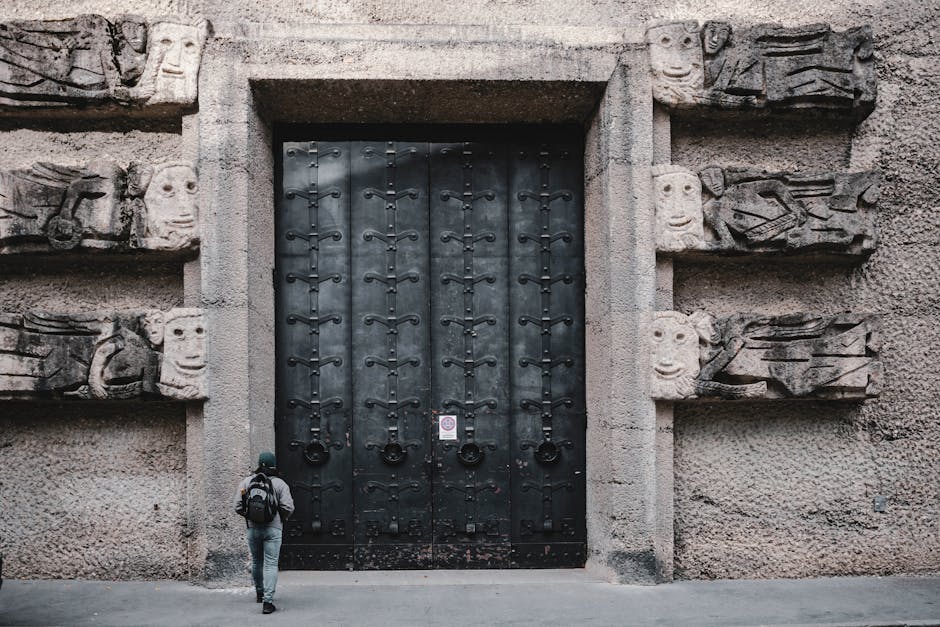
Discover the 'Rome of the North' on this self-guided walk through the Baroque squares and monumental legacy of Salzburg’s Prince-Archbishops.
 Easy
EasyGothenburg, Sweden
Discover Gothenburg’s 17th-century Dutch foundations, historic canals, and military fortifications on this self-guided architectural walk.
 Easy
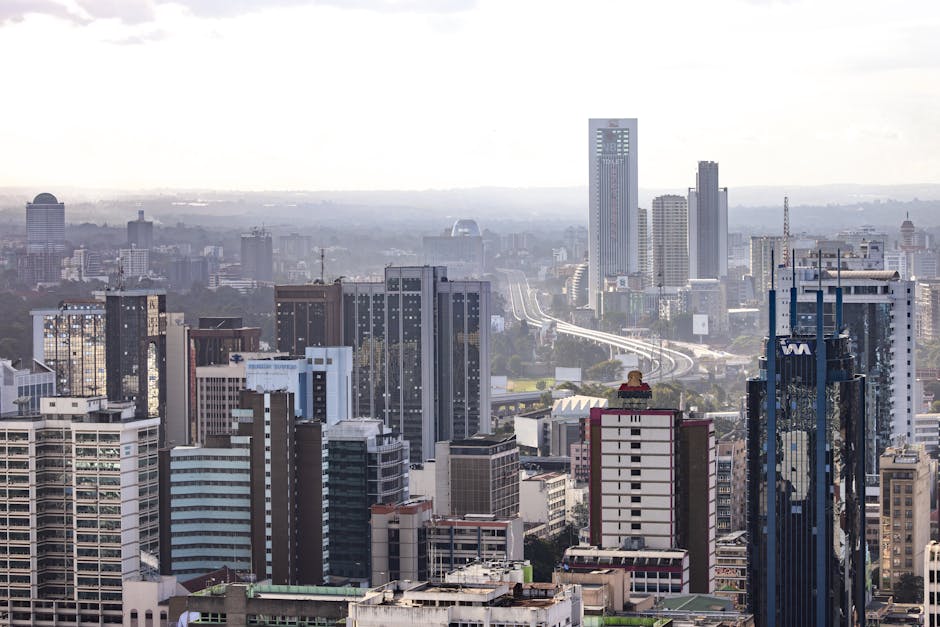
EasyNairobi, Kenya
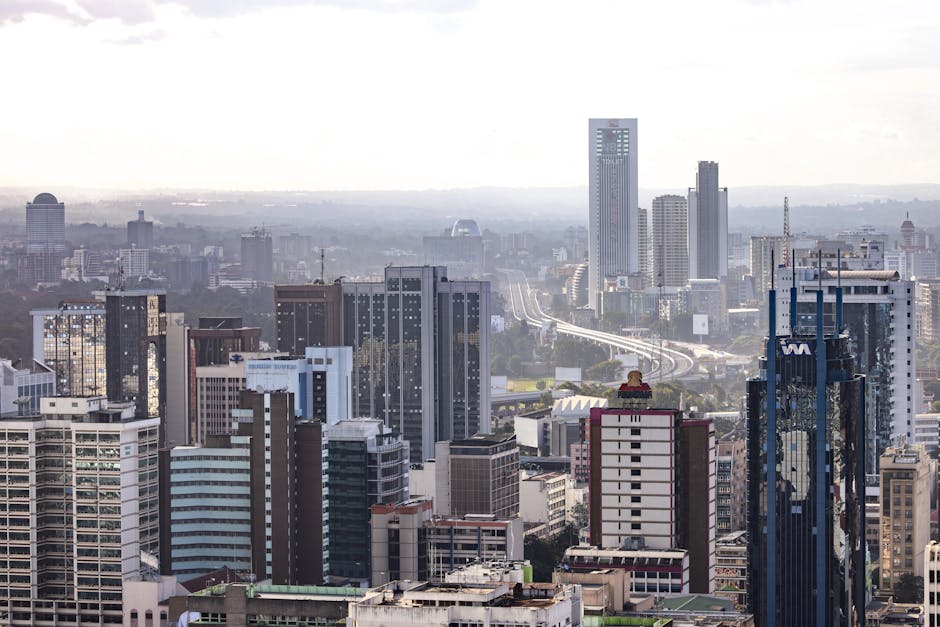
Explore Nairobi's architectural evolution from colonial-era landmarks to iconic Brutalist skyscrapers on this historic self-guided walking route.
 Easy
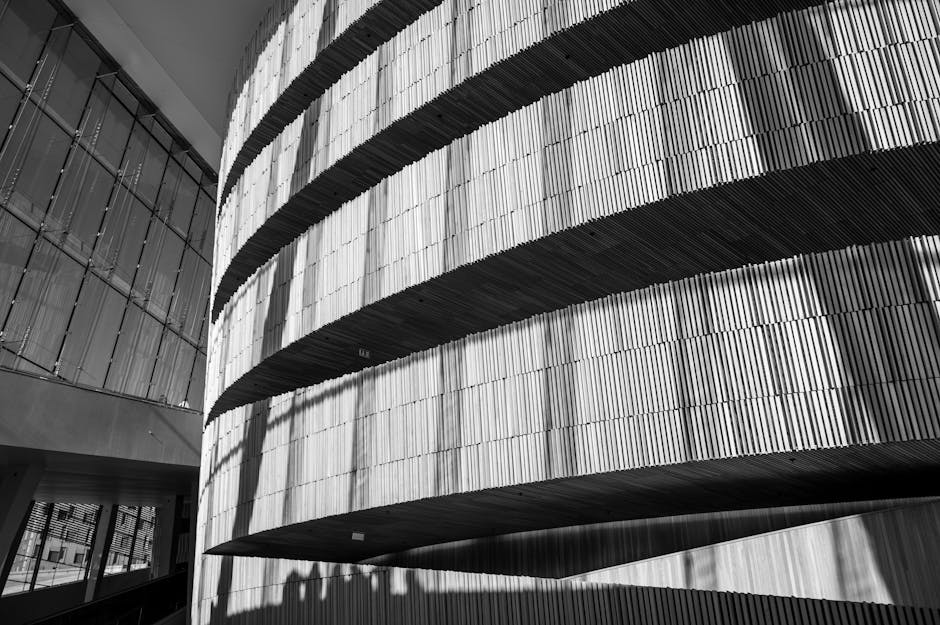
EasyNairobi, Kenya
Discover Nairobi's iconic skyline on this self-guided architecture walk through the CBD’s most famous modernist and Brutalist landmarks.
 Easy
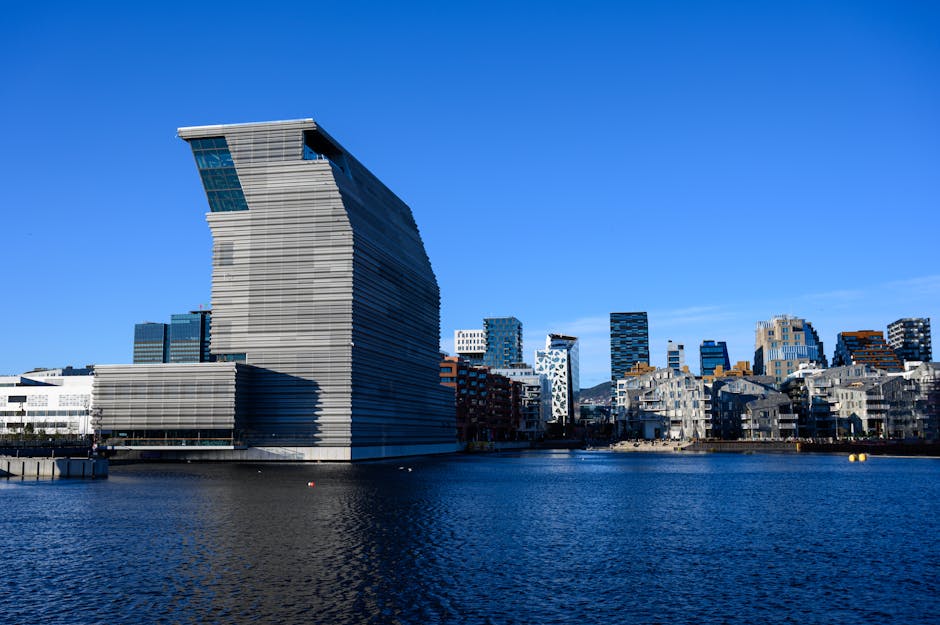
EasyOslo, Norway
Discover Oslo's stunning modern waterfront on this self-guided walk through the innovative Bjørvika district and its iconic architecture.
 Easy
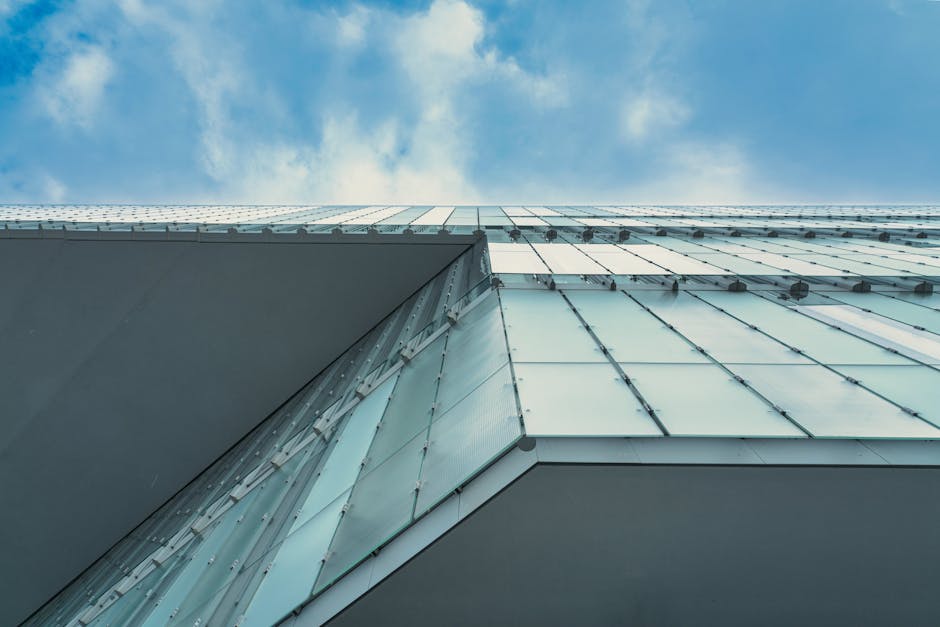
EasyOslo, Norway
Explore Oslo's 'Thief Island' on this self-guided walk through cutting-edge architecture, world-class galleries, and stunning fjord-side sculptures.
 Easy
EasyOslo, Norway
Discover Oslo's most charming 18th-century wooden houses and medieval history on this peaceful self-guided stroll through hidden hillside lanes.
 Moderate
Oslo, Norway
Discover Oslo's 1,000-year history on this self-guided walk from the medieval Akershus Fortress to the ancient ruins of the Old Town.