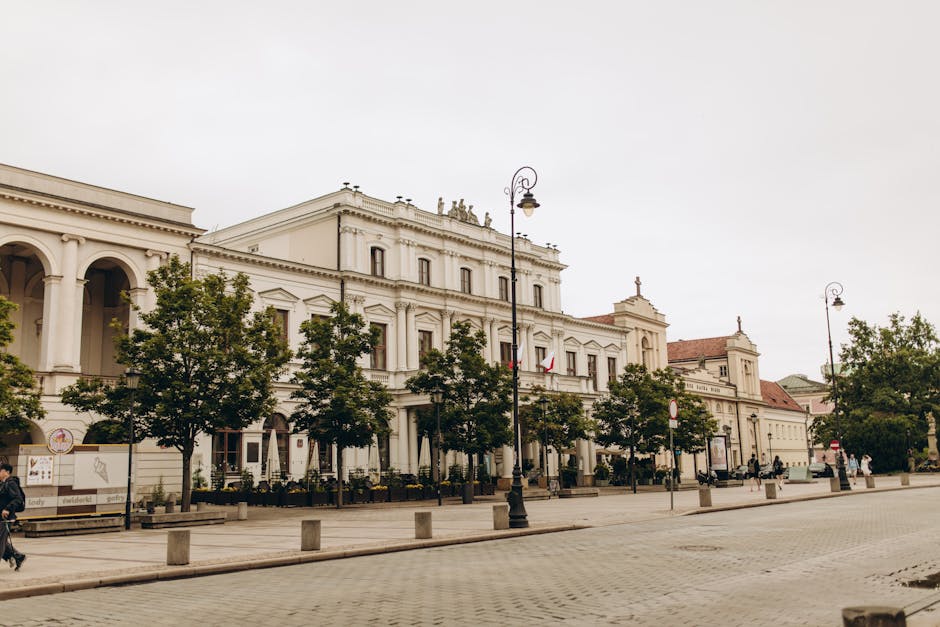
Self-guided audio tour in Warsaw
Start Free on iPhone
Start free on iPhone to unlock this self-guided walking tour in Warsaw. Hear all the stories that make it amazing, walk at your own pace, and begin whenever you want.
Your Private Tour Guide
Step across the Vistula River into Warsaw’s Praga Północ, a district that pulses with a raw, creative energy unlike anywhere else in the Polish capital. While the city center was meticulously rebuilt after World War II, Praga largely survived, preserving its original pre-war brickwork, atmospheric courtyards, and gritty industrial soul. This self-guided walk invites you to explore a neighborhood in transition, where abandoned factories have become vibrant cultural hubs and historic marketplaces sit alongside world-class street art. It is a place where history is etched into the bullet holes on tenement walls and the future is glowing in neon lights. On this neighborhood stroll, you will discover why Praga has become a magnet for artists and dreamers. You will encounter the remnants of Warsaw’s industrial heritage at the Koneser factory and witness the preservation of Cold War-era design at the Neon Museum. The route takes you through Ząbkowska Street, the district's social heart, and into the hidden courtyards of Stalowa, where local shrines and murals tell the story of a resilient community. This is not a polished museum experience; it is an invitation to explore independently and see a side of Warsaw that is authentic, unpretentious, and constantly evolving. Whether you are a fan of urban photography, a history enthusiast, or an art lover, this walking route offers a deep dive into the 'alternative' side of the city. Discover at your own pace the unique blend of Byzantine-Russian architecture and modern creative spaces that define this district. By choosing this self-guided adventure, you gain the freedom to linger at a favorite mural or stop for a coffee in a repurposed distillery, truly soaking in the industrial heritage and artistic spirit of Praga. **Note:** This area is known for its ever-changing character. Street art, pop-up venues, and temporary exhibitions may differ from what's described. That's part of the adventure - you might discover something entirely new!
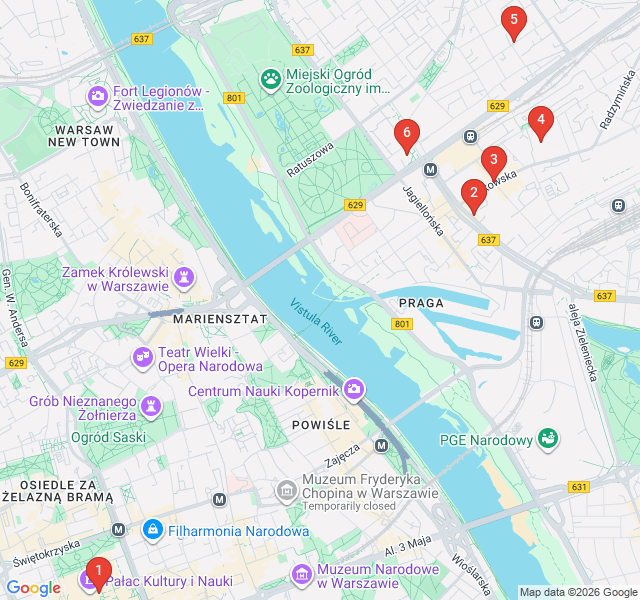
Numbers indicate the order of stops on the tour.
Start exploring with Zigway at the Neon Museum, located within the Soho Factory complex. This unique institution is dedicated to the preservation of Cold War-era neon signs that once illuminated the streets of Warsaw and beyond. During the socialist era, 'neonization' was a state-led effort to bring color and glamour to the gray urban landscape. These signs were designed by leading graphic artists and architects, making them true works of art rather than just commercial advertisements. As you walk through the glowing galleries, you'll see iconic signs like the 'Globe' or the 'Siren.' Please note that exhibits may change as the museum restores new pieces of Warsaw’s luminous history.
As you continue your neighborhood stroll, you arrive at Bazar Różyckiego, the oldest market in Warsaw. Founded in the late 19th century, this market was the beating heart of Praga's trade for generations. It gained legendary status during the PRL (communist) era, when it was the primary spot to find black-market goods, from Western blue jeans to fresh meat. Today, the market is a mix of empty stalls and small businesses, reflecting the changing nature of the district. It remains a symbolic site of Praga’s resilience and independent spirit. Take a moment to imagine the bustling, secret deals of the past that once defined these narrow aisles.
Ząbkowska Street is widely considered the most beautiful and historic thoroughfare in Praga Północ. Walking here feels like stepping back in time; the street is lined with 19th-century brick tenements that miraculously survived the devastation of World War II. In recent years, Ząbkowska has transformed into a social hub, where old-school milk bars share the sidewalk with trendy craft beer pubs and art galleries. Look up to see the intricate architectural details and into the courtyards to spot the small Catholic shrines, a quintessential feature of Praga's residential life. This street perfectly encapsulates the neighborhood's blend of historic grit and modern creativity.
Enter the gates of the Centrum Praskie Koneser, a masterclass in industrial heritage revitalization. This site was originally the Warsaw Vodka Factory 'Koneser,' which produced world-famous spirits like Wyborowa and Luksusowa for over a century. Today, the neo-Gothic red-brick buildings have been repurposed into a vibrant lifestyle complex featuring offices, shops, and cultural spaces. The architecture here is a stunning reminder of Praga’s industrial might in the 19th century. While exploring independently, you can appreciate the meticulous restoration that kept the factory's character alive while adapting it for a new generation of Varsovians.
Stalowa Street is one of Praga's most atmospheric locations, often used as a backdrop for films set in pre-war Warsaw. It is also a premier destination for street art enthusiasts. As you walk down this long, straight street, keep an eye out for large-scale murals tucked between the weathered facades. Street art is by nature temporary and evolving, so you might discover a brand-new piece or see a familiar one fading into the brickwork. The contrast between the grand, decaying architecture and the vibrant modern murals tells the story of Praga's current identity—a place where the past and future are in constant dialogue.
The final stop on this walking route is the Metropolitan Cathedral of Saint Mary Magdalene. Built in the late 1860s, its distinctive golden onion domes and Byzantine-Russian style stand in stark contrast to the Catholic churches found elsewhere in Warsaw. It was constructed to serve the growing Russian community in Praga during the era of the Russian partition. Unlike many other Orthodox churches in the city, this one was not demolished after Poland regained independence in 1918. Today, it remains a vital center for the Orthodox community and a striking architectural landmark that signals the end of your journey through Praga’s complex history.
Start Free on iPhone
Explore “Alternative Praga: Street Art and Industrial Soul” with your very own Private Tour Guide with Zigway. Start free on iPhone, skip the large group and the fixed routes, and hear the city come alive as you go.
Your Private Tour Guide
Don't miss the good stuff
Explore Freely
 Easy
EasyWarsaw, Poland
Discover the hidden courtyards and grand pre-war architecture of Warsaw's most atmospheric neighborhood on this self-guided stroll.
 Easy
EasyWarsaw, Poland
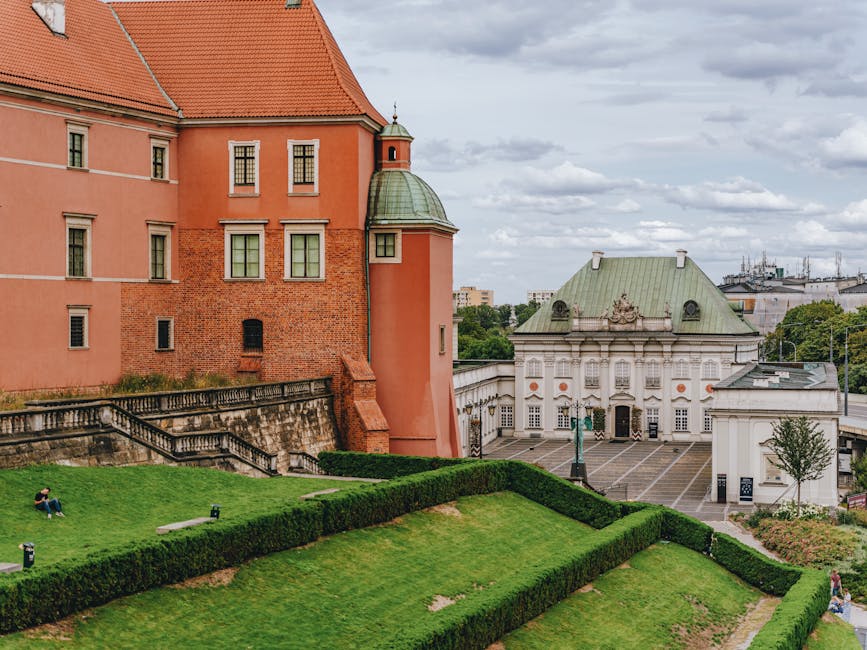
Explore the 'Polish Versailles' at your own pace. Discover Baroque architecture, royal history, and stunning gardens on this self-guided walk.
 Moderate
Warsaw, Poland
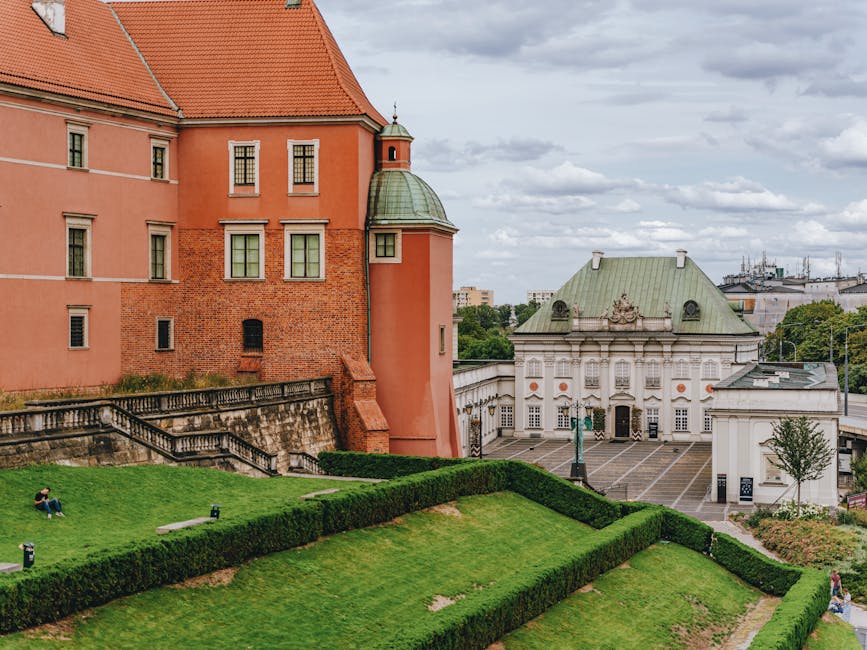
Explore the resilient spirit of Warsaw's Muranów district on this self-guided walk through the history and landmarks of the former Jewish Ghetto.
 Moderate
Warsaw, Poland
A powerful self-guided walk through Warsaw's WWII history, tracking the 1944 Uprising from ruined skyscrapers to solemn memorials.
 Easy
EasyKrakow, Poland
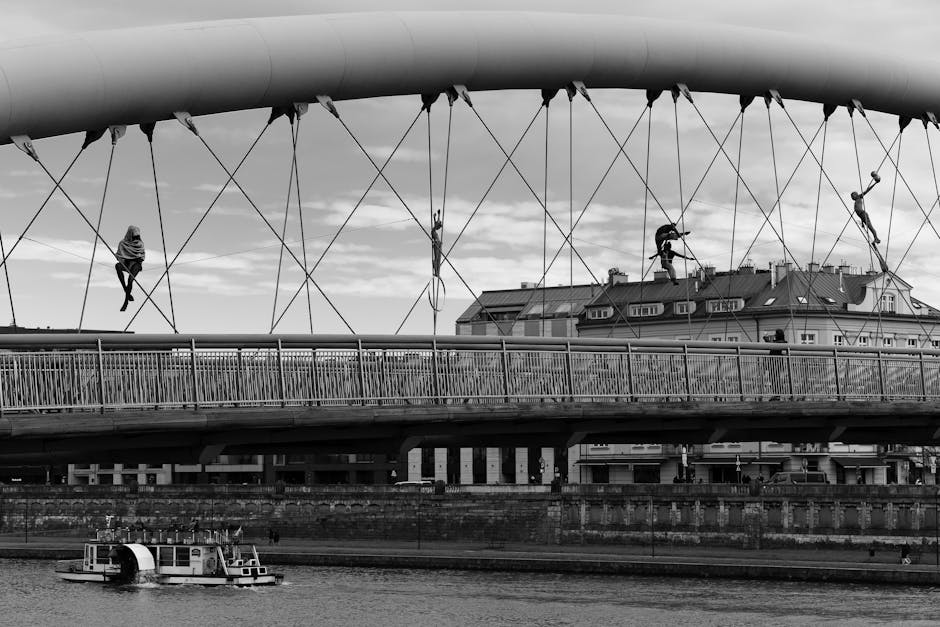
Discover Krakow’s creative soul in Zabłocie, exploring industrial heritage, contemporary art museums, and avant-garde architecture at your own pace.
 Moderate
Gdansk, Poland
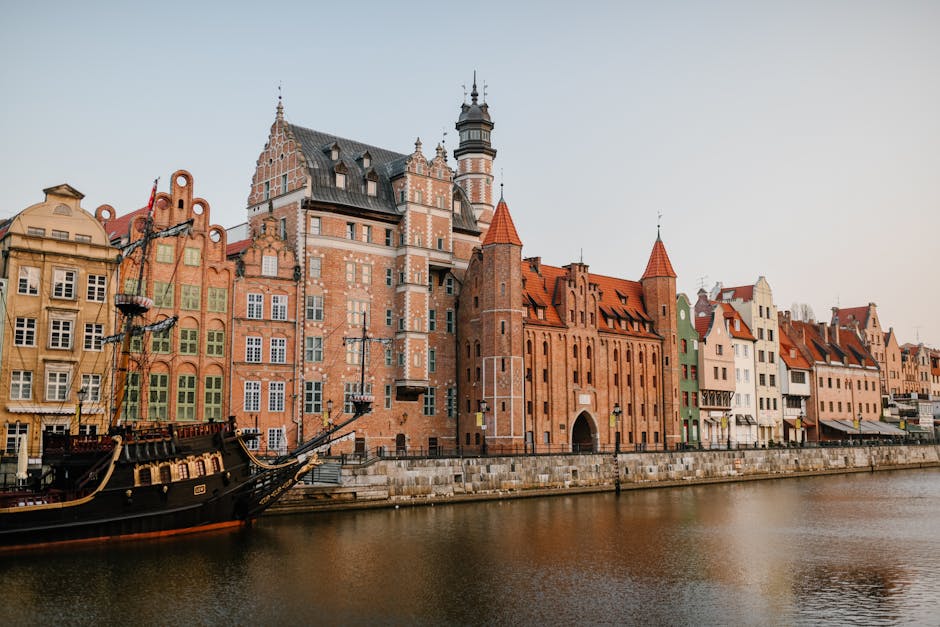
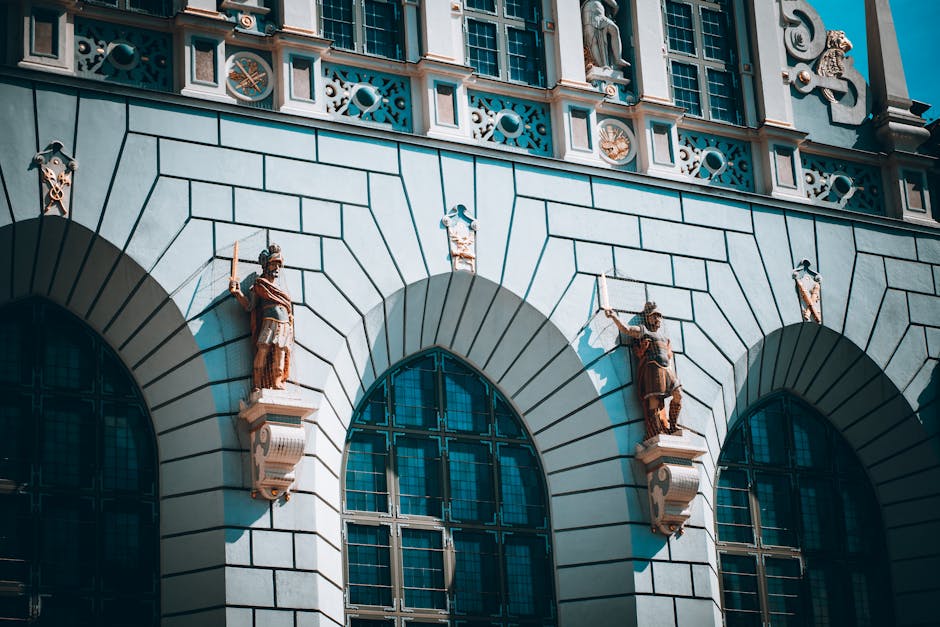
Discover the raw beauty of Gdansk’s Lower Town. Explore industrial ruins, hidden sluices, and riverside bastions on this self-guided walk.
 Moderate
Gdansk, Poland
Discover Zaspa, a massive open-air gallery where grey housing blocks are transformed by over 60 monumental murals. Explore at your own pace.
 Easy
EasyHelsinki, Finland
Discover Helsinki's oldest neighborhood on this self-guided audio walk through Kruununhaka’s historic streets, hidden courtyards, and scenic shores.
 Easy
EasyKrakow, Poland
Explore the prestigious Jagiellonian University district, featuring Neo-Gothic architecture, Baroque churches, and Krakow's hidden scholarly gems.
 Easy
EasyKrakow, Poland
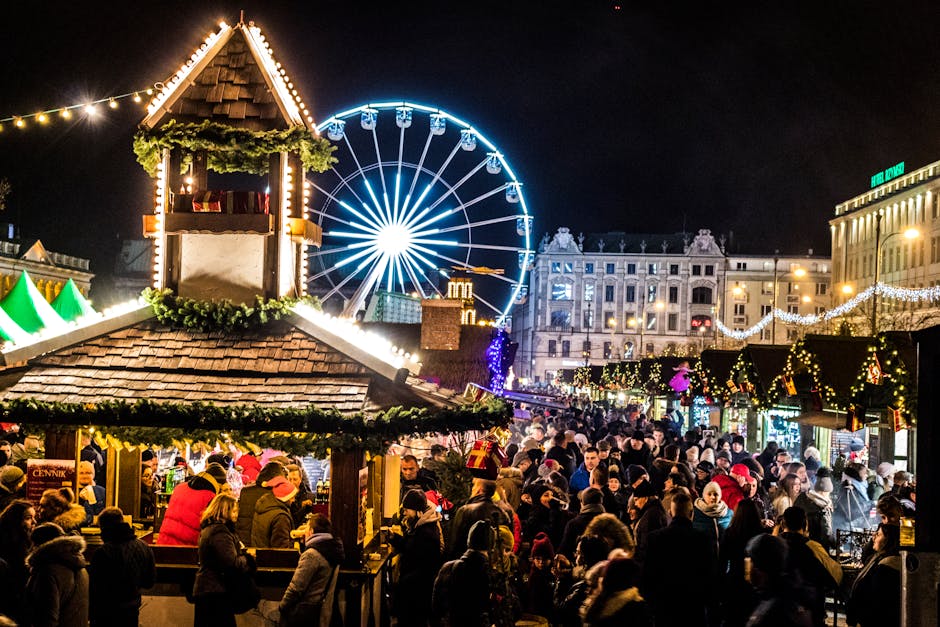
Explore Krakow's hidden nightlife with this self-guided walk through medieval cellars, jazz clubs, and bohemian bars in the Old Town and Kazimierz.
EasyKrakow, Poland
Discover Krakow’s creative soul in Zabłocie, exploring industrial heritage, contemporary art museums, and avant-garde architecture at your own pace.
 Easy
EasyKrakow, Poland
Explore the historic heart of Kazimierz on this self-guided walk through synagogues, ancient cemeteries, and vibrant squares.