Self-guided audio tour in Krakow
Start Free on iPhone
Start free on iPhone to unlock this self-guided walking tour in Krakow. Hear all the stories that make it amazing, walk at your own pace, and begin whenever you want.
Your Private Tour Guide
Step across the Vistula River and enter Podgórze, a district where the echoes of World War II are still palpable. While many travelers flock to the historic Jewish Quarter of Kazimierz, this self-guided walk takes you deeper into the somber history of the Krakow Ghetto. This neighborhood stroll is more than just a sightseeing route; it is an invitation to reflect on the darkest chapters of the 20th century while discovering the resilience of the human spirit. Starting at the haunting Empty Chairs Memorial, your journey explores the site of the wartime ghetto established by the Nazi regime in 1941. You will encounter the remains of the curved ghetto walls, designed with a cruel irony to resemble Jewish tombstones, and visit the pharmacy that served as a secret lifeline for those trapped within the district. The walking route leads you to the gates of Oskar Schindler's Enamel Factory, where the story of the famous industrialist and the people he saved comes to life against the backdrop of industrial heritage. As you move beyond the urban center, the scenery shifts toward the striking neo-Gothic spires of St. Joseph's Church before concluding at the Liban Quarry. This final stop offers a raw, off-the-beaten-path experience where nature has reclaimed the site of a former labor camp and a Hollywood film set. This walking tour Krakow experience allows you to explore at your own pace, providing the space needed to process the weight of the history found in these streets. Whether you are a history enthusiast or a first-time visitor, this independent exploration of Podgórze offers a profound perspective on Krakow’s wartime identity.
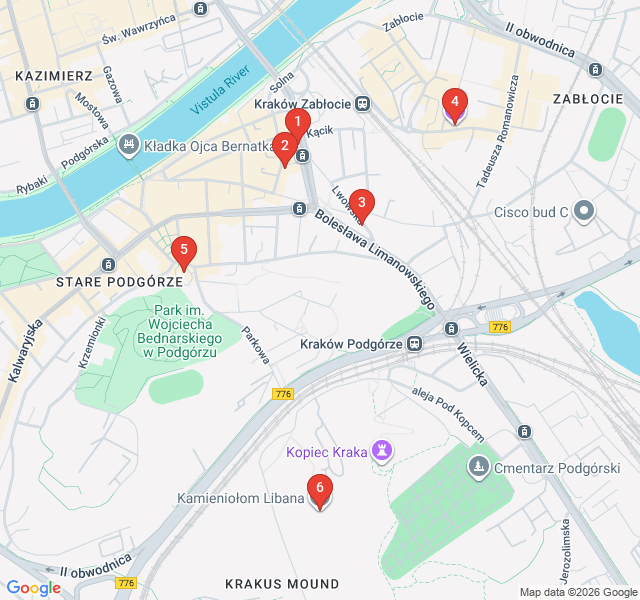
Numbers indicate the order of stops on the tour.
Begin your self-guided walk at the Ghetto Heroes Square, the former center of the Krakow Ghetto. The 33 oversized bronze chairs you see here are a powerful memorial to the thousands of Jewish citizens who were forced into this district. During the ghetto's liquidation, the square was littered with furniture and personal belongings as people were deported to death camps. Each chair represents the emptiness left behind. This was the 'Umschlagplatz,' the assembly point for deportations, making it one of the most tragic locations in the city's history. Take a moment to look at the orientation of the chairs; they face outward, symbolizing the many directions from which residents were brought and the few directions in which they were taken.
Located on the corner of the square is the Eagle Pharmacy. During the war, this was the only pharmacy within the ghetto walls, and its owner, Tadeusz Pankiewicz, was the only non-Jewish resident allowed to stay. Pankiewicz and his staff risked their lives to provide medicine, food, and forged documents to the ghetto's inhabitants. The pharmacy became a secret meeting point for intellectuals and a sanctuary for those seeking news from the outside world. Today, it serves as a museum dedicated to the life of the ghetto. Even from the outside, the building stands as a testament to the quiet heroism of ordinary people during extraordinary times.
As you walk toward Lwowska Street, you will find a preserved fragment of the original Ghetto Wall. Notice the rounded tops of the stones; the Nazis intentionally designed the wall to look like Jewish tombstones, a psychological tactic intended to remind the residents of their fate. At its height, the wall enclosed roughly 15,000 people in an area previously occupied by only 3,000. These few remaining meters are a stark physical reminder of the isolation and imprisonment of the Jewish community. Touching the cold stone here connects you directly to the physical reality of 1941-1943.
Arrive at the gates of the Emalia factory, made world-famous by Thomas Keneally’s book and Steven Spielberg’s film. While the building now houses a world-class museum about Krakow under Nazi occupation, the site itself is where Oskar Schindler employed over 1,000 Jewish workers, saving them from deportation to the Płaszów concentration camp. The administrative building's facade remains largely as it was. Look for the windows displaying photos of the 'Schindlerjuden' (Schindler's Jews). This site represents a rare glimmer of hope and humanity amidst the industrial scale of the Holocaust.
Moving toward the heart of old Podgórze, you will encounter the monumental St. Joseph's Church. Built in the early 20th century in the Vistula Gothic style, its soaring tower is the neighborhood's most recognizable landmark. While the church predates the ghetto, it stood as a silent witness to the atrocities committed in the square below. Its intricate brickwork and dramatic spires provide a sharp architectural contrast to the industrial and somber sites you have visited so far. The square in front of the church, Rynek Podgórski, was the original center of Podgórze before it was incorporated into Krakow.
Your walking route concludes at the Liban Quarry, a site of both natural beauty and historical horror. During the war, it served as a penal labor camp where prisoners worked in brutal conditions. Decades later, Steven Spielberg used this quarry to recreate the Płaszów camp for the film 'Schindler’s List.' Today, you can still see the remnants of the film set, including rusted guard towers and a path made of replica tombstones, now overgrown with greenery. It is a haunting, atmospheric place where the lines between history and cinema blur, offering a quiet space for final reflection at the end of your journey.
Start Free on iPhone
Explore “Shadows of the Ghetto: Podgórze” with your very own Private Tour Guide with Zigway. Start free on iPhone, skip the large group and the fixed routes, and hear the city come alive as you go.
Your Private Tour Guide
Don't miss the good stuff
Explore Freely
 Easy
EasyKrakow, Poland
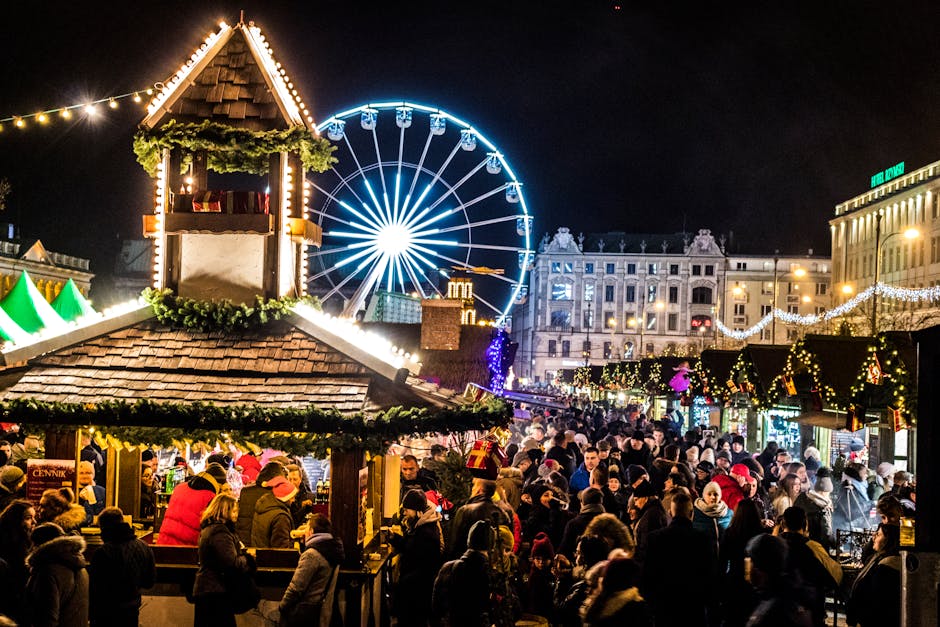
Explore the prestigious Jagiellonian University district, featuring Neo-Gothic architecture, Baroque churches, and Krakow's hidden scholarly gems.
 Easy
EasyKrakow, Poland
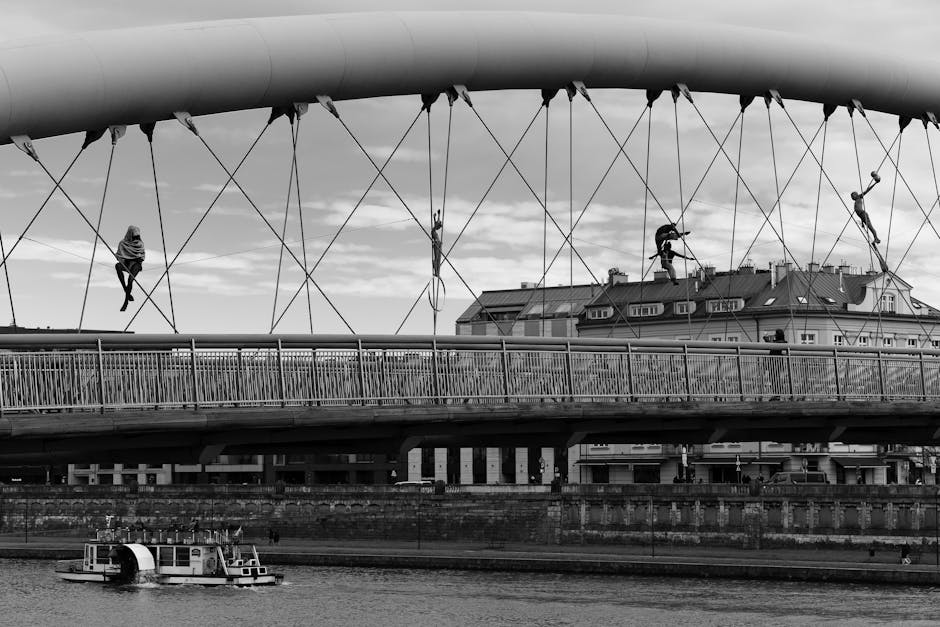
Explore Krakow's hidden nightlife with this self-guided walk through medieval cellars, jazz clubs, and bohemian bars in the Old Town and Kazimierz.
 Easy
EasyKrakow, Poland
Discover Krakow’s creative soul in Zabłocie, exploring industrial heritage, contemporary art museums, and avant-garde architecture at your own pace.
 Easy
EasyKrakow, Poland
Explore the historic heart of Kazimierz on this self-guided walk through synagogues, ancient cemeteries, and vibrant squares.
 Moderate
Gdansk, Poland
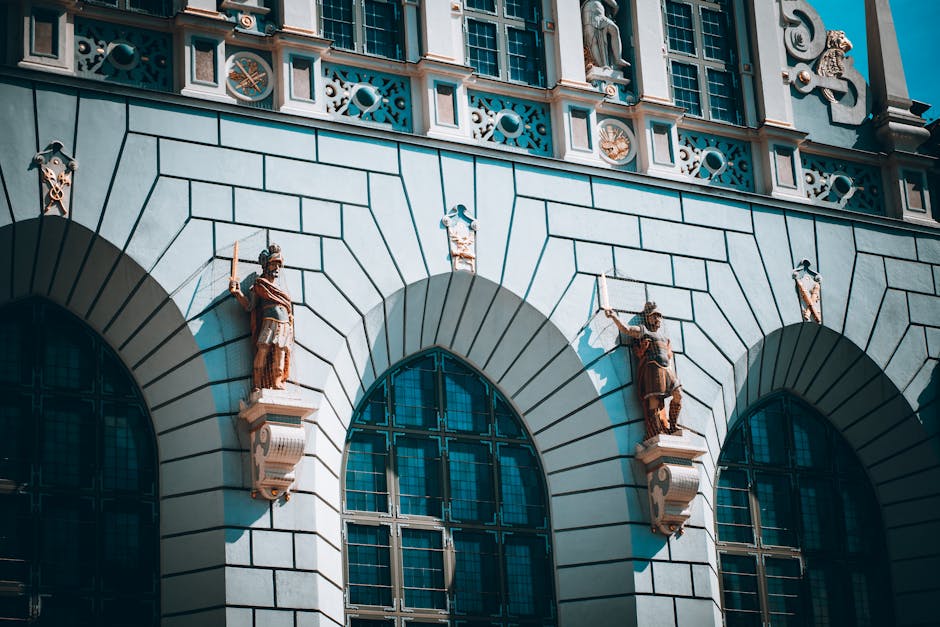
Discover Zaspa, a massive open-air gallery where grey housing blocks are transformed by over 60 monumental murals. Explore at your own pace.
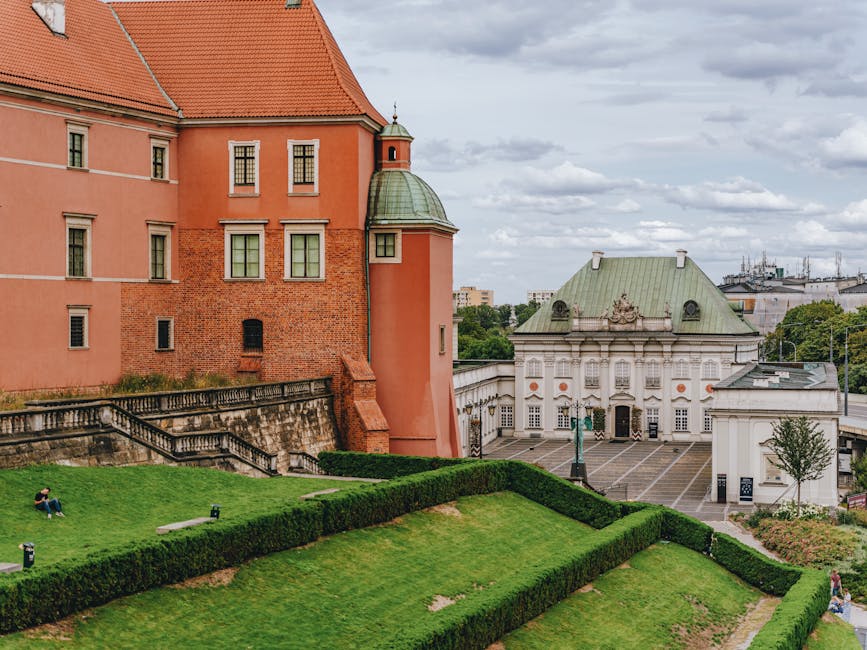 Moderate
Warsaw, Poland
Explore the resilient spirit of Warsaw's Muranów district on this self-guided walk through the history and landmarks of the former Jewish Ghetto.
 Moderate
Nairobi, Kenya
Discover the creative soul of Nairobi on this self-guided walk through the city's premier art galleries, markets, and artisan workshops.
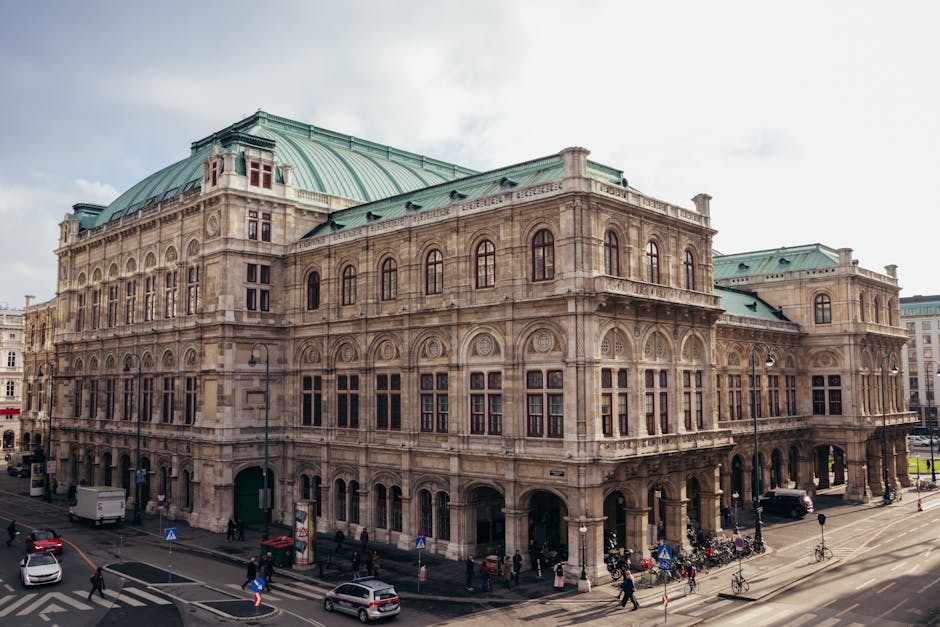 Moderate
Vienna, Austria
Follow the footsteps of Mozart and Strauss through Vienna’s historic center on this self-guided walk through the city's rich musical history.
 Easy
EasyWarsaw, Poland
Discover the hidden courtyards and grand pre-war architecture of Warsaw's most atmospheric neighborhood on this self-guided stroll.
 Easy
EasyWarsaw, Poland
Explore the 'Polish Versailles' at your own pace. Discover Baroque architecture, royal history, and stunning gardens on this self-guided walk.
ModerateWarsaw, Poland
Explore the resilient spirit of Warsaw's Muranów district on this self-guided walk through the history and landmarks of the former Jewish Ghetto.
 Moderate
Warsaw, Poland
A powerful self-guided walk through Warsaw's WWII history, tracking the 1944 Uprising from ruined skyscrapers to solemn memorials.