Self-guided audio tour in Bratislava
Start Free on iPhone
Hear the stories behind the streets and sights around you as you walk Bratislava. Try it free on iPhone.
Your Private Tour Guide
Skip Bratislava's crowded main squares and a self-guided walk brings you to the Blue Church and the city's best Art Nouveau buildings instead. It's an architecture walking tour of the Secessionist style, all pastel colors, floral motifs and wavy lines. Bratislava is a city of layers, with medieval fortifications in one place and socialist-era bridges in another. None of those layers is as playful as its Art Nouveau. The Blue Church and Art Nouveau Gems builds up to the Church of St. Elizabeth, known around the world as the Blue Church. It looks like it was spun from sugar and sky. Getting there is half the fun, though, because the route shows how the city's architecture shifted around the turn of the 20th century. You start near the historic center and follow how Bratislava's grander homes and public buildings changed over time. Along the way you'll see how architects like Ödön Lechner, often called the 'Hungarian Gaudí', reshaped the look of the city with organic shapes and colorful majolica tiles. Past the famous blue facade there are lesser-known treasures like the Gamča Lyceum and the elegant Tulip House, each one a snapshot of a city modernizing with real artistic flair. It's a walk for people who notice the small stuff: wrought-iron railings, mosaic patterns and the calm streets of the Bezručova district. Photographers will love it, and so will history fans. You set the pace. Linger by the Danube, or duck into a boutique hotel lobby for a coffee, with no group schedule to keep. By the last stops it's easy to see why locals are so fond of this part of town. It really does feel like a fairytale you can walk around in.
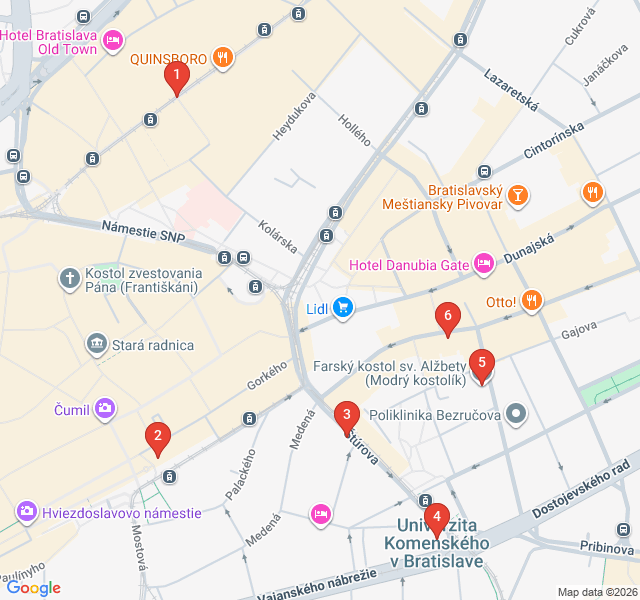
Numbers indicate the order of stops on the tour.
First up is Schön's Palace on Obchodná Street. Most of the street is about modern shopping these days, but this building is a reminder of the city's aristocratic past. It went up in the late 19th century, when architecture here was moving away from the strict lines of Classicism toward something more decorative. The wealthy Schön family once lived here, and the lovely courtyard gives you a peek at the private luxury of old Pressburg. Look at the balanced symmetry and the subtle ornamental touches on the facade. They're quiet, but they point toward the much showier Art Nouveau buildings coming later on the route.
The Old Building of the Slovak National Theatre stands proudly on Hviezdoslav Square, and it's a Neo-Renaissance masterpiece. The architects were Fellner & Helmer, a famous duo who designed dozens of opera houses across the Austro-Hungarian Empire. This one opened in 1886. Look up at the facade for the busts of famous composers. Then check out the Ganymede Fountain right in front, which shows a scene from Greek mythology. When Art Nouveau was at its height, this theater was the city's cultural heart. Its grand, classical look made a strong contrast with the modern, organic styles starting to appear in the streets around it.
Heading toward the quieter Bezručova neighborhood, you'll reach the Tulip House, one of the most elegant Secessionist buildings in the city. It was built in 1903 and sums up the era nicely, with floral motifs and flowing lines all over it. The name comes from the intricate tulip decorations that run through the design. It started life as a luxury apartment house and has been carefully restored to its former glory. Take a minute with the wrought-iron balconies and the delicate stone carvings around the window frames. Details like these show architects moving away from imitating older styles and toward a new artistic language inspired by nature.
Comenius University's main building looks out over the Danube, and it's an imposing mix of monumental classicism and Art Deco. It was completed in the 1930s, so it belongs to a later chapter of Bratislava's story and shows how the city kept growing after the fall of the Monarchy. This is the oldest and largest university in Slovakia, and the size of the building matches its importance. The wide staircases and high ceilings were designed to inspire awe, and they still do. From here you can feel the shift from the grand public spaces of the waterfront to the smaller, more artistic streets of the Blue Church district, just a few blocks inland.
Here it is, the highlight of the walk: the Church of St. Elizabeth, known to just about everyone as the Blue Church. Ödön Lechner designed it, and it was consecrated in 1913. It's a textbook piece of Hungarian Secessionism. Everything is blue, from the glazed roof tiles to the mosaics to the pale blue plaster. Lechner used concrete and majolica tiles to make a building that feels organic, as if it grew out of the ground instead of being built. Find the mosaic of St. Elizabeth above the entrance. The church was first meant as a private chapel for the school next door, but its unusual beauty soon made it one of the most famous landmarks in the country. Take your time with the photos.
Right beside the Blue Church is the Gamča Lyceum, also called the Grosslingova Grammar School, and Ödön Lechner designed this one too. It was built just a few years before the church, and the two share a lot of architectural DNA, including colorful tiles and curved rooflines. The church is all about blue. The school sticks to earthier tones but keeps the same whimsical, organic feel. It's a prestigious school, and many of Slovakia's most prominent figures studied here. Step back so you can see both buildings at once. Together they show Lechner's idea of a unified architectural 'campus' that brought high art into everyday city life.
Explore Mode
Open Zigway, start Explore Mode and just walk. Your guide notices where you are and tells you the story of what's around you, on this route or any street you turn into.
Start Free on iPhone
Open Zigway as you walk and your private tour guide tells the stories behind what you pass.
Your Private Tour Guide
Don't miss the good stuff
Explore Freely
 Easy
Bratislava, Slovakia
Discover Bratislava’s soul through its historic pubs and traditional flavors on this self-guided walk through the atmospheric Old Town.
 Moderate
Bratislava, Slovakia
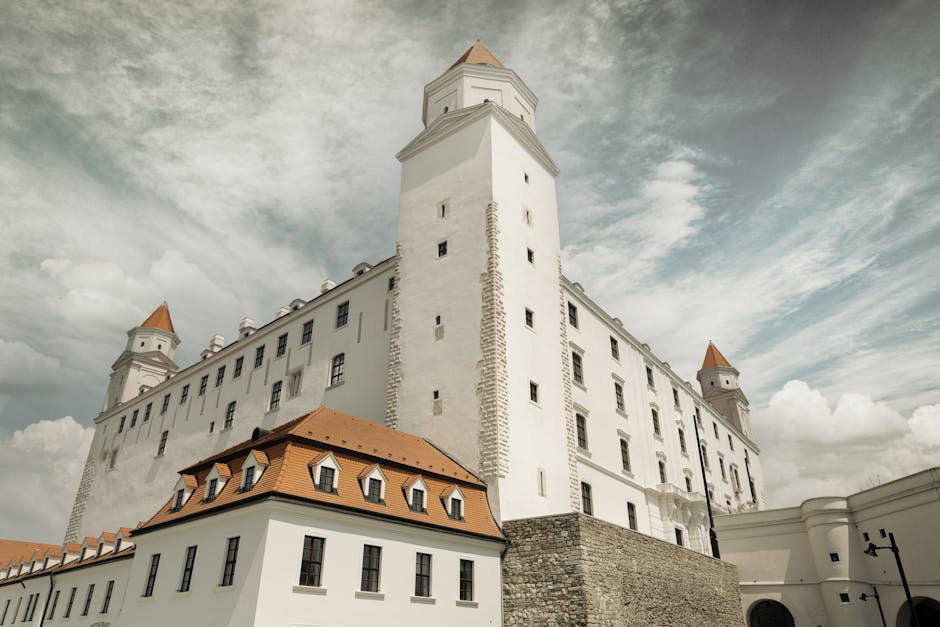
Explore the resilient history of Pressburg's Jewish community on this poignant self-guided walk through Bratislava's Old Town and Castle Hill.
 Moderate
Bratislava, Slovakia
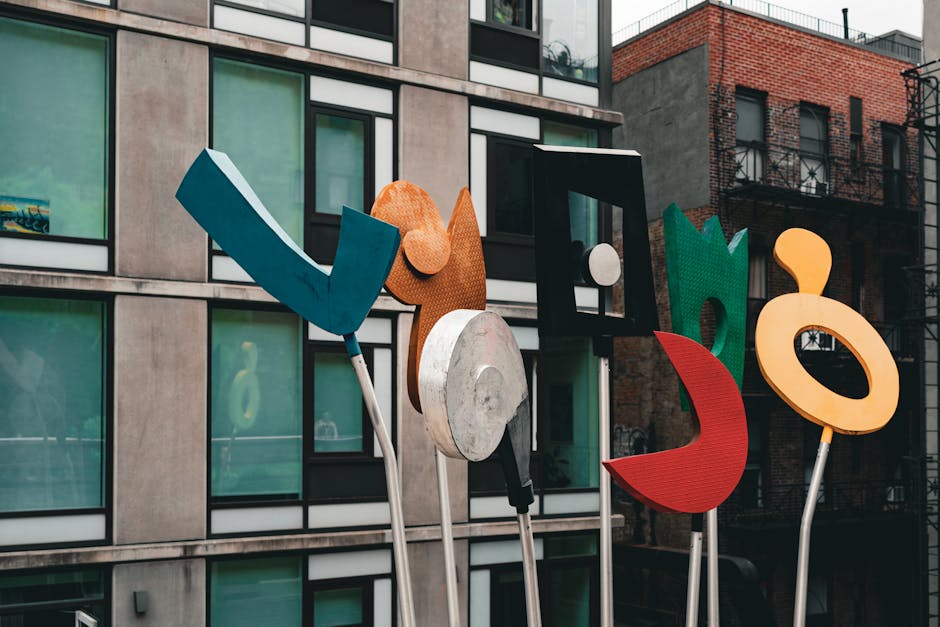
Discover Bratislava’s transformation from industrial heartland to a hub of street art and futuristic Zaha Hadid architecture on this self-guided walk.
 Easy
Bratislava, Slovakia
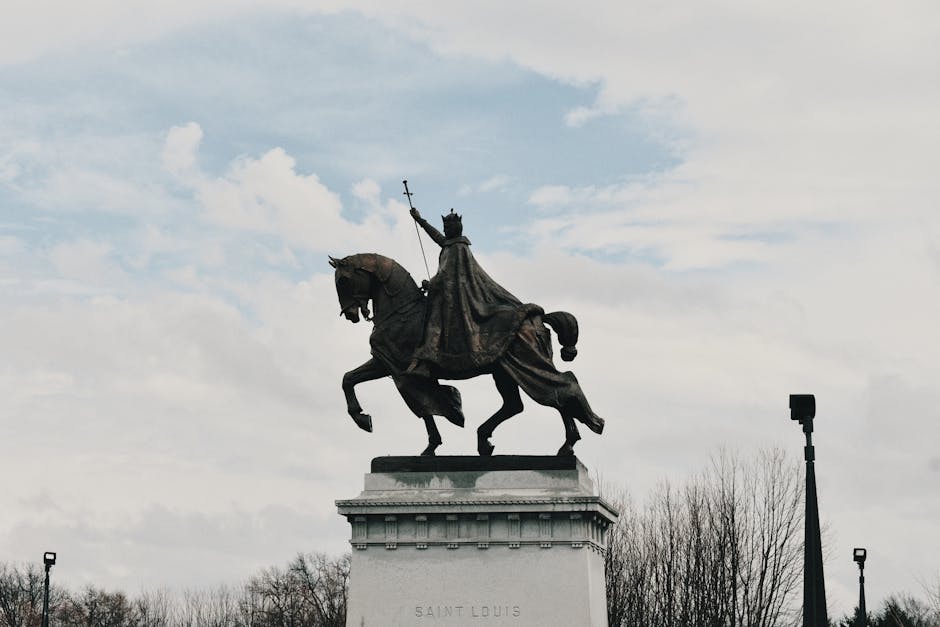
Follow the path of Hungarian kings through Bratislava's Old Town. Discover Michael's Gate, royal palaces, and the cathedral of coronations.
 Easy
Warsaw, Poland
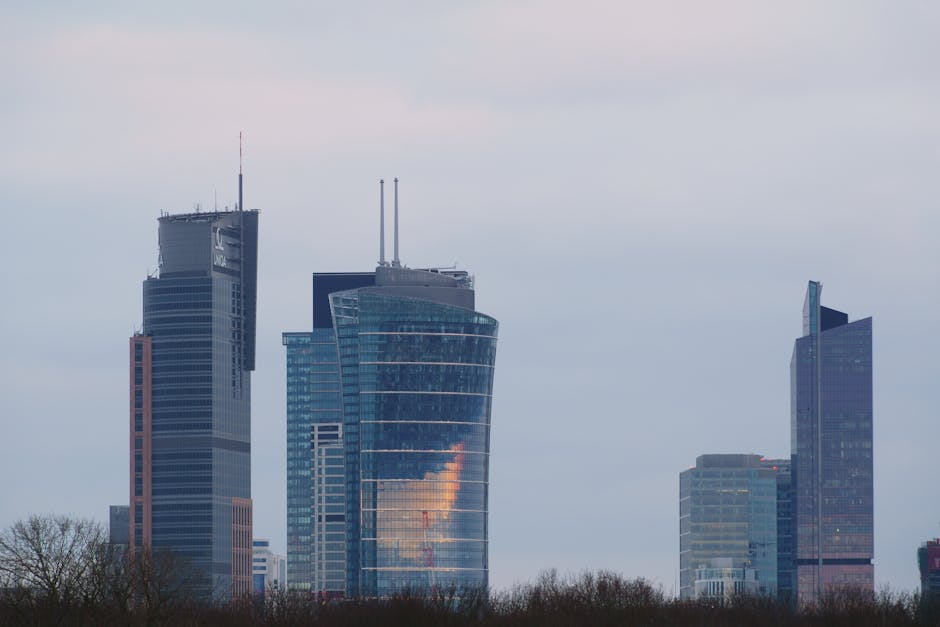
Discover the hidden courtyards and grand pre-war architecture of Warsaw's most atmospheric neighborhood on this self-guided stroll.
 Easy
Gdansk, Poland
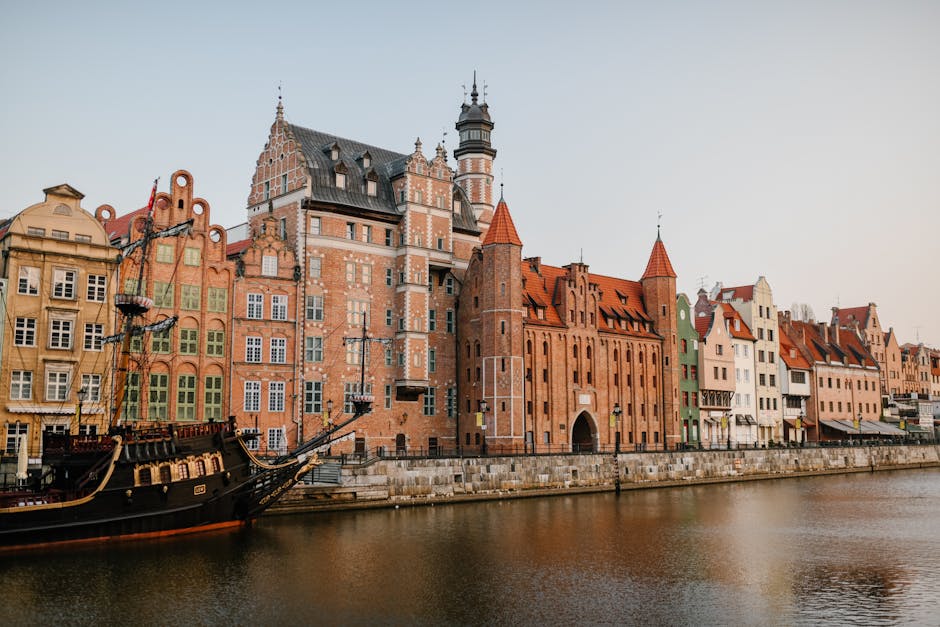
Discover the 'Baltic Gold' on this self-guided walk through Gdansk's historic mills, massive cathedrals, and the magical Mariacka Street.
 Easy
Salzburg, Austria
Discover Salzburg's oldest medieval alley, the birthplace of the 'Silent Night' author, and breathtaking views on this quiet self-guided walk.
 Easy
Warsaw, Poland
Explore Warsaw's scenic riverfront, rooftop gardens, and industrial-chic architecture on this self-guided stroll through the Powiśle district.