Self-guided audio tour in London
Now a Guided Walk in the Zigway app
Rebels, monks, bombs and bees: how London builds the future on its own bones, and lets gardens grow in the gaps.
2.7 km · 39 min walking · 36 min of stories
The introduction and the first minute at the first stop.
Postman's Park
Postman's Park is just ahead of you, a small patch of green between the buildings.
Roman Fort Ruins & Noble Street Garden
The Romans built a fort here, in the north-west corner of their town. It covered about twelve acres, roughly two hundred metres a side.
St Bartholomew's Gatehouse & Churchyard
The arch dates from the thirteenth century. The two timber floors above came in the reign of Elizabeth the First, though accounts disagree on who built them.
St John's Gate
Prior Thomas Docwra built this gate in 1504. It was the south entrance into the Knights' inner precinct.
The Charterhouse & Charterhouse Square
As many as twenty thousand people were buried here. The chronicler John Stow wrote that at the worst, it took in nearly two hundred bodies a day.
Guided Walk · in the Zigway app
Buy it once in the app and walk it whenever you're in London. GPS plays each story as you arrive, it works offline, and the introduction and first stop are free to try.
Start Free on iPhone
Hear the stories behind the streets and sights around you as you walk London. Try it free on iPhone.
Your Private Tour Guide
Discover a side of London where medieval heritage meets 20th-century utopian vision. This self-guided walk through Clerkenwell and the City of London offers a striking contrast between the ancient gates of monastic orders and the towering concrete pillars of Brutalist architecture. You will begin in Clerkenwell, a neighborhood long associated with radical thought and industrial craftsmanship, before moving toward the iconic Barbican Estate. This walking route is designed for those who appreciate the interplay between 'hard' architecture and the 'soft' beauty of hidden urban gardens. Along the way, you will encounter the remnants of a 12th-century priory, a park dedicated to the unsung heroes of Victorian London, and a tropical sanctuary hidden inside a concrete fortress. Whether you are a photography enthusiast looking for the perfect play of shadow on textured concrete or a history buff seeking the hidden layers of the city, this neighborhood stroll provides a rich, multi-sensory experience. You will explore the site of historic riots, see where John Milton was buried, and wander through what was once the largest social housing project in Europe. This journey highlights how London constantly reinvents itself, building the future atop the ruins of the past, while always leaving room for nature to bloom in the most unexpected places.
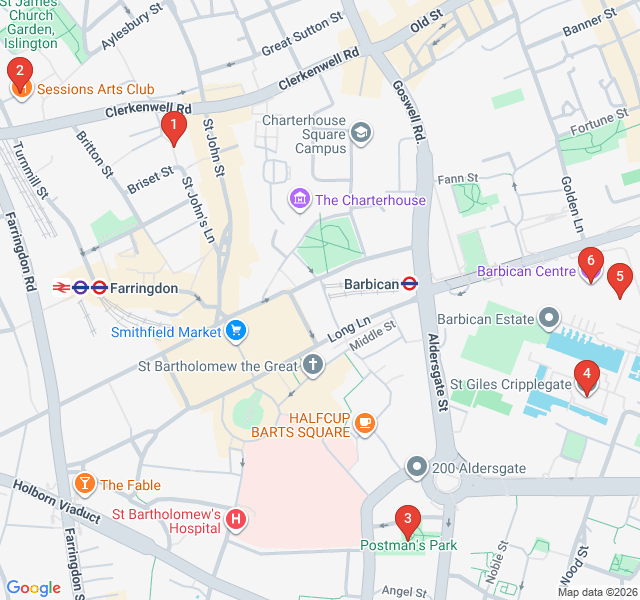
Numbers indicate the order of stops on the tour.
Start exploring at St John's Gate, a magnificent 16th-century structure that served as the entrance to the Priory of the Knights of St John. This site dates back to the 1140s when the Order was established to provide medical care for pilgrims in Jerusalem. As you look at the stone gatehouse, imagine the knights in their black robes with white crosses. Over the centuries, this building has worn many hats, from a printing house where Samuel Johnson worked to a tavern run by the father of the man who founded the modern St John Ambulance. It is a rare surviving piece of medieval London that sets the stage for the layers of history you will uncover today.
A short walk brings you to Clerkenwell Green. Despite the name, it hasn't been a grassy green for centuries. This space has been a hotbed of radicalism and protest since the 14th century. It was here that the Peasants' Revolt gathered and where Victorian reformers held massive rallies. Look for the Marx Memorial Library, located in a building where Vladimir Lenin once edited the newspaper 'Iskra' (The Spark) while in exile. The architecture surrounding the square, from the imposing Old Sessions House to the modest workshops, reflects Clerkenwell's past as a center for clockmaking, gin distilling, and political upheaval.
Tucked away near the old General Post Office, Postman's Park is one of the City's most poignant hidden gems. Its name comes from the postal workers who used to eat their lunch here. The park's centerpiece is the Watts Memorial to Heroic Self-Sacrifice, a long wooden cloister containing glazed Doulton tablets. Each tablet tells the story of an ordinary person who died while trying to save the lives of others. These brief, tragic accounts offer a window into the dangers of Victorian life and the enduring spirit of human bravery. It is a quiet, reflective space that provides a stark contrast to the bustling city streets just outside its walls.
As you enter the Barbican Estate, you will find the Church of St Giles-without-Cripplegate. The term 'without' means it stood outside the city walls, near the old 'Cripplegate' entrance. This church is a survivor; it has been rebuilt several times due to fires and Blitz damage. It serves as a fascinating anchor between the old world and the new, with its medieval stone walls surrounded by the towering concrete pillars of the Barbican. Notable figures like the poet John Milton are buried here, and Oliver Cromwell was married at its altar. It remains a spiritual heart for the modern residents living in the surrounding high-rise towers.
Hidden within the concrete layers of the Barbican is a tropical paradise. The Barbican Conservatory is the second largest in London, housing over 2,000 species of tropical plants and trees. Here, the 'Blooms' of our route truly take center stage. The sight of lush green vines draping over Brutalist concrete beams creates a surreal, 'post-apocalyptic chic' aesthetic that is a favorite for photographers. It is a testament to the architects' vision that nature could be integrated directly into a high-density urban environment. Note that while entry is free, it usually requires a pre-booked time slot, so it is always wise to check availability in advance.
Your self-guided adventure concludes at the Barbican Centre, the heart of this world-renowned Brutalist estate. Completed in the 1980s, the Barbican was designed to be a 'city within a city,' featuring elevated walkways, lakes, and residential towers named after famous historical figures. The textured 'pick-hammered' concrete was finished by hand to give it a rugged, stone-like appearance. As you wander through the foyers or sit by the lakeside terrace, you can appreciate the utopian ambition of the project. It remains one of the most significant examples of Brutalist architecture in the world, serving as a vibrant hub for music, theater, and art.
Start Free on iPhone
Open Zigway as you walk and your private tour guide tells the stories behind what you pass.
Your Private Tour Guide
Don't miss the good stuff
Explore Freely
 Easy
London, United Kingdom
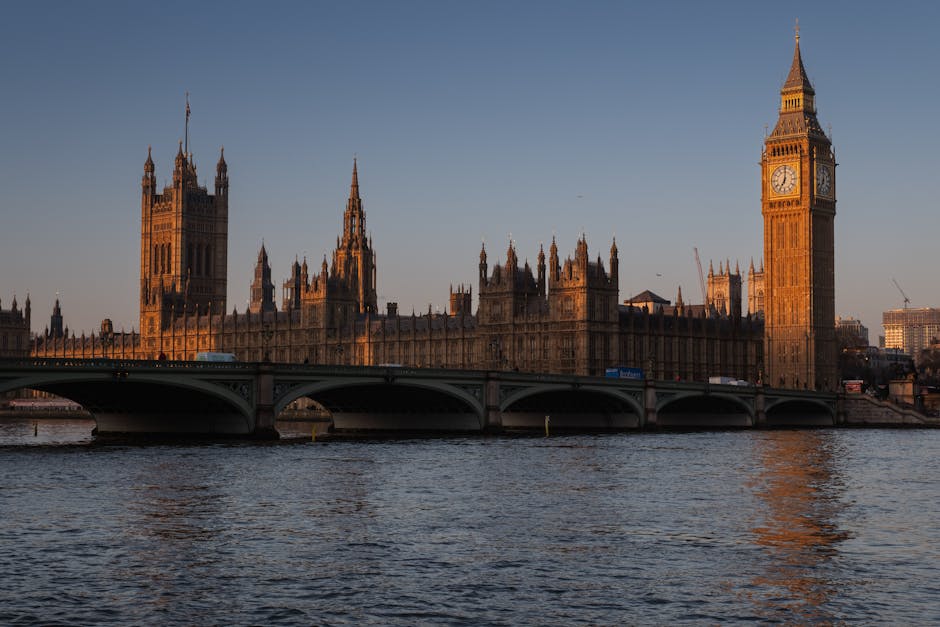
Explore the heart of British royalty and politics on this self-guided walk from the gates of St James's Palace to the iconic chimes of Big Ben.
 Easy
London, United Kingdom
Explore the neon glow of Soho and the magic of Theatreland on this self-guided audio walk through London's most vibrant nightlife districts.
 Moderate
London, United Kingdom
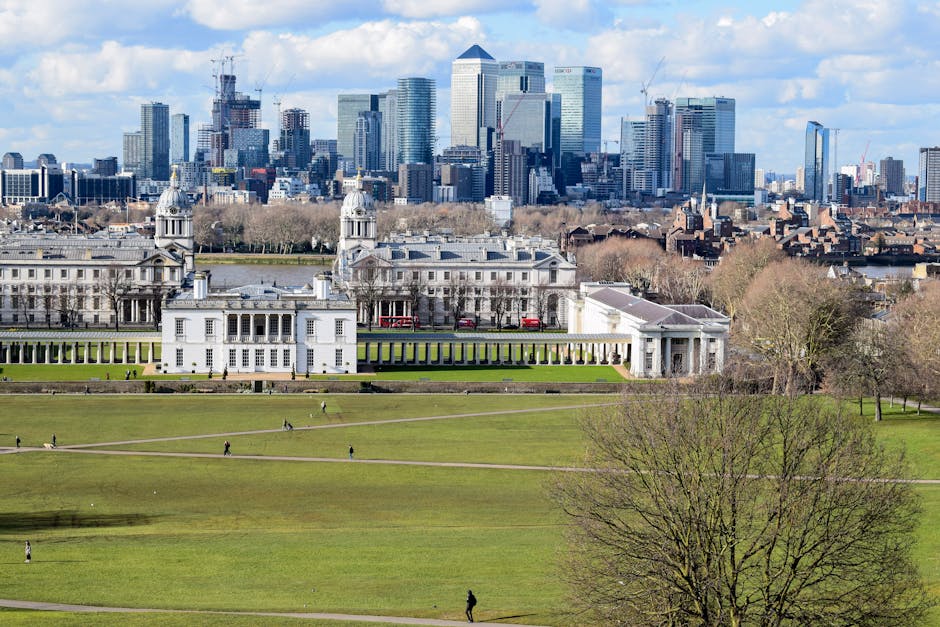
Follow the tranquil Regent’s Canal from the bustle of Camden Market to the serene, leafy waters of Little Venice on this scenic self-guided walk.
 Easy
London, United Kingdom
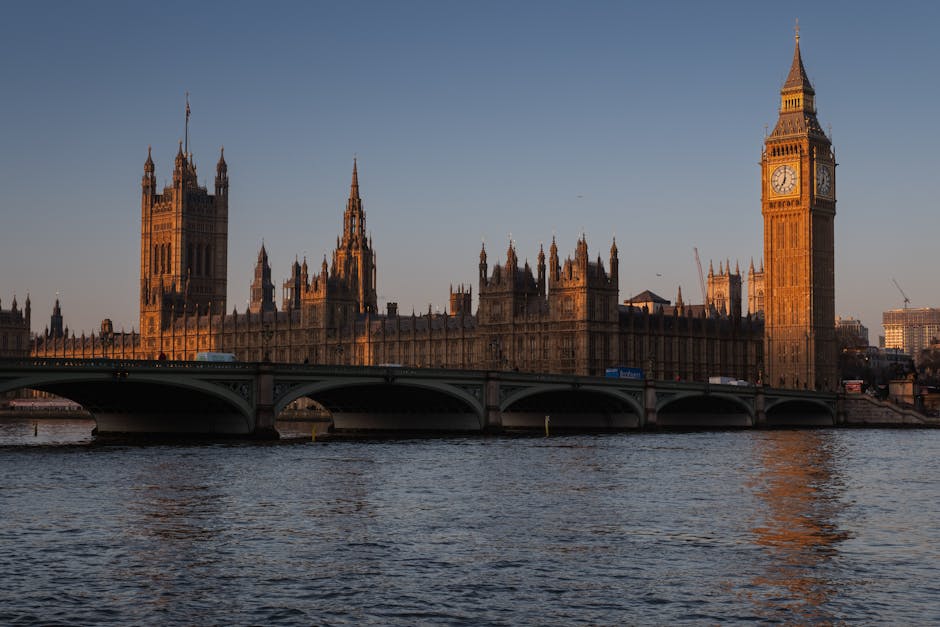
Explore London’s dark history on this self-guided walk through Smithfield, covering the Great Fire, plague pits, and legendary execution sites.
 Moderate
Vienna, Austria
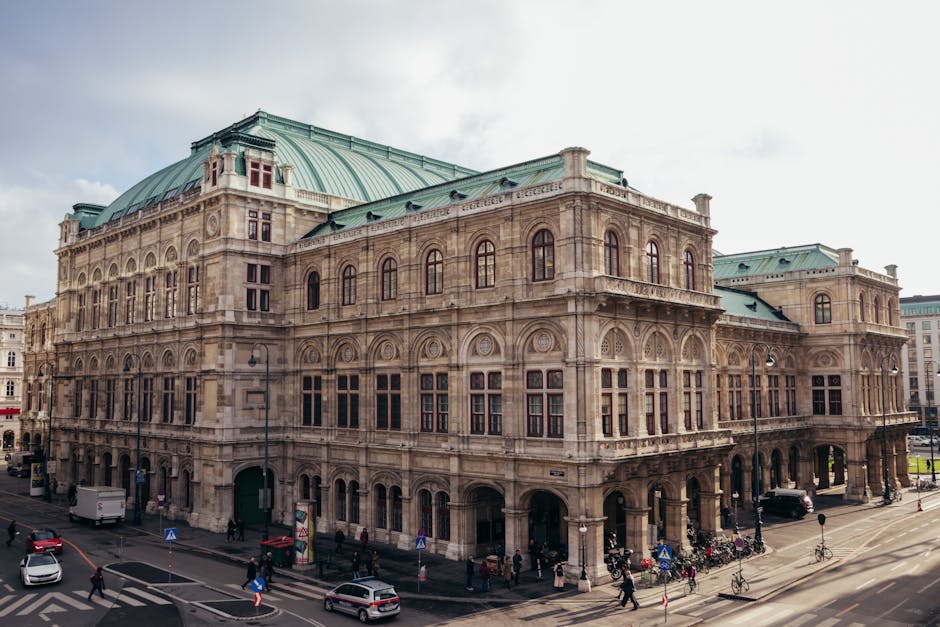
Discover the noir world of The Third Man and Cold War Vienna on this atmospheric self-guided audio walk through the historic Innere Stadt.
 Easy
Warsaw, Poland
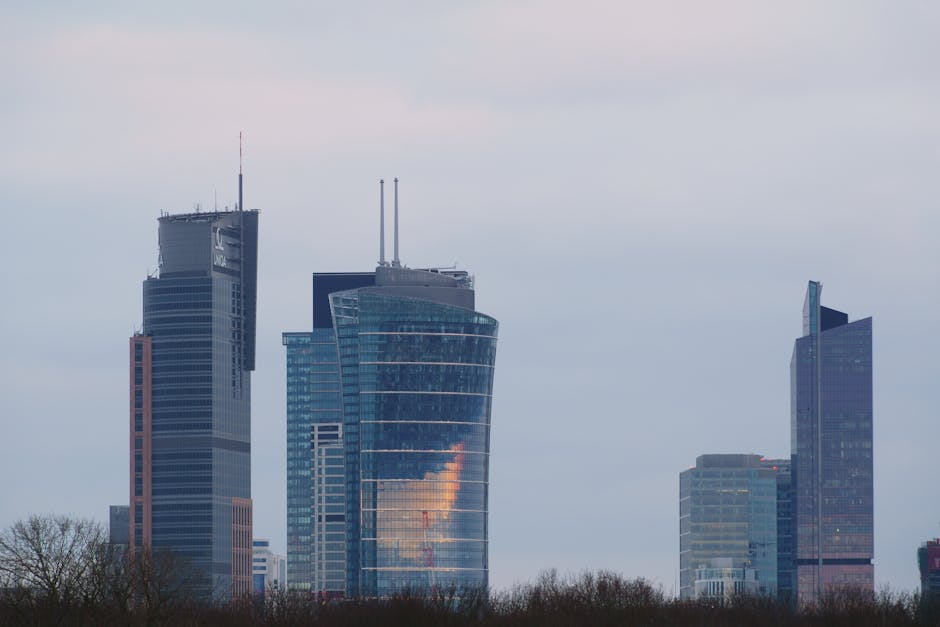
Discover the hidden courtyards and grand pre-war architecture of Warsaw's most atmospheric neighborhood on this self-guided stroll.
 Easy
Gothenburg, Sweden
Explore Gothenburg’s historic wooden houses, legendary giant cinnamon buns, and panoramic fortress views on this self-guided neighborhood stroll.
 Easy
Krakow, Poland
Explore the prestigious Jagiellonian University district, featuring Neo-Gothic architecture, Baroque churches, and Krakow's hidden scholarly gems.
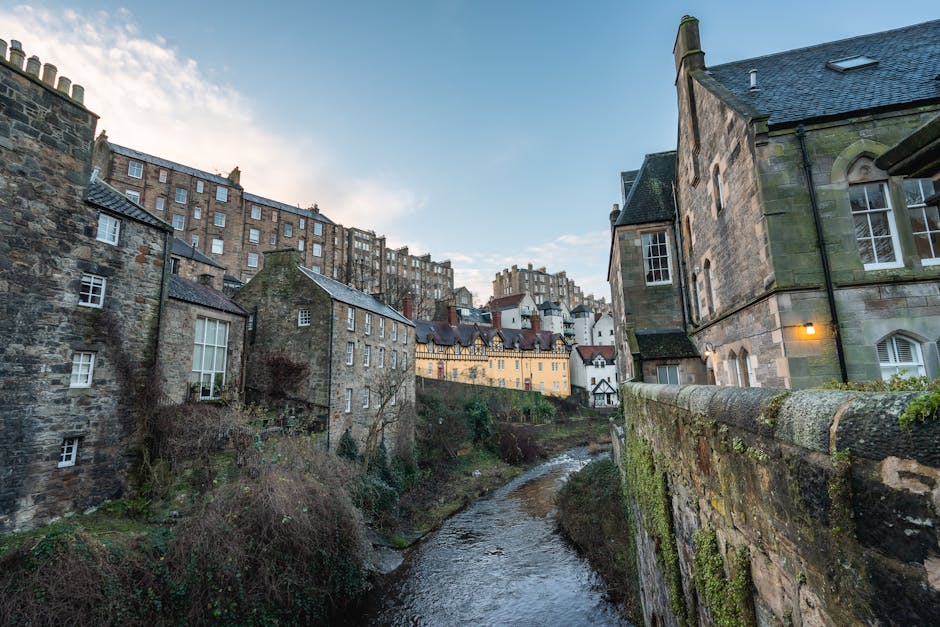 Easy
Edinburgh, United Kingdom
Explore Edinburgh's historic Royal Mile at your own pace, from the heights of the Castle to the royal Palace of Holyroodhouse.
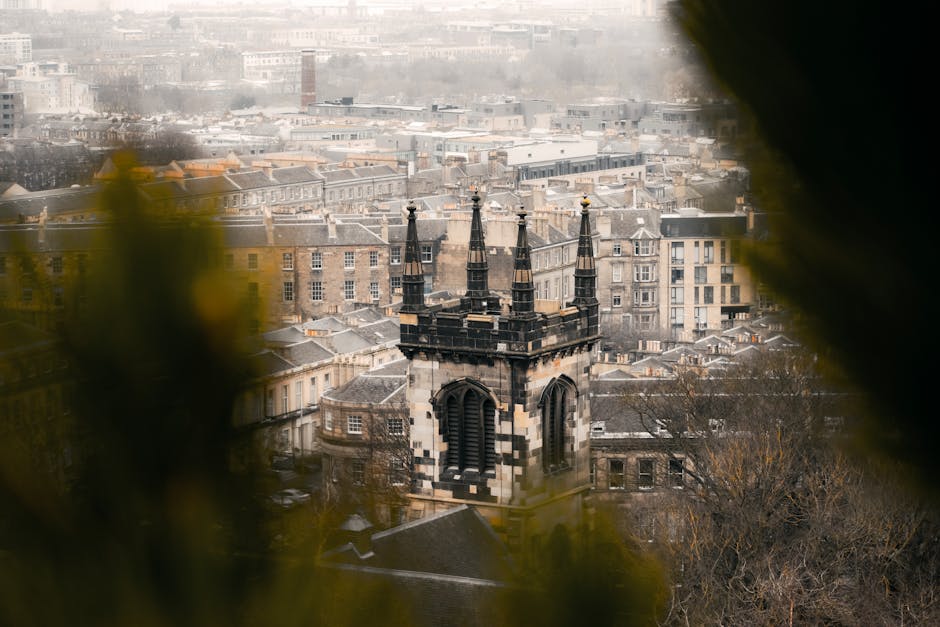 Easy
Edinburgh, United Kingdom
Capture the magic of Edinburgh on this self-guided stroll through the fairy-tale Dean Village, floral Circus Lane, and the scenic Water of Leith.
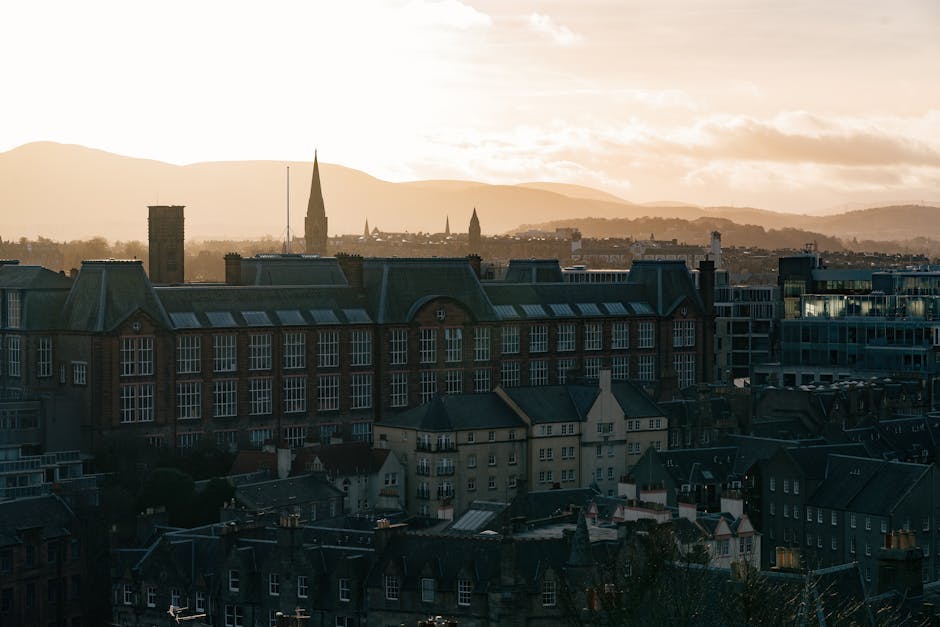 Easy
Edinburgh, United Kingdom
Explore Edinburgh's creative soul on this self-guided walk from historic museums to the stylish galleries and boutiques of the West End.
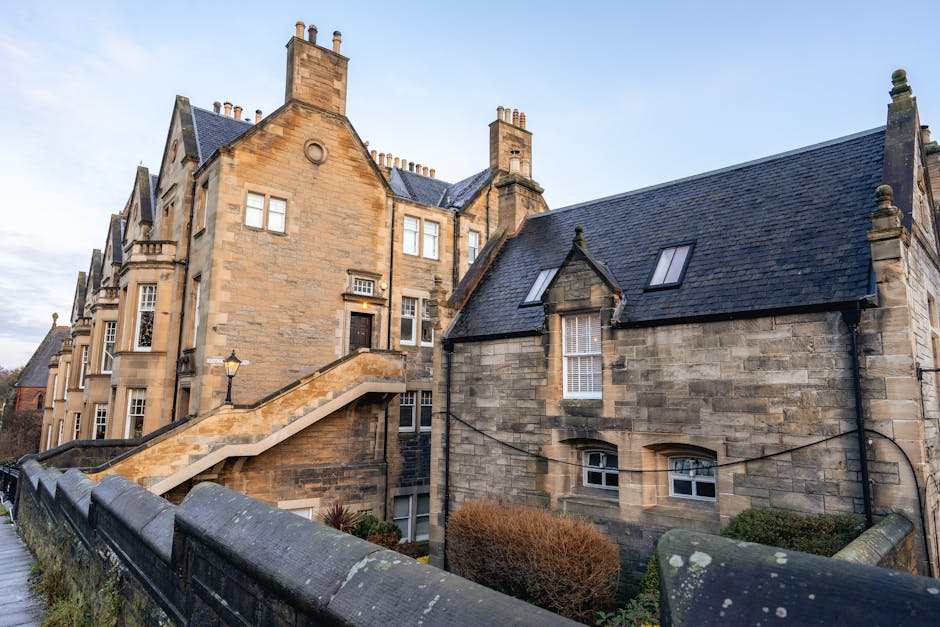 Challenging
Edinburgh, United Kingdom
Ascend an ancient volcano and discover royal history on this challenging self-guided walk through Edinburgh's iconic Holyrood Park.