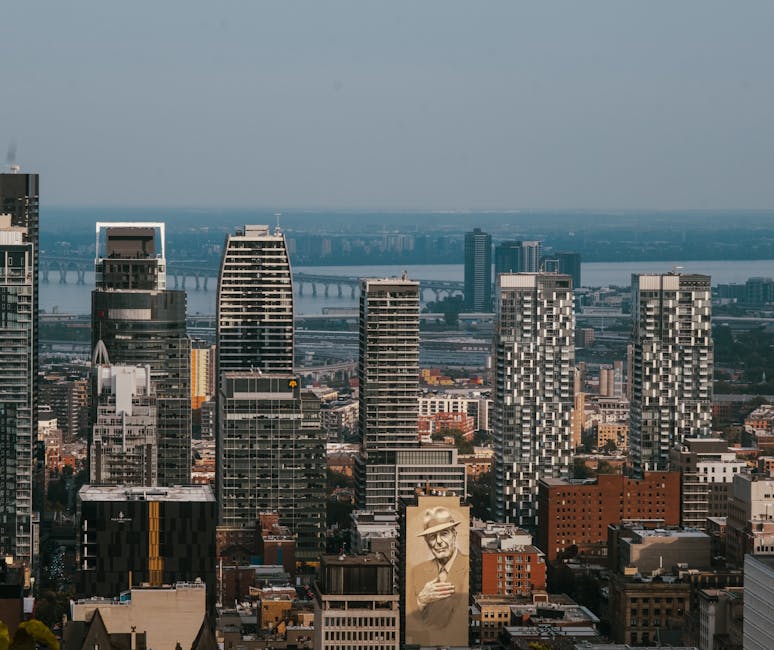
Self-guided audio tour in Montreal
Start Free on iPhone
Start free on iPhone to unlock this self-guided walking tour in Montreal. Hear all the stories that make it amazing, walk at your own pace, and begin whenever you want.
Your Private Tour Guide
Discover the soul of Montreal’s industrial past and its vibrant, gentrified present on this self-guided walk through Saint-Henri. Once known as the 'Tan Town' due to its leather industries, this neighborhood served as the engine of the Canadian economy for over a century. This walking route takes you through a landscape where gritty red-brick factories have been reimagined as luxury lofts and trendy galleries, all while maintaining the authentic spirit of its working-class roots. As you explore independently, you will witness the architectural transition from the grand Victorian houses bordering Sir-George-Étienne-Cartier Park to the sleek, modern aesthetic of the Lachine Canal’s repurposed warehouses. The journey begins at the iconic Marché Atwater, a masterpiece of Art Deco architecture and a haven for local food lovers. From here, your neighborhood stroll leads you deeper into the heart of Saint-Henri, where the echoes of the famous novel 'The Tin Flute' by Gabrielle Roy still resonate in the streets surrounding Place-Saint-Henri. You will learn about the strategic importance of the Lachine Canal, which bypassed the treacherous Lachine Rapids and opened up the interior of the continent to trade. This walking tour Montreal offers a rare glimpse into how a community can honor its heritage while embracing the future. Whether you are interested in maritime history, the evolution of urban architecture, or simply looking for the best local microbreweries, this route provides a comprehensive look at one of the city's most storied districts. Finish your self-guided adventure at the edge of the canal, where the smell of hops from the McAuslan Brewery signifies the neighborhood’s enduring industrial legacy, now served up in a pint glass. This experience is perfect for those who want to see a side of the city that is often missed by a standard guided tour Montreal, offering a deep dive into the 'industrial chic' that defines modern Saint-Henri.
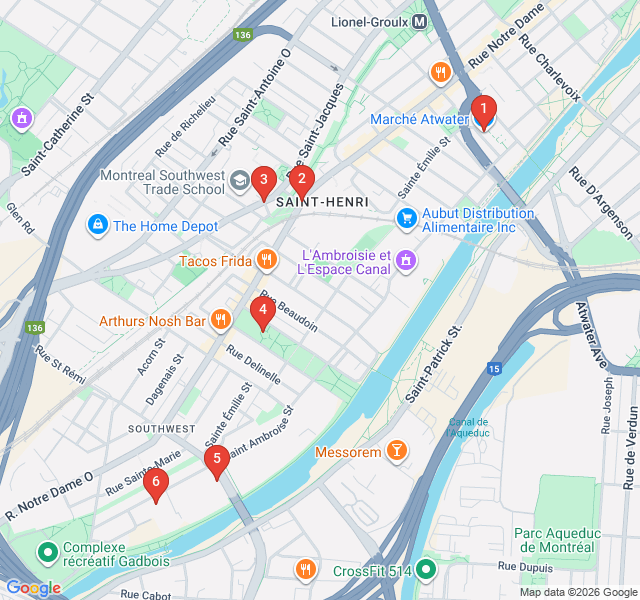
Numbers indicate the order of stops on the tour.
Welcome to Marché Atwater, one of Montreal’s most beloved public markets. Opened in 1933, this building is a stunning example of Art Deco design, characterized by its sharp lines and prominent clock tower. Originally built as part of a public works project during the Great Depression, it has served as a community hub for nearly a century. As you walk through the aisles, you'll find local cheeses, meats, and seasonal produce from across Quebec. The market sits right at the edge of the Lachine Canal, making it the perfect starting point to understand the link between the neighborhood's commerce and its waterway history. Take a moment to admire the exterior architecture before we head toward the heart of the district.
As you move away from the market, you are entering the core of Saint-Henri. For decades, this was the industrial powerhouse of Canada. The neighborhood was defined by its tanneries, textile mills, and the massive Canada Malting silos you might spot in the distance. It was a place of hard work and tight-knit communities. Today, Saint-Henri is experiencing a dramatic transformation. The old worker cottages and greystone buildings now stand alongside high-end restaurants and coffee shops. This area perfectly encapsulates 'industrial chic'—a blend of raw, historical grit and modern urban sophistication. Keep an eye out for the unique outdoor staircases, a classic feature of Montreal architecture designed to maximize indoor living space.
Place-Saint-Henri is more than just a square; it is a landmark of Quebecois literature. This was the primary setting for Gabrielle Roy’s 1945 novel, 'The Tin Flute' (Bonheur d'occasion), which depicted the struggles of the working class during World War II. The square features a monument to Jacques Cartier, but the real story here is the metro station itself, which is uniquely designed with colorful murals and brickwork that pay homage to the area's industrial past. The square has long been the civic heart of the neighborhood, a place where workers gathered and where the social fabric of Saint-Henri was woven together over generations.
This park serves as the neighborhood's living room. Established in the late 19th century, Sir-George-Étienne-Cartier Park is surrounded by some of the most beautiful Victorian-style homes in the area. These 'greystones' were built for the middle-class managers and business owners who wanted to live close to the factories but in a more refined environment. The park features a historic bandstand and a fountain, providing a peaceful green contrast to the industrial landscape nearby. It’s a great spot to observe how the neighborhood’s social hierarchy was once physically mapped out, with wealthier residents living around the park and laborers closer to the canal and the tracks.
Walking toward the canal, you reach the Riverside area. This strip along the water was once lined with docks and warehouses where goods from across the globe were unloaded. Today, it is one of the most scenic parts of the Lachine Canal National Historic Site. The path is now used by cyclists and strollers rather than stevedores. Look across the water to see the remnants of the industrial era, including the massive silos and the iron bridges. The repurposing of these spaces into parks and residential lofts is a prime example of Montreal’s commitment to urban renewal while preserving the physical reminders of its maritime history.
Our walk concludes at the McAuslan Brewery, a pioneer in Quebec’s craft beer revolution. Founded in 1989, it was one of the first microbreweries to set up shop in an old industrial building here. Their St-Ambroise Oatmeal Stout is a local legend. The brewery’s location right on the canal is no accident; it utilizes the same transport routes that once served the heavy industries of the 19th century. Sitting on their terrace, you can see the juxtaposition of the old rail lines and the modern leisure path. It is the perfect place to toast to the resilience and evolution of Saint-Henri. You have traveled from a 1930s market through literary history to the cutting edge of Montreal’s modern food and drink scene.
Start Free on iPhone
Explore “Canal History and Industrial Chic in Saint-Henri” with your very own Private Tour Guide with Zigway. Start free on iPhone, skip the large group and the fixed routes, and hear the city come alive as you go.
Your Private Tour Guide
Don't miss the good stuff
Explore Freely
 Easy
EasyMontreal, Canada
Discover Montreal’s Little Italy on this self-guided walk. Explore Jean-Talon Market, historic churches, and iconic pastry shops at your own pace.
 Easy
EasyMontreal, Canada
Discover the birthplace of Montreal on this self-guided walk through cobblestone streets, historic markets, and stunning Gothic architecture.
 Moderate
Montreal, Canada
Explore the Gilded Age grandeur of Montreal's elite through this self-guided walk of historic mansions and architectural landmarks.
 Easy
EasyMontreal, Canada
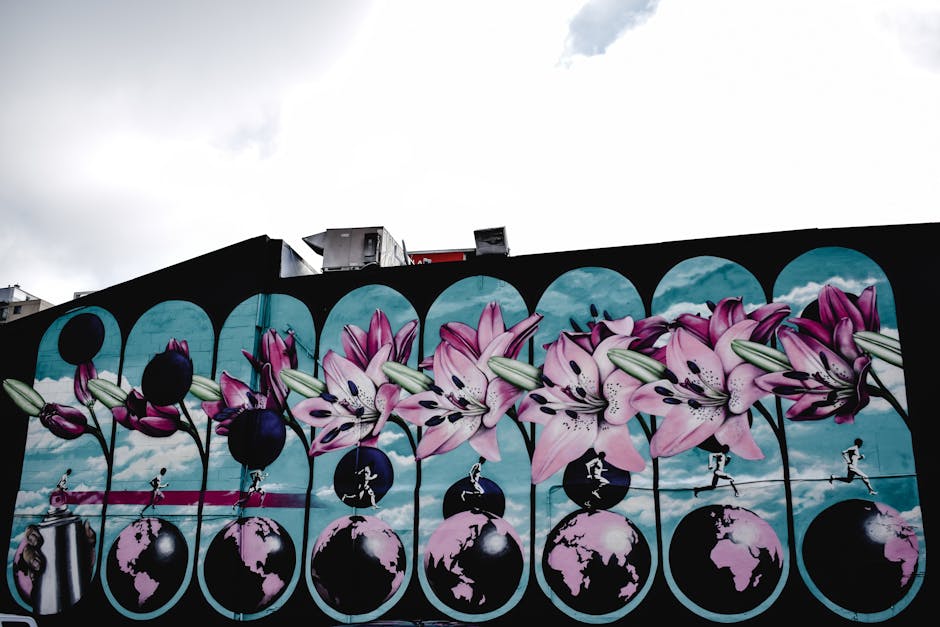
Discover vibrant murals, Victorian architecture, and secret green alleys on this artistic self-guided stroll through Montreal's bohemian Plateau.
 Moderate
Gdansk, Poland
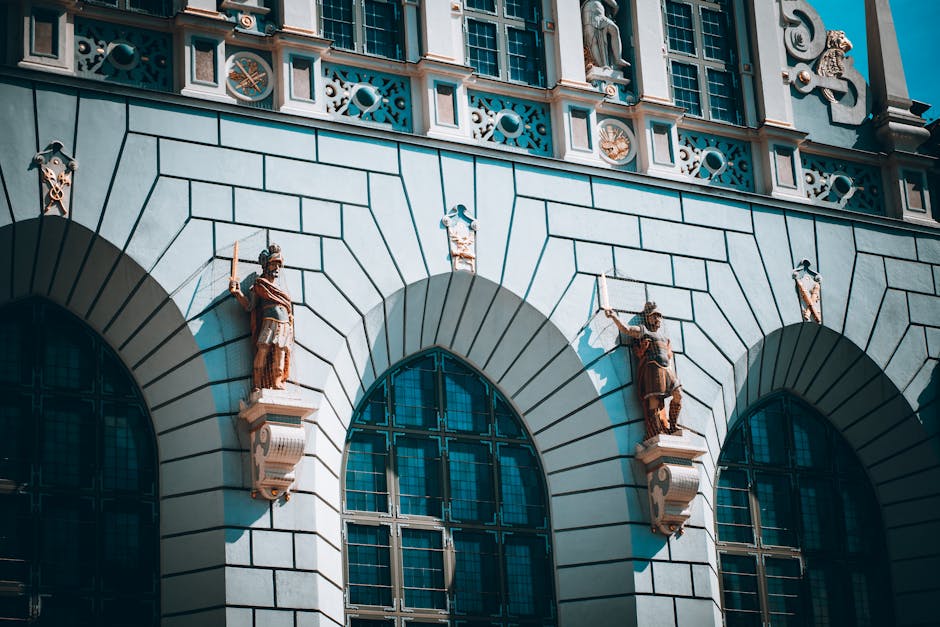
Discover Zaspa, a massive open-air gallery where grey housing blocks are transformed by over 60 monumental murals. Explore at your own pace.
 Moderate
Nairobi, Kenya
Discover the creative soul of Nairobi on this self-guided walk through the city's premier art galleries, markets, and artisan workshops.
 Moderate
Gdansk, Poland
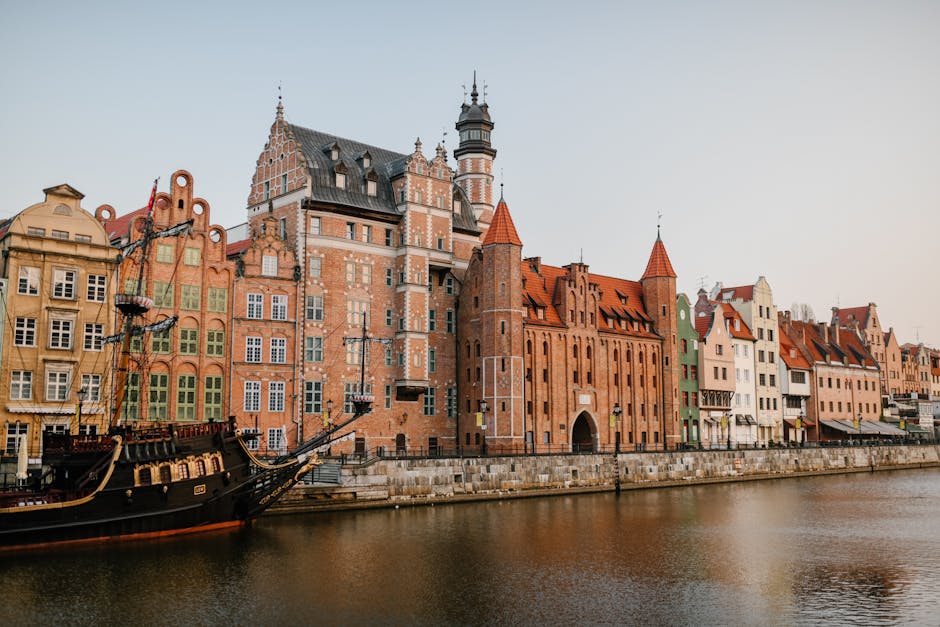
Discover the bohemian soul of Gdańsk. Explore the literary landmarks of Günter Grass, Prussian villas, and the trendy cafes of historic Wrzeszcz.
 Easy
EasyGdansk, Poland
Taste the history of the Baltic. Explore Gdansk's culinary heritage from medieval markets to gold-flecked liqueurs on this self-guided walk.
 Challenging
Toronto, Canada
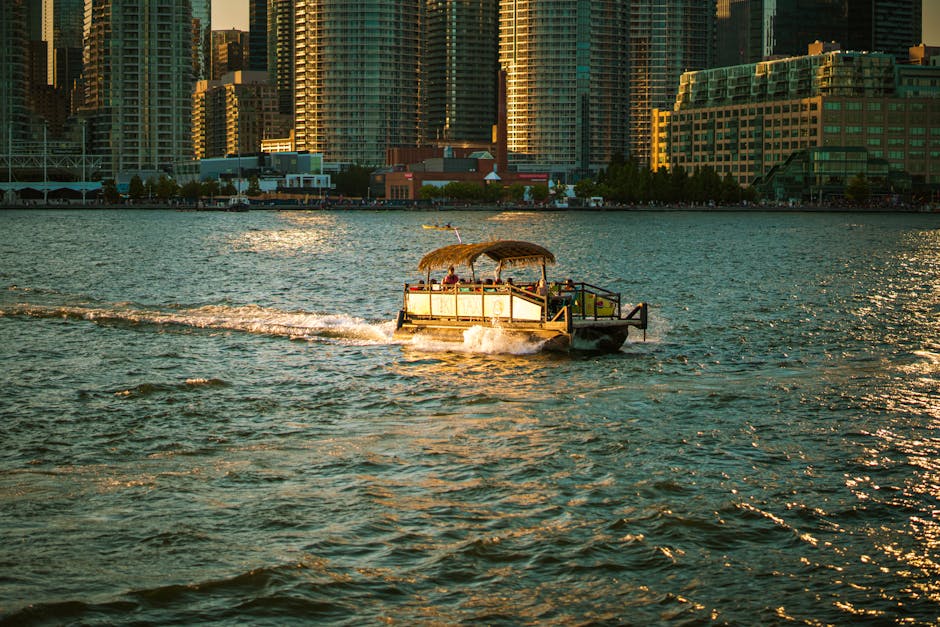
Explore Toronto's crown jewel with this self-guided walk through High Park’s hidden gardens, historic lodges, and scenic waterfront trails.
 Easy
EasyToronto, Canada
Explore Toronto's iconic skyline on this self-guided walk through the Financial District's historic stone halls and golden glass towers.
 Easy
EasyToronto, Canada
Explore North America's largest collection of Victorian homes and peaceful green spaces on this self-guided stroll through Toronto's Cabbagetown.
 Easy
EasyToronto, Canada
Explore Yorkville’s transformation from 1960s hippie haven to Toronto’s premier luxury district on this self-guided audio walk.