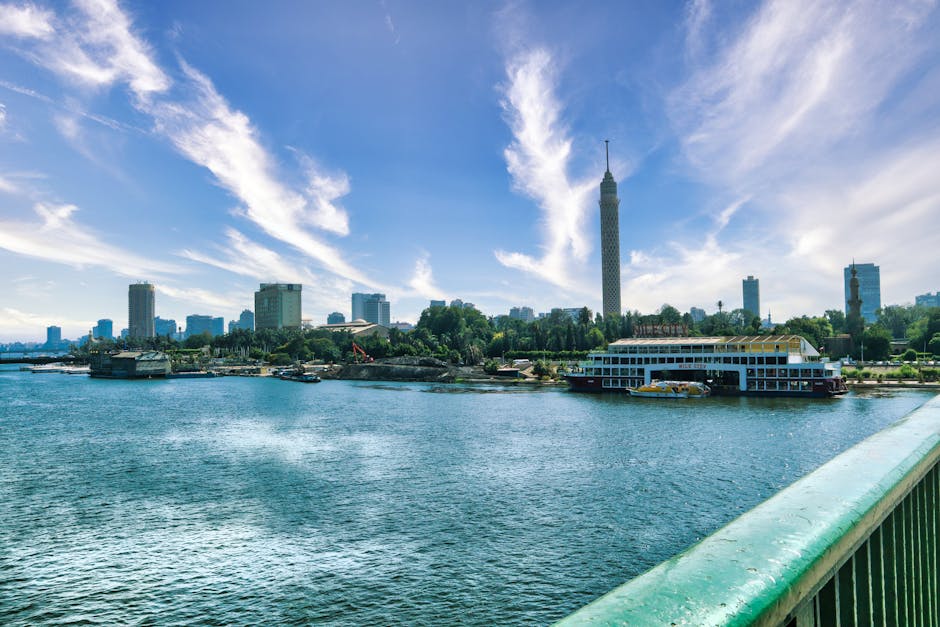
Self-guided audio tour in Cairo
Start Free on iPhone
Start free on iPhone to unlock this self-guided walking tour in Cairo. Hear all the stories that make it amazing, walk at your own pace, and begin whenever you want.
Your Private Tour Guide
Step into a world where the banks of the Nile mirror the boulevards of the Seine. This self-guided walk invites you to explore Downtown Cairo, a neighborhood transformed in the late 19th century by Khedive Ismail into a 'Paris on the Nile.' As you wander through the 'Wust el-Balad' district, you will encounter the grand Belle Époque architecture that defined an era of cosmopolitan elegance and rapid modernization. This walking route highlights the intersection of European design and Egyptian ambition, showcasing neoclassical facades, ornate balconies, and the sprawling plazas that once hosted the world's elite. Starting at the historic Tahrir Square, the heart of modern Egypt, the path leads you past iconic landmarks that tell the story of Cairo’s transition from a medieval city to a global metropolis. You will discover the architectural grandeur of the Egyptian Museum, the Art Deco charm of Cinema Metro, and the legendary Groppi tearoom, which remains a symbol of the city's sophisticated past. This neighborhood stroll is more than just a sightseeing trip; it is an immersion into the social and cultural history of Cairo during its most glamorous age. Whether you are an architecture enthusiast or a history buff, this audio walk provides the context needed to appreciate the fading yet magnificent glory of these historic streets. Unlike a traditional walking tour Cairo visitors might find elsewhere, this experience allows you to linger under the porticos and admire the intricate stonework at your own pace. Discover the hidden stories behind the shuttered windows and grand entrances of Cairo’s most European-feeling district. This self-guided adventure is the perfect way to see how the city's golden age continues to influence its modern identity, offering a unique perspective on the 'Paris of the East.'
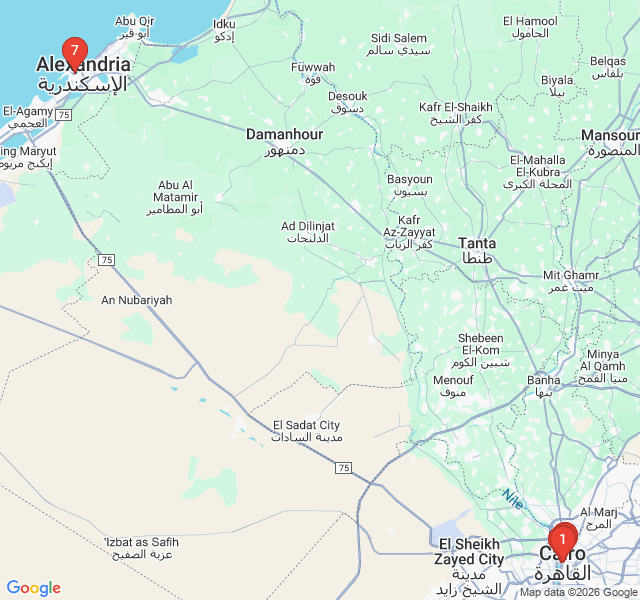
Numbers indicate the order of stops on the tour.
Welcome to the heart of modern Cairo. Tahrir Square, or 'Liberation Square,' has served as the stage for Egypt’s most pivotal political moments. Originally designed in the mid-19th century as 'Midan Ismailiyya,' it was part of Khedive Ismail's grand plan to modernize the capital. The square was modeled after the circular plazas of Paris, intended to serve as a focal point for the new European-style district. Today, as you stand here, notice the blend of architectural styles surrounding the plaza, from the administrative Mogamma building to the American University in Cairo’s historic campus. This space represents the transition from royal Egypt to the modern republic, and it remains the symbolic center of the city’s civic life.
Gaze toward the river to see the Nile Ritz-Carlton. This site holds a significant place in the history of Egyptian hospitality. It was originally the location of the Nile Hilton, opened in 1959 as the first modern international hotel in the city. Its construction marked a shift toward modernism and mid-century design, contrasting with the older Belle Époque structures nearby. The hotel’s presence here cemented Cairo’s status as a premier destination for international travelers and diplomats during the Cold War era. While the building has been extensively renovated, it continues to represent the luxury and cosmopolitan flair that Khedive Ismail first envisioned for this riverside district over a century ago.
Before you stands the 'Red House,' the Egyptian Museum. Completed in 1902, this neoclassical masterpiece was designed by French architect Marcel Dourgnon. It was one of the first buildings in the world specifically constructed to serve as a museum. Its distinctive reddish-pink facade and grand rotunda are hallmarks of the Belle Époque style that dominated Cairo at the turn of the century. While many treasures have moved to newer facilities, this building remains an architectural icon. Look up at the names of famous Egyptologists inscribed on the facade, a tribute to the international effort to preserve Egypt’s ancient heritage within a modern, European-inspired framework.
As you enter Talaat Harb Square, you are standing in the epicenter of Downtown Cairo. This circular plaza is the best example of the Haussmann-inspired urban planning that Khedive Ismail admired in Paris. Radiating from this point are streets lined with grand apartment blocks featuring ornate masonry and French-style balconies. In the center stands the statue of Talaat Harb, the influential Egyptian economist who founded Banque Misr. This square represents the 'golden age' of Cairo’s bourgeoisie, where the city's financial and cultural life converged. Take a moment to look at the surrounding buildings; many still bear the names of the European architects who designed them in the early 1900s.
Cinema Metro is a stunning survivor of Cairo’s cinematic heyday. Opened in the late 1930s by Metro-Goldwyn-Mayer, it features a distinct Art Deco style that was incredibly popular in Cairo during the interwar period. The building's sleek lines and vertical emphasis were a departure from the earlier, more ornate Belle Époque styles. During the mid-20th century, Cairo was the 'Hollywood of the Orient,' and grand cinemas like the Metro were the social hubs for the city’s elite. The interior, which you can still visit for a screening, retains much of its vintage glamour, serving as a reminder of the era when Downtown was the cultural capital of the Middle East.
No walk through Downtown is complete without visiting Groppi. Founded by Swiss confectioner Giacomo Groppi in the late 19th century, this tearoom became the most celebrated cafe in Africa and the Middle East. It was famously the first to introduce whipped cream and ice cream to the Egyptian public. During World War II, it was a neutral ground where spies, generals, and royalty rubbed shoulders. Notice the beautiful mosaic entrance and the vintage display cases. Groppi wasn't just a cafe; it was a symbol of the multicultural, Levantine society that once thrived in Cairo, where European traditions blended seamlessly with Egyptian hospitality.
We conclude our walk at a venue that captures the nostalgic spirit of the early 20th century. Historic hotels like this were the cornerstones of the Belle Époque experience, offering travelers a taste of European luxury in the heart of Egypt. With their high ceilings, vintage elevators, and antique furnishings, these establishments served as the backdrop for countless literary works and diplomatic meetings. As you finish your neighborhood stroll, imagine the travelers of a century ago arriving here from the nearby railway station, ready to explore the wonders of the Nile. The architecture here serves as a lasting bridge between Cairo's royal past and its vibrant, bustling present.
Start Free on iPhone
Explore “Paris on the Nile: Downtown Belle Époque” with your very own Private Tour Guide with Zigway. Start free on iPhone, skip the large group and the fixed routes, and hear the city come alive as you go.
Your Private Tour Guide
Don't miss the good stuff
Explore Freely
 Easy
EasyCairo, Egypt
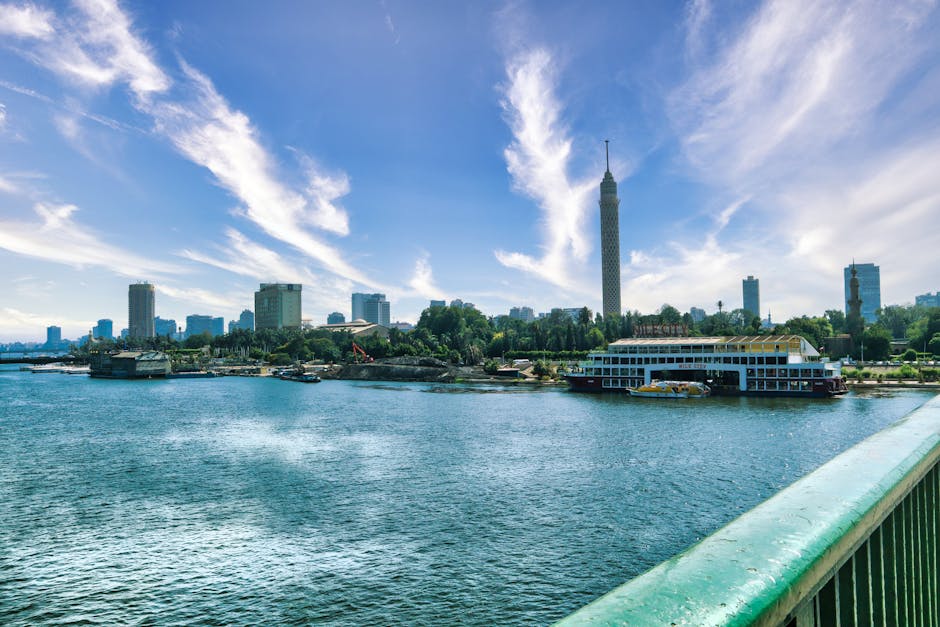
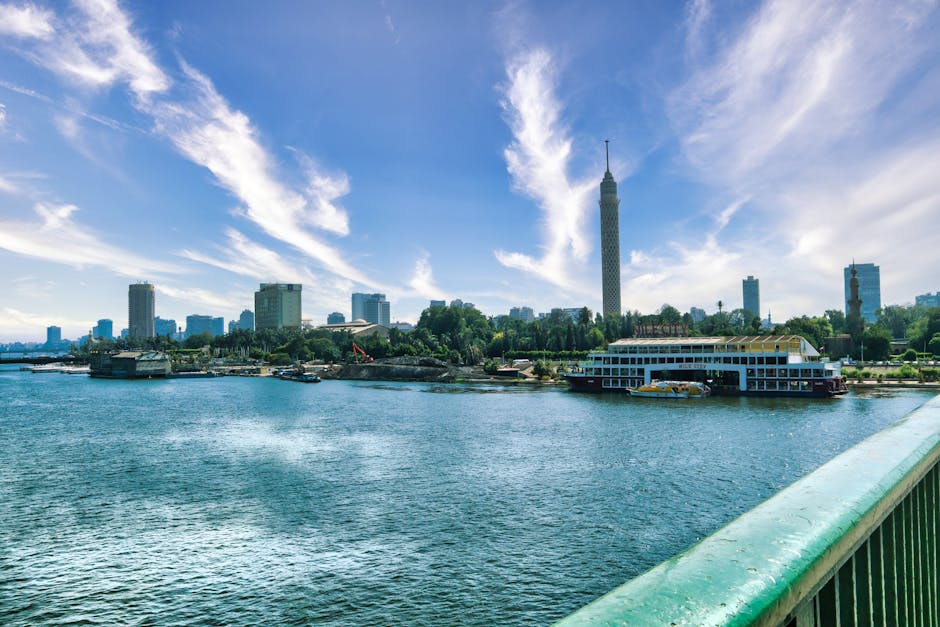
Discover the art, architecture, and tranquil gardens of Gezira Island on this elegant self-guided neighborhood stroll through Zamalek.
 Easy
EasyCairo, Egypt
Explore the hidden heart of Egypt’s modern art scene with this self-guided walk through Downtown Cairo’s most influential independent galleries.
 Easy
EasyCairo, Egypt
Taste the heart of Egypt on this self-guided walk through Downtown Cairo’s most iconic street food spots, from Koshary towers to historic cafés.
 Easy
EasyCairo, Egypt
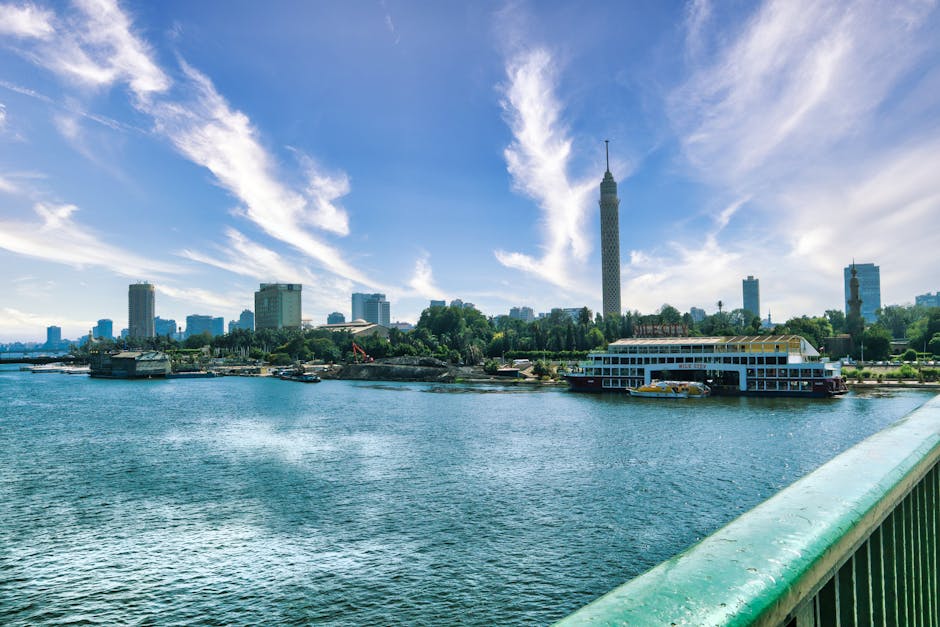
Explore Cairo's waterfront at sunset. From the iconic lions of Qasr El Nil to the quiet, circular streets of historic Garden City.
 Easy
EasyWarsaw, Poland
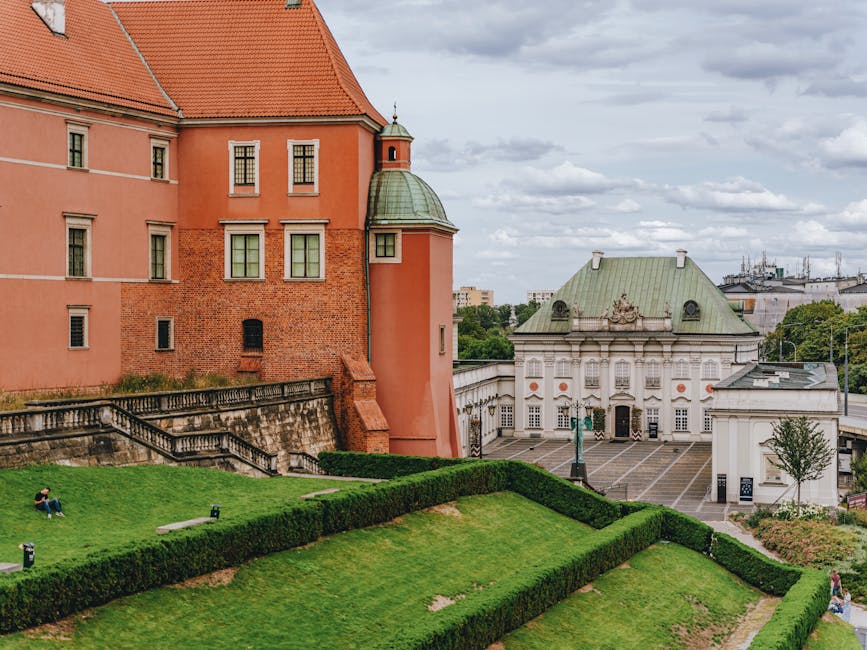
Explore the miracle of Warsaw's reconstructed Old Town on this self-guided walk through royal squares, medieval walls, and heroic monuments.
 Easy
EasyNairobi, Kenya
Explore the history of Kenya’s independence through the statues, monuments, and parks that define Nairobi’s political heart on this self-guided walk.
 Easy
EasyNairobi, Kenya
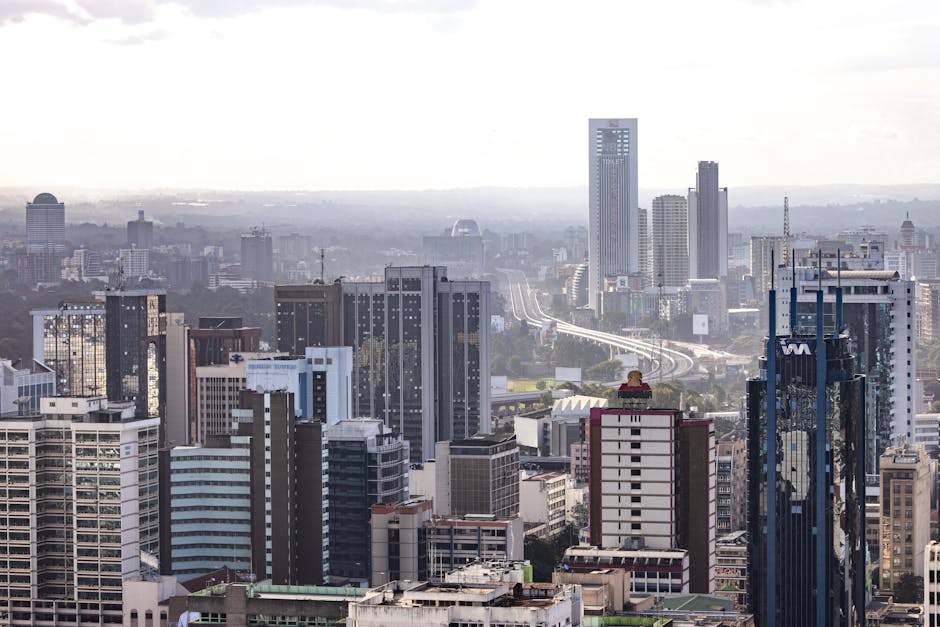
Discover Nairobi's iconic skyline on this self-guided architecture walk through the CBD’s most famous modernist and Brutalist landmarks.
 Easy
EasyGdansk, Poland
Discover the opulent Royal Way of Gdansk at your own pace. Explore Hanseatic history, gilded architecture, and the iconic Neptune's Fountain.