Self-guided audio tour in Ho Chi Minh City
Start Free on iPhone
Start free on iPhone to unlock this self-guided walking tour in Ho Chi Minh City. Hear all the stories that make it amazing, walk at your own pace, and begin whenever you want.
Your Private Tour Guide
Step into the 'Paris of the East' with this self-guided walk through the architectural heart of Ho Chi Minh City. District 1 serves as a living museum, where the grand ambitions of French colonial planners meet the vibrant energy of modern Vietnam. This walking route focuses on the late 19th and early 20th-century landmarks that defined the city’s skyline long before the glass towers of today arrived. You will explore a concentrated area of heritage sites, each telling a story of cultural fusion, wartime intrigue, and architectural mastery. Starting at the iconic red-brick Notre Dame Cathedral, the route leads you past the wrought-iron elegance of the Central Post Office and toward the stately People's Committee Building. Along the way, you’ll encounter historic hotels like the Rex and the Continental, which served as hubs for international journalists and diplomats during the Vietnam War. The journey concludes at the opulent Saigon Opera House, a masterpiece of the Belle Époque. This neighborhood stroll is perfect for those who want to appreciate history at their own pace, offering plenty of opportunities to stop for a traditional Vietnamese iced coffee while admiring the intricate facades. Whether you are an architecture enthusiast or a first-time visitor, this self-guided walking tour Ho Chi Minh City provides the historical context needed to understand the city's unique identity. By following this route, you experience the transition from the colonial era to the modern day, seeing how these historic structures have been preserved and repurposed within a rapidly evolving metropolis. This self-guided walk is an essential experience for anyone looking to discover the soul of Saigon beyond the bustling markets.
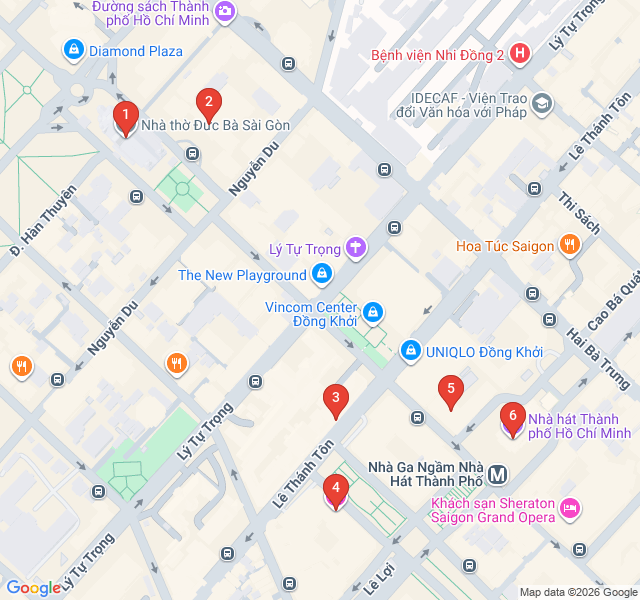
Numbers indicate the order of stops on the tour.
Begin your self-guided adventure at the Notre Dame Cathedral of Saigon, established by French colonists in the late 1880s. Notice the distinct red bricks; these were actually imported directly from Marseille, giving the cathedral a color that has resisted fading for over a century. The twin bell towers, reaching 58 meters, were once the highest points in the city. While the building is currently undergoing extensive restoration, its Neo-Romanesque silhouette remains a symbol of the city. In front stands the statue of the Virgin Mary, which locals claimed shed tears in 2005, drawing thousands of witnesses. This site marks the spiritual and geographical center of French colonial Saigon.
Just across from the cathedral is the Saigon Central Post Office, one of the most beautiful examples of French colonial architecture in Asia. Completed in 1891, its design is often mistakenly attributed to Gustave Eiffel, but it was actually the work of architect Alfred Villedieu. Inside, the grand vaulted ceiling and polished wooden phone booths transport you back to the 19th century. Look for the two hand-painted maps on the walls: one showing Saigon in 1892 and another detailing the telegraph lines of Cambodia and Vietnam. It remains a fully functioning post office, so feel free to send a postcard home from this historic landmark.
A short walk down Dong Khoi street brings you to the Ho Chi Minh City People's Committee Building, formerly known as the Hôtel de Ville. Built in 1908, this is a prime example of French Beaux-Arts style, featuring ornate reliefs of figures and floral motifs. While the interior is not open to the public as it serves as a government office, the exterior and the manicured gardens of the Nguyen Hue walking street offer the best photo opportunities. At the head of the square stands the statue of President Ho Chi Minh, a central gathering point for locals during festivals and national celebrations.
Standing at the corner of Le Loi and Nguyen Hue, the Rex Hotel is a landmark of wartime history. Originally built as a garage and retail center in the 1920s, it became a hotel in 1959. During the Vietnam War, its rooftop bar became famous as the site of the 'Five O'Clock Follies'—the daily press briefings given by the US military that were often met with skepticism by the international press corps. Today, it remains a symbol of luxury and a witness to the city's transition. Its rooftop still offers one of the most iconic views over the bustling heart of District 1.
Cross the street to the Hotel Continental Saigon, the city's oldest hotel, established in 1880. This building has hosted famous figures ranging from Indian poet Rabindranath Tagore to novelist Graham Greene, who reportedly wrote parts of 'The Quiet American' here. The hotel’s courtyard was a famous 'listening post' for spies and journalists during the mid-20th century. Its thick masonry walls and high ceilings were designed to provide natural cooling in the tropical heat, long before air conditioning. The Continental maintains a sense of old-world elegance that contrasts sharply with the modern skyscrapers surrounding it.
Finish your walk at the Saigon Opera House, also known as the Municipal Theater. Built in 1897 by architect Eugène Ferret, its design was inspired by the Petit Palais in Paris. The building's ornate facade, featuring stone-carved ornaments and statues, was actually removed in 1943 to make it look 'more modern' but was meticulously restored for the city's 300th anniversary in 1998. During the mid-1950s, it briefly served as the lower house of the State of Vietnam. Today, it is the premier venue for cultural performances and stands as a testament to the enduring influence of French aesthetic traditions in the heart of Saigon.
Start Free on iPhone
Explore “French Colonial Grandeur of District 1” with your very own Private Tour Guide with Zigway. Start free on iPhone, skip the large group and the fixed routes, and hear the city come alive as you go.
Your Private Tour Guide
Don't miss the good stuff
Explore Freely
 Moderate
Ho Chi Minh City, Vietnam
Explore the history of the Vietnam War at your own pace through iconic landmarks and hidden clandestine sites in Districts 1 and 3.
 Moderate
Ho Chi Minh City, Vietnam
Explore Saigon’s coffee evolution from 1930s clay-pot brews to modern specialty roasters on this self-guided walk through District 1 and 3.
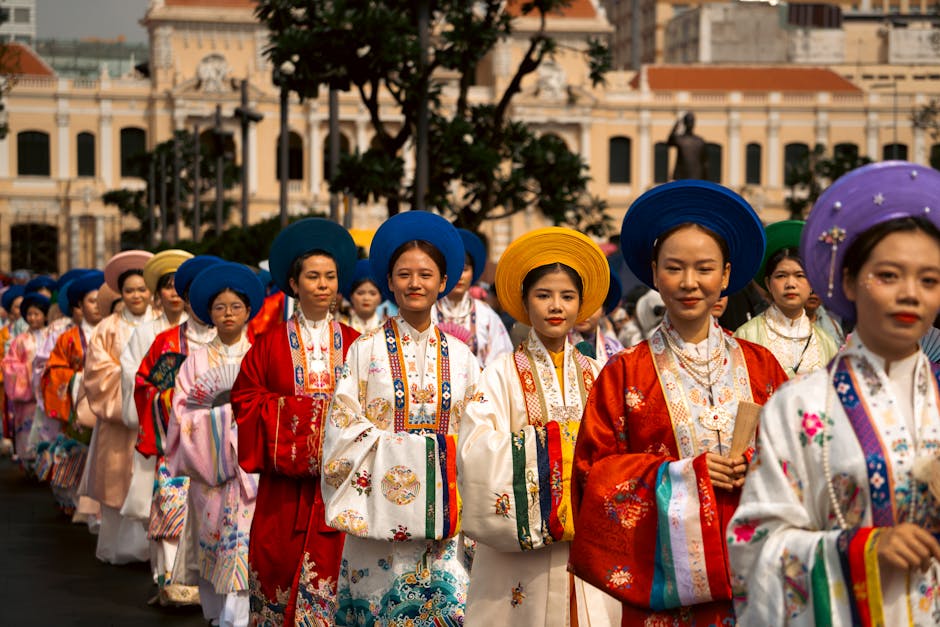 Moderate
Ho Chi Minh City, Vietnam
Explore the soul of Ho Chi Minh City's Chinatown on this self-guided walk through historic markets and ornate Cantonese assembly halls.
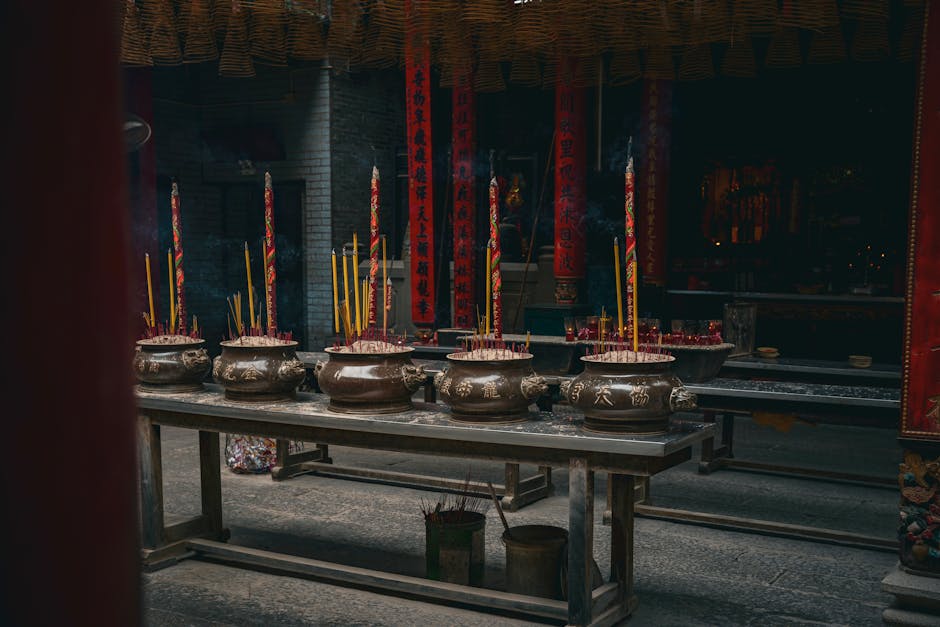 Easy
EasyHo Chi Minh City, Vietnam
Discover the vibrant spirituality and stunning architecture of District 3, from serene pagodas to the iconic Pink Church.
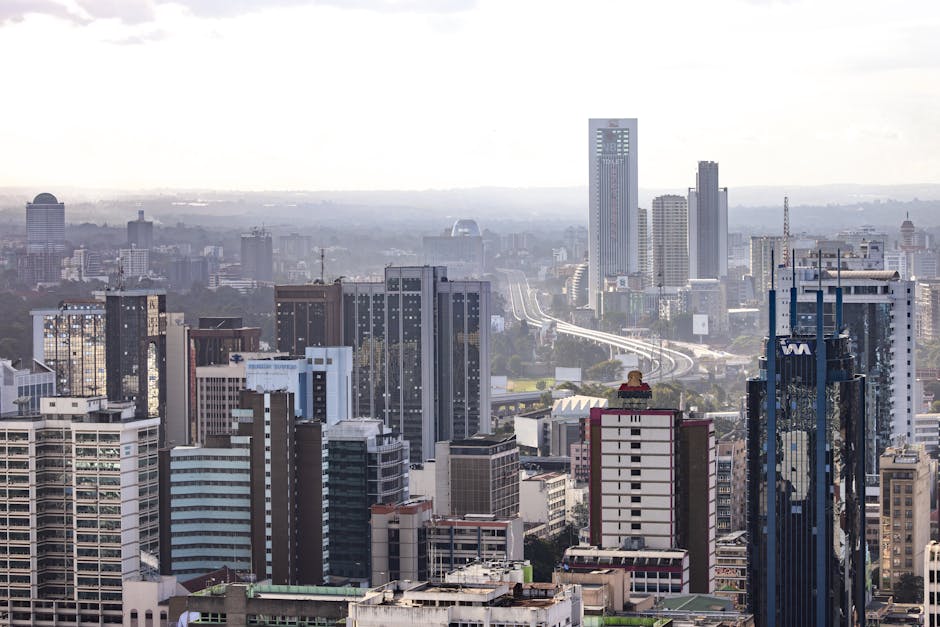 Easy
EasyNairobi, Kenya
Discover Nairobi's iconic skyline on this self-guided architecture walk through the CBD’s most famous modernist and Brutalist landmarks.
 Easy
EasyNairobi, Kenya
Explore Nairobi's architectural evolution from colonial-era landmarks to iconic Brutalist skyscrapers on this historic self-guided walking route.
 Easy
EasyGdansk, Poland
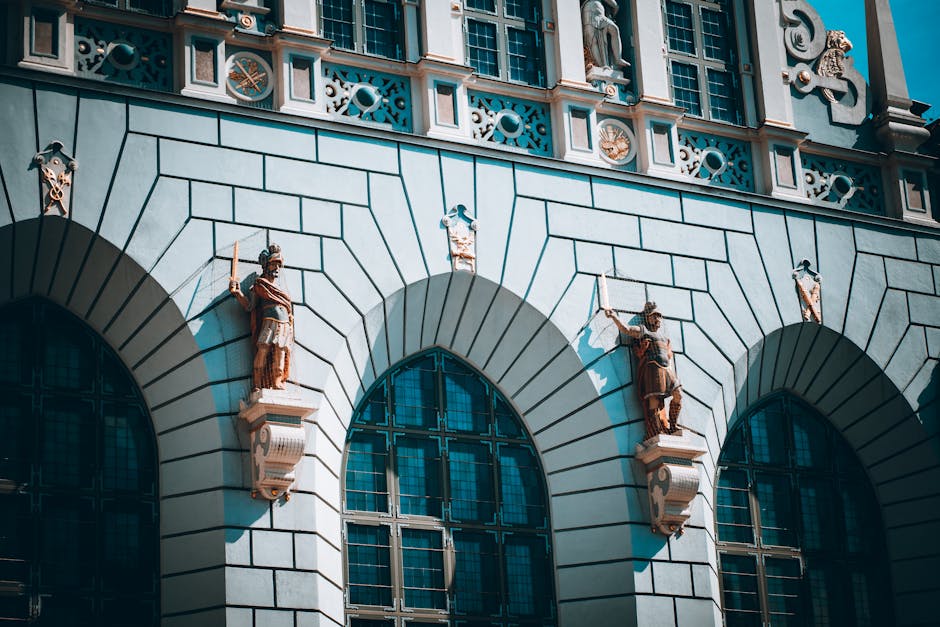
Discover the opulent Royal Way of Gdansk at your own pace. Explore Hanseatic history, gilded architecture, and the iconic Neptune's Fountain.
 Easy
EasySalzburg, Austria
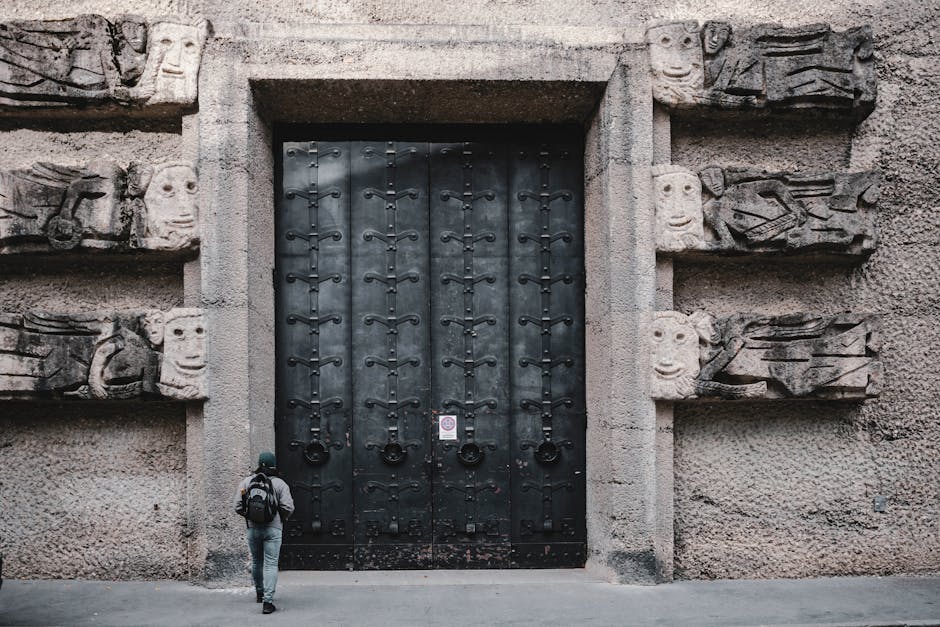
Discover the 'Rome of the North' on this self-guided walk through the Baroque squares and monumental legacy of Salzburg’s Prince-Archbishops.
 Moderate
Hanoi, Vietnam
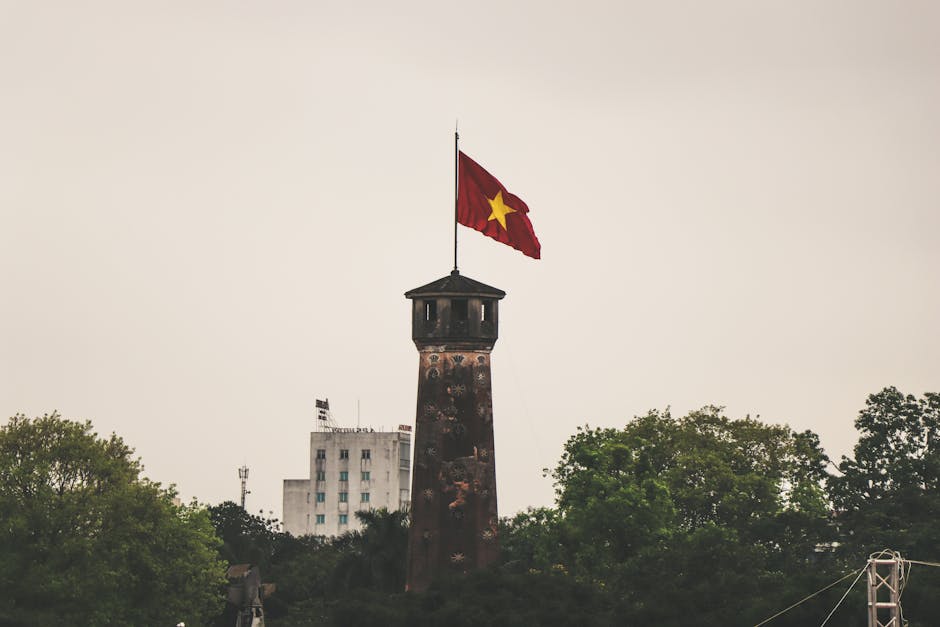
Discover Hanoi's resilient spirit on this self-guided audio walk through wartime bunkers, historic prisons, and military landmarks.
 Easy
EasyHanoi, Vietnam
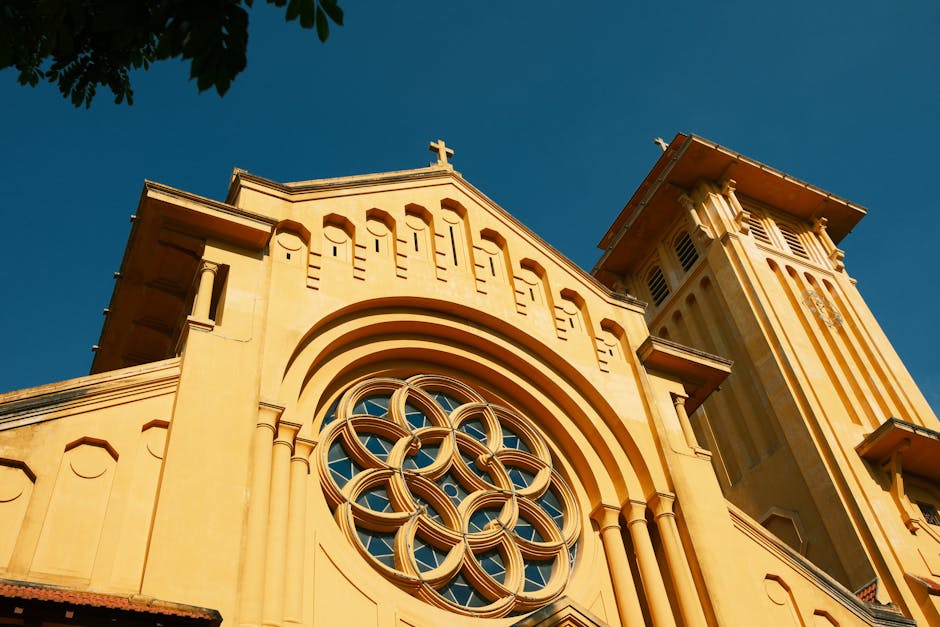
Discover Hanoi's spiritual heart and scenic vistas on an independent stroll featuring ancient pagodas, colonial architecture, and sunset lake views.
 Easy
EasyHanoi, Vietnam
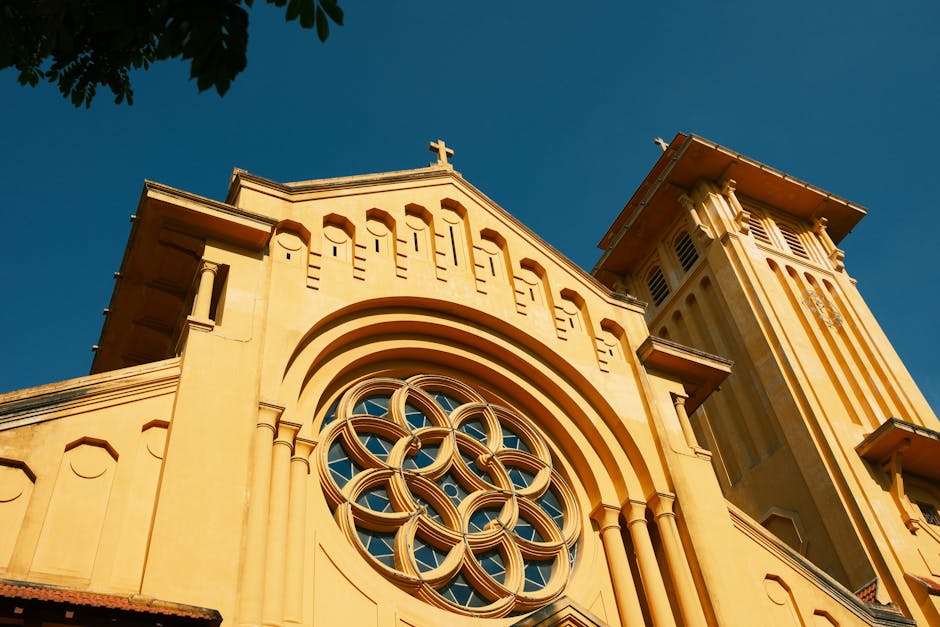
Explore Hanoi's diverse spiritual heritage on this self-guided walk through historic pagodas, a Neo-Gothic cathedral, and lakeside temples.
 Easy
EasyHanoi, Vietnam
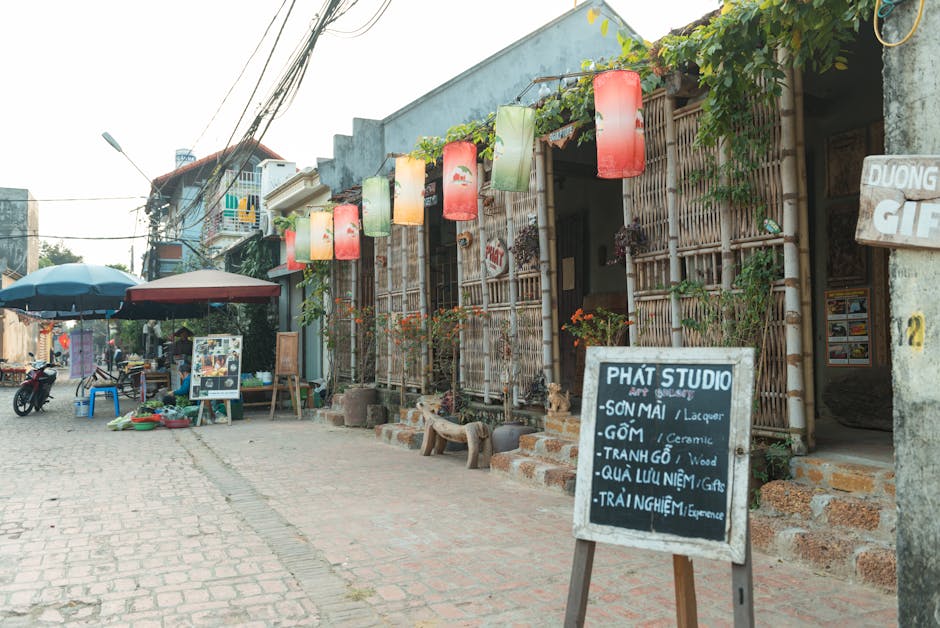
Discover Hanoi's vibrant soul through railway-side murals, historic tracks, and the record-breaking Ceramic Road on this self-guided walk.