Self-guided audio tour in Bangkok
Start Free on iPhone
Start free on iPhone to unlock this self-guided walking tour in Bangkok. Hear all the stories that make it amazing, walk at your own pace, and begin whenever you want.
Your Private Tour Guide
As the sun dips below the horizon, Bangkok’s Chinatown, known locally as Yaowarat, undergoes a dramatic metamorphosis. What was a bustling wholesale district by day transforms into a neon-lit canyon of culinary delights and sensory overload. This self-guided walk invites you to navigate the labyrinthine alleys and main thoroughfares of one of the world's most vibrant ethnic enclaves. You will experience the spiritual heart of the Thai-Chinese community before diving headfirst into the legendary street food scene that has earned international acclaim. This neighborhood stroll captures the essence of Bangkok’s nightlife, where the scent of charred seafood and peppery broth mingles with the exhaust of colorful tuk-tuks. Your journey begins at the 'Dragon Lotus Temple,' a sanctuary of incense and tradition, providing a quiet moment before the chaos of the main road. From there, the route leads you through Plaeng Nam Road, a narrow artery famous for its traditional musical instrument shops and old-school snack vendors. As you reach the main Yaowarat Road, the sheer scale of the food stalls becomes apparent. You will pass by legendary institutions and humble carts alike, offering everything from succulent crispy pork to world-class crab noodles. The walk concludes at the edge of the district near the historic Chinatown Gate, where one of the world's most valuable golden statues resides. This walking route in Bangkok is designed for those who want to experience the authentic pulse of the city at their own pace, allowing for spontaneous detours into hidden alleys or extra time to wait for a famous bowl of noodles. Whether you are a dedicated foodie or a photography enthusiast looking for that perfect neon-soaked shot, this independent exploration offers a deep dive into the soul of the city. While many visitors opt for a guided tour Bangkok can offer, navigating these streets independently allows you to linger where you choose and truly soak in the local atmosphere. **Note:** This area is known for its ever-changing character. Street art, pop-up venues, and temporary exhibitions may differ from what's described. That's part of the adventure - you might discover something entirely new!
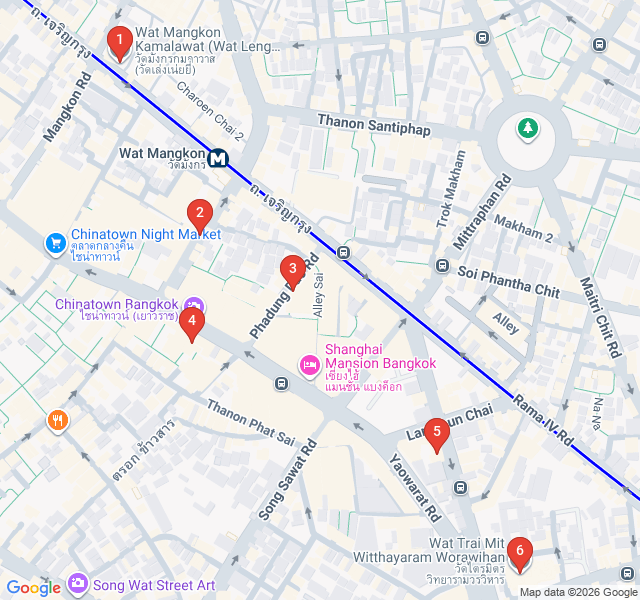
Numbers indicate the order of stops on the tour.
Welcome to the spiritual gateway of Chinatown. Established in 1871, Wat Mangkon Kamalawat, or 'Dragon Lotus Temple,' is the largest and most important Chinese Buddhist temple in Bangkok. At night, the red lanterns glow against the intricate rooflines, creating a serene contrast to the bustling streets outside. This temple is a hub for Taoist, Buddhist, and Confucian worship. As you walk through the courtyards, notice the statues of the Four Heavenly Kings guarding the entrance. This site is particularly vibrant during Chinese New Year, but on any given evening, it serves as a testament to the enduring traditions of the Teochew community that built this neighborhood.
Step into Plaeng Nam Road, a short but culturally dense street that connects the temple area to the main Yaowarat artery. This road is a sensory bridge between the spiritual and the culinary. During the day, it is known for shops selling traditional Chinese musical instruments and hand-pressed charcoal. By night, the storefronts spill out onto the pavement with small tables. Keep an eye out for the historic architecture—many of the buildings here retain their early 20th-century charm. It is a fantastic place to observe the 'old' Chinatown before the neon lights of the main road take over. If you're lucky, you might even hear the faint sounds of a guzheng being tuned in an upstairs workshop.
As you emerge from the side streets, you'll encounter the famous 'Texas' alley. The name is a relic from the era when this area was a hub for movie theaters and entertainment venues, including the Texas Theater. Today, the name is synonymous with Texas Suki, one of the oldest Cantonese-style hot pot restaurants in the city. The 'Suki' style—where diners cook meats and vegetables in a communal broth—is a Thai-Chinese staple. Even if you don't stop for a full meal, the alley itself is a microcosm of Chinatown life, filled with the clatter of dishes and the calls of street vendors selling roasted chestnuts and pomegranate juice.
You are now at one of the most legendary spots on the Yaowarat map. Nai Ek Roll Noodle started as a humble street cart in the 1960s and has since become a culinary landmark, even earning a place in the Michelin Guide. They are famous for 'Kuay Jab'—rolled rice noodles served in a broth so peppery it might make your eyes water. The star of the show for many, however, is the crispy pork (Moo Krob), which is renowned for its perfect crunch. The queue here is almost always long, but watching the staff move with rhythmic precision is a performance in itself. It’s a quintessential example of how street food culture defines the identity of Bangkok’s Chinatown.
Moving toward the end of the main strip, you’ll find Odean, a spot famous for its luxury approach to street food. While many stalls focus on pork, Odean specializes in high-quality crab. Their signature dish features delicate egg noodles topped with fresh crab claws—the price of which varies depending on the size of the claw you choose. This area of Chinatown is slightly less congested than the central core, allowing you to appreciate the transition toward the historic Chinatown Gate. The quality of the ingredients here reflects the growing 'gourmet' street food trend in Bangkok, where traditional recipes are elevated with premium local seafood.
The final stop on our odyssey is Wat Trai Mit, home to the Phra Phuttha Maha Suwana Patimakon—the world's largest solid gold Buddha statue. Standing nearly 10 feet tall and weighing 5.5 tons, the statue's true nature was discovered by accident in the 1950s when it was dropped while being moved, revealing the gold hidden beneath a layer of plaster. While the interior museum and the statue itself usually close by 5:00 PM, the temple's exterior is beautifully illuminated at night. Standing here near the Great Odeon Circle and the Chinatown Gate, you are at the symbolic entrance to the district, marking the end of your nocturnal journey through history and flavor.
Start Free on iPhone
Explore “Yaowarat After Dark: A Street Food Odyssey” with your very own Private Tour Guide with Zigway. Start free on iPhone, skip the large group and the fixed routes, and hear the city come alive as you go.
Your Private Tour Guide
Don't miss the good stuff
Explore Freely
 Easy
EasyBangkok, Thailand
Discover a labyrinth of industrial scrap yards, vibrant street art, and centuries-old mansions in Bangkok's most atmospheric neighborhood.
 Easy
EasyBangkok, Thailand
Discover Ari's blend of retro architecture, Michelin-rated street food, and vibrant cafe culture on this self-guided neighborhood stroll.
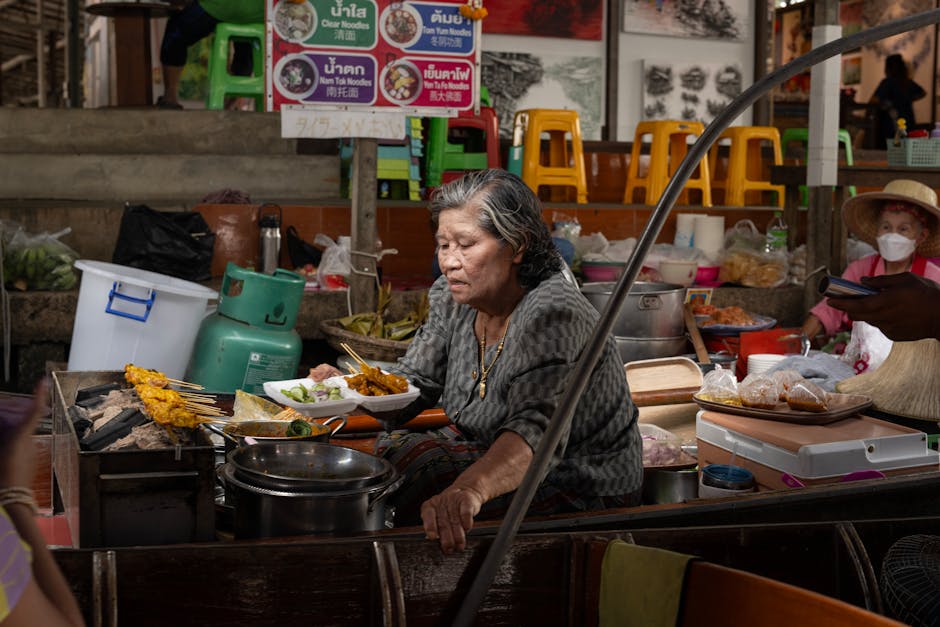 Moderate
Bangkok, Thailand
Discover the golden spires and royal history of Bangkok's Old City on this self-guided audio walk through the majestic Rattanakosin Island.
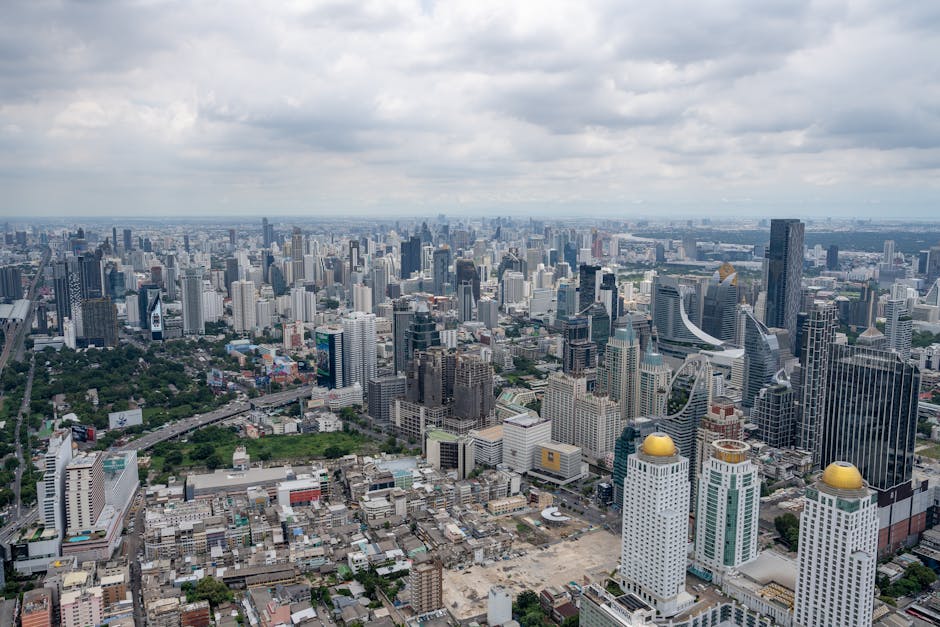 Easy
EasyBangkok, Thailand
Discover the European-inspired grandeur of Bangkok's Dusit district on this self-guided royal architectural walk.
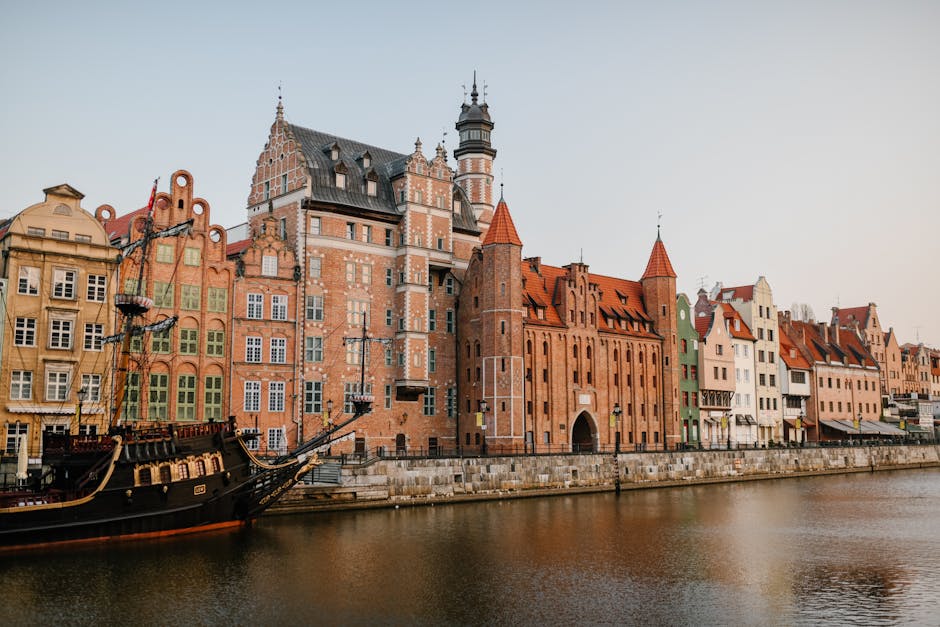 Easy
EasyGdansk, Poland
Discover the neon-lit rebirth of Gdansk's shipyards on this self-guided walk through industrial food halls, container bars, and legendary clubs.
 Moderate
Helsinki, Finland
Explore Helsinki's bohemian heart. Discover historic saunas, granite churches, and the vibrant local life of the Kallio neighborhood at your own pace.
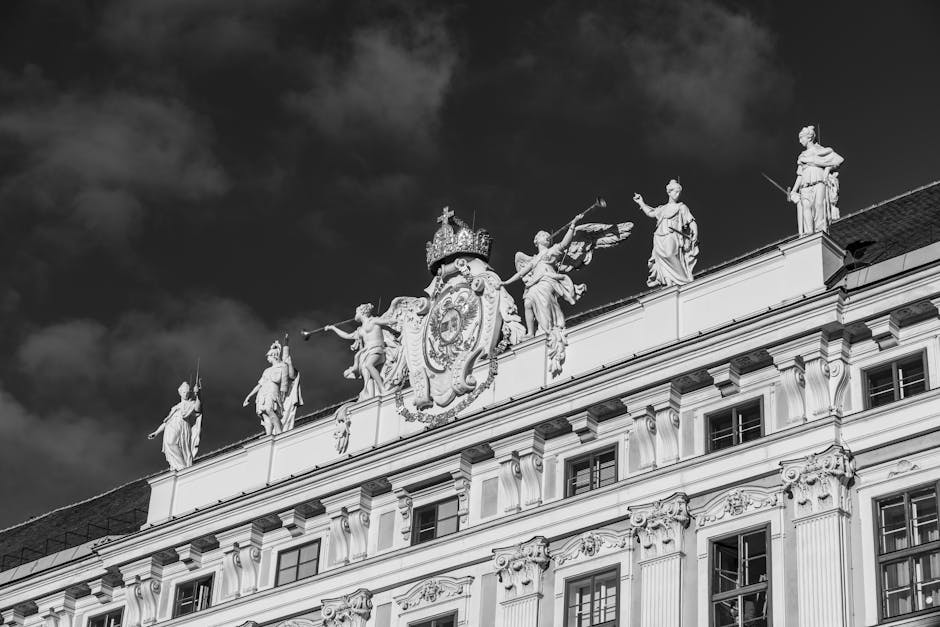 Easy
EasyVienna, Austria
Explore Vienna’s vibrant open-air gallery along the Danube Canal on this self-guided street art and nightlife stroll through Leopoldstadt.
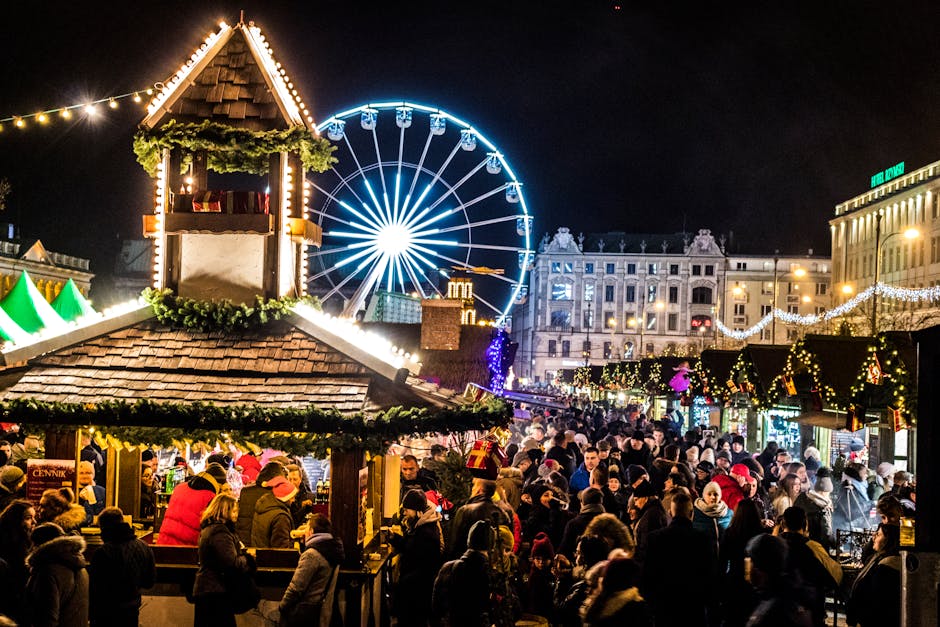 Easy
EasyKrakow, Poland
Explore Krakow's hidden nightlife with this self-guided walk through medieval cellars, jazz clubs, and bohemian bars in the Old Town and Kazimierz.
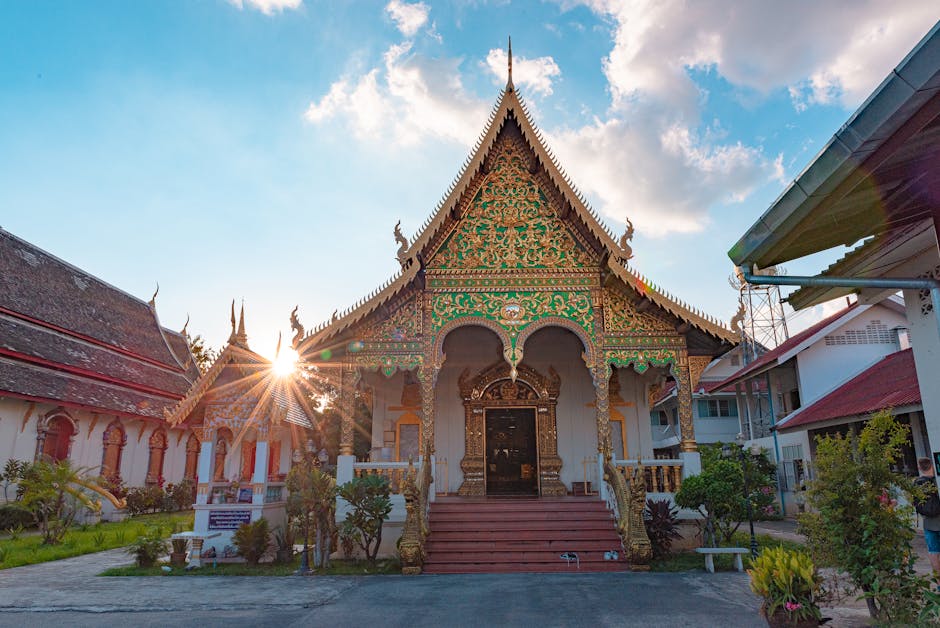 Easy
EasyChiang Mai, Thailand
Explore Chiang Mai's trendiest district at your own pace. Discover contemporary art galleries, local design shops, and iconic modern architecture.
 Moderate
Chiang Mai, Thailand
Explore Chiang Mai's creative soul, from Nimman’s boutique bookshops to the mystical tunnels of Wat Umong and the scenic Angkaew Reservoir.
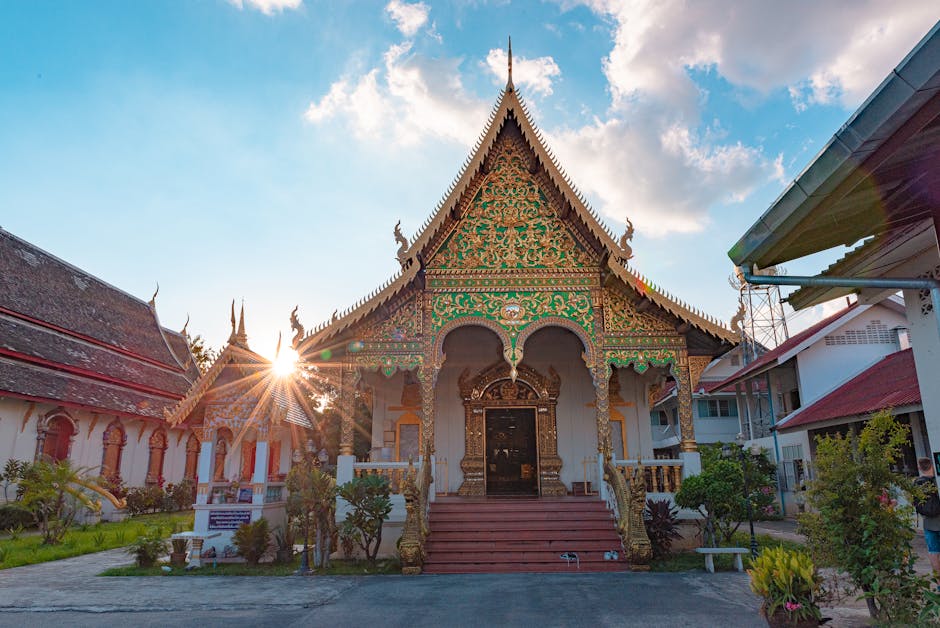 Moderate
Chiang Mai, Thailand
Discover Chiang Mai’s soul through its markets and flavors. A self-guided route from the historic Kad Luang to the city’s best street food gems.
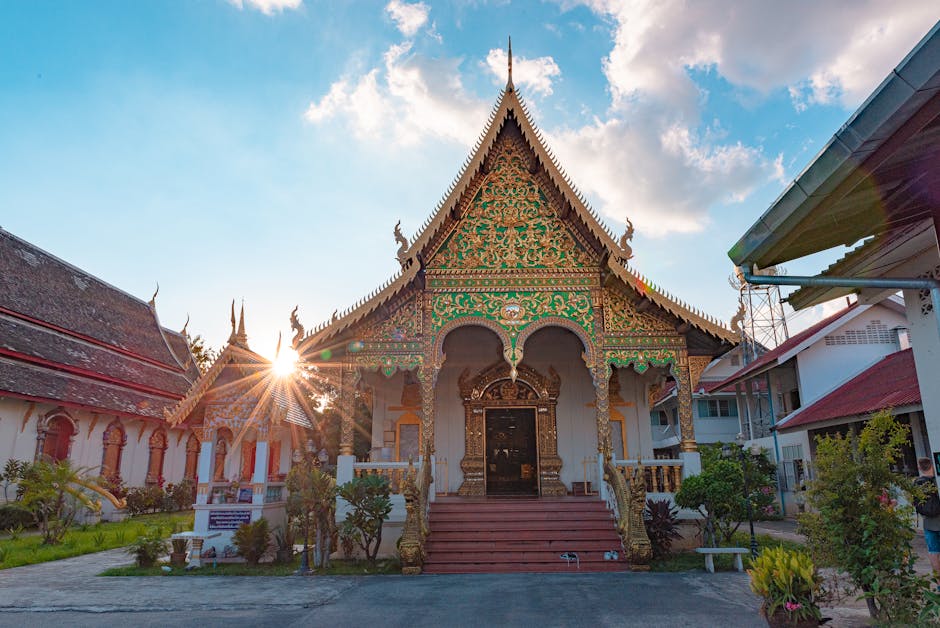 Easy
EasyChiang Mai, Thailand
Discover hidden temples, traditional brass-smith workshops, and local markets on this serene self-guided walk through Chiang Mai's southern district.