Self-guided audio tour in Chiang Mai
Start Free on iPhone
Start free on iPhone to unlock this self-guided walking tour in Chiang Mai. Hear all the stories that make it amazing, walk at your own pace, and begin whenever you want.
Your Private Tour Guide
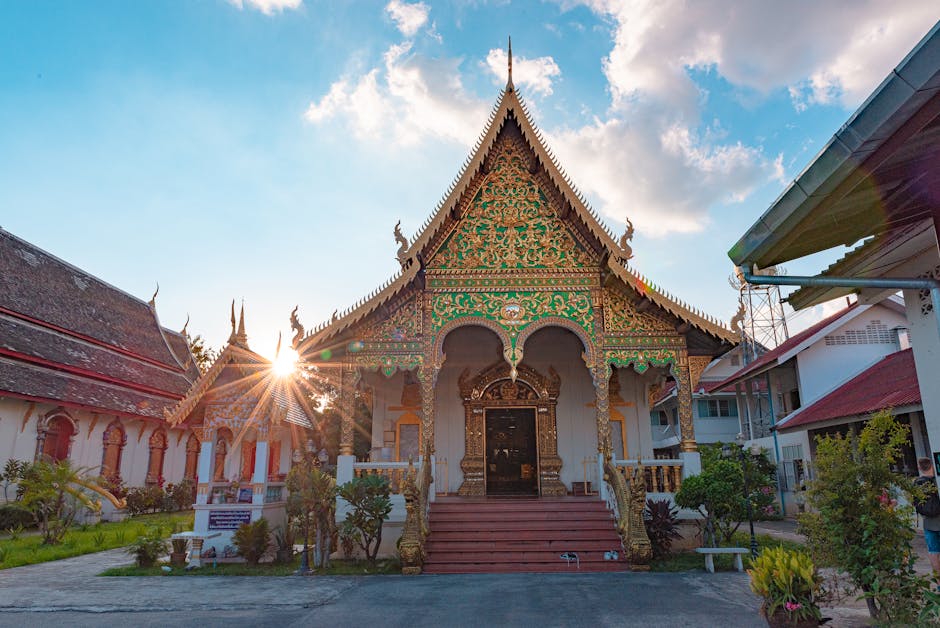
Step into the glimmering heart of Chiang Mai’s artisan heritage with this self-guided walk through the Wua Lai neighborhood. Located just south of the historic old city walls, Wua Lai is a district defined by the rhythmic tapping of hammers against silver and aluminum. This neighborhood stroll takes you through the traditional silversmithing quarter, where the air is thick with the scent of street food and the legacy of Lanna craftsmanship. This walking route is perfect for those who want to experience the artistic soul of the city away from the main tourist hubs, focusing on the intricate architecture and the living traditions of the local craftspeople. Your journey begins at the vibrant Chiang Mai Gate Market, a sensory introduction to local life, before leading you down the historic Wua Lai Road. The highlight of this neighborhood stroll is undoubtedly Wat Sri Suphan, famously known as the Silver Temple. This architectural marvel is a testament to the skill of the local artisans, featuring walls, roofs, and statues entirely covered in intricate silver and aluminum repoussé. As you explore independently, you will also discover hidden gems like Wat Muen San, which offers a more tranquil look at this shimmering art form and its connection to local history. While this area is famous for its Saturday Walking Street, this walking route can be enjoyed any day of the week to truly appreciate the architecture and peaceful atmosphere of the workshops. You will learn about the history of the silversmithing families who have lived here for generations and see how their work continues to define the identity of the Wua Lai community. This is a walking tour Chiang Mai visitors often overlook in favor of the Old City, but it offers a much deeper connection to the city's living culture. Whether you are interested in religious art, local history, or simply want to find the most Instagram-worthy spots in the city, this self-guided adventure provides the flexibility to discover at your own pace. By the time you reach the Old Chiangmai Cultural Center, you will have a profound appreciation for the 'Saturday Soul' that makes this district so unique.
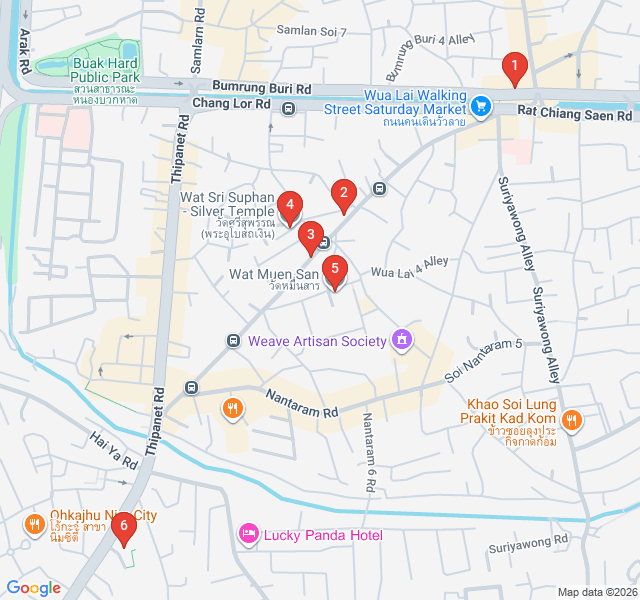
Numbers indicate the order of stops on the tour.
Start exploring with Zigway at the Chiang Mai Gate Market, the bustling southern entrance to the Old City. This market is a cornerstone of local life, operating as a fresh market by day and a street food haven by night. As you stand here, notice the contrast between the ancient city walls and the modern rhythm of the vendors. This is where the Wua Lai neighborhood begins. Historically, this gate was the main entry point for those traveling from the southern regions. Take a moment to soak in the aromas of northern Thai delicacies like Khao Soi or Sai Oua (herbal sausage). This market sets the stage for a journey into the heart of Chiang Mai's traditional community, where food and craft are inextricably linked.
As you turn onto Wua Lai Road, you enter the historic silversmithing district. Wualaisilp represents the enduring legacy of the artisan families who settled here centuries ago. Originally, these craftsmen were brought from Burma and the surrounding regions during the reign of King Kawila to revitalize the city's arts. At this stop, you can often hear the distinct metallic tapping of 'repoussé'—the technique of hammering metal from the reverse side to create intricate patterns in relief. This isn't just a shop; it's a living museum of a craft that has been passed down through generations. Look closely at the details on the silver plates and bowls; they often depict Buddhist cosmology or local folklore.
Continue your neighborhood stroll along Wua Lai Road. While it is famous for the Saturday Walking Street, walking here during a weekday reveals a much quieter, more authentic side of the neighborhood. Notice the small workshops tucked between modern houses and traditional wooden homes. For over 200 years, this street has been the primary hub for silver and lacquerware in Northern Thailand. The silver trade here was so significant that it once served as a form of local currency. As you walk, observe the decorative metalwork on many of the storefronts and gates, a clear sign of the pride the residents take in their neighborhood's specific heritage.
You have reached the crown jewel of Wua Lai: Wat Sri Suphan, commonly known as the Silver Temple. Founded in 1502, the original structure has been renovated many times, but the current silver-colored ordination hall is a modern masterpiece of Lanna art. Every inch of the exterior and interior is covered in silver, nickel, and aluminum, crafted by local artisans to preserve their traditional techniques. Note that according to ancient Lanna Buddhist rules, women are not permitted to enter the interior of the main ordination hall (the Ubosot), but the exterior is equally breathtaking and accessible to everyone. The panels depict everything from the life of the Buddha to modern scenes, including depictions of world cities, subtly integrated into the silver walls.
A short walk from the Silver Temple brings you to Wat Muen San. While less famous than its neighbor, this temple is a hidden gem that offers a more tranquil environment to appreciate the silver craft. The 'vihara' here features incredible metalwork that tells the story of the temple's history and its role in the community. During World War II, this temple served as a hospital for Japanese soldiers, a historical layer that adds depth to its spiritual significance. Look for the silver museum on the grounds, which showcases some of the finest examples of the repoussé technique found in the city. It is a peaceful place to reflect on the intersection of faith and artistry.
Your self-guided adventure concludes at the Old Chiangmai Cultural Center. Established in 1971, this center was the first of its kind in the region, designed to preserve and showcase the diverse cultures of Northern Thailand, including the hill tribes and the Lanna people. The architecture here is a beautiful example of traditional teak construction. While it is well-known for its evening Khantoke dinners and dance performances, the grounds themselves are a testament to the city's commitment to cultural preservation. From here, you are well-positioned to explore the nearby boutiques or head back toward the Old City, having walked through the glittering history of Chiang Mai's silver smiths.
Start Free on iPhone
Explore “Wua Lai Silver and Saturday Soul” with your very own Private Tour Guide with Zigway. Start free on iPhone, skip the large group and the fixed routes, and hear the city come alive as you go.
Your Private Tour Guide
Don't miss the good stuff
Explore Freely
 Easy
EasyChiang Mai, Thailand
Explore Chiang Mai's trendiest district at your own pace. Discover contemporary art galleries, local design shops, and iconic modern architecture.
 Moderate
Chiang Mai, Thailand
Explore Chiang Mai's creative soul, from Nimman’s boutique bookshops to the mystical tunnels of Wat Umong and the scenic Angkaew Reservoir.
 Moderate
Chiang Mai, Thailand
Discover Chiang Mai’s soul through its markets and flavors. A self-guided route from the historic Kad Luang to the city’s best street food gems.
 Easy
EasyChiang Mai, Thailand
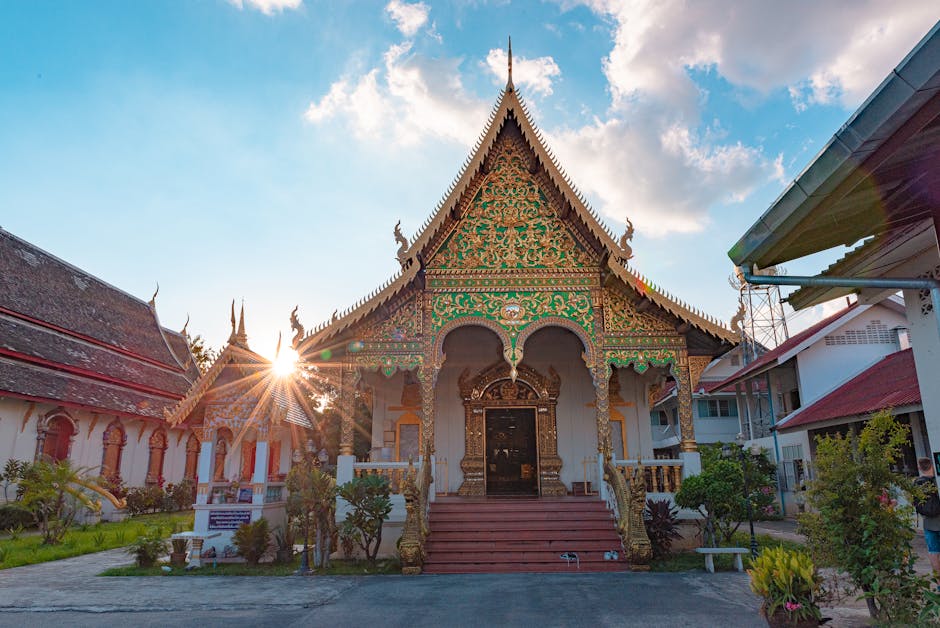
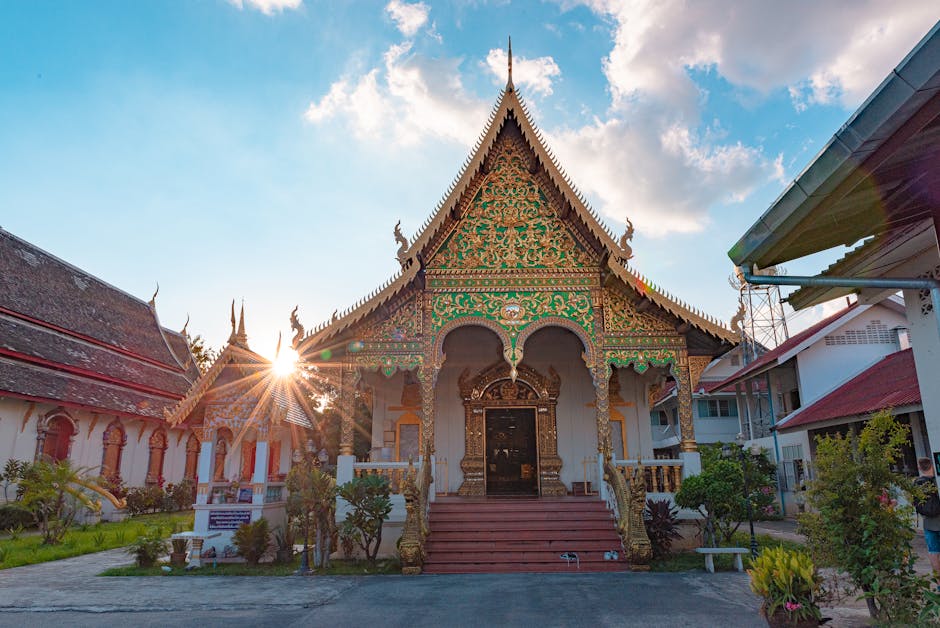
Discover hidden temples, traditional brass-smith workshops, and local markets on this serene self-guided walk through Chiang Mai's southern district.
 Easy
EasyWarsaw, Poland
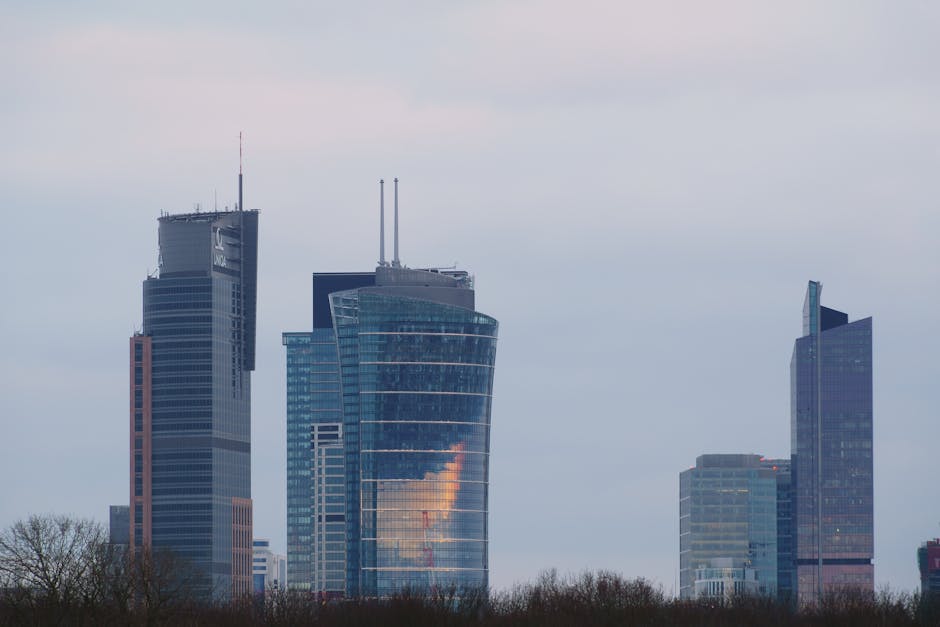
Discover the hidden courtyards and grand pre-war architecture of Warsaw's most atmospheric neighborhood on this self-guided stroll.
 Easy
EasyGothenburg, Sweden
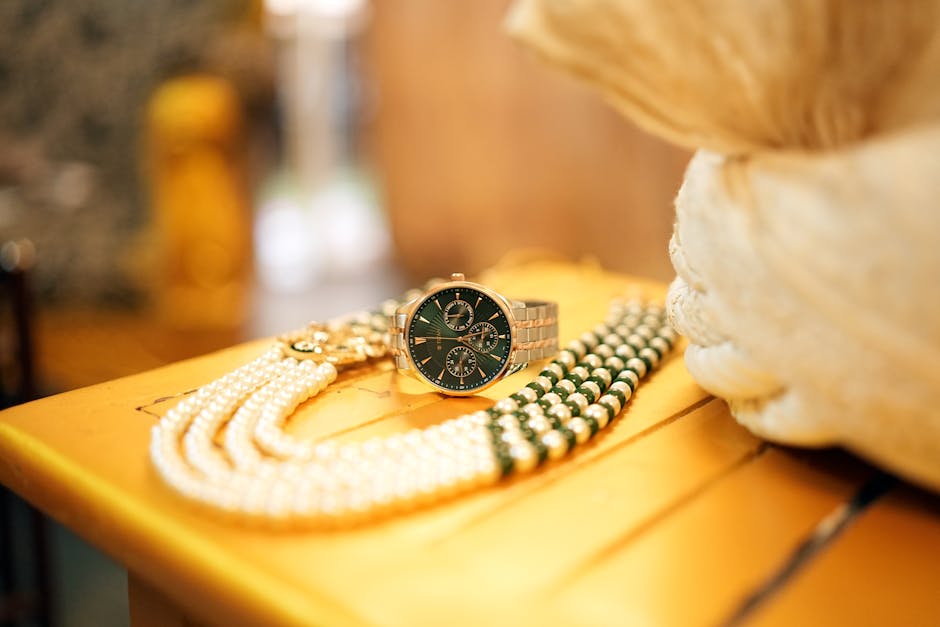
Explore Gothenburg's maritime soul on this self-guided walk from historic shipyards to sleek modern piers and iconic industrial landmarks.
 Easy
EasyKrakow, Poland
Explore the prestigious Jagiellonian University district, featuring Neo-Gothic architecture, Baroque churches, and Krakow's hidden scholarly gems.
 Easy
EasyKrakow, Poland
Explore the historic heart of Kazimierz on this self-guided walk through synagogues, ancient cemeteries, and vibrant squares.
 Easy
EasyBangkok, Thailand
Discover a labyrinth of industrial scrap yards, vibrant street art, and centuries-old mansions in Bangkok's most atmospheric neighborhood.
 Easy
EasyBangkok, Thailand
Discover Ari's blend of retro architecture, Michelin-rated street food, and vibrant cafe culture on this self-guided neighborhood stroll.
 Moderate
Bangkok, Thailand
Discover the golden spires and royal history of Bangkok's Old City on this self-guided audio walk through the majestic Rattanakosin Island.
 Easy
EasyBangkok, Thailand
Discover the European-inspired grandeur of Bangkok's Dusit district on this self-guided royal architectural walk.