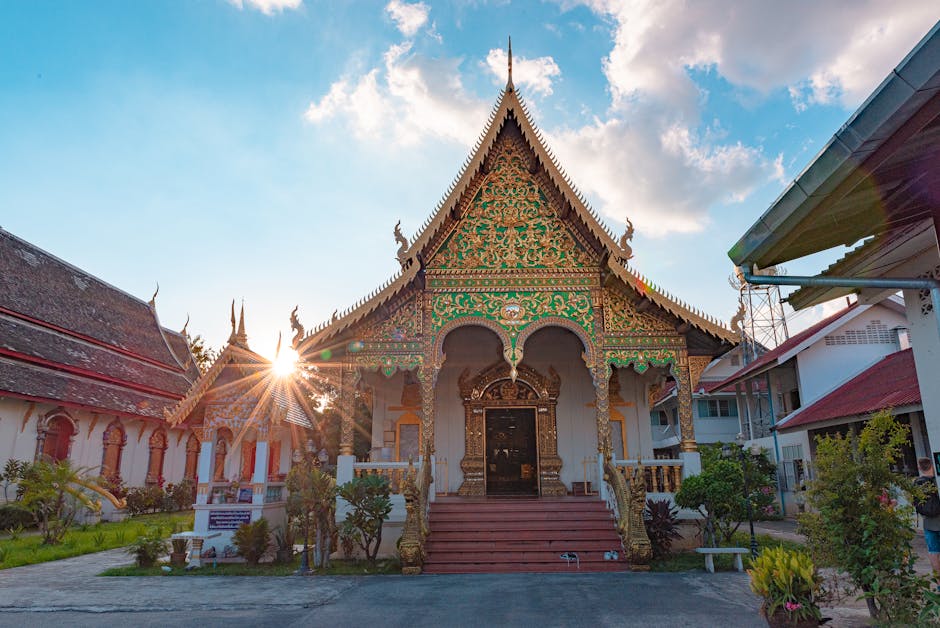
Self-guided audio tour in Chiang Mai
Start Free on iPhone
Start free on iPhone to unlock this self-guided walking tour in Chiang Mai. Hear all the stories that make it amazing, walk at your own pace, and begin whenever you want.
Your Private Tour Guide
As the sun dips below the mountains of Doi Suthep, the northern edge of Chiang Mai’s Old City transforms into a vibrant culinary theater. This self-guided walk through the Sri Poom neighborhood centers on the historic Chang Phueak Gate, a place where ancient Lanna history meets the sizzling energy of modern street food. On this walking route, you’ll navigate the famous Chang Phuak Market, an open-air feast for the senses where the aroma of grilled meats and sweet mango sticky rice fills the air. This area is legendary among food enthusiasts, known for hosting some of the most iconic street food stalls in Thailand, including a world-famous pork leg rice stall that even attracted the attention of international culinary celebrities. Beyond the food, this neighborhood stroll introduces you to the rhythmic heartbeat of the city at the North Gate Jazz Co-Op, where local and international musicians jam in an intimate, open-air setting. You will also encounter the serene beauty of Wat Lok Moli, a 14th-century temple that looks particularly mystical when illuminated at night. While the core of the walk explores the dense food stalls and historic walls, the route also highlights the city's evolving cafe culture and nightlife hubs, from the backpacker energy of Zoe in Yellow to the refined matcha houses near the river. This audio walk is designed for those who want to explore independently, allowing you to linger over a bowl of Khao Soi or stay for an extra set of jazz without being tied to a rigid schedule. Whether you are a first-time visitor or a repeat traveler, this walking route offers a deep dive into the flavors and sounds that define Chiang Mai after dark. **Note:** This area is known for its ever-changing character. Street art, pop-up venues, and temporary exhibitions may differ from what's described. That's part of the adventure - you might discover something entirely new!
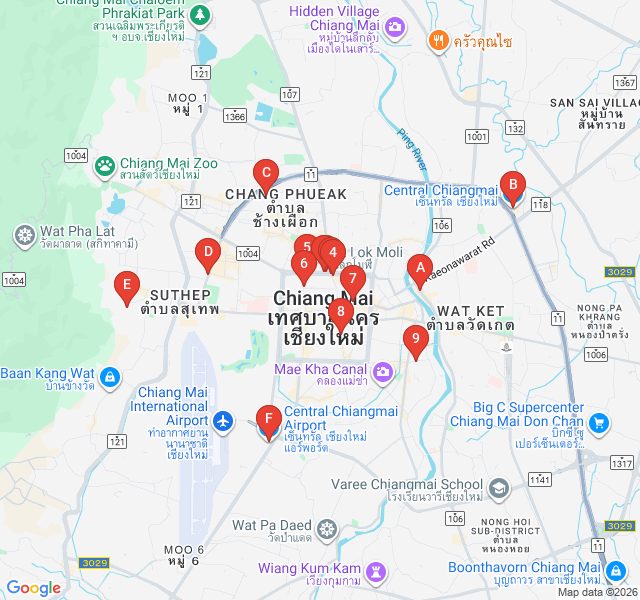
Numbers indicate the order of stops on the tour.
Welcome to the Chang Phuak Night Market, the northern gateway to Chiang Mai’s culinary heart. As evening falls, this parking lot transforms into a sprawling outdoor dining room. This market is a cornerstone of the Sri Poom neighborhood, serving both locals and travelers for decades. You'll find everything here from 'Suki' (Thai hot pot) to fresh fruit shakes. The atmosphere is quintessential Chiang Mai: humid, aromatic, and buzzing with energy. Take a moment to walk through the stalls and observe the 'wok hei' or 'breath of the wok' as vendors flash-fry noodles over high flames. It’s the perfect place to start your self-guided adventure with a small snack before hitting the heavy hitters.
You are standing at one of the most famous street food stalls in the world. Look for the woman in the Stetson cowboy hat—she is the legendary 'Khao Kha Moo Chang Phueak' lady. Her slow-cooked pork leg, braised in five-spice powder and served with a soft-boiled egg and pickled mustard greens, became a global sensation after being featured by travel personalities like Anthony Bourdain. The recipe is a masterclass in tenderness and balance. While the menu is simple, the execution is flawless. Since this is a self-guided walk, feel free to grab a plate; the service is incredibly fast, designed to keep up with the perpetual queue of hungry patrons.
This impressive brick structure is the Chang Phueak Gate, or the 'White Elephant Gate.' Historically, this was the most important entrance to the Old City, as it was used by royalty for state ceremonies. The name refers to the white elephants, symbols of royal power, which were traditionally kept nearby. As you stand here, you are on the boundary between the 13th-century walled city and the modern expansion. The moat surrounding you was once a vital defense system. Today, it serves as a scenic backdrop for the city’s nightlife. Notice how the ancient brickwork contrasts with the neon lights of the surrounding businesses.
Just across from the gate sits the North Gate Jazz Co-Op. This isn't your typical high-end jazz club; it’s a community-driven space that has become a Chiang Mai institution. Founded by local musicians, it’s famous for its open-air vibe where the music spills out onto the sidewalk. On any given night, you might hear world-class saxophone solos or experimental fusion. The beauty of this spot is its inclusivity—you’ll see backpackers, expats, and locals all squeezed together or standing on the street corner just to catch a riff. It embodies the creative, laid-back spirit that makes Chiang Mai so unique.
A short walk from the gate takes you to Wat Lok Moli, one of the city's older and more visually striking temples. Unlike the gold-covered pagodas elsewhere, Wat Lok Moli is famous for its dark, weathered brick 'chedi' (stupa) dating back to the 14th century. At night, the temple is often illuminated, highlighting the intricate wood carvings on the 'vihara' (assembly hall). It offers a peaceful, spiritual contrast to the bustling food market you just left. Look for the two large stone elephants guarding the entrance, echoing the name of the nearby city gate.
Tucked away in a quiet lane, Fern Forest Cafe is a lush, green sanctuary. This spot showcases the 'garden cafe' trend that Chiang Mai does so well. While it’s a popular spot for breakfast, in the evening it provides a tranquil atmosphere for a coffee or a slice of cake. The colonial-style wooden house is surrounded by tropical ferns and koi ponds, offering a cool respite from the city heat. It’s a great example of how the Sri Poom neighborhood hides quiet, sophisticated pockets just steps away from the main traffic arteries.
Changing gears entirely, we arrive at the Zoe in Yellow complex. This is the epicenter of the Old City’s late-night party scene. It’s a cluster of bars, each with a different vibe—from heavy metal and reggae to the high-energy dance floor of Zoe itself. While it’s a magnet for younger travelers, it’s an interesting cultural phenomenon to observe. The area is a labyrinth of neon lights and loud music, showing the high-octane side of Chiang Mai’s nightlife that exists alongside its traditional temples and quiet markets.
Located near the center of the Old City, Thaan Aoan is a local favorite known for its traditional Thai sweets and breakfast items, though it remains a landmark for those exploring the city's heritage. The name roughly translates to 'charcoal-heated,' referencing traditional cooking methods. It's a reminder of the simple, enduring flavors that have sustained the city's residents for generations. Even if you aren't stopping for a full meal, the shop's presence is a testament to the preservation of local food culture amidst the city's rapid modernization.
Magokoro Teahouse (Me Jai Hai Matcha) feels like a portal to Kyoto. This specialist matcha bar is a highlight for those who appreciate the 'slow travel' philosophy. They source high-quality green tea and serve it in a stunning Japanese-style garden setting. The attention to detail here—from the temperature of the water to the aesthetic presentation of the wagashi (sweets)—is exceptional. It represents the 'New Chiang Mai'—a city that is increasingly international, design-conscious, and obsessed with artisanal quality.
As we move toward the river area, we find Cake Baan Piemsuk. This unassuming bakery is famous across Thailand for one specific thing: its Young Coconut Cream Pie. It’s light, not too sweet, and has a cult following. The shop is a great example of the 'shophouse' culture of Chiang Mai, where family businesses operate out of traditional buildings. It’s a popular stop for locals picking up treats for their families, adding a sweet, domestic touch to your evening exploration.
We now transition to the modern side of the city. Central Chiangmai (often called Central Fest by locals) is a massive shopping complex that serves as a social hub. While it may seem like just a mall, in Thailand, these centers are vital community spaces where people come to escape the heat, watch movies, and dine in air-conditioned comfort. The architecture is inspired by Lanna motifs, blending regional identity with global retail. It's a significant landmark on the city's outer ring road.
FÜR CAFE is a boutique spot that exemplifies the quirky, Instagram-worthy aesthetic that dominates Chiang Mai’s modern cafe scene. Often featuring minimalist decor and creative beverage menus, spots like this are where the city’s 'digital nomad' and creative communities congregate. The focus here is on the experience as much as the caffeine, with every corner designed for a perfect photo. It’s a window into the lifestyle of the city’s younger, tech-savvy residents.
If Zoe in Yellow is for backpackers, Warm Up Cafe is for the locals. Located on Nimmanhemin Road, this is Chiang Mai’s most legendary nightclub. It has multiple zones, including a live music area for Thai rock and a house/techno room. Since opening in the 90s, it has been the place to see and be seen. Observing the fashion and social rituals here gives you a completely different perspective on Thai youth culture compared to the traditional markets of the Old City.
The Baristro is a local brand that has redefined coffee culture in the north. This specific 'Asian Style' branch is a masterpiece of Zen-inspired architecture, using raw concrete, wood, and natural light. It feels more like an art gallery than a coffee shop. Here, the 'Slow Bar' offers various brewing methods, allowing you to appreciate the nuances of locally grown beans from the surrounding mountains. It’s a peaceful, high-design bookend to the more chaotic energy of the night markets.
Our route concludes near the airport at Central Chiangmai Airport mall. This was the city's first major shopping mall and remains a favorite because of its 'Northern Village' section, which sells high-quality local handicrafts and silk. It’s a convenient final stop if you need to pick up authentic souvenirs or grab a final meal before heading to the terminal. From here, you can see the planes descending over the city, a reminder of Chiang Mai's status as a global destination that still keeps its local traditions close to heart.
Start Free on iPhone
Explore “Midnight Bites: North Gate Food Crawl” with your very own Private Tour Guide with Zigway. Start free on iPhone, skip the large group and the fixed routes, and hear the city come alive as you go.
Your Private Tour Guide
Don't miss the good stuff
Explore Freely
 Easy
EasyChiang Mai, Thailand
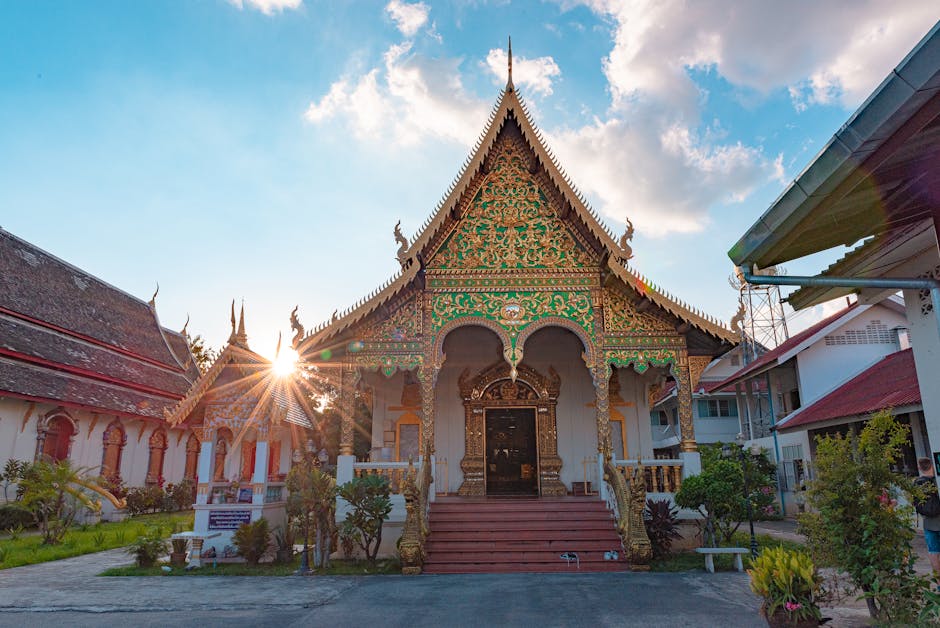
Explore Chiang Mai's trendiest district at your own pace. Discover contemporary art galleries, local design shops, and iconic modern architecture.
 Moderate
Chiang Mai, Thailand
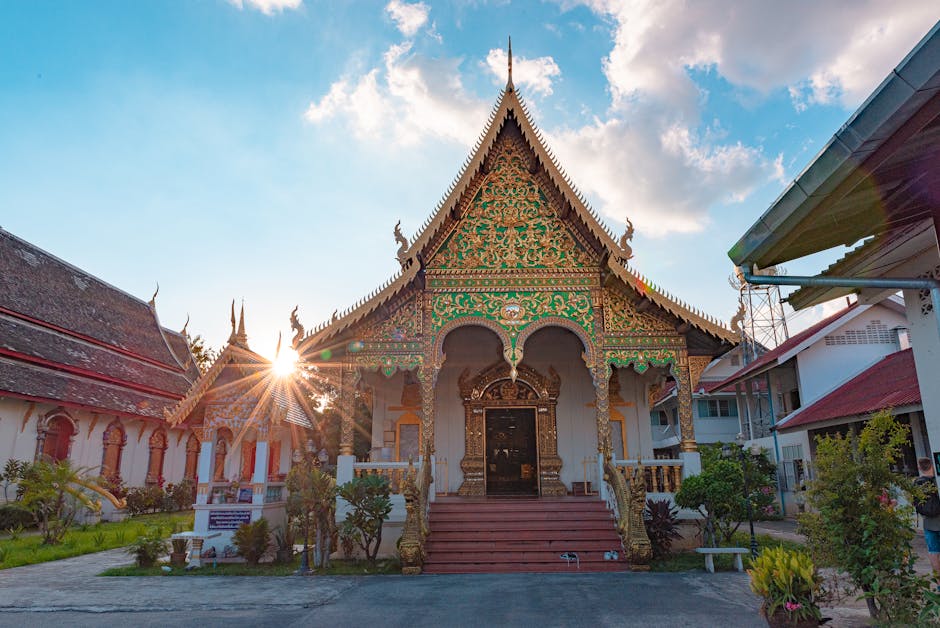
Explore Chiang Mai's creative soul, from Nimman’s boutique bookshops to the mystical tunnels of Wat Umong and the scenic Angkaew Reservoir.
 Moderate
Chiang Mai, Thailand
Discover Chiang Mai’s soul through its markets and flavors. A self-guided route from the historic Kad Luang to the city’s best street food gems.
 Easy
EasyChiang Mai, Thailand
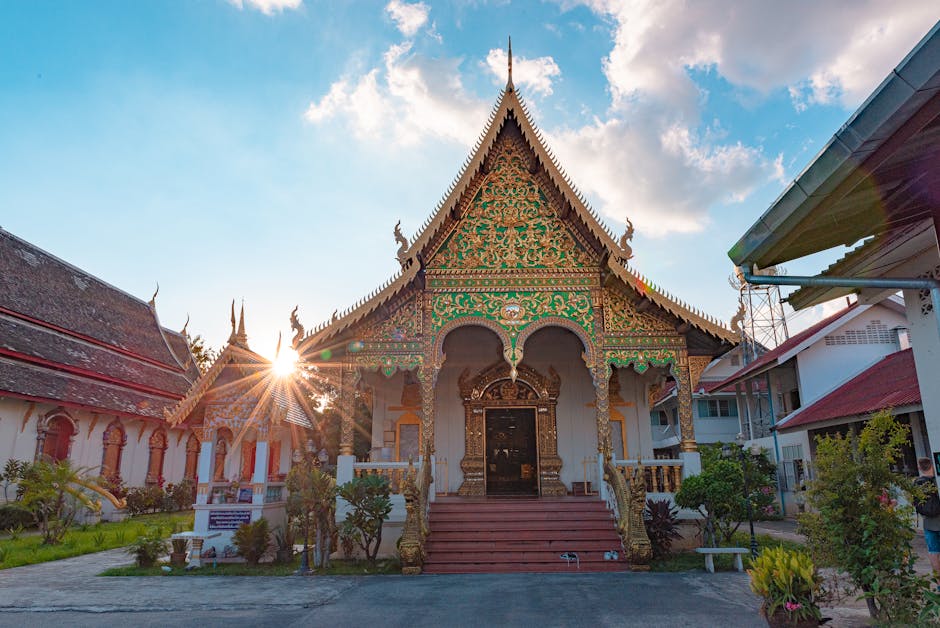
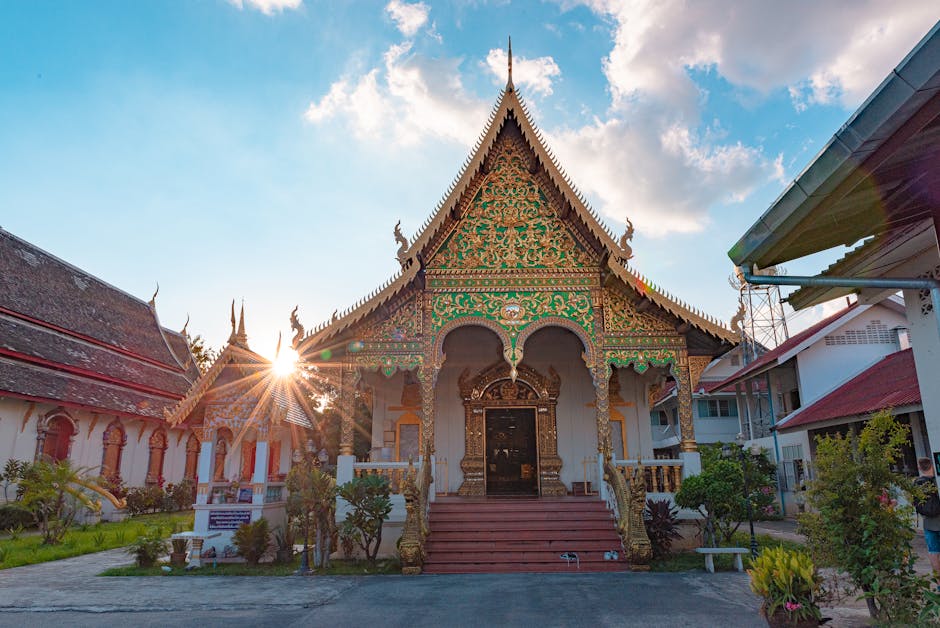
Discover hidden temples, traditional brass-smith workshops, and local markets on this serene self-guided walk through Chiang Mai's southern district.
 Easy
EasyVienna, Austria
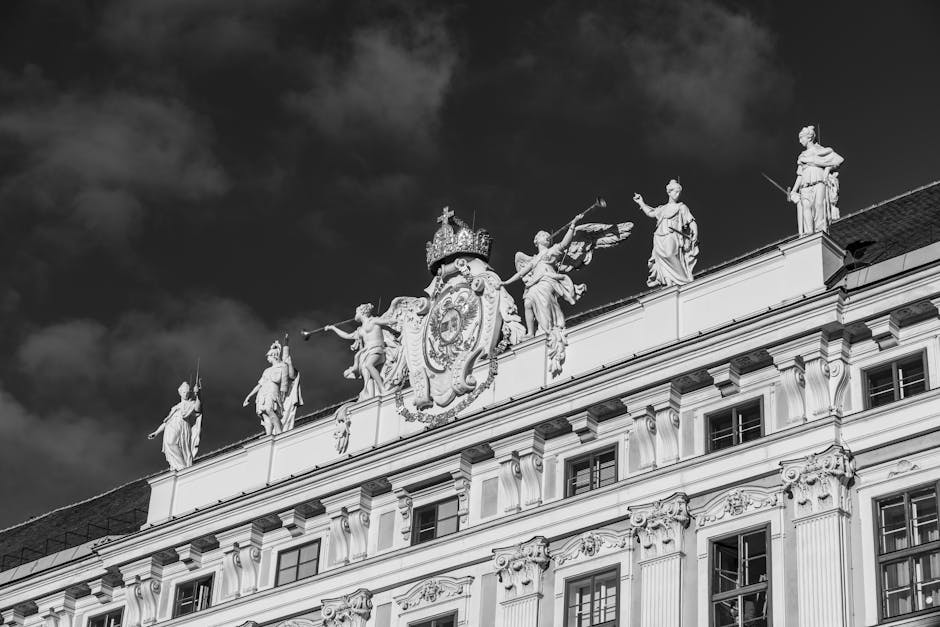
Explore Vienna’s vibrant open-air gallery along the Danube Canal on this self-guided street art and nightlife stroll through Leopoldstadt.
 Easy
EasyKrakow, Poland
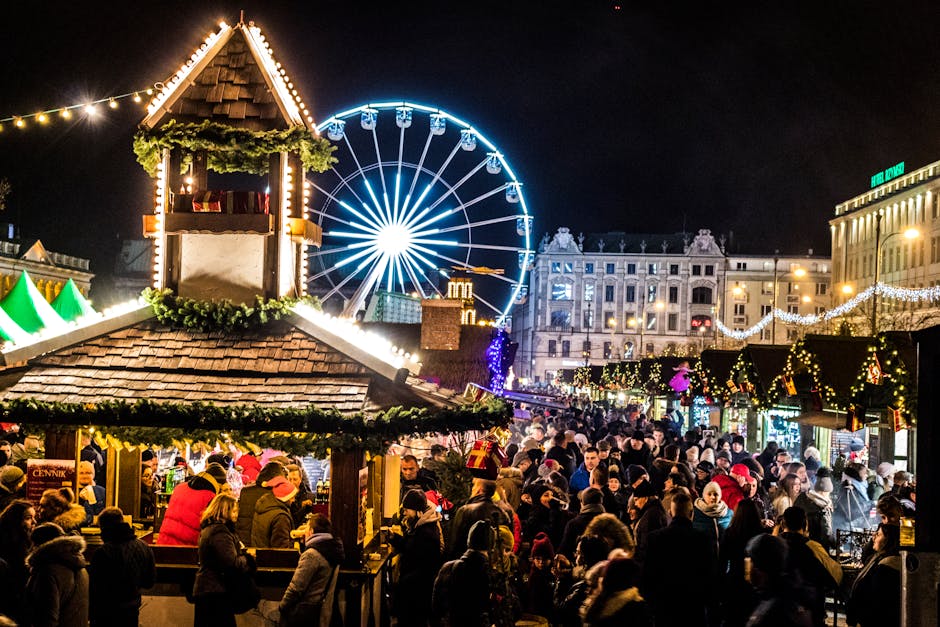
Explore Krakow's hidden nightlife with this self-guided walk through medieval cellars, jazz clubs, and bohemian bars in the Old Town and Kazimierz.
 Easy
EasyGdansk, Poland
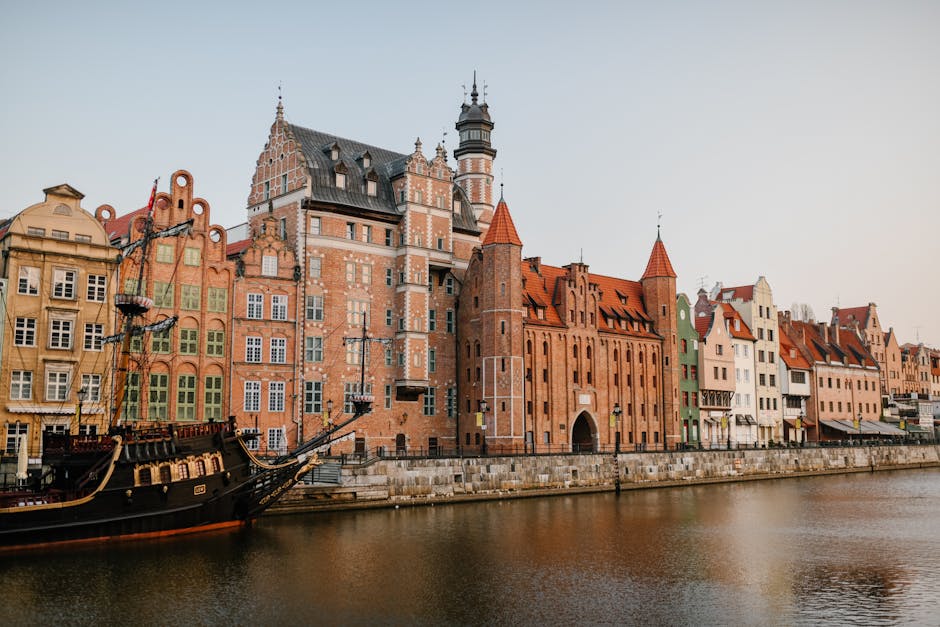
Discover the neon-lit rebirth of Gdansk's shipyards on this self-guided walk through industrial food halls, container bars, and legendary clubs.
 Moderate
Helsinki, Finland
Explore Helsinki's bohemian heart. Discover historic saunas, granite churches, and the vibrant local life of the Kallio neighborhood at your own pace.
 Easy
EasyBangkok, Thailand
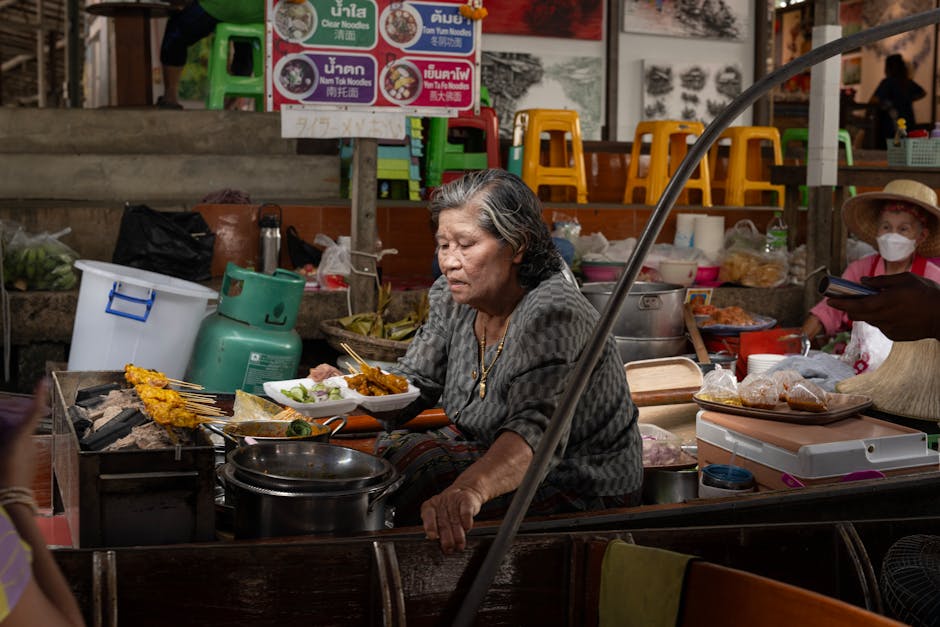
Discover a labyrinth of industrial scrap yards, vibrant street art, and centuries-old mansions in Bangkok's most atmospheric neighborhood.
 Easy
EasyBangkok, Thailand
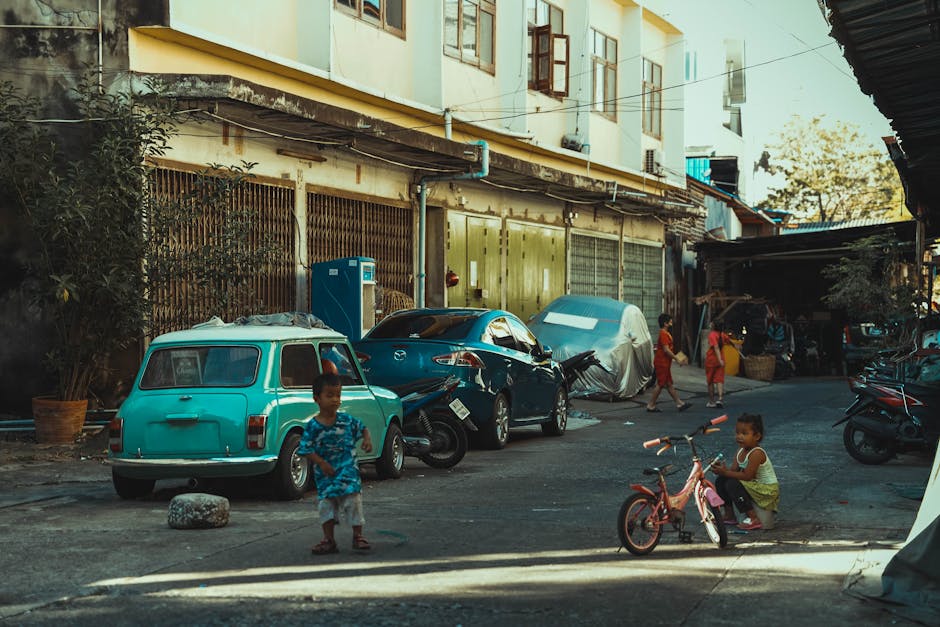
Discover Ari's blend of retro architecture, Michelin-rated street food, and vibrant cafe culture on this self-guided neighborhood stroll.
 Moderate
Bangkok, Thailand
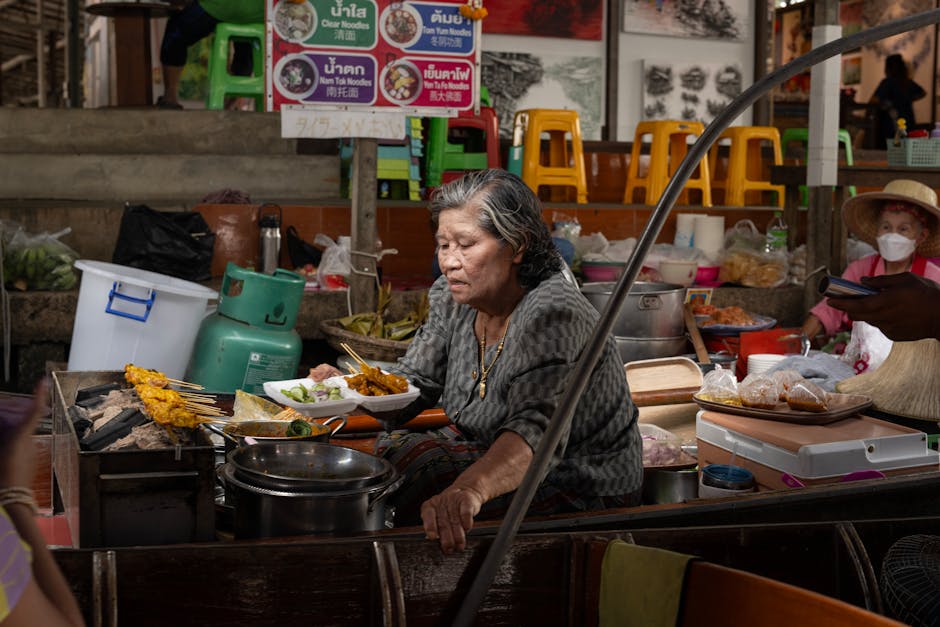
Discover the golden spires and royal history of Bangkok's Old City on this self-guided audio walk through the majestic Rattanakosin Island.
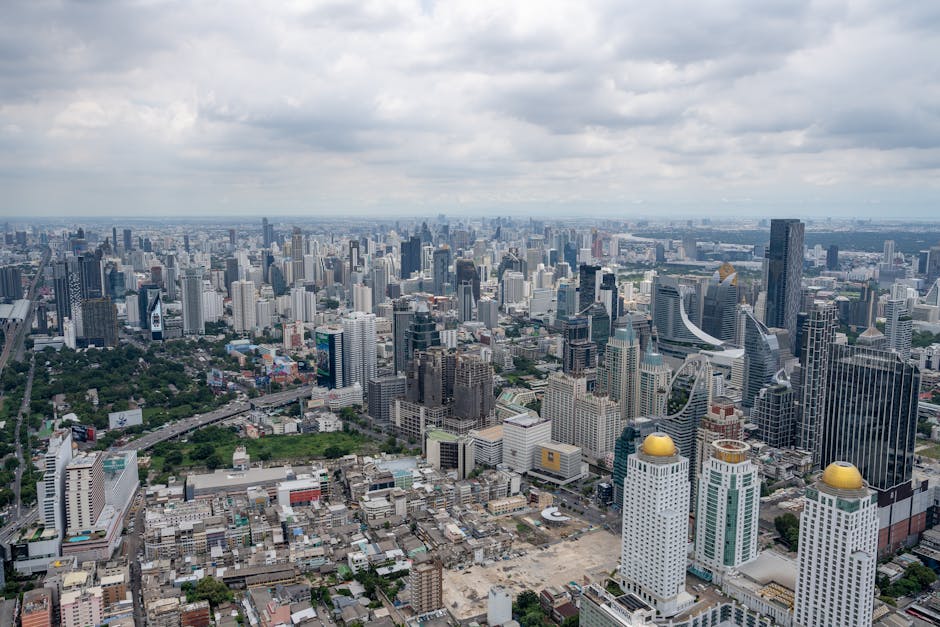 Easy
EasyBangkok, Thailand
Discover the European-inspired grandeur of Bangkok's Dusit district on this self-guided royal architectural walk.