Self-guided audio tour in Cusco
Start Free on iPhone
Hear the stories behind the streets and sights around you as you walk Cusco. Try it free on iPhone.
Your Private Tour Guide
Cusco's best panoramic viewpoints sit at the top of San Cristobal, the hillside neighborhood above the Plaza de Armas, and you reach them on a self-guided climb through its streets. The route is known as the Stairway to Heaven, and it's for anyone who wants a bird's-eye view of the old imperial city along with the layered history of San Cristobal on the way up. Bring a camera. The viewpoints come one after another, starting in the narrow colonial alleys near the Plaza de Armas and ending with high-altitude views across the entire Cusco valley. You start climbing on the historic Cuesta del Almirante, where Spanish colonial buildings sit right on top of Inca foundations, and you see it straight away. Heading up toward the Mirador de San Cristobal, you're on slopes where Inca royalty once lived in the palaces that ruled over this hillside. It's a hard walk. The inclines are steep and Cusco sits at 3,400 meters, but the payoff is huge. You'll pass the ruins of Qolqanpata, believed to be the palace of the first Inca, Manco Cápac, and then reach the Cristo Blanco statue. From up there you get a proper lesson in Andean geography: how the city fits into the mountains and countryside around it. Then it's downhill into bohemian San Blas. Once you've taken in the size of the city from above, you wind through the 'balcony' of Cusco and catch the light on the terracotta roofs at sunset. You get the colonial history of the San Cristobal church, and at the end, one of the city's best terrace bars. You can pace yourself, which matters at this altitude. Stop at the old stone walls when you need to, and breathe in the eucalyptus drifting down from the hills.
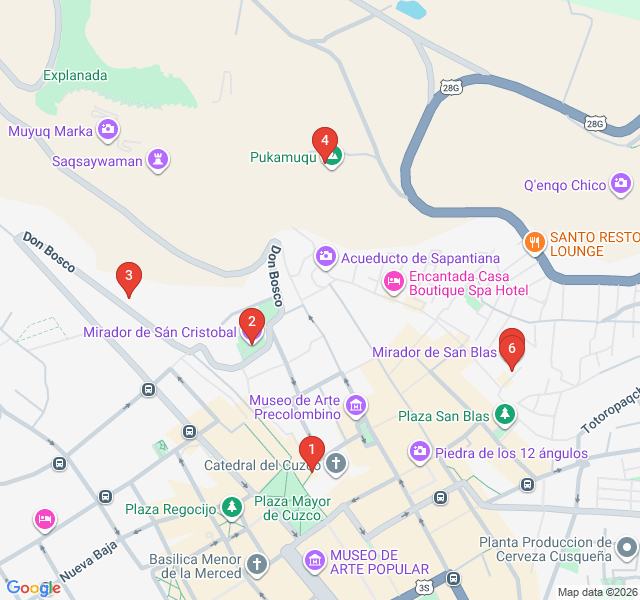
Numbers indicate the order of stops on the tour.
Start the climb on one of Cusco's most famous old streets. The Cuesta del Almirante takes its name from the 'Admiral's House' (Casa del Almirante), a striking 17th-century colonial mansion that's now home to the Inka Museum. As you head uphill, look closely at the walls. The precise Inca stonework is easy to pick out, and you'll see it serving as the foundation for the Spanish buildings put on top later. This street was once a main route out of the sacred center toward the northern quarters of the empire. The slope is gentle here, a warm-up for what's coming. Still, go slowly. At this altitude, even these first steps are harder than they look.
Here at the Plaza de San Cristobal you're standing in what used to be the 'Colcampata' district, set aside for Inca nobility. The church went up in the early colonial era, right on top of the palace of Manco Cápac, the legendary founder of the Inca dynasty. Walk to the edge of the plaza for your first big view of the Plaza de Armas below. See how the cathedral and the Compañía de Jesús stand out above everything else on the skyline. Local photographers love this spot, because it frames the red-tiled roofs against the mountains so neatly. Grab one of the stone benches and get your breath back. There's more climbing to come.
Behind the San Cristobal church are the remains of Qolqanpata. The name comes from the 'granaries' or 'storehouses' (qolqas) that once stood here. The thing to look for is a massive wall with eleven trapezoidal niches, a hallmark of high-status Inca building. Historical accounts suggest this was where Paullo Inca lived, a puppet ruler under the Spanish. So it's a quiet reminder of the handover from one world to another. Most of the original palace is gone. The size of the stones that are left tells you how important this place was, though. It guarded the northern entrance to the city and looked out over the sacred valley below. Easy to rush past. Don't.
The Cristo Blanco (White Christ) stands 8 meters tall. It was a gift from the Arab-Palestinian community who found refuge in Cusco after World War II. This is the highest point of the walk, nearly 3,600 meters above sea level, and the view goes all the way around. On one side are the huge zigzag walls of the Saqsaywaman archaeological park. On the other, the whole sprawling Cusco valley. It's the best place to make sense of the city's puma-shaped layout, a design credited to the Inca Pachacuti. Expect wind, since it's often strong up here. If you can, time it for golden hour, when the low light makes the whole city glow.
Heading down from Cristo Blanco, you come into the upper part of San Blas, Cusco's artisan quarter. This viewpoint feels different from the others. It's more intimate, looking straight down into narrow, steep streets like Siete Borreguitos. San Blas started out as the Inca district of T'oqokachi, which means 'salt hole', and it's still the heart of the city's creative community. From here you can take in the blue balconies and whitewashed walls that give the neighborhood its look. Hang around as evening comes on. Watching the city lights start to flicker on from this spot is a pretty good way to close out a day in Cusco.
Last stop, and a well-earned one: one of the most famous terraces in Peru. Limbus Restobar gets talked about for its menu, sure, but mostly for its balcony view over San Blas and the downtown area. After all that climbing on the 'Stairway to Heaven' route, this is where you sit down and take it in. From the balcony you get one last look at the ground you've covered, from the cathedral towers out to the distant mountains. Order a local craft beer or a chicha morada, the traditional purple corn drink. Either way, the view is the main event. Think of it as your reward for beating the steep hills of San Cristobal.
Explore Mode
Open Zigway, start Explore Mode and just walk. Your guide notices where you are and tells you the story of what's around you, on this route or any street you turn into.
Start Free on iPhone
Open Zigway as you walk and your private tour guide tells the stories behind what you pass.
Your Private Tour Guide
Don't miss the good stuff
Explore Freely
 Easy
Cusco, Peru
Discover the vibrant world of Andean weaving on this self-guided walk through Cusco’s historic center and artisan quarters.
 Easy
Cusco, Peru
Discover the rich flavors of Cusco on this self-guided walk through the city's best artisanal coffee shops and chocolate workshops.
 Moderate
Cusco, Peru
Uncover Cusco's hidden hydraulic history on this self-guided stroll through ancient canals and colonial aqueducts.
 Easy
Cusco, Peru
Experience Cusco’s vibrant nightlife on this self-guided walk through legendary pubs, pisco lounges, and hidden gems in the Historic Center.
 Moderate
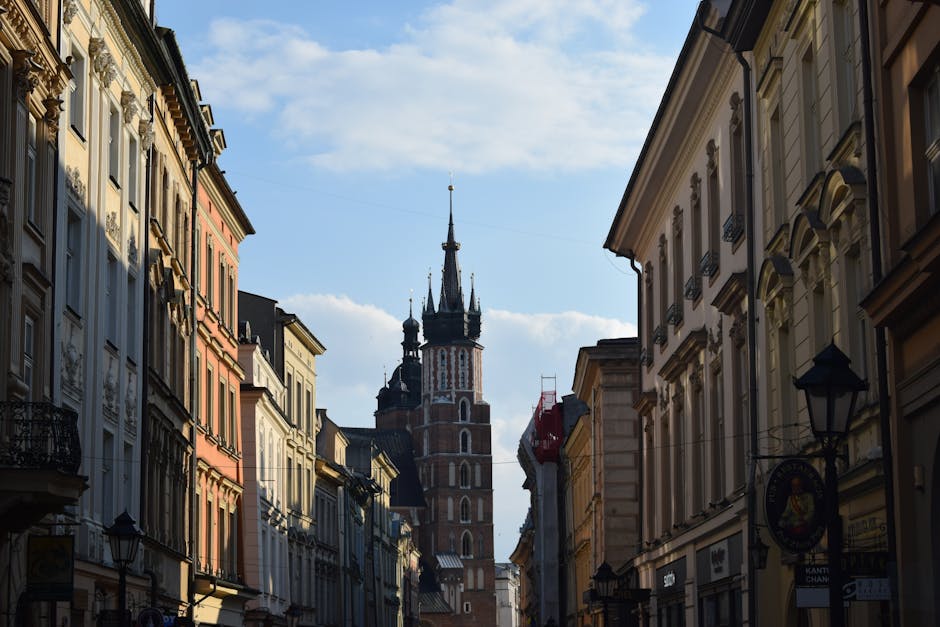
Krakow, Poland
Discover Krakow’s stunning skyline and riverside charm on this self-guided audio walk through scenic viewpoints and historic mounds.
 Moderate
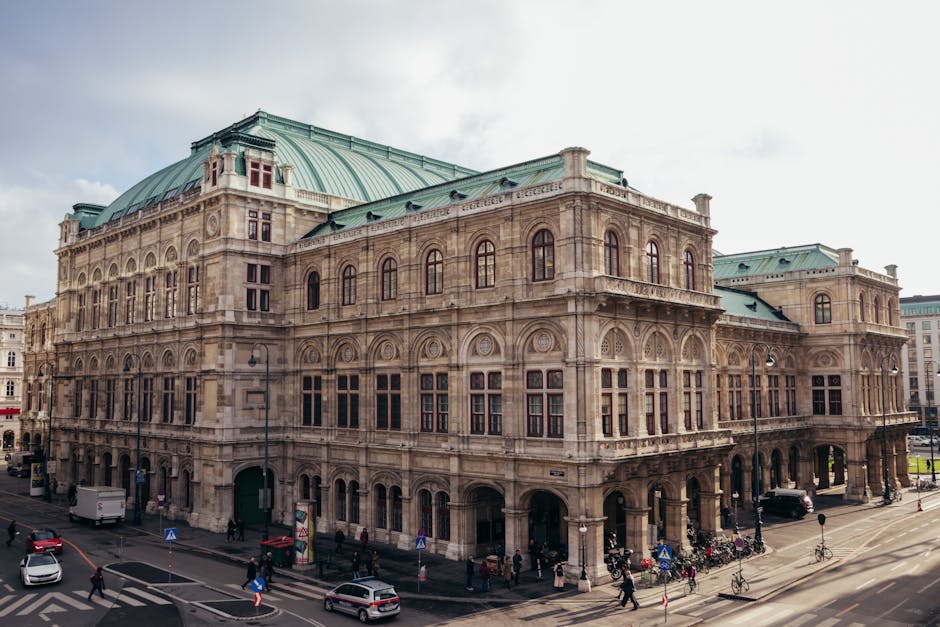
Vienna, Austria
Discover the noir world of The Third Man and Cold War Vienna on this atmospheric self-guided audio walk through the historic Innere Stadt.
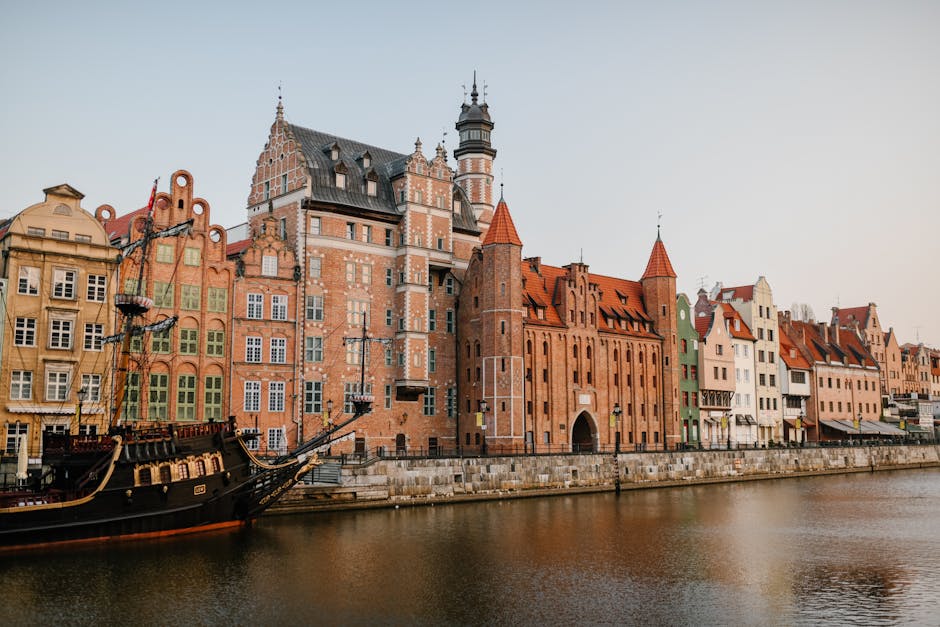 Easy
Gdansk, Poland
Discover the 'Baltic Gold' on this self-guided walk through Gdansk's historic mills, massive cathedrals, and the magical Mariacka Street.
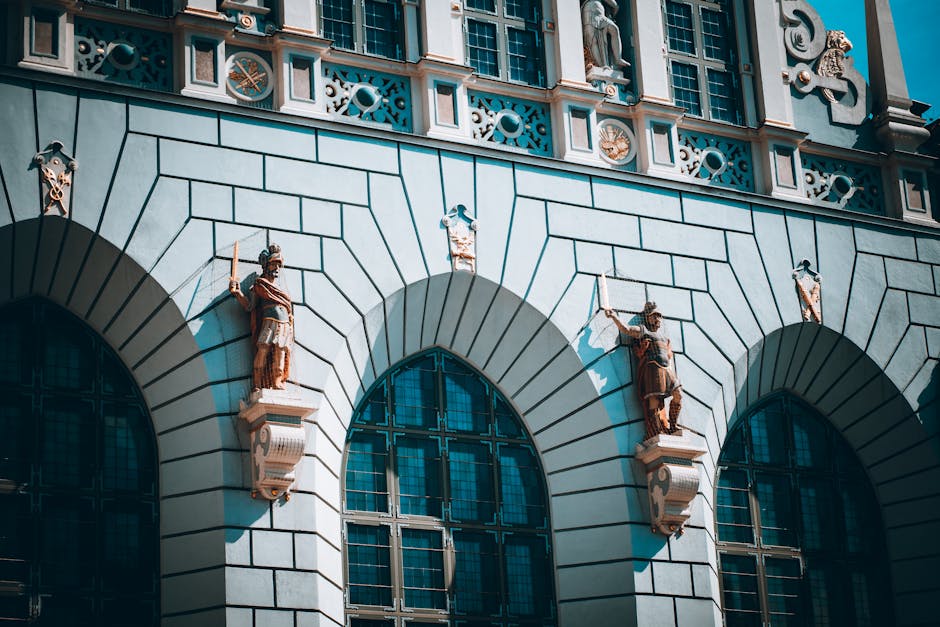 Moderate
Gdansk, Poland
Discover Zaspa, a massive open-air gallery where grey housing blocks are transformed by over 60 monumental murals. Explore at your own pace.
 Moderate
Lima, Peru
Discover a vibrant fusion of 18th-century military history and world-class street art on this self-guided walk through Lima's historic port.
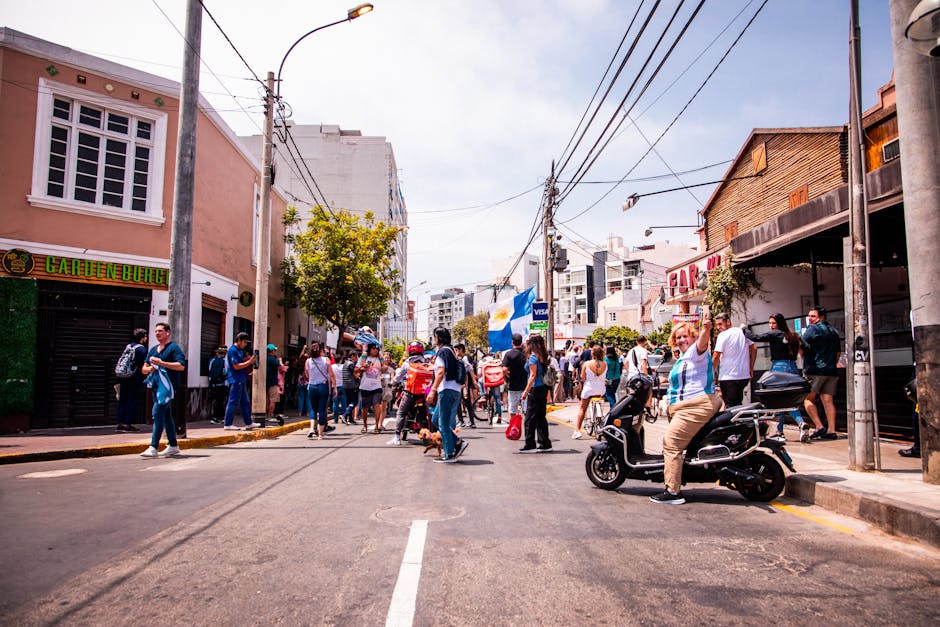 Easy
Lima, Peru
Experience Lima’s nighttime glow on this self-guided stroll through historic plazas, grand museums, and the record-breaking Magic Water Circuit.
 Easy
Lima, Peru
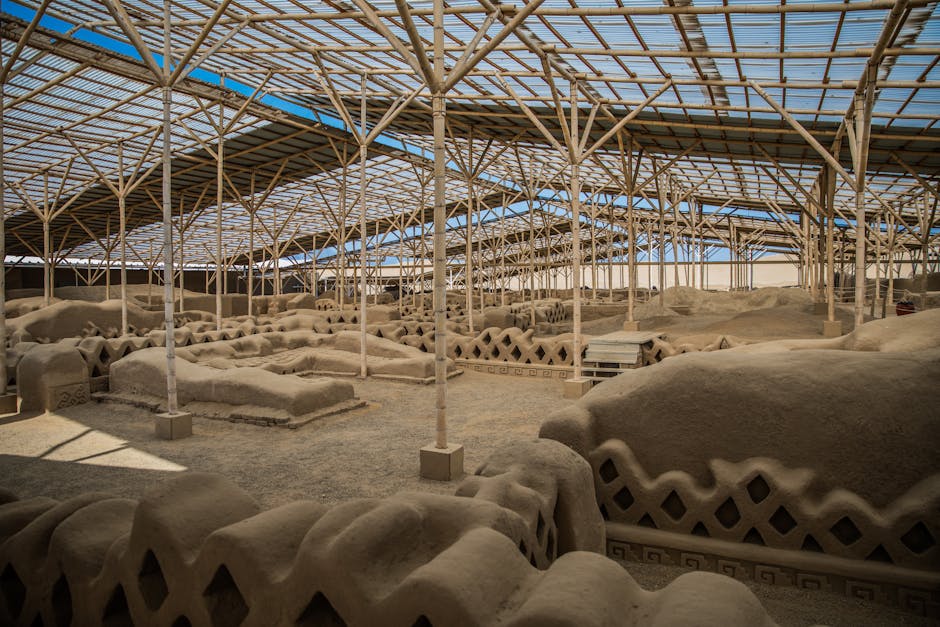
Explore the 1,500-year-old pyramid of Huaca Pucllana and the vibrant feline-filled parks of modern Miraflores.
 Easy
Lima, Peru
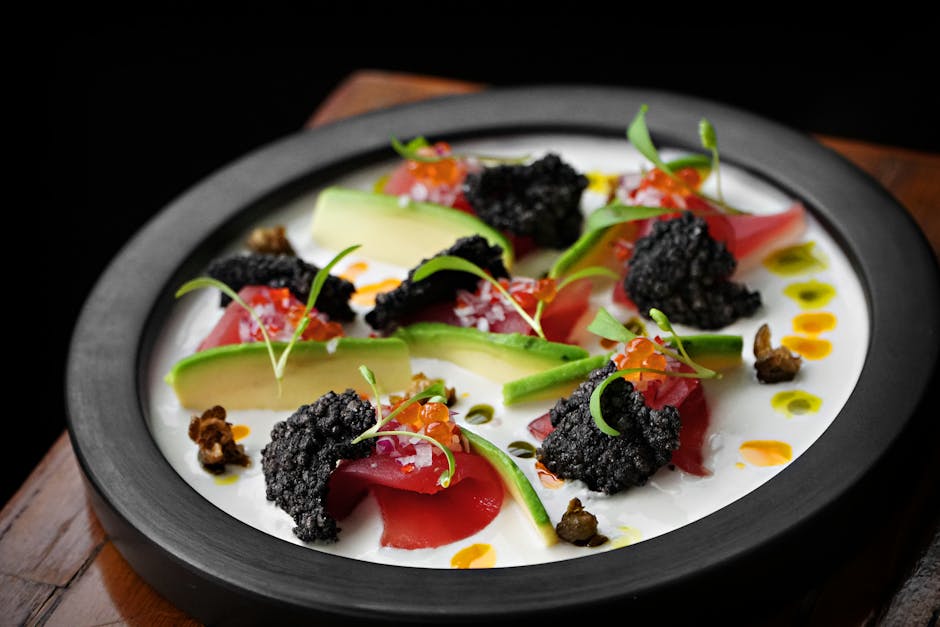
Discover Lima's authentic food scene and local markets on this flavor-focused self-guided walk through Surquillo and the city's hidden culinary hubs.