Self-guided audio tour in Charleston
Start Free on iPhone
Start free on iPhone to unlock this self-guided walking tour in Charleston. Hear all the stories that make it amazing, walk at your own pace, and begin whenever you want.
Your Private Tour Guide
Charleston’s South of Broad neighborhood is a living museum where the air is thick with the scent of salt jasmine and the echoes of three centuries of history. This self-guided walk, Gilded Gates and Harbor Views: The Battery Walk, invites you to explore the most prestigious corner of the Holy City at your own pace. As you wander past iron-wrought gates and towering palmettos, you will encounter the architectural splendor that defines the South’s most historic seaport. Many visitors looking for a walking tour Charleston find that a self-guided route offers the freedom to linger under the live oaks or capture the perfect photo of the harbor without the rush of a group. The journey begins at the Nathaniel Russell House, a neoclassical masterpiece known for its free-flying staircase. From there, the route winds south toward the point where the Ashley and Cooper Rivers meet to form the Atlantic Ocean. You will pass the Williams Mansion, a testament to Gilded Age opulence, before reaching the tranquil expanse of White Point Garden. This park is not just a place for a neighborhood stroll; it is a site of maritime legends, where the Gentleman Pirate Stede Bonnet met his end and Civil War cannons still stand guard over the harbor. Moving along the High Battery, the elevated promenade offers sweeping views of Fort Sumter and the distant lighthouse on Morris Island. The architectural journey continues at the Edmondston-Alston House, where residents once watched the first shots of the Civil War from their piazzas. Finally, the route concludes at the world-famous Rainbow Row, a series of thirteen pastel-colored Georgian row houses that have become the most photographed site in the city. This is a premier walking tour Charleston alternative for those who prefer an independent experience. Explore the cobblestone streets and hidden alleys that make this neighborhood a timeless treasure. This neighborhood stroll is best enjoyed in the soft light of the morning or during the golden hour before sunset, when the harbor views are at their most spectacular.
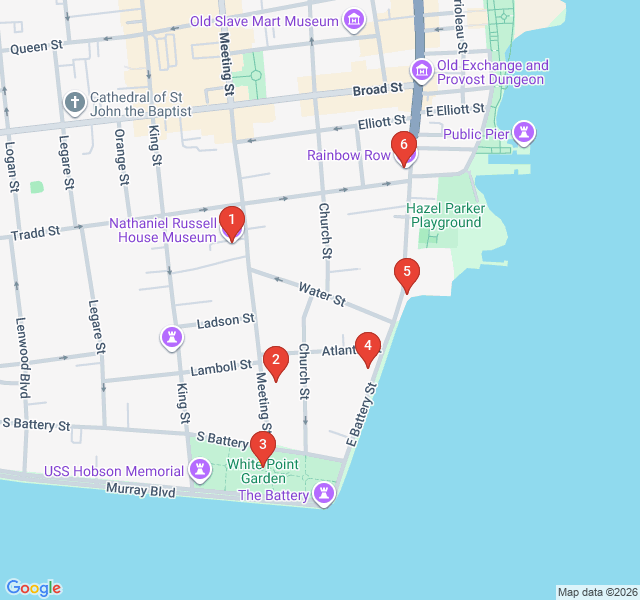
Numbers indicate the order of stops on the tour.
Welcome to the Nathaniel Russell House, one of the finest examples of neoclassical architecture in the United States. Built in 1808 by wealthy merchant Nathaniel Russell, this home was designed to display his immense success. As you look at the exterior, notice the delicate ironwork and the symmetrical facade. Inside, the house is famous for its three-story cantilevered spiral staircase, which appears to float without visible support. This house also provides a sobering look at the lives of the enslaved people who maintained this grand estate, with ongoing archaeological efforts uncovering their stories. The garden is a peaceful spot to admire the urban landscape of early 19th-century Charleston. This site sets the stage for the architectural grandeur you will encounter throughout this self-guided walk.
Standing before you is the Williams Mansion, formerly known as the Calhoun Mansion. Completed in 1876, this is the largest private residence in Charleston, boasting 24,000 square feet and over 30 rooms. It represents the Gilded Age's arrival in the South, built by George Williams, a man who found prosperity during the Reconstruction era. The house features 14-foot ceilings and an elaborate ballroom. While many Charleston homes emphasize Federal or Greek Revival styles, this mansion is a prime example of Italianate architecture. Look up at the ornate cornices and the massive cupola. It is a striking contrast to the older colonial homes nearby and serves as a reminder of the shifting fortunes and tastes of Charleston’s elite during the late 19th century.
You have reached the southern tip of the peninsula, where the Ashley and Cooper Rivers meet. White Point Garden has served as a public park since 1837, but its history is far more dramatic than its peaceful appearance suggests. In the early 1700s, this area was a site for executions; the notorious Gentleman Pirate Stede Bonnet was hanged nearby. During the Civil War, the garden was transformed into a fortification, and you can still see the massive Confederate cannons and mortars positioned along the perimeter. Today, it is a favorite spot for a neighborhood stroll under the canopy of ancient live oaks. Take a moment to look out across the water toward Fort Sumter, where the first shots of the Civil War were fired in 1861.
Located on East Battery, the Edmondston-Alston House offers one of the most commanding views of Charleston Harbor. Built in 1825 by Charles Edmondston and later updated in the Greek Revival style by Charles Alston, this house has survived hurricanes, fires, and the Great Earthquake of 1886. Its wide piazzas were designed to catch the harbor breezes, a necessity in the humid South Carolina summers. On April 12, 1861, General P.G.T. Beauregard stood on the second-story balcony to witness the bombardment of Fort Sumter. The house remains in the Alston family today, preserving a vast collection of original furniture, books, and silver. It stands as a resilient symbol of the city's maritime heritage and the enduring legacy of Charleston’s planter class.
The High Battery is Charleston's iconic seawall and promenade. This elevated walkway was built to protect the city from the high tides of the harbor and the fury of Atlantic storms. As you walk along this stretch, you are treading on history. To your right, the harbor stretches out toward the Atlantic, with views of Castle Pinckney and the USS Yorktown across the water. To your left are some of the most expensive and historic homes in the country, often referred to as The Battery Mansions. This area has been the social heart of Charleston for centuries, a place for residents to see and be seen. The contrast between the sturdy stone of the seawall and the delicate architecture of the homes creates a unique visual harmony that defines the city’s waterfront.
You are standing in front of Rainbow Row, perhaps the most famous cluster of houses in Charleston. This series of thirteen colorful Georgian row houses dates back to the mid-18th century, when they served as shops and merchant homes serving the nearby docks. After the Civil War, the area fell into disrepair until Dorothy Porcher Legge purchased a section in 1931. She painted her houses pastel pink, sparking a trend that revitalized the neighborhood. Legend suggests the colors helped drunken sailors find their way home, or perhaps they were used to keep the houses cool, but the reality is a story of 20th-century urban preservation. Today, these vibrant facades are a testament to Charleston’s commitment to preserving its architectural character while embracing a bit of whimsical color.
Start Free on iPhone
Explore “Gilded Gates and Harbor Views: The Battery Walk” with your very own Private Tour Guide with Zigway. Start free on iPhone, skip the large group and the fixed routes, and hear the city come alive as you go.
Your Private Tour Guide
Don't miss the good stuff
Explore Freely
 Easy
EasyCharleston, United States
Explore the elegant streets of Harleston Village on this self-guided stroll through Charleston's most historic residential enclave.
 Easy
EasyCharleston, United States
Explore the neon lights and culinary gems of Upper King. Discover Charleston's modern nightlife and cultural evolution on this self-guided stroll.
 Easy
EasyCharleston, United States
Discover Charleston’s rich literary history on this self-guided walk past historic libraries, authors' homes, and iconic bookstores.
 Moderate
Charleston, United States
Discover the profound Gullah-Geechee influence and African American history of Charleston on this moving and educational self-guided walking route.
 Easy
EasyNairobi, Kenya
Discover Nairobi's iconic skyline on this self-guided architecture walk through the CBD’s most famous modernist and Brutalist landmarks.
 Easy
EasyGdansk, Poland
Discover the opulent Royal Way of Gdansk at your own pace. Explore Hanseatic history, gilded architecture, and the iconic Neptune's Fountain.
 Easy
EasySalzburg, Austria
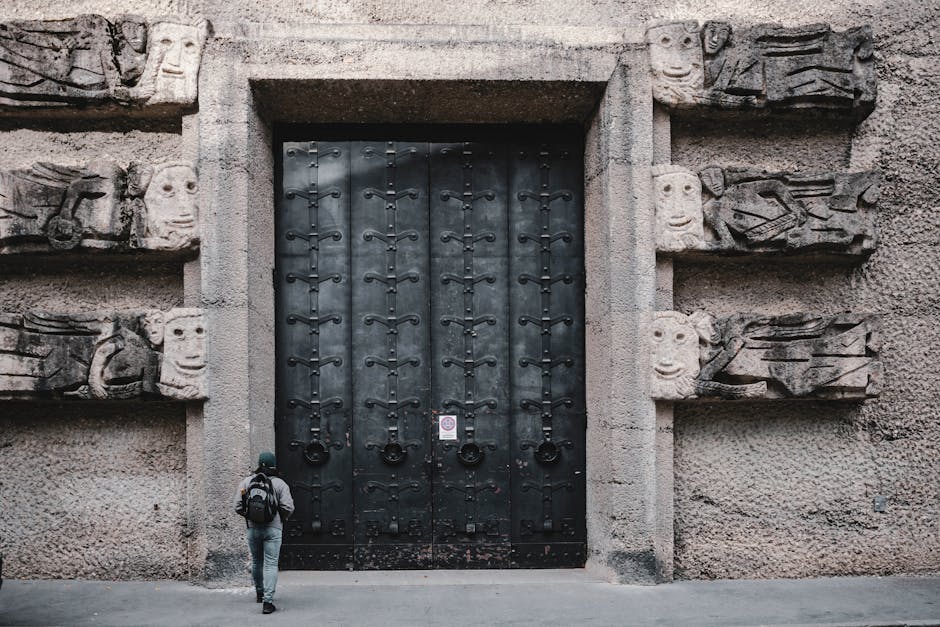
Discover the 'Rome of the North' on this self-guided walk through the Baroque squares and monumental legacy of Salzburg’s Prince-Archbishops.
 Easy
EasyGdansk, Poland
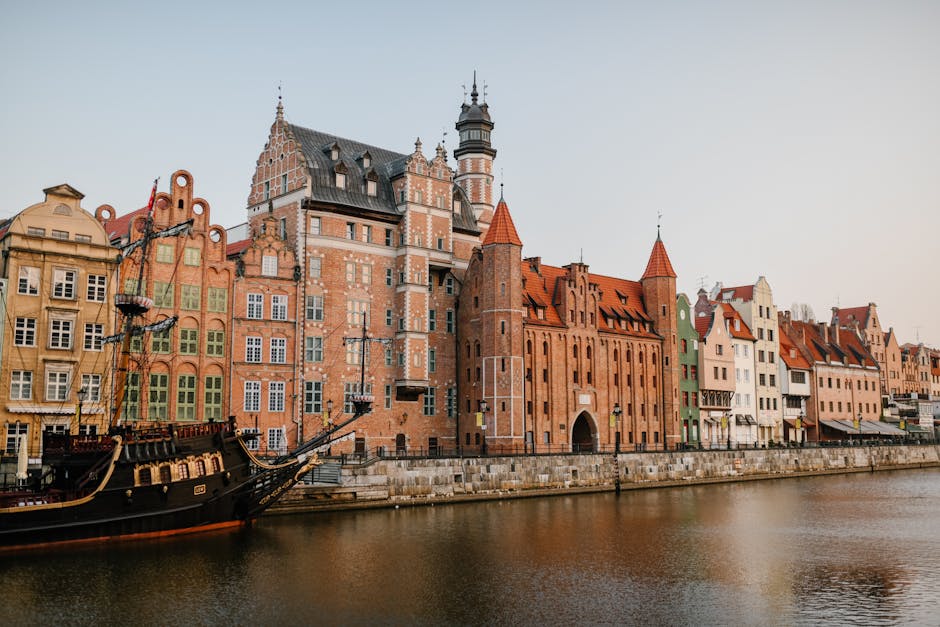
Discover the 'Baltic Gold' on this self-guided walk through Gdansk's historic mills, massive cathedrals, and the magical Mariacka Street.
 Easy
EasyNashville, United States
Explore the 'Athens of the South' on this self-guided walk through Centennial Park, featuring the world's only full-scale Parthenon replica.
 Easy
EasyNashville, United States
Explore Nashville's academic heart and Art Deco gems on this self-guided walk through historic Hillsboro Village.
 Easy
EasyNashville, United States
Explore the heart of Nashville's music industry. Discover iconic studios and the history of the legendary Nashville Sound at your own pace.
 Easy
EasyNashville, United States
Explore Nashville's oldest neighborhood! Discover Victorian architecture, Civil War history, and world-class craft beer on this self-guided walk.