Self-guided audio tour in Miami
Start Free on iPhone
Start free on iPhone to unlock this self-guided walking tour in Miami. Hear all the stories that make it amazing, walk at your own pace, and begin whenever you want.
Your Private Tour Guide
Step into the vibrant soul of Miami by exploring Historic Overtown, once known as the 'Harlem of the South.' This self-guided walking route invites you to discover a neighborhood that served as the cultural and commercial heart for Black Miamians during the era of segregation. As you wander these historic streets, you will encounter the legacy of pioneers who built a thriving community against all odds. Overtown was a mandatory stop for legendary performers like Billie Holiday, Count Basie, and Ella Fitzgerald, who would headline in Miami Beach but were forced to stay and play in Overtown's lively clubs due to Jim Crow laws. This walking route Miami highlights the architectural and social milestones of the district. You will see the home of Miami's first Black millionaire, Dana A. Dorsey, and visit the Historic Ward Rooming House, which provided a safe haven for travelers when other doors were closed. The journey culminates at the Black Archives - Historic Lyric Theater, a cornerstone of the 'Great Black Way' that remains a symbol of resilience and artistic excellence today. Whether you are a history buff or a culture seeker, this neighborhood stroll offers a profound look at a side of Miami often missed by the typical tourist path. Taking a self-guided walk here allows you to pause and reflect on the stories of civil rights leaders and entrepreneurs who shaped the city's identity. This experience is more than just a walking tour Miami; it is an immersive journey through the triumphs and challenges of a community that refused to be silenced by the construction of highways or the passage of time.
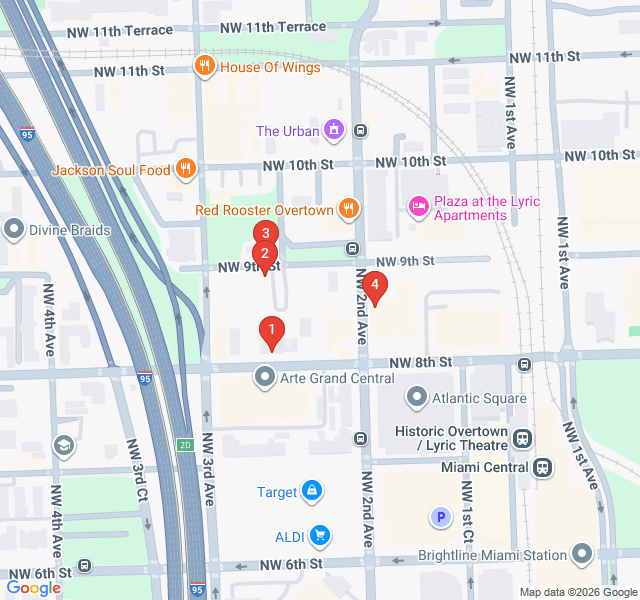
Numbers indicate the order of stops on the tour.
Begin your exploration at one of Miami's oldest and most significant spiritual landmarks. Organized in 1896, the same year Miami was incorporated, Greater Bethel AME Church has been a cornerstone of the Overtown community for over a century. The current building, completed in the 1940s, features a striking Mediterranean Revival style with Gothic influences. Beyond its architecture, this church served as a vital meeting place for civil rights organizers and community leaders during the struggle for equality. It represents the spiritual and social resilience of Overtown, standing tall as the neighborhood evolved around it. Take a moment to admire the facade and consider the generations of Miamians who have gathered here for both worship and social justice.
A short walk away stands the home of Dana Albert Dorsey, a man whose life story is the embodiment of the American Dream. Arriving in Miami with very little, Dorsey became the city's first Black millionaire through savvy real estate investments and entrepreneurship. He recognized the need for housing and services in the Black community during segregation and filled those gaps with integrity. This modest frame house, now restored, served as his residence. Dorsey was not just a businessman; he was a philanthropist who donated land for schools and parks, including the land for what would become Virginia Key Beach. His legacy is a testament to the economic independence that once defined Overtown's bustling Northwest Second Avenue.
As you continue, you will find the Historic Ward Rooming House. Built in 1925 by Shadrack Ward, this building provided essential lodging for Black travelers, celebrities, and laborers who were denied entry to Miami's white-only hotels. During the heyday of the 'Harlem of the South,' this house was a bustling hub of activity, hosting everyone from traveling preachers to jazz musicians. Today, it has been beautifully preserved and often serves as a gallery and community space. It stands as a poignant reminder of the 'Green Book' era, a time when such establishments were literal lifesavers for those navigating the segregated South. Its simple, functional architecture belies the deep warmth and hospitality it offered to thousands.
The final stop on this route is the crown jewel of Overtown: the Historic Lyric Theater. Opened in 1913 by Geder Walker, it is the oldest legitimate theater in Miami. For decades, it was the center of the 'Great Black Way,' a stretch of theaters and clubs where legends like Josephine Baker, Aretha Franklin, and B.B. King performed. While much of the surrounding district was demolished during the construction of I-95 in the 1960s, the Lyric survived and has been meticulously restored. It now houses the Black Archives, an incredible repository of African American history and culture. Look up at its marquee and imagine the nights when the air was thick with jazz and the streets were filled with people dressed in their Sunday best.
Start Free on iPhone
Explore “Harlem of the South: Historic Overtown” with your very own Private Tour Guide with Zigway. Start free on iPhone, skip the large group and the fixed routes, and hear the city come alive as you go.
Your Private Tour Guide
Don't miss the good stuff
Explore Freely
 Moderate
Miami, United States
Discover the neon-lit charm of Miami Modern architecture. A self-guided walk through the historic motels and mid-century gems of Biscayne Boulevard.
 Moderate
Miami, United States
Explore the Mediterranean Revival architecture and lush history of Coral Gables on this elegant self-guided audio walk through 'The City Beautiful.'
 Challenging
Miami, United States
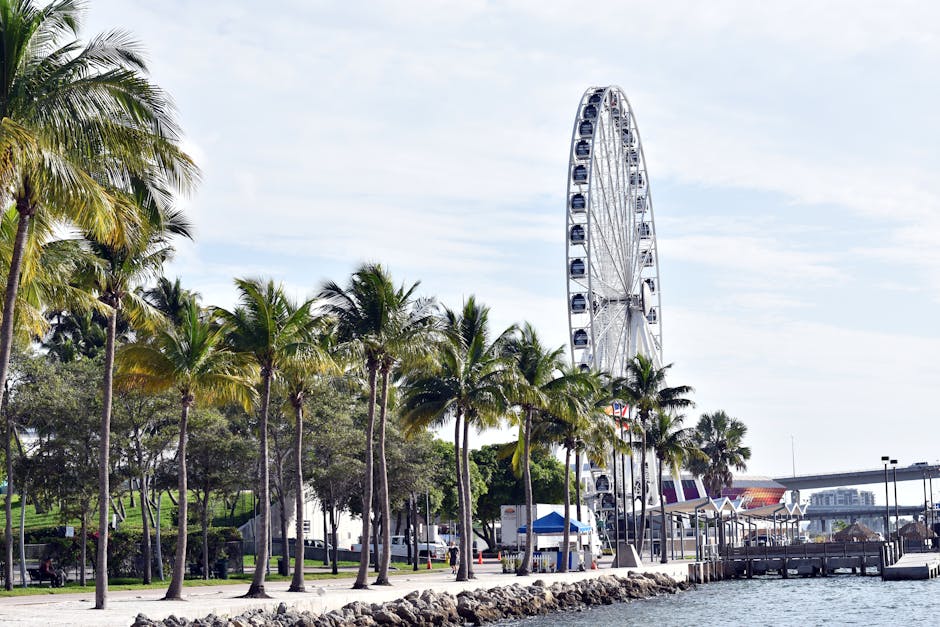
Discover pristine beaches, mangrove forests, and the historic 1825 lighthouse on this scenic self-guided coastal walk through Key Biscayne.
 Easy
EasyMiami, United States
Explore Miami’s 'Manhattan of the South' on this self-guided walk through Brickell’s glittering skyscrapers, ancient ruins, and urban parks.
 Easy
EasyKrakow, Poland
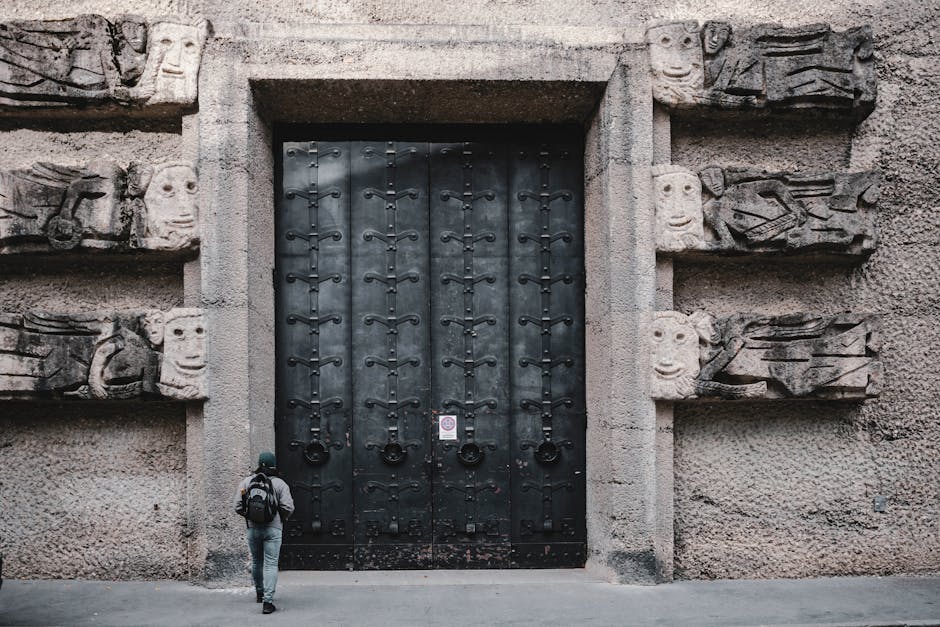
Explore the prestigious Jagiellonian University district, featuring Neo-Gothic architecture, Baroque churches, and Krakow's hidden scholarly gems.
 Easy
EasySalzburg, Austria
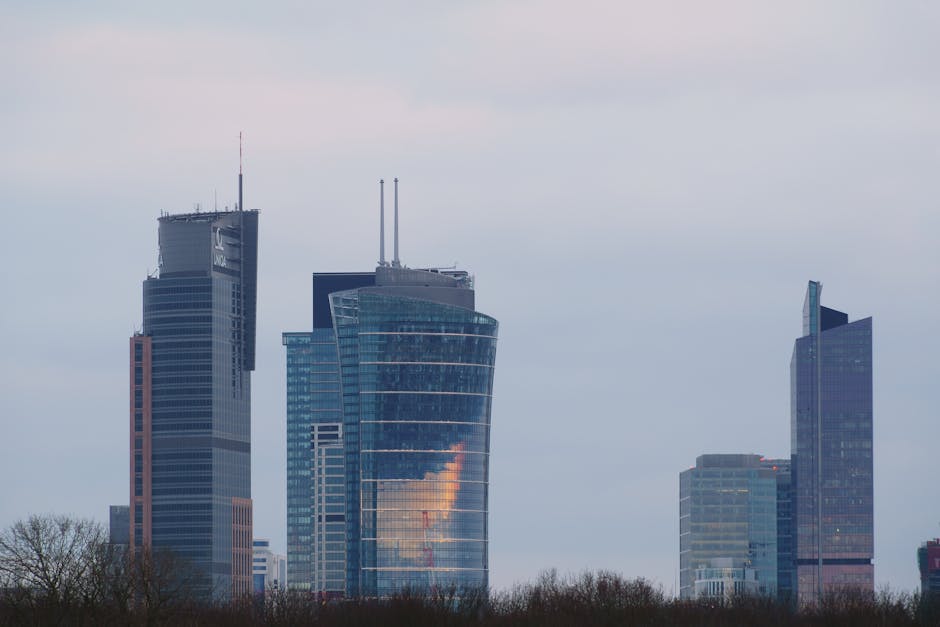
Discover the 'Rome of the North' on this self-guided walk through the Baroque squares and monumental legacy of Salzburg’s Prince-Archbishops.
 Easy
EasyWarsaw, Poland
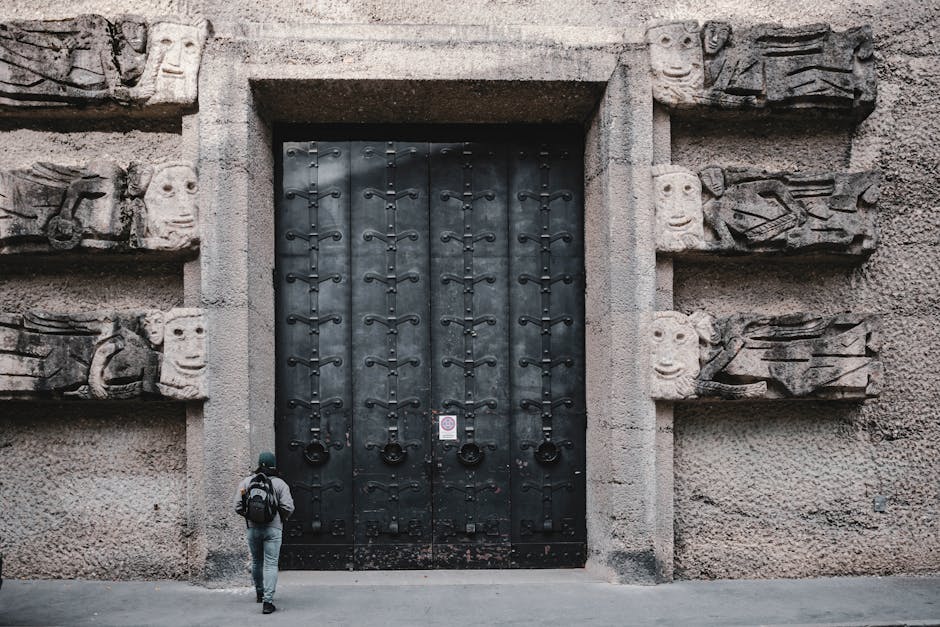
Discover the hidden courtyards and grand pre-war architecture of Warsaw's most atmospheric neighborhood on this self-guided stroll.
 Easy
EasySalzburg, Austria
Discover Salzburg's oldest medieval alley, the birthplace of the 'Silent Night' author, and breathtaking views on this quiet self-guided walk.
 Easy
EasyNashville, United States
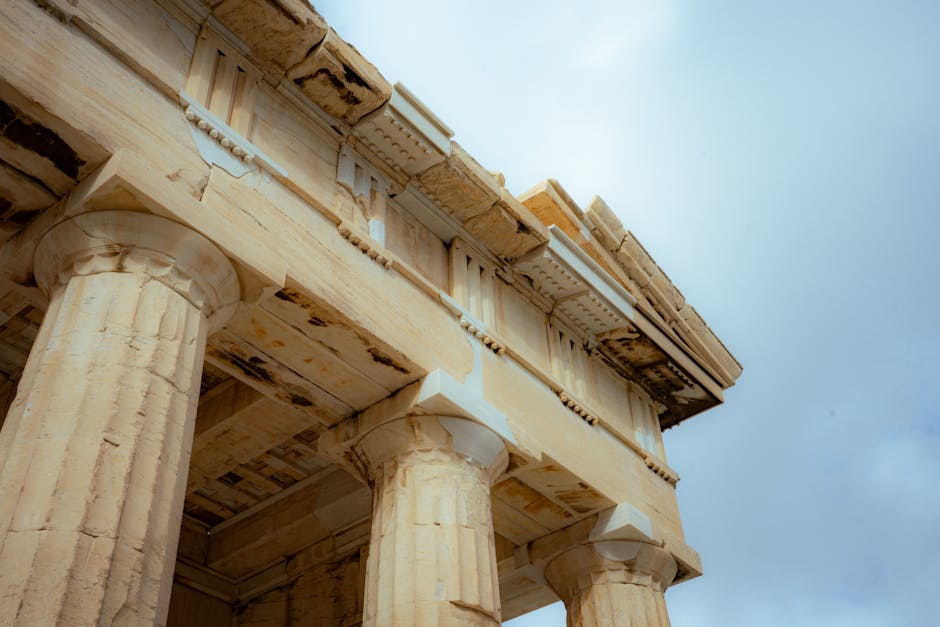
Explore the 'Athens of the South' on this self-guided walk through Centennial Park, featuring the world's only full-scale Parthenon replica.
 Easy
EasyNashville, United States
Explore Nashville's academic heart and Art Deco gems on this self-guided walk through historic Hillsboro Village.
 Easy
EasyNashville, United States
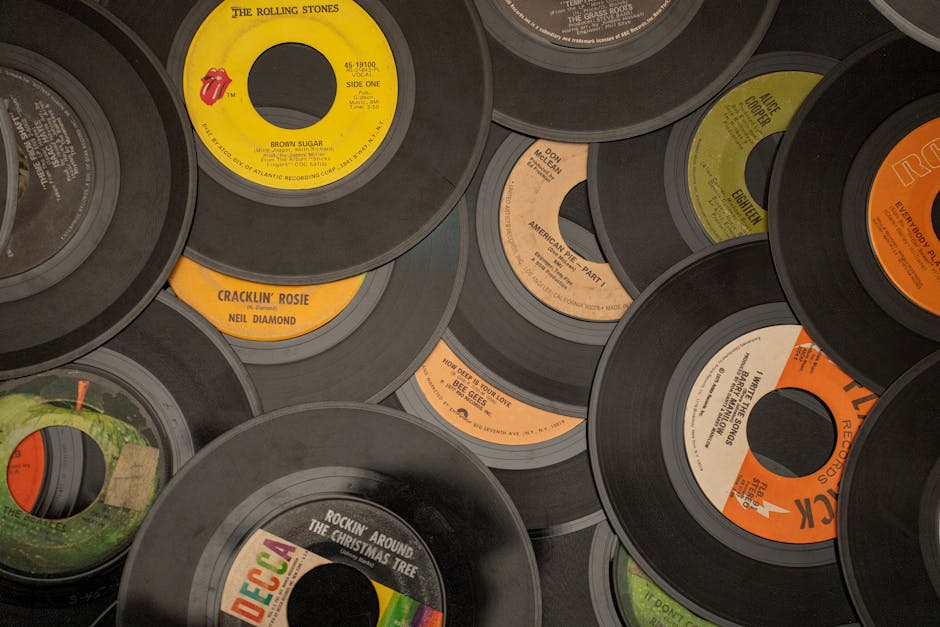
Explore the heart of Nashville's music industry. Discover iconic studios and the history of the legendary Nashville Sound at your own pace.
 Easy
EasyNashville, United States
Explore Nashville's oldest neighborhood! Discover Victorian architecture, Civil War history, and world-class craft beer on this self-guided walk.