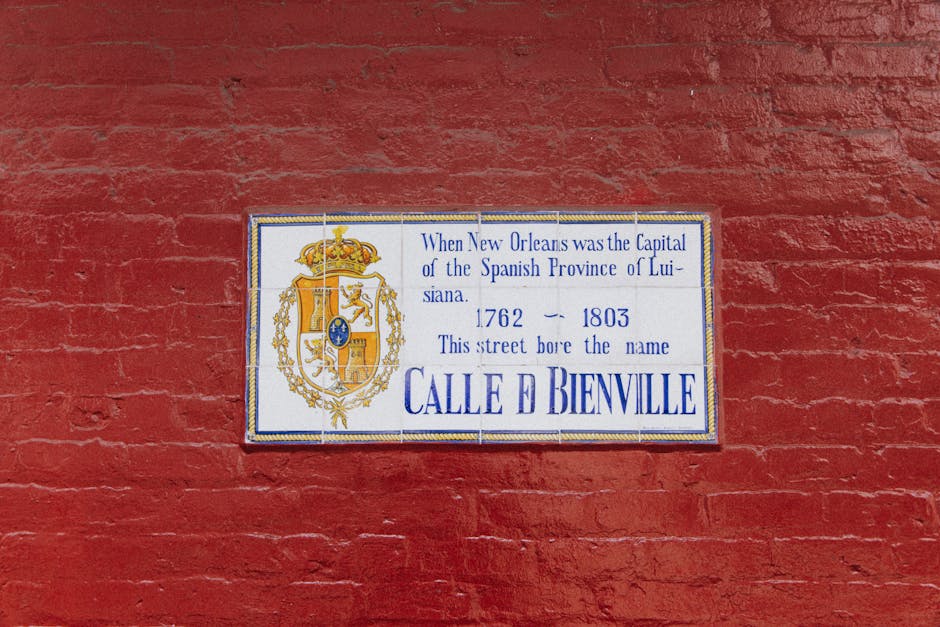
Self-guided audio tour in New Orleans
Now a Guided Walk in the Zigway app
Two fires, Spanish rules, French hands: read the French Quarter's walls, and what hid behind its doors.
1.9 km · 27 min walking · 30 min of stories
The introduction and the first minute at the first stop.
Madame John's Legacy
After all that brick and stucco, it should look odd. This is a French colonial raised cottage.
Napoleon House
No front garden, no gap between house and street. Hold on to that detail; it's a clue.
Old Ursuline Convent and BK Historic House
Across the street is the Beauregard-Keyes House. Start with the convent: plain brick, covered in white stucco.
The Historic New Orleans Collection
Remember those walls built right to the pavement? Townhouses like this had no grand front door.
The LaBranche House on Royal Street
The building on your left, running from the alley to that corner, is the LaBranche House.
Guided Walk · in the Zigway app
Buy it once in the app and walk it whenever you're in New Orleans. GPS plays each story as you arrive, it works offline, and the introduction and first stop are free to try.
Start Free on iPhone
Hear the stories behind the streets and sights around you as you walk New Orleans. Try it free on iPhone.
Your Private Tour Guide
Step away from the neon lights of Bourbon Street and discover the soul of the Crescent City through its private spaces and historic facades. New Orleans is a city where the architecture tells a story of survival, fire, and a blend of cultures that exists nowhere else in North America. On this self-guided walk, you will explore the intricate layers of the French Quarter, focusing on the Creole influence that defines its physical character. This neighborhood stroll isn't just about the grand monuments; it's about the quiet alleyways and the glimpses of lush, tropical courtyards hidden behind heavy wooden doors. Starting at the site of the former Spanish seat of government, the route leads you through the heart of the original colonial city. You will see the transition from Spanish colonial administration buildings to the refined townhouses of Royal Street, famous for their ornate ironwork balconies. The journey highlights the unique 'raised cottage' style at Madame John’s Legacy and the literary atmosphere of Pirates Alley, where the ghosts of writers and rebels seem to linger. As you move toward the Mississippi River, the walk explores the symmetrical beauty of Jackson Square and the austere, neoclassical elegance of the Old Ursuline Convent, the oldest building in the Mississippi Valley. This walking route New Orleans provides is designed for those who want to understand the 'why' behind the city's unique look—from the fire-resistant brick structures built after the Great Fires of the 18th century to the way Caribbean trade influenced local building materials. Whether you are a first-time visitor or a frequent traveler to the city, this self-guided adventure offers a deeper appreciation for the architectural heritage and the hidden gems that many tourists simply walk past. Enjoy the freedom to linger in a quiet alley or stop for a coffee while uncovering the secrets of Creole design at your own pace.
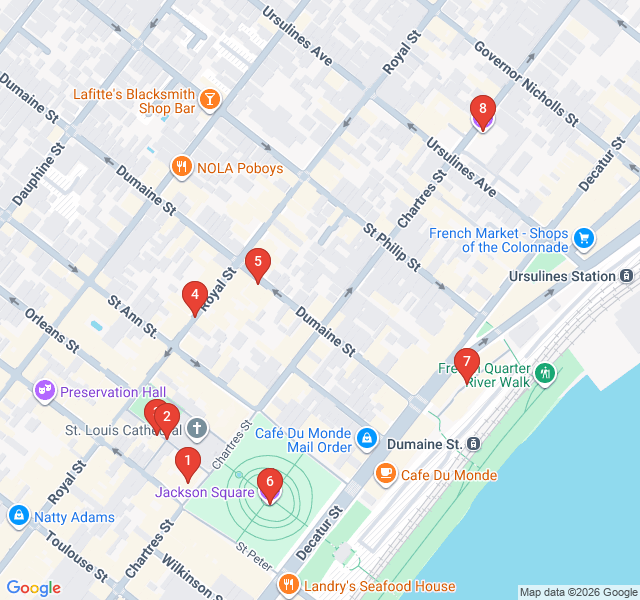
Numbers indicate the order of stops on the tour.
Start your self-guided walk at the Cabildo, the site of the former Spanish colonial city hall. Completed in 1799, this building replaced an earlier structure destroyed in the Great New Orleans Fire of 1794. Notice the heavy arches on the ground floor and the distinctive mansard roof, which was actually added later in the 1840s. It was inside these walls that the Louisiana Purchase was signed in 1803, doubling the size of the United States. The architecture reflects the Spanish desire for fireproof masonry after the city had been nearly leveled twice by flames. Today, it serves as a museum, preserving the artifacts of the state's complex colonial history.
Tucked between the St. Louis Cathedral and the Cabildo, Pirates Alley is one of the most photographed spots in the city. Despite its name and the local legends of pirates like Jean Lafitte meeting here, the alley was likely named for its proximity to the church and the city jail. The flagstone paving and narrow dimensions evoke the feel of an old European city. As you walk through, you'll feel a significant drop in temperature compared to the open square, a testament to how the narrow streets of the French Quarter were designed to provide shade and channel breezes from the river.
Located halfway down Pirates Alley, this charming building was once the residence of Nobel Prize winner William Faulkner. In 1925, Faulkner lived here while writing his first novel, 'Soldiers' Pay.' Today, it houses one of the most beautiful independent bookstores in America. Look up at the building's facade; it is a classic example of a French Quarter townhouse with its narrow footprint and tall windows designed for ventilation. The interior still maintains the intimate, residential feel of a 19th-century home, offering a quiet sanctuary from the bustling streets just a few steps away.
Turn onto Royal Street, the French Quarter's premier residential and commercial thoroughfare. While Bourbon Street is for partying, Royal Street is for admiring architecture. This area is famous for its 'iron lace'—the intricate wrought and cast-iron balconies that hang over the sidewalks. These balconies weren't just for decoration; they served as outdoor living rooms, allowing residents to catch the air while staying out of the sun. Note the difference between the early wrought iron, which is thinner and more geometric, and the later Victorian cast iron, which features lush floral and grape-leaf patterns.
This building at 632 Dumaine Street is one of the few surviving examples of French colonial architecture in the city. Unlike the brick townhouses you’ve seen, this is a 'raised cottage,' built with a ground floor of brick and a wooden upper floor. It survived the Great Fire of 1794 because it was situated just far enough away from the wind's path. The name comes from a fictional character in a George Washington Cable story, but the real history is in its construction: the high foundation protected the living quarters from the frequent flooding of the Mississippi River.
Return toward the river to Jackson Square, originally known as the Place d'Armes. This was the center of colonial life, where the military paraded and public executions took place. The square is a masterpiece of urban design, flanked by the symmetrical Pontalba Buildings—the oldest continuously rented apartment buildings in the U.S. In the center stands the statue of Andrew Jackson, hero of the Battle of New Orleans. The square offers the best view of the St. Louis Cathedral, the oldest continuously active cathedral in the United States, with its three distinctive spires.
Located within the French Market complex, Dutch Alley is a pedestrian walkway that showcases the city’s connection to the river and trade. While much of the French Market has been modernized, this alleyway retains an industrial, communal feel. It was named for Mayor Ernest 'Dutch' Morial and features local art and performance spaces. Look for the 'New Orleans Jazz National Historical Park' visitor center here. This area represents the 'back' of the French Quarter, where the formal architecture of the townhouses gives way to the functional structures used for commerce and the busy port.
Concluding our self-guided adventure is the Old Ursuline Convent. Completed in 1752, it is the oldest building in the Mississippi Valley and the only intact survival of the French colonial period in New Orleans. Its architecture is remarkably different from the rest of the Quarter—it is a formal, austere French Neoclassical design that looks like it belongs in the French countryside. The convent served as a school, an orphanage, and a hospital. The thick walls and small windows were designed to keep the interior cool and protected, standing as a silent witness to the city's transformation over nearly three centuries.
Start Free on iPhone
Open Zigway as you walk and your private tour guide tells the stories behind what you pass.
Your Private Tour Guide
Don't miss the good stuff
Explore Freely
 Easy
New Orleans, United States
Explore the legendary restaurants and historic flavors of the New Orleans French Quarter on this delicious self-guided audio walk.
 Moderate
New Orleans, United States
Discover vibrant murals, iconic folk art, and industrial charm on this self-guided walking route through New Orleans' artistic Bywater district.
 Easy
New Orleans, United States
Discover the soul of New Orleans on this self-guided walk through the iconic jazz clubs and vibrant art markets of Frenchmen Street.
 Easy
New Orleans, United States
Explore the eerie history and supernatural legends of the French Quarter on this independent audio walk through New Orleans' most haunted corners.
 Easy
Krakow, Poland
Explore the prestigious Jagiellonian University district, featuring Neo-Gothic architecture, Baroque churches, and Krakow's hidden scholarly gems.
 Easy
Nairobi, Kenya
Explore Nairobi's architectural evolution from colonial-era landmarks to iconic Brutalist skyscrapers on this historic self-guided walking route.
 Easy
Nairobi, Kenya
Discover Nairobi's iconic skyline on this self-guided architecture walk through the CBD’s most famous modernist and Brutalist landmarks.
 Easy
Salzburg, Austria
Discover the 'Rome of the North' on this self-guided walk through the Baroque squares and monumental legacy of Salzburg’s Prince-Archbishops.
 Easy
Nashville, United States
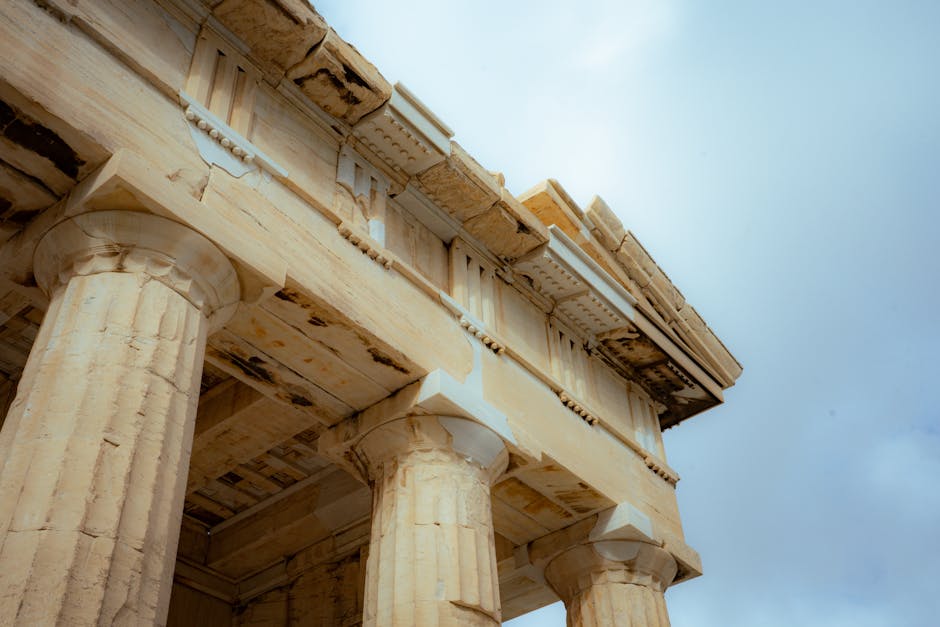
Explore the 'Athens of the South' on this self-guided walk through Centennial Park, featuring the world's only full-scale Parthenon replica.
 Easy
Nashville, United States
Explore Nashville's academic heart and Art Deco gems on this self-guided walk through historic Hillsboro Village.
 Easy
Nashville, United States
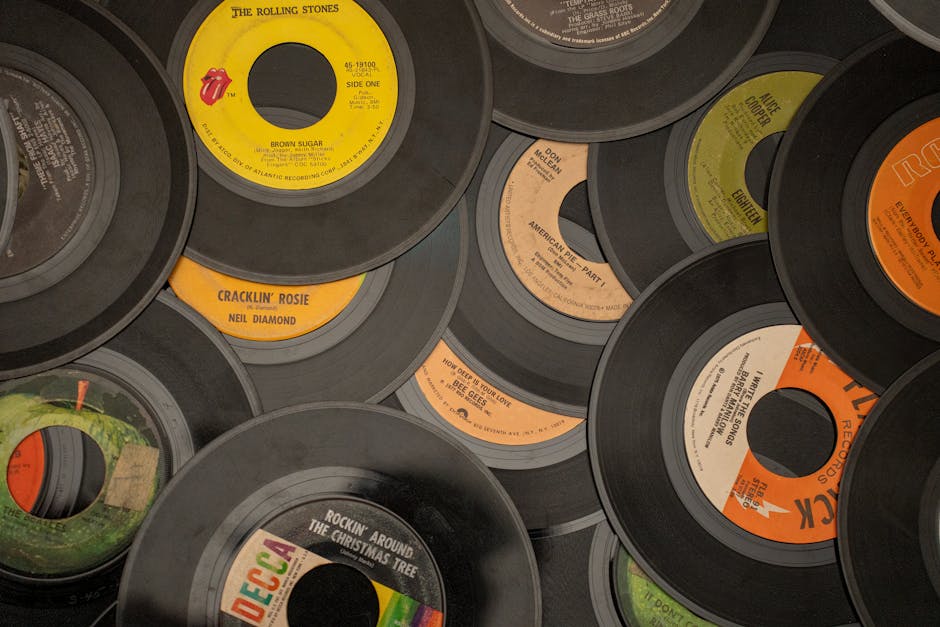
Explore the heart of Nashville's music industry. Discover iconic studios and the history of the legendary Nashville Sound at your own pace.
 Easy
Nashville, United States
Explore Nashville's oldest neighborhood! Discover Victorian architecture, Civil War history, and world-class craft beer on this self-guided walk.