Self-guided audio tour in Savannah
Start Free on iPhone
Start free on iPhone to unlock this self-guided walking tour in Savannah. Hear all the stories that make it amazing, walk at your own pace, and begin whenever you want.
Your Private Tour Guide
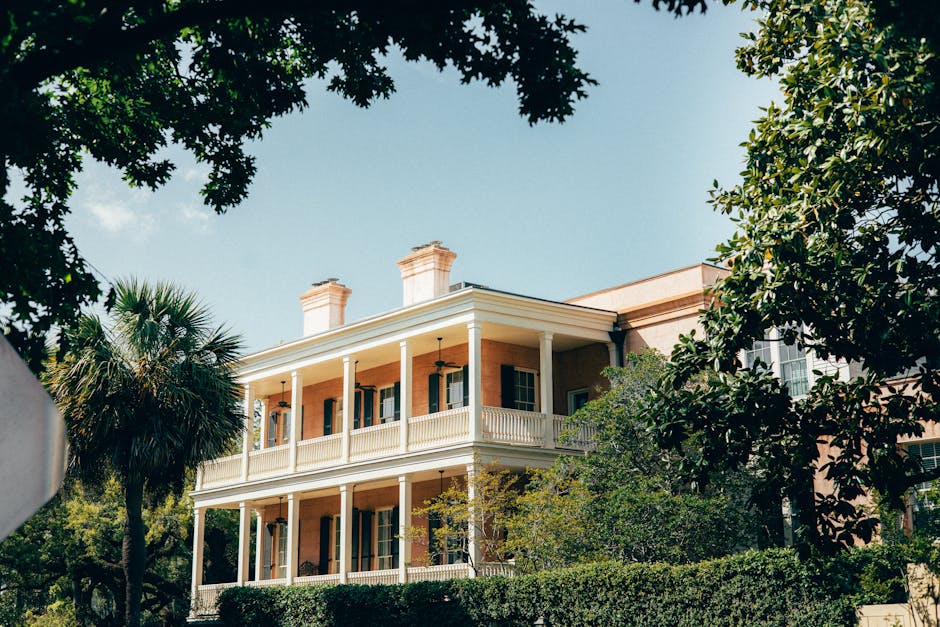
Step away from the well-trodden squares of the historic center and discover the grand residential expansion of the late 19th century. This self-guided walk through Savannah's Victorian District offers an intimate look at the city's Gilded Age wealth and architectural experimentation. As you move south from the iconic Forsyth Park, the rigid colonial grid gives way to a more eclectic landscape where Italianate, Second Empire, and Queen Anne styles flourish side-by-side. This neighborhood stroll captures the transition of Savannah from a 19th-century shipping hub to a sophisticated Southern capital of style. Your independent journey begins at the northern edge of the Victorian District, where massive mansions like the Armstrong Kessler Mansion demonstrate the sheer scale of early 20th-century ambition. You will explore the lush pathways of Forsyth Park, home to the city's most photographed landmark, before diving deeper into the residential streets where local life unfolds today. Along this walking route, you will encounter the preservation efforts of the Savannah College of Art and Design, which has meticulously restored gems like Magnolia Hall, ensuring the neighborhood's intricate woodwork and wrought iron remain for future generations to admire. The highlight for many on this route is the famous Gingerbread House, a masterpiece of Steamboat Gothic architecture that looks as though it were plucked from a fairy tale. Beyond the major landmarks, this self-guided adventure allows you to appreciate the subtle details: the 'Savannah Gray' bricks, the wrap-around porches designed for humid afternoons, and the ancient live oaks draped in Spanish moss that line the boulevards. This walking tour Savannah enthusiasts often recommend provides a quieter, more authentic perspective on the city's history. Whether you are a photography lover seeking the perfect shot of the Forsyth Fountain or a history buff interested in the post-Civil War reconstruction of the South, this neighborhood stroll provides the context and beauty necessary to truly understand the Hostess City of the South. Explore at your own pace and witness the architectural evolution of one of America's most beautiful urban landscapes.
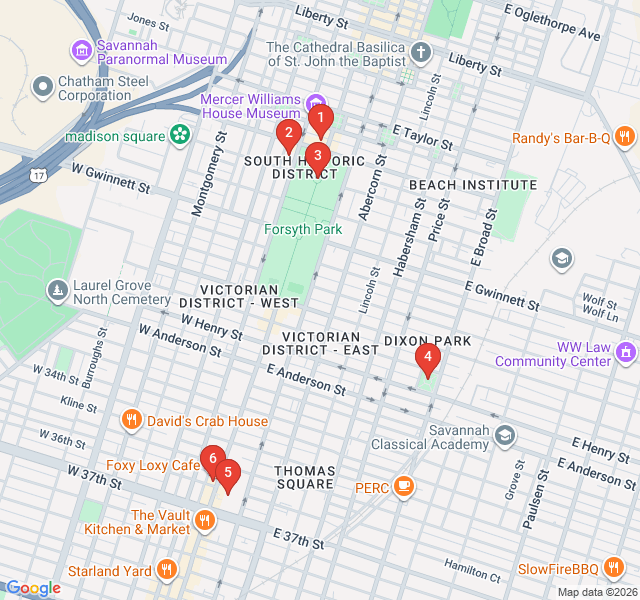
Numbers indicate the order of stops on the tour.
Welcome to the northern gateway of the Victorian District. This Italian Renaissance Revival masterpiece was completed in 1917 for shipping tycoon George Armstrong. It stands as a testament to the immense wealth flowing through Savannah's ports at the turn of the century. Notice the intricate stone carving and the massive bronze doors. For decades, it served as the original home of Armstrong Junior College before being meticulously restored as a private residence. It represents a shift in Savannah’s elite moving south of the original squares to build grander, more modern estates that broke away from the traditional townhouse style found in the historic core.
Standing prominently on the edge of Forsyth Park, Magnolia Hall is a stunning example of the Second Empire style, easily identified by its distinctive mansard roof. Built in 1878 for cotton merchant George Walter, the house showcases the 'Savannah Gray' brickwork that is so iconic to the region. Today, the building is owned by the Savannah College of Art and Design (SCAD) and serves as a guest house. The restoration work here is world-class, preserving the ornate plasterwork and heart-pine floors that characterize the era's interior luxury. It serves as a bridge between the old city's formality and the Victorian District's experimental flair.
This is perhaps the most iconic image of Savannah. Installed in 1858, this cast-iron fountain was actually ordered from a catalog of the Janes, Beebe & Co. firm in New York. Interestingly, it is not a unique piece; similar fountains can be found in Cusco, Peru, and Madison, Indiana. The design was inspired by the fountains at the Place de la Concorde in Paris. As you walk around it, notice the intricate figures and the way the Spanish moss-draped oaks frame the view. It was intended to be a grand focal point for the city’s southward expansion, signaling Savannah’s arrival as a sophisticated, modern city of the 19th century.
Moving further south, we enter the heart of the Victorian District at Dixon Park. This area was developed primarily between 1870 and 1900. Unlike the formal squares of the northern historic district, Dixon Park feels more like a community green space. The homes surrounding the park showcase a variety of Victorian styles, from Queen Anne with its asymmetrical shapes and wrap-around porches to simpler folk Victorian cottages. This area was once the site of a sprawling nursery, which explains the lush, botanical feel of the neighborhood. It is a perfect spot to observe how Savannah's urban planning evolved to include more open, recreational breathing room for its residents.
This neoclassical building, completed in 1916, offers a sharp contrast to the wooden gingerbread trim found elsewhere on this route. Funded in part by a grant from Andrew Carnegie, the library's design features massive columns and a symmetrical facade that exudes stability and civic pride. It was built during a time when the Victorian District was the most prestigious residential area in the city. The library has served as a cultural anchor for over a century, surviving several renovations while maintaining its historic character. It stands as a reminder that the Victorian District was not just a collection of homes, but a fully realized community with its own public institutions.
Our walk concludes at one of the most famous homes in the South. Built in 1899 by Asbury Hull Leonard, this house is a premier example of Steamboat Gothic architecture. The name comes from the incredibly intricate wood carvings, known as 'gingerbread' trim, which resemble the decorative elements found on 19th-century riverboats. Notice the spindle work on the porches and the delicate arches. It is one of the most photographed private residences in the United States. This house represents the pinnacle of Victorian decorative excess, where the goal was to showcase craftsmanship and individuality through every square inch of the exterior woodwork.
Start Free on iPhone
Explore “Victorian Splendor: Mansions of the South Side” with your very own Private Tour Guide with Zigway. Start free on iPhone, skip the large group and the fixed routes, and hear the city come alive as you go.
Your Private Tour Guide
Don't miss the good stuff
Explore Freely
 Moderate
Savannah, United States
Explore the historic heart of Savannah on this self-guided walk through iconic squares and lush parks.
 Easy
EasySavannah, United States
Explore the life of Juliette Gordon Low and the founding of the Girl Scouts on this independent walking route through Savannah’s Historic District.
 Easy
EasySavannah, United States
Discover Savannah’s culinary soul on this self-guided walking route through historic squares and legendary Lowcountry eateries.
 Easy
EasySavannah, United States
Explore Savannah's creative soul on this self-guided walk through the Starland District’s best murals, maker spaces, and local hangouts.
 Moderate
Gothenburg, Sweden
Discover Gothenburg’s maritime soul on this self-guided walk from the historic Central Station to the scenic riverfront at Stenpiren.
 Moderate
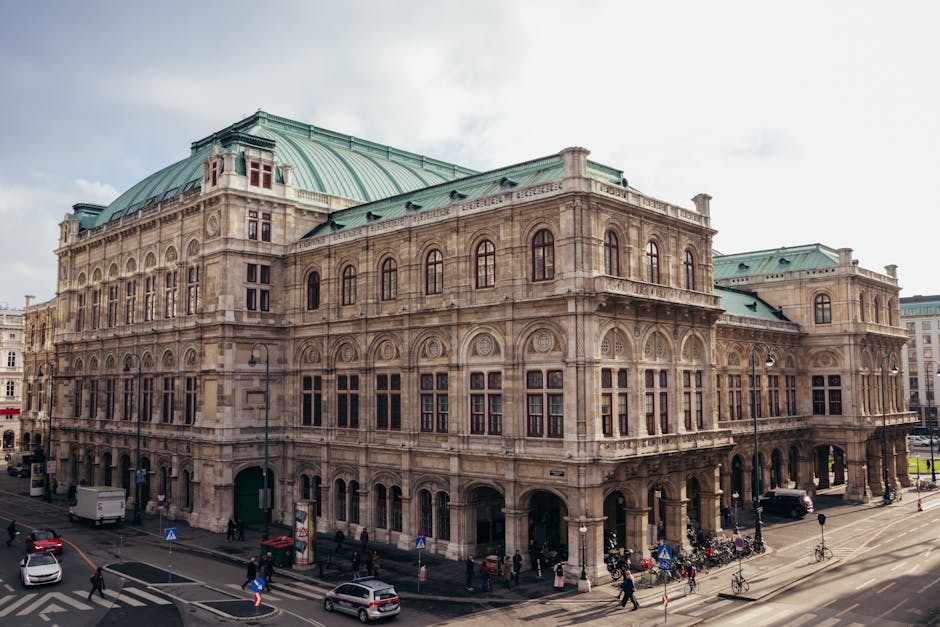
Vienna, Austria
Follow the footsteps of Mozart and Strauss through Vienna’s historic center on this self-guided walk through the city's rich musical history.
 Easy
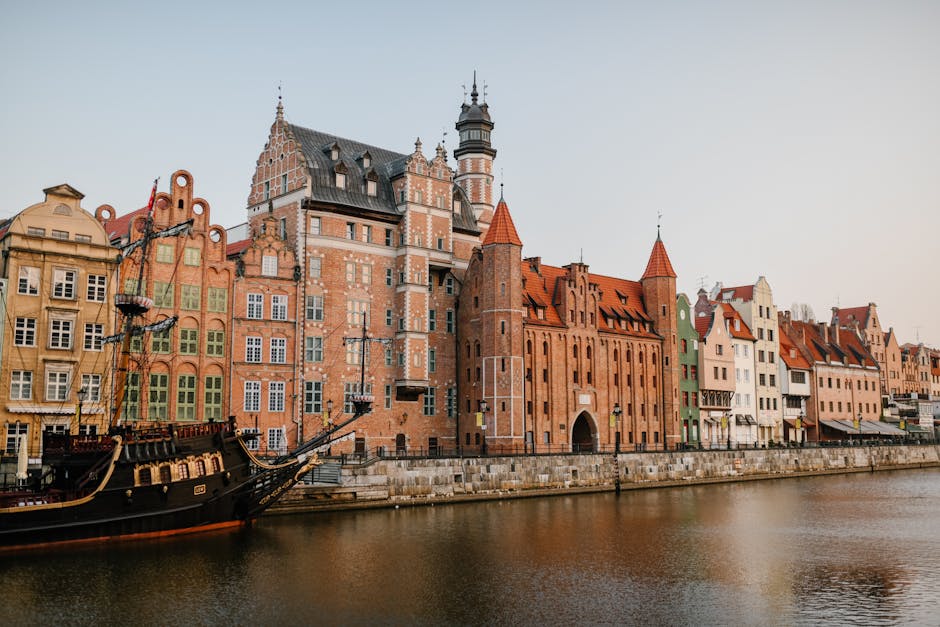
EasyGdansk, Poland
Discover the 'Baltic Gold' on this self-guided walk through Gdansk's historic mills, massive cathedrals, and the magical Mariacka Street.
 Moderate
Gdansk, Poland
Discover Zaspa, a massive open-air gallery where grey housing blocks are transformed by over 60 monumental murals. Explore at your own pace.
 Easy
EasyNashville, United States
Explore the 'Athens of the South' on this self-guided walk through Centennial Park, featuring the world's only full-scale Parthenon replica.
 Easy
EasyNashville, United States
Explore Nashville's academic heart and Art Deco gems on this self-guided walk through historic Hillsboro Village.
 Easy
EasyNashville, United States
Explore the heart of Nashville's music industry. Discover iconic studios and the history of the legendary Nashville Sound at your own pace.
 Easy
EasyNashville, United States
Explore Nashville's oldest neighborhood! Discover Victorian architecture, Civil War history, and world-class craft beer on this self-guided walk.