Self-guided audio tour in Chicago
Start Free on iPhone
Start free on iPhone to unlock this self-guided walking tour in Chicago. Hear all the stories that make it amazing, walk at your own pace, and begin whenever you want.
Your Private Tour Guide
Step back in time to 1893, when Chicago transformed a swampy marshland into a gleaming neoclassical dreamscape known as the 'White City.' This self-guided walk through Jackson Park explores the enduring legacy of the World's Columbian Exposition, an event that redefined American architecture and urban planning. As you navigate these historic grounds, you will trace the footsteps of visionaries like Daniel Burnham and Frederick Law Olmsted, while uncovering the haunting history popularized by the book 'The Devil in the White City.' This neighborhood stroll offers a unique look at how the fair’s grandeur still shapes the Hyde Park lakefront today. Your walking route begins at the majestic Griffin Museum of Science and Industry, the only major structure from the fair built to last. From there, you will venture into the tranquil Wooded Island, a sanctuary designed to offer fairgoers a respite from the overwhelming 'City of Palaces.' Discover the hidden Garden of the Phoenix, a symbol of international friendship that survived the fair's eventual decline. As you explore independently, you will encounter the 'Golden Lady'—the Statue of the Republic—which stands as a scaled reminder of the fair's immense scale. The route then leads you toward the shores of Lake Michigan at 63rd Street Beach, where the fair’s innovative moving sidewalk once greeted visitors arriving by boat. Finally, the path takes you to the Midway Plaisance, the site of the world’s first Ferris Wheel and the birthplace of the modern midway. This walking tour Chicago experience is more than just a history lesson; it is a deep dive into a pivotal moment in American culture. Whether you are a fan of architecture, a history buff, or a reader of Erik Larson’s true-crime thriller, this self-guided adventure allows you to uncover the triumphs and shadows of 1893 at your own pace. Start exploring with Zigway and see the remnants of the White City that still haunt and inspire the Windy City.
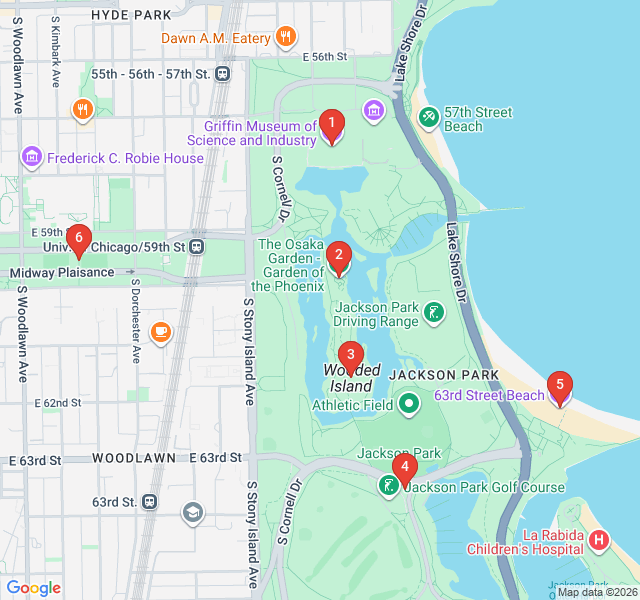
Numbers indicate the order of stops on the tour.
Begin your self-guided adventure at the Griffin Museum of Science and Industry. During the 1893 World’s Columbian Exposition, this structure served as the Palace of Fine Arts. While most of the 'White City' was constructed from 'staff'—a temporary mixture of plaster of Paris and hemp fiber—this building was built with a brick substructure to protect the priceless global artworks housed inside from fire. Its neoclassical design, featuring ionic columns and caryatids, is a prime example of the Beaux-Arts style that Daniel Burnham championed. After the fair, it housed the Field Museum before becoming the MSI in 1933. Stand back to admire the scale; it serves as a hauntingly beautiful reminder of the architectural ambition that once covered this entire park.
Follow the path south to the Garden of the Phoenix, also known as the Osaka Garden. This site was the location of the Ho-o-den (Phoenix Pavilion) during the 1893 Fair, a gift from the Japanese government. While the original wooden structures were lost to arson in the 1940s, the garden remains a peaceful retreat. In 1981, the garden was revitalized, featuring traditional Japanese landscaping, stone lanterns, and a moon bridge. It represents a rare moment of cultural exchange from the fair that has survived into the modern era. Look for 'Sky Landing,' a series of steel lotus petals created by Yoko Ono, which stands as a symbolic gesture of peace and a bridge between the past and the future.
You are now on Wooded Island, the naturalistic heart of Frederick Law Olmsted’s design for Jackson Park. Olmsted, the father of American landscape architecture, fought to keep this island free of grand buildings to provide a 'refreshing' contrast to the fair’s paved plazas. During the fair, this was a place for quiet reflection, though it did host the Japanese pavilion you just visited. Today, it is a premier bird-watching spot and a designated lagoonside sanctuary. As you wander the winding paths, imagine the contrast between this lush greenery and the gleaming white palaces that once stood just across the water. It remains one of the most successful examples of Olmsted’s 'emerald necklace' philosophy in Chicago.
As you head toward the southern end of the lagoons, you will see the 'Golden Lady.' This 24-foot-tall gilded bronze statue is a smaller replica of the original 65-foot-tall Statue of the Republic that stood in the fair’s Court of Honor. Sculpted by Daniel Chester French—who later created the seated Lincoln for the Lincoln Memorial—the original was a symbol of American unity following the Civil War. The current statue was commissioned in 1918 to commemorate the 25th anniversary of the fair and the centennial of Illinois statehood. She holds a globe and a staff topped with a liberty cap, facing west to look over the grounds where the White City once stood in all its temporary glory.
Walk toward the lakefront to reach the 63rd Street Beach. The historic beach house you see here was completed in 1919, replacing a smaller structure from the fair era. During the 1893 Exposition, this area was a bustling hub of activity where visitors would arrive by steamship from downtown Chicago. Near here stood the Great Pier, which extended 2,500 feet into Lake Michigan and featured a revolutionary 'moving sidewalk' that transported weary fairgoers. While the grand casinos and music halls of the fair are gone, the beach remains a vital public space, offering sweeping views of the lake that once reflected the brilliant electric lights of the White City at night.
Your final stop is the Midway Plaisance, a mile-long parkway connecting Jackson Park to Washington Park. During the 1893 Fair, this was the 'entertainment' district, a stark contrast to the formal dignity of the White City. This is where the world’s first Ferris Wheel, designed by George Washington Gale Ferris Jr., towered over the city at 264 feet. The Midway was a sensory overload of international villages, street performers, and the famous 'Little Egypt' dancers. Today, it is a sunken park bordered by the University of Chicago. Look for the 'Fountain of Time' sculpture at the west end, which serves as a monumental tribute to the passage of time and the fleeting nature of the fair.
Start Free on iPhone
Explore “The Devil in the White City: 1893 World’s Fair Grounds” with your very own Private Tour Guide with Zigway. Start free on iPhone, skip the large group and the fixed routes, and hear the city come alive as you go.
Your Private Tour Guide
Don't miss the good stuff
Explore Freely
 Moderate
Chicago, United States
Explore the dark history of Al Capone and the North Side Gang on this self-guided walk through Chicago’s most infamous Prohibition-era crime scenes.
 Moderate
Chicago, United States
Explore the vivid murals and rich Mexican heritage of Pilsen on this self-guided neighborhood stroll through Chicago's premier arts district.
 Easy
EasyChicago, United States
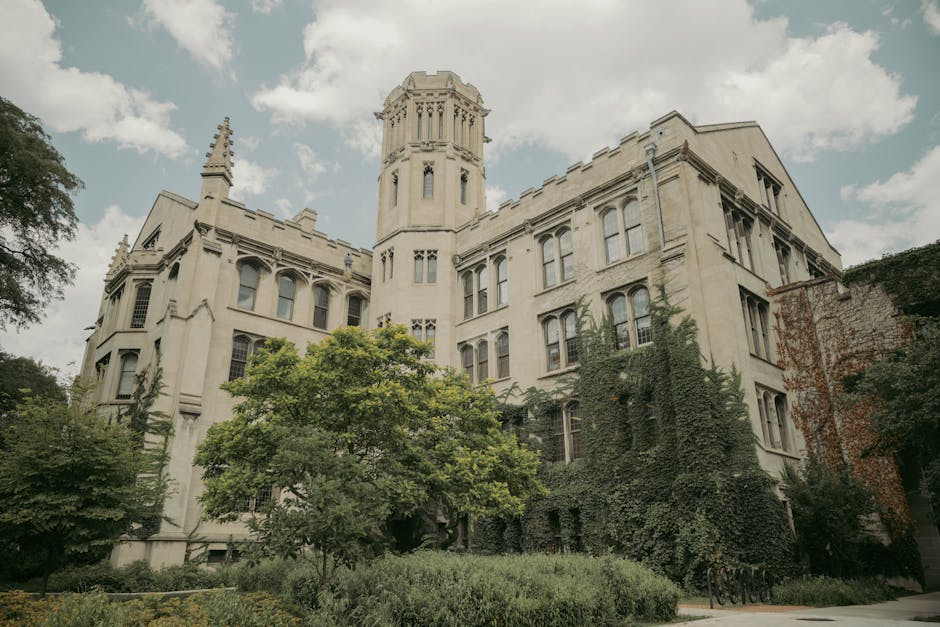
Explore the evolution of Chicago’s meatpacking district into a world-class culinary and tech hub on this independent self-guided walk.
 Easy
EasyChicago, United States
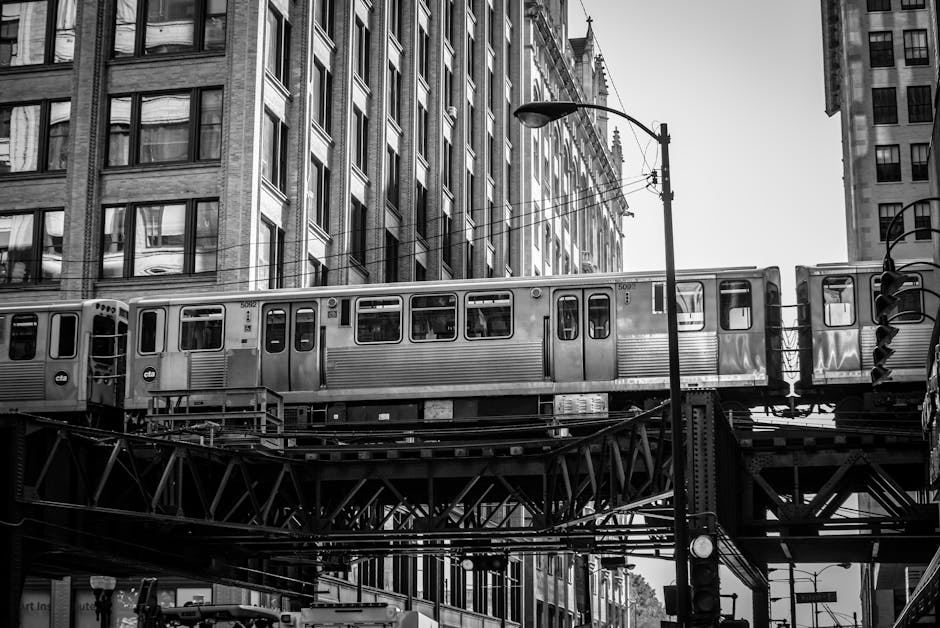
Explore the hidden tunnels of the Chicago Pedway on this self-guided walking route through the Loop’s secret architectural wonders.
 Easy
EasyWarsaw, Poland
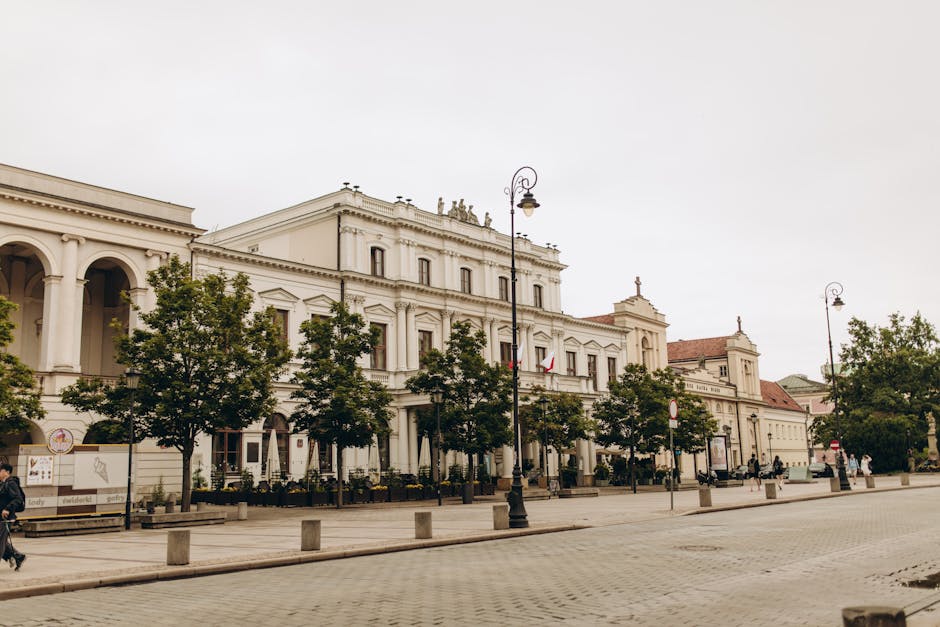
Explore the 'Polish Versailles' at your own pace. Discover Baroque architecture, royal history, and stunning gardens on this self-guided walk.
 Easy
EasyNairobi, Kenya
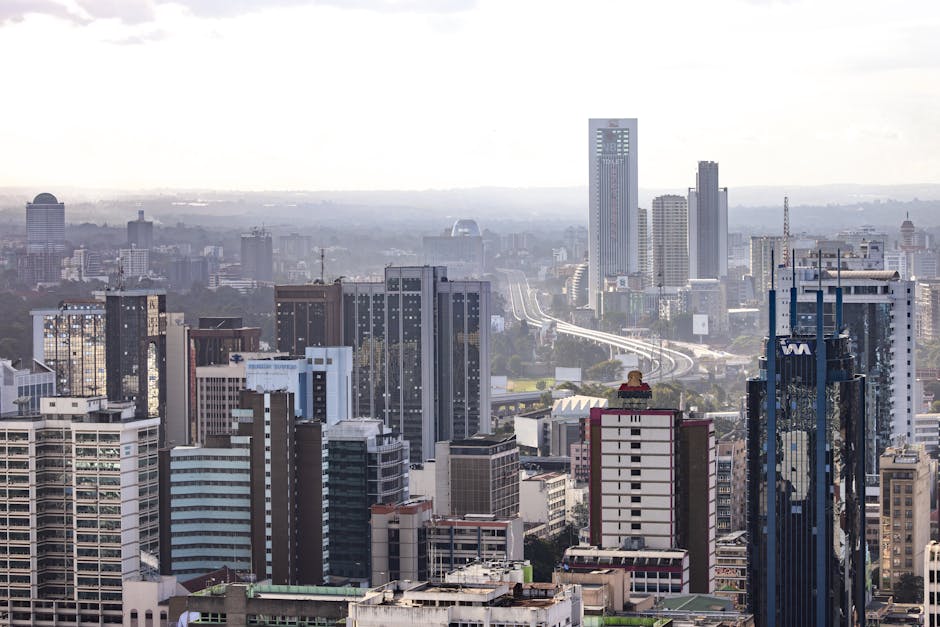
Discover Nairobi's iconic skyline on this self-guided architecture walk through the CBD’s most famous modernist and Brutalist landmarks.
 Easy
EasyWarsaw, Poland
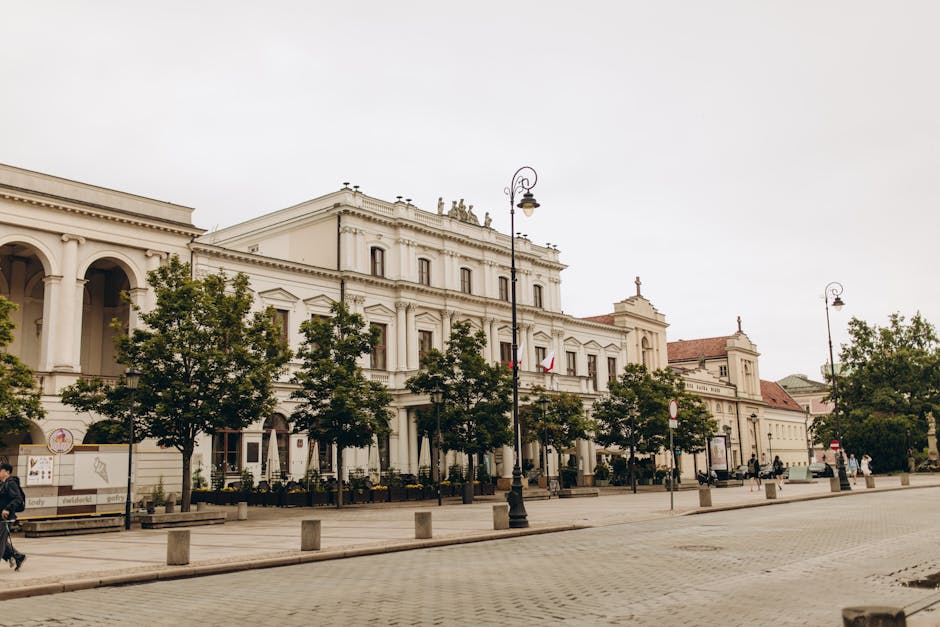
Discover Warsaw's intellectual heart through historic campuses, peaceful parks, and the stunning rooftop gardens of the University Library.
 Easy
EasyGothenburg, Sweden
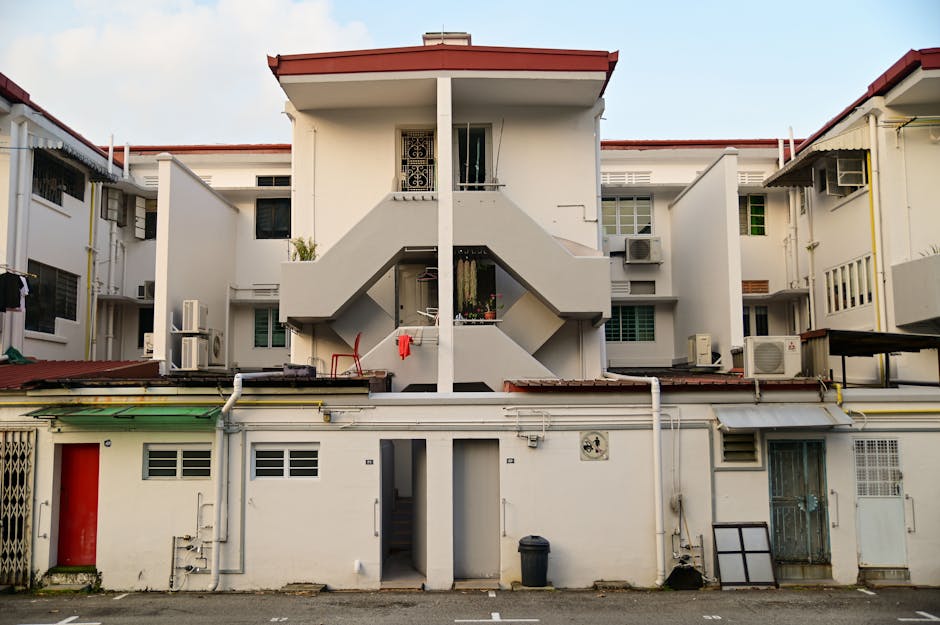
Explore Gothenburg’s historic wooden houses, legendary giant cinnamon buns, and panoramic fortress views on this self-guided neighborhood stroll.
 Easy
EasyNashville, United States
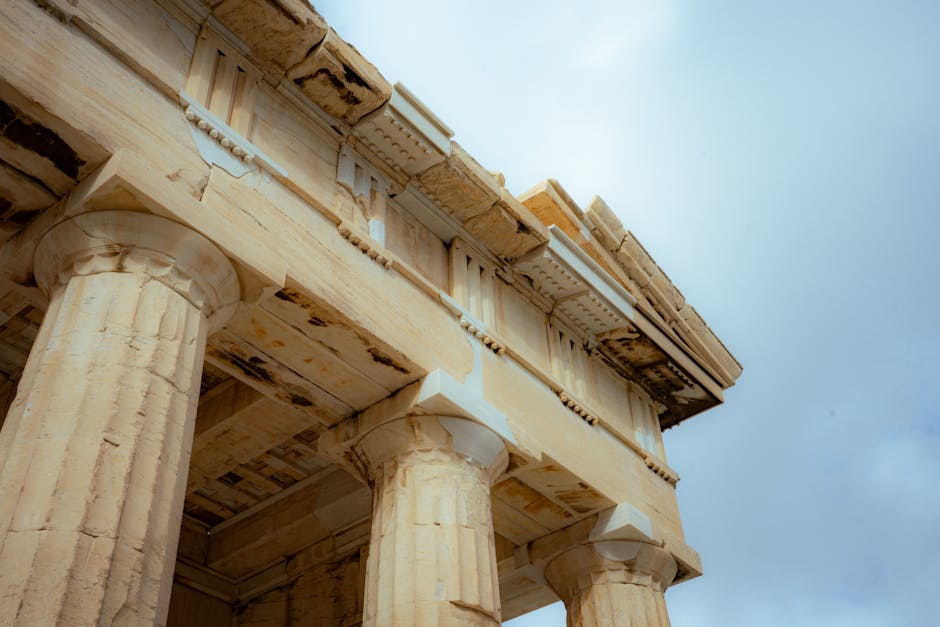
Explore the 'Athens of the South' on this self-guided walk through Centennial Park, featuring the world's only full-scale Parthenon replica.
 Easy
EasyNashville, United States
Explore Nashville's academic heart and Art Deco gems on this self-guided walk through historic Hillsboro Village.
 Easy
EasyNashville, United States
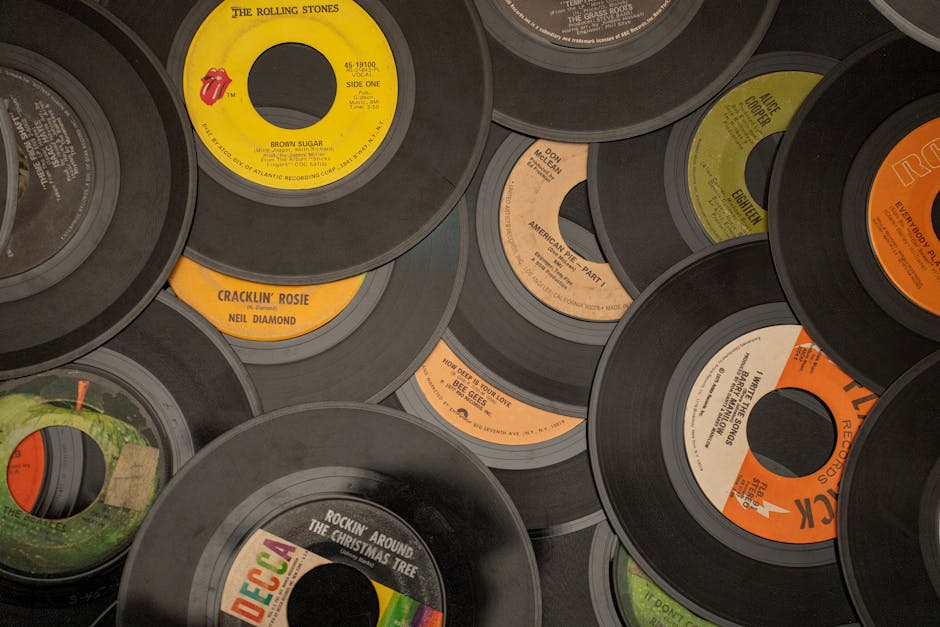
Explore the heart of Nashville's music industry. Discover iconic studios and the history of the legendary Nashville Sound at your own pace.
 Easy
EasyNashville, United States
Explore Nashville's oldest neighborhood! Discover Victorian architecture, Civil War history, and world-class craft beer on this self-guided walk.