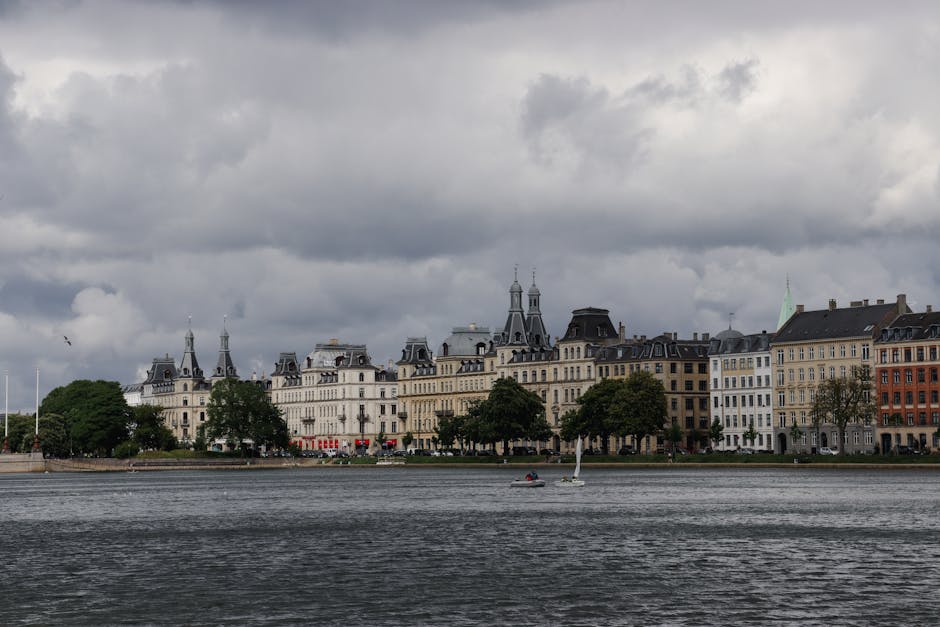
Self-guided audio tour in Copenhagen
Start Free on iPhone
Hear the stories behind the streets and sights around you as you walk Copenhagen. Try it free on iPhone.
Your Private Tour Guide
Old cake shops, hot dog wagons, Nyhavn and the Torvehallerne food market all feature on this self-guided food walk through central Copenhagen. Culinary Copenhagen: Markets and Local Flavors is a way to eat your way across the Danish capital, from elegant 19th-century pastry shops to busy modern market halls with glass walls. People here are good at living well. They even have a word for it, hygge. A fixed Copenhagen walking tour moves on when it moves on. This route doesn't, so stay for another coffee or go back for more smørrebrød whenever you feel like it. You start in the old Indre By district, where the smell of baking sugar has hung in the air for more than 150 years. Along the cobbled streets you'll see how Danish food has changed over time. The route passes landmarks like colorful Nyhavn harbor. It used to be a rough sailors' hangout, and now it's a lovely place for a cold local beer. You'll also duck into tucked-away courtyards that have become global street food spots, mixing flavors from abroad with Scandinavian design. The walk ends at the famous TorvehallerneKBH, a temple to food where local producers sell everything from fresh Baltic seafood to small-batch cheeses. It's more than a list of places to eat. Think of it as getting to know Copenhagen through your stomach. Looking for the perfect open sandwich, or a classic Danish hot dog from a long-running stand, you'll get the story behind it, which makes every bite better. Foodies will love it, and so will anyone curious about the culture. Go at your own pace and eat the way locals do. Worth knowing before you go. This area changes over time. Street art, pop-up venues and temporary exhibitions may not match what's described, and finding something new is part of the fun.
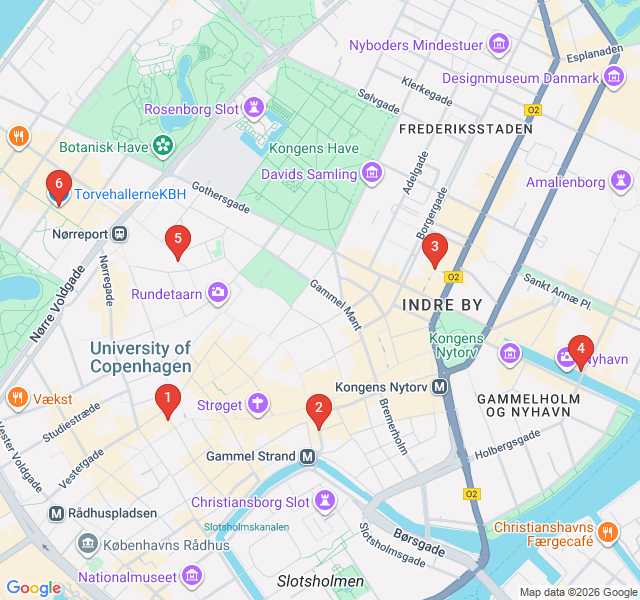
Numbers indicate the order of stops on the tour.
Conditori La Glace opened in 1870, which makes it the oldest patisserie in Denmark. It's a Copenhagen institution and has served six generations of locals, and royalty too. Brass fittings and a walnut wood interior make it feel firmly 19th century. The thing to order is the Sportskage, a rich cake of crushed nougat and whipped cream on a macaroon base. It was first made in 1891 for a play called The Sportsman. The menu has moved on since then, but the old-school craft hasn't. A sweet start, in other words. It's popular, so there's often a queue. If you don't fancy waiting, the window displays alone are a lesson in Danish pastry.
Højbro Plads sits at a crossroads in Copenhagen's history. A statue of Bishop Absalon looks over the square, but you should be watching for the pølsevogn, the sausage wagons. These silver carts have been part of Danish street life since 1921. The hot dog started out as a poor man's meal and has become a much-loved national icon. Try the classic rød pølse, the red sausage, or a ristet pølse, a roasted sausage, piled with remoulade, fried onions and pickles. Both are good. The square used to hold a busy vegetable market. These days it's still a central meeting point, where grilled sausage smells mix with sea air off the nearby canals.
Boltens Food Court hides behind a plain gateway, inside the historic Baron Boltens Gård. The old manor house and merchant's court date from the late 18th century, but today they're put to very modern use. It's a lively hub for street food from around the world and shows off the international side of Copenhagen's food scene. Moroccan tagines, Danish comfort food and plenty in between, the stalls reflect how global the city has become. The courtyard has a feel all its own, with centuries-old timber-framed buildings, modern neon signs and shared tables. It's a great example of Copenhagen giving old spaces a new social life.
Nyhavn may be the most photographed place in Denmark, and there's real food and social history here too. King Christian V built the canal in the 1670s, and it became a gateway for sailors and merchants. Back then it was known for rowdy taverns and alehouses. Now it's the city's best-known dining strip. Hans Christian Andersen lived in several houses along here, including numbers 20, 67 and 18. The colorful townhouses are full of restaurants serving anything from traditional herring platters to modern Nordic snacks. Yes, it gets busy. It's still the classic place to raise a glass, a skål, with a local beer and watch the wooden ships bob on the water.
Kultorvet means the Coal Market. It was set up after the fire of 1728 as a place where coal workers could sell their goods. Today it's a lively pedestrian square linking the busy shopping streets with the quieter university quarter. The food here is more local and everyday. Think flower stalls, old butchers and small cafes where students and locals pick up their morning coffee. It's a good spot to watch the Copenhagen pace, brisk but never too busy for a quick chat. Seasonal markets often pop up here, so depending on when you come you might find spring berries or winter gløgg, which is mulled wine.
Finish at TorvehallerneKBH, the top food spot in Copenhagen. Two glass halls hold over 60 stalls selling fresh fish, small-batch cheese, exotic spices, fancy chocolate and a lot more. If you only eat smørrebrød once, have it here. It's the traditional Danish open sandwich on rye bread. Look for stalls stacked with beautifully arranged toppings, like roast beef with horseradish or breaded plaice with remoulade. Even apart from the ready-made food, the market is full of seasonal Danish produce to look at and smell. Grab a top-class coffee from Coffee Collective or a glass of organic wine. This is Denmark's modern food culture at its best.

Guided Walk
Follow Danish kings from a fortified island to four borrowed mansions by the harbour.
3.2 km · 47 min walking

Guided Walk
Walk the ring where Copenhagen's walls, moats and royal gardens became places for everyone.
5.1 km · 1 h 11 min walking

Guided Walk
Follow Copenhagen from easy surrender to sabotage, secret rescue and a raid at rooftop height.
4.3 km · 1 h 3 min walking
Explore Mode
Open Zigway, start Explore Mode and just walk. Your guide notices where you are and tells you the story of what's around you, on this route or any street you turn into.
Start Free on iPhone
Open Zigway as you walk and your private tour guide tells the stories behind what you pass.
Your Private Tour Guide
Don't miss the good stuff
Explore Freely
 Easy
Copenhagen, Denmark
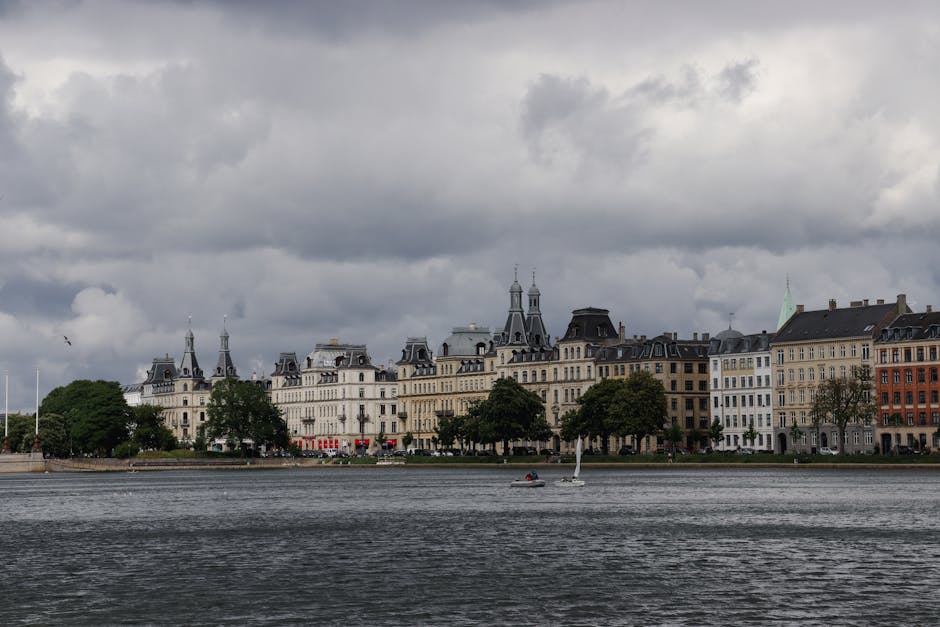
Explore Copenhagen's stunning waterfront architecture, from the 'Black Diamond' to the Opera House, on this self-guided design-focused walk.
 Moderate
Copenhagen, Denmark
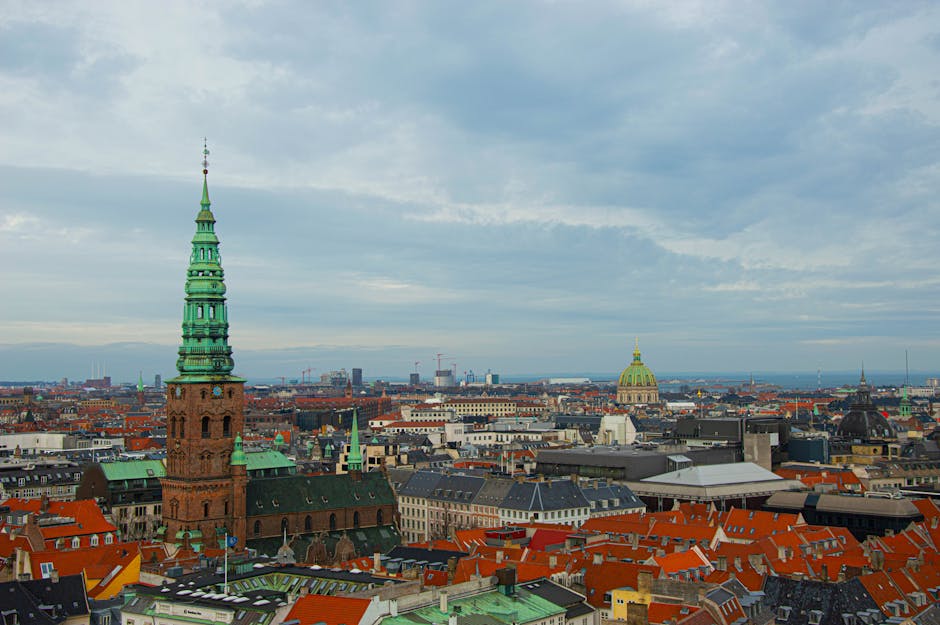
Explore Copenhagen’s 'Little Amsterdam' and the radical Freetown Christiania on this self-guided audio walk through history and counter-culture.
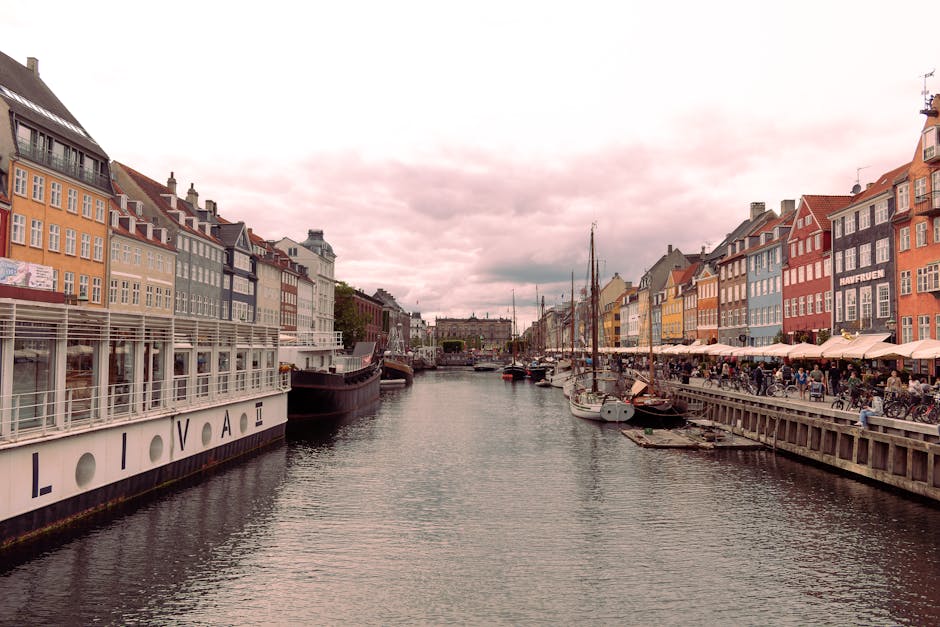 Easy
Copenhagen, Denmark
Discover the seat of Danish power and the home of the royals on this self-guided walk through Copenhagen's most historic palaces and landmarks.
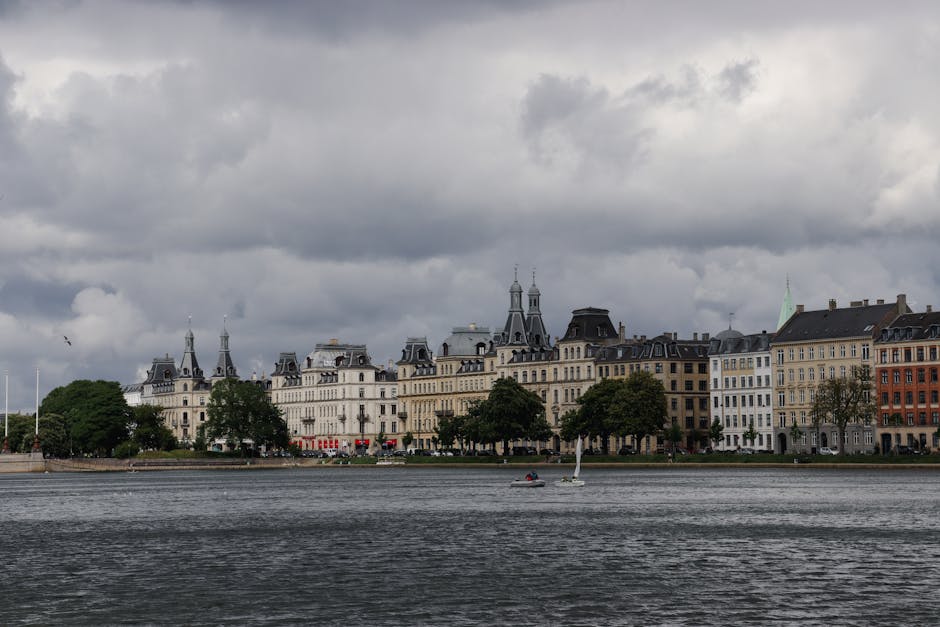 Easy
Copenhagen, Denmark
Discover Vesterbro's evolution from industrial grit to foodie heaven on this self-guided neighborhood stroll through Copenhagen's coolest district.
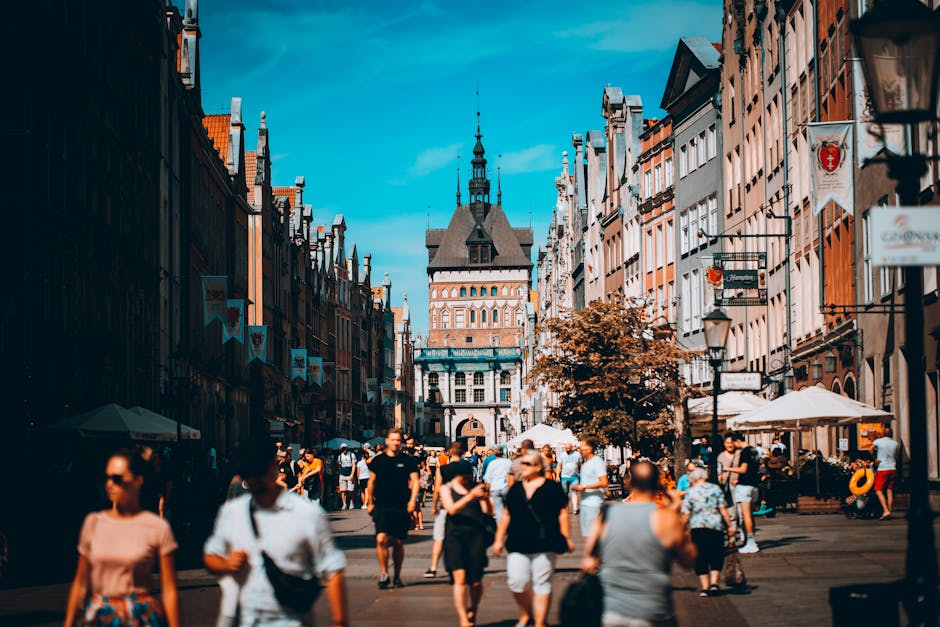 Easy
Gdansk, Poland
Taste the history of the Baltic. Explore Gdansk's culinary heritage from medieval markets to gold-flecked liqueurs on this self-guided walk.
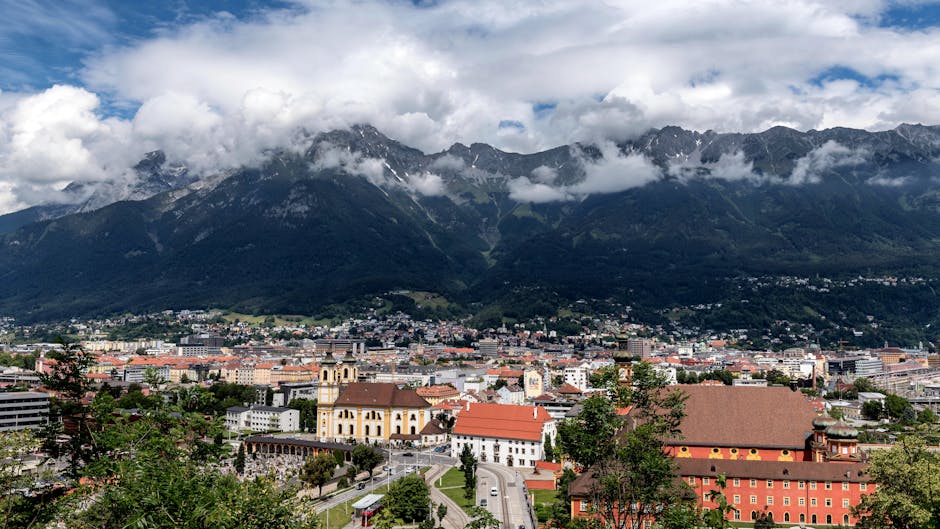 Easy
Innsbruck, Austria
Discover the flavors of Tyrol on this self-guided stroll through Innsbruck’s historic Old Town and vibrant market hall.
 Easy
Krakow, Poland
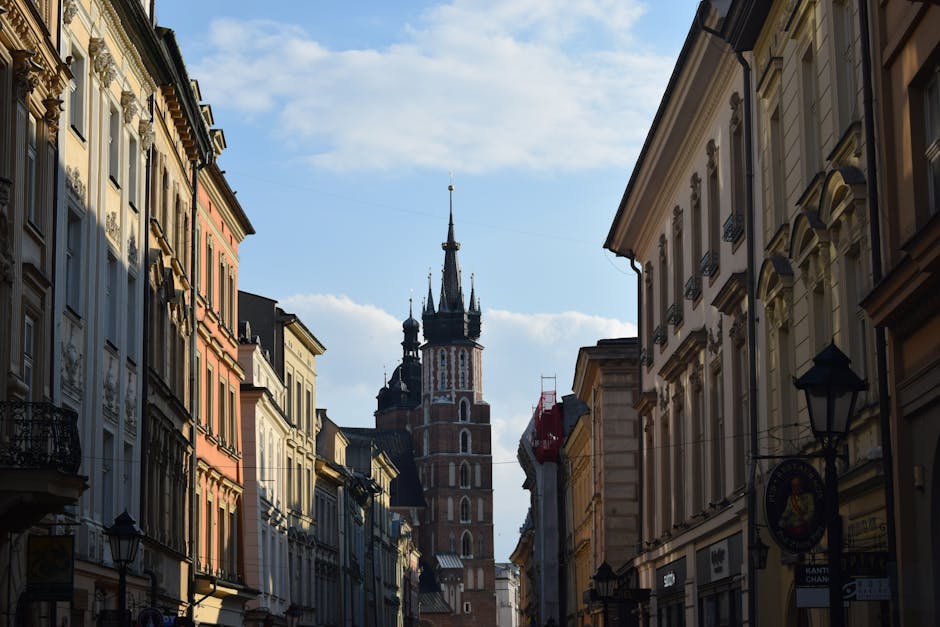
Savor the soul of Krakow on this self-guided walk through historic markets, bohemian cafes, and the city's best pierogi spots.
 Easy
Gothenburg, Sweden
Discover Gothenburg’s maritime flavors on this self-guided walk through historic market halls and iconic seafood landmarks.