Self-guided audio tour in Jaipur
Start Free on iPhone
Start free on iPhone to unlock this self-guided walking tour in Jaipur. Hear all the stories that make it amazing, walk at your own pace, and begin whenever you want.
Your Private Tour Guide
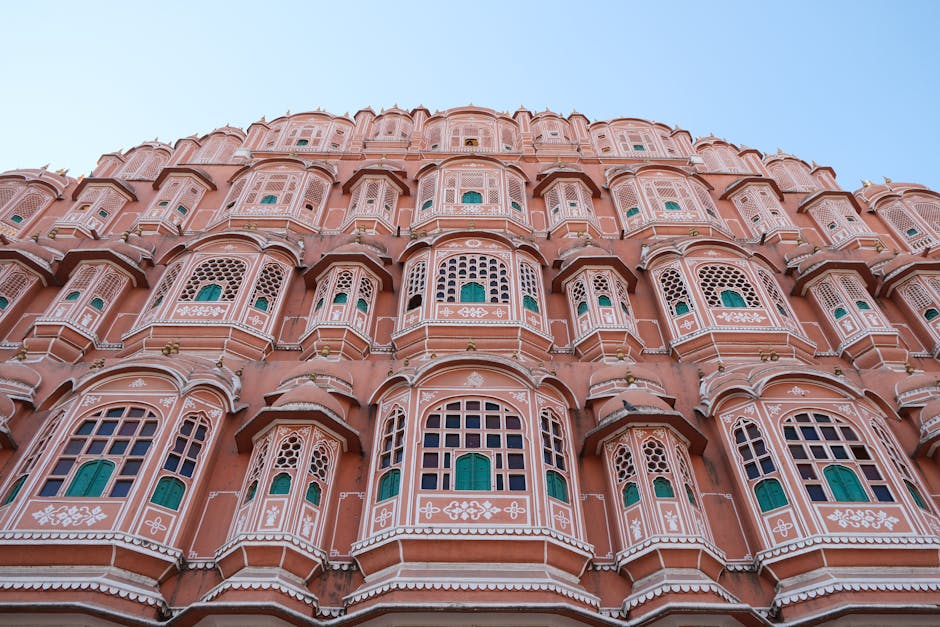
Beyond the rose-tinted facades of the Pink City lies a world of architectural splendor hidden in plain sight. This self-guided walk invites you to step away from the bustling bazaars and into the tranquil, fresco-adorned courtyards of Jaipur’s historic mansions, known as havelis. As you navigate the winding alleys of the Purani Basti neighborhood, you will discover the intricate craftsmanship that defined Rajput nobility. This architecture focused route showcases the transition of Jaipur from a medieval stronghold to a sophisticated urban center, where every carved doorway and painted ceiling tells a story of dynastic pride and artistic devotion. This neighborhood stroll is perfect for those who want to experience the authentic soul of the city without the constraints of a traditional walking tour Jaipur often presents. You will explore magnificent properties like the Alsisar Haveli and the Samode Haveli, each offering a unique glimpse into the private lives of the city's former elite. The route also takes you through the heart of the old city's residential quarters, where the 'hidden-gems' of local life—from tiny roadside shrines to traditional artisans—thrive in the shadows of great palaces. While many visitors stick to the main monuments, this walking route provides the independence to pause and appreciate the delicate mirror work and floral motifs at your own pace. Whether you are a photography enthusiast or a history buff, this self-guided adventure reveals the quiet elegance of Jaipur’s residential heritage. It is a rare opportunity to see how these historic spaces have been preserved and repurposed for the modern era. While a guided tour Jaipur visitors usually find focuses on the large palaces, this walk emphasizes the intimate scale of domestic royalty. Prepare to lose yourself in the labyrinthine charm of the old city, where every turn reveals a new secret courtyard or a forgotten piece of history.
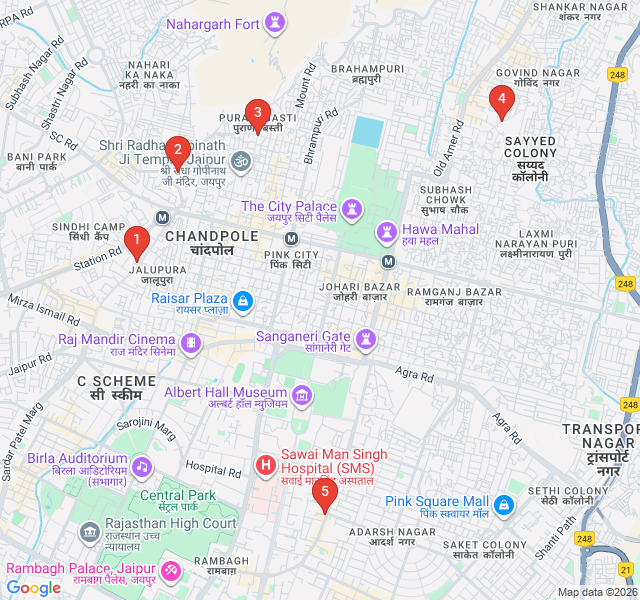
Numbers indicate the order of stops on the tour.
Start exploring at Alsisar Haveli, a magnificent example of Rajput architecture located just outside the old city walls. Built in 1892, this was the townhouse for the noble family of Alsisar. As you stand before its imposing facade, notice the traditional battlements and the intricate floral frescoes that characterize the Shekhawati style. The haveli is designed around a series of courtyards, a common feature in Indian mansions intended to provide natural ventilation and privacy. This property serves as a perfect introduction to the architectural transition of the late 19th century, where traditional defensive elements met the growing desire for ornamental luxury and comfort among the Rajasthani aristocracy.
A short walk leads you to the Bissau Palace, built in 1919 during the reign of Maharaja Sawai Jai Singh. This haveli is unique for its blend of traditional Rajasthani motifs and early 20th-century colonial influences. It remains the home of the descendants of the Rawal of Bissau. Inside, the library is a treasure trove of old books and maps, reflecting the intellectual pursuits of the nobility. The palace is famous for its 'sit-outs' and courtyards that offer a peaceful retreat from the city's noise. Observe the woodwork and the collection of royal memorabilia that provides a window into the lifestyle of the Jaipur nobility during the British Raj era.
Now, enter the heart of Purani Basti, one of the oldest residential quarters of Jaipur. As you wander through these narrow alleys, you are experiencing the city's original urban planning. This area is a living museum of 'hidden-gems,' where many smaller, lesser-known havelis still house local families. Look up to see the overhanging balconies known as 'jharokhas,' which allowed women to observe street life while remaining unseen. The atmosphere here is vibrant and authentic, filled with the scents of local spices and the sounds of daily life. This is the best place to observe the 'Chaupar' system of city planning that makes Jaipur a UNESCO World Heritage site.
Next, arrive at the Samode Haveli, a 175-year-old mansion that stands as one of the most beautiful heritage properties in India. Originally built as a garden house for the Samode family, it was later converted into a full-scale royal residence. The highlight here is the spectacular dining hall, adorned with intricate hand-painted murals and gold leaf work that rivals the City Palace. The architecture features a series of interconnected courtyards and rising levels that create a sense of mystery and grandeur. Take a moment to appreciate the delicate stone carvings and the lush gardens, which represent the pinnacle of aristocratic living in the 19th-century Pink City.
The final stop is Naila Bagh Palace, a heritage home built in 1872. This palace offers a slightly different architectural flavor, showcasing more of the Art Deco influences that became popular in the early 20th century, alongside traditional Rajput styles. It was the residence of the Thakur of Naila, who served as the Prime Minister of Jaipur State. The palace is surrounded by peaceful gardens and features grand arches and wide verandas. It serves as a quiet conclusion to your walk, illustrating how Jaipur’s noble families adapted their ancestral homes into the modern era while preserving the artistic legacy of their forefathers.
Start Free on iPhone
Explore “Secrets of the Haveli: Hidden Courtyards and Alleys” with your very own Private Tour Guide with Zigway. Start free on iPhone, skip the large group and the fixed routes, and hear the city come alive as you go.
Your Private Tour Guide
Don't miss the good stuff
Explore Freely
 Challenging
Jaipur, India
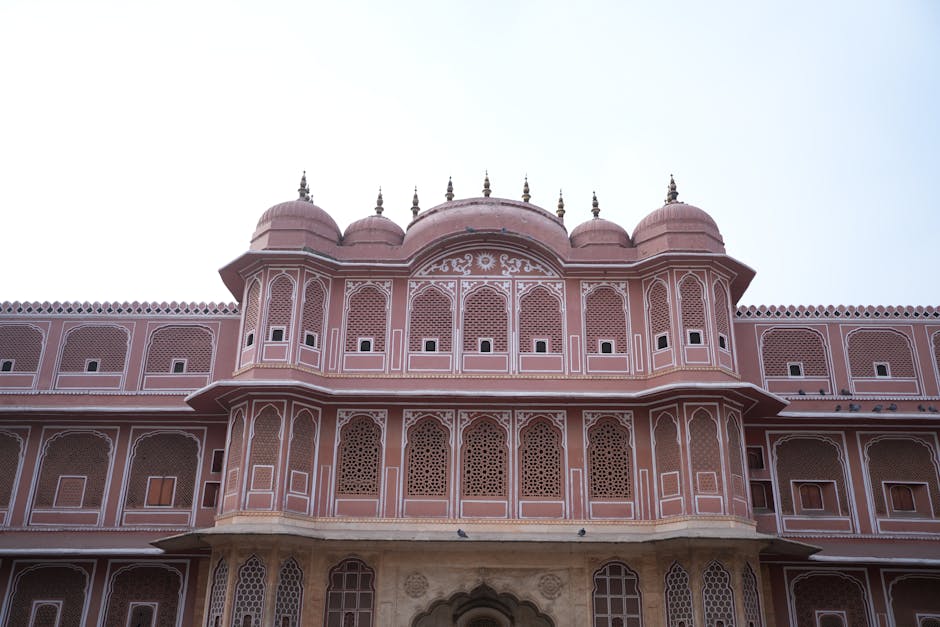
Ascend the historic ramparts of Amer Fort on this self-guided walk through ancient stepwells, royal gateways, and the dazzling Hall of Mirrors.
 Easy
EasyJaipur, India
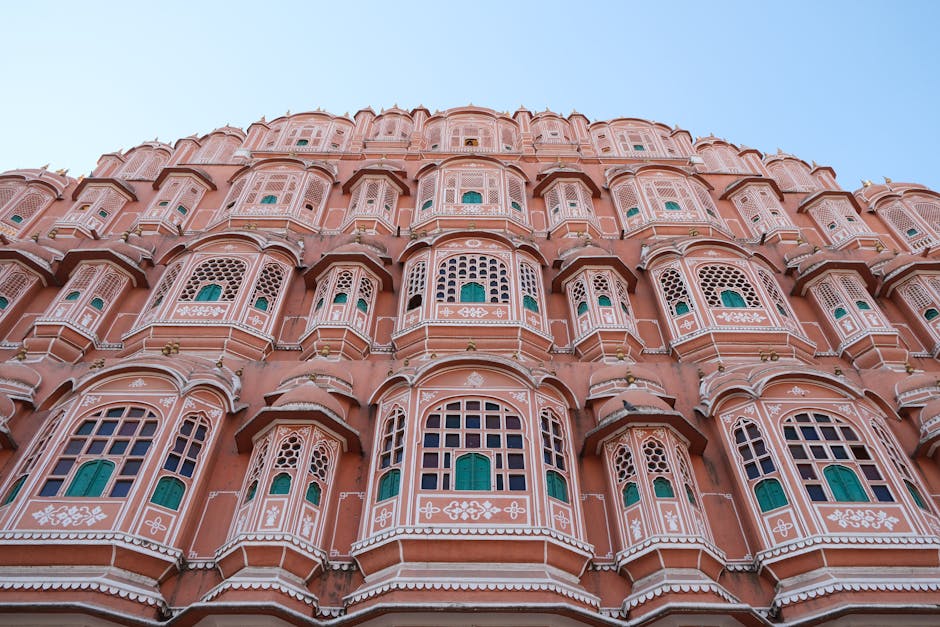
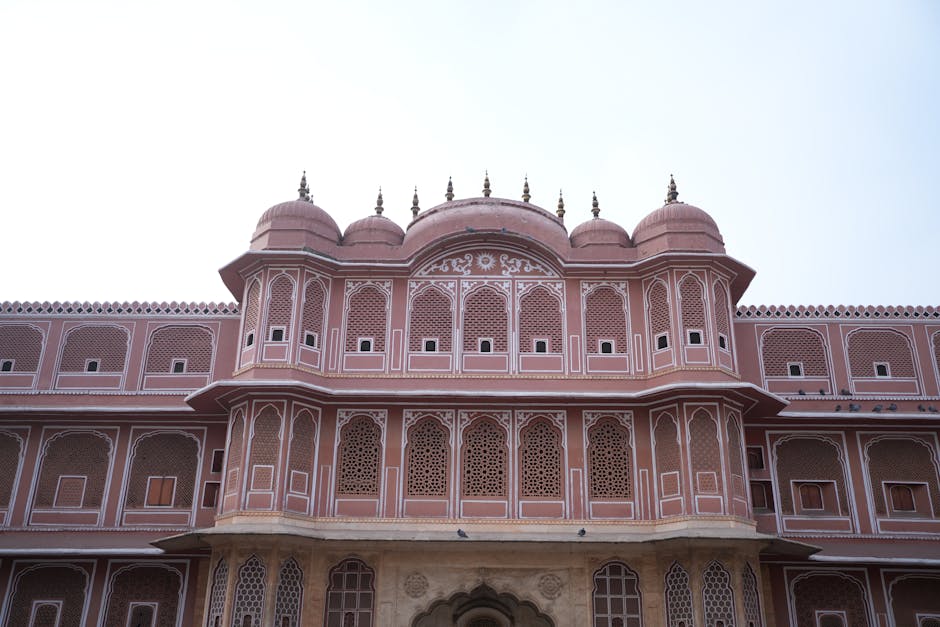
Explore the rose-hued gates and vibrant markets of Jaipur on this self-guided architectural walk from Albert Hall to the historic Ajmeri Gate.
 Moderate
Jaipur, India
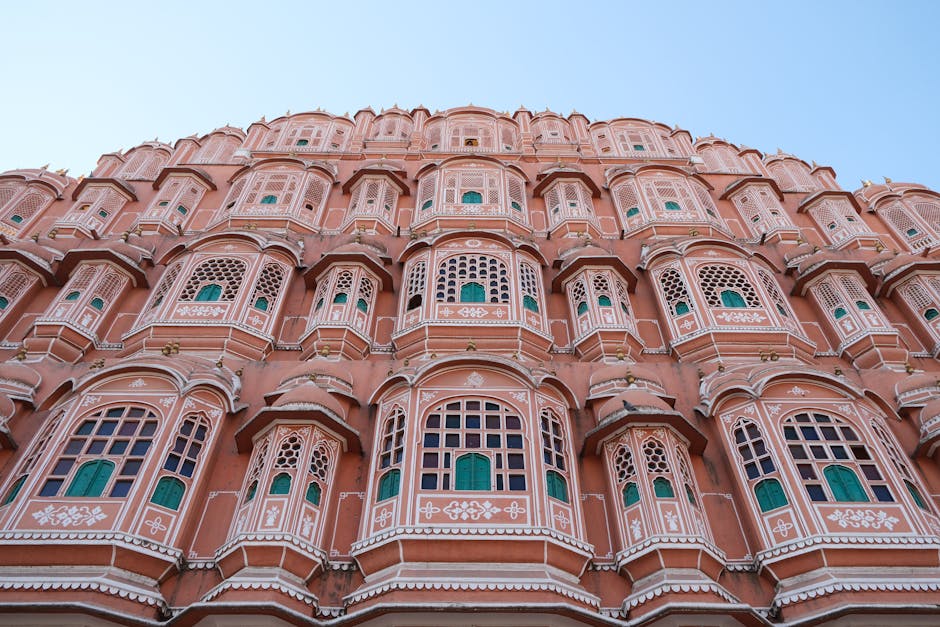
Explore Jaipur’s royal history at your own pace with this self-guided audio walk through the Pink City’s most iconic palaces and monuments.
 Easy
EasyJaipur, India
Explore Jaipur’s intellectual heart on this self-guided literary walk from historic libraries to iconic cultural hubs and legendary tea stalls.
 Easy
EasyWarsaw, Poland
Discover the hidden courtyards and grand pre-war architecture of Warsaw's most atmospheric neighborhood on this self-guided stroll.
 Easy
EasySalzburg, Austria
Discover Salzburg's oldest medieval alley, the birthplace of the 'Silent Night' author, and breathtaking views on this quiet self-guided walk.
 Easy
EasyGothenburg, Sweden
Explore Gothenburg’s historic wooden houses, legendary giant cinnamon buns, and panoramic fortress views on this self-guided neighborhood stroll.
 Easy
EasyNairobi, Kenya
Discover Nairobi's iconic skyline on this self-guided architecture walk through the CBD’s most famous modernist and Brutalist landmarks.
 Easy
EasyMumbai, India
Explore Mumbai's stunning UNESCO Art Deco heritage on this self-guided walking route along the iconic Marine Drive promenade.
 Challenging
Mumbai, India
Experience the sensory explosion of Mumbai's historic markets on this challenging self-guided walk through Kalbadevi and Crawford Market.
 Easy
EasyMumbai, India
Explore Mumbai's colonial legacy on this self-guided walk through Colaba's iconic landmarks, from the Gateway of India to grand Art Deco palaces.
 Moderate
Mumbai, India
Explore the ancient fishing village of Worli Koliwada, historic forts, and stunning sea views on this self-guided cultural walking route.